

A federal jury in Brooklyn has convicted Chinese telecom giant Huawei of conspiring to steal trade secrets from American companies and violating US sanctions on Iran, closing one of the most consequential corporate criminal cases in American history after a trial lasting more than two months.
Key Points
- Huawei convicted trade secrets — A Brooklyn jury found Huawei and three subsidiaries guilty on 10 of the 12 criminal counts they faced, including bank fraud, wire fraud, sanctions violations and conspiracy to steal trade secrets.
- The jury acquitted Huawei of the two most serious charges: racketeering conspiracy and conspiracy to obstruct justice.
- Prosecutors said Huawei misled major banks including HSBC, Standard Chartered and BNP Paribas about its secret business in Iran, conducted through a subsidiary called Skycom.
- The case began in 2018 and led to Huawei being placed on a US trade blacklist in 2019, restricting its access to American technology.
- Sentencing is scheduled for September 14, 2027, when the companies face criminal fines, forfeiture and restitution.
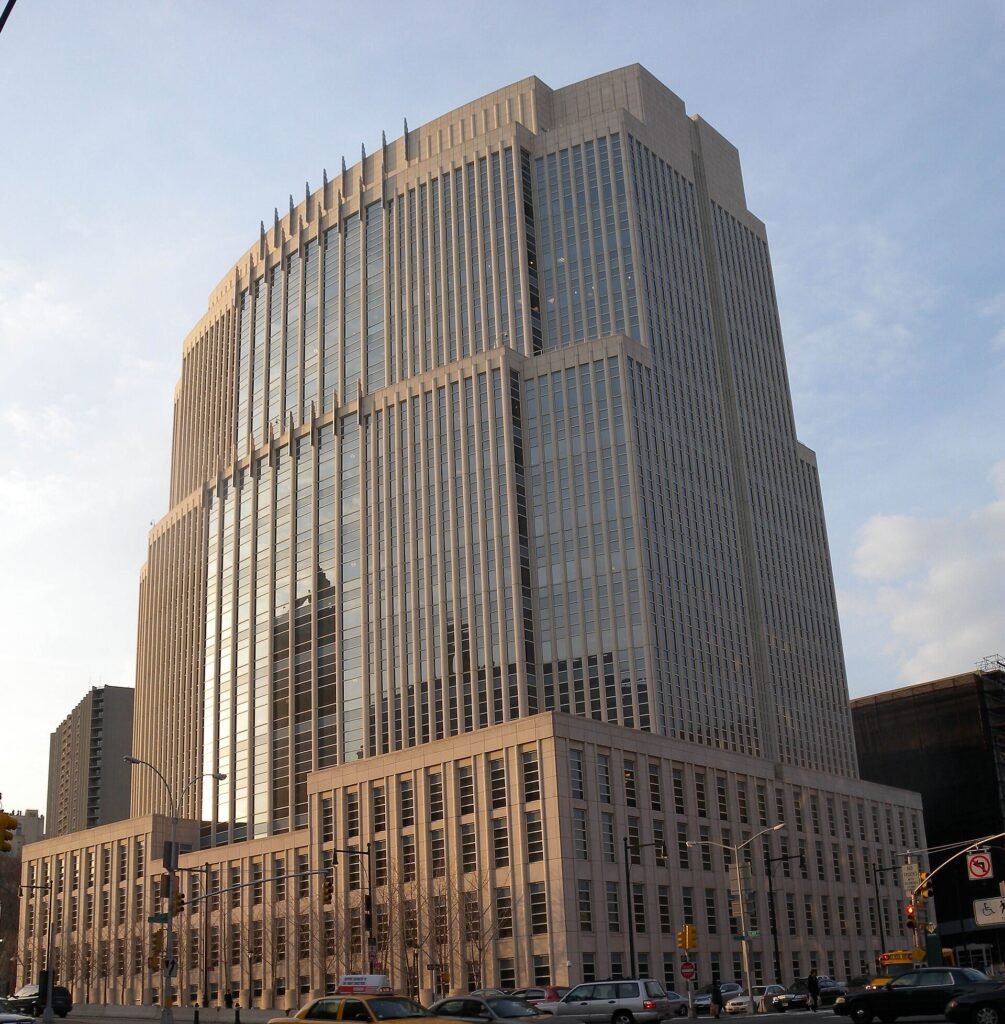
The verdict, delivered on Tuesday, November 24, ended a case that has shadowed US-China relations for nearly eight years. Prosecutors called more than 60 witnesses over the course of the trial, while the defence called 15. The jury found that Huawei had run a decades-long scheme to expand its telecommunications business through fraud, sanctions violations and the theft of intellectual property from American companies, according to the US Department of Justice.
The trade secrets at the heart of the case were strikingly specific. Prosecutors sought to prove that Huawei stole source code from Cisco Systems for its routers, took antenna technology from the wireless company Quintel, and hired a professor to gain access to a circuit board developed by the semiconductor company CNEX. In one of the most vivid episodes presented at trial, Huawei employees photographed and sent home details of T-Mobile’s phone-testing robot, known as Tappy, and one employee allegedly carried a component out of the company’s controlled laboratory in a backpack. In another, Huawei engineers copied Cisco’s proprietary router code, disguising the source by referring to Cisco as “ocsic” — its name spelled backwards — while leaving Cisco’s original notes in the code.
A case that began with an arrest
The criminal prosecution surfaced publicly in December 2018, when Huawei’s chief financial officer, Meng Wanzhou — the daughter of the company’s founder — was arrested in Canada on a US warrant. The following year, the US government placed Huawei on a trade blacklist that restricted its access to American technology, citing national security concerns. The original indictment alleged that Huawei had misled banks about its dealings in Iran; prosecutors added new charges in 2020, including that the company had conspired to steal trade secrets from US technology companies over two decades.
Huawei has denied wrongdoing throughout, and in a statement on Wednesday it welcomed its acquittal on the racketeering charge, arguing that the five trade-secret disputes cited by prosecutors had previously been resolved as civil matters. The company said the remaining convictions would be appealed. The Justice Department, by contrast, said Huawei’s crimes had threatened the US financial system, taken advantage of American companies that compete honestly, and undermined national security.
What happens next
The sentencing hearing, set for September 14, 2027, will determine the financial penalties, including criminal fines, forfeiture and restitution. The verdict also lands at a sensitive moment for US-China trade relations, coming the same week the Trump administration is preparing new tariffs on major trading partners. For American technology companies, the case is a reminder of how long the road to accountability can be: the conduct at issue stretched back two decades, and the trial itself took three months. For Huawei, the conviction cements its status as the company at the centre of the technology rivalry between the world’s two largest economies.
For background on the case, see our report on US-China Diplomatic Tensions Mount as Criminal Trial of Huawei Runs Parallel to Summit, and on Nvidia Reinstates Jensen Huang as CEO After 11 Days as Shares Soar 31%. More in our Technology section.
Sources: Reuters: China’s Huawei convicted in US in sprawling criminal trial over Iran business; CNN: US court convicts China’s Huawei for fraud, conspiring to steal trade secrets, in sprawling trial over Iran business