

US health officials have advised pausing the use of the chikungunya vaccine for people aged 60 and over, after 17 serious adverse events — including two deaths — were reported in older recipients worldwide.
Key Points
- Chikungunya vaccine IXCHIQ pause — the Centers for Disease Control and Prevention and the US Food and Drug Administration have advised that the live-attenuated vaccine should not be used among people 60 years and older.
- The FDA said 17 serious adverse events, including two deaths, have been reported in recipients of IXCHIQ over the age of 60 worldwide.
- The agencies investigated five hospitalisations for cardiac or neurologic events following vaccination, and are aware of additional reports among people aged 62 to 89 in other countries.
- The pause applies until the additional reports are further investigated; the vaccine remains available to younger adults.
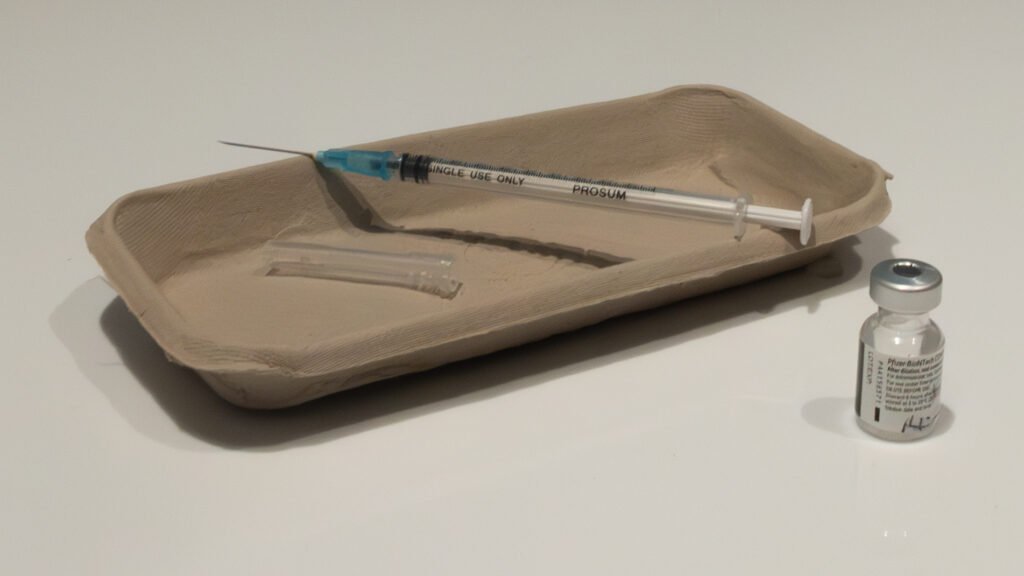
IXCHIQ, manufactured by Valneva, contains a live, weakened version of the chikungunya virus and was the first chikungunya vaccine licensed in the United States. It may cause symptoms similar to those of chikungunya disease itself. The CDC and FDA said in a statement on Monday: “CDC and FDA advise the live-attenuated vaccine should not be used among people 60 years and older until these additional reports are further investigated.”
The agencies said they recently investigated five hospitalisations for cardiac or neurologic events following vaccination with IXCHIQ among older people, and are also aware of additional reports of serious adverse events among people aged 62 to 89 years following use of the vaccine in other countries. The 17 serious events, including the two deaths, were reported in recipients over the age of 60 worldwide.
What chikungunya is
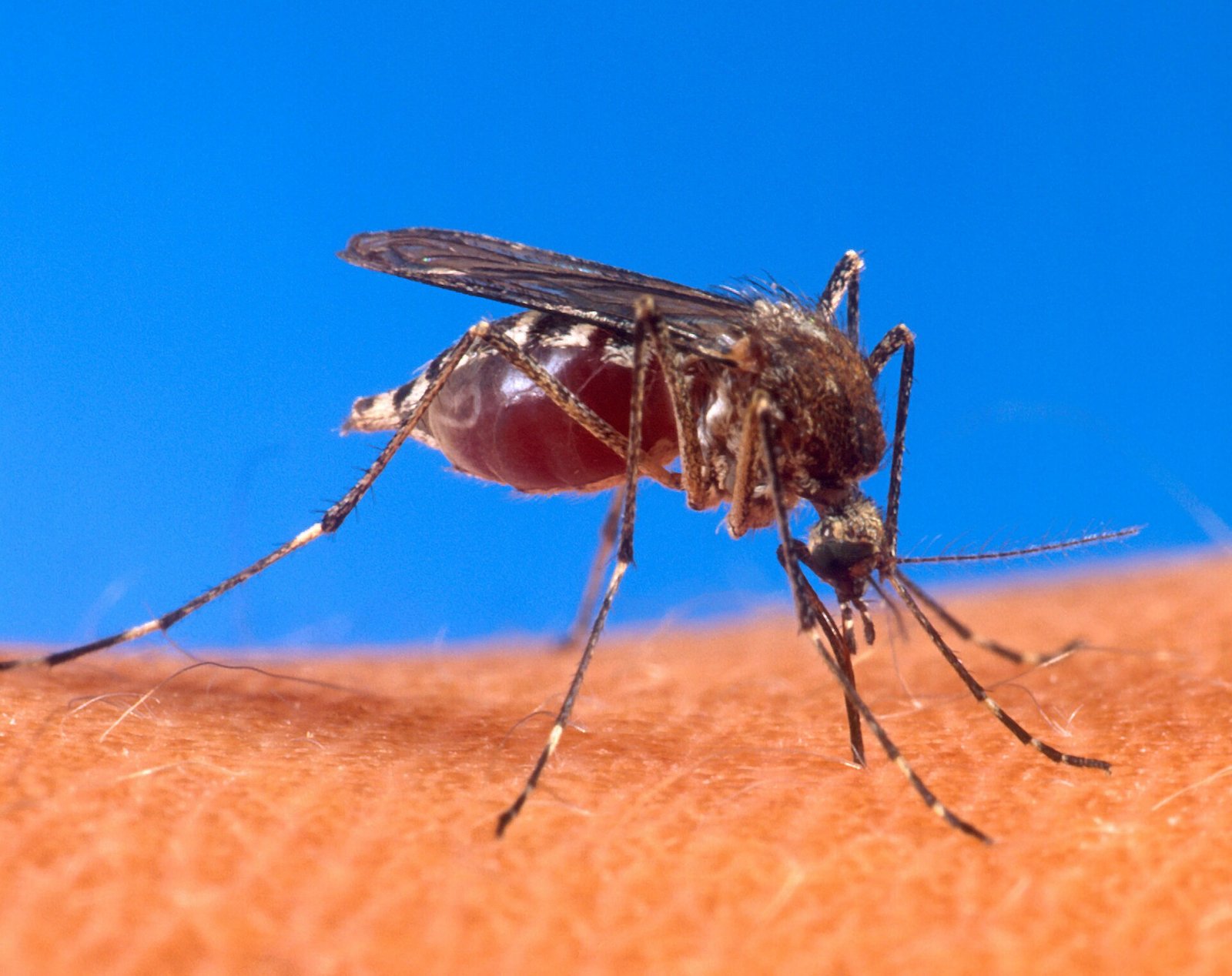
Chikungunya is a mosquito-borne viral disease spread by Aedes mosquitoes — the same mosquitoes that spread dengue and Zika. It causes fever and severe joint pain, and while most people recover, the joint pain can persist for months and older adults are at higher risk of severe disease. There is no specific antiviral treatment; care is focused on relieving symptoms.
The vaccine was developed for travellers to regions where the virus circulates and for people living in outbreak areas, and its approval was a milestone because chikungunya had no vaccine and no specific treatment. The pause for older adults is a precautionary step while the reports are investigated, and it follows the pattern of other live vaccines, where older recipients are monitored more closely because their immune systems respond differently.
What happens next
Health officials have not said how long the investigation will take, or whether the pause will be lifted, extended to other age groups, or made permanent for older adults. For now, people aged 60 and over who were planning to receive IXCHIQ before travel should speak to their doctor about alternatives, including mosquito avoidance — the standard advice for a disease with no specific treatment. The episode is also a test of how the current administration handles vaccine safety signals: the CDC has said its measles response will not change even if the US loses its elimination status, and the chikungunya decision shows the agencies still acting on safety reports where they see them.
For background on vaccine safety decisions, see our report on US measles cases and the fight over elimination status, and on the FDA approving Sunharbo, the first Factor XIa drug. More in our Health section.
Sources: NDTV, “Avoid Chikungunya Vaccine If You’re Over 60, Say US Health Officials; Here Are The Details” (https://www.ndtv.com/health/avoid-chikungunya-vaccine-if-youre-over-60-say-us-health-officials-here-are-the-details-8404567/amp/1).