

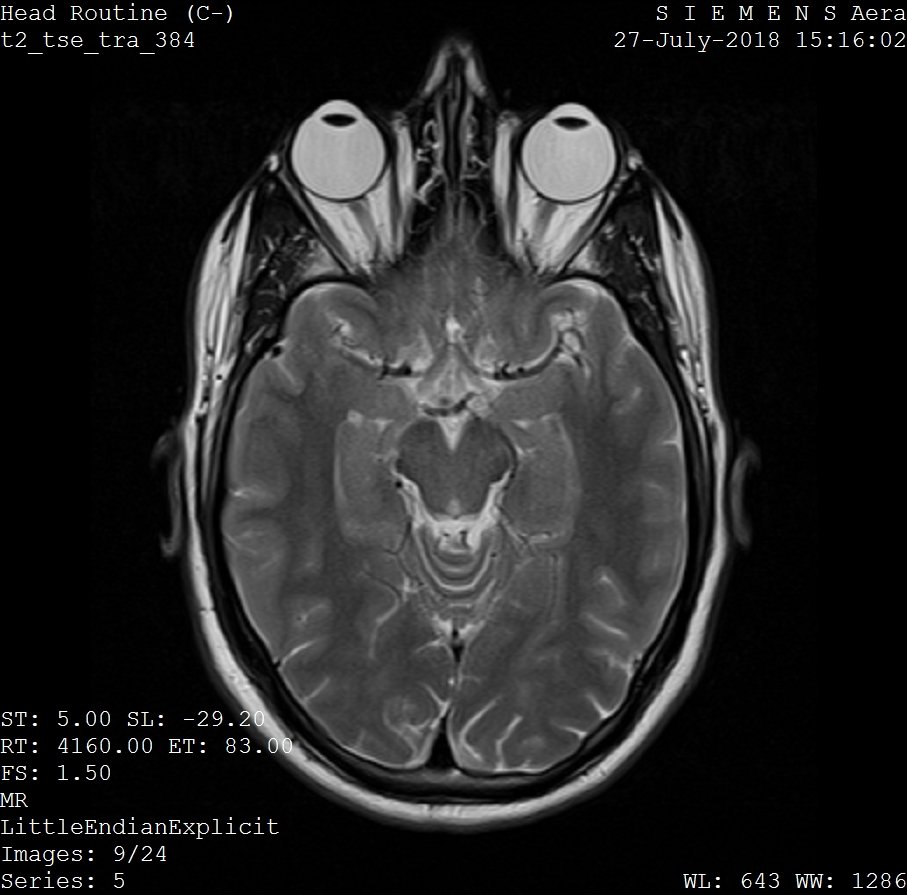
The US Food and Drug Administration has approved Sunharbo, the first drug of its kind to block the clotting protein Factor XIa, offering new protection against a second stroke for people who have just had one.
Key Points
- FDA approves Sunharbo asundexian stroke — the FDA approved Sunharbo (asundexian) on 9 November 2026 for secondary stroke prevention.
- It is the first approved Factor XIa inhibitor in the United States, taken once daily alongside antiplatelet therapy.
- In the 12,327-patient OCEANIC-STROKE trial, the drug cut the risk of a further ischemic stroke by 26% versus placebo.
- Bayer expects US shipments to begin in mid-to-late November, with European and Japanese reviews still under way.
Sunharbo is approved to reduce the risk of stroke in adults with a recent non-cardioembolic ischemic stroke or a high-risk transient ischemic attack — often called a mini-stroke. It is a once-daily, first-in-class, oral Factor XIa inhibitor, used in combination with antiplatelet therapy. The approval is narrow: it covers recent mild-to-moderate stroke or high-risk TIA only, and the drug is not approved for stroke prevention in patients with atrial fibrillation.
The FDA based its decision on OCEANIC-STROKE, an international, double-blind phase 3 trial involving 12,327 adults. Participants were randomly assigned within 72 hours of symptom onset to receive asundexian 50 mg once daily or placebo, alongside antiplatelet therapy in both groups. Over a median treatment period of 14.2 months, the primary outcome of ischemic stroke occurred in 6.2% of participants taking asundexian and 8.4% of those taking placebo — a 26% lower risk. The trial results were published in the New England Journal of Medicine in April 2026.
Why it matters
The risk of another stroke is highest in the days and weeks after the first one, and until now doctors have had limited options beyond antiplatelet drugs to prevent a recurrence. Factor XIa is a clotting protein that plays a larger role in the abnormal clots that cause strokes than in normal bleeding control, which is why researchers have chased a drug that blocks it for years. The trial suggests Sunharbo can cut repeat strokes without the bleeding penalty that has sunk earlier candidates — though bleeding risk rises in patients over 75, and doctors will watch that closely as the drug reaches real-world use.
Bayer, which developed the drug, said China’s National Medical Products Administration approved Sunharbo on 26 October 2026, and applications are under review by the European Medicines Agency and Japan’s Ministry of Health, Labour and Welfare. The company expects US shipments to begin in mid-to-late November, with the medicine available for hospitals and pharmacies to order across the US shortly after. Bayer shares rose 1.13% to €57.26 in early trading in Frankfurt on Tuesday.
What happens next
Sunharbo joins a run of recent FDA firsts — the agency approved Hibsago, the first drug offering a functional cure for chronic hepatitis B, only last week. For stroke survivors, the practical question is access: whether insurers cover the new drug quickly and how doctors fit it into the standard antiplatelet regimen. If uptake matches the trial results, it could become a standard part of care after a first stroke within a year.
For background on recent FDA approvals, see our report on the FDA approving Hibsago, the first drug offering a functional cure for chronic hepatitis B, and on Senator Chris Murphy recovering after suffering a stroke. More in our Health section.
Sources: ACNR, “US FDA approves asundexian for secondary stroke prevention”; TradingView News, “Bayer Secures FDA Nod For SUNHARBO In Secondary Stroke Prevention”.