
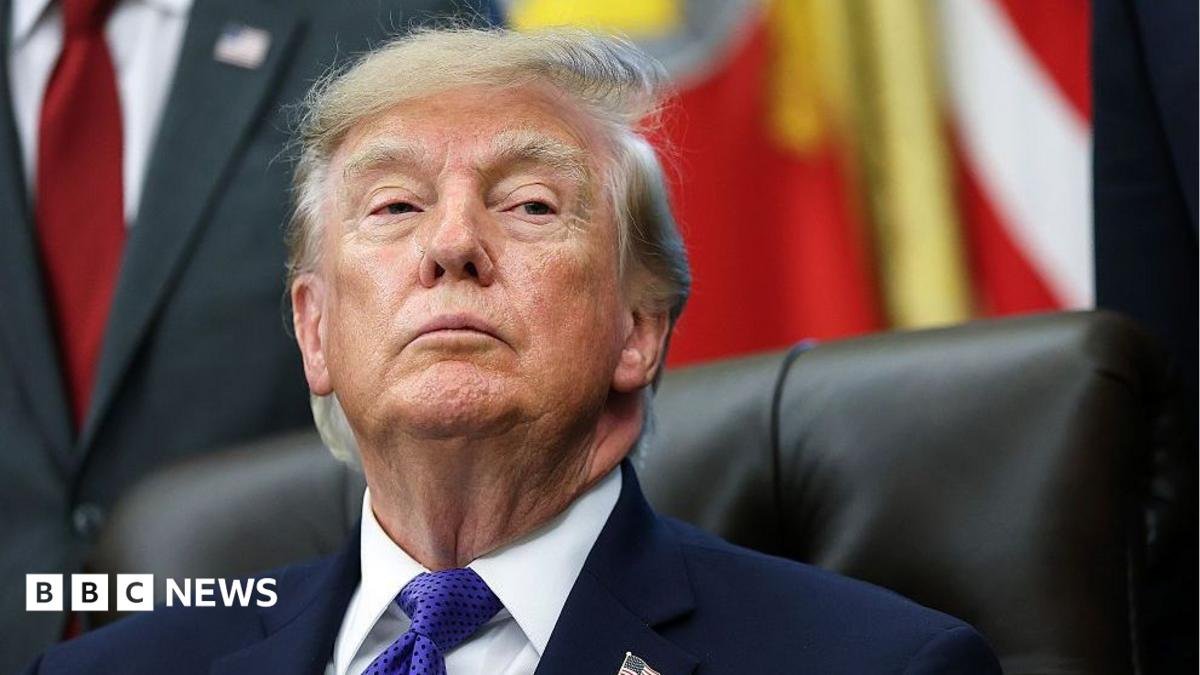
President Trump has assigned his top intelligence official to lead a new taskforce dedicated to overseeing artificial intelligence development.
President Donald Trump recently named his intelligence director to head a new artificial intelligence taskforce. This team will manage how the federal government interacts with private tech firms. It will also work with religious groups and public interest organizations.
The president wants to move fast on this technology. He calls it super intelligence to highlight its power. He insists the United States must stay ahead of China in this race. He refuses to pass new laws that might slow down development.
Why this matters
This move sets a major tone for how the government treats new tech. Many experts worry about the dangers of unchecked software. Some want strict rules to keep the public safe from harm. The president disagrees with these calls for regulation.
Also, this taskforce changes how power works in Washington. It reports directly to the White House and the chief of staff. This keeps control of AI policy very close to the president. It leaves Congress with less say in the matter.
Meanwhile, the tech industry feels a mix of hope and fear. Companies like OpenAI and Anthropic have asked for some guardrails. Yet, they also want to keep building fast. They argue the potential benefits outweigh the risks of errors.
Leading the Super Intelligence Force
The taskforce includes several high-ranking officials. Besides the intelligence chief, it features the head of the Federal Trade Commission. It also includes the undersecretary of defense for research. They must balance business interests with national security concerns.
However, critics remain unhappy with the plan. Senator Elizabeth Warren argues that committees do not protect people. She wants laws to hold tech companies responsible for their products. She believes the government must do more than just talk.
Also, the president recently signed a document with major AI firms. This agreement makes those companies responsible for their own safety. It is a morally binding pact rather than a legal one. The president says this keeps the country competitive.
How we got here
- September 2026: President Trump first shares his plan to create an AI taskforce.
- October 2026: The president announces the specific members who will lead the group.
- October 2026: Leaders of major AI firms sign a safety document with the White House.
- October 2026: President Trump rejects the idea of international partnerships with China on AI development.
What happens next
Now, the taskforce will begin its official coordination work. They will meet with various groups across the country. These meetings will shape how the government handles AI in the future. We expect to see more policy updates soon.
Next, the debate in Congress will likely grow louder. Opponents will continue to push for formal legal regulations. They might challenge the president's focus on industry self-regulation. This battle will define the next few months of policy.
Finally, the race for tech dominance will continue globally. The White House will keep close watch on international competition. They want to ensure the country maintains its current lead. The taskforce will be the main tool for this goal.