
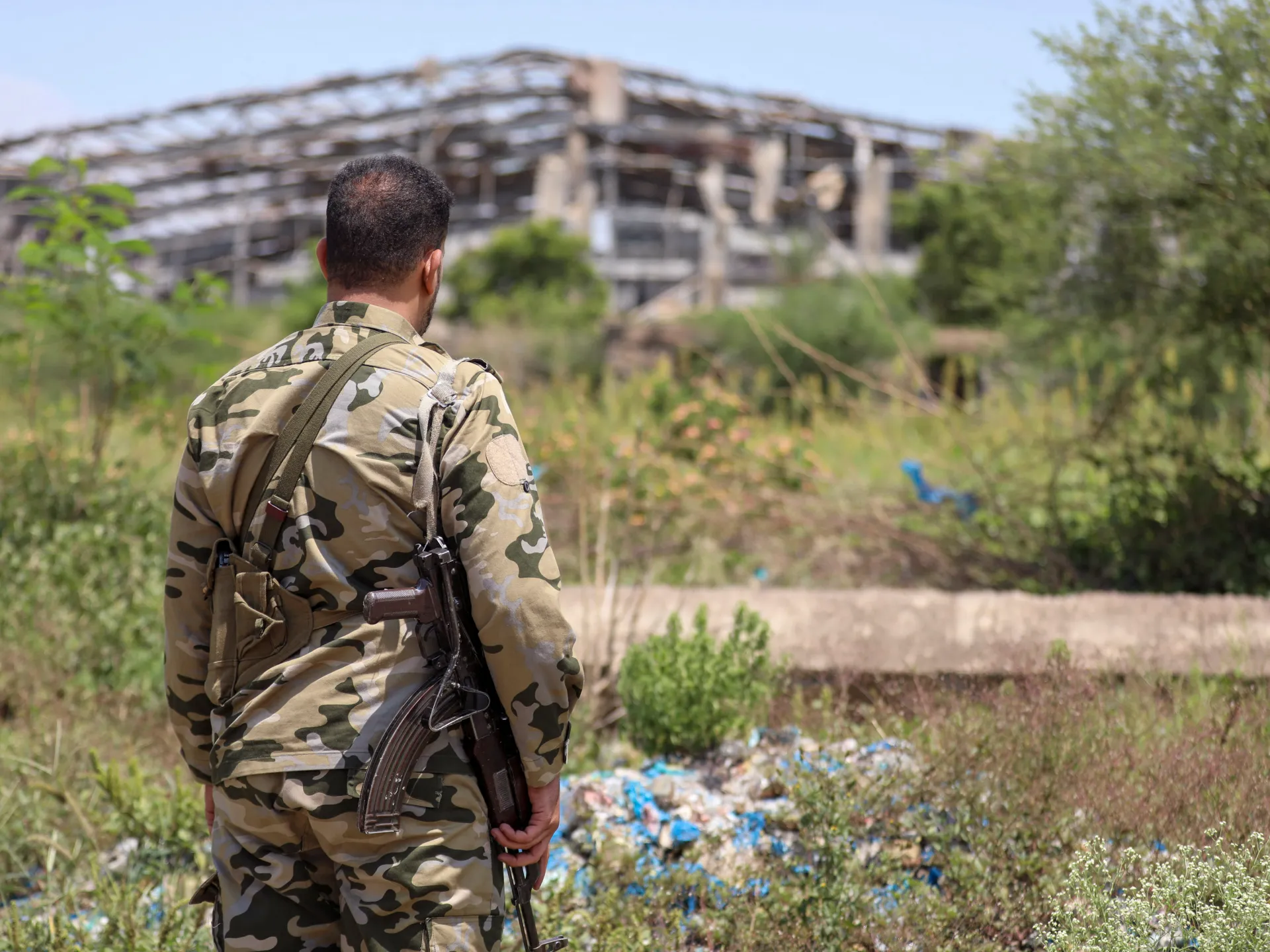
A famous Hawaiian arch falls into the sea while Yemeni forces battle for control over a vital global shipping lane.
A famous Hawaiian landmark recently collapsed into the Pacific Ocean. Meanwhile, Yemeni forces fight to secure a critical shipping passage. These events highlight how physical and political instability threaten our world today.
Natural erosion claimed the Hōlei Sea Arch in Hawaii. At the same time, Houthi fighters are moving toward the Bab el-Mandeb Strait. These two stories show that change is constant in both nature and global politics.
Why this matters
The Hōlei Sea Arch served as a symbol of Hawaii's rugged beauty. Its loss reminds us that nature constantly reshapes the Earth. Coastal areas often face unpredictable risks from storms and volcanic activity.
Also, the situation in Yemen impacts the entire world economy. The Bab el-Mandeb Strait acts as a gateway for global shipping. If this passage closes, the cost of goods could rise for everyone.
Furthermore, these two events create uncertainty for travelers and businesses alike. People visit national parks to witness natural wonders. Companies rely on safe sea lanes to move their products across the globe.
Still, both situations illustrate the limits of human control. We cannot stop the ocean from eroding cliffs. Likewise, regional conflicts often defy simple solutions.
Conflict over the Red Sea shipping lane
Yemeni government forces recently claimed they reclaimed the town of Dhubab. They also took back key positions near the Bab el-Mandeb Strait. This area is vital for international trade.
However, Houthi groups continue to threaten this shipping route. Reports from Reuters and the BBC show that the Houthi fighters are tightening their grip. They want more control over these coastal waters.
Then, the situation became more tense near the city of Taiz. Soldiers recently guarded the main road toward Aden. These clashes show that control of the coast remains a top priority.
After that, international observers noted the high stakes of this movement. Every mile gained by the Houthis increases their leverage. This impacts how ships travel through the Red Sea daily.
The loss of a natural wonder
The Hōlei Sea Arch stood for over 500 years. It was a 90-foot-tall structure made of lava rock. It finally fell into the ocean sometime last week.
Next, the National Park Service confirmed the collapse. They noted that the coastline near the arch was unstable for years. Earthquakes from a 2018 volcanic eruption further weakened the cliffs.
Also, officials believe Tropical Storm Nolo likely triggered the final fall. The park had closed the original viewing area back in 2020 due to safety risks. Nature eventually finished what erosion started long ago.
How we got here
- 2018: Kīlauea volcano eruptions cause earthquakes that damage cliffs near the arch.
- January 2020: Park officials close the primary viewing area due to new cracks in the rock.
- Late 2020: A tropical storm breaks a large chunk of rock from the base of the arch.
- September 23, 2026: The Hōlei Sea Arch is still standing at the end of Chain of Craters Road.
- September 27, 2026: Park staff confirm the arch has disappeared into the Pacific Ocean.
- October 3, 2026: Yemeni government forces fight to hold the route near the Bab el-Mandeb Strait.
- October 5, 2026: Reports emerge that government troops recaptured the town of Dhubab from Houthi forces.
What happens next
The National Park Service will likely monitor the remaining coastline for new dangers. They expect other natural formations to replace the lost arch over time. Tourists should expect new rules regarding safe viewing distances.
Meanwhile, the conflict in Yemen remains volatile. Military analysts suggest that both sides will continue to fight for the coast. This will likely cause delays for cargo ships entering the Red Sea.
Finally, the world will watch these developments closely. Global markets depend on the safety of the Bab el-Mandeb Strait. Governments will probably increase their naval presence to protect vital trade lanes.