
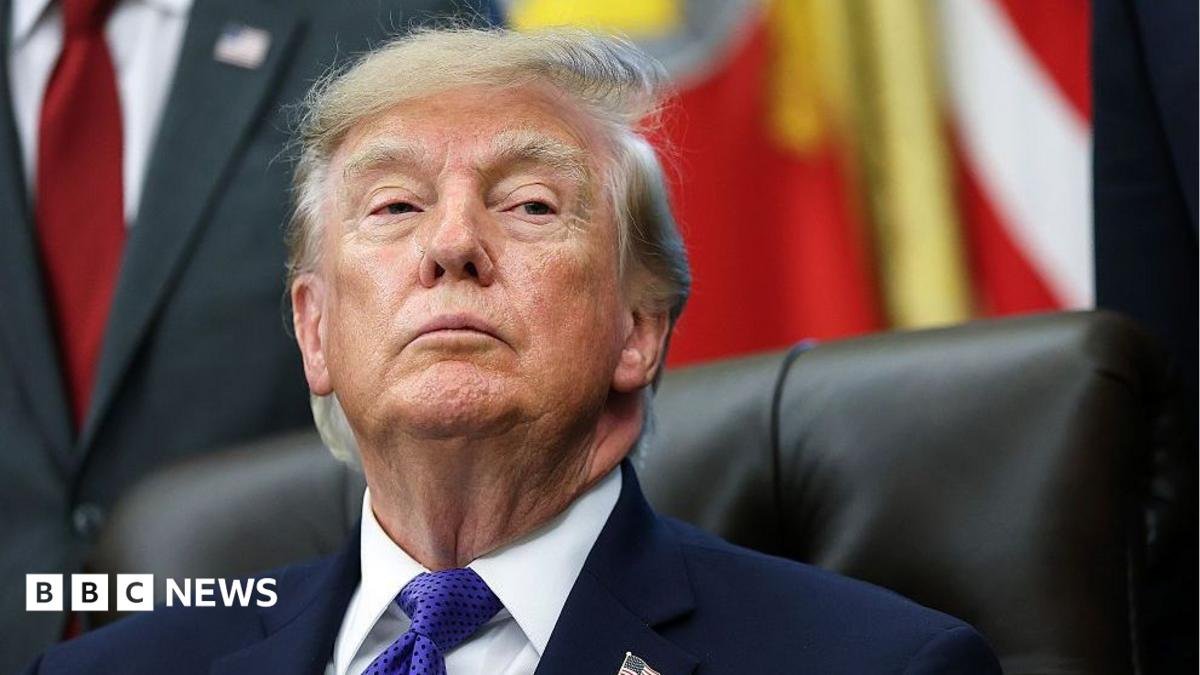
President Trump created a new task force to manage advanced technology policy. The group will coordinate federal rules for artificial intelligence.
Why this matters
President Donald Trump recently launched a new group called the Super Intelligence Force. This team will manage federal policies regarding advanced computer systems. The president recently renamed these systems to avoid using the word artificial. He claims the word artificial makes the technology sound fake.
Also, this shift shows a major change in government technology language. The group wants to ensure the United States leads the world in this field. It brings together experts from defense, trade, and intelligence departments. This structure helps the government monitor risks while promoting growth.
Next, the task force faces pressure from both inside and outside the government. Tech leaders often disagree on how fast these systems should grow. Some experts argue that society must accept small risks for bigger gains. Others worry that current safety cultures inside major companies are broken.
Government Oversight and Leadership
The White House appointed Jay Clayton to lead the new Super Intelligence Force. Clayton currently serves as the Director of National Intelligence. He previously worked as a top lawyer in New York. He once prosecuted major drug cases against foreign officials.
Then, other key officials joined the team to support his mission. This list includes FTC Chair Andrew Ferguson and Undersecretary of Defense Emil Michael. Scott Kupor from the Office of Personnel Management also joined the group. They report directly to the president and his Chief of Staff, Susie Wiles.
Meanwhile, the group will coordinate efforts with many different public sectors. They plan to talk with religious groups and public interest organizations. They also intend to work with companies that build these powerful tools. The task force wants to gather input from critical infrastructure providers as well.
However, the announcement comes as some tech firms face internal turmoil. A former safety expert recently left a leading firm. He claimed the company's culture focused too much on speed. He said the team failed to show enough care for safety during new product launches.
How we got here
- September 2024: Researchers finished a study on health risks for astronauts.
- August 2026: Jay Clayton started his role as the national intelligence director.
- September 29, 2026: President Trump signed an executive order to rename artificial intelligence.
- October 3, 2026: The president held a large campaign rally in Ohio.
- October 5, 2026: The White House announced the official Super Intelligence Force task force.
What happens next
After that, the task force will likely begin its formal meetings. They must define the rules for using and selling these new tools. The public expects clear guidelines on how to keep data safe. This process will involve many debates between lawmakers and tech executives.
Next, the administration will manage its trade and campaign goals. The president continues to balance global trade talks with his political rallies. Voters will watch closely to see if these policies impact their daily lives. The government must find a balance between safety and innovation.
Finally, industry leaders will continue their search for better safety standards. Companies may update their own rules to match the new federal vision. More reports on safety culture might emerge from inside these tech firms. The world will monitor how effectively the new task force performs its duties.