
This month highlights the balance between dangerous mountain rescues and medical research in orbit. Scientists and search teams work to solve mysteries on Earth and in space.
Why this matters
September 2026 presents a sharp contrast between human tragedy and scientific wonder. We see the fragile nature of life on Earth. Simultaneously, we witness the massive scale of the universe.
Also, international research efforts now link space health to life on our home planet. These missions provide data that may lives here. Understanding blood flow helps both astronauts and patients on Earth.
Finally, these events show our need to study the unknown. Whether we face mountain avalanches or cosmic nebulae, we seek answers. Curiosity remains a core human trait during difficult times.
Scientific Discovery and Human Health
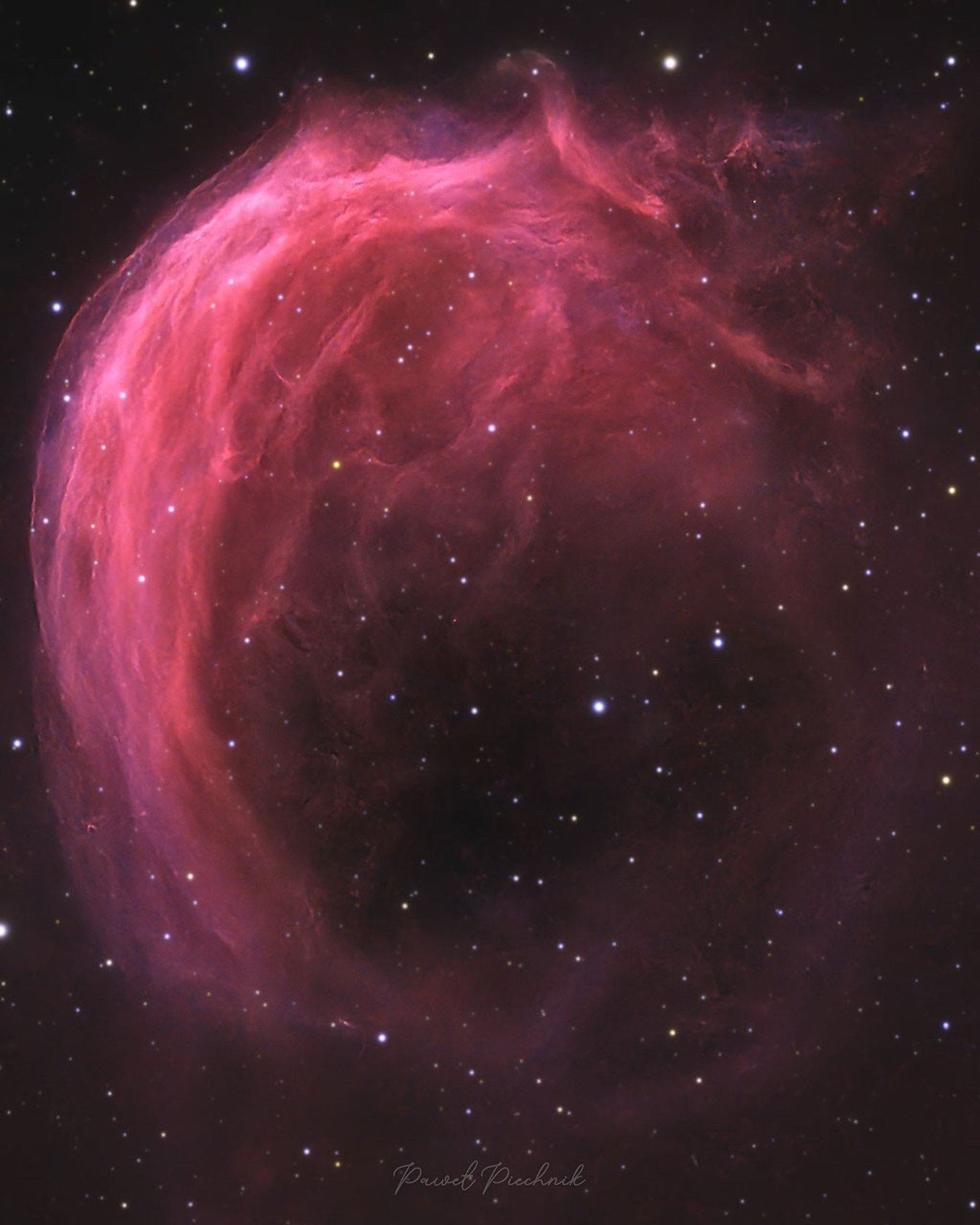
Astronomers recently captured a stunning image of the Shrimp Nebula. This nebula, known as Sh2-188, spans half the size of the Moon. A fast-moving white dwarf core creates a bright bow shock.
Meanwhile, NASA prepares the Crew-13 mission for the International Space Station. Astronauts will study how spaceflight changes human health. They focus specifically on blood flow and clotting issues.
Also, researchers from NASA and Europe are joining forces. They created a project called Venous Haemostasis to study veins. This saves astronauts from having too many blood draws in space.
Then, the team will use MRI scans and ultrasounds to watch the crew. They want to see why weightlessness changes blood circulation. These results could improve medical care for everyone on Earth.
Global Tragedies and Cosmic Exploration
However, news from Earth remains somber this month. An avalanche on Mount Himlung in Nepal killed two climbers. Rescue teams continue to search for twelve other missing people.
Also, the space community continues to reach for new goals. The Crew-13 mission includes astronauts from the US, Russia, and Canada. They will test how well humans handle manual landings.
Next, experts will simulate lunar landings to test pilot skills. Long trips in space can affect how humans move. These tests help ensure astronauts remain safe during complex missions.
Finally, backyard astronomers contribute to our cosmic knowledge. A telescope in Poland captured the Shrimp Nebula image. It shows the beauty of deep space in clear, digital colors.
How we got here
- April 2026: NASA announces the primary goals for the upcoming Crew-13 mission.
- September 24, 2026: NASA details the new medical studies for the International Space Station.
- September 28, 2026: Rescuers work in Nepal following a deadly avalanche on Mount Himlung.
- September 29, 2026: NASA features the Shrimp Nebula as the daily astronomy photo.
What happens next
Researchers will analyze data from the Crew-13 mission over several months. They hope to find ways to prevent blood clots. This will guide medical protocols for future trips to the Moon.
Also, the search in Nepal will likely conclude as weather conditions change. Experts will review mountain safety procedures. Families wait for updates on their missing loved ones.
Finally, astronomers will continue to map the night sky. They use new images to study the movement of stars. Each discovery adds a small piece to our understanding of the universe.