
NASA researchers are improving airport safety through new digital tools while studying how wildfires shape the atmosphere from above.
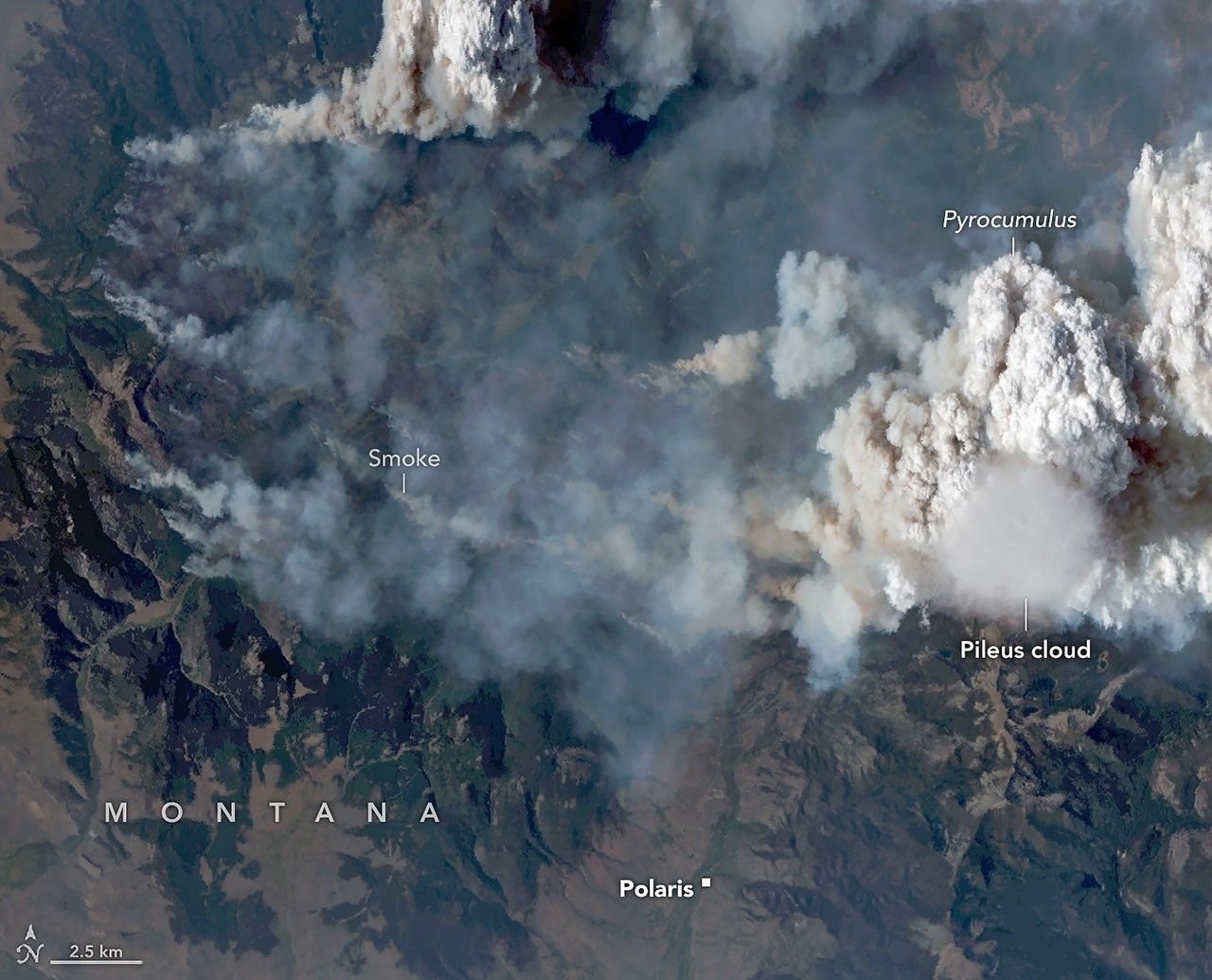
NASA researchers recently captured a rare image of a pileus cloud over a Montana wildfire. This event happened during a research flight in August 2026. Experts studied how heat from the fire creates massive smoke clouds.
Meanwhile, NASA teams are working to improve safety at busy airports. They recently tested new digital tools to help pilots navigate taxiways. These systems aim to make air travel safer and faster for everyone.
Why this matters
Modern air travel relies on complex systems that handle thousands of flights every day. Small errors on the ground or in the sky can lead to dangerous delays. Improving these processes saves time and keeps passengers safe during their journeys.
Also, scientists need to understand how smoke clouds behave during intense wildfires. These fire clouds can change local weather patterns in unpredictable ways. Better data helps crews on the ground manage fire risks more effectively.
Furthermore, technology plays a vital role in both environmental science and public transit. NASA uses high-altitude aircraft to monitor both the atmosphere and the ground. This dual approach allows for rapid responses to natural disasters and aviation hazards.
New technology for busy runways
Researchers recently teamed up with Boeing to test three new safety technologies. These tests took place at NASA’s Ames Research Center in California. The goal is to replace old ways of giving directions with digital guidance.
Next, the team tested digital taxi information delivered directly to cockpit screens. This change helps pilots follow routes without needing constant radio calls. It lowers the chance of mistakes caused by misheard instructions from traffic controllers.
Finally, the team successfully tested sensors that identify obstacles on runways. During one flight, these sensors spotted a vehicle blocking a landing path. This technology provides pilots with a better view of potential hazards before they land.
Studying fire behavior from above
NASA also flew an ER-2 aircraft over the Sand Creek fire in Montana. Scientists used a special sensor to view the fire in different light spectrums. This tool distinguishes between burning areas and cooling clouds.
Then, the team spotted a rare pileus cloud sitting on top of a fire plume. These clouds form when rising hot air pushes moisture upward. The fire acted like a mountain, forcing the air to cool and condense.
After that, the researchers noted how fast these clouds disappear. The pileus cloud lasted only a few minutes before the fire plume overtook it. This brief appearance gave scientists a rare look at how fires affect the atmosphere.
How we got here
- March 2026: Researchers test new autonomous runway safety tech at Ames Research Center.
- August 11, 2026: NASA captures a pileus cloud atop a smoke plume over the Sand Creek fire.
- September 23, 2026: NASA releases findings on new tools to modernize commercial airline systems.
- September 24, 2026: International leaders debate a $2.45 billion plan for the future of Gaza reconstruction.
What happens next
Engineers will now move these aviation tools into simulated traffic control environments. They want to see how the system handles many aircraft at once. This step is necessary before the technology can be used at real airports.
Additionally, scientists will continue to analyze the data from the Montana wildfire flight. They hope to learn more about how fire plumes interact with the upper atmosphere. This research will help build better models for predicting wildfire behavior in the future.