
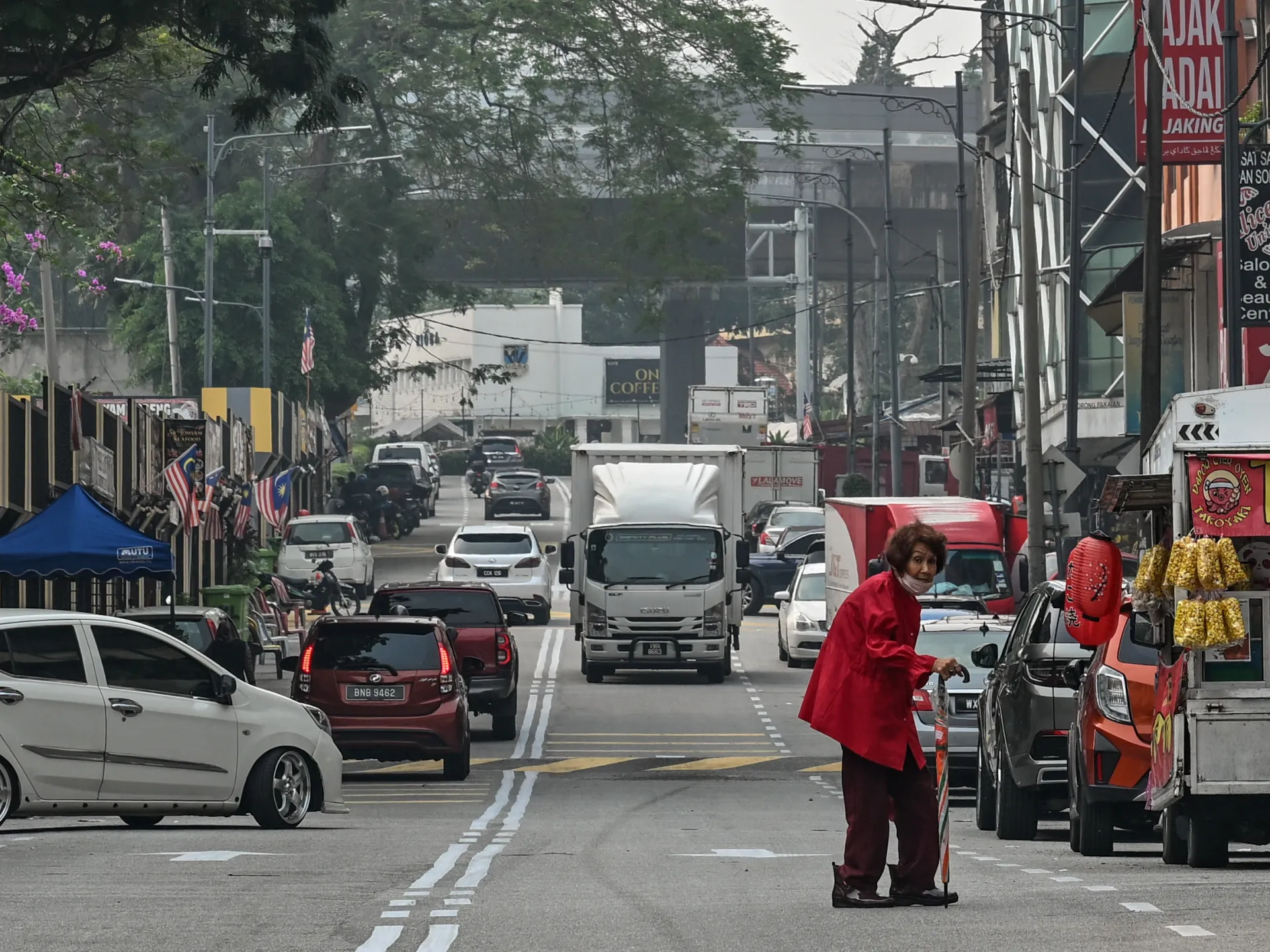
Southeast Asia faces a recurring haze crisis caused by illegal land clearing. Experts argue that regional leaders must enforce the polluter-pays principle.
Dangerous haze returns across Southeast Asia every year. Smoke from forest fires forces schools to close in Malaysia. People in Singapore breathe polluted air. Communities in the Philippines also face thick smoke from these fires.
Meanwhile, fires in Indonesia destroy peatlands and forests. These fires threaten local livelihoods and public health. Experts say the crisis happens because of systemic failures. Regional leaders often focus only on temporary solutions like masks.
Also, many fires start on purpose to clear land for farming. It is a cheap way to prepare soil for crops. Companies often avoid the costs associated with this pollution. They shift the burden to the public instead.
After that, the economic impact becomes massive for the entire region. The World Bank once estimated losses at over 16 billion dollars. This includes costs for healthcare, lost work, and damaged tourism. These figures show the huge scale of the problem.
Next, ASEAN countries struggle to enforce rules across borders. Satellite data helps find fire hotspots. However, proving who started a fire remains very difficult. National governments often protect their own interests instead of cooperating.
Still, regional agreements exist to manage this issue. The 2002 Transboundary Haze Pollution agreement is one example. Yet, these plans fail without strict enforcement and transparency. Leaders must hold companies and individuals accountable for their actions.
Then, member states should better data on fire locations. They must publish maps of land concessions for public review. This transparency makes it harder for polluters to hide. It also builds trust between neighboring nations.
Finally, governments must apply the polluter-pays principle. Fines for starting illegal fires should be very high. They must also provide small farmers with better tools. This helps people avoid burning land for agriculture.
Ultimately, ASEAN needs a clear scorecard for its 2030 goals. Leaders must track results rather than just making empty promises. The region must stop shifting costs onto the public. Real change requires true economic accountability for all involved.