
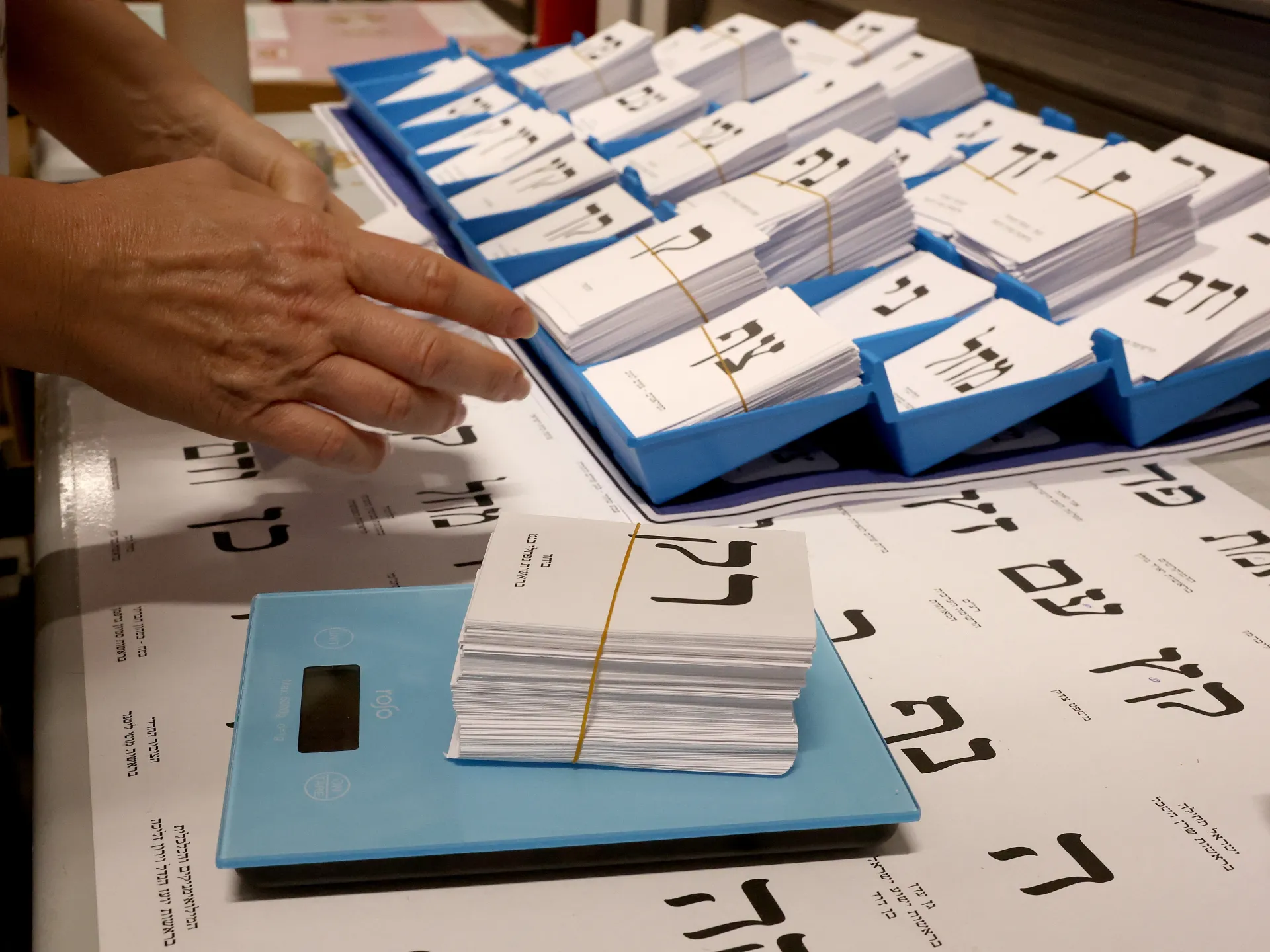
Israelis will vote for their 26th Knesset on October 27. The election follows a period of significant regional conflict and ongoing political division.
Israelis head to the polls on October 27. They will elect members for the 26th Knesset. This vote follows recent conflicts in Gaza, Lebanon, and Iran.
Next, Benjamin Netanyahu seeks another term as prime minister. He currently faces corruption charges in court. He holds the record as Israel's longest-serving leader.
Also, voters choose a party rather than a specific person. A party must earn at least 3.25 percent of the vote to enter parliament. This body has 120 seats in total.
Meanwhile, no single party usually wins an outright majority. A coalition needs 61 seats to govern. Parties have up to 42 days to form this government.
However, voting rights remain a complex issue. Roughly 7.3 million citizens can vote. Millions of Palestinians in the West Bank and Gaza lack this right.
Still, Israeli settlers living in the occupied West Bank can vote. This creates a sharp difference for neighbors living under the same military rules. Most citizens living abroad cannot vote.
After that, the political landscape remains divided. Netanyahu leads the Likud party. He faces a strong bloc of Jewish-led opposition parties. Neither side appears likely to win a clear majority.
Then, the Supreme Court recently cleared Arab-led parties to run. These groups could potentially influence the final coalition. Most Jewish opposition leaders reject working with them.
Finally, this election marks the sixth national vote since 2019. It is the first in nearly four decades to conclude a full parliamentary term. Netanyahu will remain as caretaker until a new government takes power.