
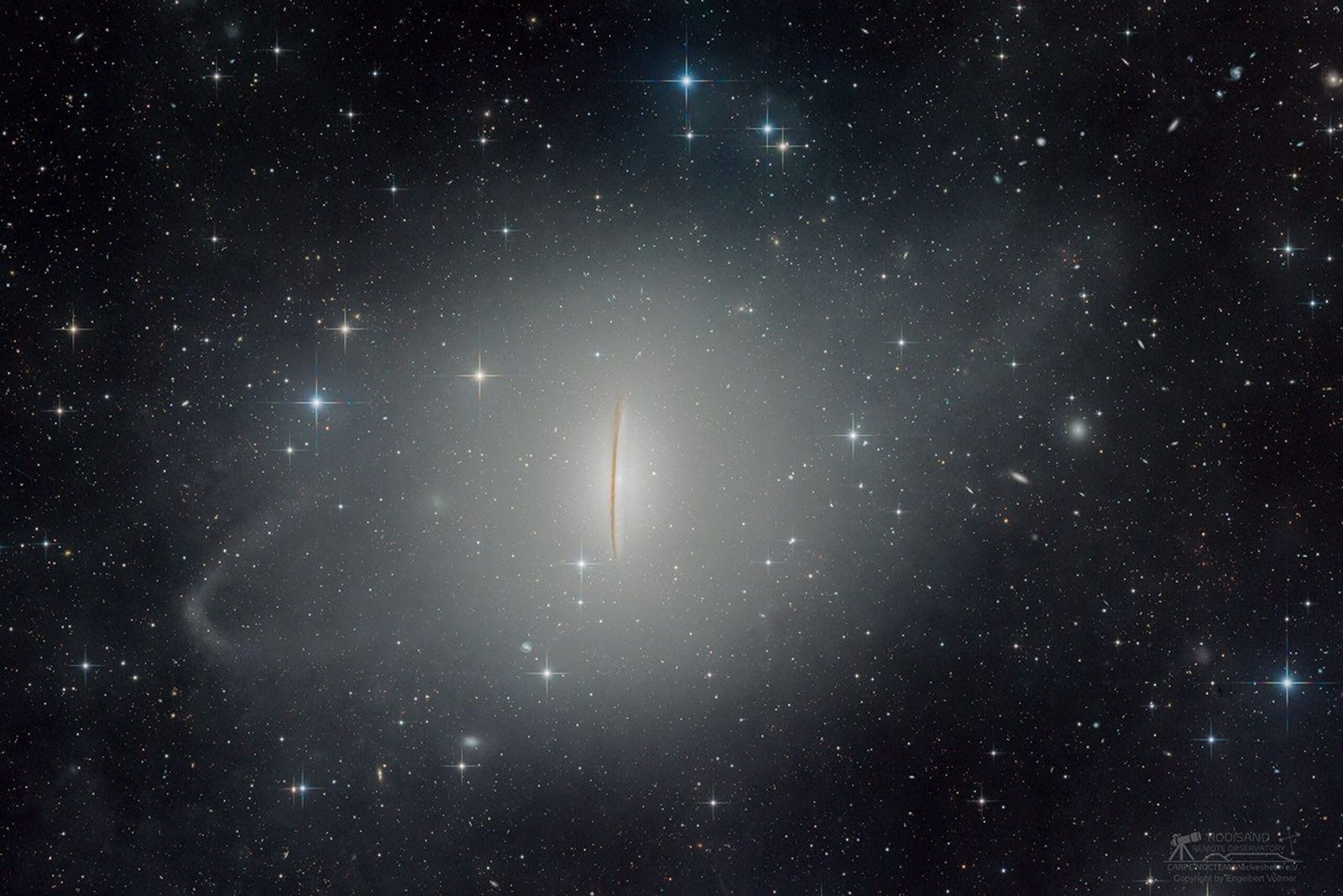
Global updates cover the Sombrero galaxy's history, upcoming space research, and high-stakes election tensions in Brazil and Israel.
Why this matters
Global events highlight the bridge between scientific progress and political tension. Space exploration provides data that impacts future survival. Meanwhile, political campaigns reveal how nations influence one another. Both areas shape how people live on Earth and beyond.
Also, these stories show a world in transition. Scientists look into the deep past of galaxies to learn about our universe. Political leaders meanwhile look toward future elections. These paths show different ways humanity seeks to understand power and change.
Finally, these events show how information spreads today. People get news from many sources at once. Understanding the context of these headlines helps everyone stay informed. It allows for a clearer view of complex global issues.
Space research and stellar discoveries
Scientists recently captured a new look at the Sombrero galaxy. This galaxy sits 30 million light years away from Earth. A deep image reveals a hairy halo around its center. This halo shows the galaxy has a violent history.
Meanwhile, NASA prepares the Crew-13 mission for the International Space Station. Astronauts will study human blood flow in microgravity. This research helps prevent dangerous blood clots in space. It also improves medical care for people back on Earth.
Also, researchers are testing how well astronauts fly spacecraft. They use simulations to mimic landings on the moon. These tests help ensure safety during future space travel. The mission gathers data to protect crews on long trips.
Political tension and election news
Brazil now faces an intense presidential race. President Luiz Inacio Lula da Silva faces Flavio Bolsonaro. The election raises fears about foreign interference in Brazil. Tensions remain high as the voting day approaches.
Also, Israeli politics dominate headlines as elections loom. Media focus remains on the actions of Prime Minister Benjamin Netanyahu. Critics argue about his knowledge of past events. Meanwhile, other networks downplay these specific concerns.
Next, global tech leaders recently met to discuss artificial intelligence. They signed a pact to regulate their own work. This move aims to control the risks of new technology. Experts watch closely to see if these promises hold weight.
How we got here
- April 2026: NASA officials announced preflight training plans for the SpaceX Crew-13 mission.
- September 2026: NASA researchers finalized the scope of human health studies for upcoming station missions.
- October 2026: New telescope images revealed the violent past of the Sombrero galaxy through tidal streams.
- October 2026: Media discourse intensified in Israel regarding the Prime Minister one month before the national election.
What happens next
Space research will continue to influence future mission designs. NASA scientists will analyze blood data from Crew-13 to refine medical protocols. These findings will likely change how agencies support astronauts on long missions.
Also, upcoming elections in Brazil and Israel will shape regional policies. International observers will monitor these votes for signs of external influence. The outcomes will change trade and diplomatic relations in both areas.
Finally, the conversation around AI regulation will likely expand. Leaders expect more companies to join the self-policing pact. Public interest in these rules will grow as AI tools become more common.