
Madagascar experiences political sentencing as scientists study its rare moon-like geology. Meanwhile, NASA upgrades its logistics for future space flights.
Why this matters
Madagascar remains a complex nation. It holds both deep political unrest and unique natural wonders. These events shape its future globally.
Also, science relies on such places to understand our solar system. Madagascar’s ancient rocks help experts study the Moon. This provides a bridge between Earth and space.
Meanwhile, space agencies like NASA are refining their own operations. They now use private companies to manage complex logistics. These goals support future lunar exploration.
Political turmoil and geologic history
A court in Antananarivo sentenced Richard Ravalomanana recently. He led the Senate in the past. The court gave him ten years of hard labor.
Then, the judges found him guilty of complicity in murder. He allegedly ordered a violent crackdown on youth protests. These events occurred in late 2025.
However, the former leader denies these claims. He plans to appeal the verdict. His defense team says no proof links him to the orders.
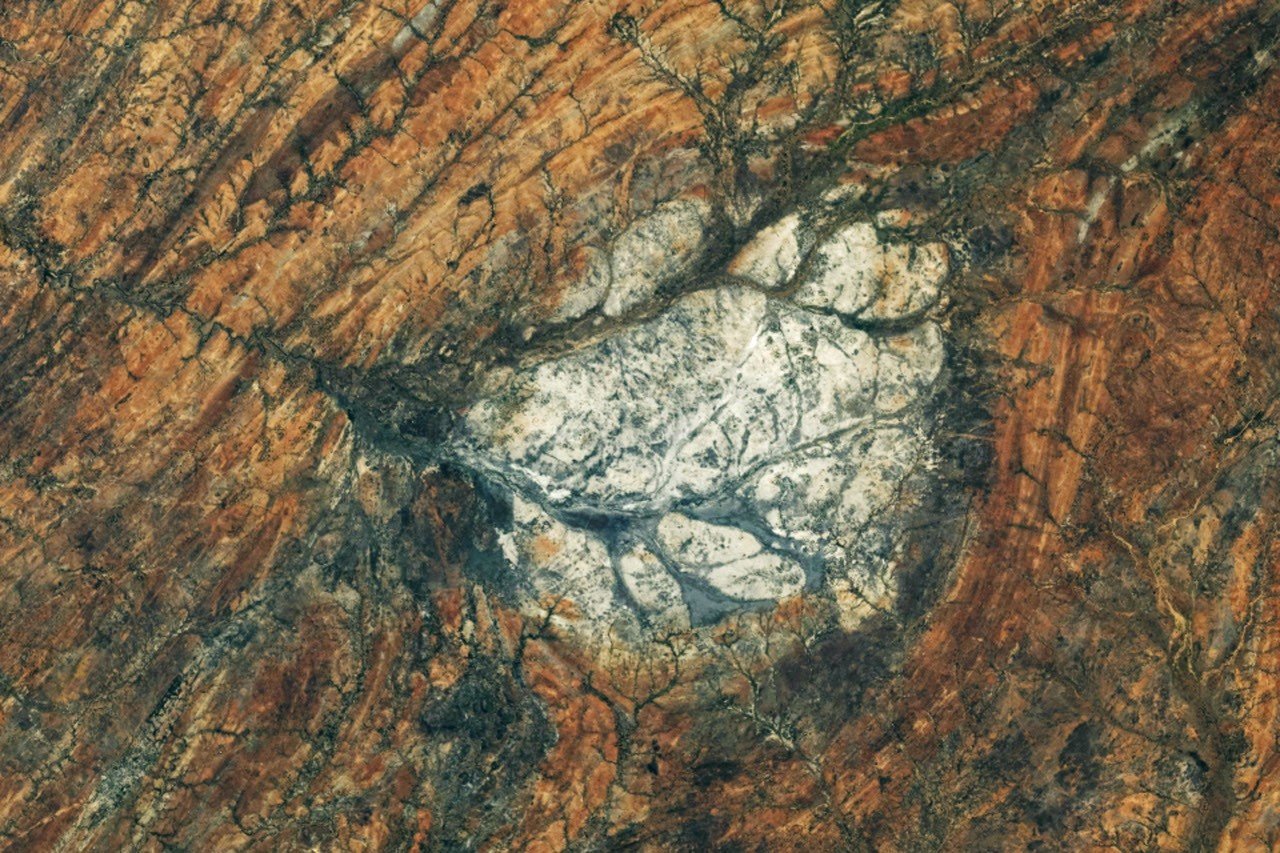
After that, scientists looked at the land itself. An astronaut photographed the Saririaky anorthosite massif from space. This rock type also exists on the Moon.
Next, experts compared the samples. The rocks are at least 600 million years old. They formed when ancient continents collided long ago.
Finally, these findings help lunar research. Scientists use Earth rocks to fill gaps in data. Apollo samples alone are not enough for total study.
Expanding space support
NASA recently signed new agreements for logistics. They chose 16 different companies for this work. This deal is worth $1.4 billion total.
Also, the work covers equipment and property management. It includes flight hardware support and transportation services. These tasks streamline complex space operations.
Then, the contracts will last for five years. NASA may add three more years if needed. This structure keeps costs controlled and steady.
How we got here
- September 2025: Youth-led protests start in Madagascar over water and power shortages.
- October 2025: President Andry Rajoelina leaves power after political crisis and unrest.
- December 2025: Authorities arrest Richard Ravalomanana at his home.
- August 2026: An astronaut photographs rare rock formations in southern Madagascar.
- September 2026: A court sentences the former Senate president to hard labor.
- October 2026: NASA awards new $1.4 billion logistics contracts to 16 firms.
What happens next
Legal battles will continue in the Madagascar courts. Ravalomanana will try to overturn his prison sentence. His lawyers hope for a better result on appeal.
Meanwhile, geologists will keep studying the Saririaky massif. They expect to learn more about Earth's ancient crust. This may reveal secrets about the Moon's origin.
Finally, NASA will begin its new logistics plan. The 16 companies will start their support duties. These actions should help keep space missions on track.