

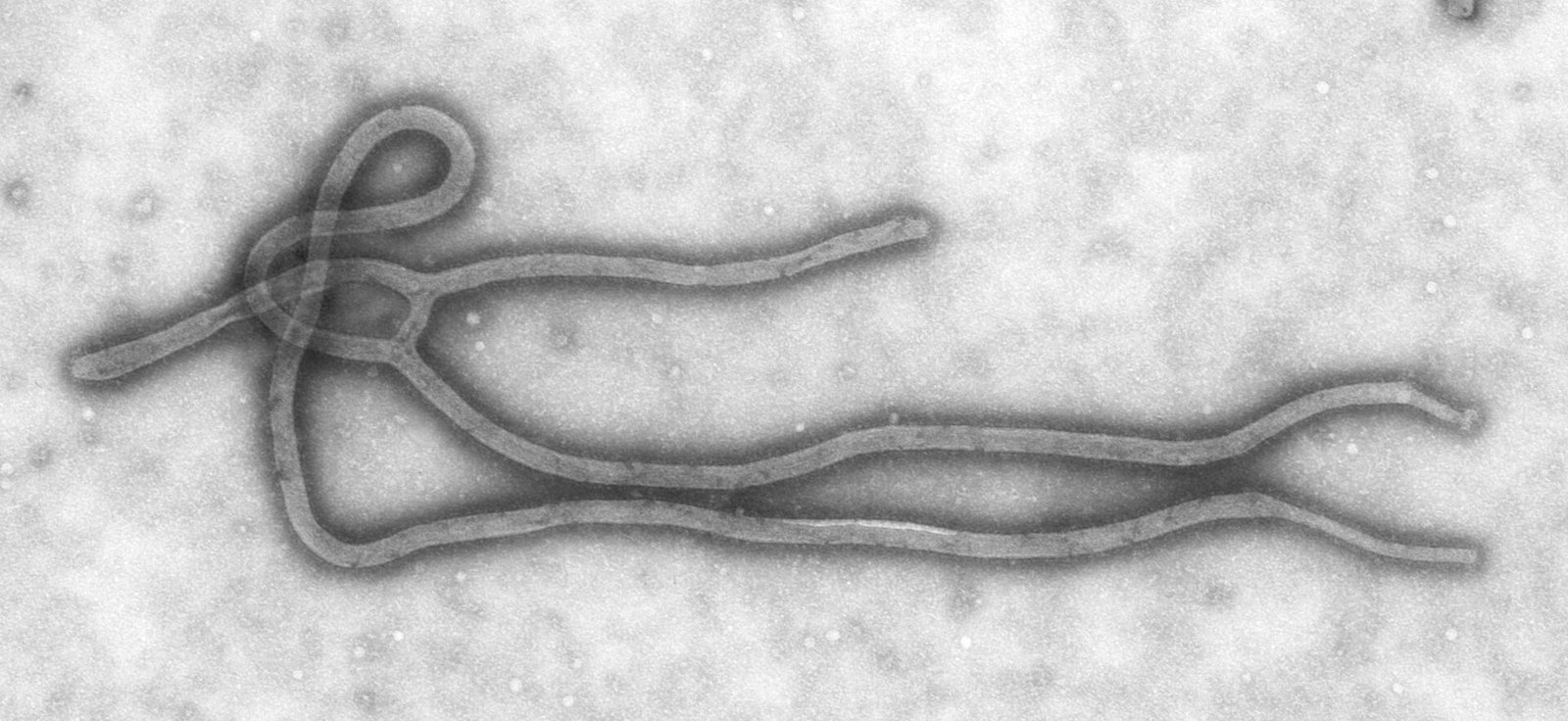
Nigeria has completed 21 days of monitoring for all 62 contacts of its imported Ebola case, with none of them falling ill, the country’s disease control agency said on Friday — a major milestone in preventing local transmission of the virus.
Key Points
- Nigeria Ebola contacts — the Nigeria Centre for Disease Control and Prevention (NCDC) said all 62 contacts completed the mandatory 21-day monitoring period, with the last discharged on Friday.
- None of the 62 developed the disease. Thirteen reported fever or other non-specific symptoms, but all tested negative for the virus.
- The case was a 42-year-old Swiss woman who had travelled from Uganda, confirmed on 20 October — Nigeria’s first Ebola case in more than a decade.
- Completing monitoring does not by itself mean the outbreak is over; under WHO rules a full 42-day countdown is needed before an official declaration.
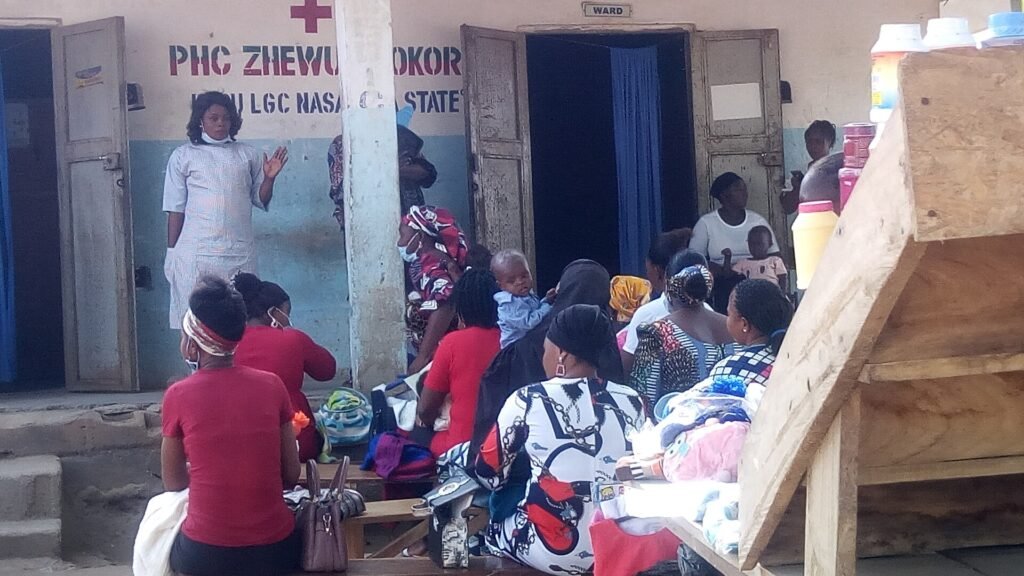
NCDC Director-General Jide Idris announced the development on Friday in Abuja, disclosing that the last of the 62 contacts had completed the mandatory monitoring period and was discharged on 13 November. “The 21-day monitoring period for all 62 identified contacts has been completed, with the last contact discharged today,” the agency said. Seven Ebola alerts across five Nigerian states over the past three weeks were also investigated, and all seven tested negative.
Nigeria confirmed its first Ebola case in more than a decade on 20 October, in a Swiss woman who had travelled to Uganda and then returned to Nigeria. Laboratory tests detected the Bundibugyo virus, a species of Ebola virus. All 62 contacts were placed under the mandatory 21-day monitoring period from their last possible exposure, which has now been completed without a single secondary infection.
Not the end of the outbreak
Idris cautioned that the completion of contact monitoring should not be interpreted as a formal declaration that the outbreak threat had ended. According to World Health Organization protocols, a country must complete a full 42-day countdown from the recovery or departure of the last confirmed patient before an official end-of-outbreak declaration can be made. Nigeria will remain on high alert because of ongoing Ebola transmission in the Democratic Republic of Congo, where the outbreak has infected more than 11,000 people, and the National Emergency Operations Centre remains activated at Level 3 to sustain surveillance.
The result is nevertheless a significant success for Nigeria’s public health system, which has recent experience of containing Ebola. The country’s rapid contact tracing and monitoring in 2014, when an imported case reached Lagos, is widely regarded as a model response. This time, the system again identified every contact, monitored them daily for three weeks, and tested everyone who developed symptoms — and found no transmission at all.
For background on the investigation, see our report on Nigerian health officials investigating new Ebola cases, and on US health officials advising a pause on the chikungunya vaccine. More in our Health section.
Sources: Reuters, “Nigeria ends 21-day Ebola contact monitoring with no secondary transmission” (https://www.reuters.com/business/healthcare-pharmaceuticals/nigeria-ends-21-day-ebola-contact-monitoring-with-no-secondary-transmission-2026-11-13/); Al Jazeera, “Nigeria ends 21-day Ebola contact monitoring with no secondary transmission” (https://www.aljazeera.com/amp/news/2026/11/13/nigeria-ends-21-day-ebola-contact-monitoring-with-no-secondary-transmission).
2 comments on “Nigeria Clears All 62 Ebola Contacts With No Secondary Cases After 21 Days”