

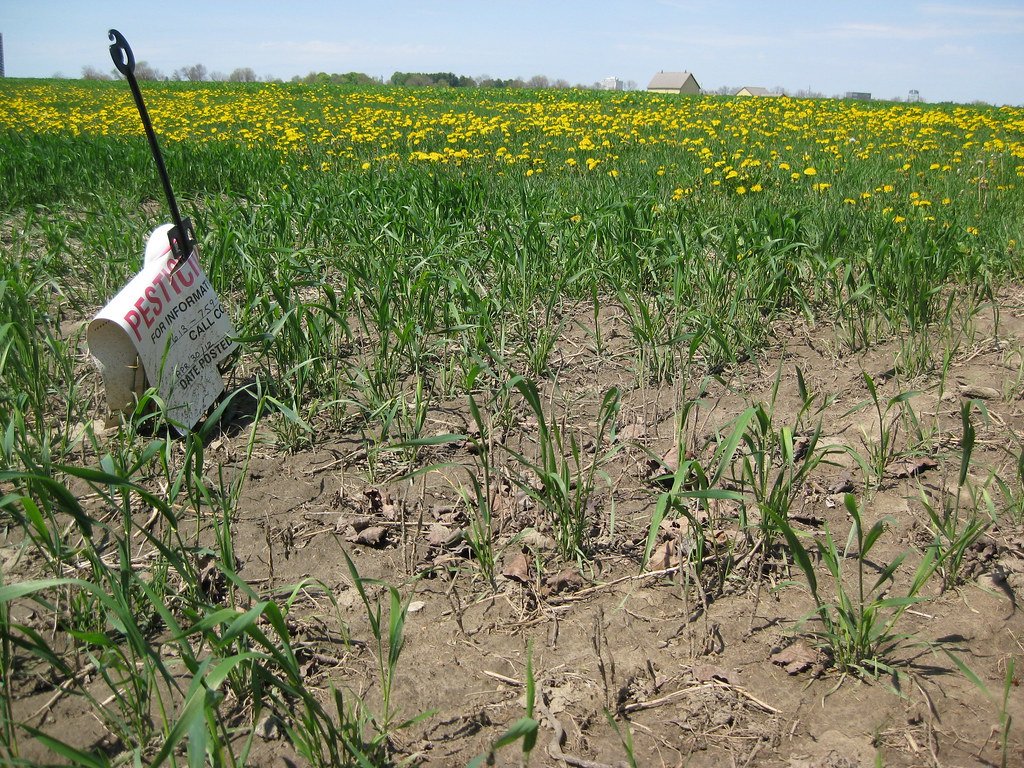
A Missouri judge has approved Bayer’s $7.25 billion settlement of lawsuits alleging that its weedkiller Roundup causes cancer — a decision that could finally bring to an end litigation that has weighed on the German company for a decade.
Key Points
- Bayer Roundup settlement approved — St. Louis Circuit Judge Timothy Boyer granted final approval on Friday to the nationwide class settlement, calling the average payouts “fair and adequate”.
- Bayer, through its Monsanto unit, will make declining capped annual payments for up to 21 years, totalling as much as $7.25 billion.
- The settlement covers people exposed to Roundup who developed non-Hodgkin lymphoma, including those diagnosed in future years, with payouts averaging $10,000 to $165,000.
- The deal includes $600 million for attorneys’ fees. The judge said the total was “among the largest in the history of mass tort personal-injury class action settlements”.
- Bayer denies that Roundup causes cancer. The approval can be appealed, and the judge noted there was a risk Bayer would have sought bankruptcy protection if the deal had been rejected.

The settlement is the biggest step yet towards closing one of the longest-running mass lawsuits in American corporate history. Bayer acquired Monsanto, the maker of Roundup, in 2018 — and inherited tens of thousands of lawsuits from people who said the company should have warned them that the weedkiller could cause lymphoma, a cancer of the lymph system. Bayer has always denied that Roundup causes cancer, but the litigation has cost it billions over the years.
The deal approved on Friday is designed to cover both the present and the future. It applies to Roundup users who are already ill with non-Hodgkin lymphoma, and to those who are diagnosed with the disease in the years ahead. The settlement covers two groups: people who say they were exposed to Roundup before 17 February 2026 and already have a diagnosis, and people who receive a diagnosis of non-Hodgkin lymphoma before the end of a 16-year period following final approval. How much each person receives will depend on how they used the product, how old they were when diagnosed and how severe their illness is.
Why the judge approved it
Judge Boyer rejected numerous objections to the settlement before granting final approval. In his written judgment, he said the average individual payouts were “fair and adequate” and the total dollar amount was “among the largest in the history of mass tort personal-injury class action settlements”. He also warned that there was a risk Bayer would have filed for bankruptcy protection if the settlement had been rejected — a result that could have left claimants with far less.
The decision follows closely on a ruling from the US Supreme Court in June in the Durnell case, in which the court held 7 to 2 that the Federal Insecticide, Fungicide, and Rodenticide Act pre-empts “failure-to-warn” cases brought in state court. Bayer described the class settlement and the Durnell ruling as “mutually reinforcing pillars” of its strategy to contain the Roundup litigation, and the company said the settlement followed a unanimous defence verdict in the Aretino case, the first to go to trial since the Durnell decision.
What happens next
Bayer’s chief executive, Bill Anderson, called the court-approved settlement “a decisive milestone in the company’s strategy to mitigate the risks of both pending and future Roundup litigation”. The court’s final approval order is subject to appeal, so the deal is not yet beyond challenge. But if it stands, it will give Bayer something it has lacked for years: financial certainty over the Roundup litigation, paid out in capped annual instalments over two decades rather than in unpredictable jury verdicts. For the people who say Roundup made them ill, it offers a claims programme that will still be there when a diagnosis comes — years from now.
For background on the markets’ reaction to big corporate news, see our report on Global Stocks Slide as AI Sell-Off Deepens and Asia Heads for Worst Week Since 2020, and on UK Inflation Rises to 3.6% as Energy Bills Forecast to Jump £443 a Year. More in our Business section.
Sources: Reuters, “Missouri judge approves Bayer’s $7.25 billion Roundup settlement” (https://www.reuters.com/legal/government/missouri-judge-approves-bayers-725-billion-roundup-settlement-2026-11-20/); Business Wire, “Court Grants Final Approval to Roundup™ Class Settlement” (https://www.businesswire.com/news/home/20261120664765/en/Court-Grants-Final-Approval-to-Roundup-Class-Settlement)