

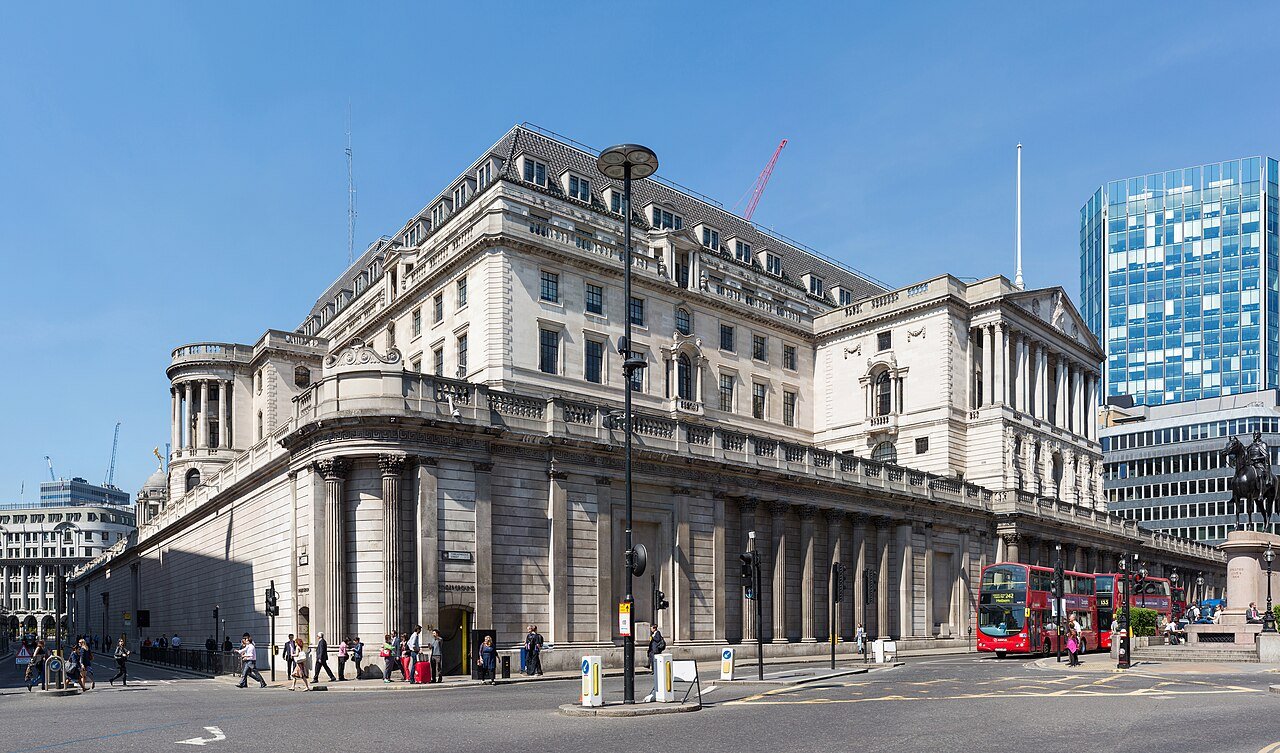
Prices in Britain rose faster in October, with annual inflation reaching 3.6 percent — its highest level in a year — and households now face energy bills forecast to jump by £443 a year from January.
Key Points
- UK inflation 3.6% — the Office for National Statistics said consumer prices rose 3.6 percent in the year to October, up from 3.5 percent in September.
- Fuel was the main driver: motor fuel prices jumped 33.2 percent from a year earlier, with diesel hitting a record high and petrol at its highest since August 2022.
- Energy consultancy Cornwall Insight forecasts the household energy price cap will rise 26 percent in January to £2,166 a year for a typical household.
- The Bank of England raised interest rates for the first time in three years earlier this month and has warned inflation could rise further.
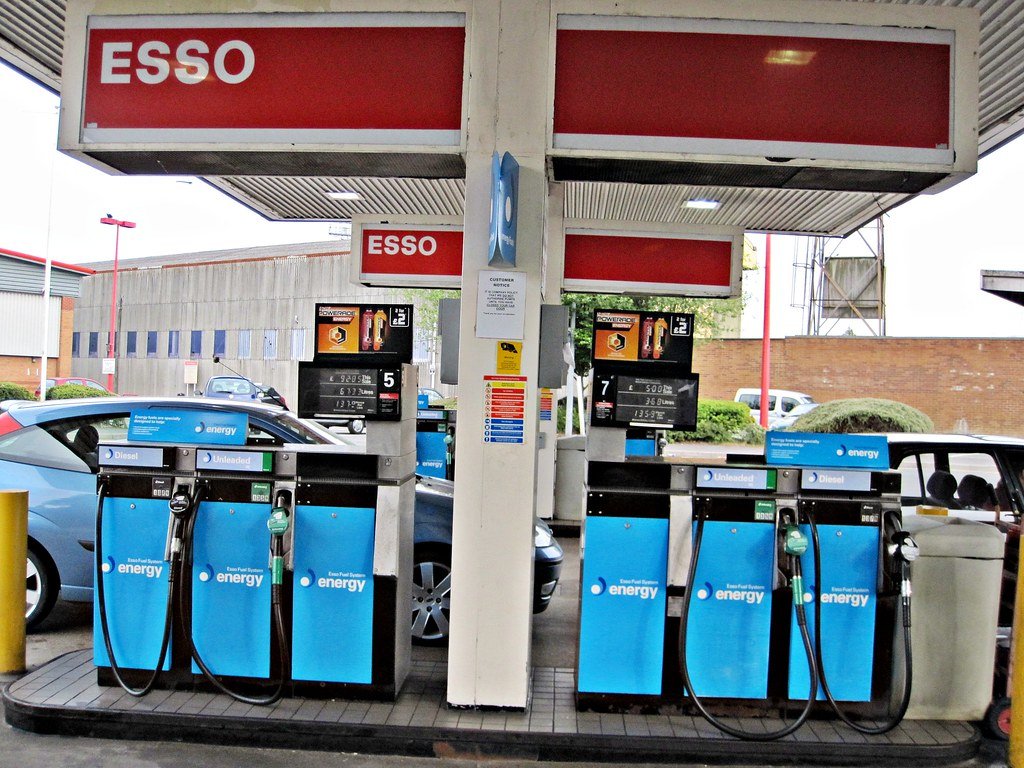
The official figures, released by the ONS on Wednesday morning, matched the expectations of economists polled by Reuters and sat slightly below the Bank of England’s 3.7 percent forecast. Transport made the largest upward contribution to the annual rate, rising 7.5 percent year on year compared with 6.6 percent in September. Petrol rose by 5.2 pence a litre between September and October, taking the average price to 174.7 pence a litre. Diesel climbed 7 pence in a single month to 199.5 pence a litre, the highest reading in ONS records dating back to 1996. ONS chief economist Grant Fitzner said fuel prices were “once again a major contributor to the increase in the annual rate”.
The energy shock is rippling through the wider economy, driven in large part by rising wholesale gas prices linked to the war between the United States and Iran. The October figures already included a 4 percent increase in the energy price cap at the start of the month. Now Cornwall Insight’s final forecast before regulator Ofgem sets the next cap — due next Wednesday, 25 November — projects a further 26 percent rise from January, taking a typical dual-fuel bill to £2,166 a year, the highest since 2023. That is well above the consultancy’s late-September prediction of a 16 percent rise to £1,999.
What it means for households
The Bank of England responded earlier this month by raising interest rates for the first time in three years, lifting them from 3.75 percent to 4 percent, and signalled that a further rise could follow unless the conflict is resolved. The Bank’s policymakers believe inflation could peak at close to 5 percent in the middle of next year and not return to its 2 percent target until 2028. The Bank also issued an unusual statement alongside Wednesday’s figures, warning that the Middle East conflict has raised energy prices and that inflation is expected to increase further by the middle of 2027.
The government has moved to cushion the blow. Chancellor John Healey announced in last month’s budget a one-off £100 household energy payment in January for 20 million households in council tax bands A to D, and VAT on electricity bills has been cut to zero until next July. But with bills forecast to rise by £443 a year, the pressure on the government to offer more support to hard-hit households is only growing — and Ofgem’s decision next week will set the tone for the coldest months of the year.
For background on the UK economy, see our report on the UK economy growing 0.7% in the third quarter, and on UK services growth hitting an eight-month high. More in our Business section.
Sources: BBC via World Right Now, “Fuel costs lift UK inflation to 3.6% as energy bills loom larger” (https://www.worldrightnowlive.com/story/petrol-and-diesel-prices-push-inflation-to-highest-in-a-year); Finwire, “Energy bills in Great Britain forecast to rise by 26% to £2,166 from January” (https://finwire.io/news/business-news/energy-bills-in-great-britain-forecast-to-rise-by-26-to-2166-from-january).