
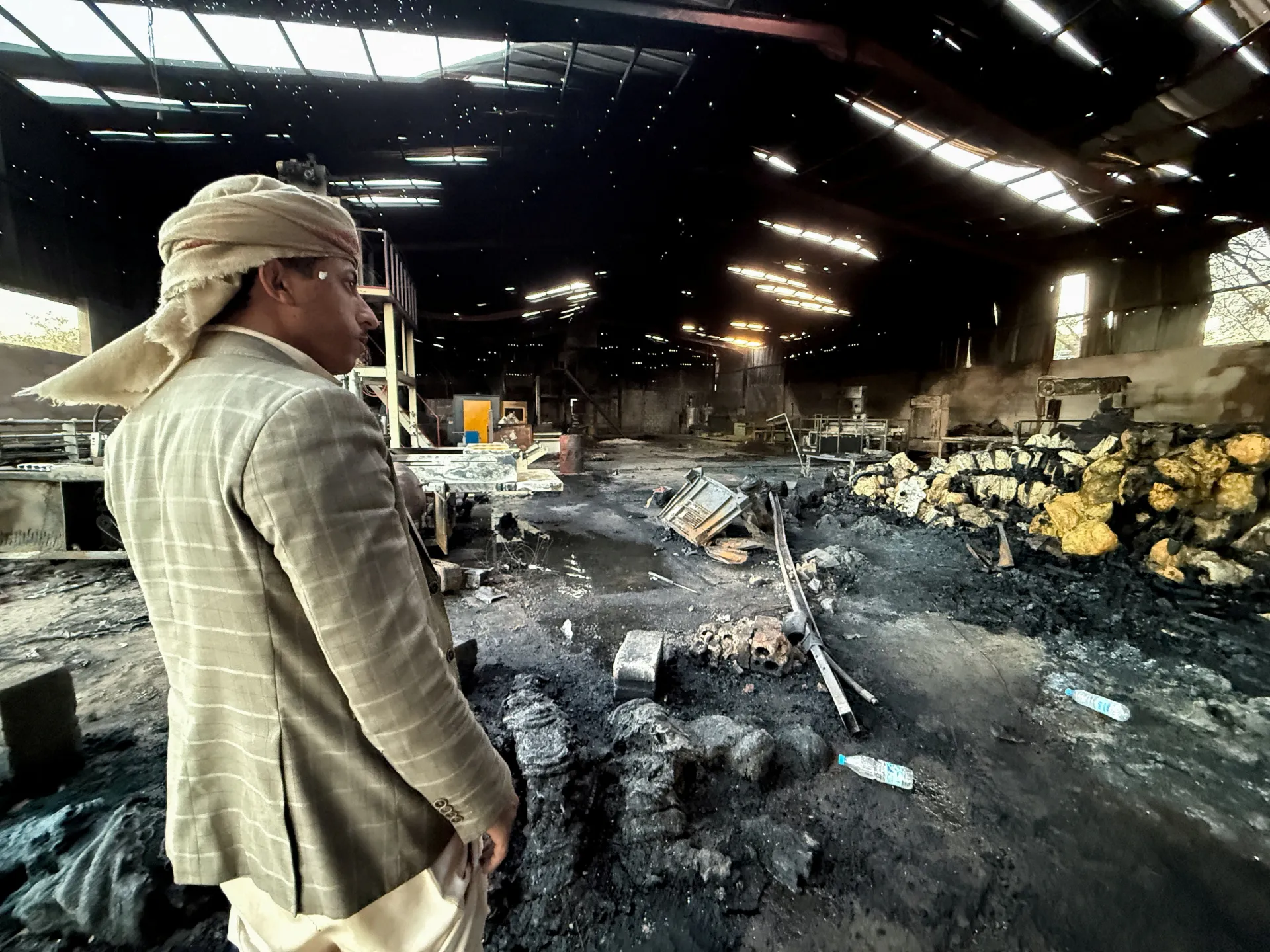
Military conflict expands across Yemen and the Strait of Hormuz while regional leaders prepare for potential escalation with the United States.
Fighting in Yemen continues to grow more intense this week. The Yemeni government launched a major offensive against Houthi forces. Meanwhile, officials in Tehran state they are ready to defend against American attacks.
As these regional tensions climb, the United States launched new strikes in the area. These military actions specifically target zones near the Strait of Hormuz. This critical waterway remains a central point of global friction.
Why this matters
These events threaten the stability of global energy markets. Ships rely on the Strait of Hormuz for safe passage. Any disruption here could raise gas prices for people across the United States.
Also, the human cost of these wars is rising. Hospitals in areas like Gaza struggle to treat victims of frequent strikes. Young children often endure multiple surgeries to survive their severe wounds.
Military Actions and Strategic Shifts
The situation in the Middle East involves many different players. Iran claims it is prepared for potential direct conflict with the United States. This posture suggests a dangerous shift in regional security policies.
However, the U.S. continues to engage in direct strikes to limit influence in the area. These maneuvers aim to keep the Strait of Hormuz open for international trade. Still, the risk of miscalculation remains very high for all sides involved.
Meanwhile, the Yemeni government claims its new campaign against the Houthis is gaining ground. This internal fighting adds another layer of chaos to the region. Families in the path of this violence face growing uncertainty.
The Human Toll of Regional Conflict
Beyond military maneuvers, innocent people suffer from the ongoing violence. Reports show that medical systems have nearly collapsed in many conflict zones. Doctors often lack basic tools to help injured children.
For example, a six-year-old girl in Gaza named Raseel al-Balawi faces a long road to recovery. She has undergone over 20 surgeries since an air strike hit her family's tent. Her story highlights the daily trauma facing thousands of young people.
Still, military officials often deny responsibility for specific incidents. Israel’s military stated it has no record of the strike that injured Raseel. They expressed regret for any harm caused to civilians during their operations.
How we got here
- Late July: A strike in Gaza injures Raseel al-Balawi, leading to multiple surgeries.
- Recent Months: The conflict in the Middle East impacts global energy supplies and infrastructure.
- This Week: The Yemeni government begins a new offensive against Houthi fighters.
- This Week: The United States carries out fresh strikes near the Strait of Hormuz.
- Current Status: Iran declares it is prepared to defend against potential U.S. military attacks.
What happens next
Future developments will likely depend on the reaction of regional powers. If Iran responds to U.S. strikes, the risk of a wider war increases. Diplomatic channels currently appear strained or inactive.
Finally, the movement of energy tankers through the strait will draw close attention from global powers. Any new attack could cause an immediate spike in oil costs. World leaders will likely call for restraint to prevent a total collapse of shipping safety.