
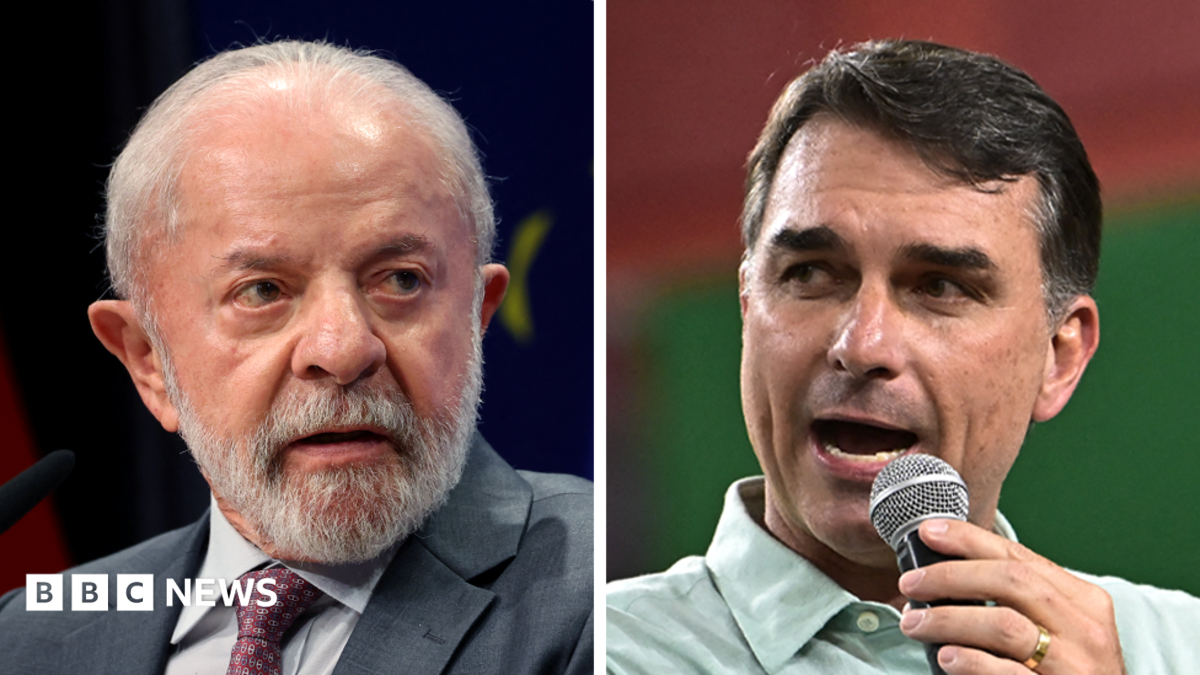
Flávio Bolsonaro leads in the first round of Brazil's presidential election. He will face incumbent Lula da Silva in a run-off later this month.
Why this matters
Brazil serves as the largest economy in all of Latin America. The outcome of this election carries massive weight for the entire region. Many other nations in the area now have right-wing leaders. This result suggests a major shift in the political landscape of the continent.
Moreover, the campaign highlights a deep divide between citizens. Voters prioritize issues like crime, the economy, and government corruption. The final winner will shape the future of these critical areas for years to come. The stakes for democracy remain high as both sides fight for control.
Finally, the influence of the Liberal Party grows in the national Congress. They captured many key seats for governors and federal deputies. This gives the right-wing party significant power to pass laws regardless of who wins the presidency. The balance of power in Brazil is shifting toward the right.
A Test of Political Strength
Flávio Bolsonaro surprised many observers by winning the first round of voting. He secured 47.03% of the total vote. His rival, current President Lula da Silva, finished with 45.16%. These results mean neither candidate reached the necessary majority to win outright.
Also, the atmosphere surrounding the vote remains very tense. Supporters of both candidates feel passionate about their chosen path for the nation. Lula, who is 80 years old, spoke about the dangers of losing democratic norms. He described the choice as a battle between democracy and barbarism.
Meanwhile, the 45-year-old Bolsonaro expressed great confidence in his campaign. He claims he wants to free the Brazilian people from current leadership. He performed better than expected in polls taken before the election. His supporters see this lead as a sign of momentum heading into the final round.
However, the two candidates draw support from very different groups. Lula maintains strong popularity in the poorer northeast regions. He also wins support from women, Catholics, and low-income voters. In contrast, Bolsonaro finds his base in the south among wealthier citizens and evangelical Christians.
The Shadow of the Past
The election carries the weight of past political turmoil. Flávio is the son of former President Jair Bolsonaro. The elder Bolsonaro currently serves a 27-year prison sentence. A court convicted him for his role in a failed coup attempt in 2022.
After that, the younger Bolsonaro has promised to grant amnesty to his father. He also plans to pardon those involved in the 2023 riots. These riots saw supporters attack government buildings in protest of the previous election loss. These promises polarize the voters even further.
How we got here
- 2002-2006: Lula da Silva serves two terms as president of Brazil.
- 2022: Lula defeats Jair Bolsonaro in the closest election in Brazilian history.
- January 8, 2023: Supporters of Jair Bolsonaro vandalize government buildings in protest.
- Post-2023: Jair Bolsonaro receives a 27-year prison sentence for his role in a failed coup.
- October 4, 2026: Flávio Bolsonaro wins the first round of the presidential election.
What happens next
Now, the candidates must prepare for the final run-off vote. This decisive event takes place on October 25. Both campaigns will work hard to win over voters who supported smaller candidates in the first round. The result will determine the next leader of Brazil.
Then, the country will watch the Liberal Party closely. Their strong presence in Congress provides them with a clear advantage. They will likely push their legislative agenda regardless of the presidential outcome. Brazil faces three weeks of intense political activity before the final decision.