
NASA's Curiosity rover investigates Martian geology while courts in Sri Lanka finalize legal actions regarding a 2019 terror attack.
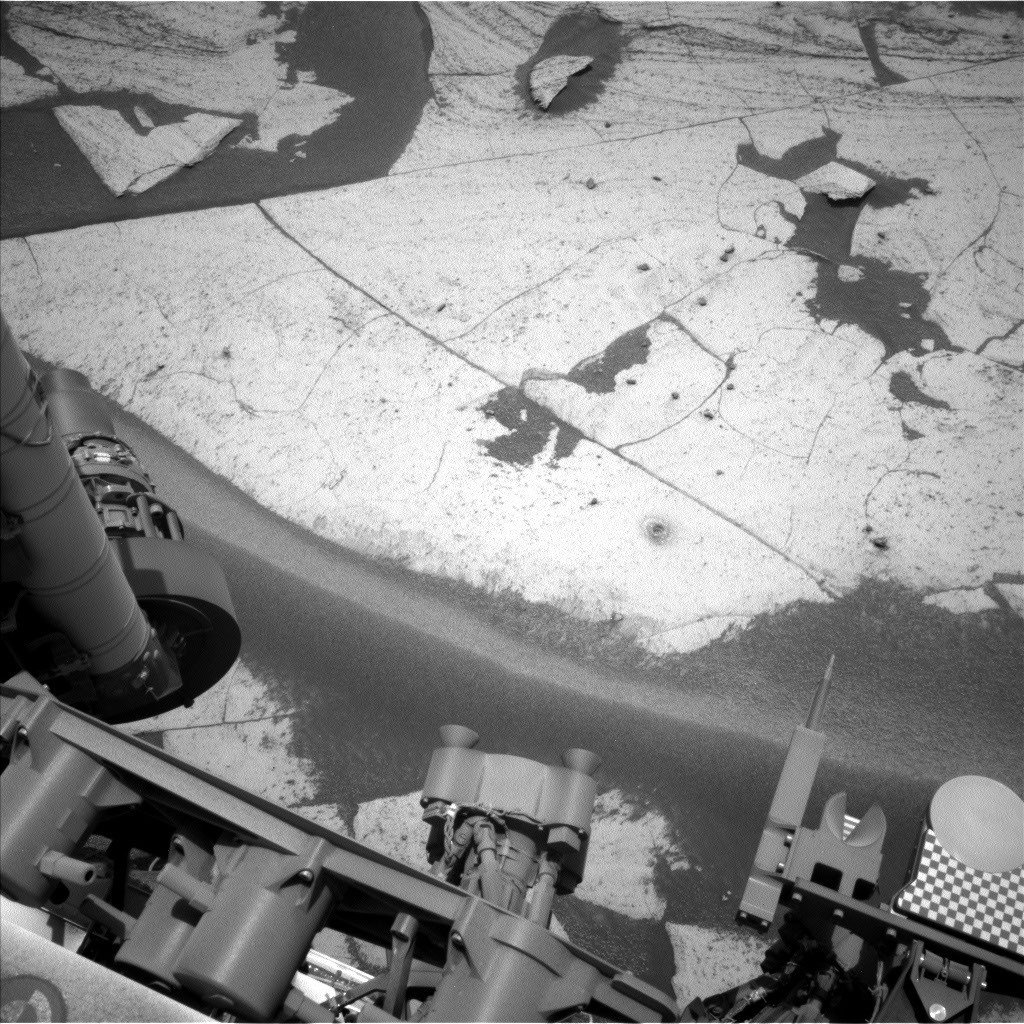
NASA’s Curiosity rover continues its work on the red planet. Scientists currently analyze rock samples from a site called Basque Lakes.
Meanwhile, courts in Sri Lanka issued final verdicts regarding the 2019 Easter attacks. These two events represent distinct progress in science and global justice.
Why this matters
Data from Mars expands our knowledge of the solar system. Curiosity uses complex tools to study ancient rocks and dust. This research helps experts understand if life could exist elsewhere.
Justice in Sri Lanka brings peace to many families. The legal process provides accountability for a tragic terror event. Both stories show how we seek truth in different ways.
Scientific exploration requires patience and steady work over many years. Legal systems also move slowly to ensure fairness for all victims. These fields define how humanity solves big problems.
New Martian discoveries
The Curiosity team recently finished drilling at the Basque Lakes site. They sent the rock samples into the rover's internal labs. The CheMin tool identifies minerals within the Martian bedrock.
Also, the team uses the SAM tool to study gases inside the rocks. These measurements consume most of the rover's daily battery power. Scientists must carefully balance these energy needs for other tasks.
Still, the rover captures high-quality images of the surrounding area. Cameras look at sand ripples and loose gray rocks. These visual records help researchers understand the local geology.
Justice served in Sri Lanka
A Sri Lankan court convicted 15 people this week. These individuals faced charges linked to the 2019 Easter Sunday bombings. That tragic event killed 279 people at various locations.
However, many citizens still question the government's role in the matter. Some argue that officials ignored warnings before the attacks occurred. Families of the victims continue to demand full transparency.
How we got here
- 2019: Bombs exploded at churches and hotels in Sri Lanka on Easter Sunday.
- 2026: NASA’s Curiosity rover reached Martian sol 5,024 to begin drilling operations.
- 2026: A court in Sri Lanka found 15 people guilty for their roles in the 2019 attacks.
- 2026: Scientists began processing rock samples from the Basque Lakes site on Mars.
What happens next
NASA scientists will review new data from the SAM tool next week. They might choose to run additional mass spectrometry tests on the samples. This follow-up depends on the initial findings from the laser tools.
Then, the rover team will plan new driving routes across the terrain. They will continue to monitor the Martian weather and atmosphere. These daily checks ensure the rover stays safe and active.
Finally, international observers will watch the legal aftermath in Sri Lanka. The government may face more pressure to investigate past intelligence failures. These events show how different worlds move toward their own unique goals.