
This report covers the latest developments in space exploration, museum security in Spain, and the return to school for children in Gaza.
Why this matters
Modern society faces diverse challenges across time and space. Scientists study ancient rocks on Mars to understand planetary history. Meanwhile, thieves target human history by stealing Bronze Age treasures in Spain. Simultaneously, children in Gaza struggle to learn in difficult conditions.
Also, these events show how fragile our history and future remain. Technology helps us explore distant planets like Mars. However, human conflict and crime threaten our past and present on Earth. We must value knowledge and heritage during these uncertain times.
Space and Security Updates
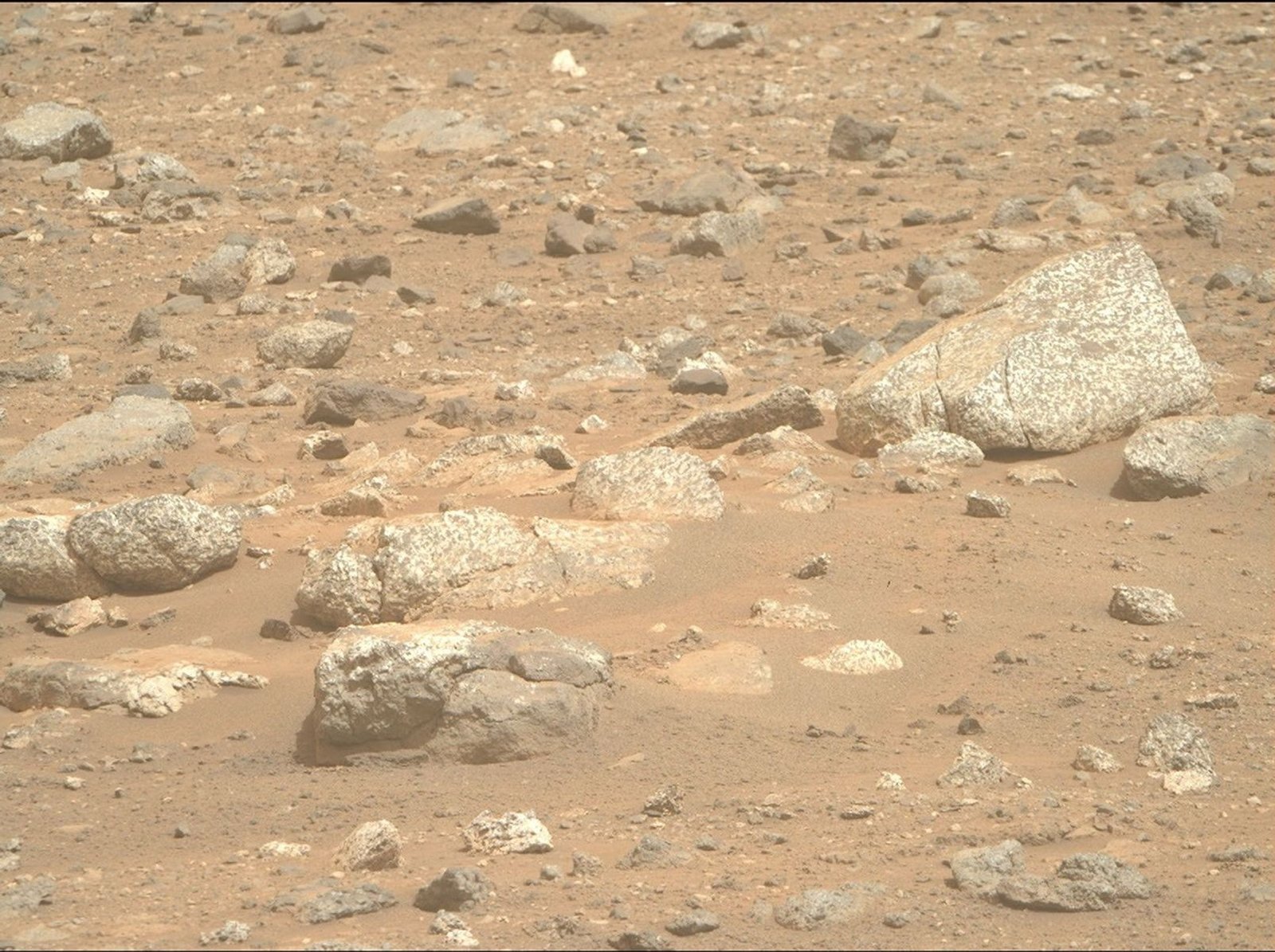
NASA scientists recently found unusual light-colored rocks on Mars. The Perseverance rover spotted these boulders near the Jezero crater. These rocks look different from the dark basalt common on the planet. Researchers think they might come from deep within the Martian crust.
Next, experts at NASA warn about risks to spacecraft systems. They studied how freezing and thawing cycles damage hydrazine fuel lines. These mechanical failures can threaten expensive space missions. Engineers now use new data to protect future flight hardware.
Meanwhile, a professional heist occurred at the Villena Museum in Spain. Thieves took priceless Bronze Age gold in a very fast raid. The robbers used a fake alarm at a sports center as a distraction. They emptied the display cases in just four minutes.
Educational Resilience in Gaza
After nearly three years, schools in the Gaza Strip reopened. Hundreds of thousands of children returned to class on Saturday. Many students sit in tents because war destroyed their school buildings. They lack basic supplies like notebooks, pens, and proper shoes.
Then, aid agencies helped set up classrooms from scrap metal and wood. Local officials report that 98 percent of schools suffered damage. Despite the hardships, students expressed a strong desire to keep learning. They hope to build a better future despite the ongoing conflict.
How we got here
- 1963: Archaeologist Jose María Soler discovers the Treasure of Villena in a dried-out riverbed.
- 2025: A major heist occurs at the Louvre museum in Paris, involving millions in jewelry.
- 2026: NASA’s Perseverance rover begins exploring the “Lac de Charmes” region on Mars.
- August 2026: Thieves steal gold artifacts from the Villena Museum during a coordinated morning raid.
- September 2026: Palestinian students return to classes in tents across the Gaza Strip.
What happens next
Finally, investigators will continue to search for the stolen Spanish gold. Police are currently checking security footage and evidence from the museum. They hope to recover the artifacts before the thieves sell them on the black market.
Also, NASA teams will keep analyzing the Martian rock formations. They plan to use the rover's arm instruments to study the site further. This research could reveal if ancient asteroid impacts created the strange landscape.
As a result, education officials in Gaza will seek more international support. They need materials to improve the makeshift tent classrooms. Children will continue their studies while waiting for more permanent school facilities to open.