A rare lunar impact crater and the discovery of unusual X-ray objects in the Pinwheel Galaxy mark a period of significant scientific advancement in September 2026.
While global leaders converge in New York for the 81st United Nations General Assembly to debate the efficacy of international conflict resolution, the scientific community is grappling with profound developments from the lunar surface to the outer reaches of the Pinwheel Galaxy. September 2026 has emerged as a period of significant astronomical revelation, marked es that challenge existing models of stellar evolution.
These disparate events—one occurring on our cosmic doorstep and the other light-years away—underscore the duality of modern space observation. As geopolitical tensions occupy the terrestrial landscape, our view of the broader universe continues to evolve through the lens of high-resolution orbital observatories.
The convergence of lunar geological data and deep-space astrophysical discovery highlights the critical role of long-term monitoring infrastructure. The appearance of the McGetchin crater serves as a stark reminder of the volatile nature of the inner solar system, emphasizing the protective role Earth’s atmosphere plays against similar kinetic threats. Simultaneously, the study of the Pinwheel Galaxy M101 represents a shift toward resolving fundamental astrophysical enigmas. rely cataloging space debris; they are refining the timeline of stellar life cycles and the physics governing energetic emission in distant galaxies. These findings provide necessary context for human exploration and satellite safety as we move further into the late 2020s.
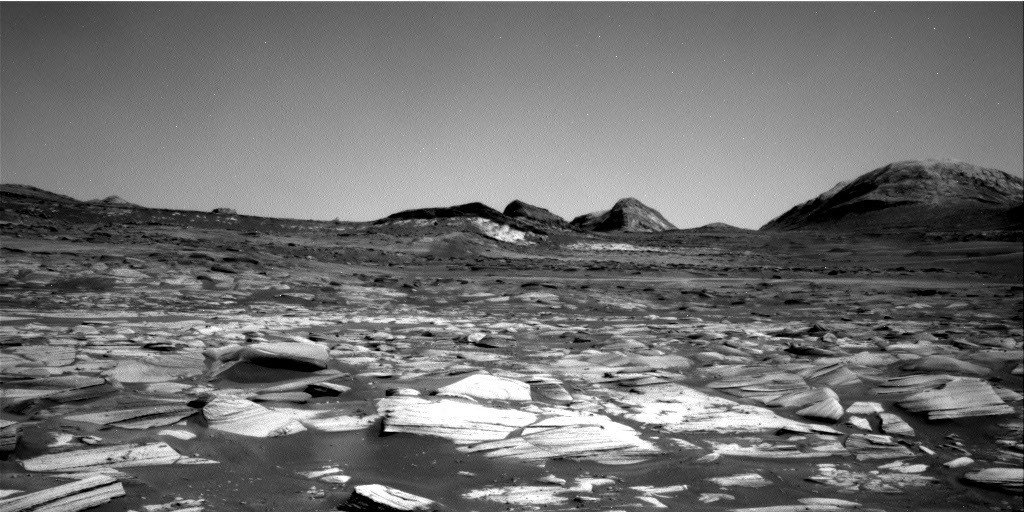
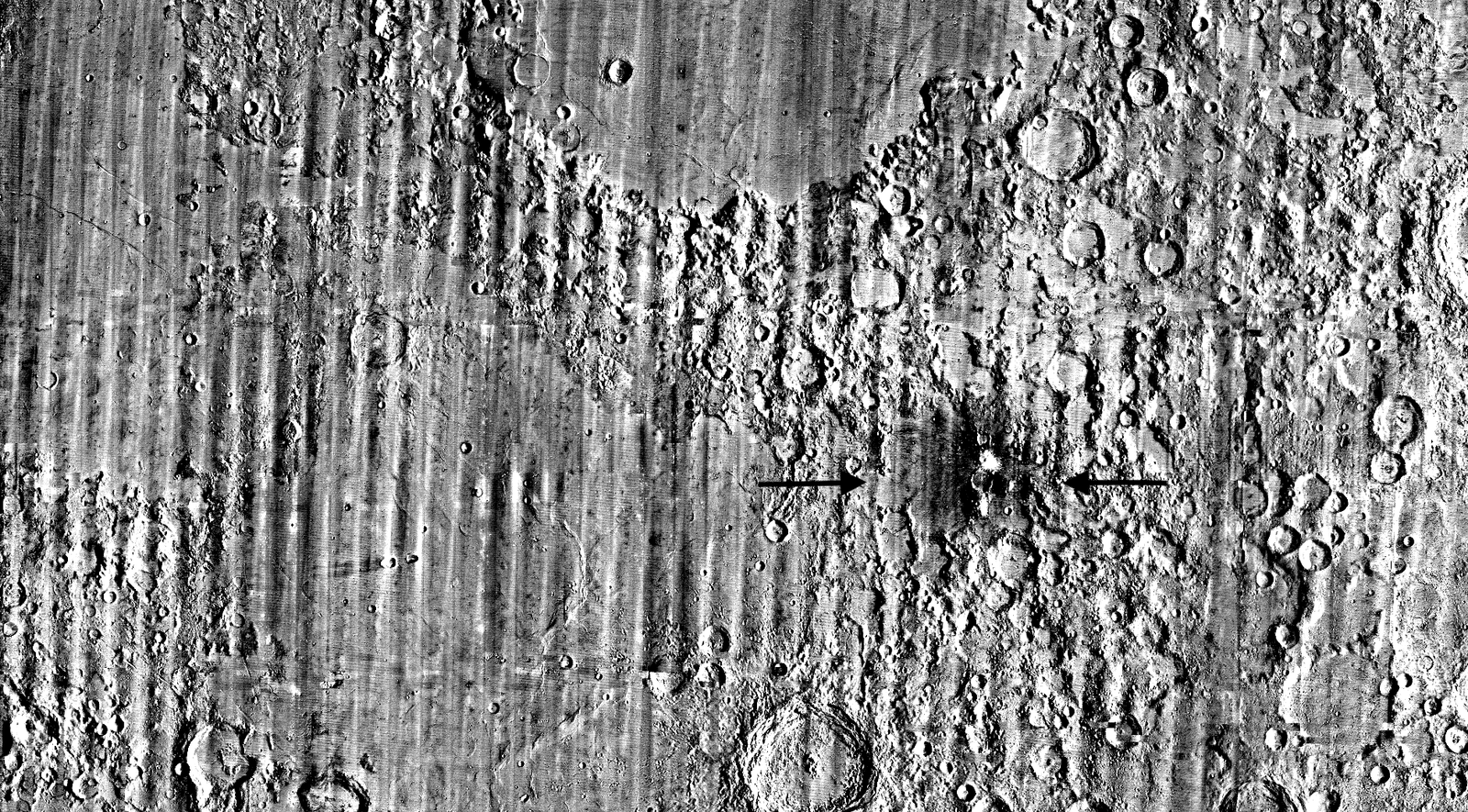
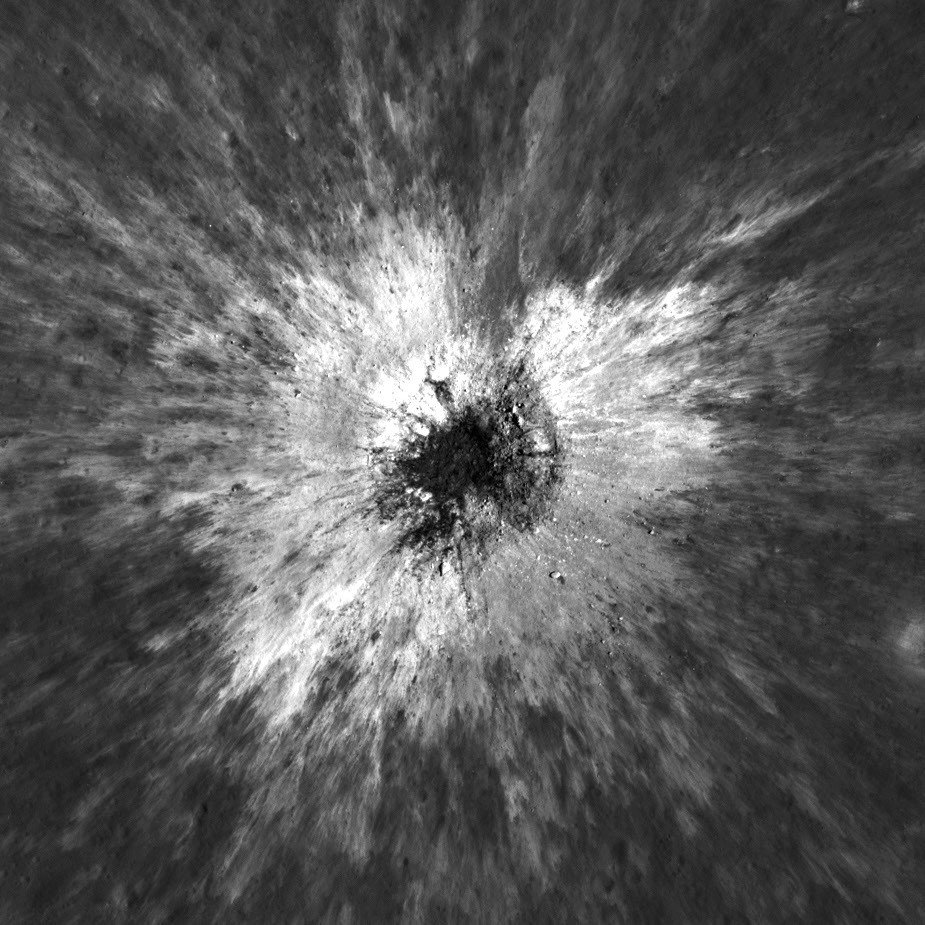
Between April and May of 2024, a celestial body estimated to be between 10 and 20 meters in diameter—roughly the size of a humpback whale—collided with the Moon. The resulting impact feature, officially named the McGetchin crater, spans the width of two soccer fields. Observations from the Lunar Reconnaissance Orbiter (LRO) confirmed the crater's formation, an event statistically occurring only once every 132 years.
Beyond the physical crater, thermal imaging has revealed a significant "cold spot" in the surrounding regolith. The impact effectively aerated the surface sediment, reducing its density and altering its thermal retention properties. This secondary effect covers an area significantly larger than the impact zone itself, providing geologists with a new data point for understanding surface evolution and the long-term impact of kinetic strikes on airless bodies.
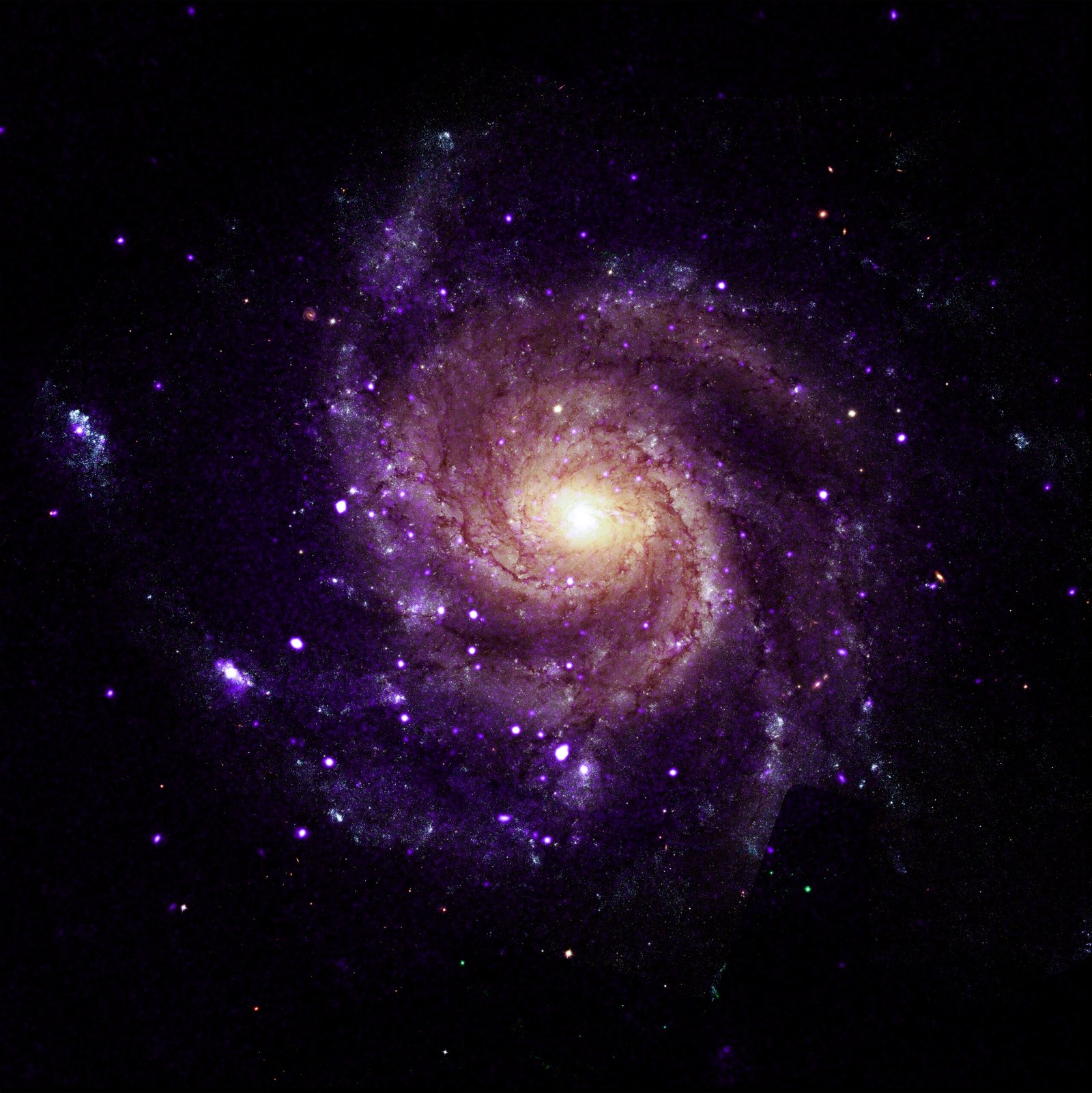
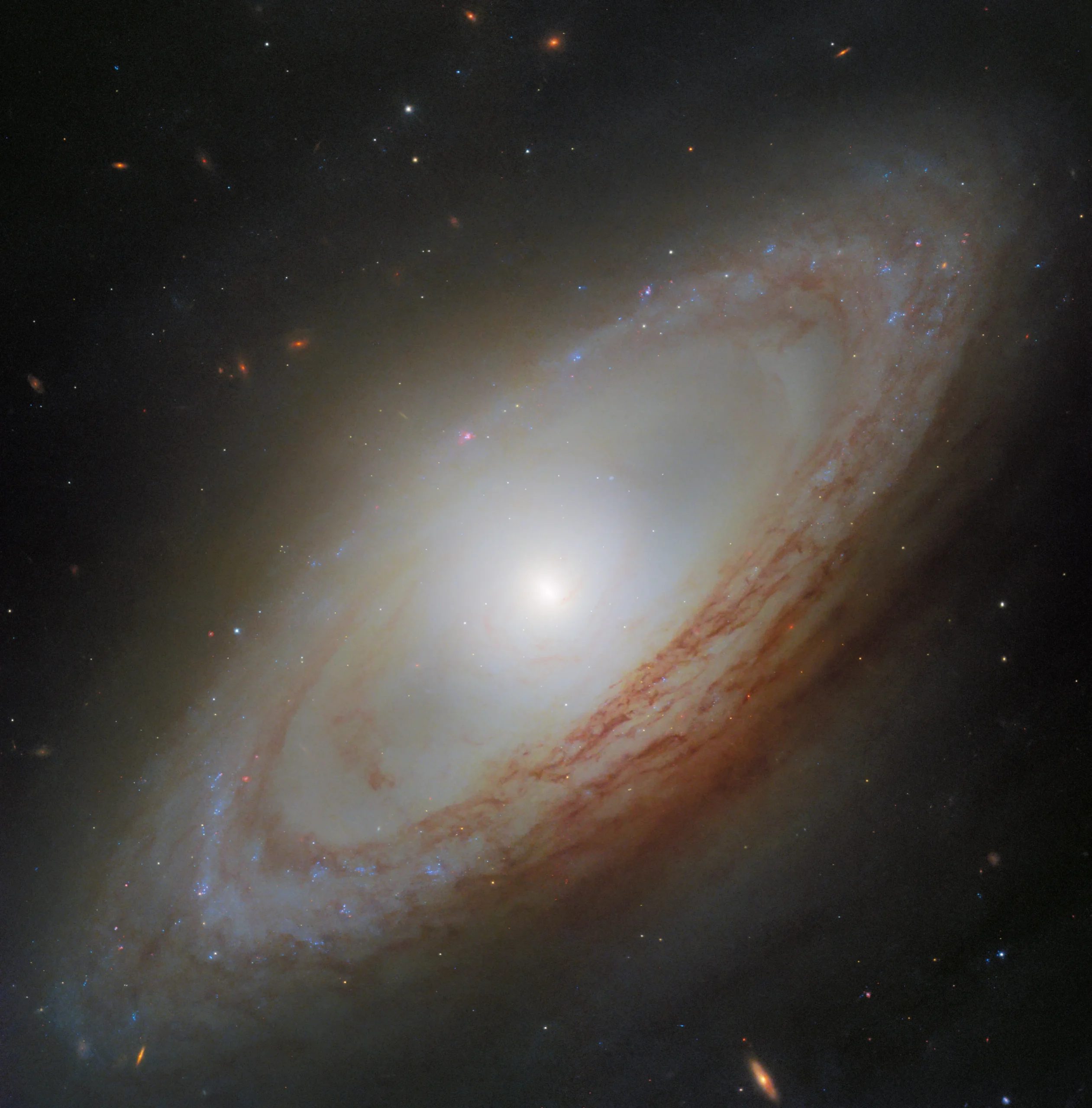
While the Moon underwent a physical transformation, researchers using the Chandra X-ray Observatory turned their attention to the Pinwheel Galaxy, M101. A study released in September 2026 identified a class of unusual objects that emit high levels of ultraviolet radiation alongside surprisingly low-energy X-rays.
Astronomers believe these objects may hold the key to addressing two long-standing questions within astrophysics. characterize the interactions between stellar remnants and their surrounding environments. This discovery, detailed in findings released throughout early September, adds a new layer of complexity to the mapping of the Pinwheel Galaxy and continues the legacy of Chandra as a primary tool for deep-space surveillance.
The immediate future for lunar science involves a detailed analysis of the McGetchin crater's regolith density to better understand how impact events permanently alter the lunar landscape. As for the deep-space anomalies in the Pinwheel Galaxy, the scientific community is expected to expand its search to other galaxies, looking for similar X-ray/ultraviolet signatures. This will likely involve cross-referencing Chandra data with other space-based observatories to determine if these objects are common features of spiral galaxy evolution or unique outliers. Meanwhile, the international focus will remain on the political outcomes of the ongoing UN General Assembly, which may influence future budgets and collaborative frameworks for international space research programs.