
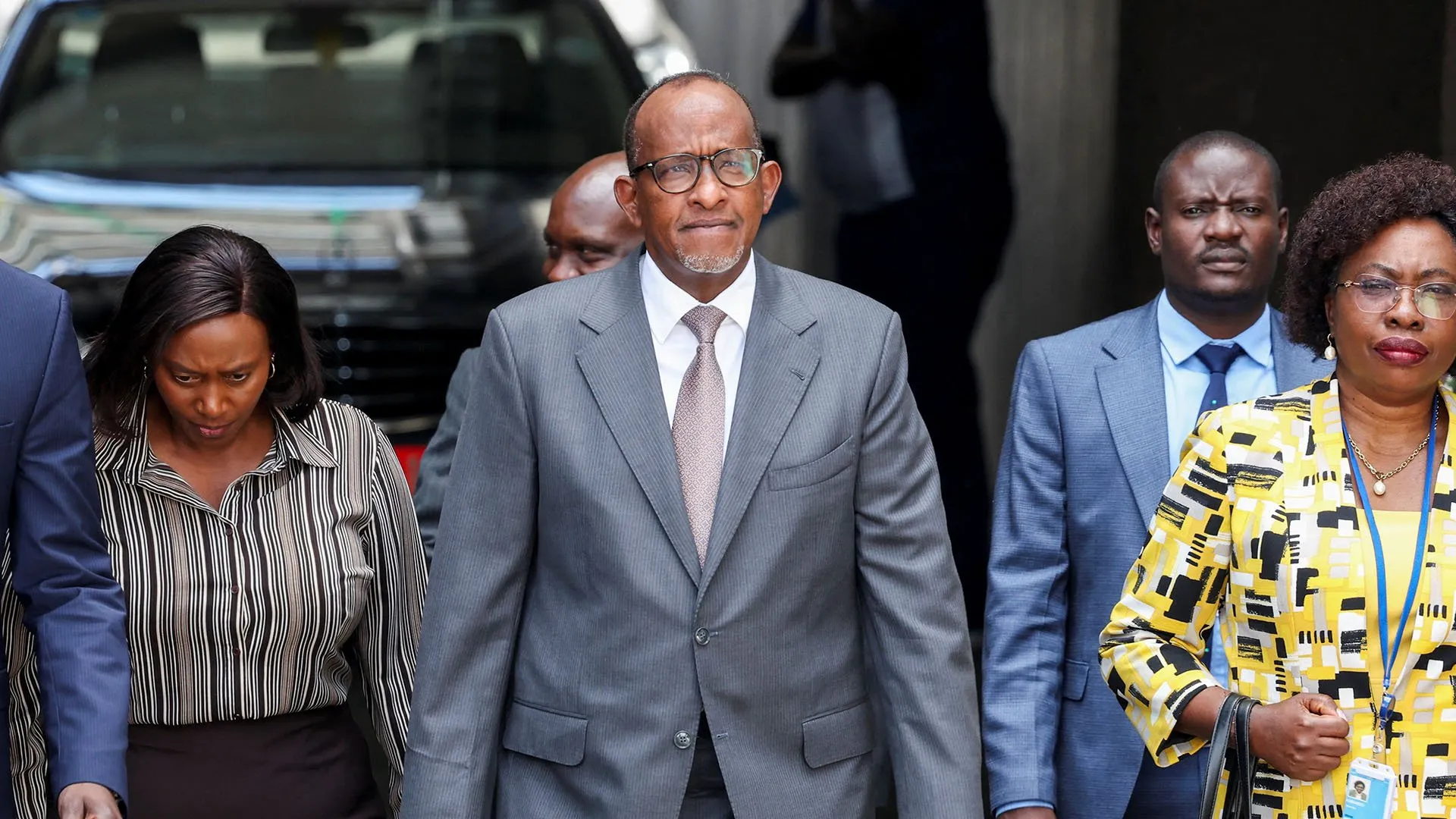
Health officials in Kenya identified the nation's first Ebola case after a traveler arrived from the Democratic Republic of the Congo. The patient died shortly after receiving hospital care.
Kenya recently confirmed its first case of the Ebola virus. A Kenyan citizen who lived in the Democratic Republic of the Congo brought the illness into the country. The patient passed away on Monday night.
Health Minister Aden Duale shared details about the case on Tuesday. The patient traveled from the Congo to Uganda by road. After that, he boarded a flight to Nairobi on Saturday.
Why this matters
This event marks a significant health challenge for the region. Public health systems must now act quickly to contain the spread. The virus poses a serious threat due to its high transmission rate.
Also, this situation tests the strength of Kenya's medical screening protocols. Officials must balance safety with the flow of international travel. Future border policies may change as a result of this discovery.
Details on the medical investigation
Meanwhile, doctors at a Nairobi hospital treated the man after he arrived. They moved him to an isolation unit used during the Covid-19 pandemic. The patient suffered from fever, muscle pain, and bleeding under the skin.
Next, medical teams ran tests on his samples. The results showed the Bundibugyo species of the Ebola virus. There are currently no approved vaccines for this specific type of the disease.
After that, officials began the difficult task of contact tracing. They identified 28 people who had contact with the man. Health workers are also tracking 23 passengers and four crew members from the flight.
Managing the public health response
Furthermore, the government plans a safe burial for the patient. This follows strict public health safety rules to prevent further infection. Authorities aim to keep the community safe during this time.
Still, the global health community watches the situation closely. The outbreak in the Congo remains the second deadliest in history. Officials hope to stop the virus before it spreads further within Kenya.
How we got here
- May 2026: The Democratic Republic of the Congo declared a new outbreak of Ebola.
- August 2026: The World Health Organization declared Uganda free of the disease.
- September 2026: Medical researchers launched human trials for a new Ebola vaccine.
- October 3, 2026: The patient traveled from the Congo through Uganda to Kenya.
- October 6, 2026: Kenya officially confirmed its first case of the Ebola virus.
What happens next
Now, health experts will likely focus on monitoring the identified contacts. They want to see if anyone else shows symptoms. This monitoring period usually lasts several weeks.
Then, the government may tighten screening measures at international airports. They might require more health checks for travelers from affected areas. These actions will likely remain in place until the threat clears.
Finally, scientists will continue their work on potential vaccines. They face pressure to find a treatment for the Bundibugyo species. Success in these trials could lives in future outbreaks.