
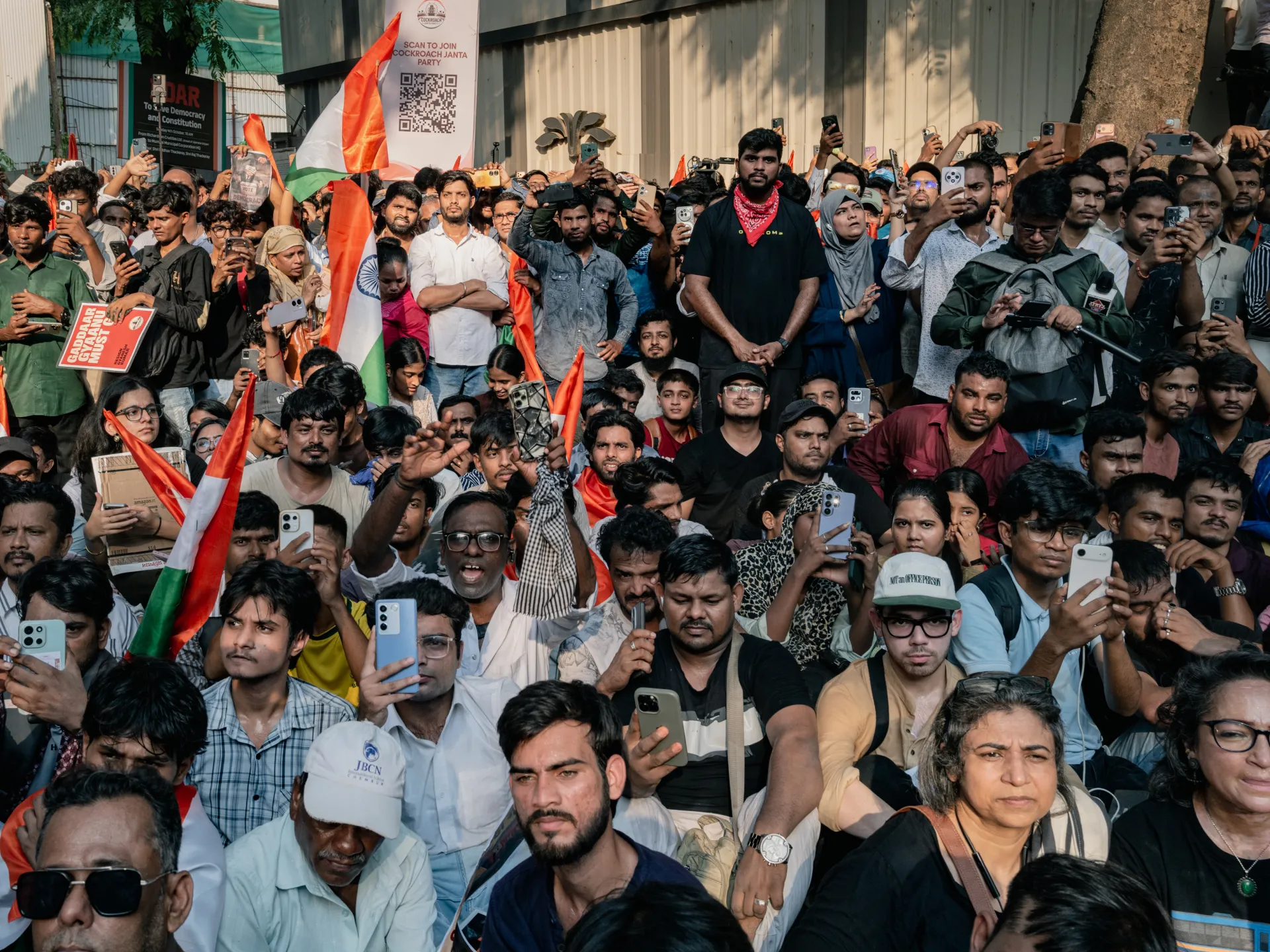
India faces widespread protests while G7 nations act to lower fuel prices amid a growing climate emergency in South Asia.
Citizens across India are taking to the streets this October to demand change. These protestors rally against election officials, safety failures, and caste-based discrimination. Meanwhile, the G7 nations are working to stop a major energy crisis.
These events show the deep pressure facing world leaders today. From rising floodwaters in South Asia to fuel price hikes, instability is spreading. Governments struggle to manage these crises while keeping the trust of their people.
Why this matters
This period of unrest highlights a fragile global landscape. When leaders fail to address basic needs, public anger grows quickly. These protests in India signal a shift in the national mood.
Also, the economic moves by the G7 show how interconnected the world remains. One country’s energy policy now impacts farmers and drivers across the globe. This interdependence makes political stability more important than ever.
Furthermore, climate events like the Gandak River floods threaten millions. Such disasters worsen existing economic and social tensions. Governments must now solve multiple, complex problems at the same time.
Domestic Unrest in India
Protestors in India are calling for the resignation of election officials. They claim the voter rolls were manipulated to favor the current government. These demonstrators want a fairer political system for everyone.
Meanwhile, other groups are fighting for safety and justice. Students and women protest against recent violence in Delhi. In Mumbai, families demand answers after a student death sparked by alleged discrimination.
Also, students in Pune are pushing for better transparency in civil exams. These groups feel ignored by those in power. They see these protests as their only way to be heard.
Energy Supplies and Environmental Crises
The G7 nations just announced a plan to release 100 million barrels of fuel. This action aims to lower costs for consumers and businesses. It follows threats from the U.S. to ban diesel exports.
Next, the leaders agreed to end export restrictions between member nations. This move helps stabilize global energy supplies over the next four months. It prevents a potential price war between major world powers.
However, nature is also causing chaos in the region. Recent heavy rains have pushed the Gandak River to record levels. This flooding has forced thousands of people from their homes.
How we got here
- September 20-27, 2026: Extreme monsoon rains hit Nepal and India, causing record-breaking river levels.
- Late September 2026: A student dies by suicide at IIT Bombay, triggering protests over caste-based harassment.
- October 1, 2026: Indian protestors take to the streets on Gandhi’s birth anniversary to demand political reforms.
- October 2, 2026: G7 leaders meet and announce a massive release of oil and diesel reserves.
- October 3, 2026: U.S. officials confirm that a proposed ban on diesel exports will not happen.
What happens next
The Indian government faces a difficult choice regarding the protests. They must decide between ignoring the crowds or starting a dialogue. If they use force, the movement may grow even stronger.
Also, the G7 will monitor the oil markets closely over the next four months. They may release more fuel if prices stay too high. The success of this plan depends on steady cooperation between these countries.