
Global oil prices surge amid new maritime strikes, while local authorities in Maryland address a series of rare beaver attacks.
Why this matters
Tensions over water sources now span from international trade routes to local parks. These events show how vital water is to daily life and global stability. The world relies on these paths for oil and peace. However, conflicts often disrupt these essential systems.
Also, nature can pose unexpected risks to human safety. Wildlife encounters remind us of the fragile balance in our ecosystems. Officials struggle to manage these sudden dangers effectively. People must remain aware of their surroundings when near wild areas.
Maritime Conflict and Energy Costs
The United States and Iran recently exchanged military strikes in the Gulf. The US military destroyed five Iranian tankers after missile attacks on a warship. Iran then attacked US facilities in Jordan. These actions caused global oil prices to jump to $100 per barrel.
Meanwhile, Houthi forces hit oil facilities in Saudi Arabia. This added more pressure to the global energy market. The Strait of Hormuz remains effectively closed to most shipping traffic. This waterway carries 20% of the world's oil and gas.
As a result, motorists everywhere face higher fuel costs. The US Central Command said its forces avoided harm during the strikes. Both nations continue to trade threats in these strategic waters. The situation remains very unstable for global trade.
Wildlife Concerns in Maryland
Maryland wildlife officials are tracking a dangerous beaver in Seneca Creek State Park. A beaver attacked a 10-year-old girl while she swam there. This marks the third attack in the state in less than three weeks. Officials closed parts of the park to protect the public.
Then, investigators looked into recent history at other parks. Two beavers previously attacked people at Cunningham Falls State Park. Both of those animals tested positive for rabies after workers euthanized them. Officials warn visitors to stay away from wildlife.
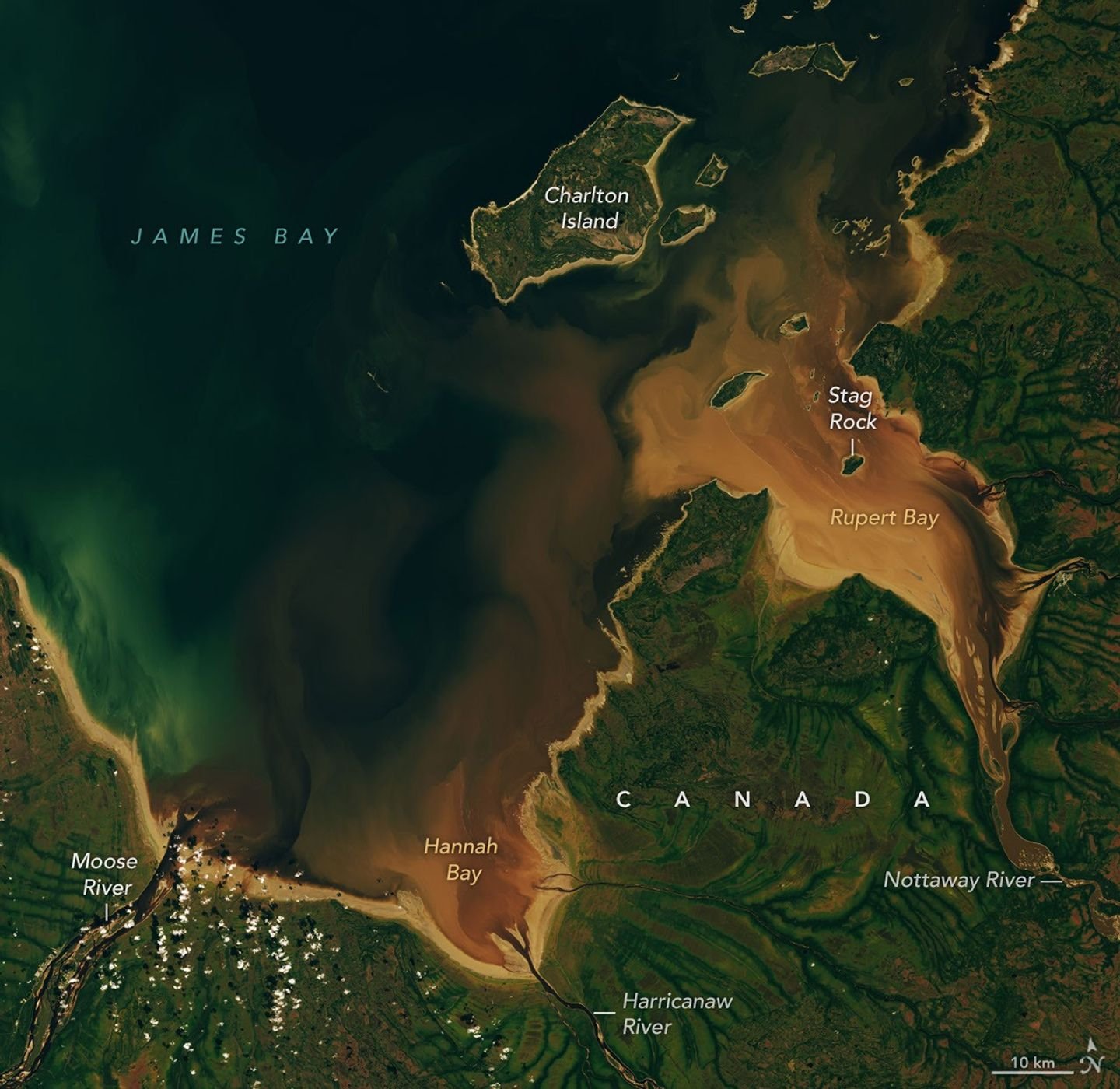
Also, other areas of Canada show a different side of these animals. Waters in Rupert Bay often appear brown due to organic matter. The Cree people have lived with beavers in this region for centuries. These animals shaped the local history and trade for many years.
How we got here
- 2025: India put the Indus Waters Treaty in abeyance after the Pahalgam attack.
- July 26, 2026: A beaver attacked a 13-year-old swimmer at a Maryland state park.
- August 5, 2026: A fisherman suffered a beaver bite at Cunningham Falls.
- September 3, 2026: A Hague court ruled that the Indus Waters Treaty remains in force.
- September 9, 2026: Oil prices hit $100 per barrel after major maritime strikes in the Gulf.
What happens next
Analysts expect oil prices to remain high while the Strait of Hormuz stays blocked. Diplomatic efforts will likely focus on de-escalating the regional conflict. Military leaders will continue to monitor the area for more missile activity. Any further attacks could push prices even higher.
Next, officials will keep searching for the aggressive beaver in Maryland. They hope to catch the animal before more people get hurt. Park closures will likely remain in place until the area is deemed safe. Experts advise the public to avoid feeding or approaching wild animals.
Finally, India will likely continue to challenge the arbitration ruling on the Indus treaty. Legal teams are reviewing the court's decision on the water sharing pact. These disputes highlight the growing global competition for water resources. Both nations must find a path to resolve their differences peacefully.