
Political shifts in Canada and Brazil shape the week as space scientists share new images of Earth's atmosphere.
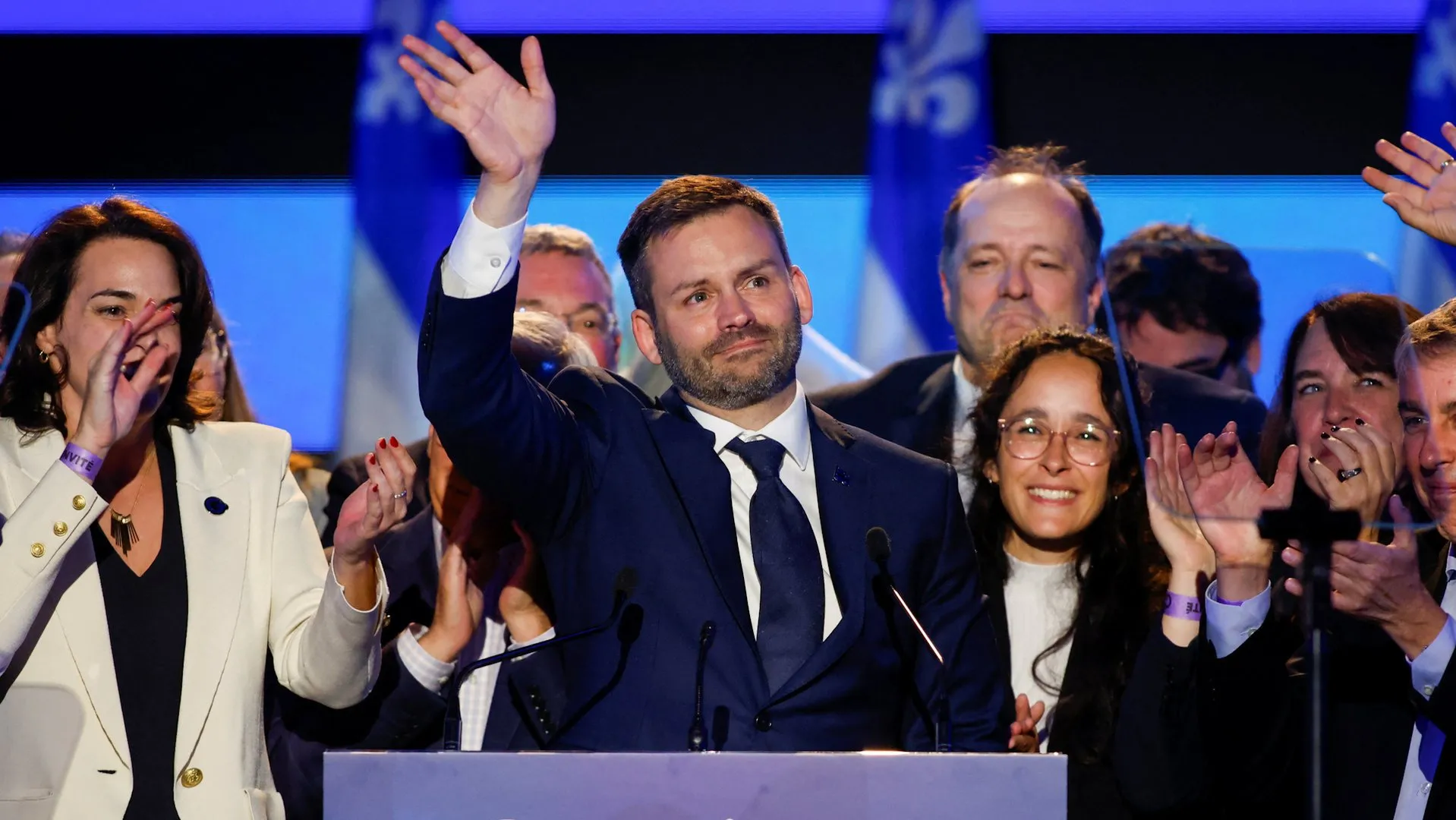
Voters in Quebec recently chose a new path for their province. The Parti Québécois won the provincial election this week. This victory brings the party back to power for the first time since 2014.
Meanwhile, political tension grows in Brazil ahead of their own presidential vote. Citizens there watch the race between President Luiz Inácio Lula da Silva and Flavio Bolsonaro. These global events highlight how much voters want change in their governments.
Why this matters
The win in Quebec signals a major shift in North American politics. Supporters of the Parti Québécois want to separate from Canada. This move could change trade and laws across the continent.
Also, the situation in Brazil shows deep divides within nations. President Lula da Silva claims that foreign powers are trying to influence the vote. Many people worry that these outside pressures hurt the fairness of the election.
Furthermore, these events force us to look at national pride. Countries are struggling to balance global ties with local control. Both Quebec and Brazil face big questions about their future paths.
Scientific milestones and political change
While leaders campaign, scientists continue to study our universe. The SMILE spacecraft recently captured a full view of the auroral oval. This is the circle of lights often seen at Earth’s magnetic poles.
Then, the robotic satellite used ultraviolet light to see these lights during the day. This data helps experts understand solar storms. Such storms can disrupt power grids and satellites on Earth.
After that, the project team shared these images to help us learn more. The mission shows that science moves forward even as political maps change. People around the world look to both space and their ballots for answers.
How we got here
- 2014: The Parti Québécois last held power in Quebec before their recent loss.
- July 2026: The SMILE spacecraft recorded the full auroral oval from high above the Earth.
- October 2026: The Parti Québécois returned to power in Quebec with a promise for a new referendum.
- October 2026: President Lula da Silva accused the opposition of inviting foreign influence into the Brazilian election.
What happens next
Now, the new government in Quebec must prepare for a possible vote on independence. Paul St-Pierre Plamondon leads this effort for his party. He must convince many citizens that leaving Canada is the right choice.
Also, the situation in Brazil will likely get more intense before election day. Voters will decide if they trust the current president or his challenger. International observers will watch the results very closely to ensure fair play.
Finally, scientists will continue to use data from the SMILE mission. They aim to keep our power grids safe from the sun's energy. Both the political and scientific stories remain active and evolving for everyone involved.