

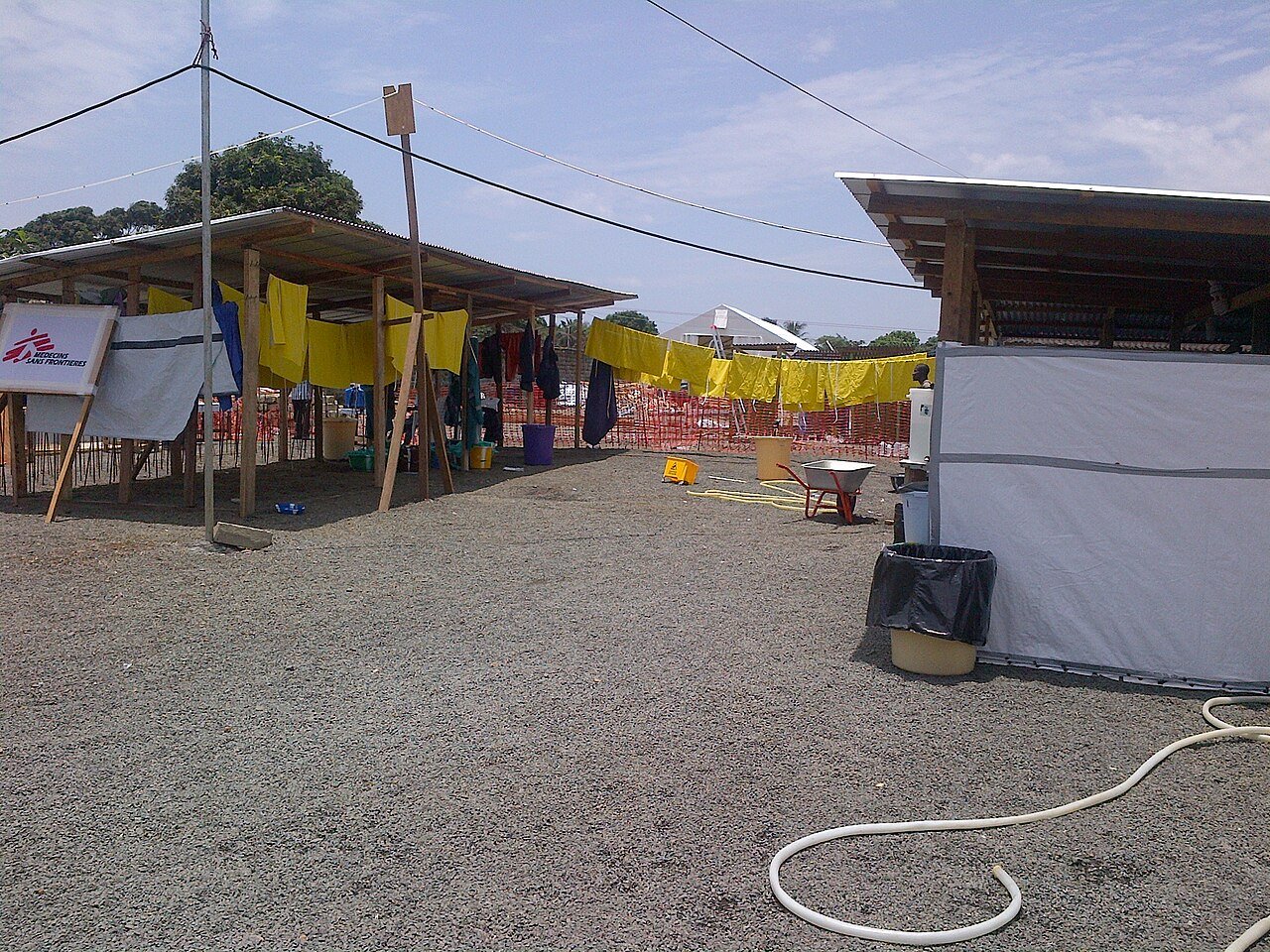
Six months into the Ebola outbreak in the Democratic Republic of the Congo, the virus is exacting its heaviest toll on children — and the numbers are still climbing, with hundreds of new infections reported every week.
Key Points
- Ebola DR Congo children — children under 18 account for 28 percent of confirmed cases but 35 percent of deaths, and seven in ten infected children under five have died.
- The outbreak has reached 11,254 confirmed cases and 5,505 deaths as of 12 November, more than double the caseload of three months ago.
- The outbreak, caused by the rare Bundibugyo virus, is the largest and deadliest ever recorded in the DRC and the second-largest globally.
- There is no approved vaccine or treatment for the Bundibugyo strain, and violence in the east is hampering the response.
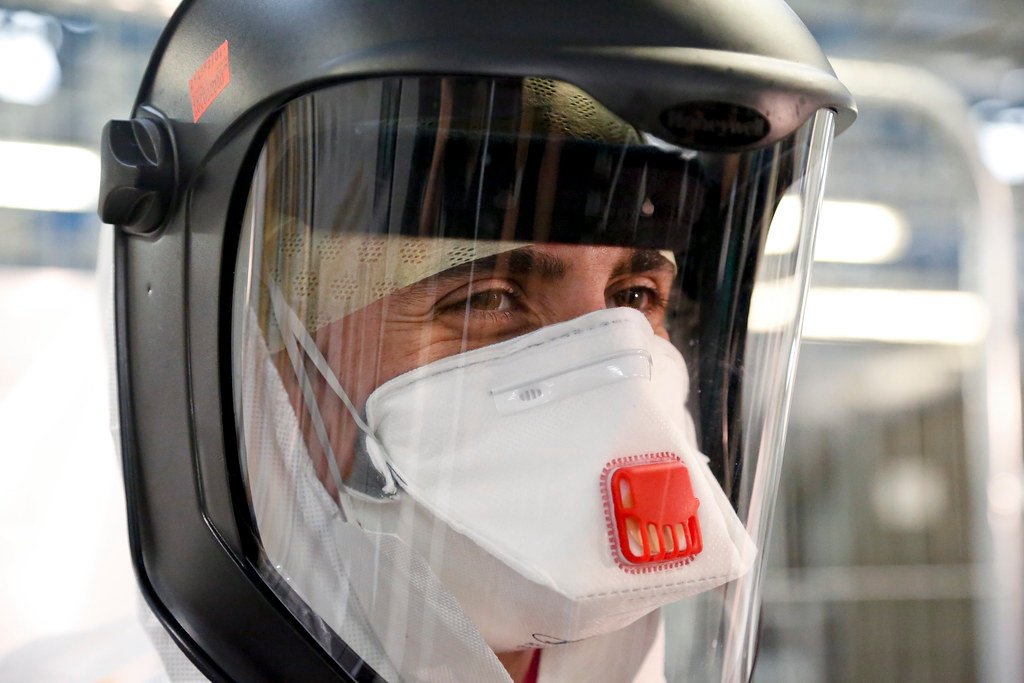
The figures come from a joint assessment by UNICEF, the World Health Organization and humanitarian partners, published as the outbreak reaches its six-month mark. As of 4 November, Ebola had been confirmed in 2,959 children under 18, and 1,737 of them had died. The youngest are the most at risk: children under five make up 14 percent of cases but 21 percent of deaths, and nearly 72 percent of those infected have died. Approximately 80 percent of deaths among children occur outside Ebola treatment centres, and one in three children under five admitted to a treatment centre dies within 24 hours. More than 2,280 children have been orphaned or separated from their families since the outbreak began.
The outbreak has affected 67 health zones across eight provinces — Haut-Uele, Ituri, North Kivu, South Kivu, Bas-Uele, Tshopo, South-Ubangi and North Ubangi — with active transmission continuing in 51 zones. The WHO’s director-general, Tedros Adhanom Ghebreyesus, opened the third meeting of the WHO Emergency Committee on the outbreak on Tuesday, saying children were “paying a terrible price”. Between 400 and 500 new cases are still being reported each week, and two-thirds of confirmed deaths occur outside treatment centres, a sign that infections are still being identified too late.
Violence is hampering the response
Containing the outbreak has been made harder by escalating violence in Ituri and North Kivu, including an attack that killed 66 civilians, which has disrupted surveillance and left more than 1,000 contacts lost to follow-up. Response teams say significant progress has been made in bringing lifesaving services closer to affected communities, but reaching remote rural areas remains difficult, and tracing and testing are still patchy. In 2026, 14.9 million people in the DRC need humanitarian aid, including 8 million children.
The Bundibugyo virus, first identified in Uganda in 2007, is one of the viruses that can cause Ebola disease, and it has no approved vaccine or treatment — unlike the Zaire strain, for which vaccines exist. That leaves the response dependent on the basics: finding cases early, isolating patients, tracing contacts and supporting families. For the children of eastern Congo, the outbreak has become a double crisis — a disease that kills seven in ten of its youngest victims, and a war that keeps help from reaching them in time.
For background on the outbreak, see our report on the WHO warning the Ebola outbreak in DRC persists, and on the deadliest Ebola outbreak in DR Congo history. More in our World News section.
Sources: UNICEF, “Six months on, accessing hard-to-reach communities key to halting Ebola outbreak” (https://www.unicef.org/press-releases/six-months-accessing-hard-reach-communities-key-halting-ebola-outbreak); UN News via The Manila Times, “World News in Brief: Ebola cases double in DR Congo” (https://www.manilatimes.net/2026/11/17/world/un-news/world-news-in-brief-ebola-cases-double-in-dr-congo-chemical-exposure-starts-before-birth-turk-concern-over-eu-rwanda-transfer-plan/2472652).