
As Hurricane Polo shatters intensification records in the Pacific, political leaders are calling for a fundamental restructuring of the global order to address systemic climate and diplomatic failures.
The convergence of unprecedented environmental volatility and systemic international instability marks a precarious moment in global governance. When atmospheric phenomena like Hurricane Polo shatter historical records for intensification, they do more than displace populations; they force a re-evaluation of the current geopolitical framework. The inability of the global order to address these overlapping stressors—ranging from climate-induced vulnerability to localized political shifts—highlights an institutional paralysis that threatens to alienate frontline nations from the international community.
For observers, the situation reveals a disconnect between the rapid pace of ecological destruction and the sluggish response of international bodies. As Nepal’s leadership challenges the efficacy of existing global systems, the structural integrity of international cooperation is increasingly tested citizens demanding accountability from their domestic administrations.
Meteorological data from late September 2026 confirms that the eastern Pacific basin has witnessed one of the most significant storm intensifications on record. Hurricane Polo, which originated as a standard tropical disturbance, reached Category 5 status in a timeframe that has been described t the storm’s wind speeds increased have categorized this event as the third-strongest storm in the recorded history of the eastern Pacific, with sustained winds clocked at 285 kilometers per hour
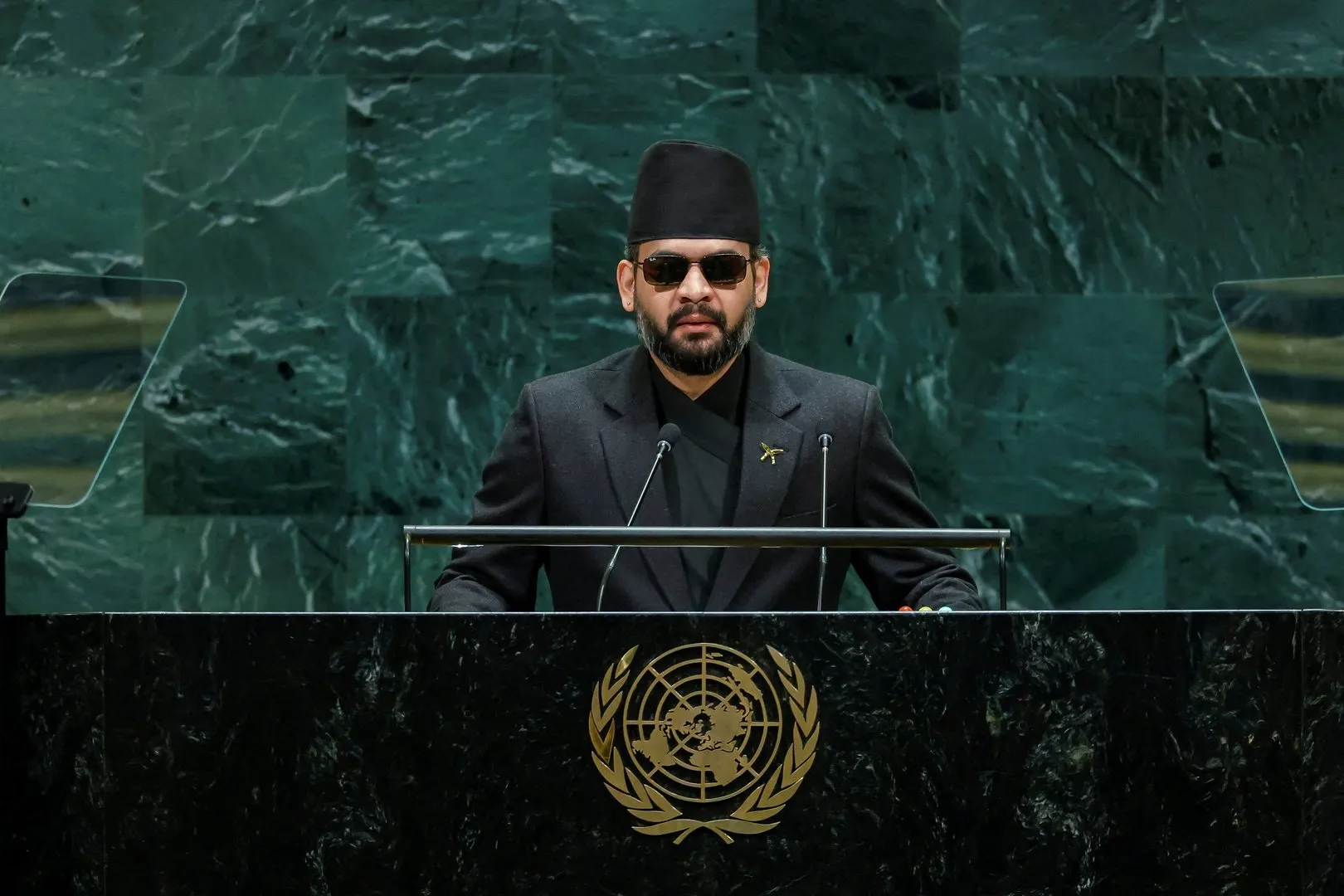
This environmental instability mirrors a period of profound political transition. In Nepal, recent administrative changes have brought new leadership to the forefront, characterized country’s current Prime Minister, Balendra Shah, utilized the platform of the UN General Assembly to criticize what he termed a "broken" global order. Shah’s rhetoric, which emphasized the injustice of countries being "hit diplomatic tone among leaders representing nations most exposed to environmental catastrophes.
The strain on international systems is further evidenced ns. While government agencies, such as NASA’s Shared Services Center, continue to manage the complex administrative requirements for agency relocation and foreign travel, the broader environment in which these operations occur is increasingly fraught. The intersection of geopolitical standoffs, natural hazards, and health-related disruptions has made the logistics of global movement and inter-agency coordination significantly more volatile.
These disruptions are not merely incidental but are reflective of a broader, systemic fragility. Whether through the lens of a hurricane forcing a rethink of emergency preparedness or the diplomatic pressure exerted ability of current structures to adapt to the velocity of modern change. The reliance on legacy systems for travel and administration stands in stark contrast to the urgent, "jaw-dropping" pace of atmospheric and societal upheaval now dominating the global landscape.
The immediate outlook involves a dual-track challenge for the international community. In the short term, meteorological agencies will likely refine their models to account for the "explosive" intensification patterns witnessed in the Pacific, as traditional forecasting tools struggle to predict such rapid shifts in storm strength. This will necessitate increased investment in satellite monitoring and rapid-response infrastructure to mitigate the damage of future, similarly volatile weather events.
Politically, the "broken" order described iction between developing nations and established powers during international summits. As countries on the front lines of climate change continue to experience domestic political shifts driven plomatic stances. The sustainability of the current international travel and administrative architecture will remain under pressure, as the dual reality of climate-driven disasters and geopolitical instability continues to disrupt standard global operations.