
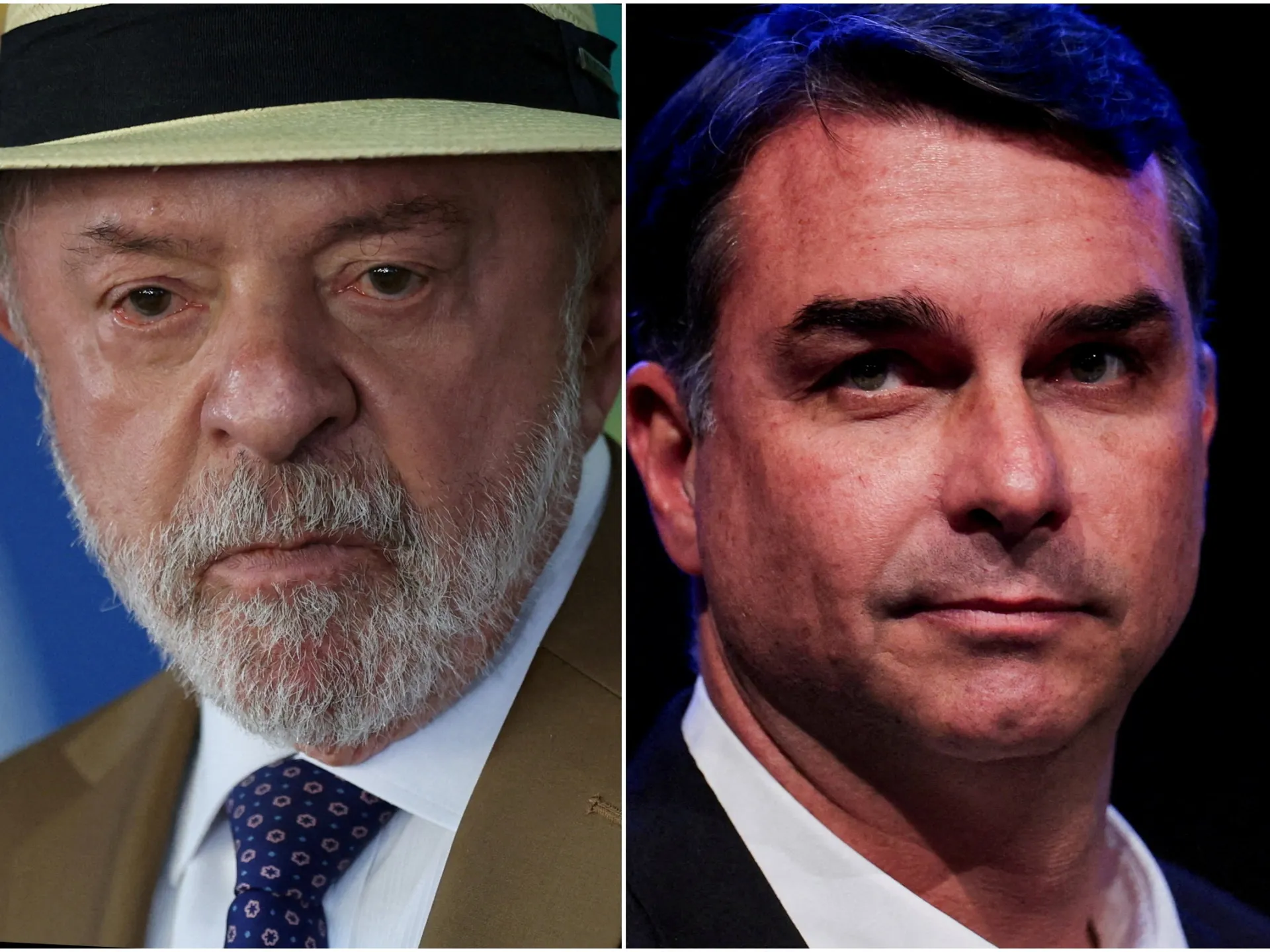
Brazil's presidential race remains a statistical dead heat while international tensions rise over immigration enforcement policies in the United States.
As Brazil approaches its critical October presidential election, the nation finds itself caught between a razor-thin domestic political contest and growing international scrutiny regarding its citizens' movements and legal accountability. Incumbent President Luiz Inacio Lula da Silva is facing a robust challenge from Senator Flavio Bolsonaro, the eldest son of the former president who remains incarcerated for his role in challenging the 2022 election results. Recent polling data suggests the electorate is deeply divided, with multiple surveys indicating that the contest between the leftist incumbent and the right-wing senator is effectively a statistical dead heat.
Simultaneously, the diplomatic relationship between Brazil and the United States has been complicated n murderer in Massachusetts—occurring just days before Governor Maura Healey signed the state’s restrictive PROTECT Act—has ignited a firestorm regarding the limits of state-level immigration policy versus federal law enforcement jurisdiction. These two narratives, while seemingly disparate, highlight a broader theme of instability as Brazil navigates a transition period characterized administration’s electoral disputes.
The stakes of this election extend far beyond the borders of Brazil, impacting the stability of Latin America's largest economy and its standing on the global stage. If Flavio Bolsonaro manages to unseat Lula, it would mark a significant return to the political influence of his father’s legacy, potentially signaling a renewed populist fervor in a country that has spent years attempting to move past the 2022 insurrection attempt. Conversely, Lula’s struggle to maintain a lead against a candidate whose name is inextricably linked to a polarized past suggests that voters are weighing institutional stability against an appetite for radical political redirection.
Furthermore, the tension between local sanctuary policies in the United States and federal immigration enforcement creates a complex environment for international relations. The apprehension of Maycon Souto Dos Reis discourse, but it also reflects the tangible consequences of international legal cooperation. When municipal or state entities limit the ability of federal agents to operate, they create friction with foreign governments seeking to extradite or track dangerous fugitives, ultimately complicating bilateral security agreements between Washington and Brasilia.
According to the latest Datafolha results released on September 25, 2026, President Lula holds 47 percent to Flavio Bolsonaro’s 45 percent in a simulated run-off. Because the margin of error is two percentage points, analysts categorize the race as a technical tie. First-round projections show Lula with 40 percent support, followed t snapshots: the Quaest poll reported a 42-41 split in favor of Bolsonaro, while the BTG Pactual/Nexus study presented a 46-45 margin favoring Lula. The consistency of these narrow margins confirms that neither candidate has secured the decisive momentum required to bypass a second round of voting.
While the electoral math occupies the attention of local voters, the U.S. immigration enforcement landscape remains a secondary but potent factor in the Brazil-U.S. dynamic. ICE officials have expressed vocal frustration over state-level legislation like Massachusetts’ PROTECT Act, arguing that such policies hinder their capacity to remove foreign nationals who have committed violent crimes abroad. The case of Maycon Souto Dos Reis—who was convicted of aggravated murder in Brazil and entered the U.S. illegally in 2024—serves as the primary evidence used ration between local law enforcement and federal immigration authorities.
As the October election draws near, the focus will likely shift toward the final televised debates and the impact of the "undecided" voter block, which remains large enough to tip the scales in either direction. If the polls hold, the prospect of a contentious run-off period is high, potentially triggering renewed protests or legal challenges regarding voter integrity. On the immigration front, the implementation of the PROTECT Act in Massachusetts will be closely watched gn nationals occur within restricted zones, it is probable that legal challenges will emerge, potentially reaching federal courts to determine the extent to which state "sanctuary" protections can lawfully preempt federal immigration enforcement operations.