

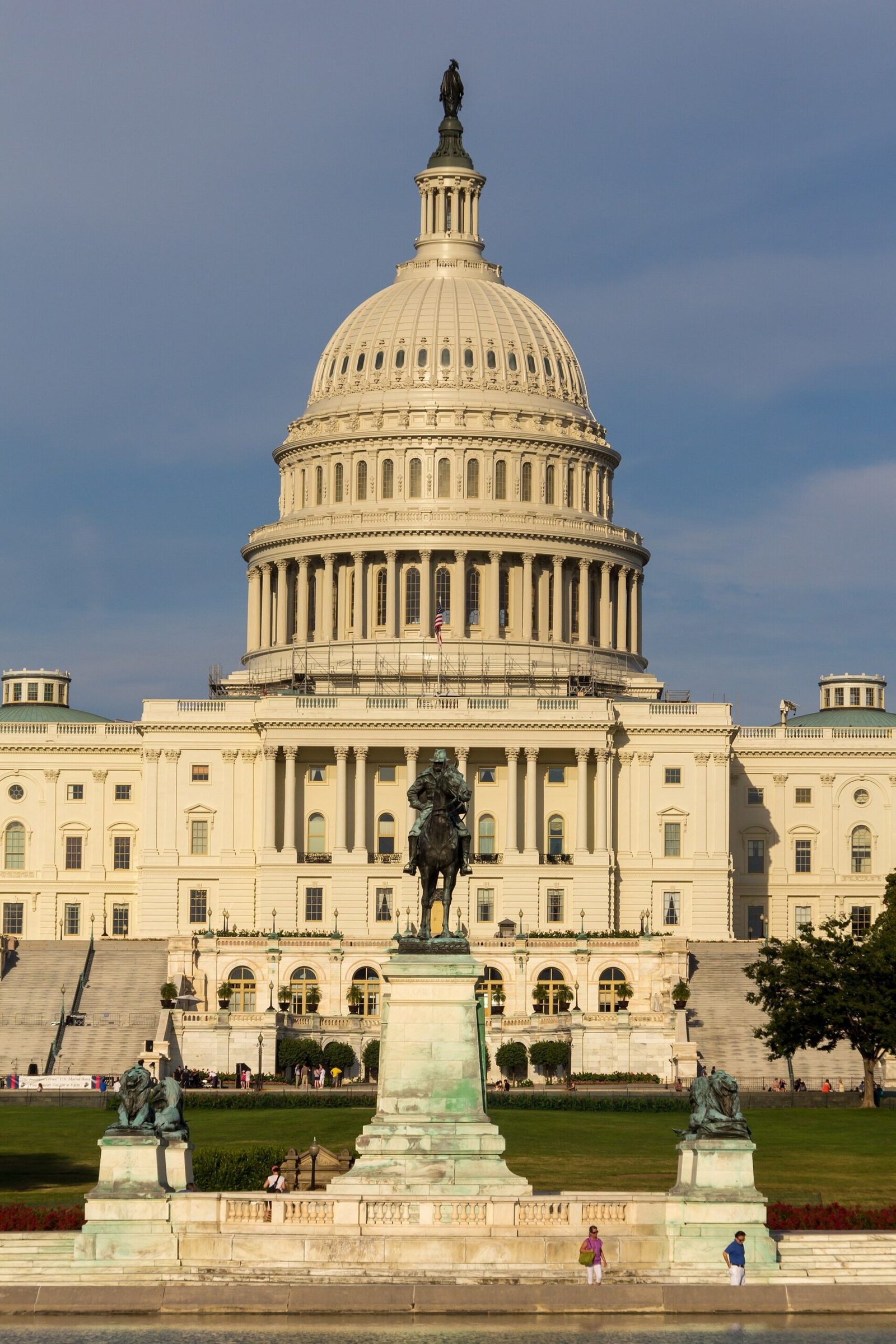
Tens of millions of Americans are casting ballots on Tuesday in the first nationwide verdict on Donald Trump’s second presidency — with control of Congress, and with it the shape of the next two years, on the line.
Key Points

- All 435 House seats, 35 Senate seats and 36 governorships are on the ballot on Tuesday 3 November 2026.
- Republicans enter the day holding a narrow 218–214 House majority and a 53–47 Senate majority.
- More than 58.6 million Americans had already voted before Election Day, according to the University of Florida Election Lab.
- First polls close at 6pm Eastern; close races could take days to call, and a Georgia Senate race without a majority winner would go to a run-off on 1 December.
What is at stake
Midterm elections are traditionally a referendum on the sitting president, and this one is no exception. Voters are choosing the entire House of Representatives, more than a third of the Senate, and governors in 36 states — a sweep that will decide whether the Republican president faces a friendly Congress or a hostile one for the second half of his term.
The arithmetic is tight. Democrats need a net gain of just four House seats to take the chamber, and four Senate seats for a majority — a 50–50 Senate would still be controlled by Republicans, because Vice President JD Vance casts the tie-breaking vote. Forecasters gave Democrats the edge in the House fight: Decision Desk HQ put their chance of winning the chamber at 84% in a forecast cited on 2 November, projecting around 241 seats, while the Senate looked closer.
A record early vote — and a long count ahead
If turnout is any guide, Americans have been engaged. By late Monday, 58,677,062 people had already voted, the Election Lab reported — 31.89 million in person and 26.78 million by mail. That early wave means many results will be known quickly on Tuesday night, but officials have warned for weeks that the closest contests may not be called for days, as mail ballots are counted and margins are checked.
One race already has a second date circled: if no candidate wins a majority in Georgia’s Senate contest, the state will hold a run-off on 1 December — a rerun of the high-stakes, high-spending run-offs that have decided Senate control before.
Why this midterm matters beyond Washington
The result will shape everything from the federal budget and the funding fight that runs to 11 December, to oversight of the administration, judicial confirmations and the legislative agenda heading into the 2028 presidential race. A Democratic House would gain subpoena power and the ability to block the president’s programme; a Republican hold on both chambers would keep the path clear for it.
State races matter too. Thirty-six governorships — the offices that sign or veto voting laws, abortion rules and education policy — are being decided, and several will set the terms of the next presidential campaign in their states.
What happens next
Polls close state by state from 6pm Eastern, and the first results will arrive through the evening. News One USA will follow the night as the balance of Congress becomes clear — and, where races are too close to call, as the count continues into the days that follow.
Related coverage: final campaigning · the federal budget · funding fight that runs to 11 December
Sources
- Financial Express US midterm liveblog — Financial Express
- Indian Express — Indian Express