
Conflict spreads in Ethiopia while NASA prepares a new international crew for a journey to the space station.
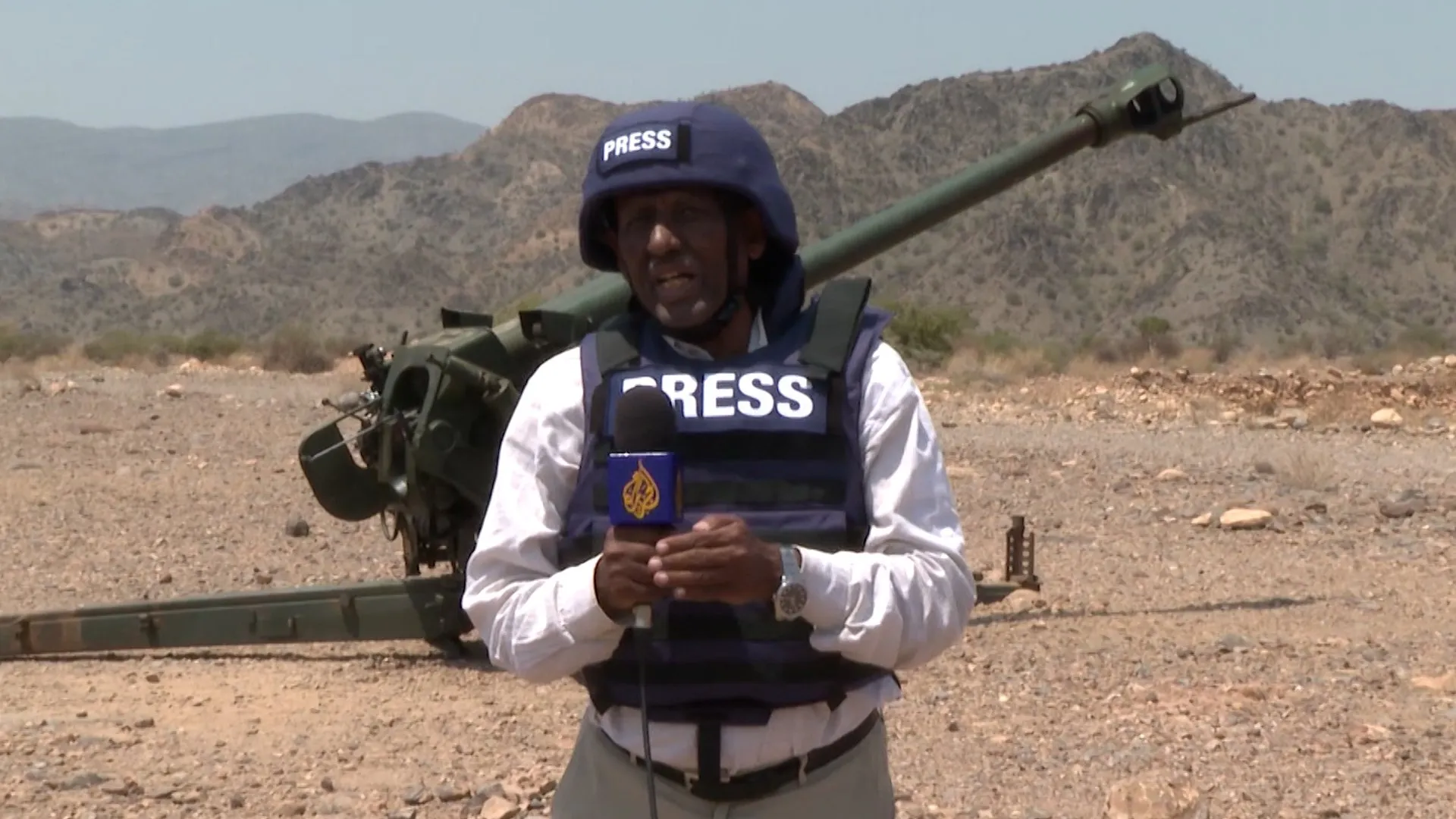
Violence spreads across the Afar region in Ethiopia today. Rebel groups now fight to remove Prime Minister Abiy Ahmed from power. Journalists report from the front lines as the situation grows more unstable.
Meanwhile, the global community looks toward the stars for signs of progress. NASA recently announced its crew for the upcoming SpaceX mission. These two stories show a world balancing intense conflict and scientific ambition.
Why this matters
The conflict in Ethiopia threatens the safety of thousands of civilians. It also creates regional instability that could hurt international trade and diplomacy. Leaders worry about the long-term impact on East African security.
Also, the space mission represents a major investment in human knowledge. It helps scientists prepare for future trips to the Moon and Mars. These missions show that space exploration remains a top priority for global powers.
However, the contrast between war on Earth and peace in orbit is striking. People often look for hope in scientific discovery during dark times. Both stories reflect the complex nature of our modern world.
Front line developments in Ethiopia
Fighting intensified after several rebel factions formed a new alliance. They hope to gain enough military strength to force the government to step down. Reports suggest the violence continues to expand throughout the Afar area.
Meanwhile, the government forces prepare for a long defensive campaign. Citizens in the region face major risks as the front lines shift daily. Aid groups struggle to reach those caught in the middle of the fighting.
Also, journalists are tracking the movement of these armed groups closely. They provide key information on where the heaviest fighting happens. This coverage helps the world understand the true scale of the crisis.
Upcoming space station missions
NASA revealed the crew for the SpaceX Crew-14 mission this week. The team includes experts from the United States, Japan, and Russia. They plan to launch into space no earlier than the spring of 2027.
Then, the group will join the Expedition 75/76 mission on the space station. They will conduct science experiments and test new technologies. Their work will benefit researchers back on Earth as well.
After that, the crew will focus on preparation for future deep-space travel. Kayla Barron will lead the mission as the spacecraft commander. She brings experience from her previous time spent aboard the orbiting station.
How we got here
- 2017: NASA selected Kayla Barron as a new astronaut.
- 2021: Barron completed her first space flight on a SpaceX mission.
- September 23, 2026: NASA announced its upcoming schedule for science storytelling events.
- September 24, 2026: NASA officially released the crew assignments for SpaceX Crew-14.
- September 28, 2026: Reports confirmed that fighting in Ethiopia reached the Afar region.
What happens next
Observers expect more diplomatic pressure on Ethiopia to end the fighting soon. International groups may try to start peace talks to prevent more loss of life. The government will likely continue its military efforts to regain control of the territory.
Next, the selected astronauts will undergo intense preflight training. They must practice for emergencies and scientific tasks in California. This training ensures the mission remains safe for all crew members during the long flight.
Finally, experts will monitor the situation in the Afar region for any signs of de-escalation. Scientists will also keep moving forward with their plans for the 2027 launch. Both events will continue to shape the news cycle in the coming months.