
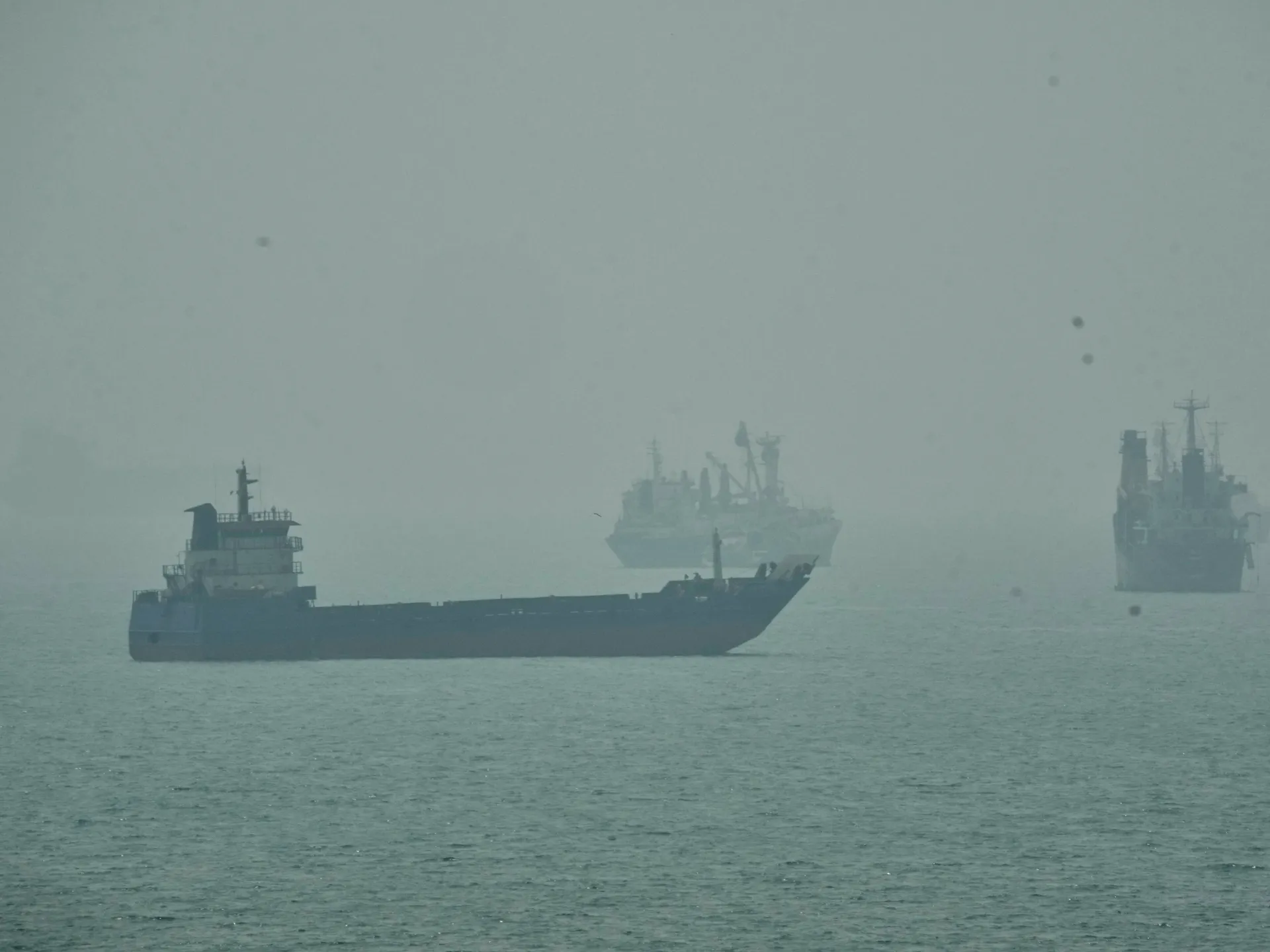
Global markets fluctuate as President Trump rejects an Iranian proposal to open shipping lanes while trade tensions with China persist.
Global energy markets face new pressure today. President Trump rejected a plan from Iran to reopen the Strait of Hormuz. This decision caused oil prices to jump sharply on international markets.
Meanwhile, recent high-level meetings between President Trump and Chinese leader Xi Jinping ended with limited progress. The two leaders discussed trade, technology, and Taiwan, but reached few final agreements.
Why this matters
These events show the fragile state of world power. Energy supplies rely on open shipping lanes in the Middle East. Any closure of the Strait of Hormuz impacts fuel costs for every household.
Also, the struggle for influence between Washington and Beijing creates uncertainty for global business. Companies cannot plan long-term investments when trade rules change often. Both nations hold vast power over the world economy.
Strains in Global Diplomacy
President Trump and President Xi met recently at the White House. They tried to find common ground on a trade truce. However, they only extended the current agreement until January.
Next, the leaders discussed access to advanced computer chips and rare earth materials. These resources remain vital for modern technology. Neither side offered major concessions during these intense discussions.
Also, the status of Taiwan remains a major point of friction. President Xi warned against US arms sales to the island. President Trump treats the arms package as a tool for negotiation.
Meanwhile, the situation in the Middle East adds another layer of tension. Reports suggest the White House may consider military action against Iran after the midterm elections. Mike Waltz addressed these rumors directly this week.
The Strait of Hormuz Crisis
Iran recently proposed a plan to reopen the vital shipping strait. President Trump refused to accept these terms immediately. This rejection leaves the crucial oil route in a state of limbo.
After that, oil markets reacted instantly to the news of the standoff. Traders fear that supply chains might face further disruptions soon. High oil prices often lead to higher costs at the gas pump.
How we got here
- September 2026: President Trump and President Xi Jinping meet at the White House for high-level talks.
- September 2026: The two leaders extend a trade truce from November to January.
- September 2026: Iran offers a proposal to reopen the Strait of Hormuz to commercial shipping.
- September 28, 2026: President Trump officially rejects the Iranian proposal.
- September 28, 2026: Global oil prices rise following the announcement of the rejected plan.
What happens next
Diplomats will likely continue to search for a path forward on trade issues. The January deadline for the China trade deal will approach quickly. Both countries face pressure to fix their domestic economies.
Still, the situation in the Strait of Hormuz remains unpredictable. Experts believe the US will maintain a strong military presence in the region. Observers will watch for any signs of a change in military policy.