
Global tensions rise as international leaders clash over policies and travel bans for top officials. The United Nations remains a central stage for these disputes.
Global leaders face new diplomatic challenges as criticism of Israeli policies grows. Recent events at the United Nations highlight a deep divide among world powers. Tensions remain high as leaders trade harsh words on the global stage.
Meanwhile, European nations are taking specific actions against certain Israeli officials. These moves follow reports of abuse involving activists and detainees. These diplomatic rifts now threaten traditional alliances.
Why this matters
This situation shows a breakdown in international diplomacy. Many countries now view Israeli military actions with intense scrutiny. This scrutiny impacts how nations conduct trade and political talks.
Also, the use of the United Nations as a platform for these attacks is rare. It suggests that traditional peace talks are currently failing. Ordinary citizens across the region feel the weight of these stalled discussions.
Furthermore, the ban by France creates a new legal precedent. It limits the ability of foreign ministers to travel freely. This could lead to a chain reaction of similar bans elsewhere.
Global Leaders Clash in New York
Prime Minister Benjamin Netanyahu recently spoke at the UN General Assembly. He defended his military campaigns in Gaza and other areas. Many delegates walked out of the room during his speech.
Netanyahu called those who left the hall moral cowards. He also rejected claims that his nation commits genocide. He claimed his military fights to ensure national survival.
However, Palestinian President Mahmoud Abbas offered a different view. He spoke via video link after he was denied a US visa. He described the situation in the West Bank as a major threat.
Abbas focused on the growth of Jewish settlements in the territory. He argued these actions block any chance for peace. He also described the current war as a disaster for his people.
Security Ministers Face New Scrutiny
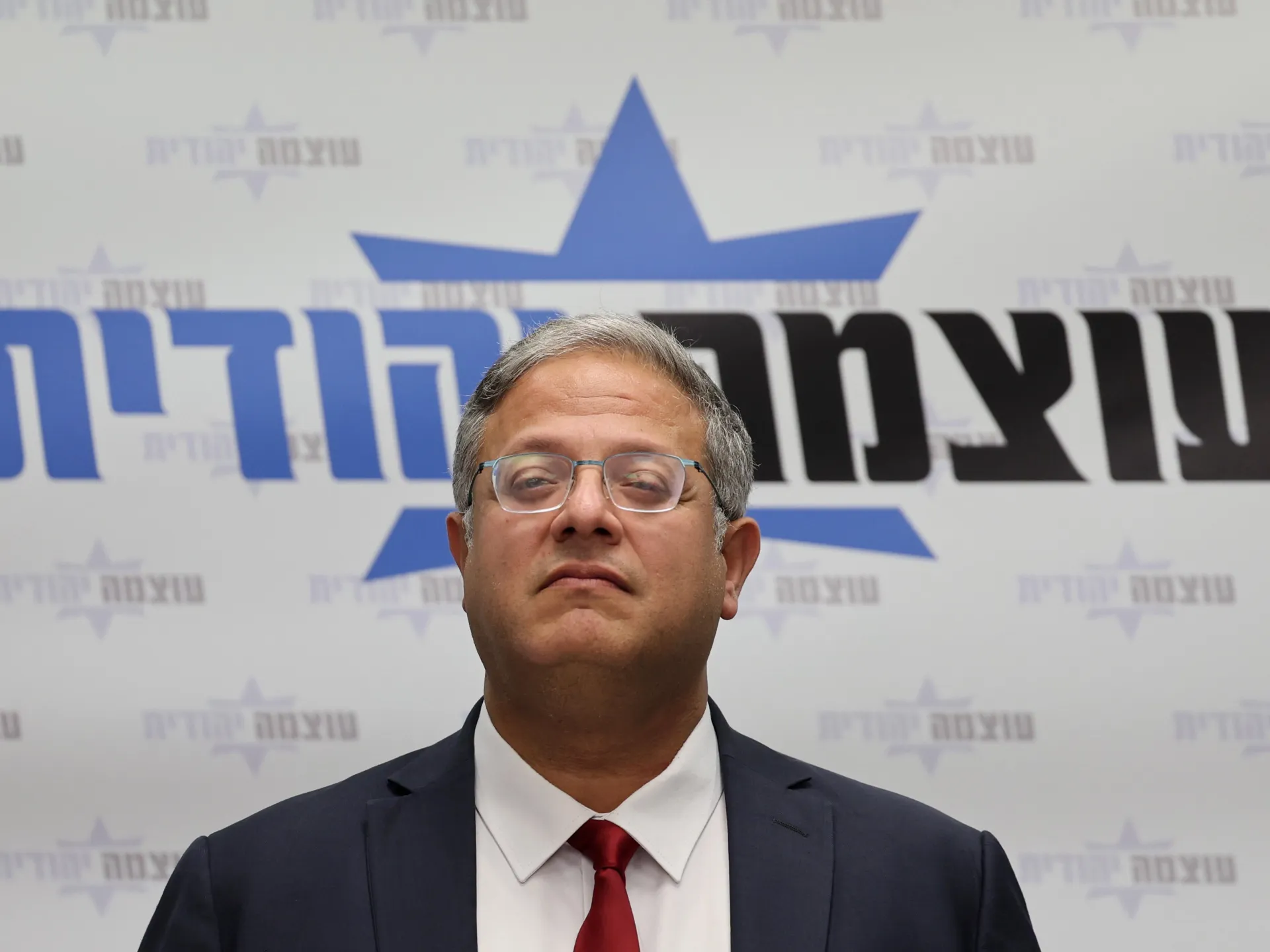
Meanwhile, Minister Itamar Ben-Gvir faces intense pressure for his conduct. France recently banned him from entering the country. Officials cited his treatment of detained activists as the reason.
Also, reports suggest he uses televised abuse against prisoners. Critics claim this behavior sets a dangerous example for others. They argue this style of governance causes more instability.
Netanyahu recently downplayed reports of settler violence. He claimed only two or three people die each year. The United Nations reports much higher numbers for these deaths.
How we got here
- 2023: Settler violence results in at least 72 Palestinian deaths according to UN reports.
- 2024: France introduces a travel ban for Minister Itamar Ben-Gvir due to his treatment of detainees.
- September 2026: Benjamin Netanyahu defends military campaigns at the UN General Assembly.
- September 2026: Dozens of delegates walk out of the UN hall during the Israeli leader’s speech.
What happens next
Diplomats expect further clashes at upcoming international meetings. Many nations will likely join France in restricting high-level visits. These travel bans could isolate certain Israeli ministers from global forums.
After that, the United Nations may face pressure to change its rules. Some members might demand stricter standards for speakers. This could limit the reach of future aggressive speeches.
Finally, the path to a two-state solution remains unclear. Most experts see little hope for progress in the coming months. The global community now waits for signs of a new approach.