
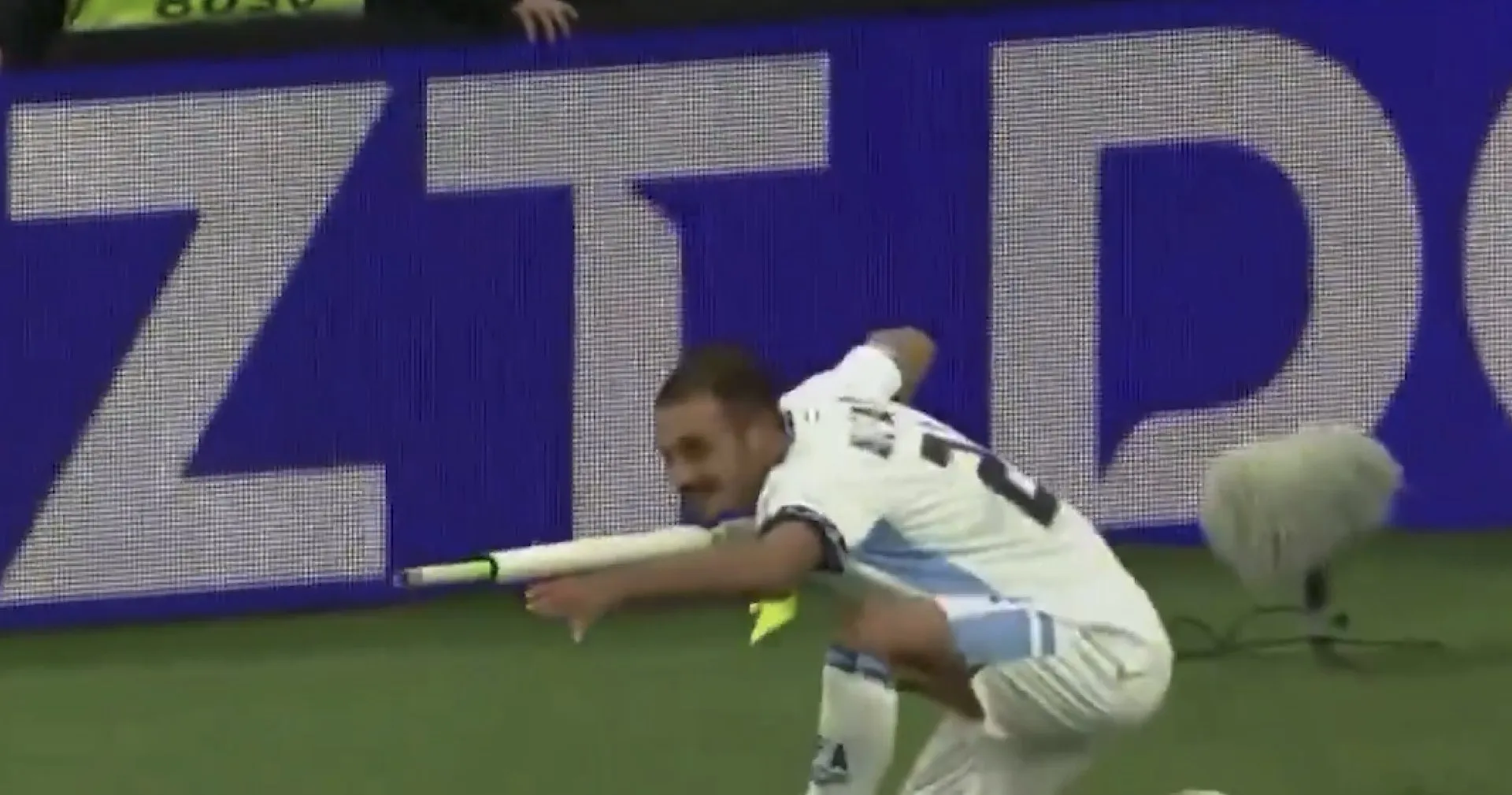
Israeli striker Saied Abu Farchi was dismissed from a Nations League match against Austria after a controversial goal celebration involving a simulated firearm.
The incident involving Saied Abu Farchi highlights the increasingly complex intersection of high-stakes international sports and the volatile political climate currently gripping the Middle East. While athletes are often viewed as representatives of their nations on the global stage, the use of politically charged or violent imagery during celebrations forces sporting bodies into uncomfortable positions. en individual expression and national representation during a period of heightened sensitivity.
This episode serves as a precedent for how governing bodies in international football may choose to regulate player behavior. As geopolitical tensions rise, the scrutiny on field-level conduct is expected to intensify, potentially leading to stricter guidelines regarding on-field demonstrations. For stakeholders in the Nations League, the challenge lies in balancing the preservation of the game's integrity against the reality that players often bring the weight of their home countries' conflicts onto the pitch.
During a recent Nations League fixture between Israel and Austria, striker Saied Abu Farchi was shown a red card following an equalizer that briefly leveled the score. The dismissal was not tied to a foul or physical altercation on the field, but rather to the manner in which Abu Farchi chose to mark his goal. Reports confirm that the player grabbed a corner flag and used it to simulate the firing of a rifle in a theatrical gesture.
The referee’s decision to send the player off was immediate, leaving the Israeli side a man down for the remainder of the contest. The tactical disadvantage proved insurmountable, as the Israeli squad ultimately fell to Austria with a final score of 3-1. The ejection of a key attacker significantly altered the momentum of the match, drawing criticism from various sectors regarding the player's lack of discipline at a critical juncture in the game.
The immediate consequence for Abu Farchi is an automatic suspension from upcoming Nations League fixtures, though it remains to be seen if the governing body will impose additional sanctions. In cases involving inflammatory or provocative gestures, organizations often conduct secondary reviews to determine if the behavior violated conduct codes regarding the promotion of violence or political neutrality.
Beyond the disciplinary committee, the player will likely face internal scrutiny from the Israeli football federation as they evaluate the impact of his actions on the team's performance. For the broader Nations League competition, this event will likely result in a prompt reminder to national teams regarding the expected standards of conduct, particularly as regional instability continues to influence the emotional responses of athletes competing under their respective national flags.