
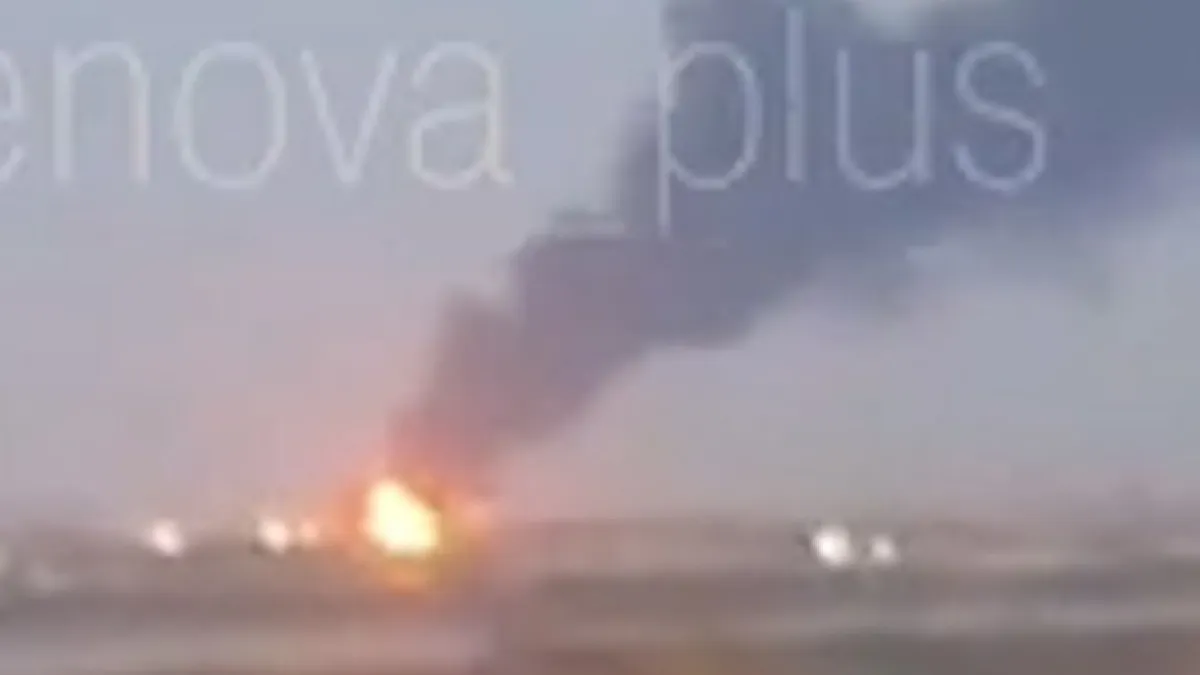
A massive wave of Ukrainian drones has struck industrial sites in Perm and reached the outskirts of Moscow, intensifying a nationwide fuel crisis in Russia.
A coordinated, large-scale drone offensive orchestrated ndustrial infrastructure and metropolitan areas. The operation, described as one of the most significant aerial bombardments since the start of the conflict, reached as far as the Perm region, effectively expanding the reach of Ukraine’s asymmetric warfare strategy.
Reports from the ground indicate that while Russian air defense systems attempted to intercept the incoming projectiles, the sheer volume of the drone swarm successfully bypassed defensive perimeters in several locations. Moscow authorities confirmed that dozens of unmanned aerial vehicles were directed at the capital, forcing emergency protocols across the city as the government grapples with the sustained intensity of the attacks.
The strategic shift toward targeting industrial assets in distant regions like Perm suggests a calculated effort to degrade the Russian economy beyond the immediate front lines. domestic crisis: a widespread fuel shortage that reportedly now affects nearly every region within the Russian Federation. This escalation represents a departure from earlier tactical strikes, signaling that the logistical heartbeat of the Russian war machine is no longer shielded from the kinetic realities of the conflict. For the international community, this development underscores the increasing vulnerability of Russian civilian and industrial centers, potentially forcing the Kremlin to choose between protecting major urban hubs or sustaining the energy infrastructure required to maintain its military operations.
The strike on the Perm region marks a significant escalation in distance and target selection. While Moscow has historically been a primary focus for long-range drone incursions, the push into the Perm industrial heartland highlights an increased capability to strike deep within Russian territory. Analysts note that these raids are not merely psychological maneuvers; they are functionally intended to cripple the supply chains responsible for refining and distributing fuel, which are already showing signs of systemic strain.
Simultaneously, the assault on Moscow tested the limits of the city's integrated air defense network. Although Russian officials claimed to have repelled the majority of the incoming drones, the sheer scale of the swarm—described inue to place pressure on Russian leadership. President Volodymyr Zelenskyy has underscored this new tempo of operations, publicly vowing that these strikes are only the beginning of a sustained campaign intended to keep the pressure on Russian logistical and governmental command centers.
The immediate outlook for the conflict suggests a period of heightened domestic instability for Russia. If the fuel shortages persist, the Kremlin may be forced to divert significant air defense assets away from the front lines to protect critical refineries and industrial hubs, a move that could inadvertently create opportunities for Ukrainian maneuvers on the ground. Furthermore, the political optics of near-constant drone threats over Moscow will likely compel the Russian government to intensify its own rhetoric and retaliatory posture. As the war continues to manifest deep within Russian borders, the ability of the state to manage both the logistical crisis and the psychological impact on its citizenry will be a decisive factor in the coming months of the campaign.