
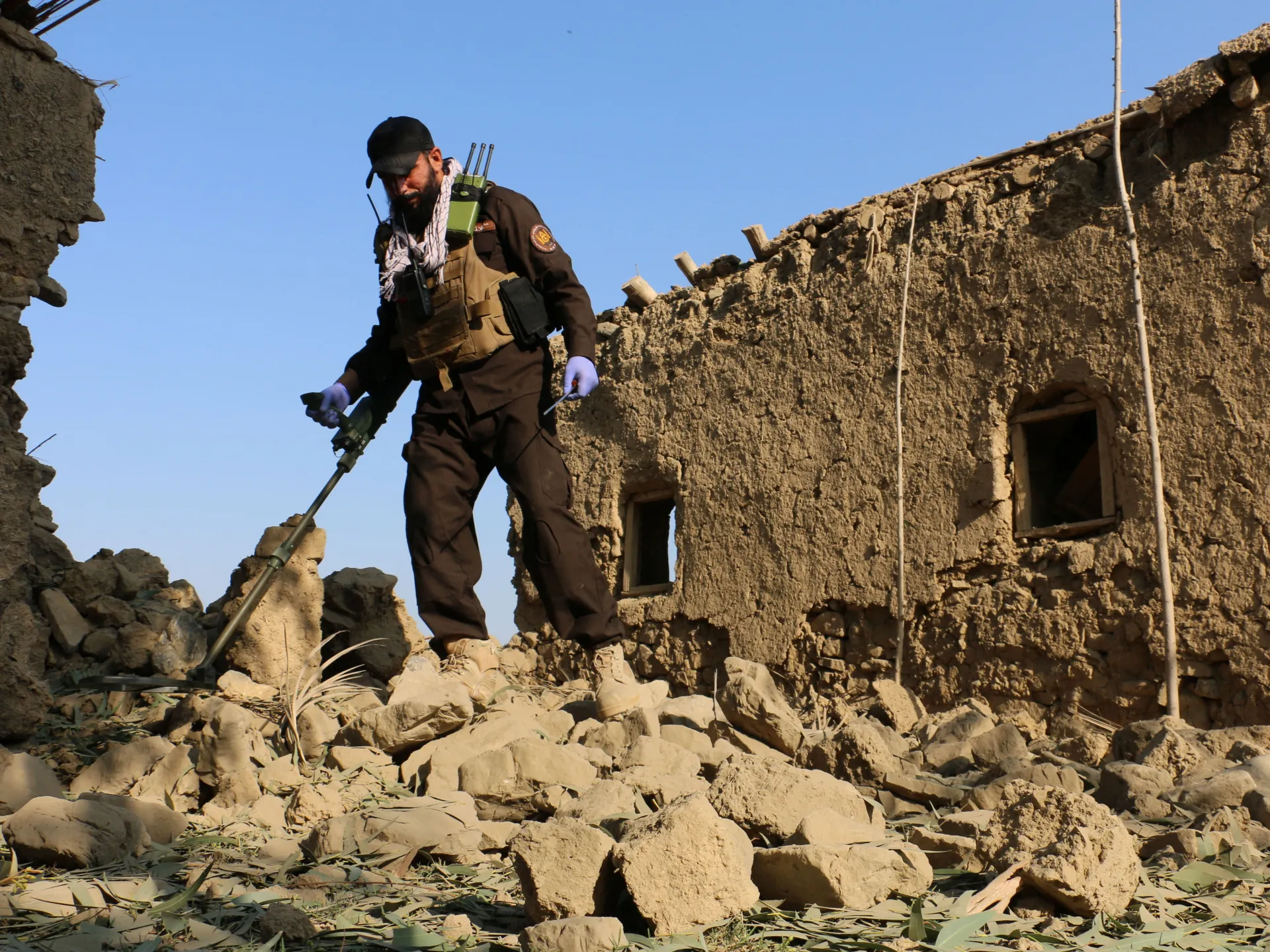
Cross-border violence between Pakistan and Afghanistan has escalated into a direct military confrontation, leading to conflicting casualty reports and heightened regional tensions.
Tensions between Pakistan and Afghanistan have reached a volatile breaking point following a series of coordinated aerial bombardments and subsequent ground skirmishes along the border. The military engagements, which Islamabad describes as targeted strikes against insurgent infrastructure, have resulted in a significant loss of life, with competing casualty reports emerging from both governments.
While Pakistani officials maintain that their drones and aircraft successfully neutralized militant hideouts in response to a cross-border incursion, Kabul has leveled accusations of civilian casualties, complicating an already fragile diplomatic relationship. As the exchange of fire continues in areas like Gulistan, the potential for a broader regional conflict looms, threatening to destabilize the borderlands further.
This escalation represents a critical shift in the security paradigm between Islamabad and Kabul. For years, the two nations have traded accusations over the presence of armed groups operating from their respective territories. However, the move toward direct, overt aerial strikes signifies a departure from previous proxy-level tensions. The stakes are immense; such maneuvers risk triggering a larger-scale kinetic conflict that could draw in regional actors and worsen the humanitarian situation for populations living in the contested border provinces. Furthermore, the breakdown of communication channels between the two administrations undermines international efforts to mediate peace, potentially emboldening extremist factions that thrive in the security vacuum created
The hostilities intensified on Thursday following reports of a breach at the border. Pakistan’s defense apparatus claimed that aerial and drone operations successfully struck terrorist infrastructure, including specialized storage and launching sites for drones. According to reporting from The Washington Post, Pakistan has claimed the death of 28 militants during these operations. Conversely, the Taliban-led administration in Afghanistan provided a starkly different account, alleging that the strikes were indiscriminate and resulted in the deaths of three civilians.
The geographic scope of the impact remains a point of contention. Afghan government spokesperson Zabihullah Mujahid confirmed that the raids targeted multiple provinces, including Kandahar, Paktia, and Khost. Meanwhile, rmittent exchange of gunfire had erupted in the Gulistan region. These ground clashes have reportedly led to additional fatalities among Afghan Taliban fighters, though neither country has provided an official, unified death toll for these specific ground engagements. The Taliban has categorically denied the Pakistani assertion that they launched drones into Pakistan earlier in the week, framing the current violence as an unprovoked violation of their sovereignty.
The immediate trajectory of this crisis hinges on the ability of both nations to contain the skirmishes before they spiral into full-scale military confrontation. Given the Afghan government’s public commitment to an "appropriate response," it is highly probable that we will see further retaliatory actions or a hardening of military positions along the border. The failure to establish a credible channel for de-escalation suggests that the current kinetic activity will likely persist in the short term. Analysts will be watching to see if international mediators, who have been struggling to manage the relationship for months, can secure a ceasefire or if the conflict will force a total re-evaluation of security policy in both Islamabad and Kabul. The absence of official, corroborated casualty numbers from a neutral third party continues to fuel misinformation, making a de-escalation of rhetoric as difficult as de-escalating the fighting on the ground.