The rise of the AfD in regional German elections has signaled a sharp decline in centrist support, threatening to destabilize both the domestic government and European foreign policy.
The recent surge of the Alternative für Deutschland (AfD) in eastern German states represents a fundamental rupture in the post-war political consensus. For decades, the German party system relied on a robust center-right and center-left framework that effectively marginalized extremist elements. As these traditional structures hollow out, the German state faces a crisis of governance that threatens to paralyze the nation’s ability to project influence within the European Union and maintain its commitment to transatlantic security alliances.
The implications extend well beyond domestic policy. Germany acts as the industrial and economic motor of the EU; any significant shift in its internal political composition forces a re-evaluation of the entire continent’s foreign policy trajectory. With the AfD advocating for a rapprochement with the Kremlin, the political instability in Saxony-Anhalt and Mecklenburg-Western Pomerania is not merely a regional concern but a potential flashpoint that could destabilize European support for Ukraine.
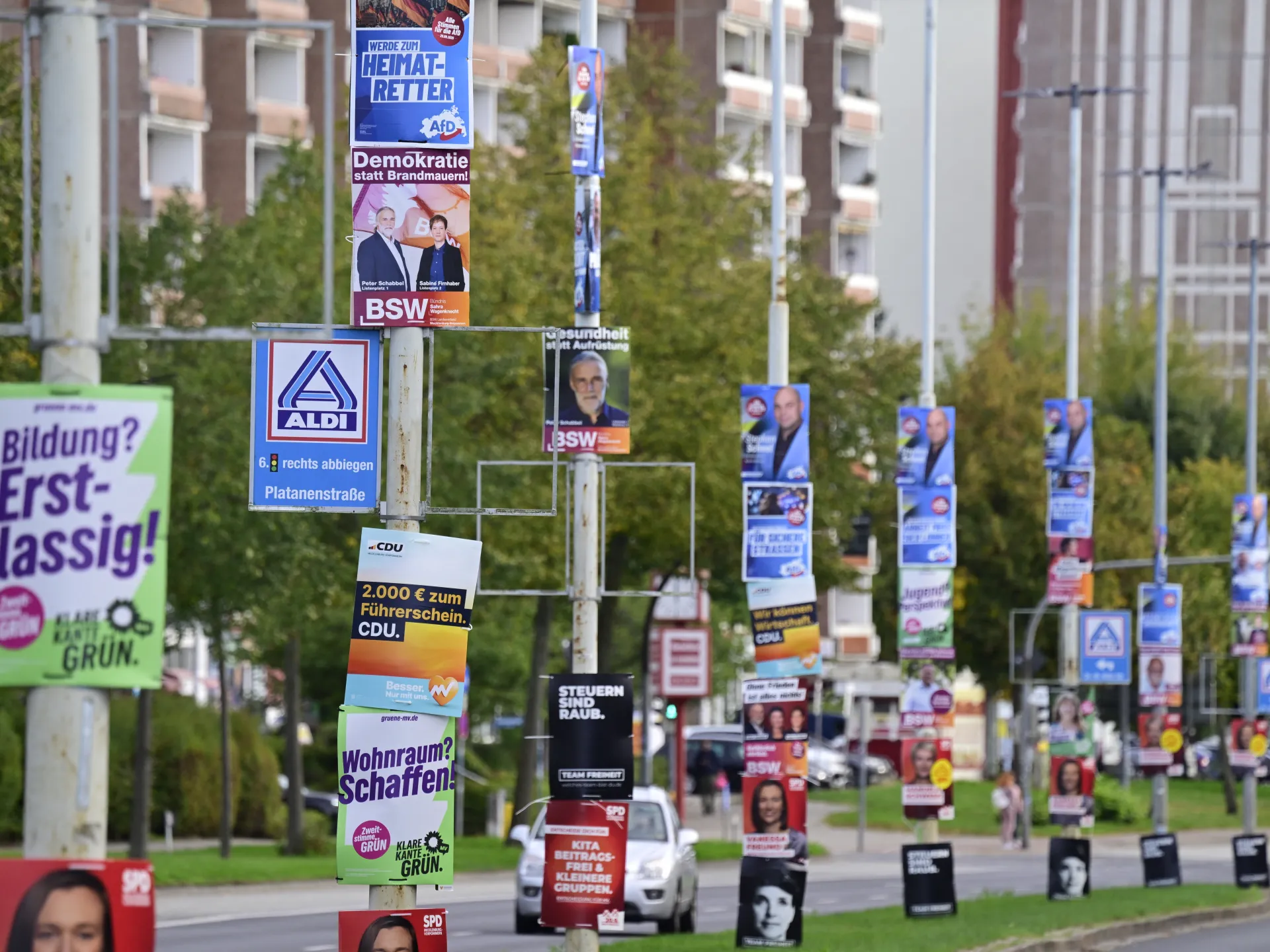
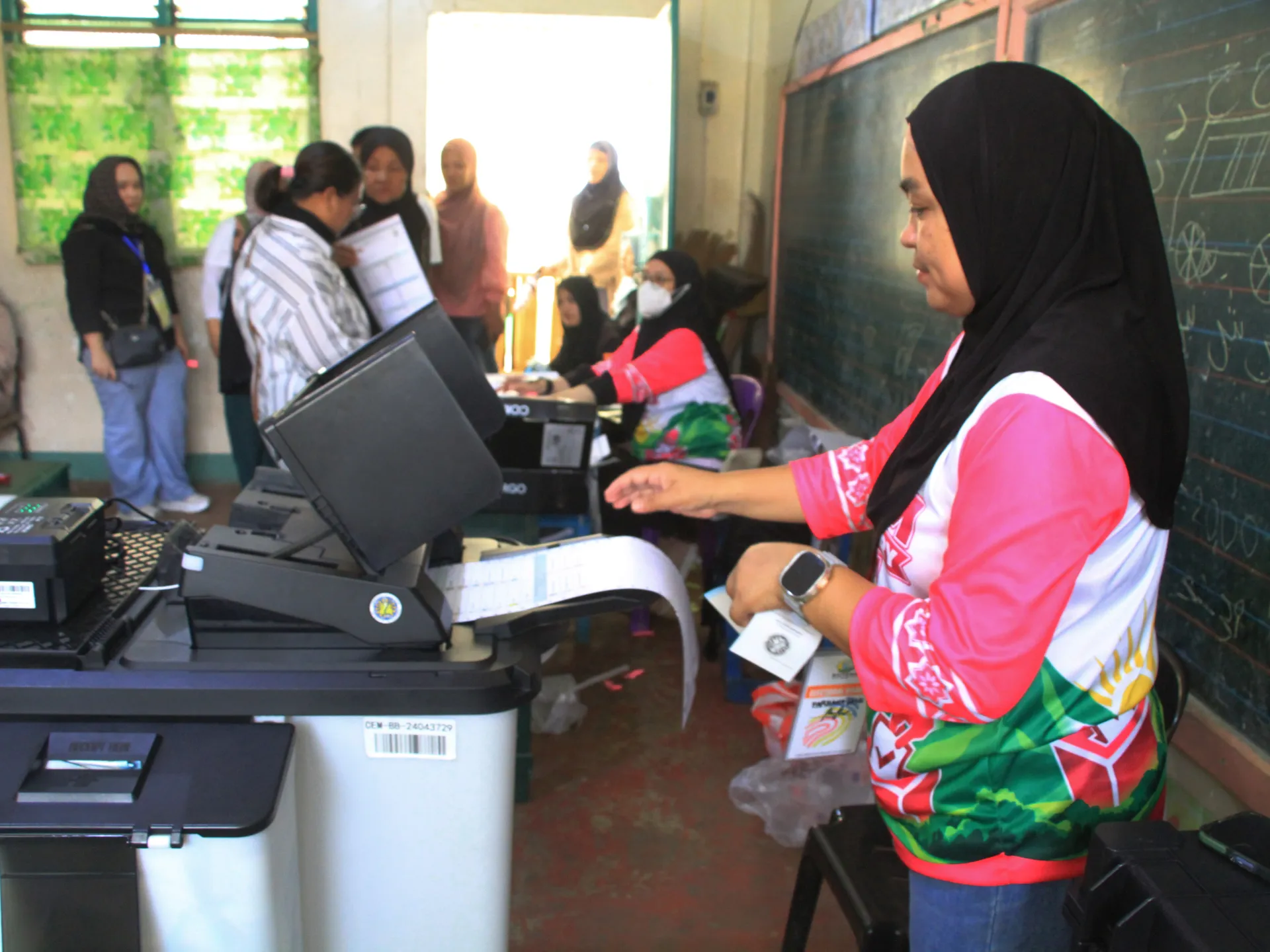
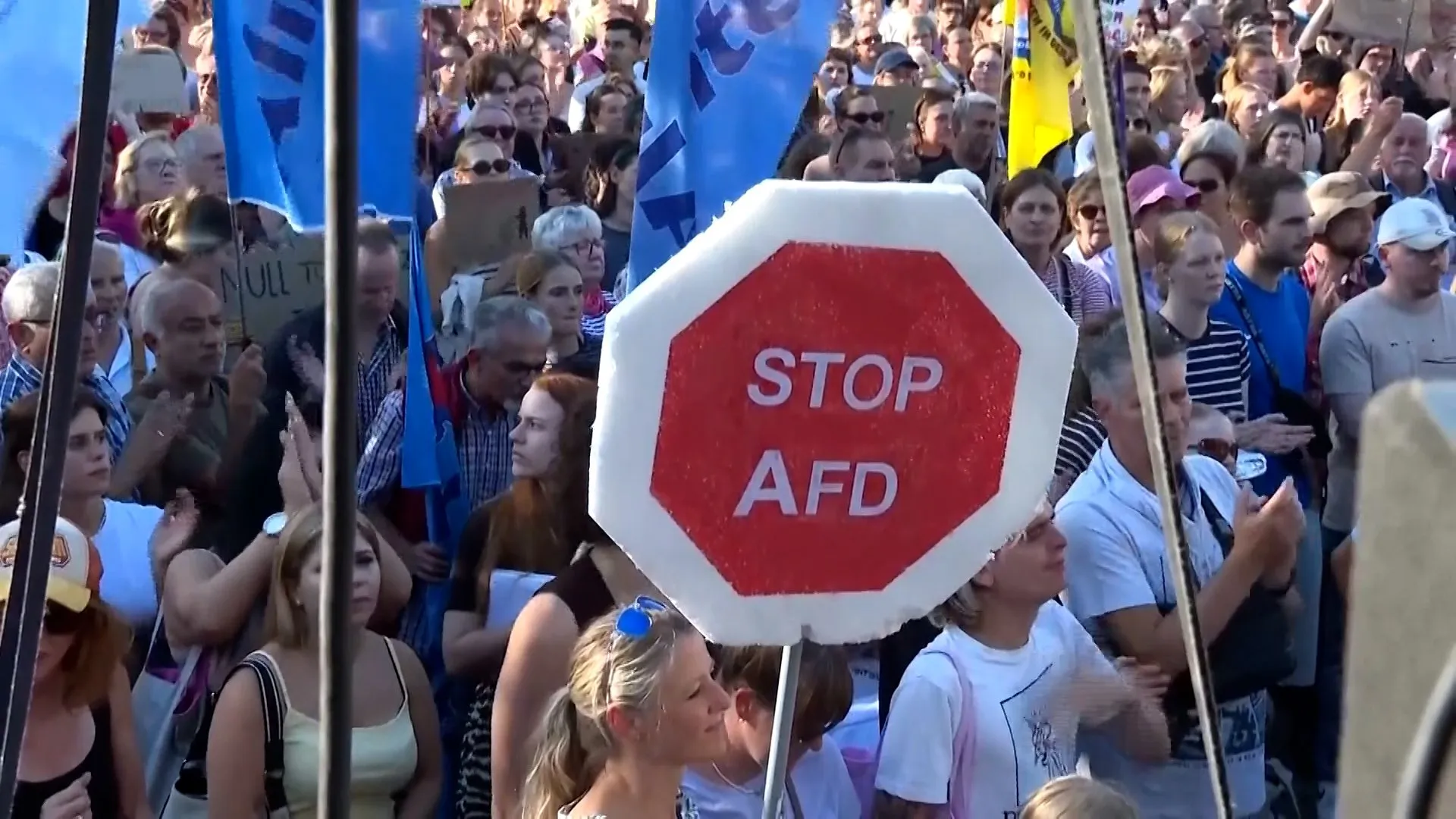
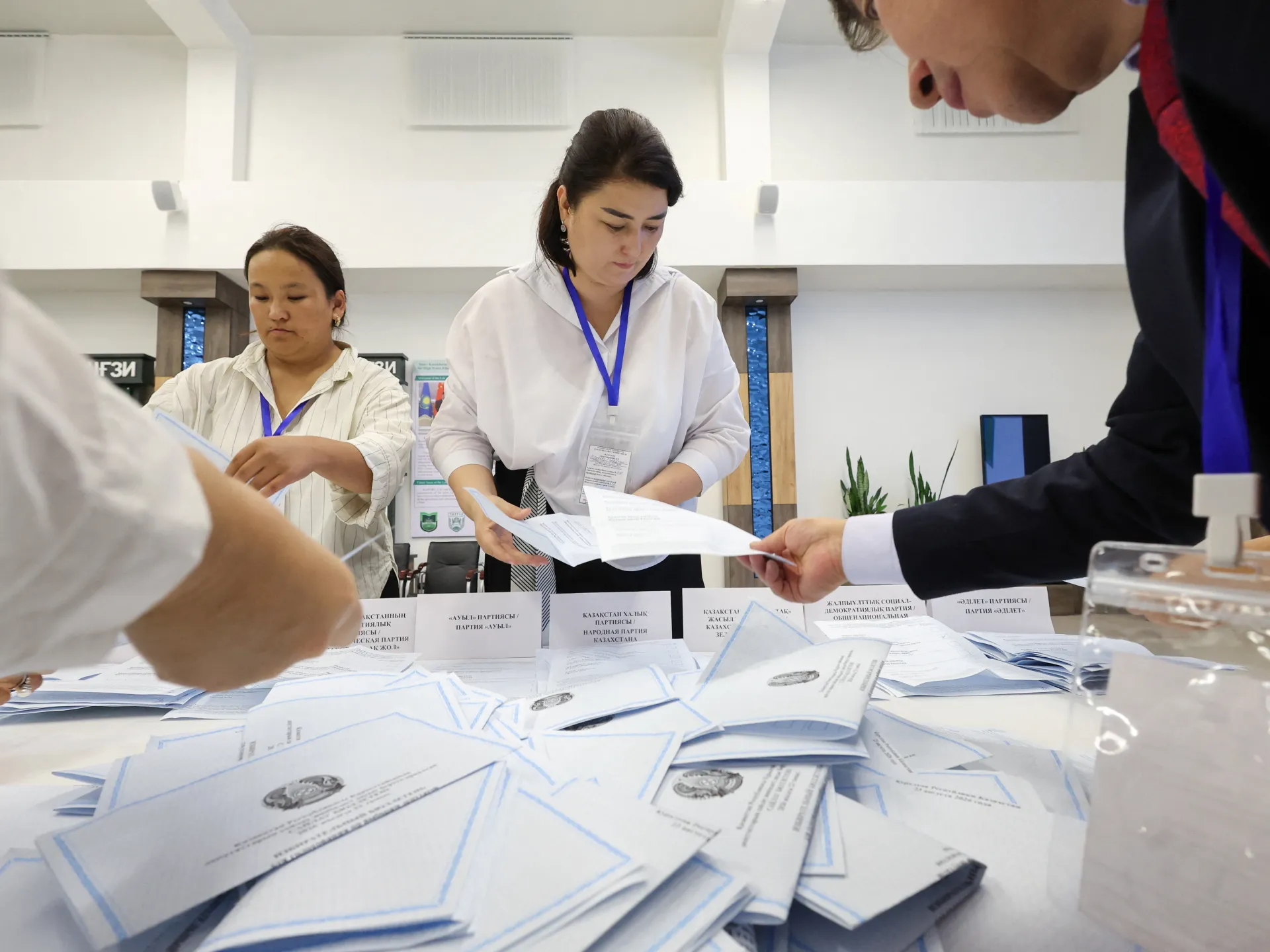
The political earthquake began in early September when the AfD secured 43.8 percent of the popular vote in Saxony-Anhalt. This decisive win saw the party outperform the governing Christian Democratic Union (CDU), signaling a profound alienation among eastern voters from the current federal administration. The momentum continued in Mecklenburg-Western Pomerania, where the AfD captured over 38 percent of the vote, contributing to a catastrophic outcome for the CDU, which failed to reach the 5 percent threshold necessary to maintain a seat in the regional parliament.
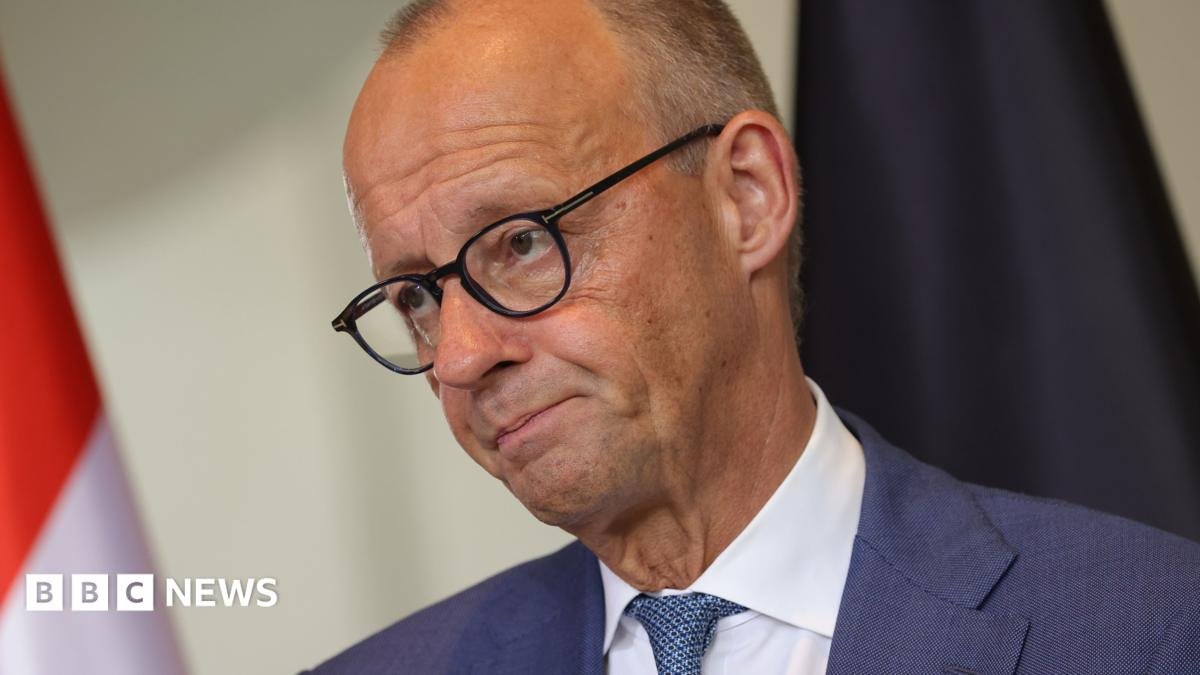
Chancellor Friedrich Merz has characterized these developments as a disaster, reflecting the growing pressure on his leadership. As the CDU struggles to maintain its footing, the resulting power vacuum has emboldened opposition elements. The Kremlin has openly welcomed the rise of the AfD, with spokesperson Dmitry Peskov citing the party's interest in establishing a dialogue with Russia as a positive development. This vocal support from Moscow underscores the high-stakes nature of the shift, as the AfD explicitly campaigns on platforms advocating for the cessation of military and financial aid to Ukraine and the restoration of energy ties with Russia via the Nord Stream infrastructure.
While the right-wing surge dominates headlines, the political spectrum in Germany is experiencing a simultaneous pull toward the extremes. In Berlin, the left-wing Die Linke party captured 25.3 percent of the vote in a recent by-election, illustrating a broader trend of voters abandoning the political center. This fragmentation suggests that the German electorate is increasingly polarized, making the construction of stable governing coalitions nearly impossible for traditional parties.
Experts suggest that the AfD’s rhetoric regarding economic competitiveness resonates with voters concerned about the high cost of energy. 's economic decline, the party has successfully tapped into public frustration. This narrative directly challenges the current federal strategy of purchasing energy from the United States and other international partners at higher price points, setting the stage for a contentious debate over energy sovereignty and national economic survival.
The trajectory for Chancellor Merz’s administration appears increasingly precarious. If the CDU cannot regain control of the political narrative, it faces the prospect of further losses in upcoming local contests, which would likely trigger a leadership crisis within the federal government. Analysts expect that the central government will be forced to address the economic anxieties of the eastern states more directly, though doing so while maintaining a firm stance on Ukraine will prove difficult. Should the AfD maintain its current polling strength, they may soon secure enough leverage to demand significant concessions in regional legislative blocks, effectively acting as a spoiler for national policy implementation.