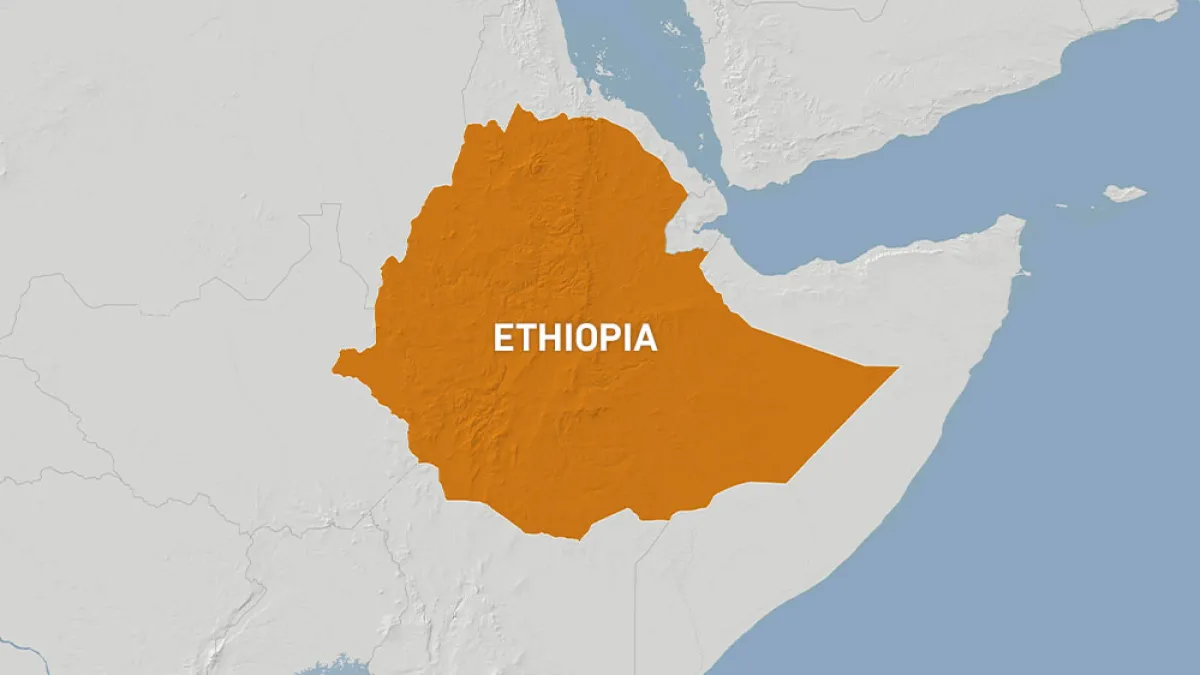
Seven armed factions have united to challenge the Ethiopian government, while a U.S. court ruling simultaneously ends deportation protections for Ethiopian nationals.
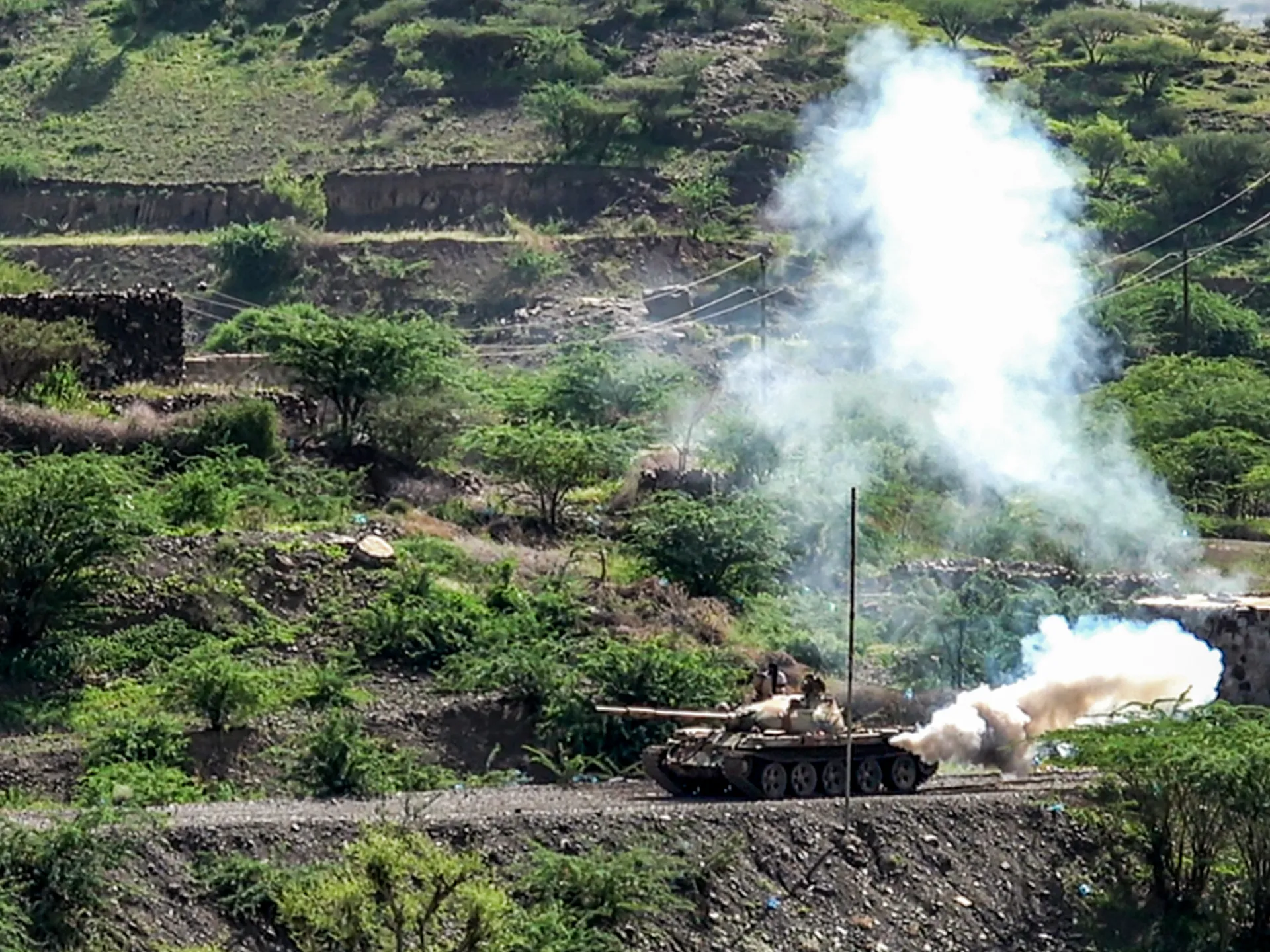
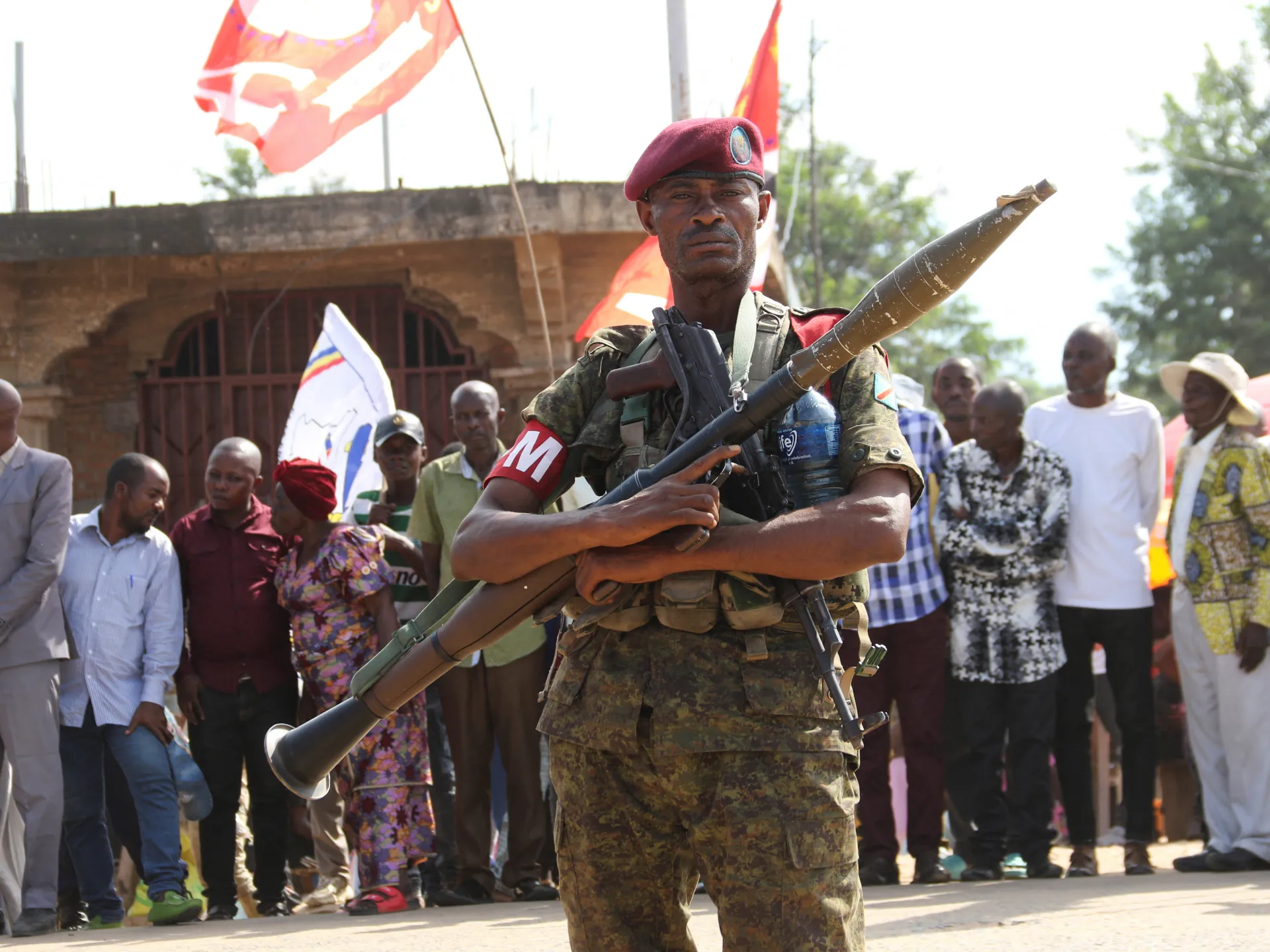
The formation of the 'Alliance for Survival' marks a significant escalation in the multifaceted instability plaguing the Horn of Africa’s most populous nation. egional interests—such as the Amhara Fano and the Tigray People’s Liberation Front (TPLF)—the coalition seeks to pivot from localized insurgencies to a coordinated national challenge against Prime Minister Abiy Ahmed. This convergence of disparate ethnic-based militias, coupled with the U.S. federal court's recent decision to end Temporary Protected Status (TPS) for Ethiopian nationals, creates a dual-pressure environment. As internal conflict intensifies, the diaspora now faces the prospect of return to a nation where the central government's authority is increasingly contested
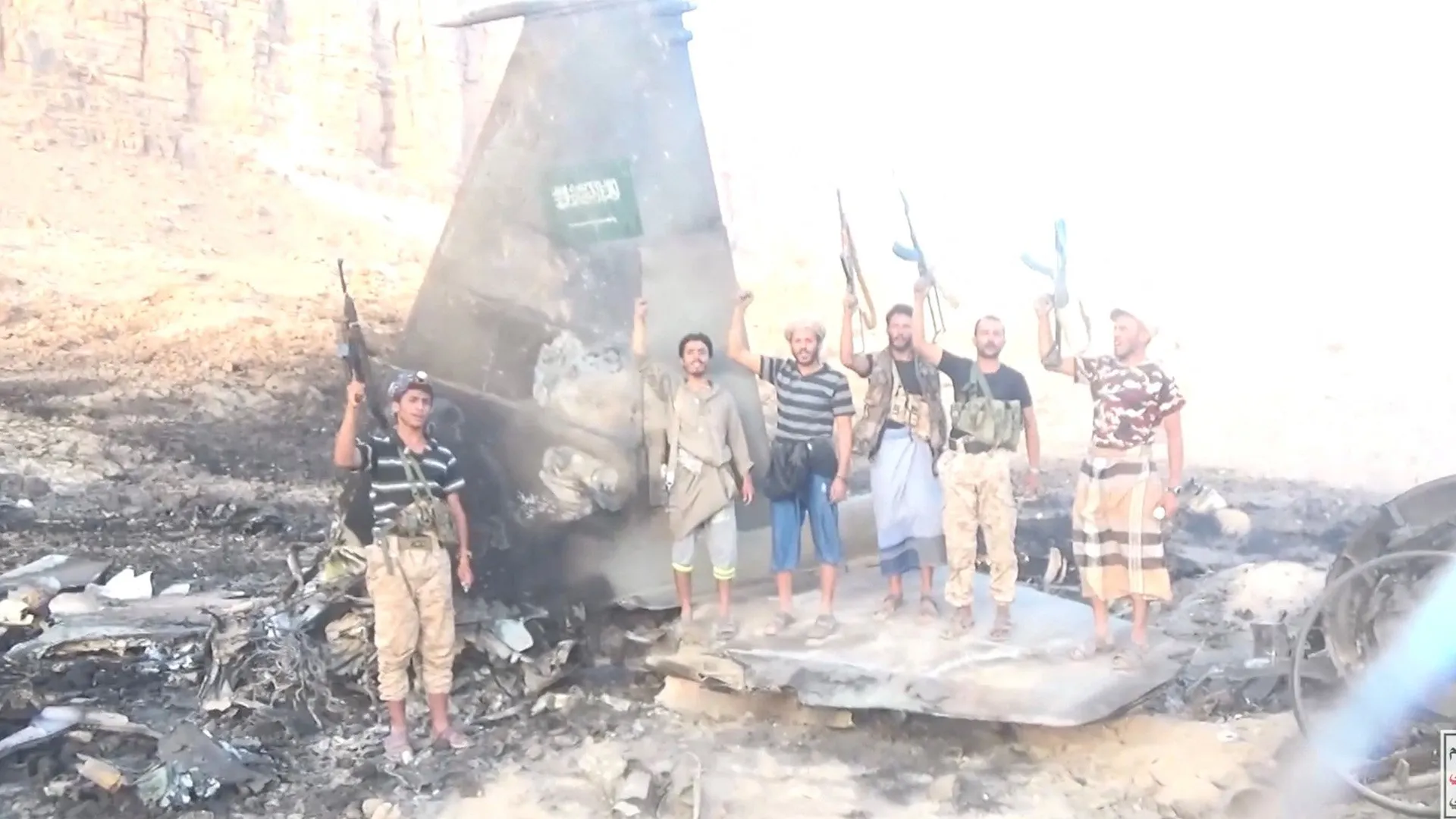
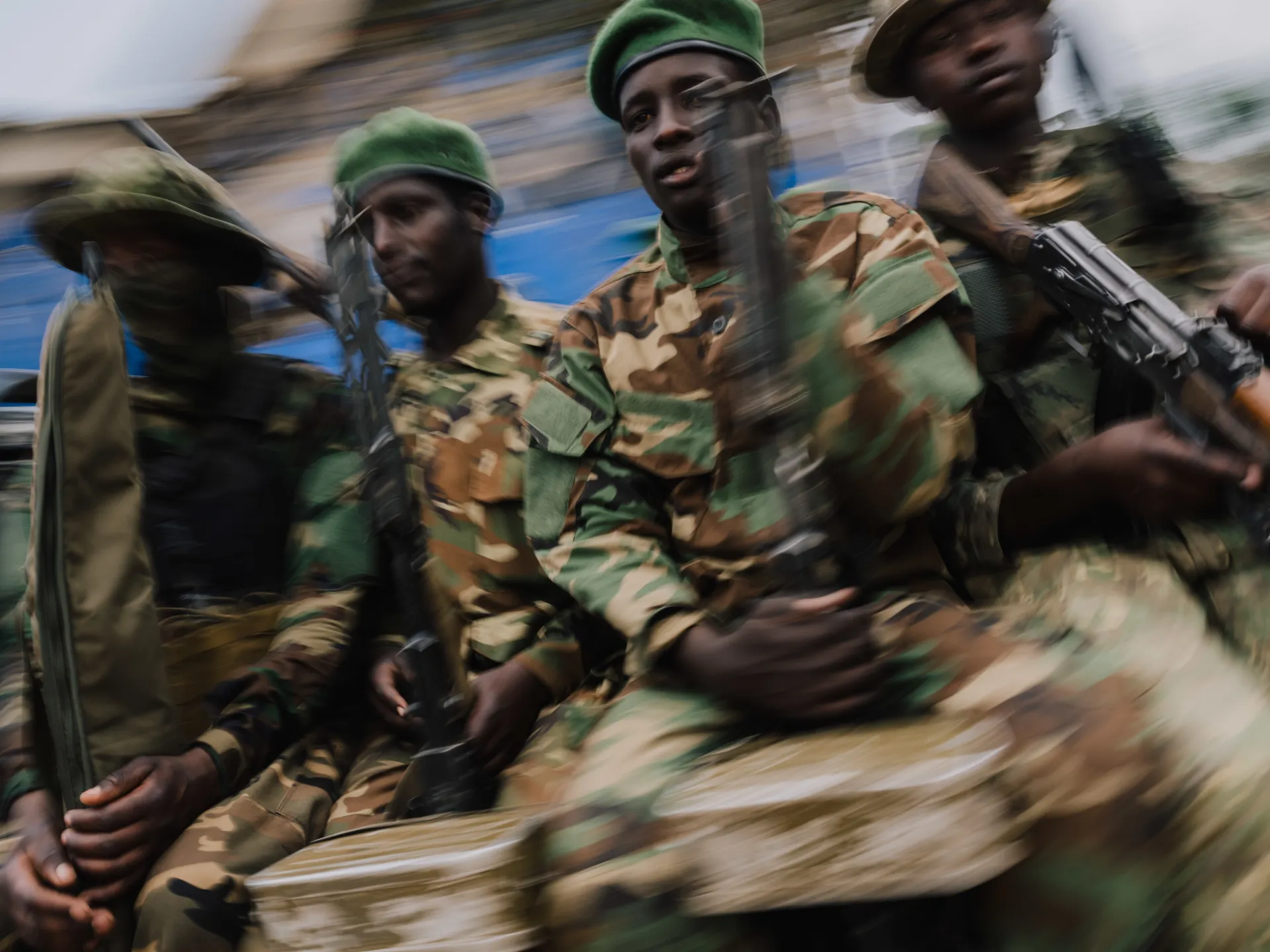
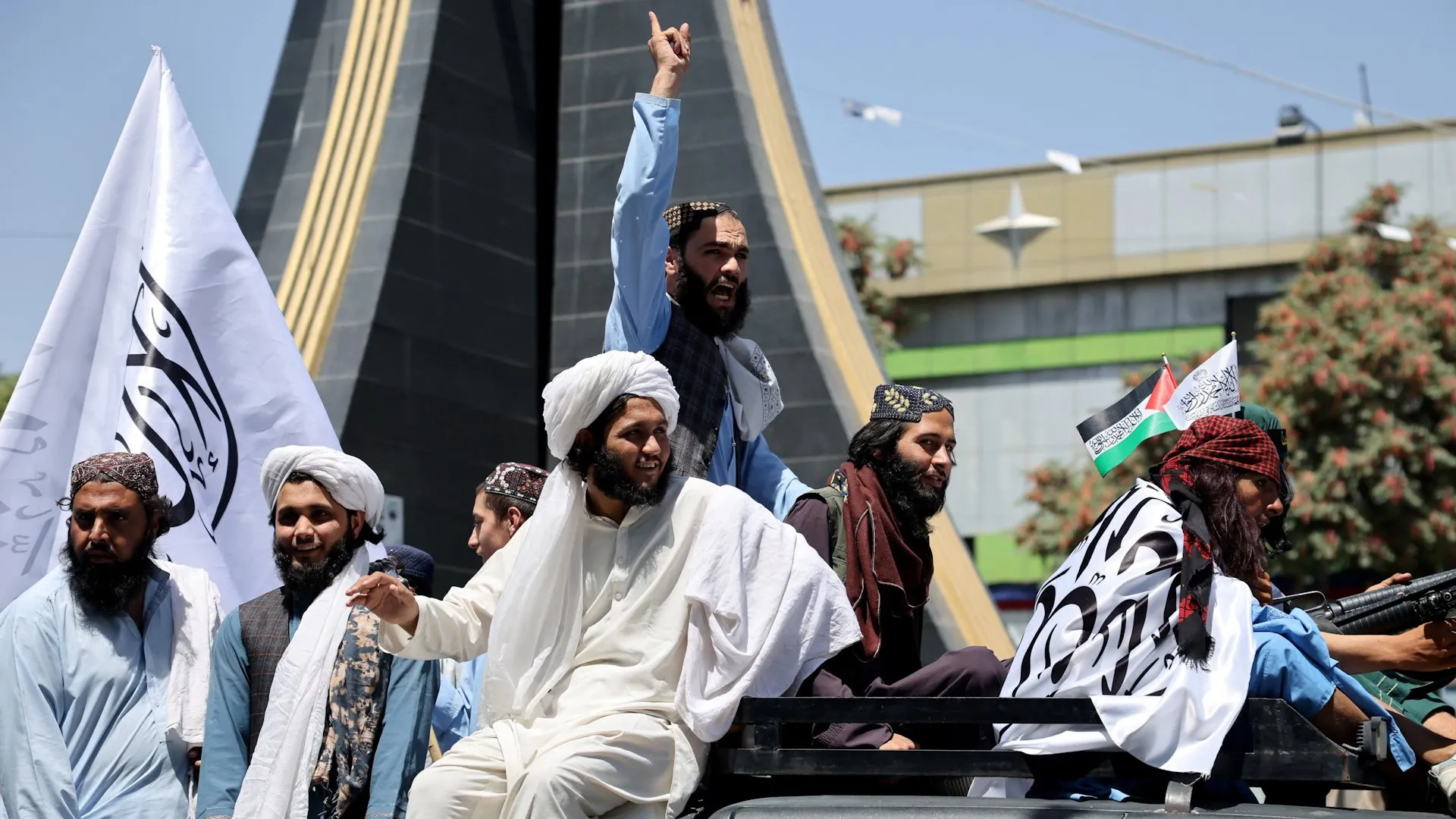
The newly minted Ethiopian Peoples’ Forces Alliance for Survival announced its formation this past Sunday, bringing together seven distinct organizations under a unified goal: the removal of the current administration and the establishment of a transitional government. The coalition includes the Tigray People’s Liberation Front (TPLF), the Oromo Liberation Army (OLA), and the Amhara Fano National Movement. These groups have historically operated independently, often fighting for regional autonomy or ethnic representation. The inclusion of smaller factions, such as the Ogaden National Liberation Front (ONLF) and the Afar Revolutionary Democratic Unity Front (Ugugumo), suggests a strategic attempt to project a nationwide rejection of Prime Minister Abiy’s policies.
The alliance claims that the current administration has imposed a dictatorial regime that threatens the integrity of the state. Despite the ideological friction that once saw Amhara nationalists and Tigrayan forces on opposite sides of the 2020-2022 civil war, leaders from these groups have reportedly spent the last year negotiating this compact. The military commanders, including the OLA’s Jaal Marroo and Fano leader Zemene Kassie, have signaled for weeks that a deal was imminent, marking an end to the period where the federal government could manage these threats in isolation.
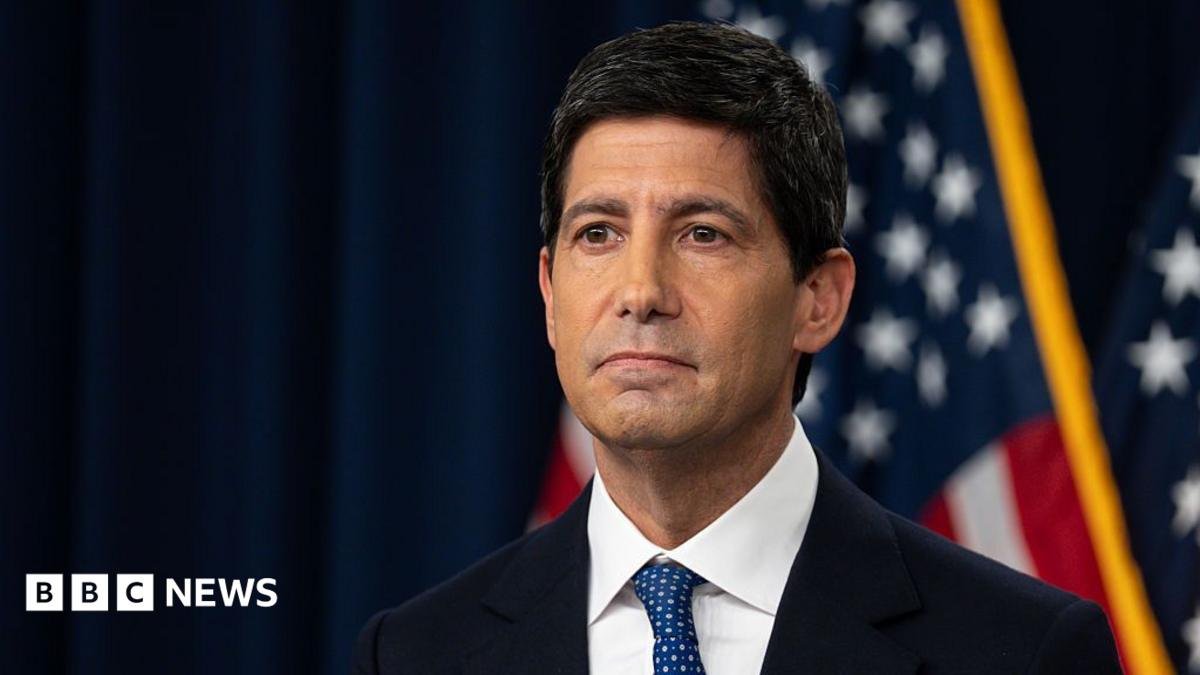
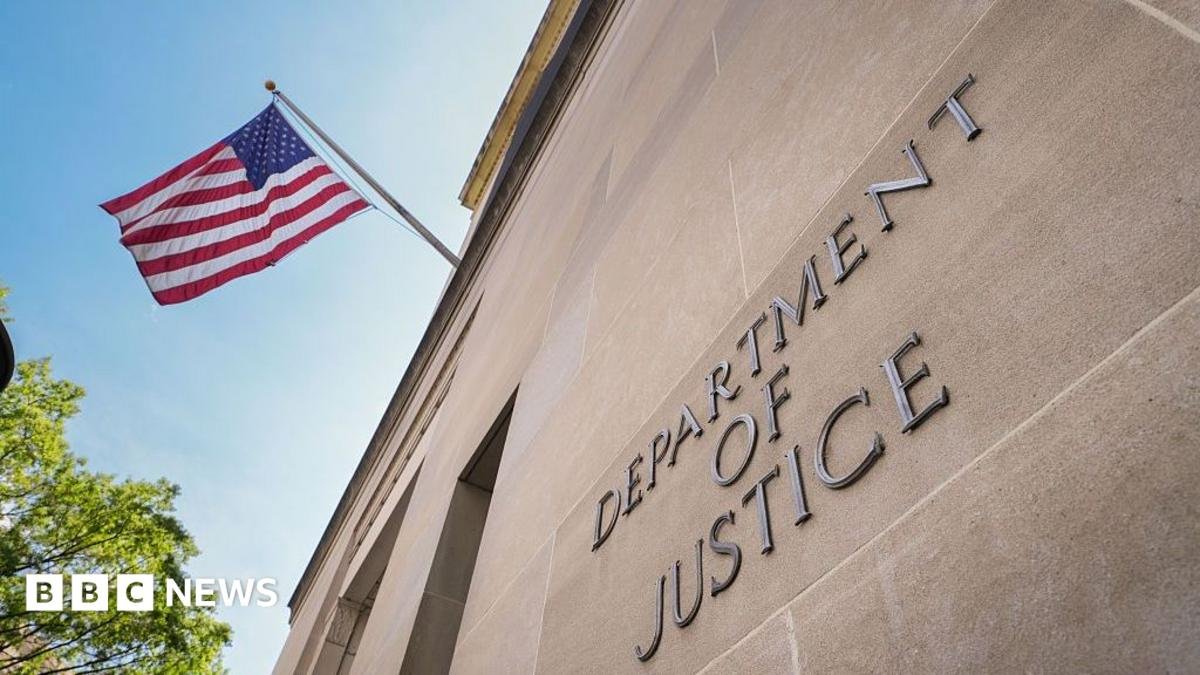
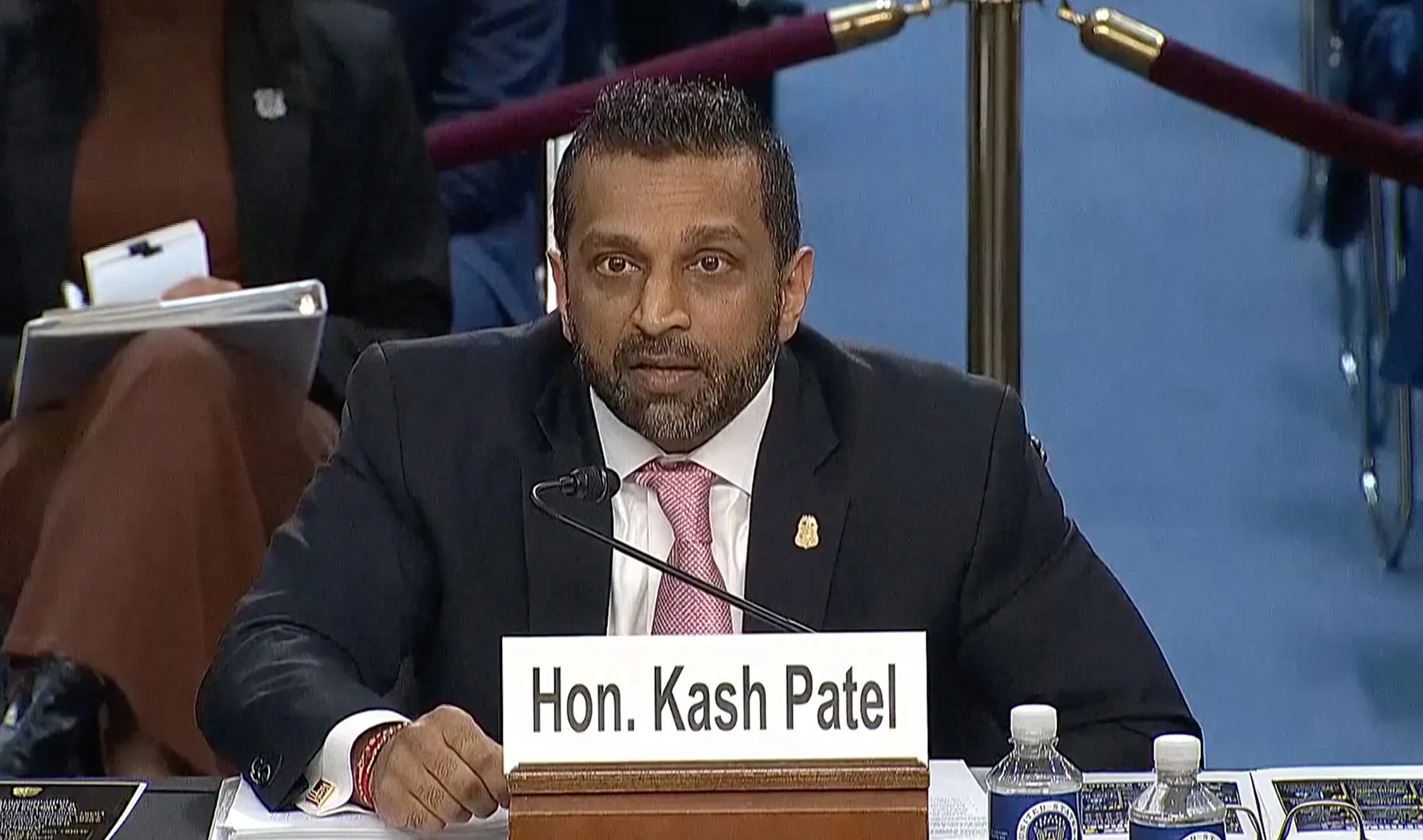
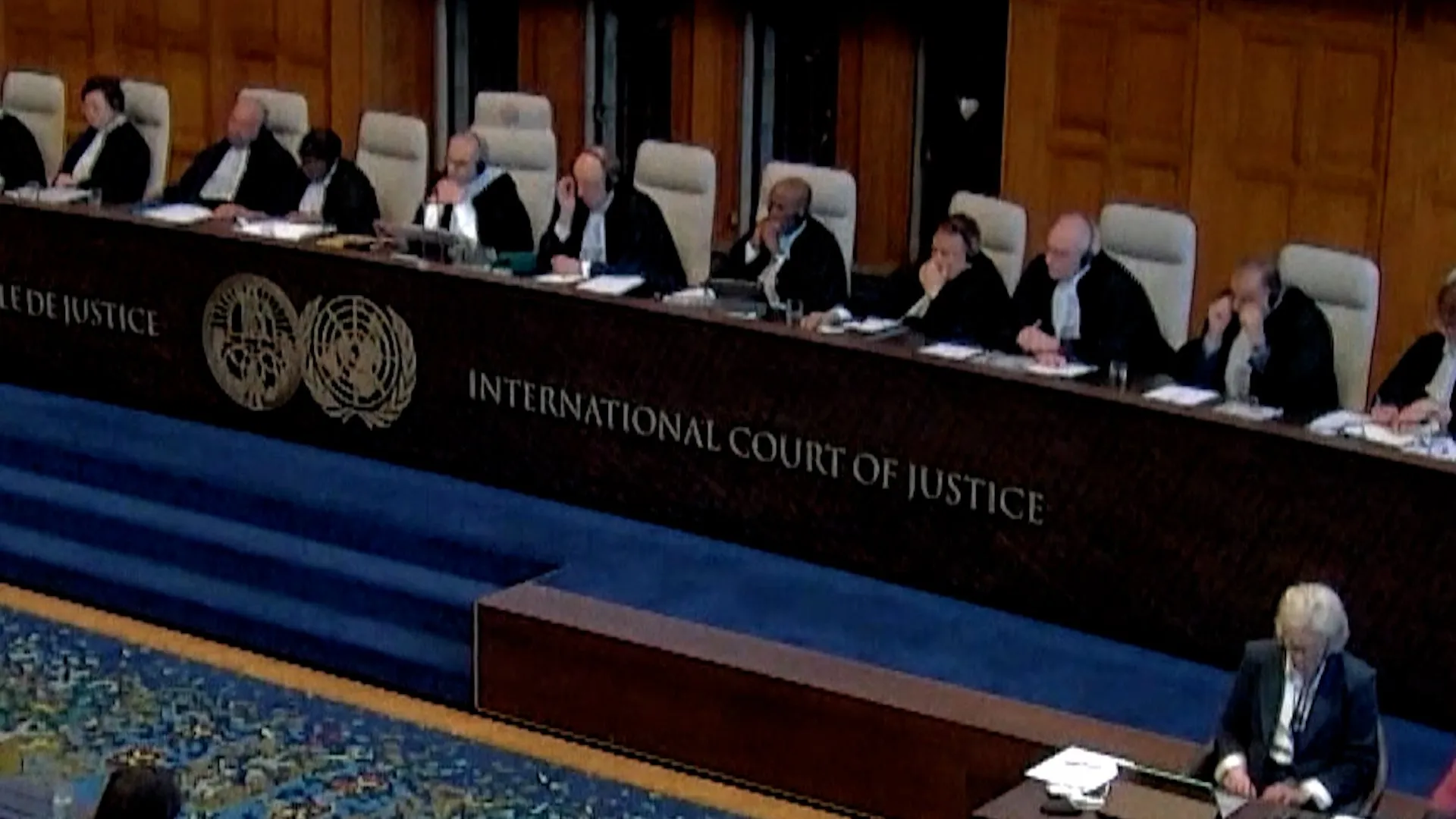
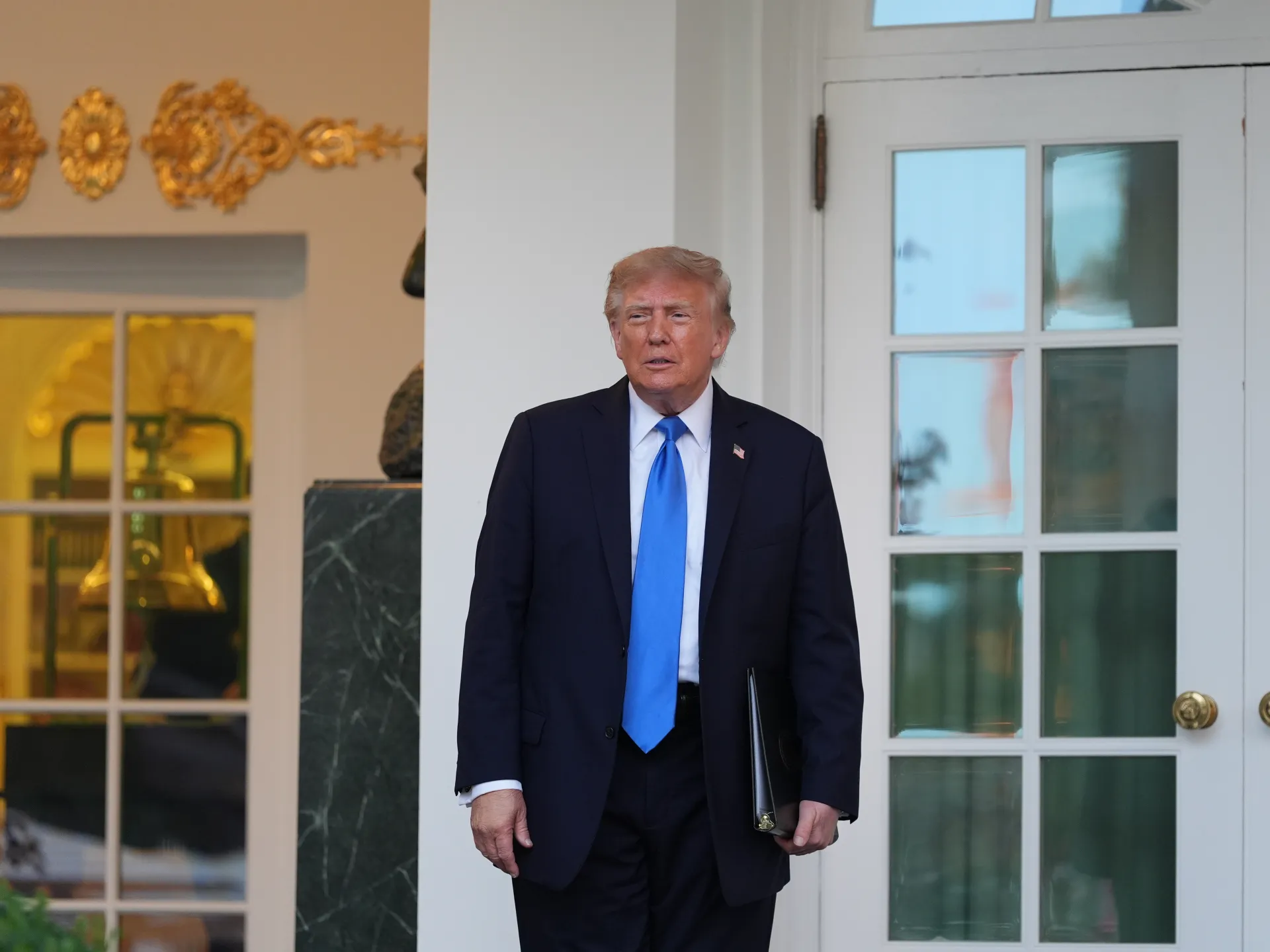
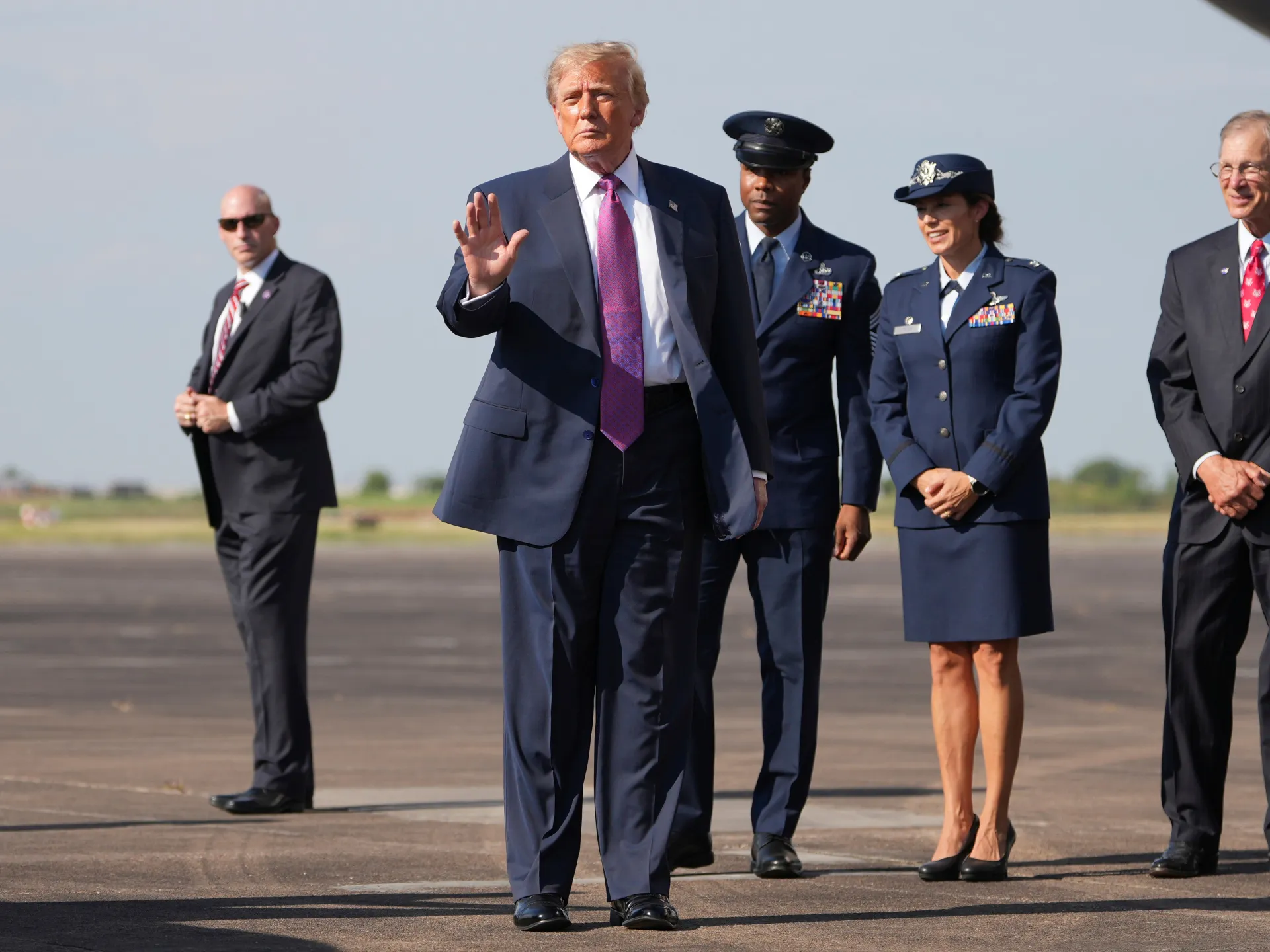
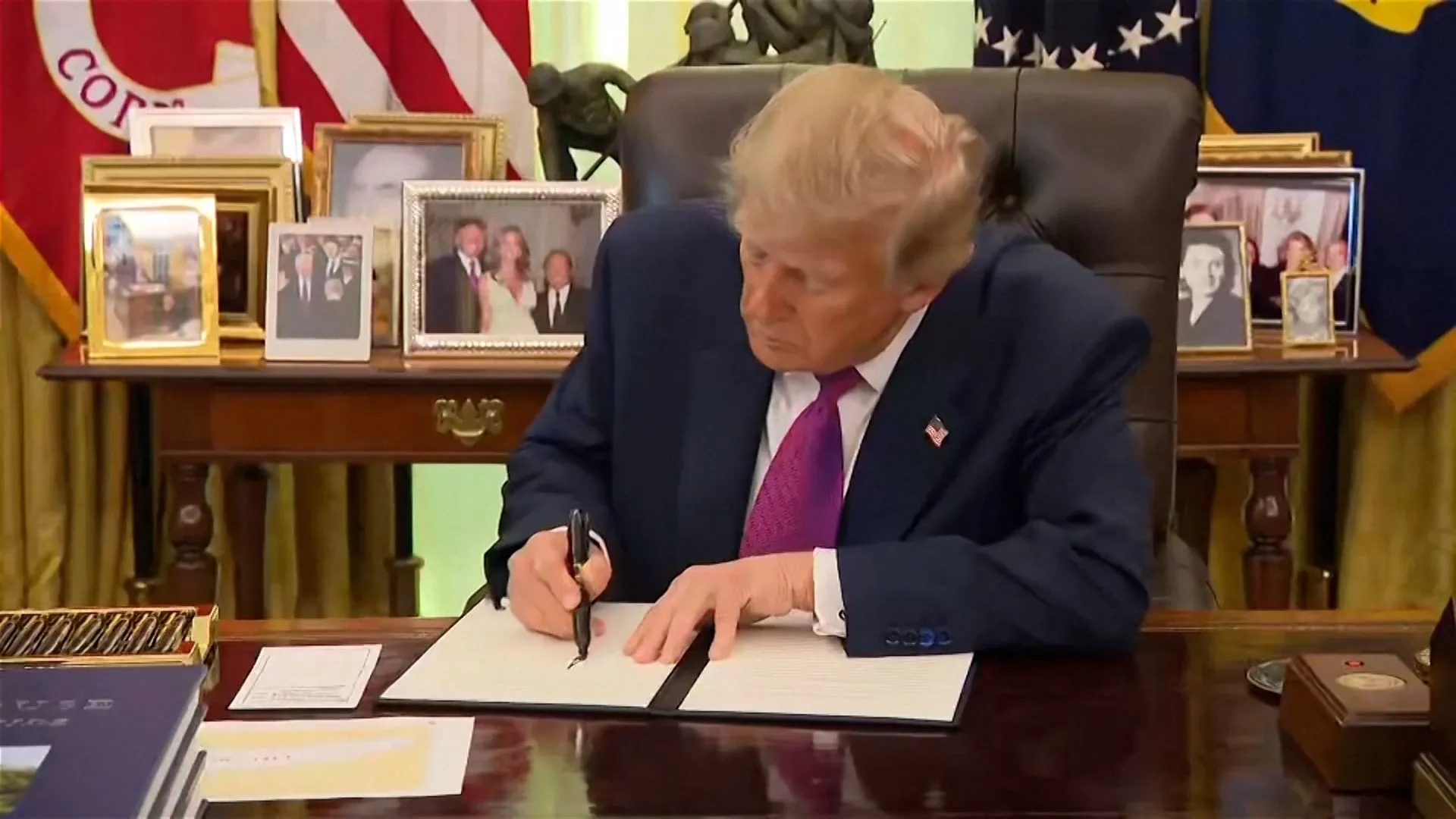
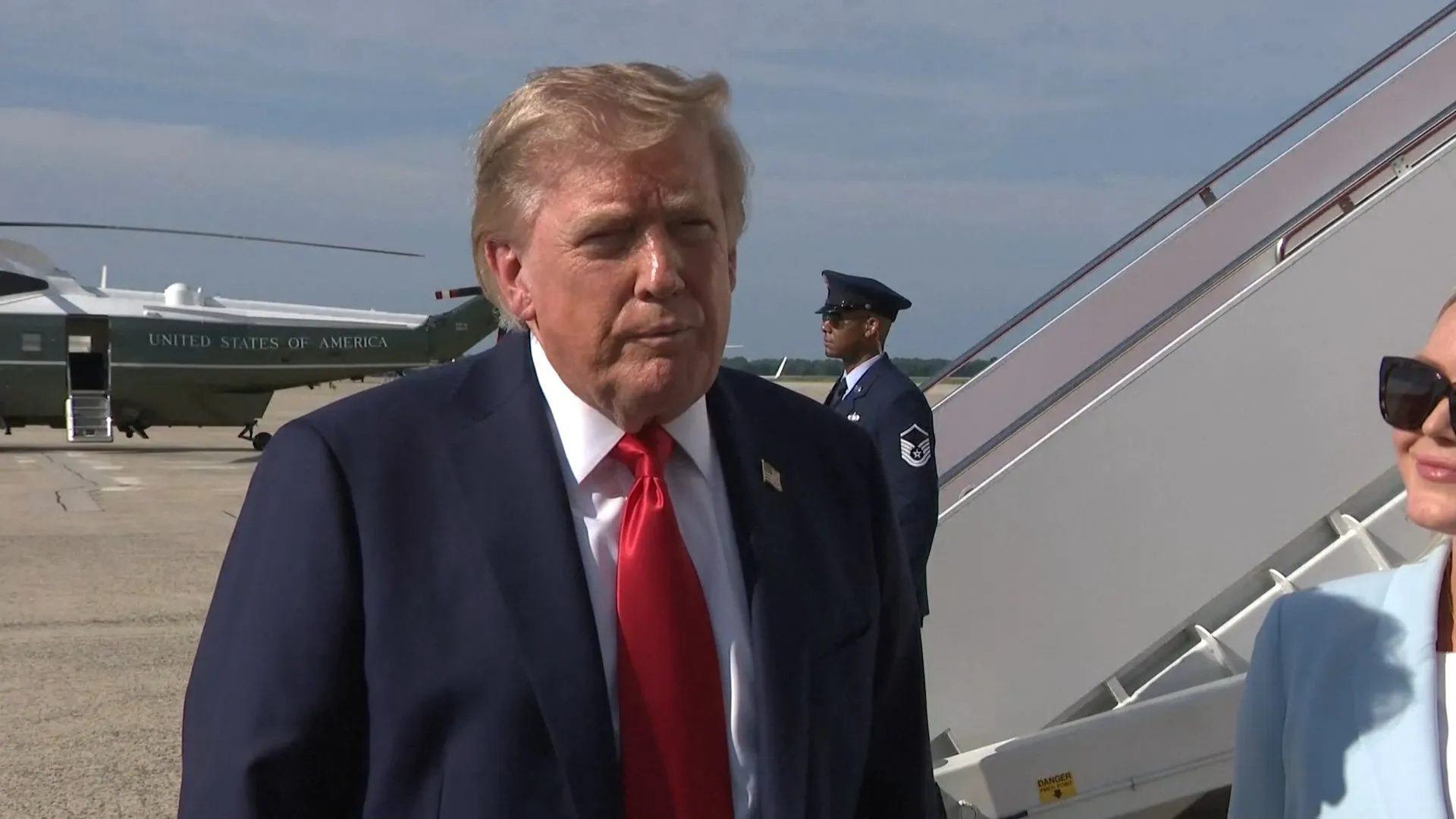
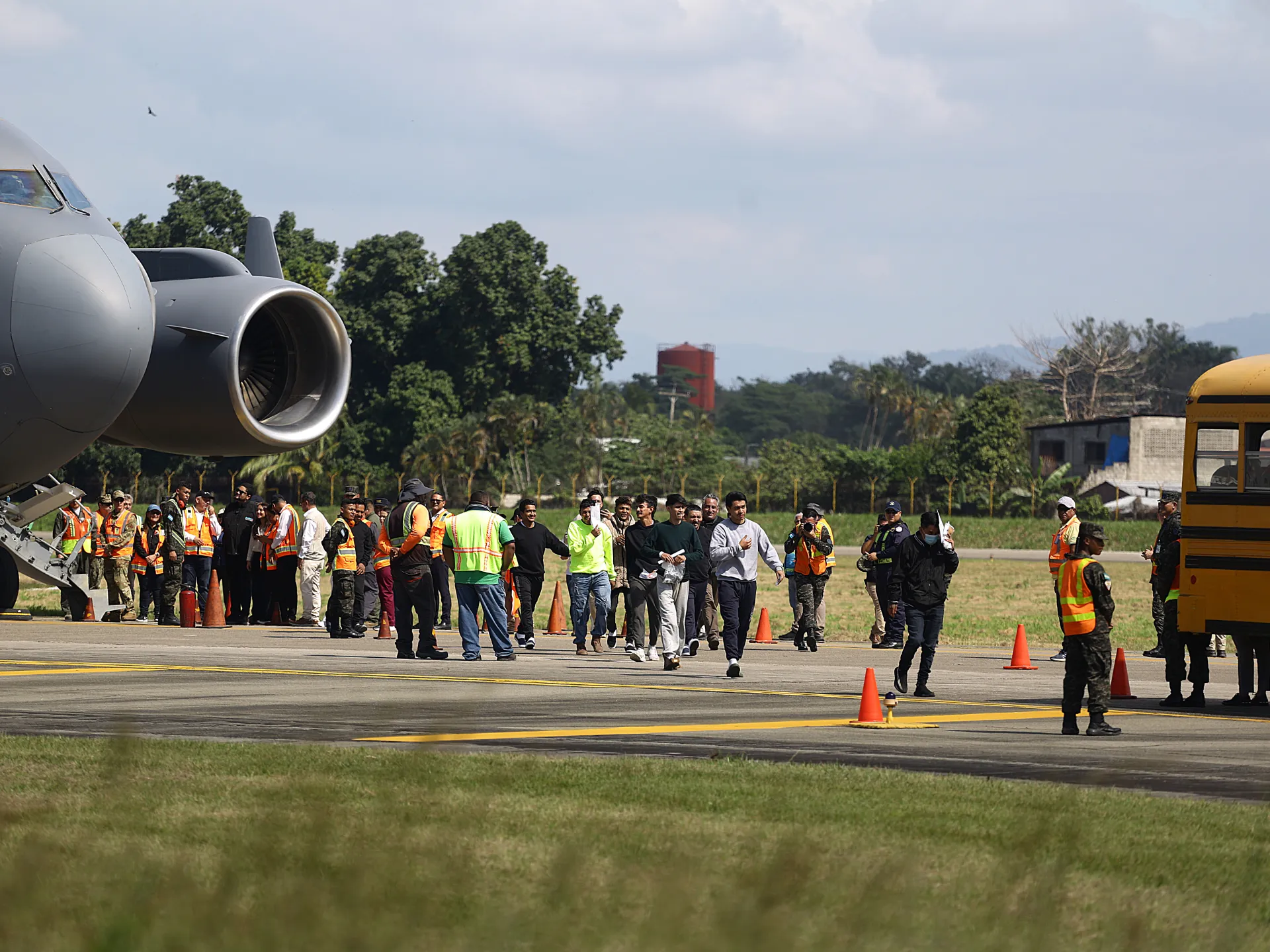
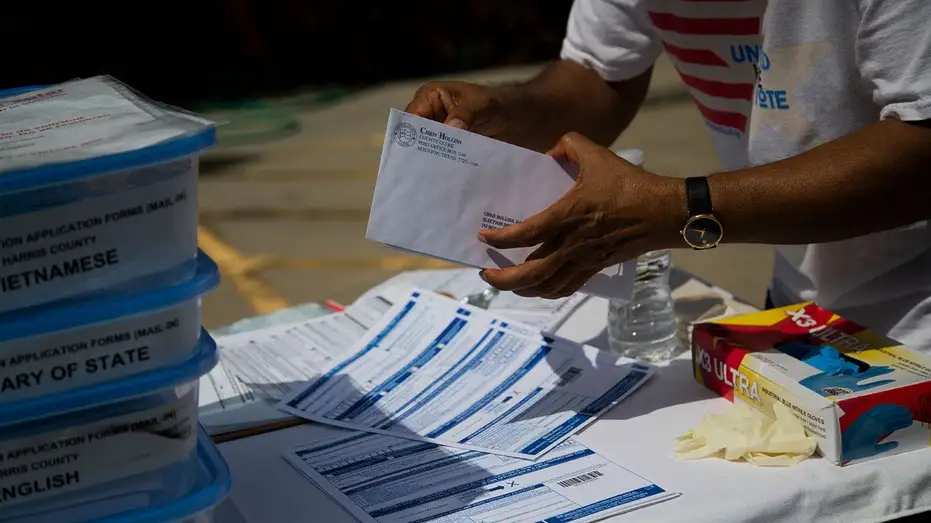
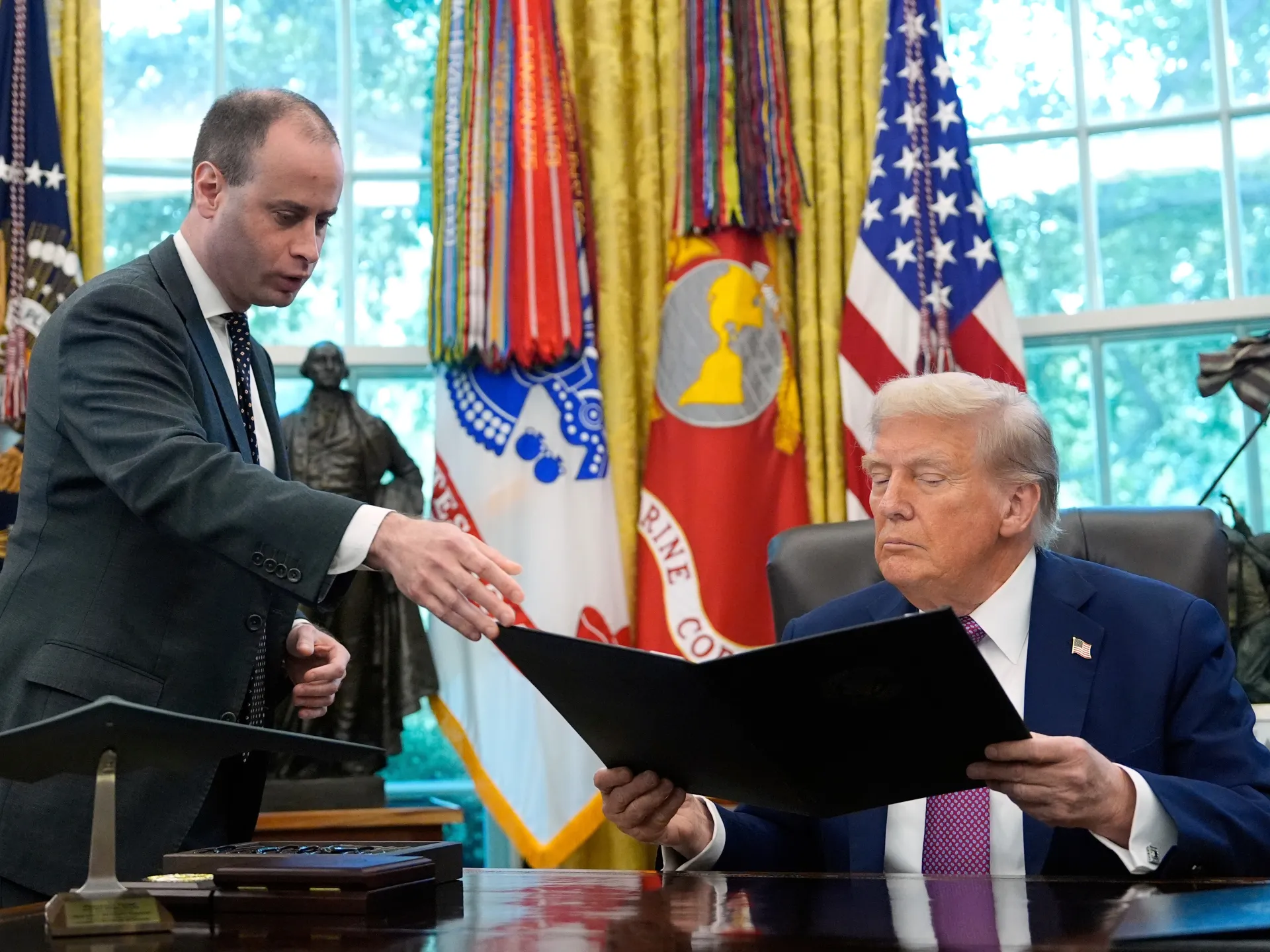
As the internal security landscape deteriorates, the legal status of Ethiopian nationals abroad has undergone a parallel shift. On Tuesday, a U.S. District Judge in Boston, Brian Murphy, vacated a temporary hold on the Department of Homeland Security’s (DHS) plan to terminate Temporary Protected Status (TPS) for Ethiopia. The ruling effectively concludes the government’s effort to wind down the program, with the DHS stating that conditions in Ethiopia have improved enough to warrant the end of deportation protections. While the court allowed plaintiffs’ claims regarding potential discrimination in the termination process to proceed, the immediate effect is that legal protections for Ethiopian citizens in the U.S. are now revoked.
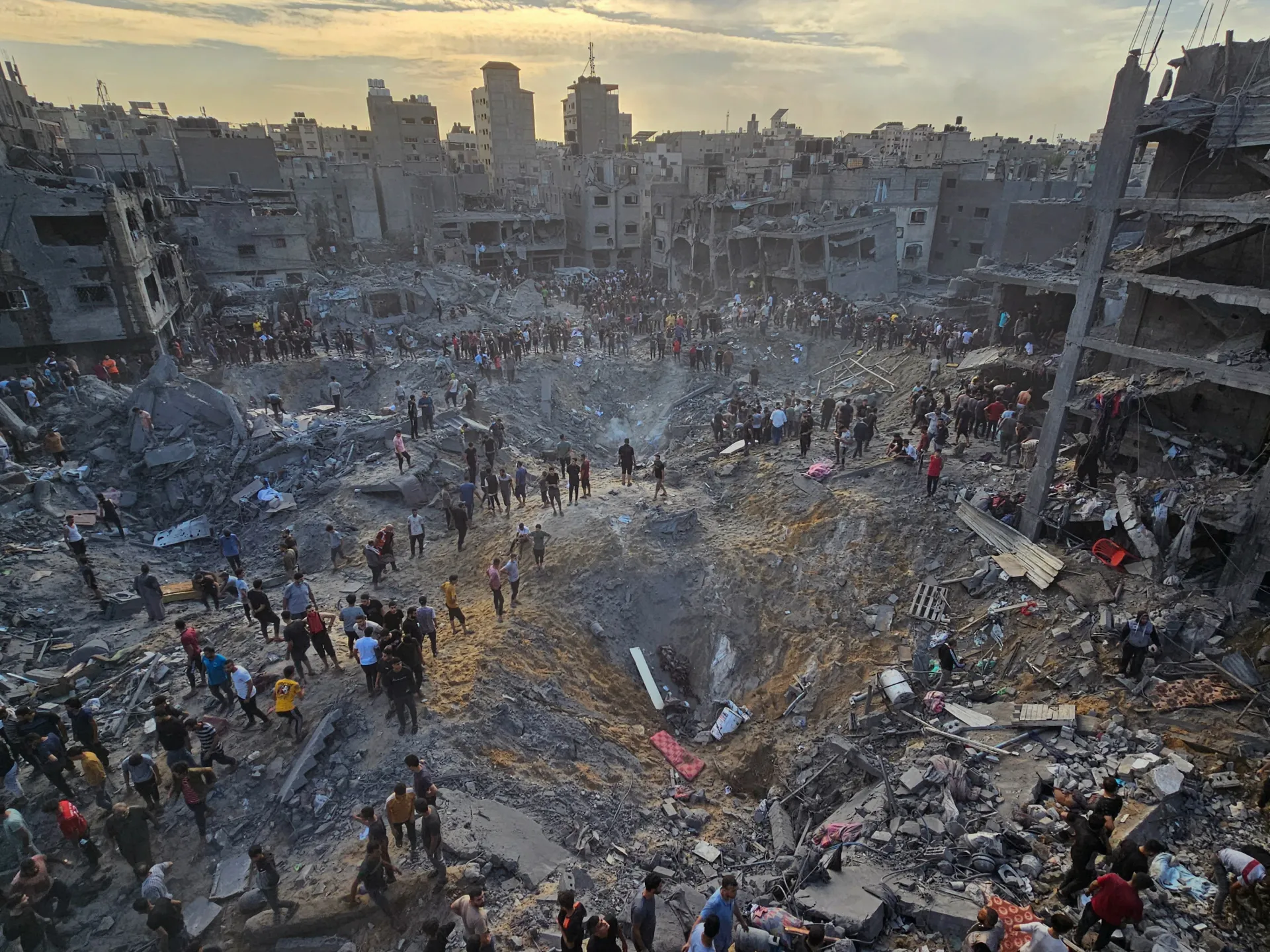
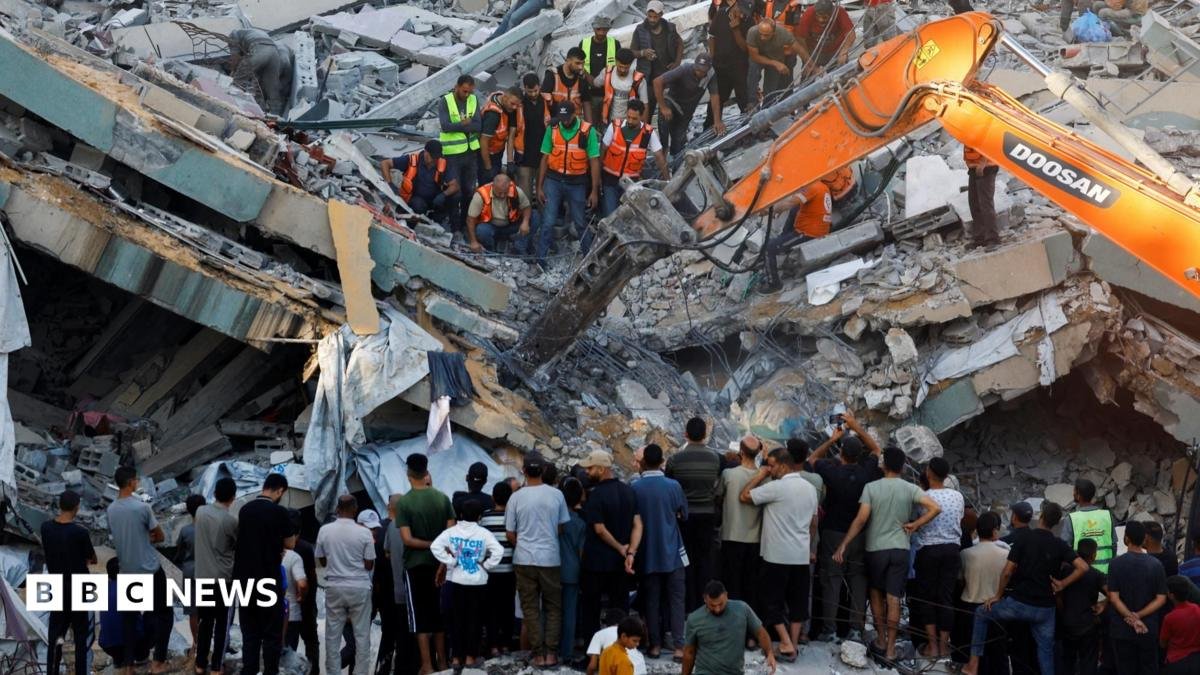
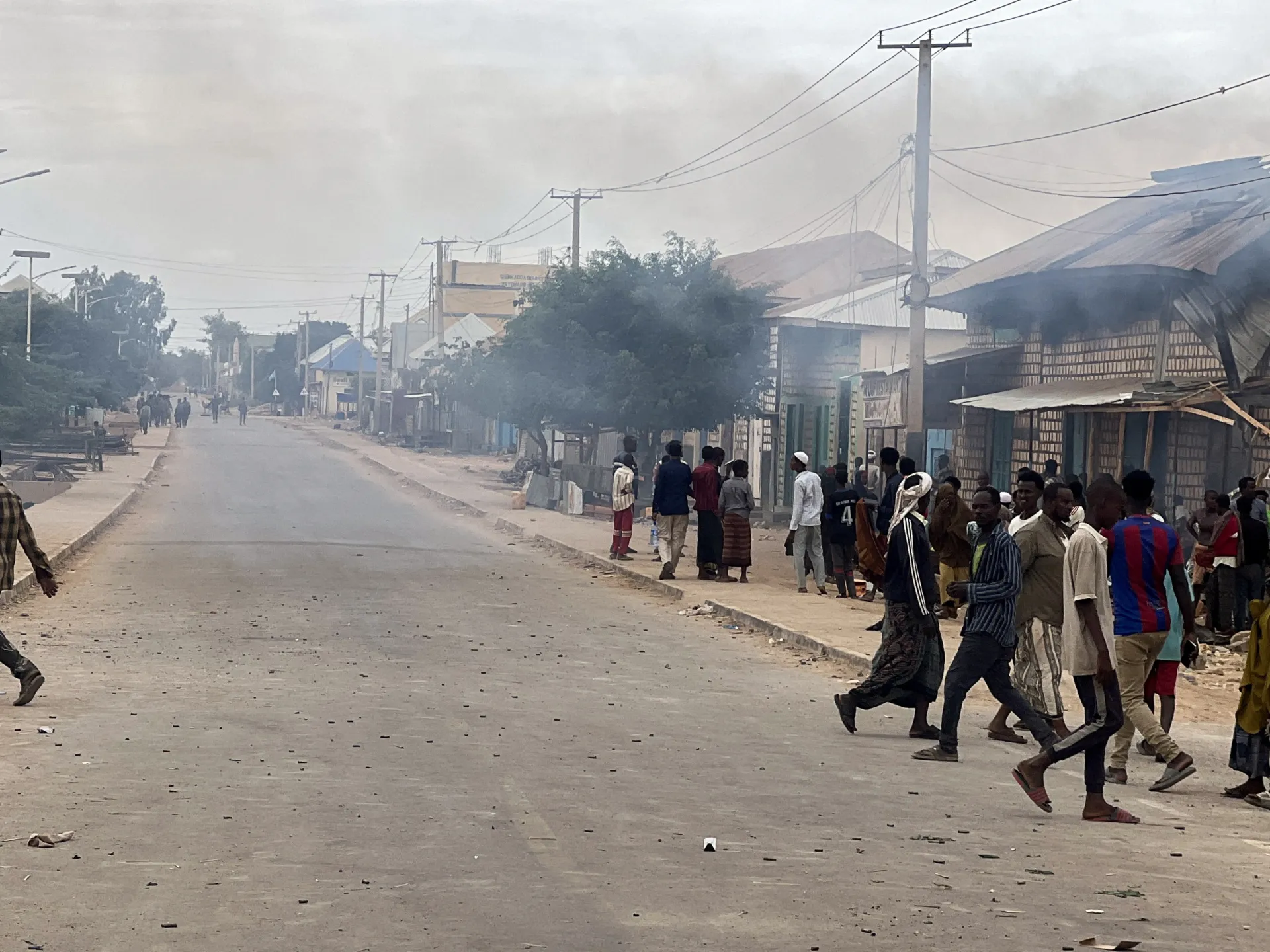
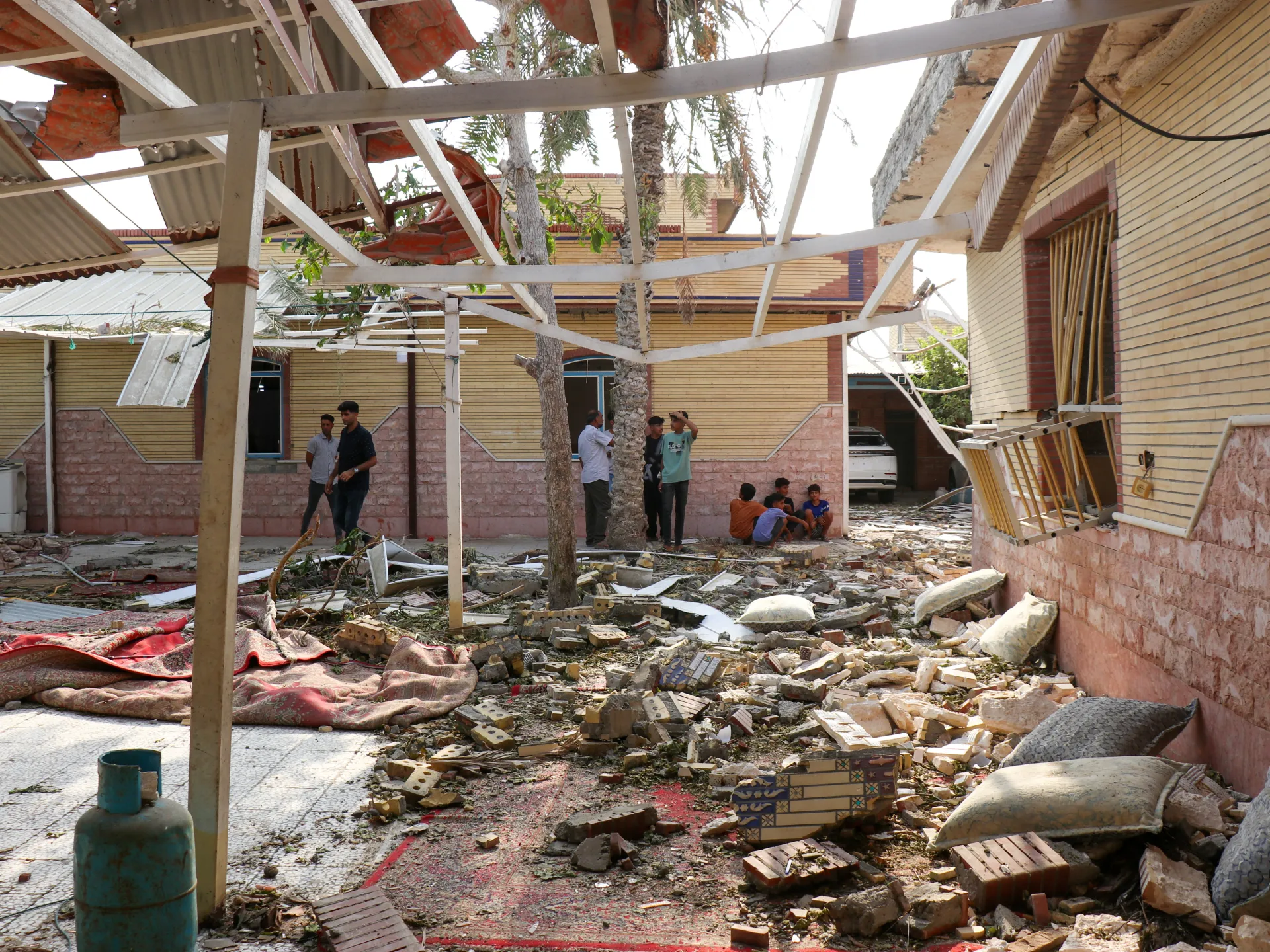
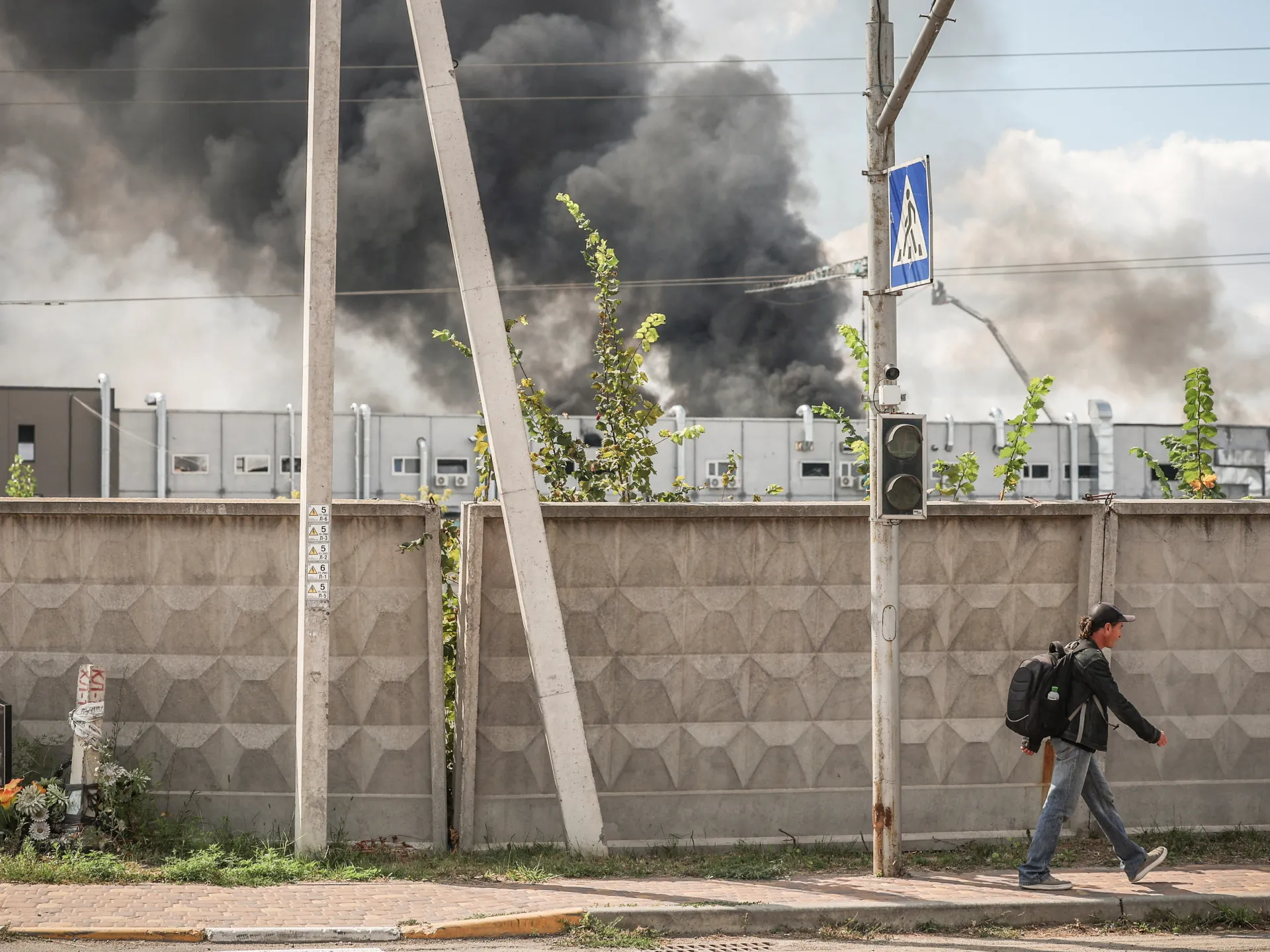
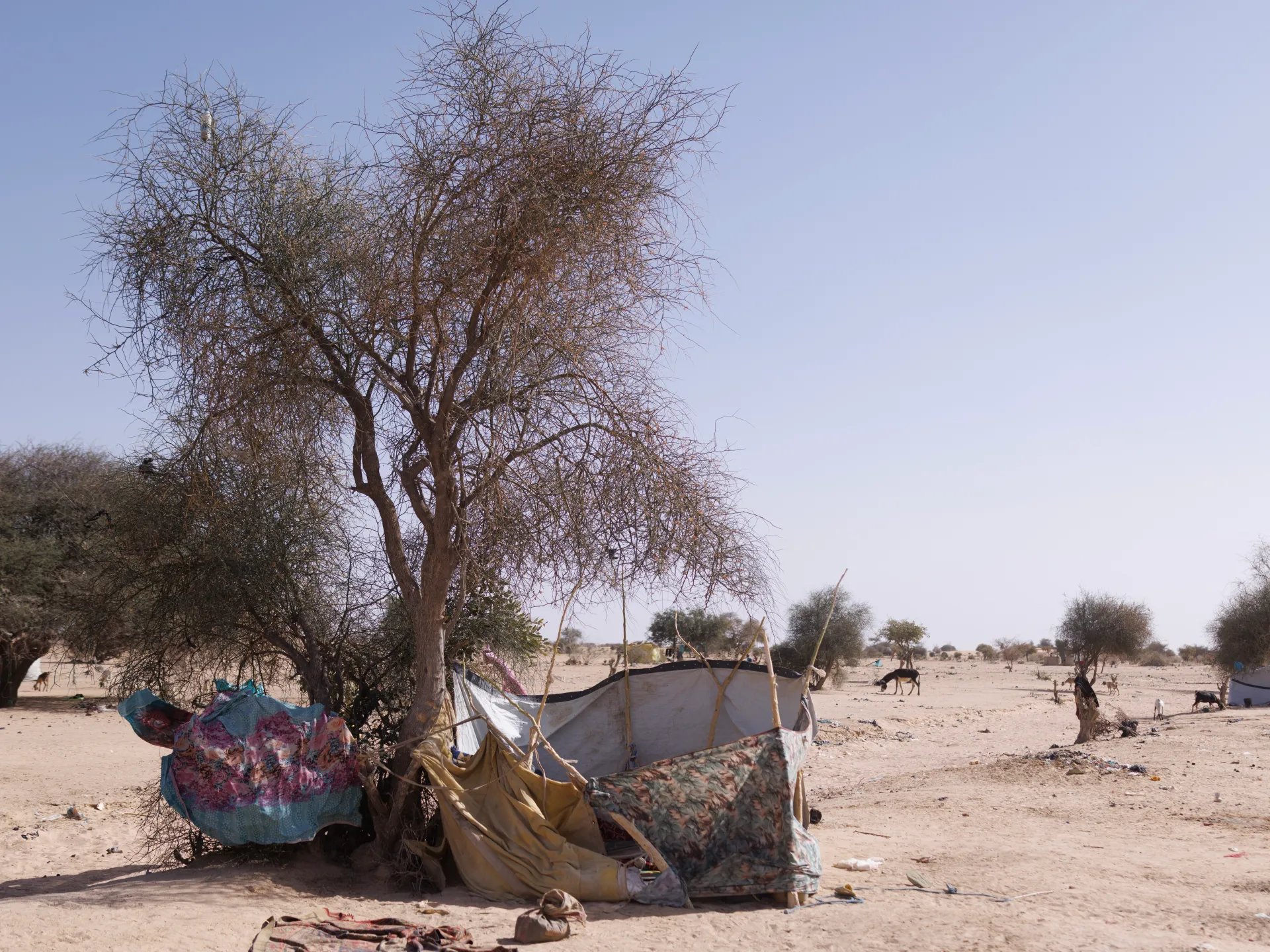
This judicial development arrives at a time of deep domestic volatility. The government of Abiy Ahmed has yet to issue a formal statement regarding the new armed alliance, even as reports suggest that recent clashes in Tigray have severely undermined the 2022 peace agreement. Observers note that the combination of widespread domestic insurgency and the removal of international safe havens for displaced citizens points toward a period of profound uncertainty for the Ethiopian state.
The immediate future for Ethiopia hinges on the ability of this new alliance to move beyond rhetorical statements and coordinate military operations. Historically, these groups have been defined ween Amhara and Tigrayan forces over Western Tigray. Whether this alliance can suppress these historical animosities in favor of a unified strategic offensive remains the primary question for security analysts. Concurrently, the federal government faces a difficult choice: it must decide whether to engage in direct diplomatic dialogue with this broad coalition or prioritize a military crackdown. Given the central government's past reliance on force to quell regional dissent, an escalation in combat operations appears more likely than a negotiated settlement in the near term.