As Gulf leaders push for a new security framework, rising tensions and conflicting reports of ceasefire violations threaten to deepen the regional crisis.
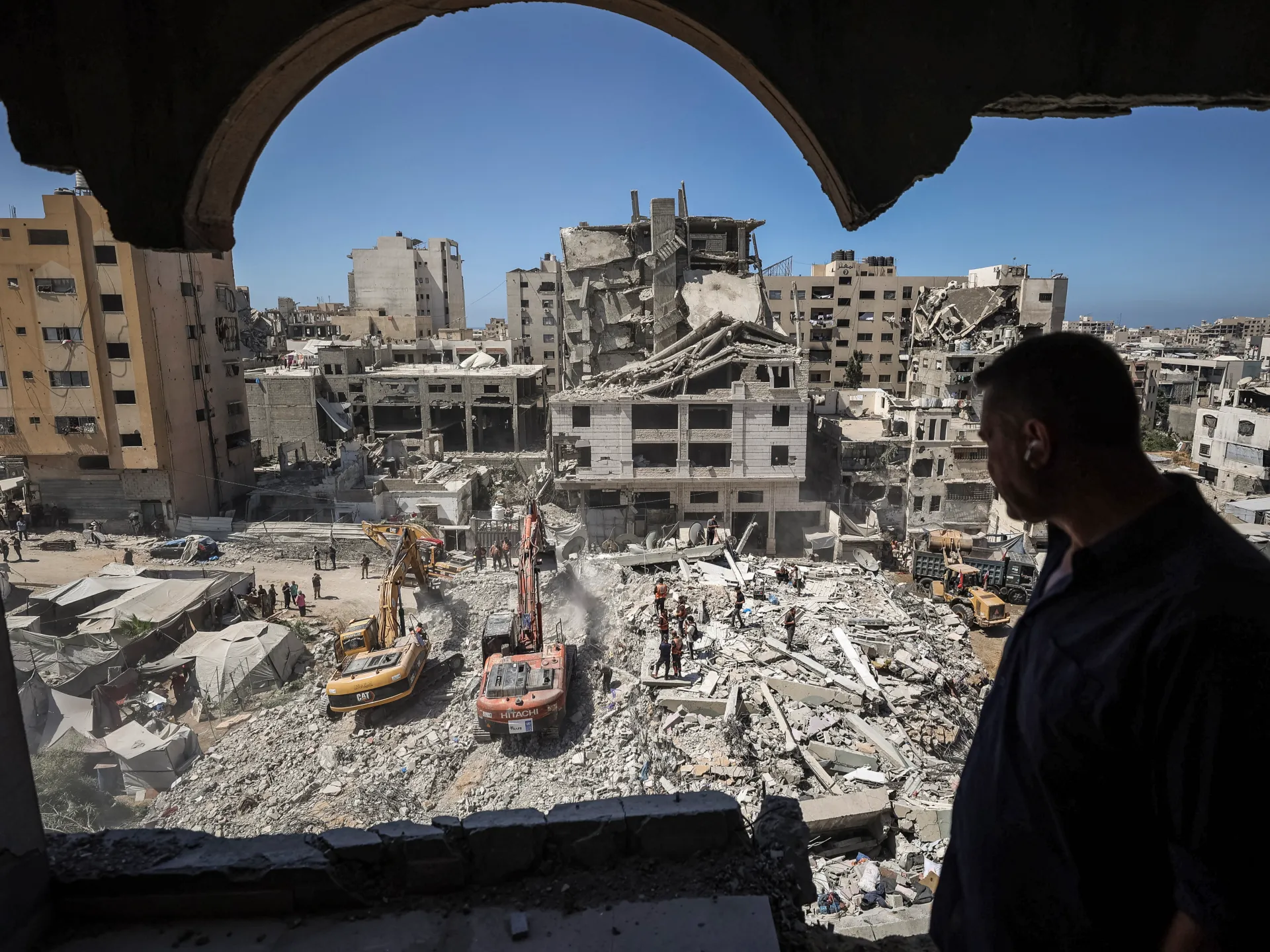
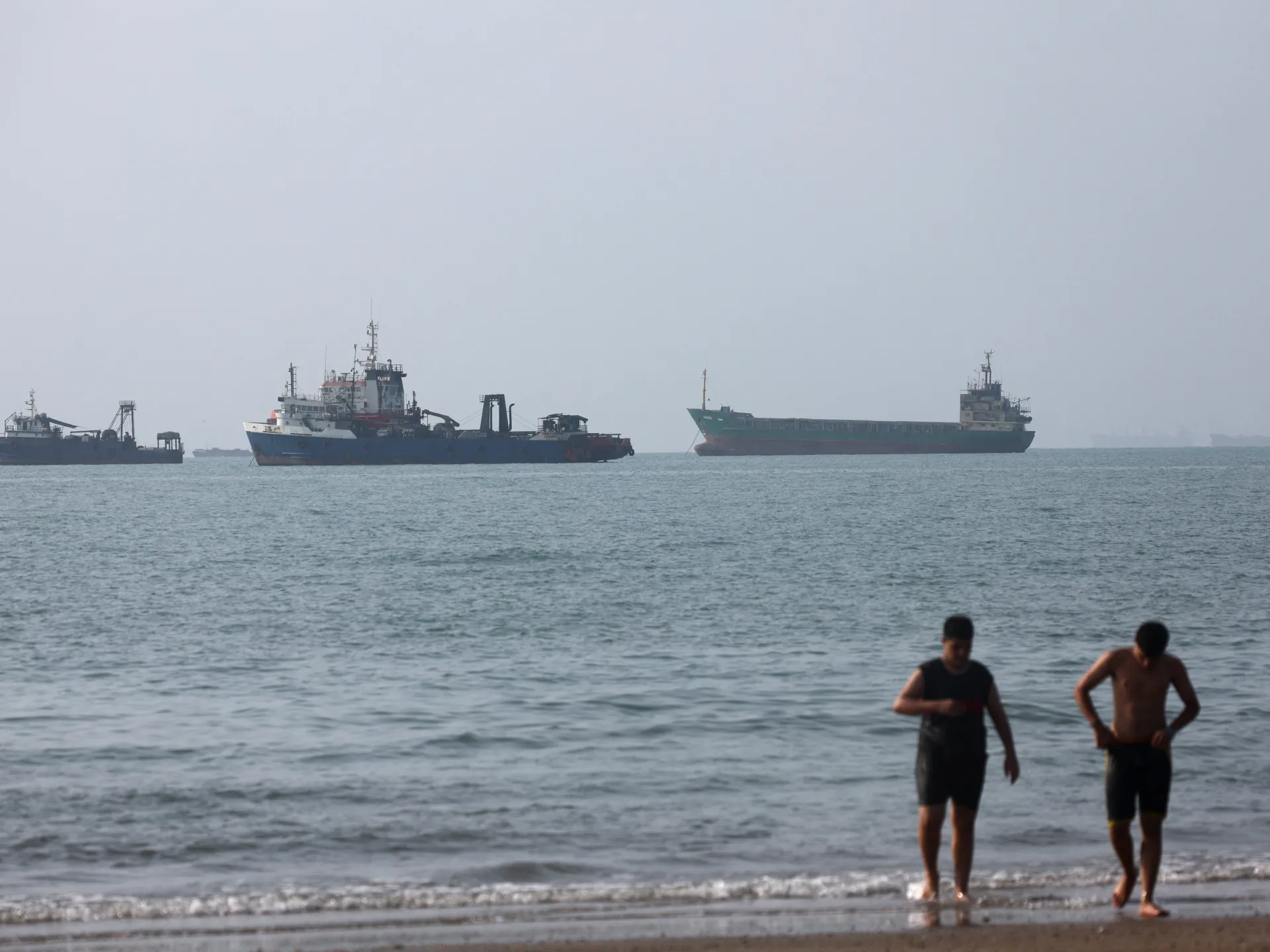
As volatility grips the Middle East, high-level diplomatic calls for a restructured regional security framework are colliding with a sharpening military posture from Gulf states. The prevailing consensus among international leaders is that the current status quo, strained damental breakdown of the established international order.
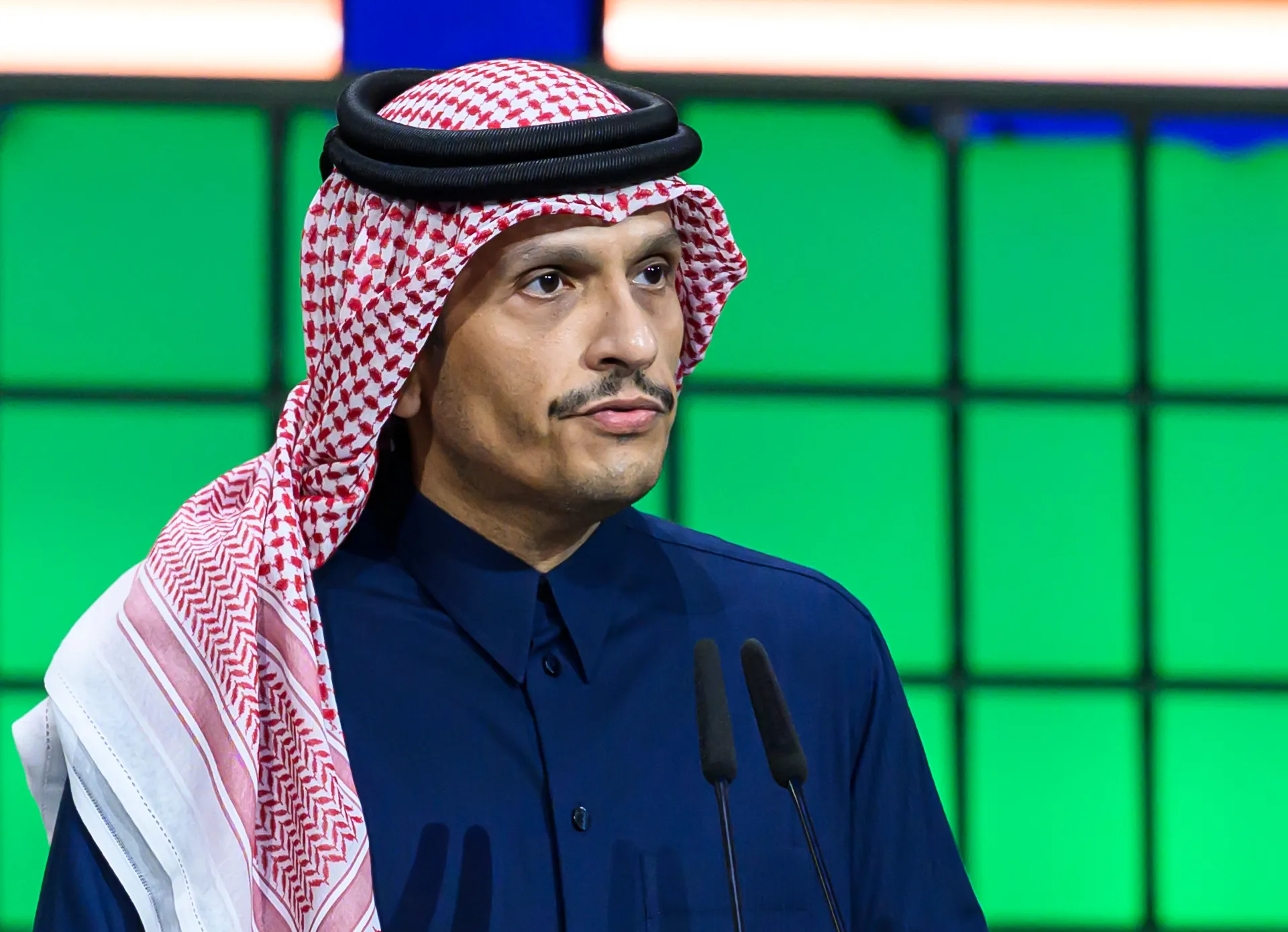
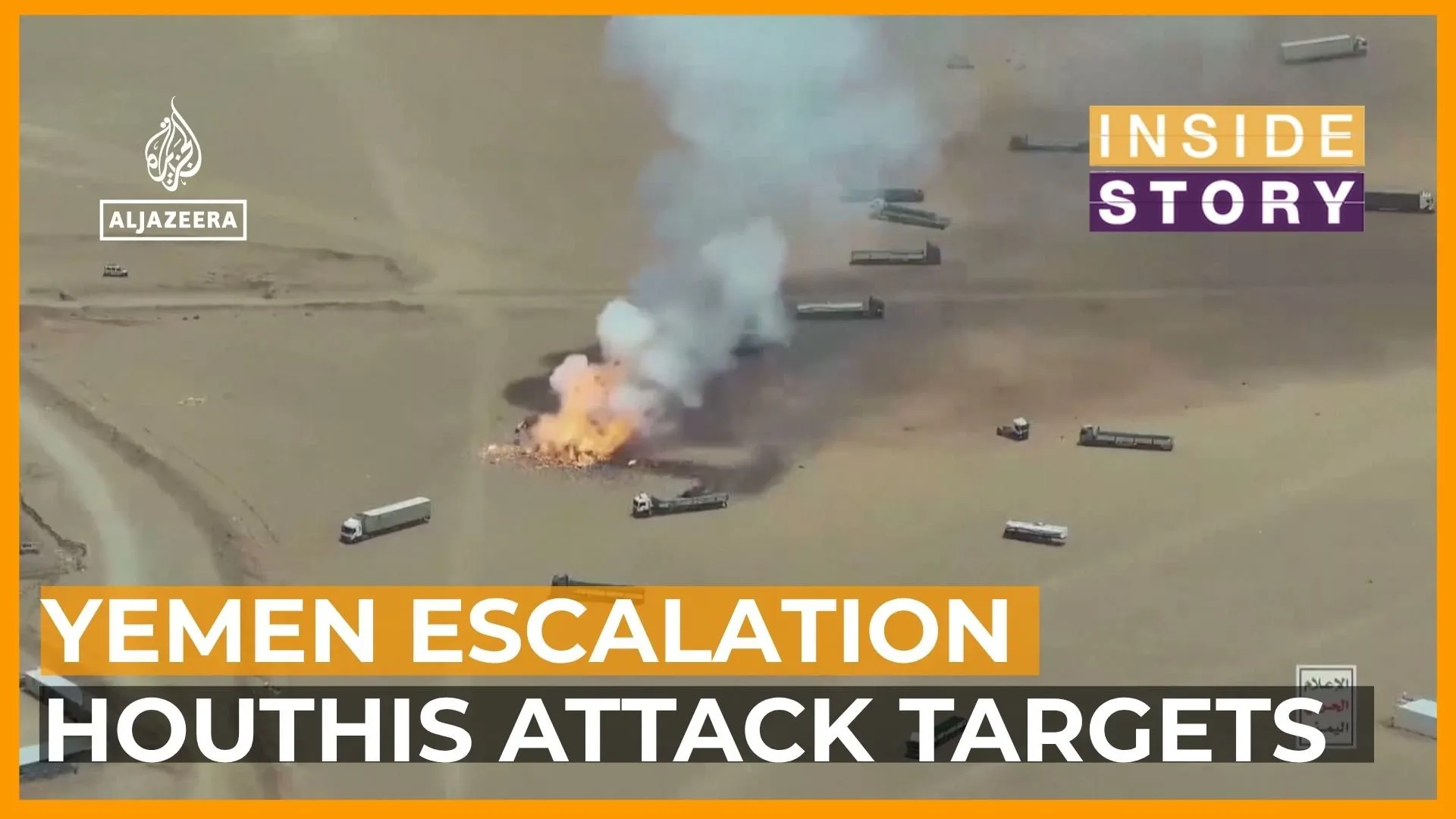
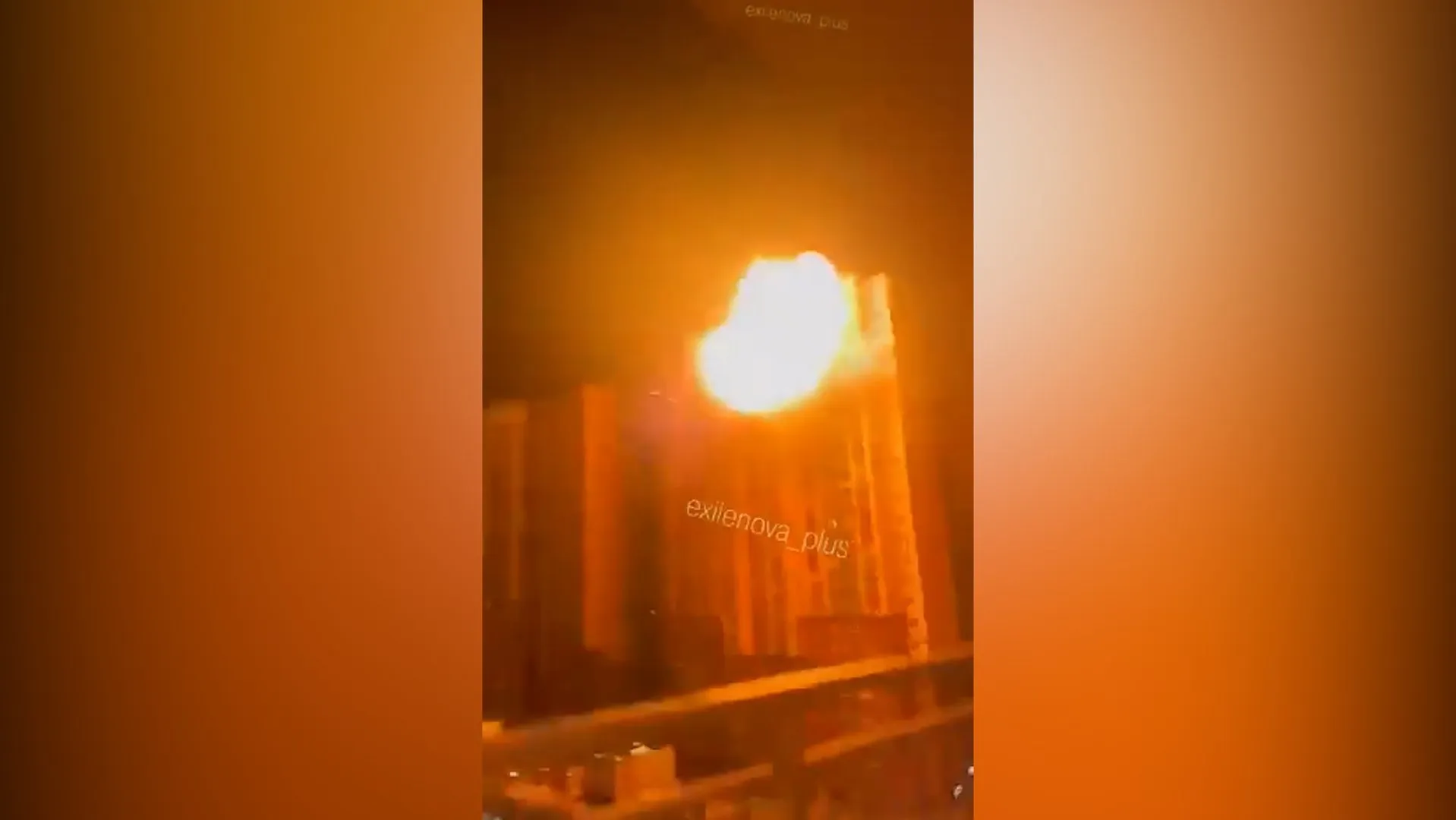
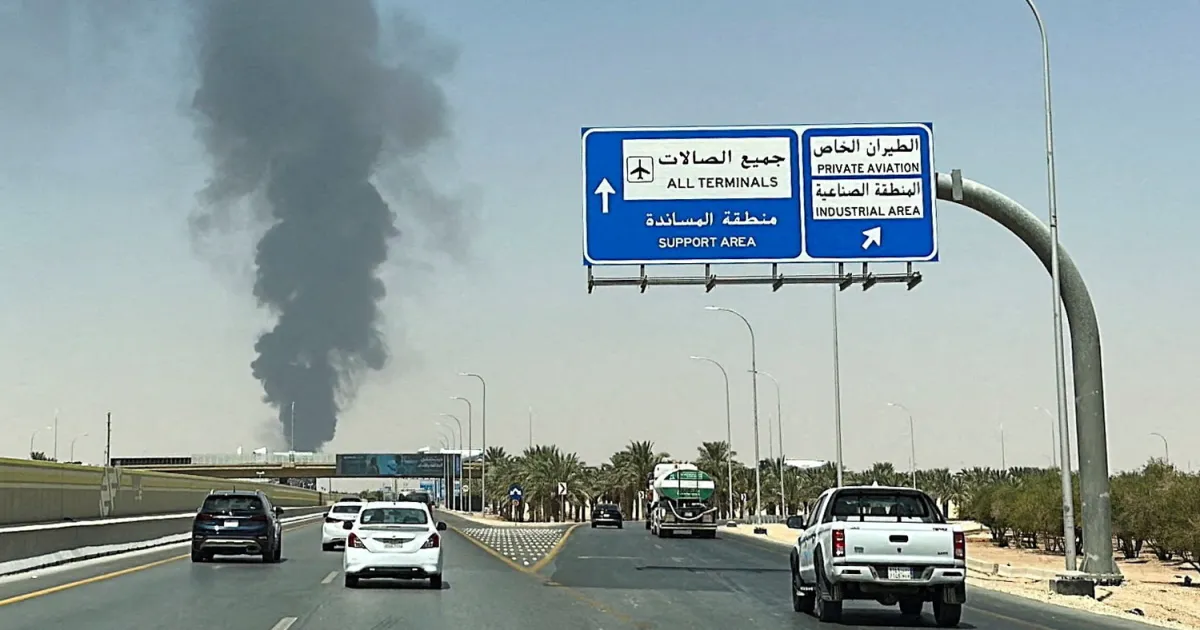
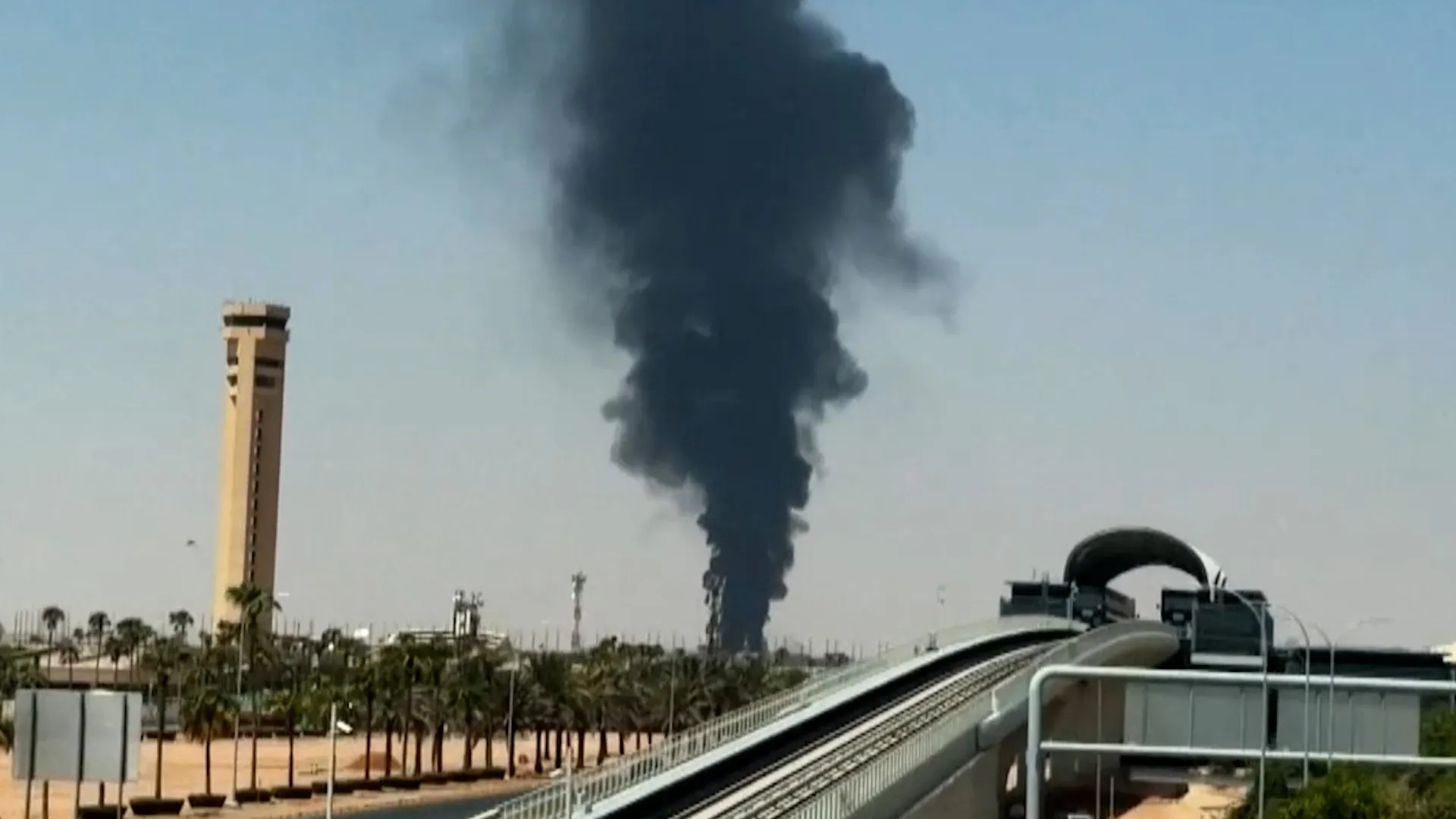
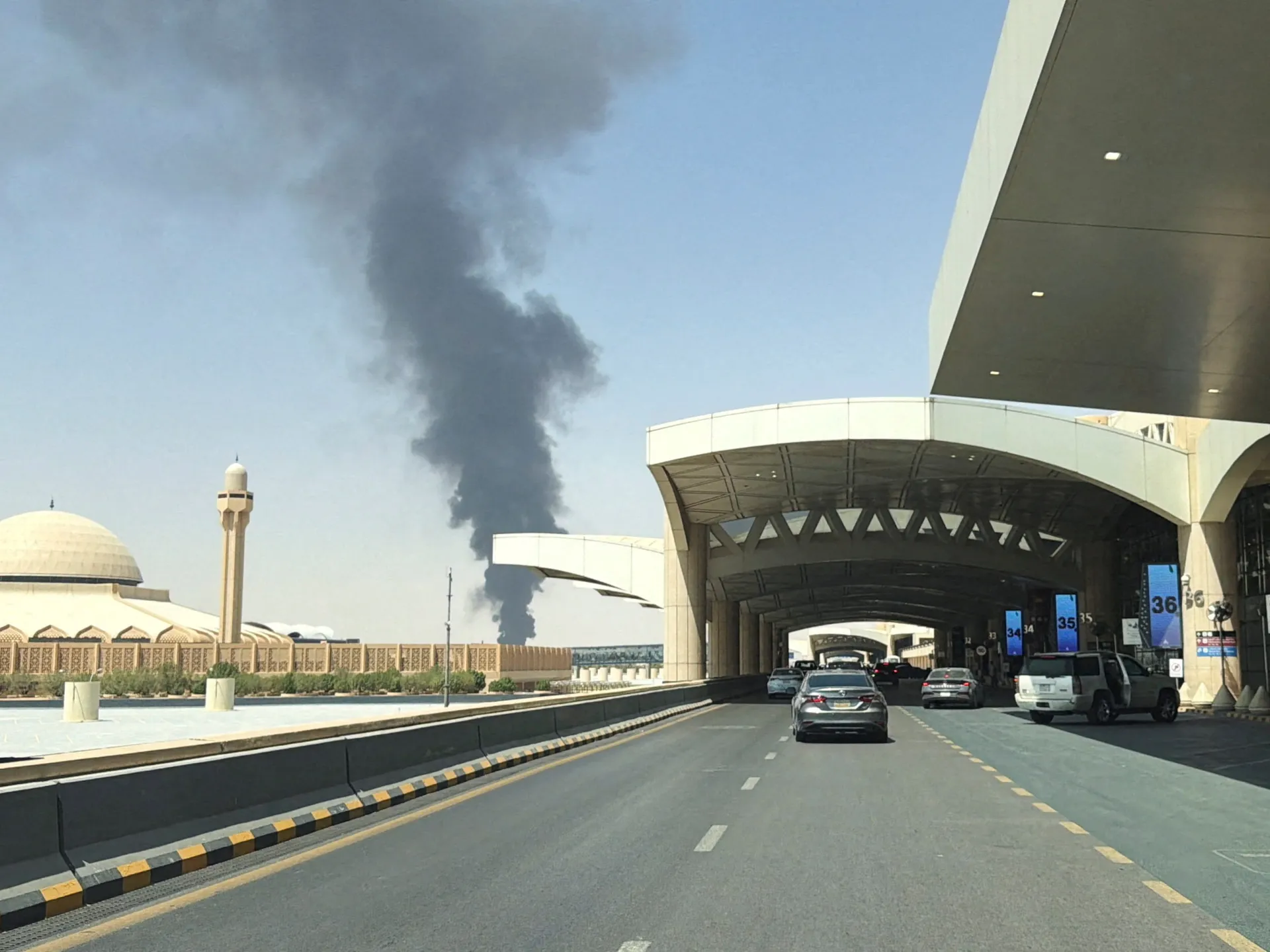
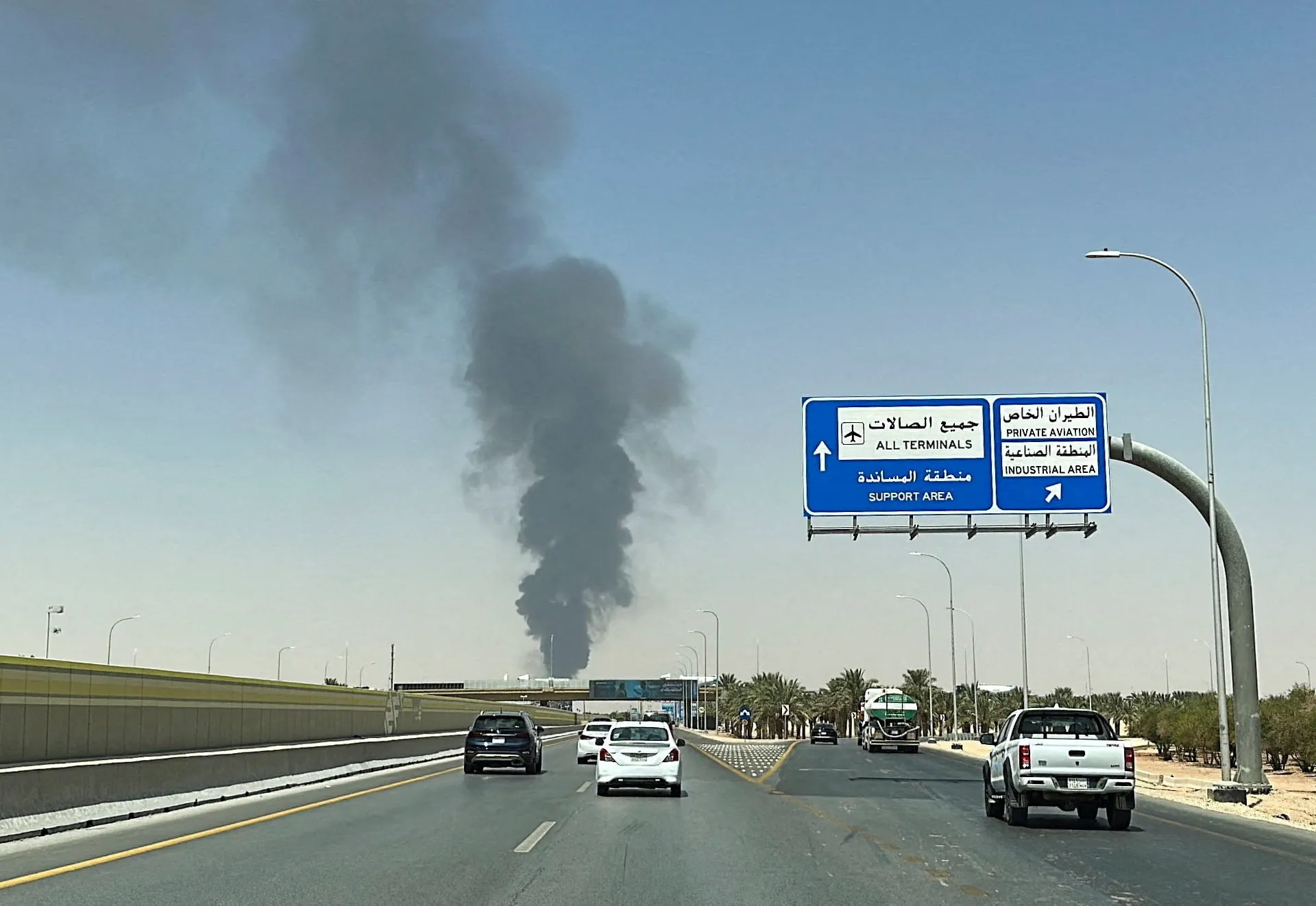
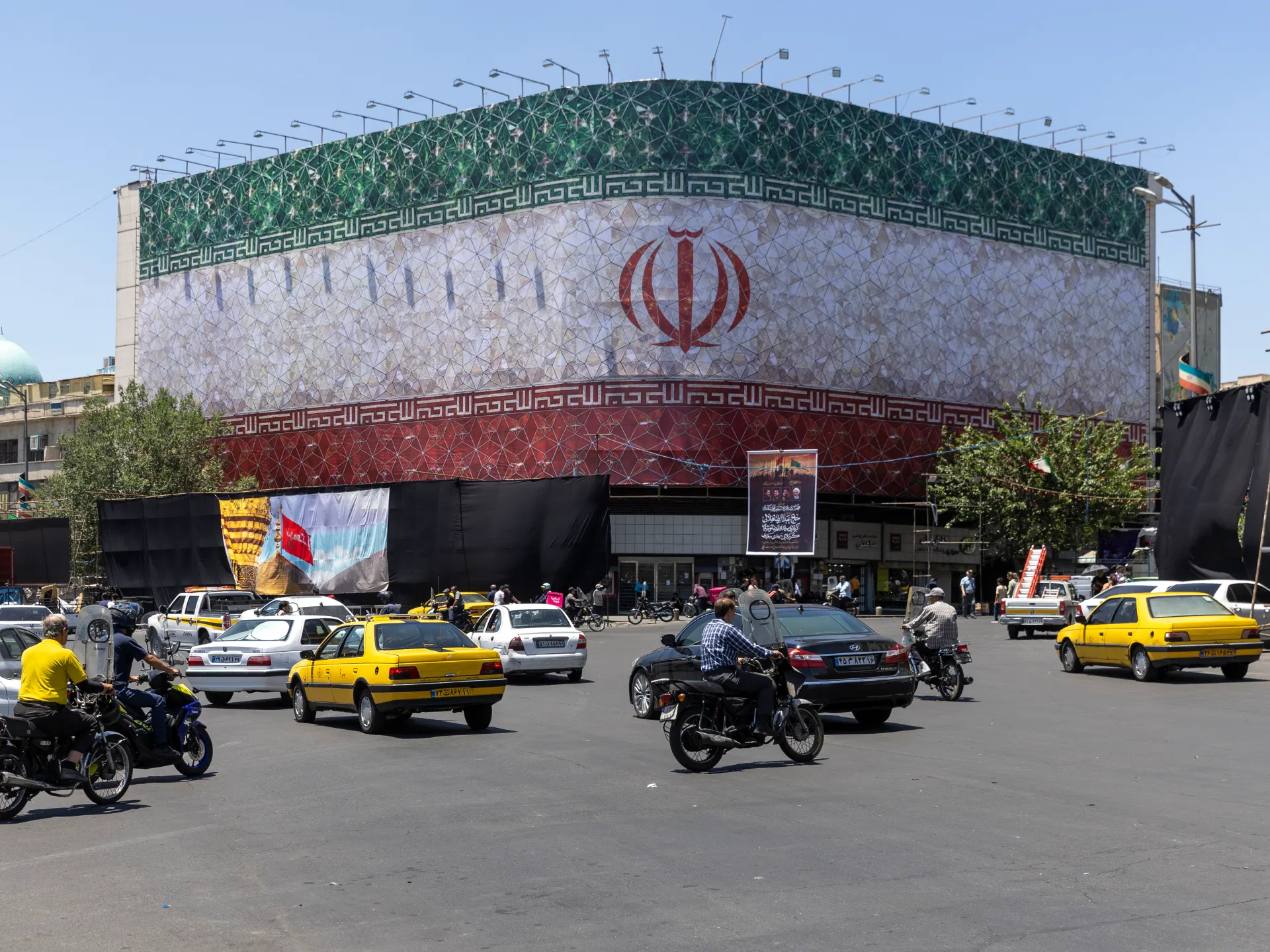
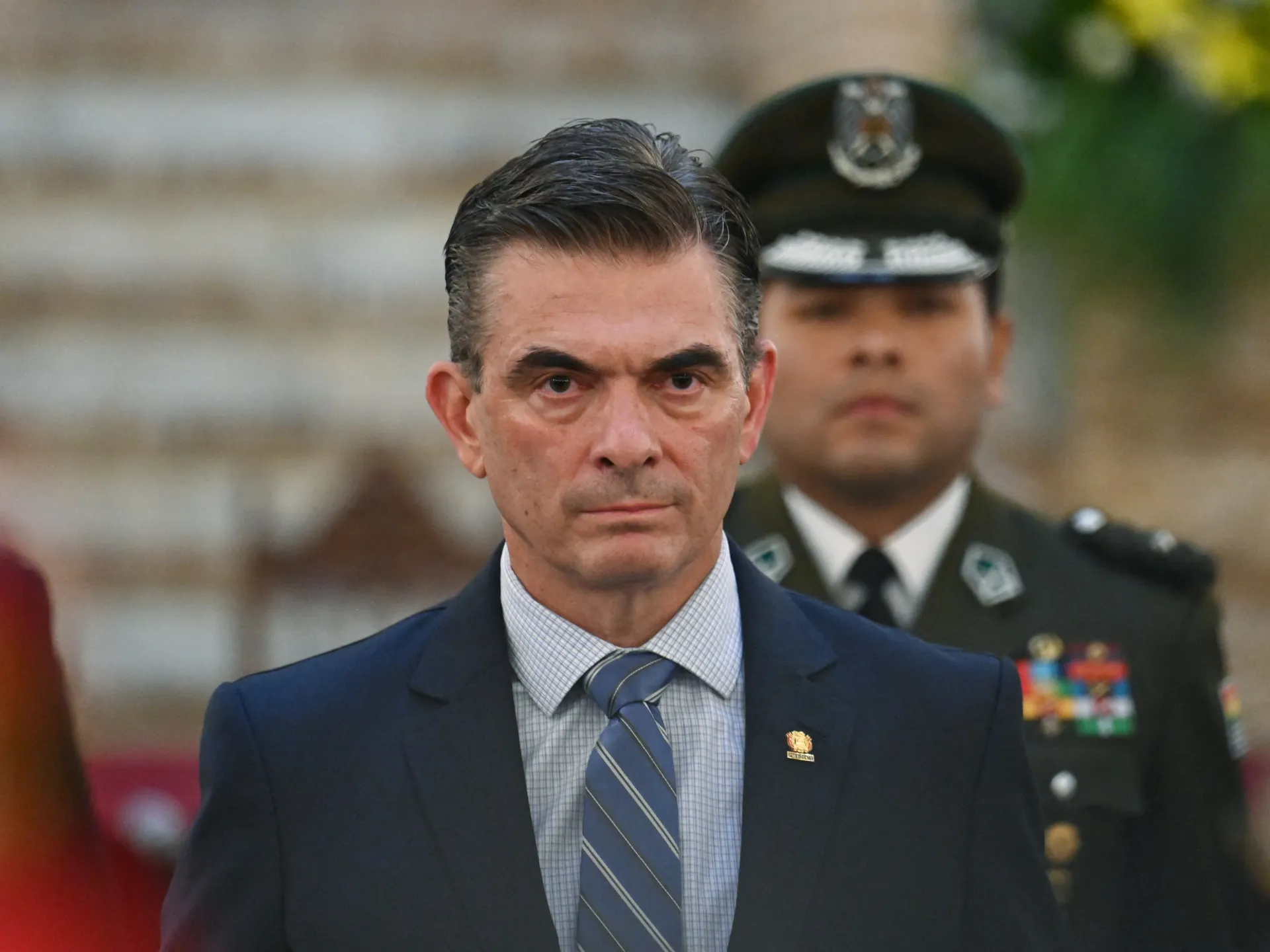
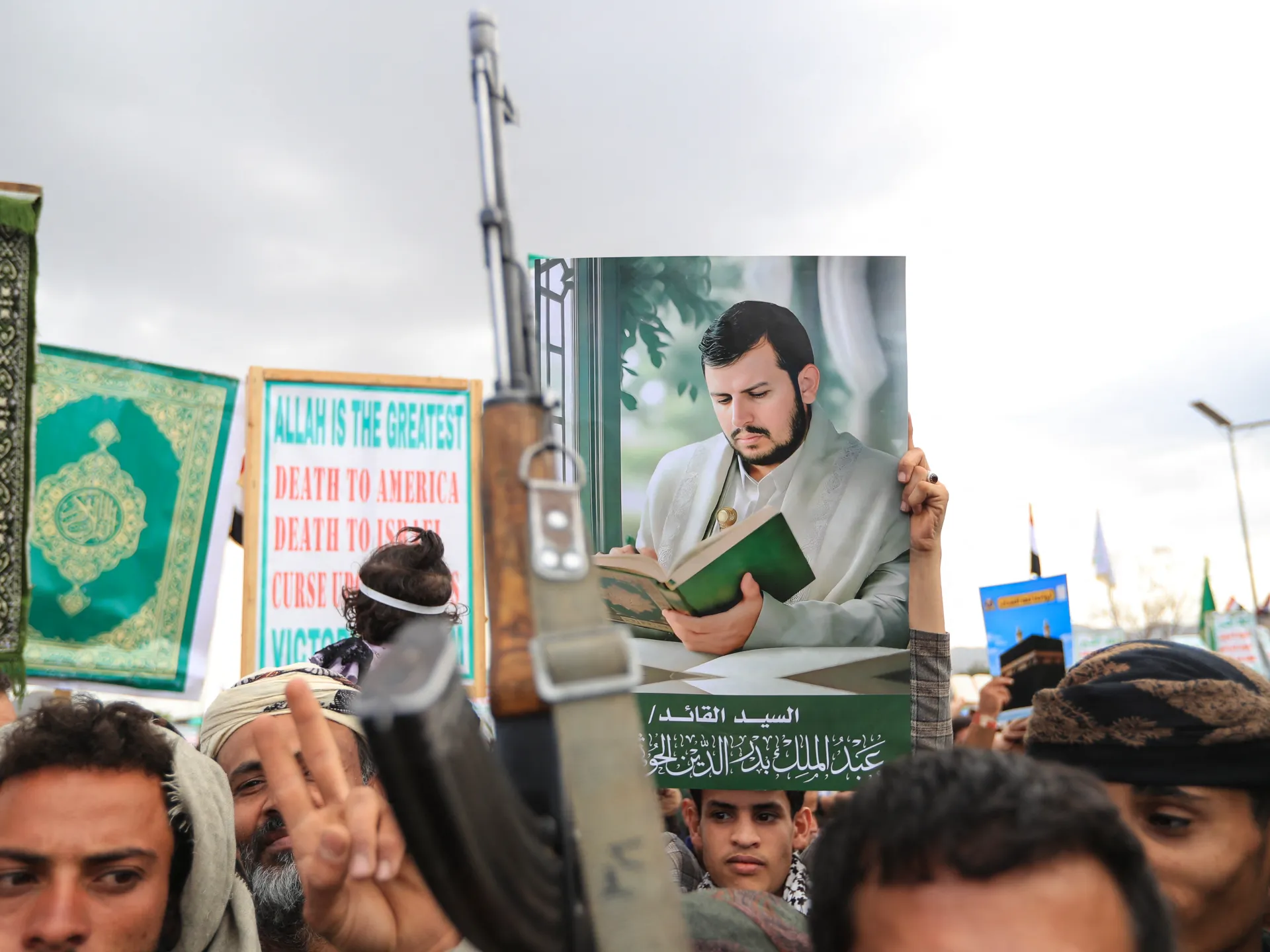
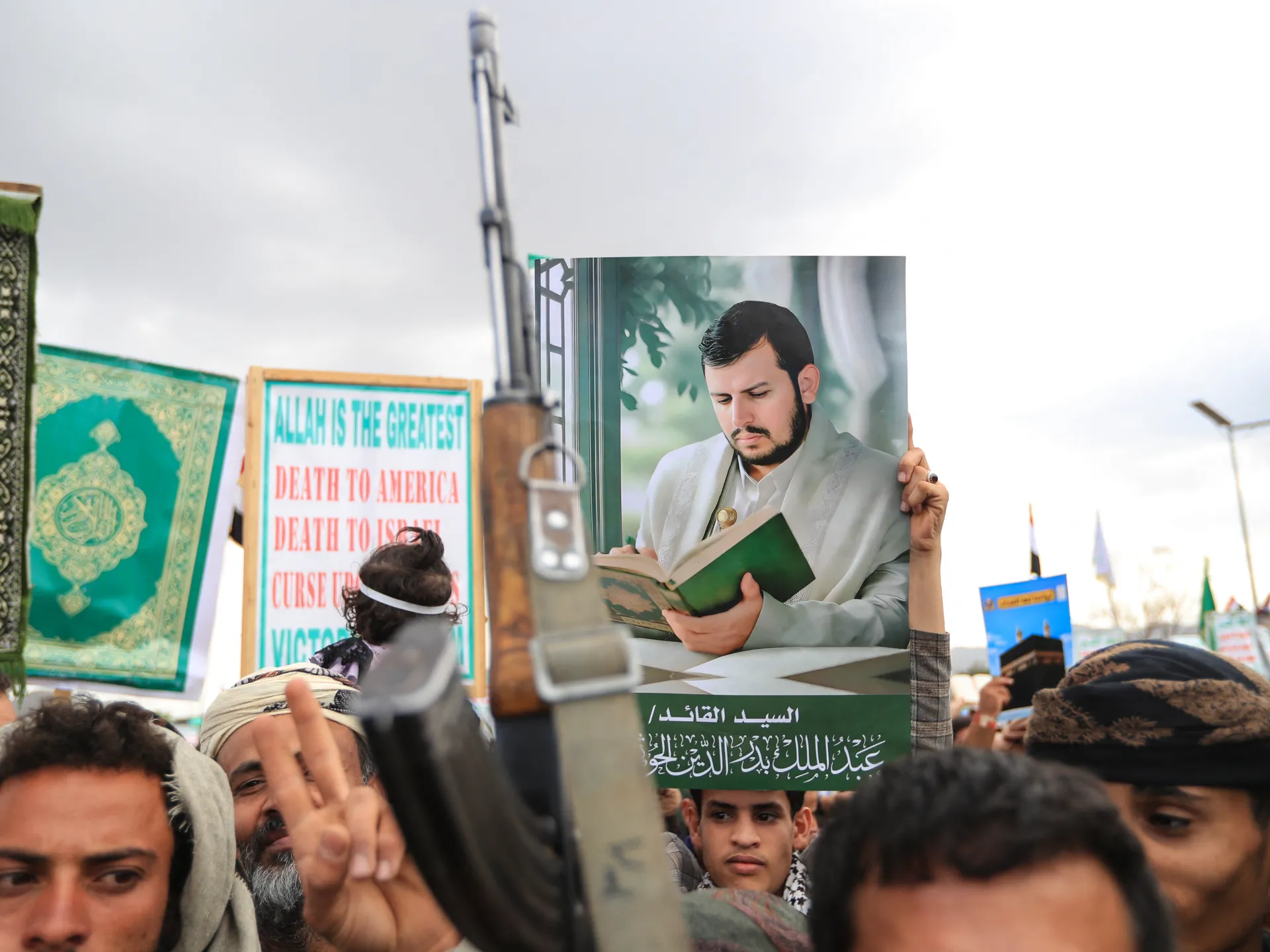
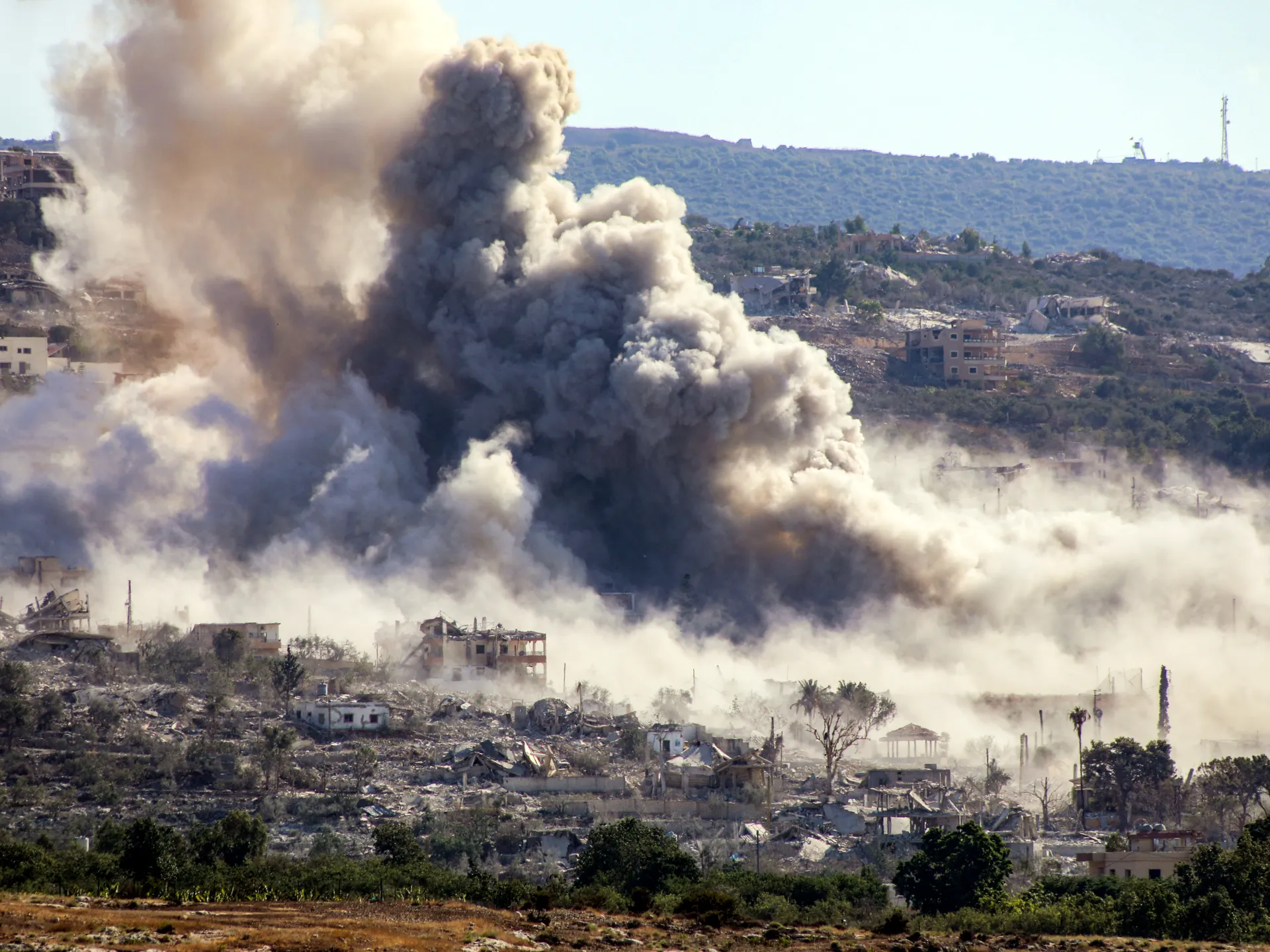
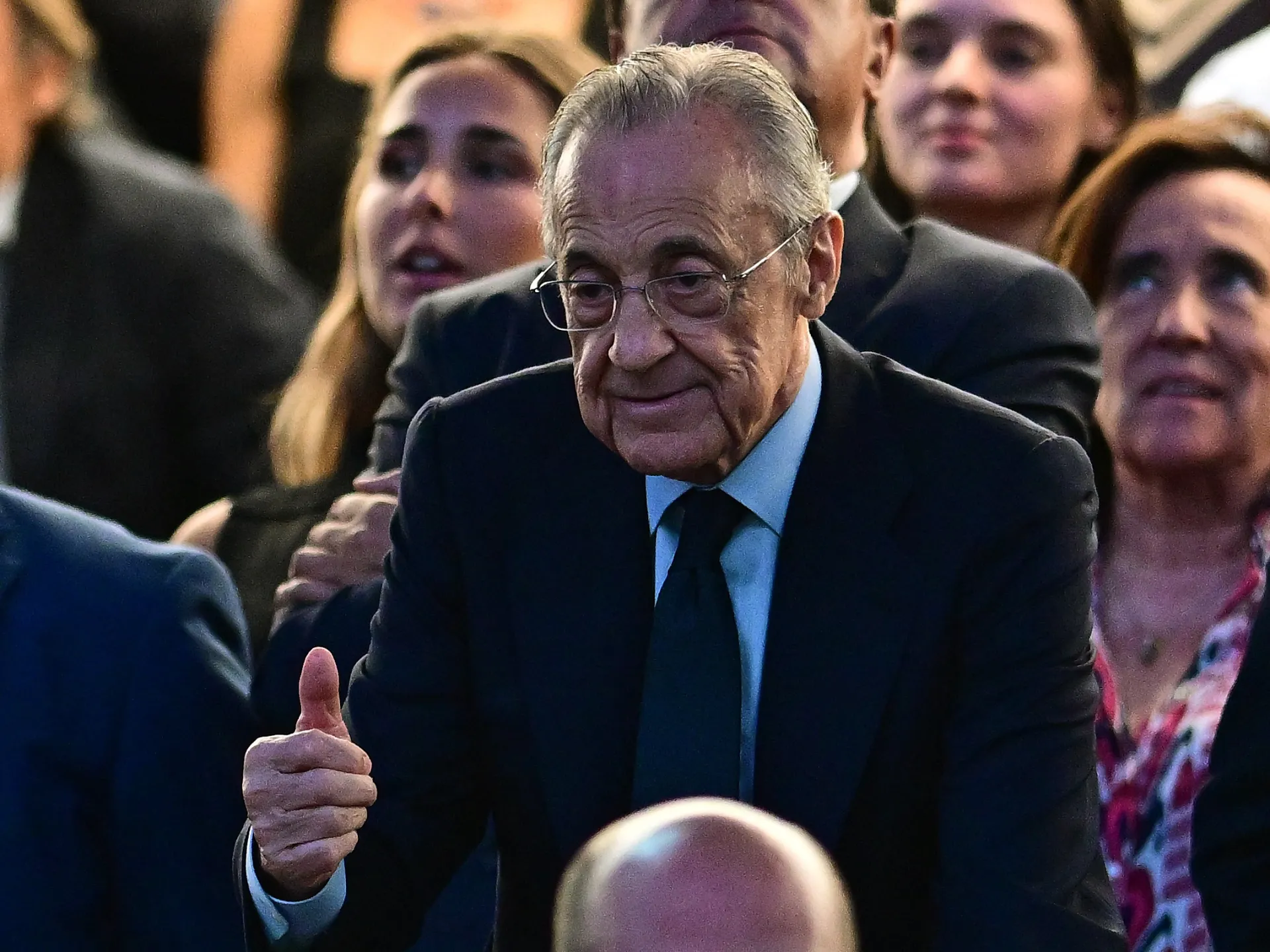
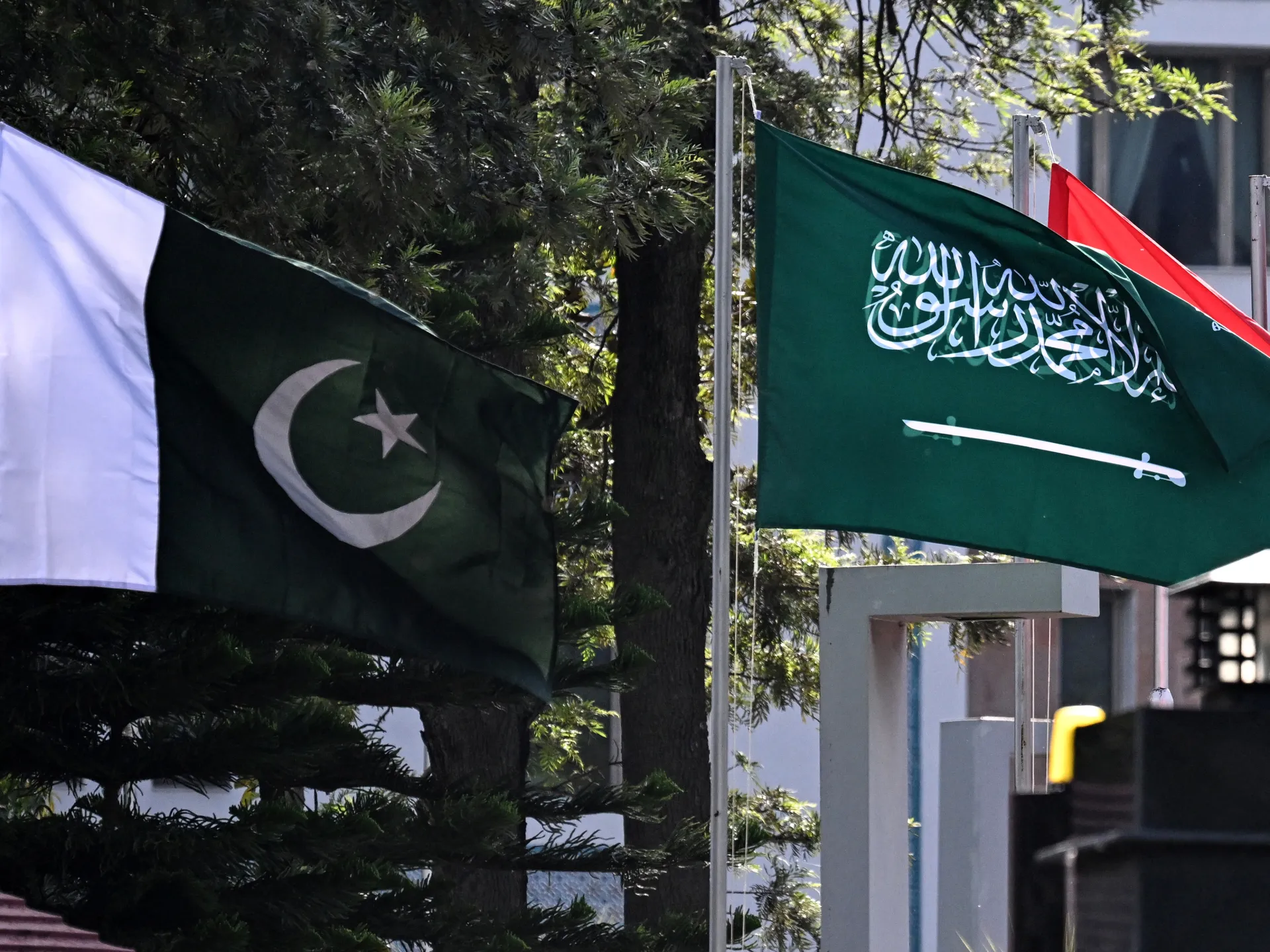
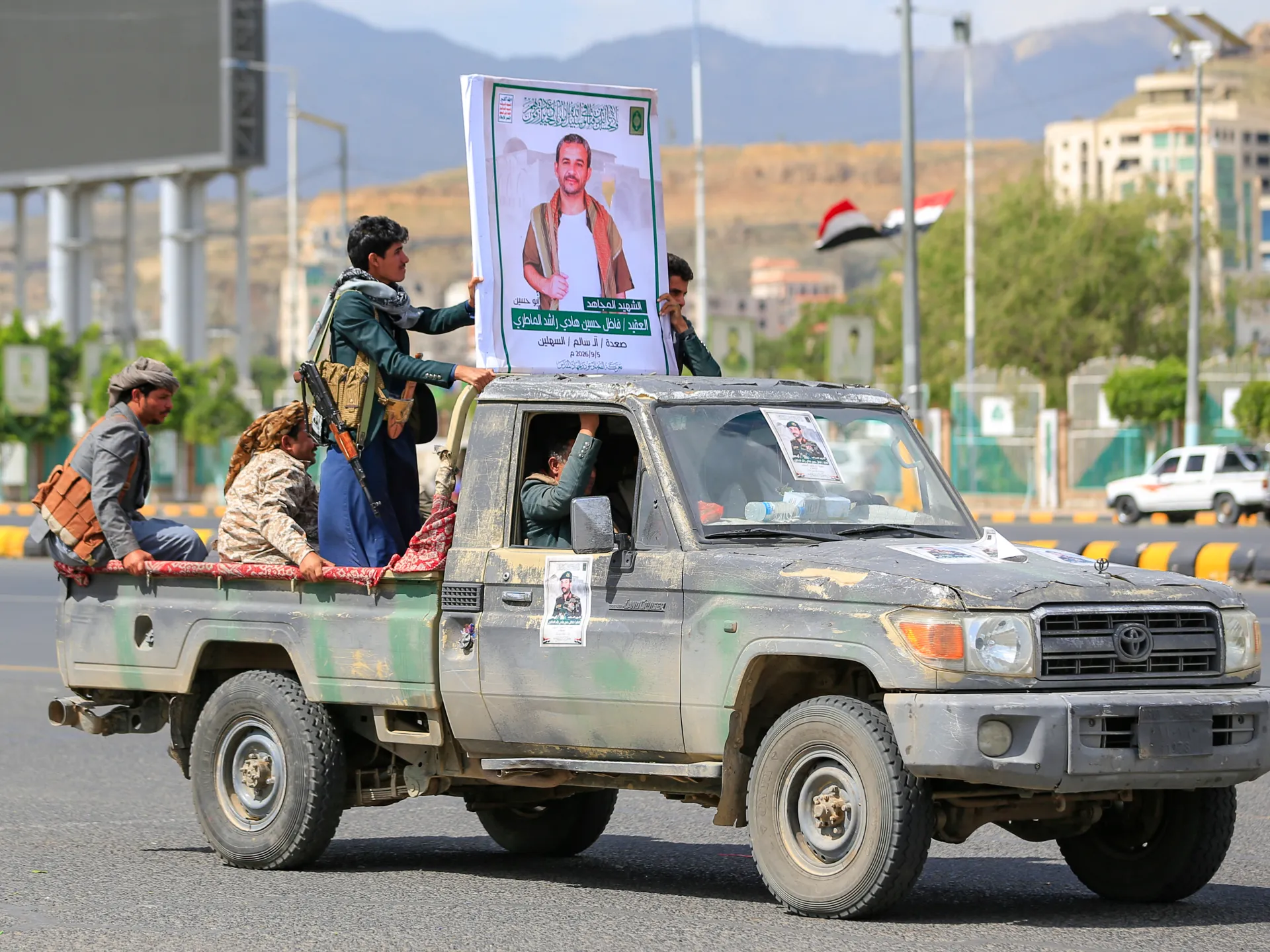
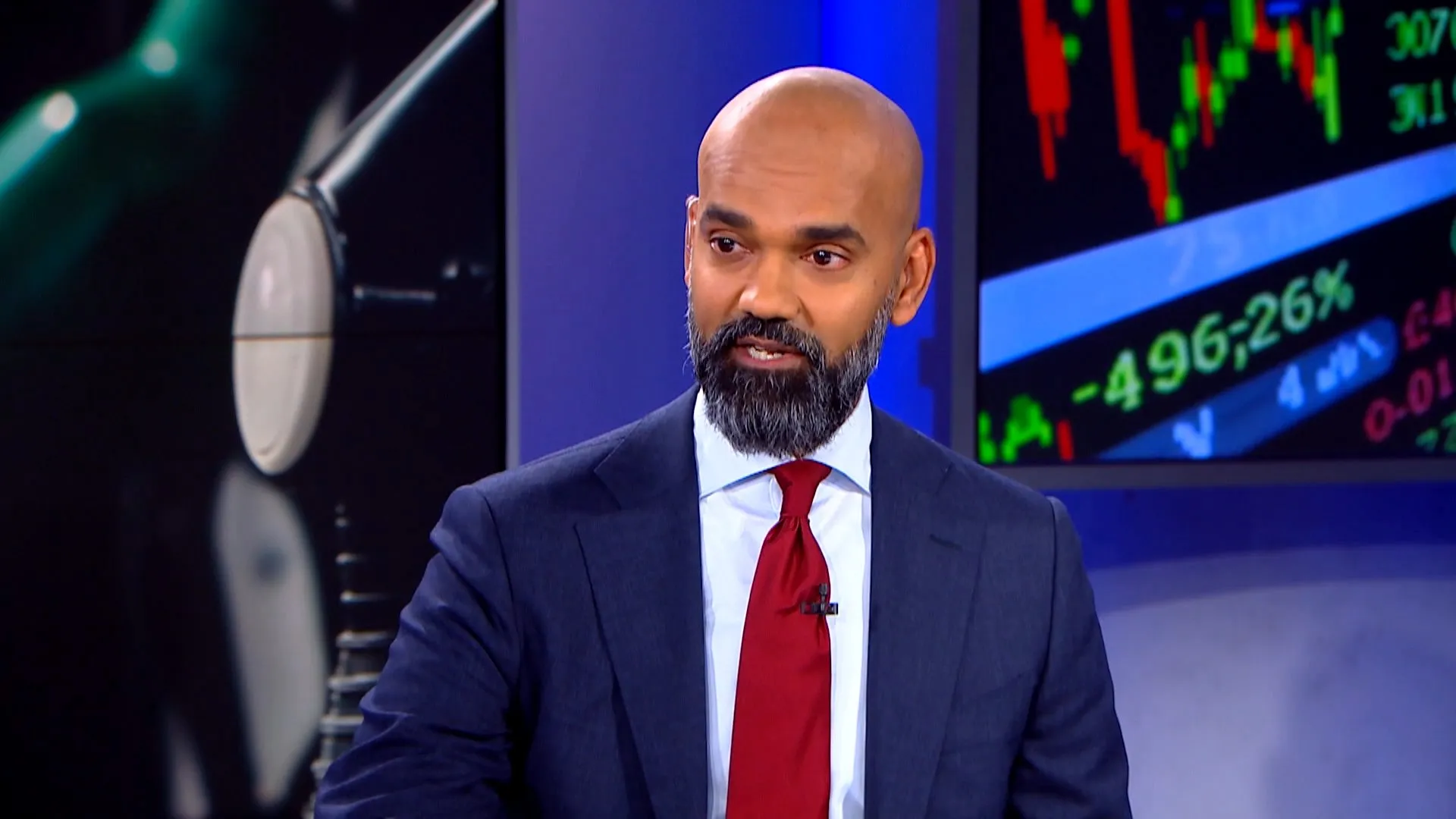
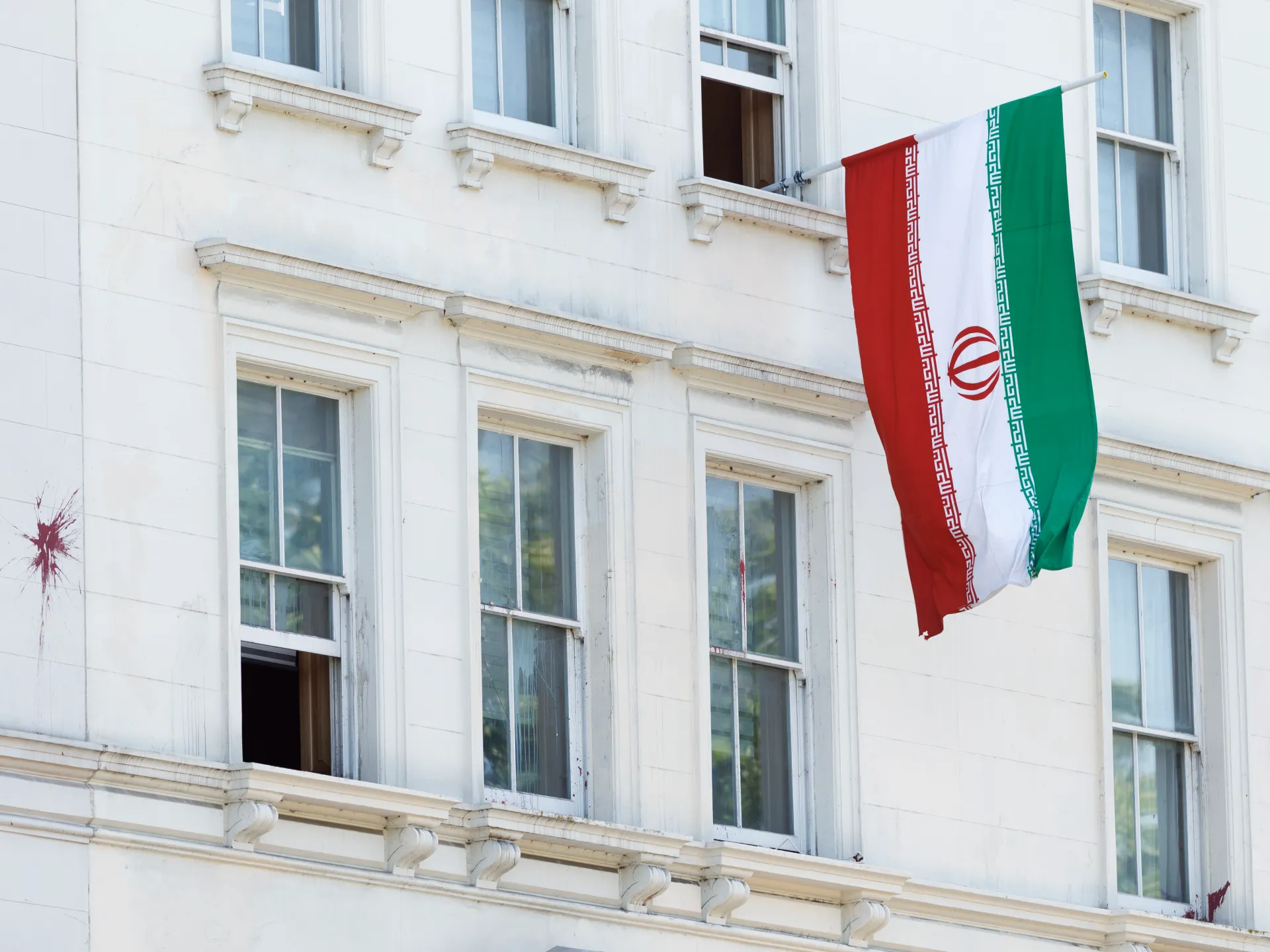
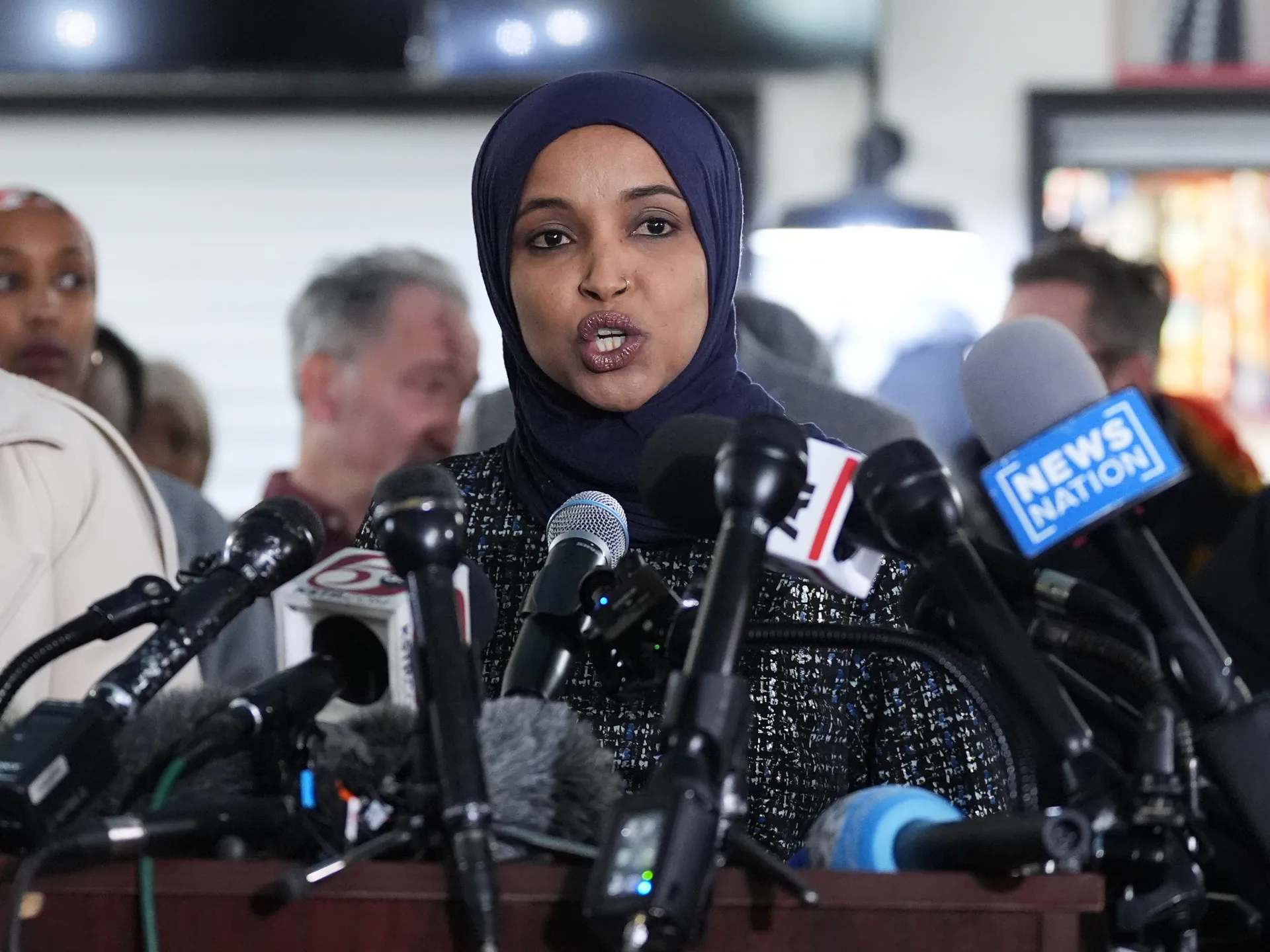
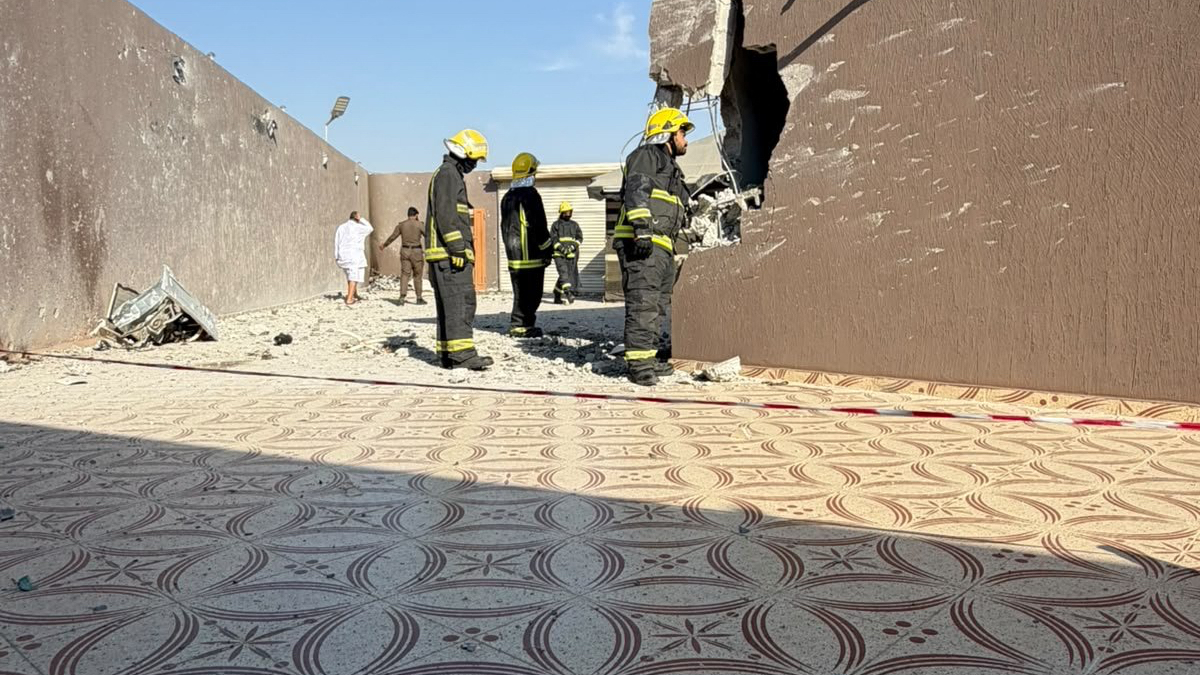
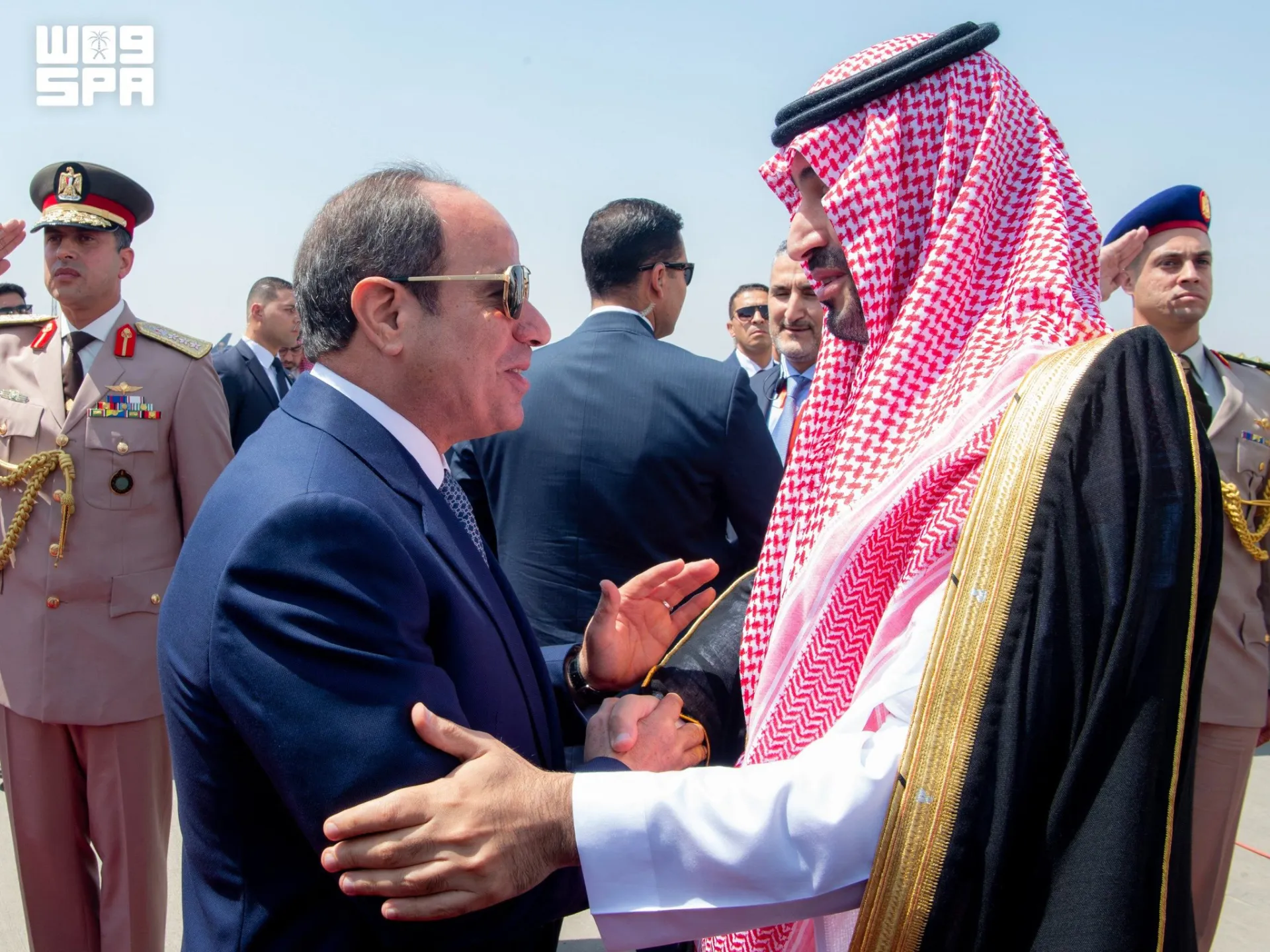
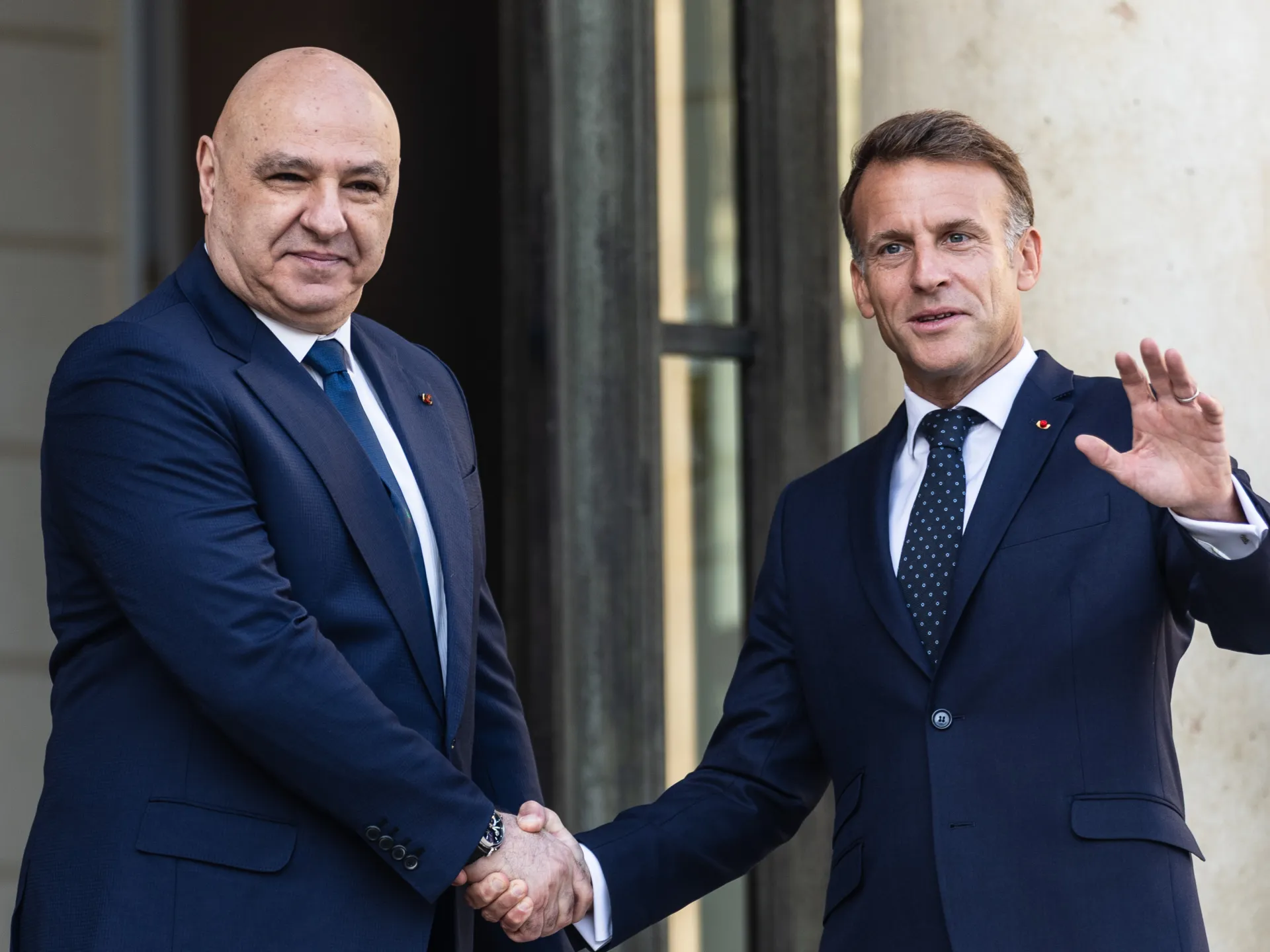
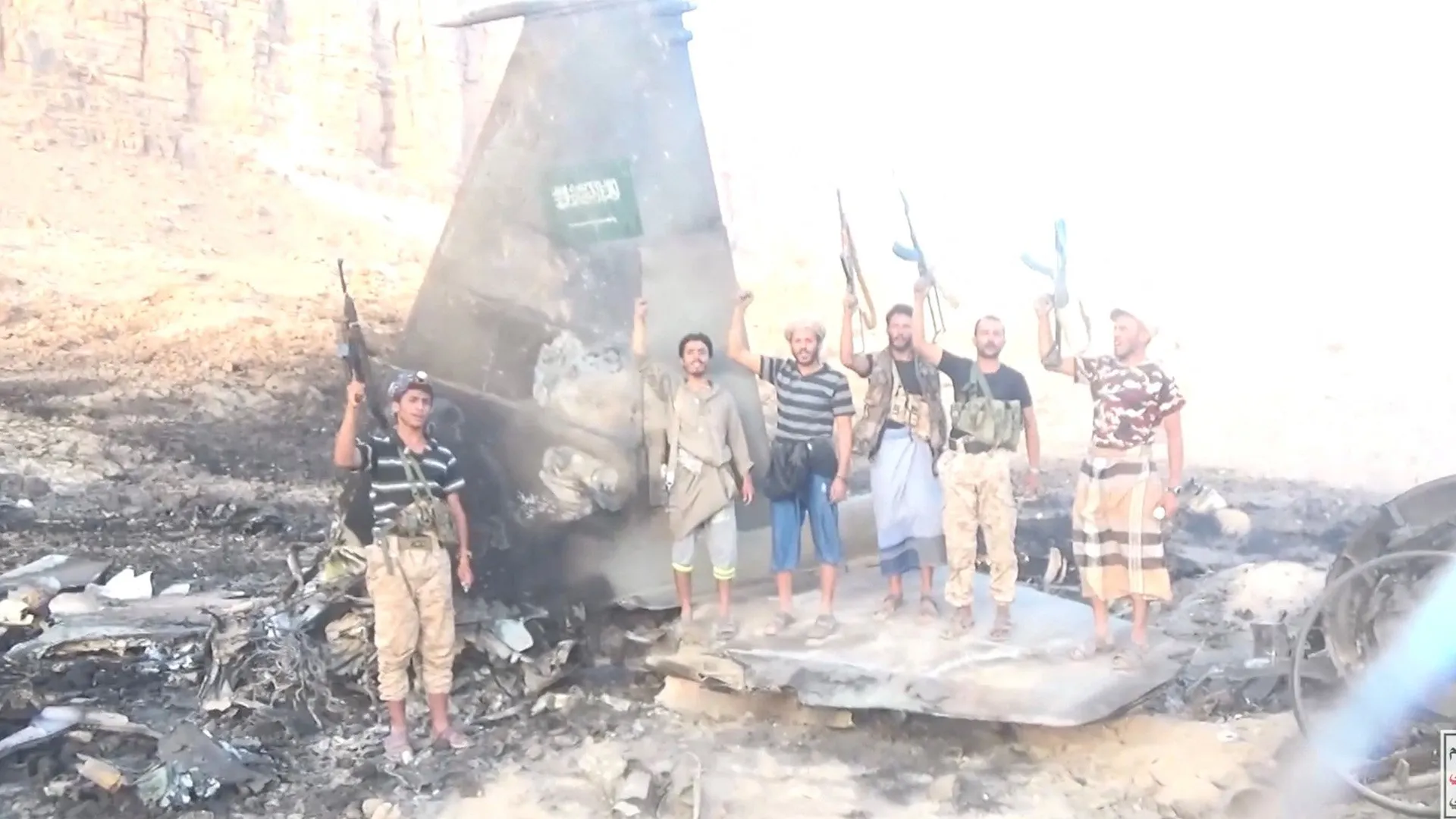
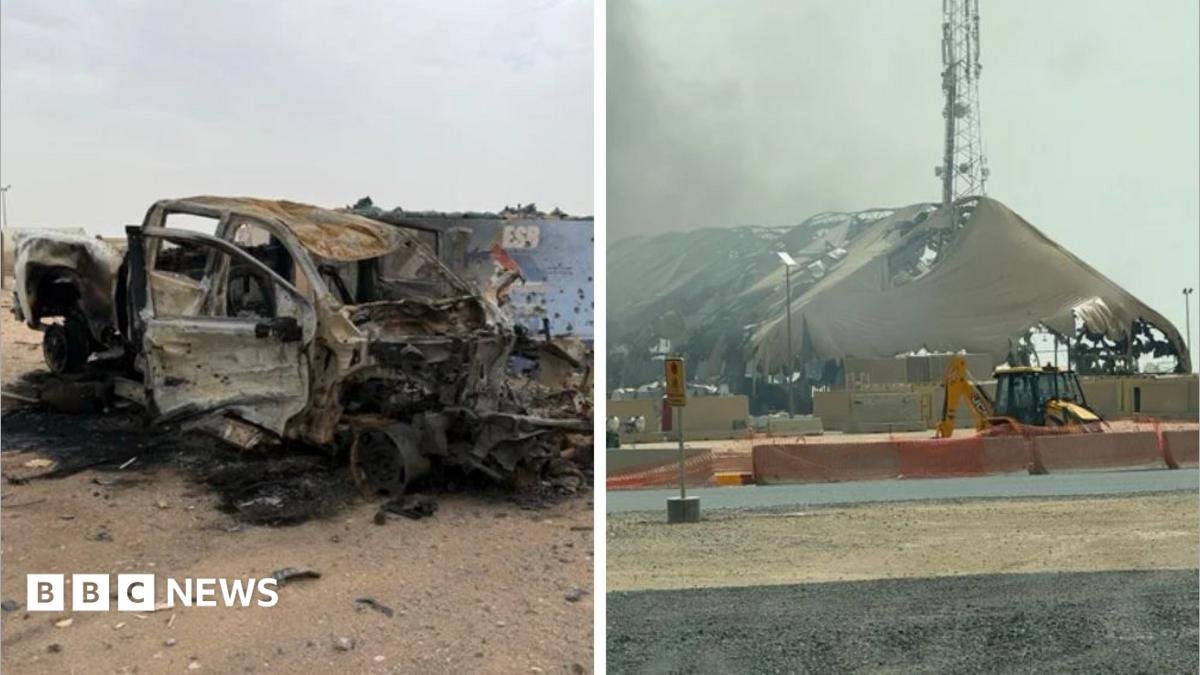
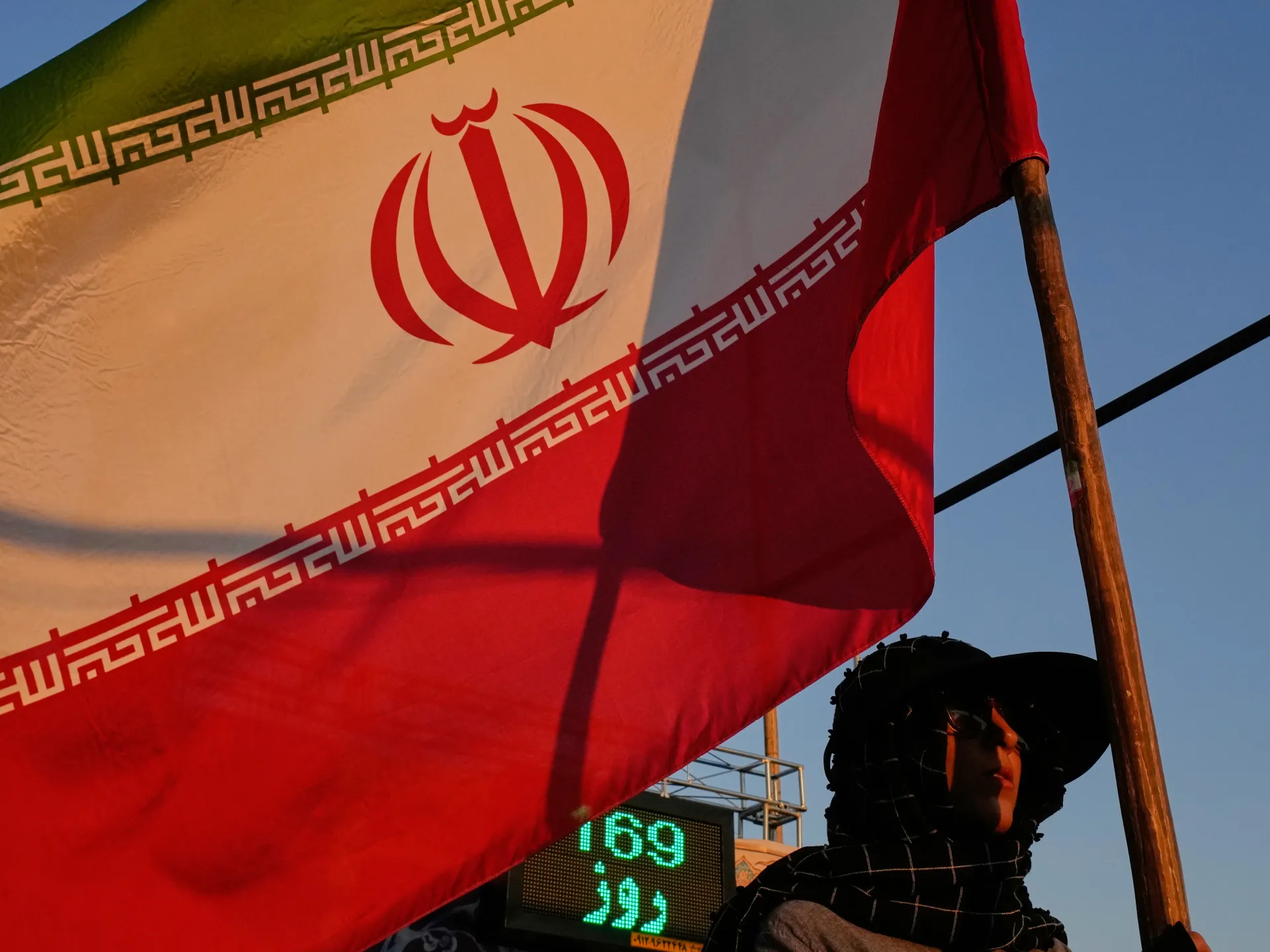
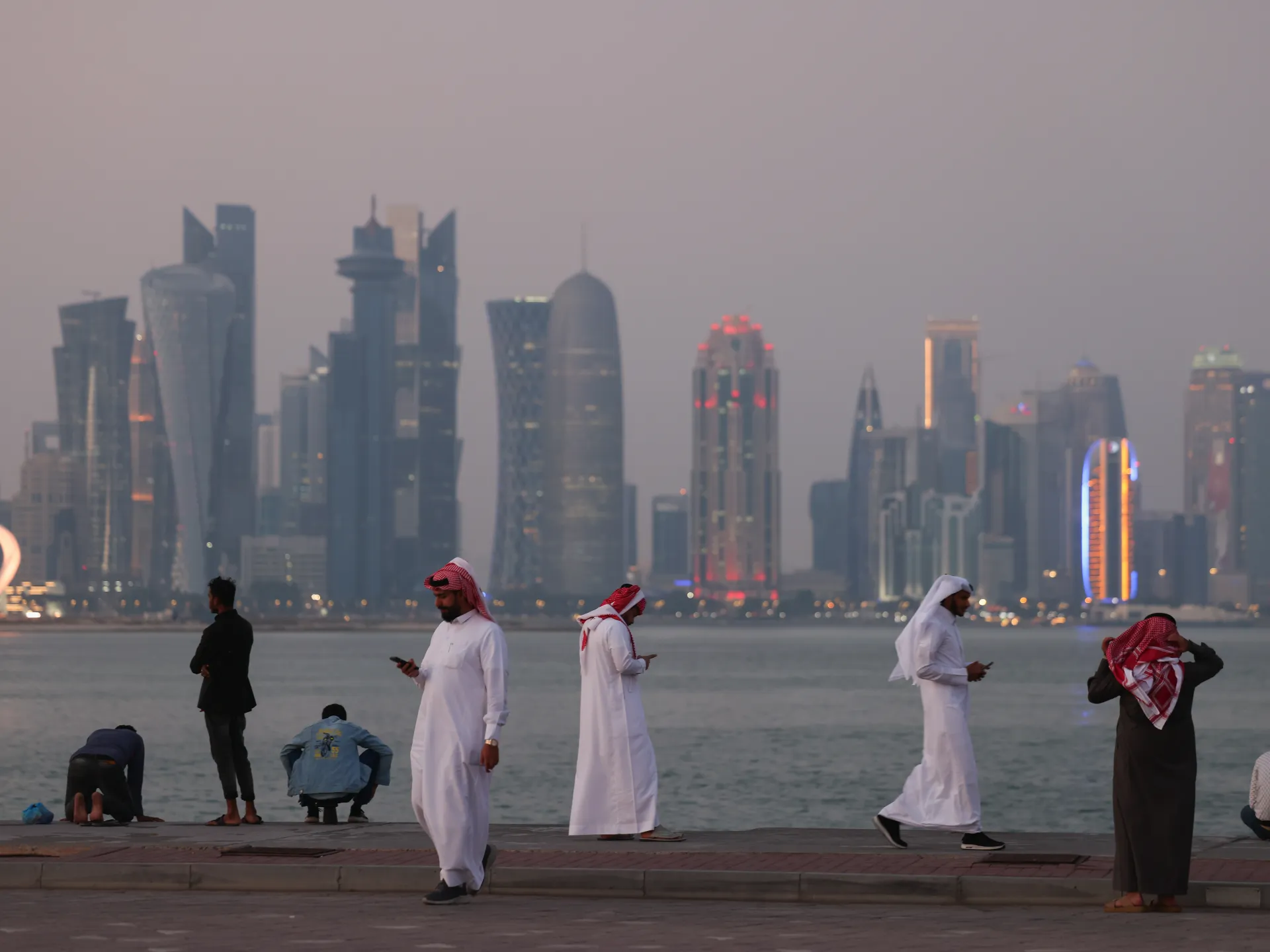
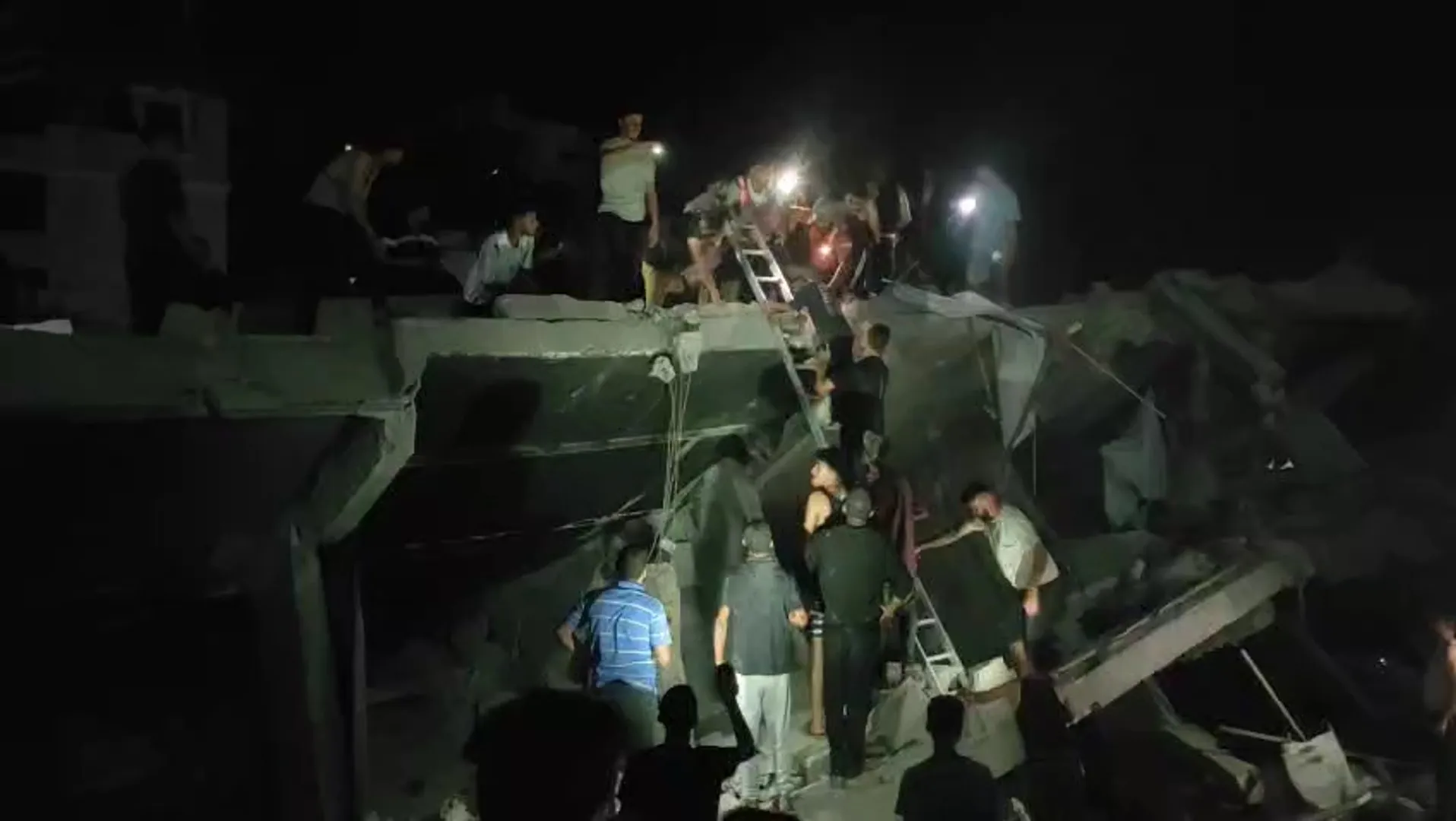
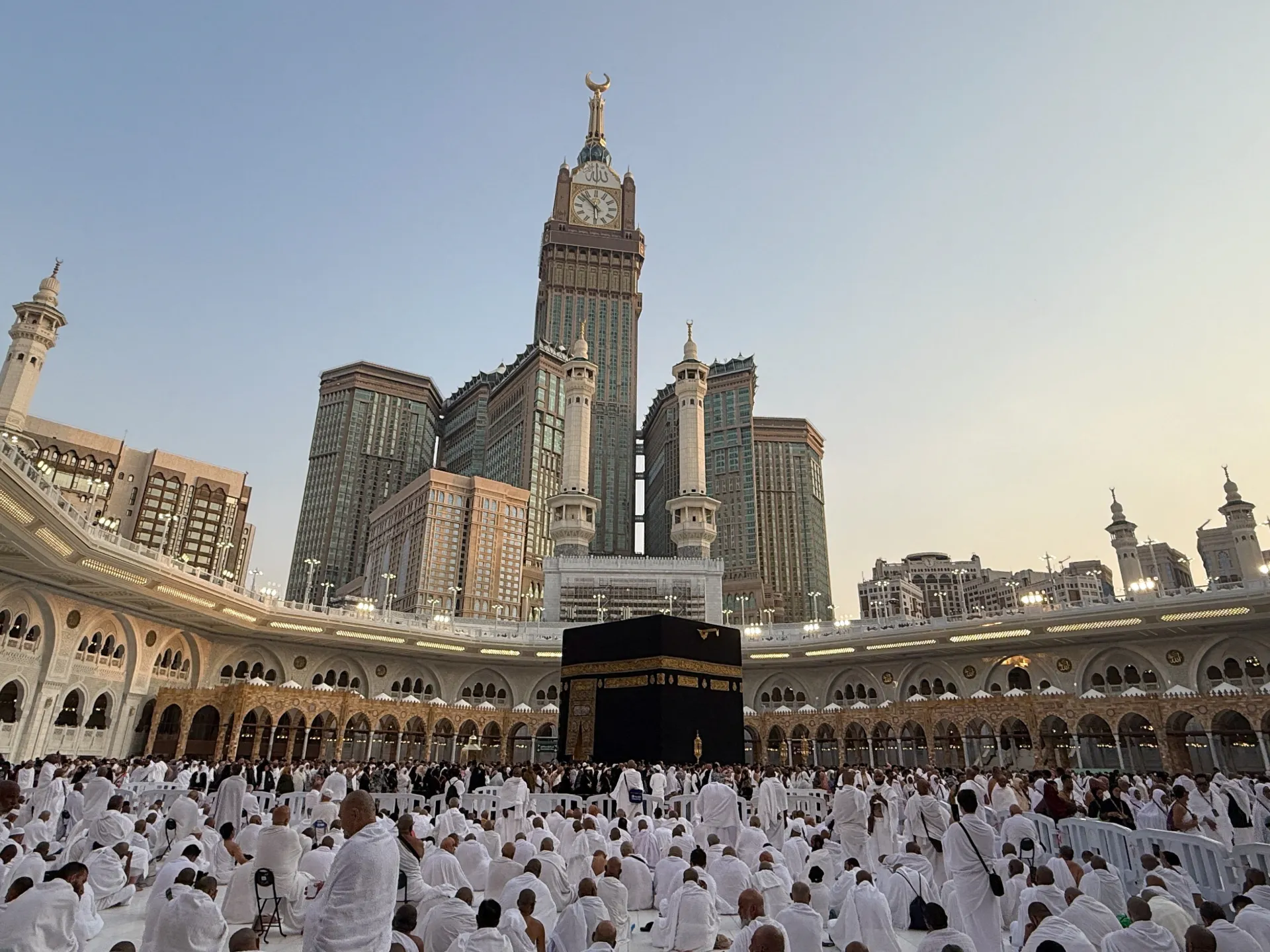
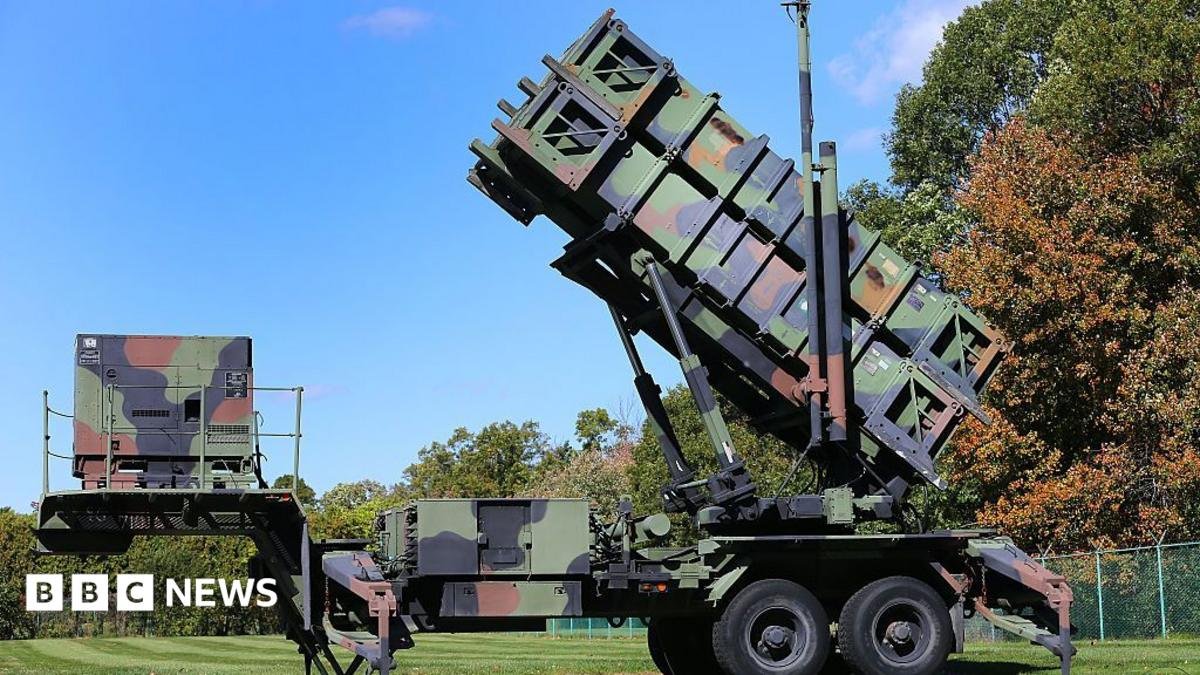
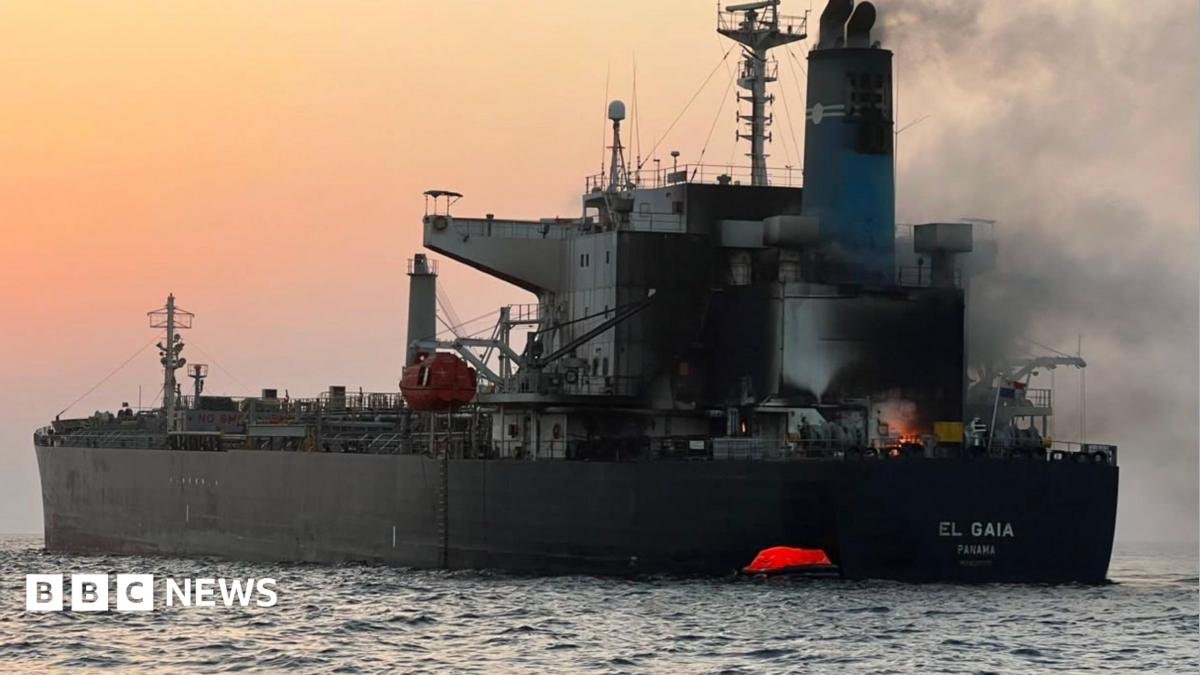
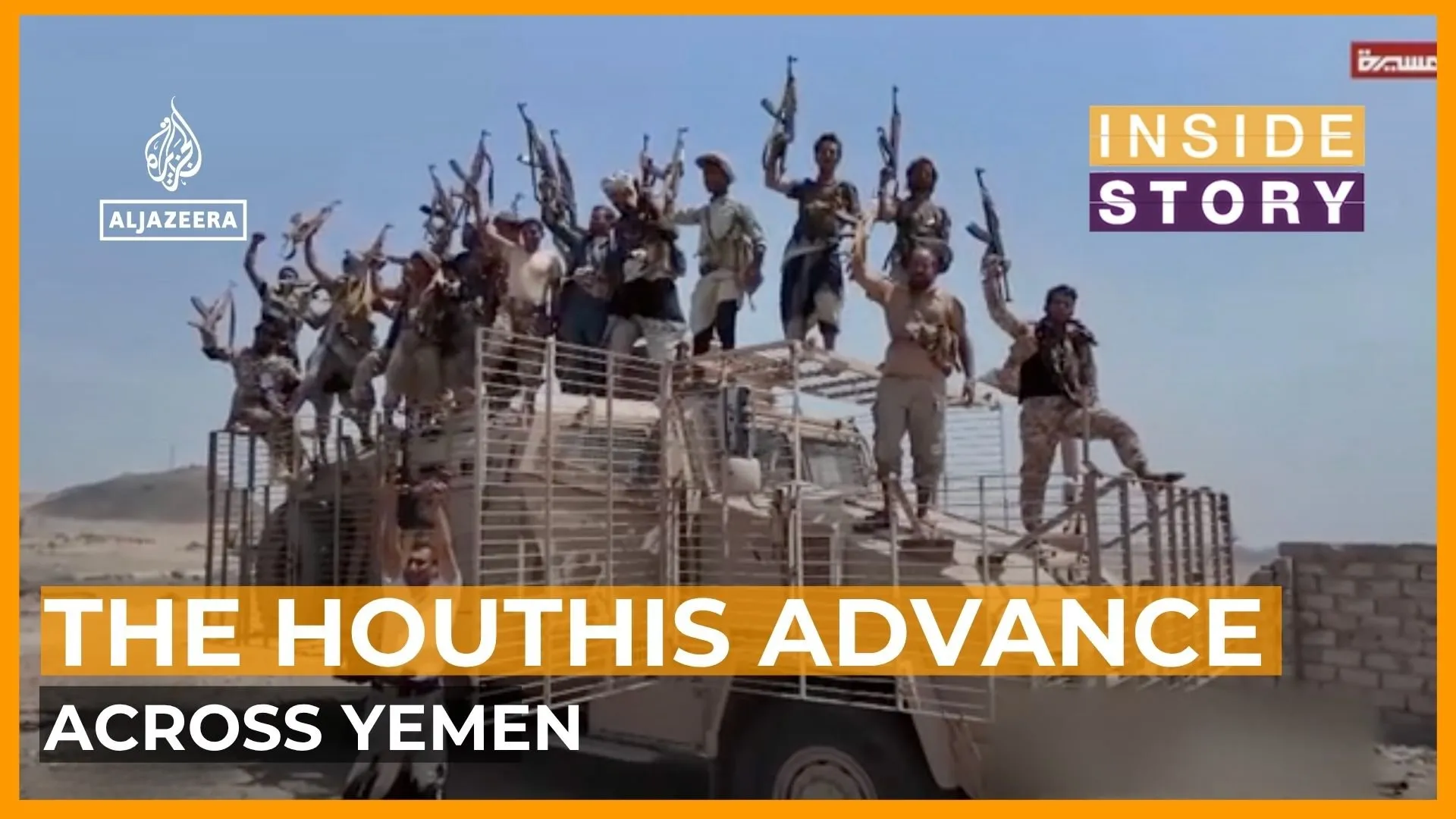
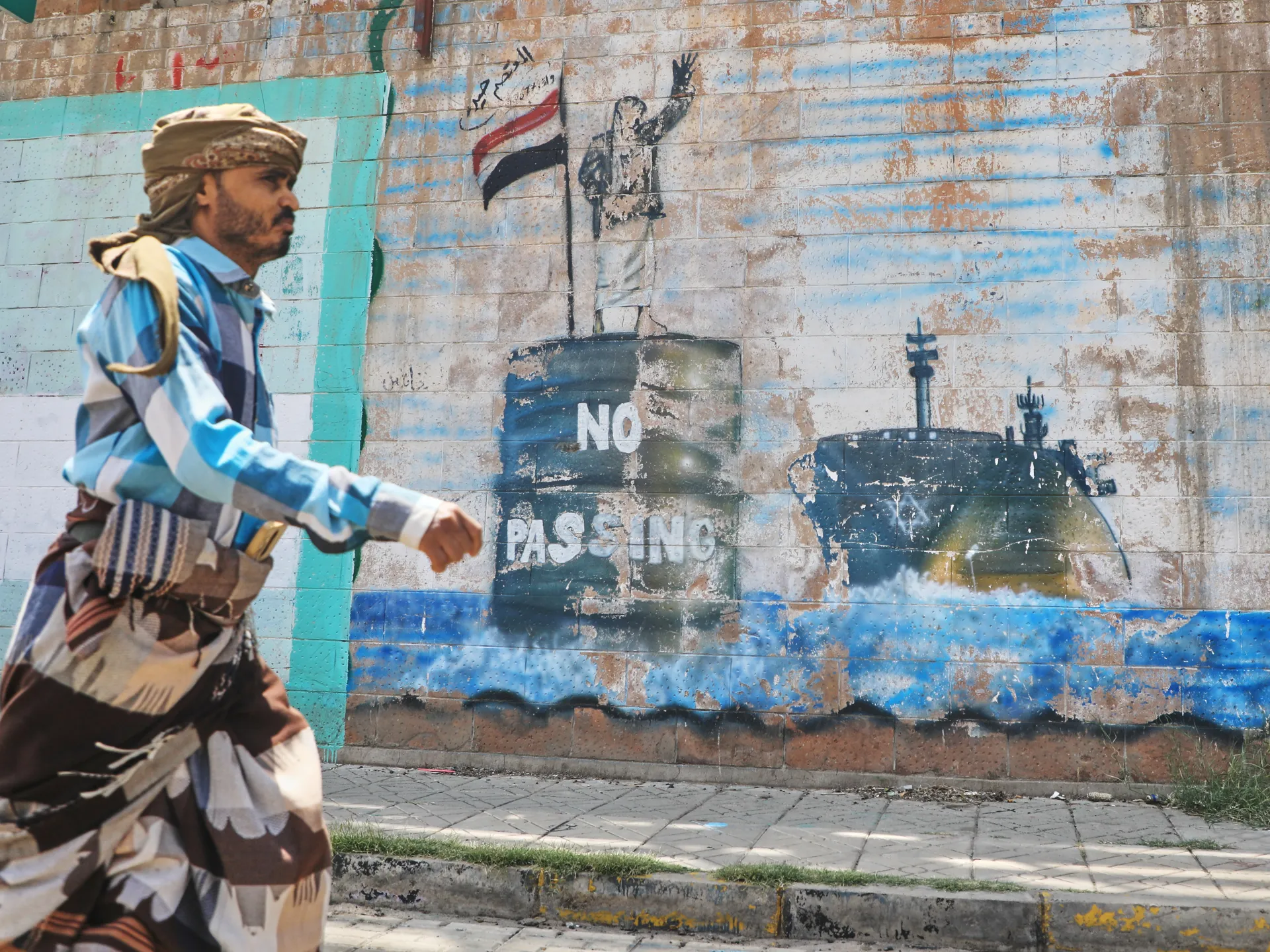
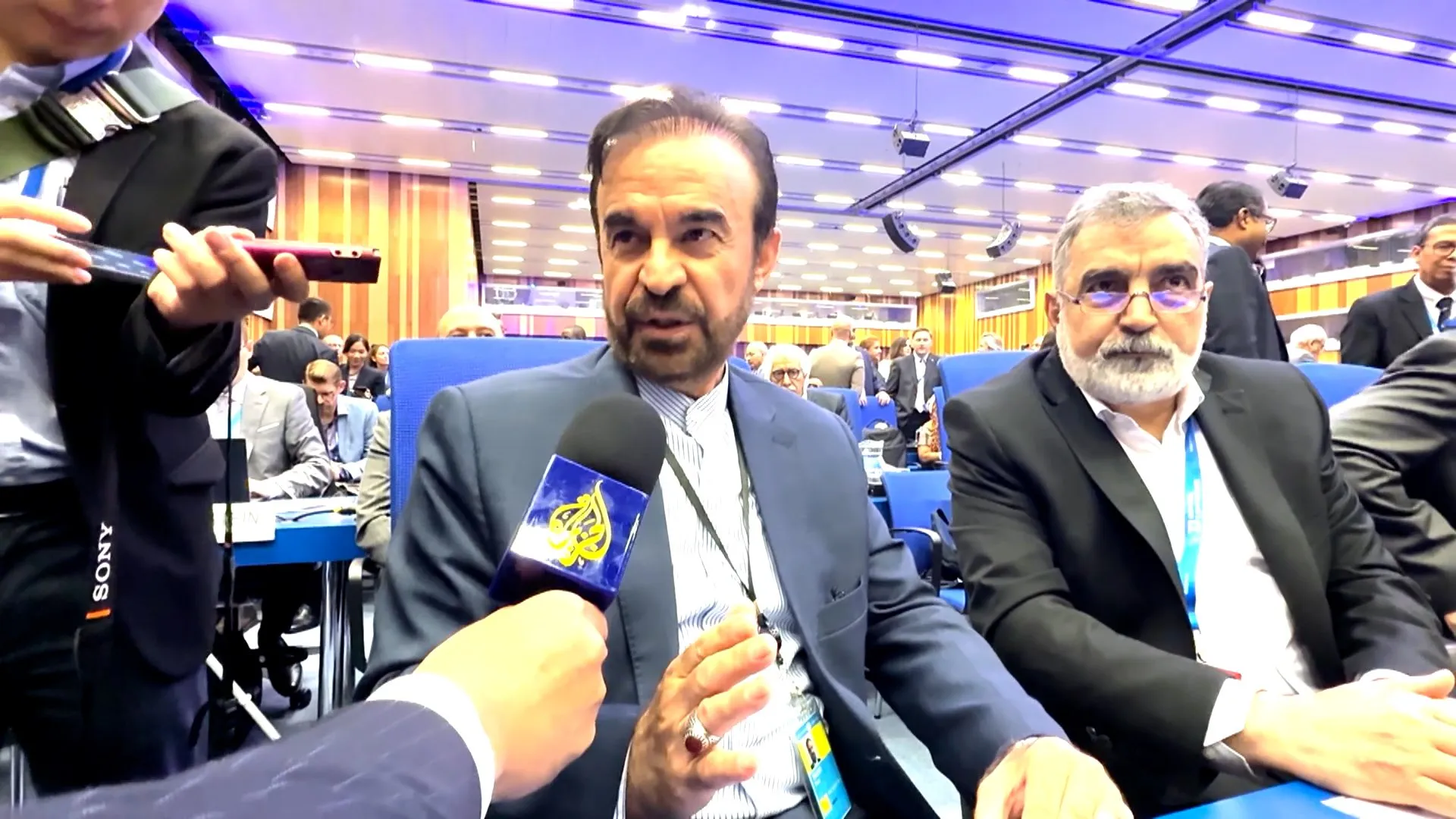
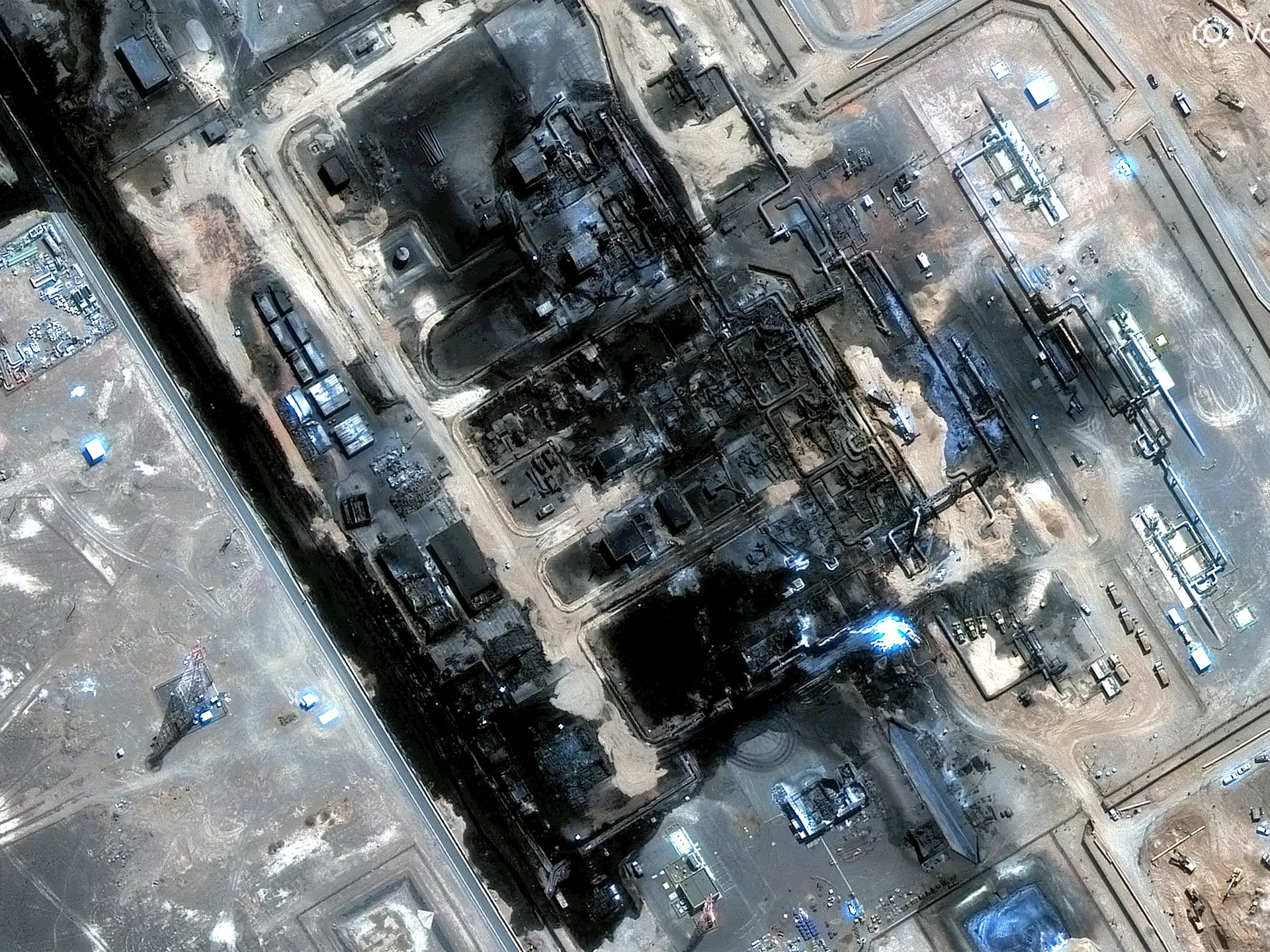
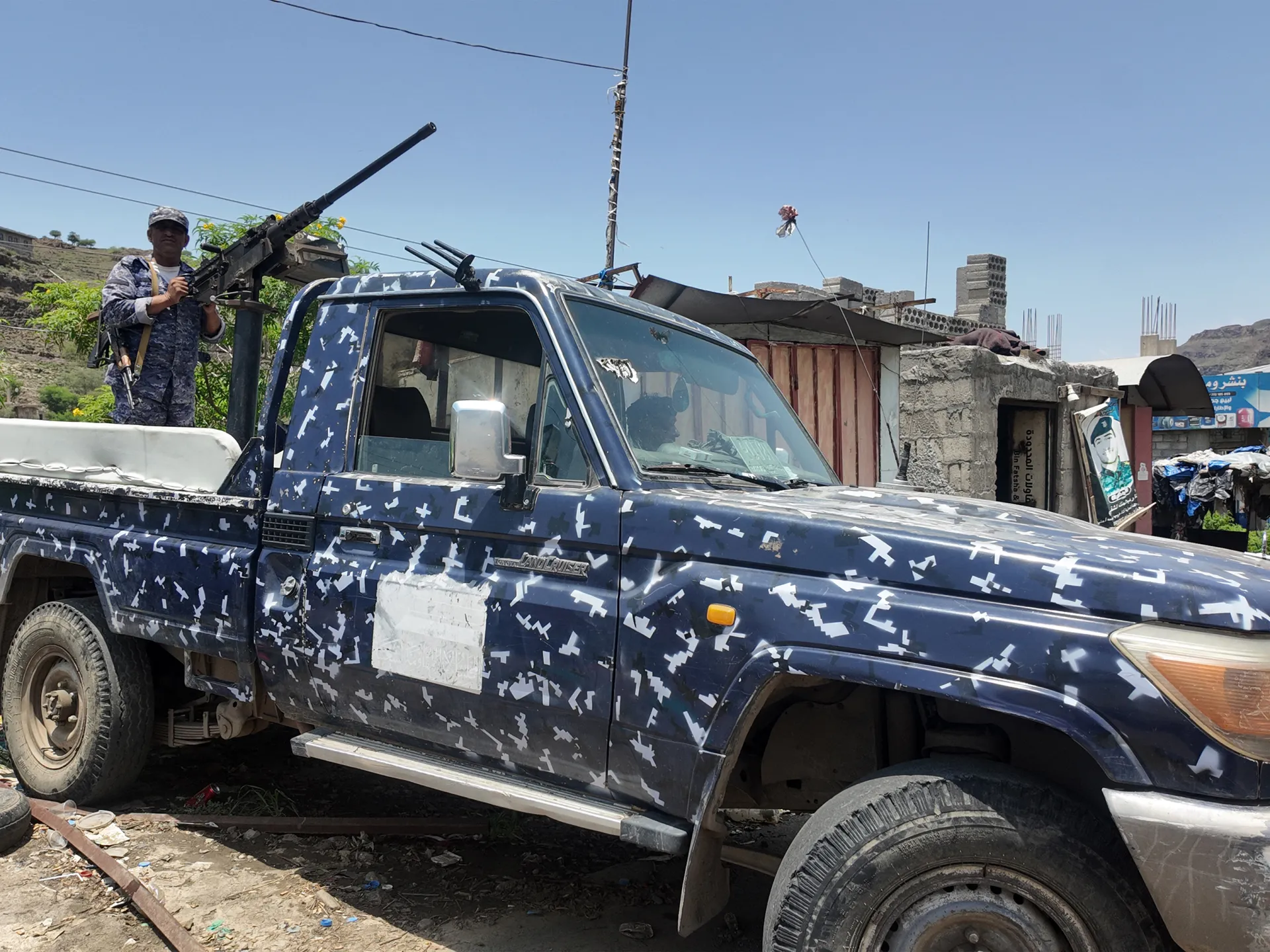
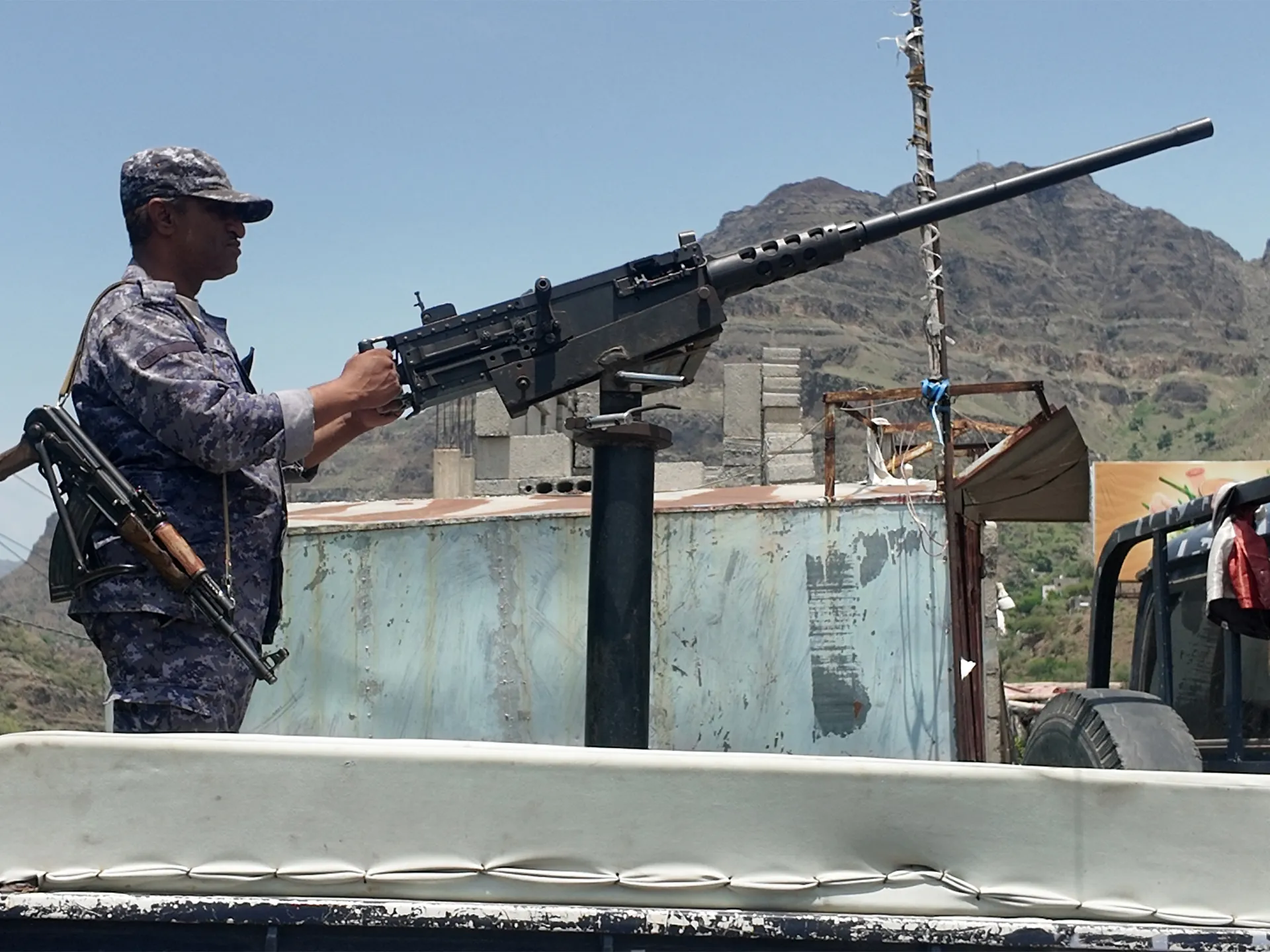
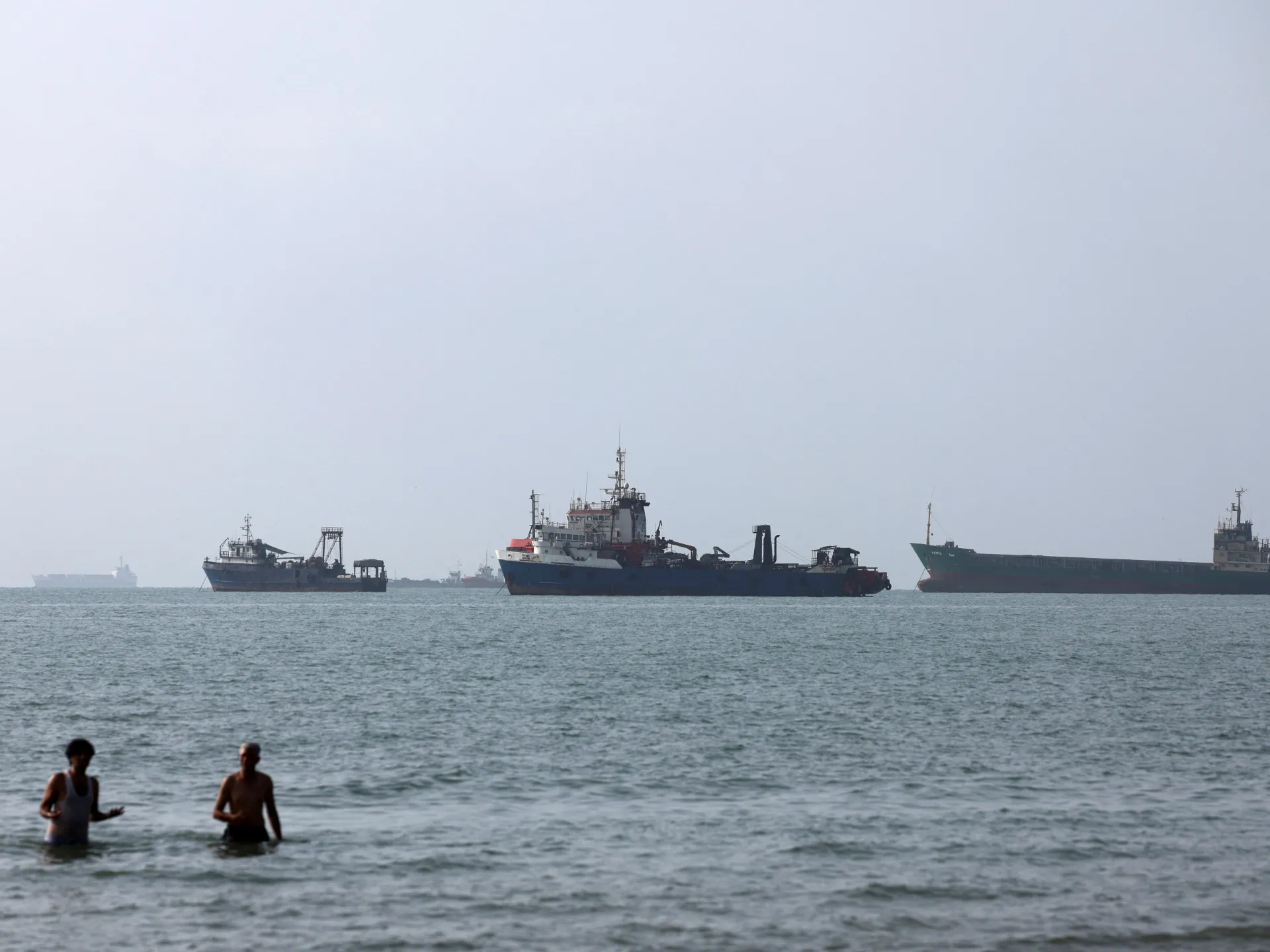
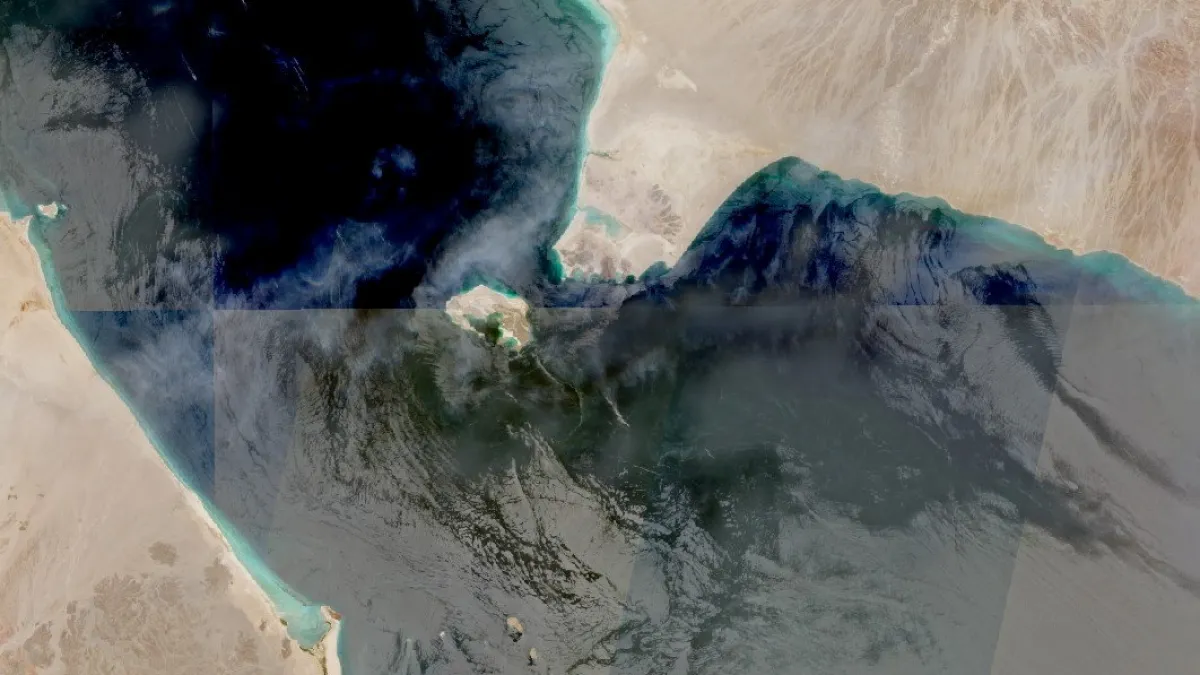
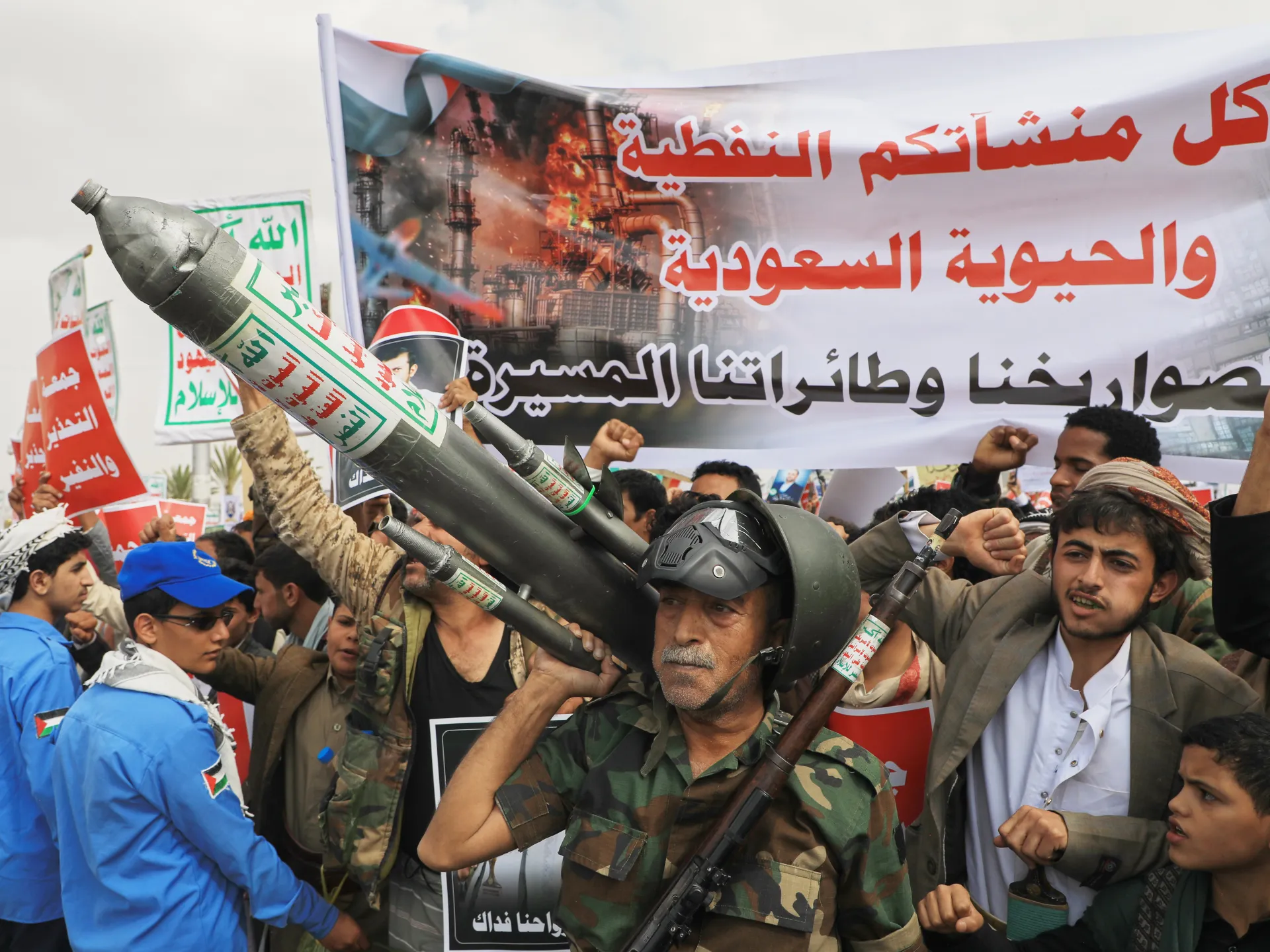
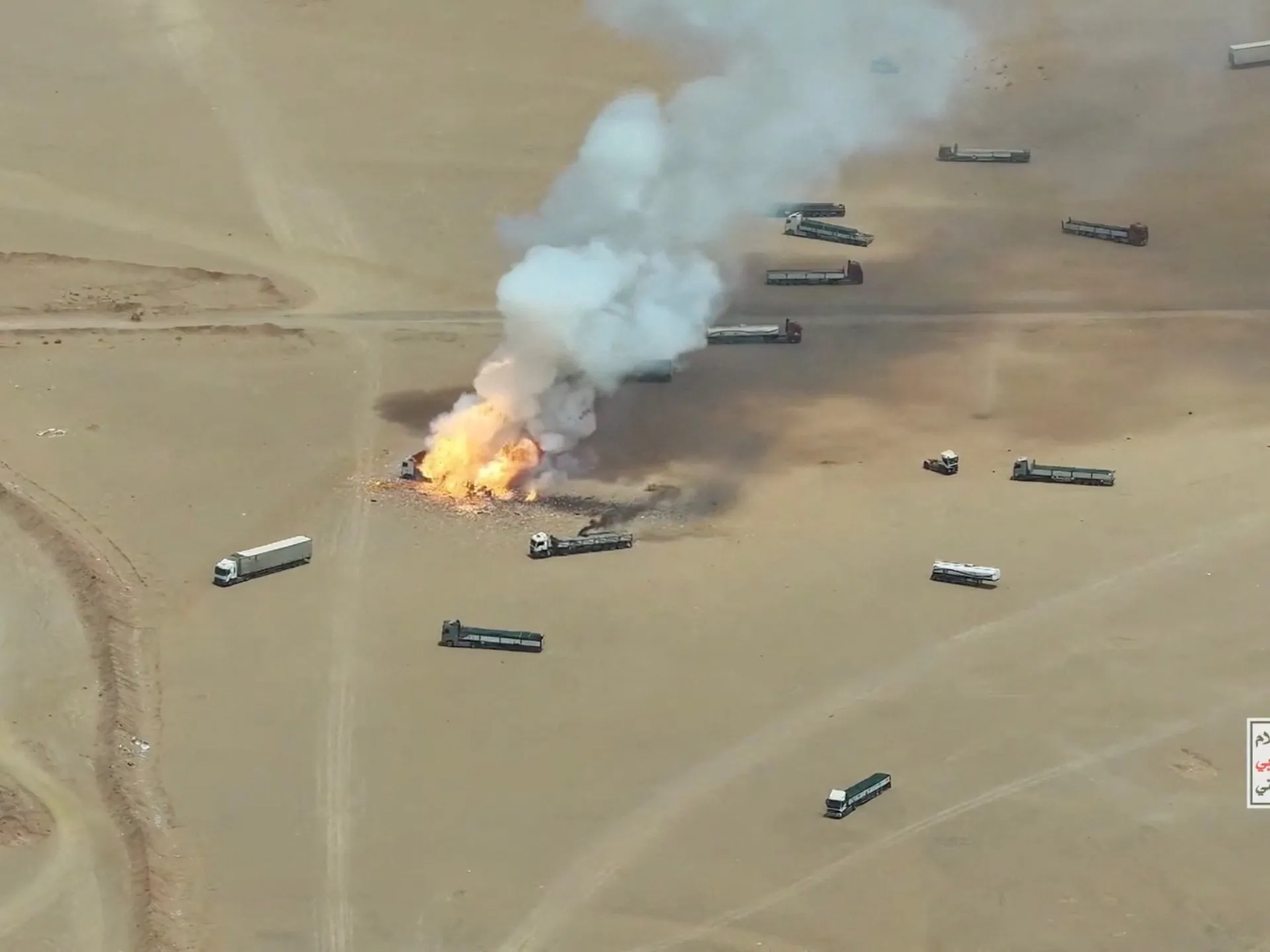
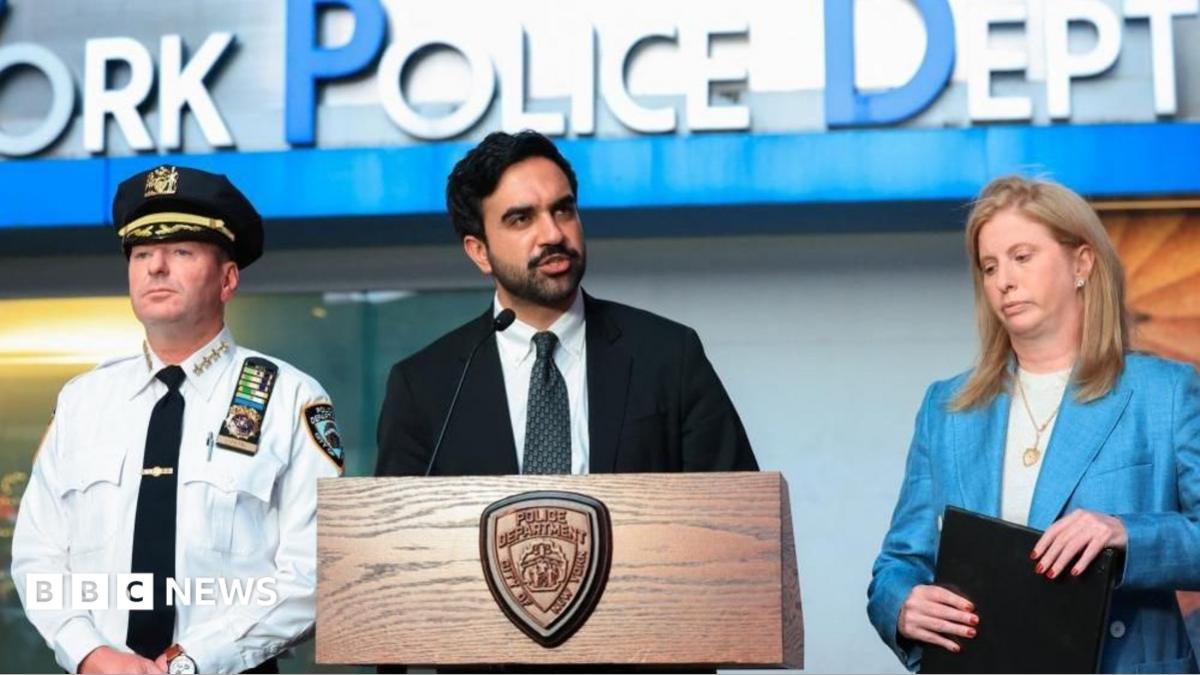
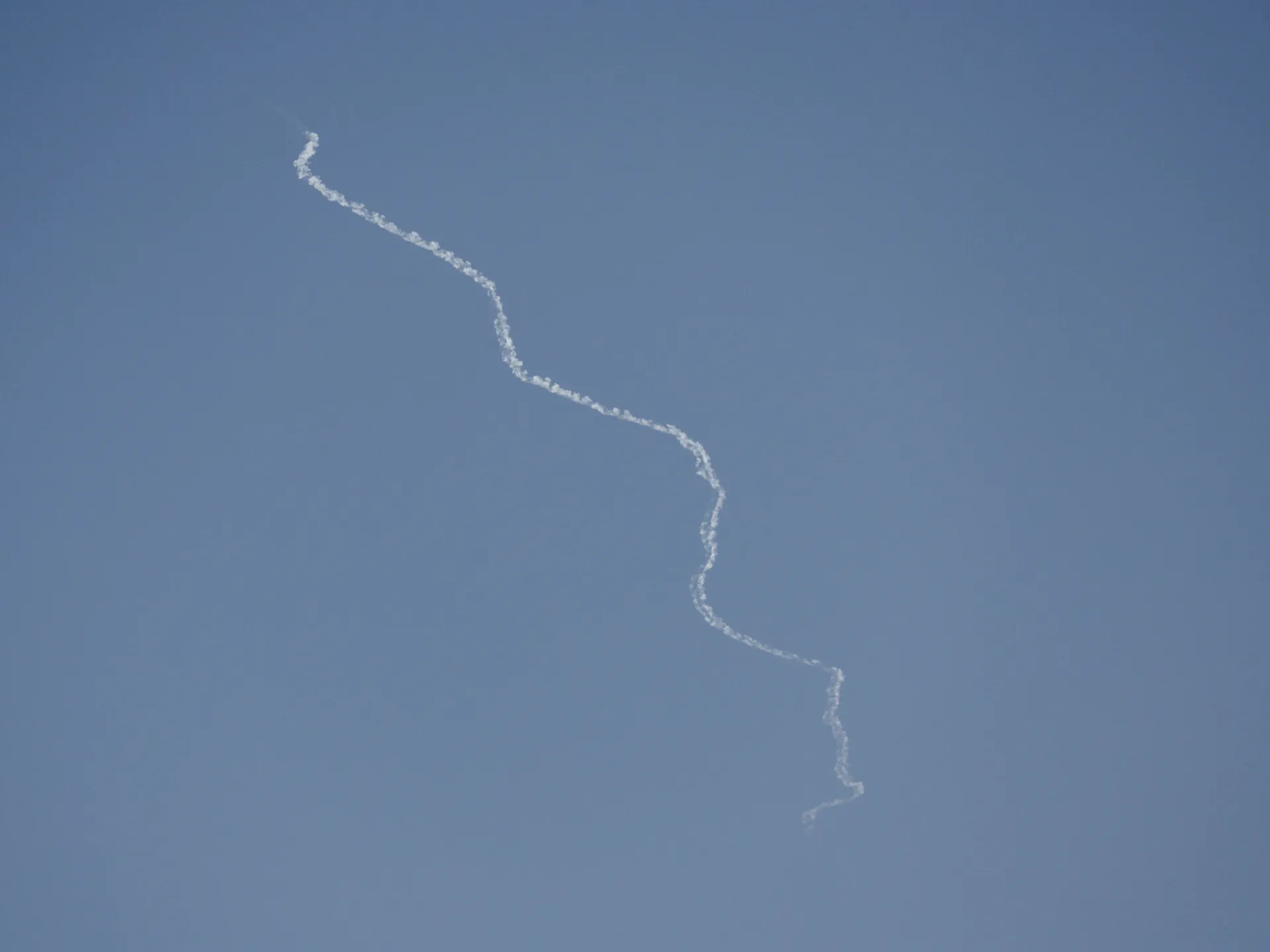
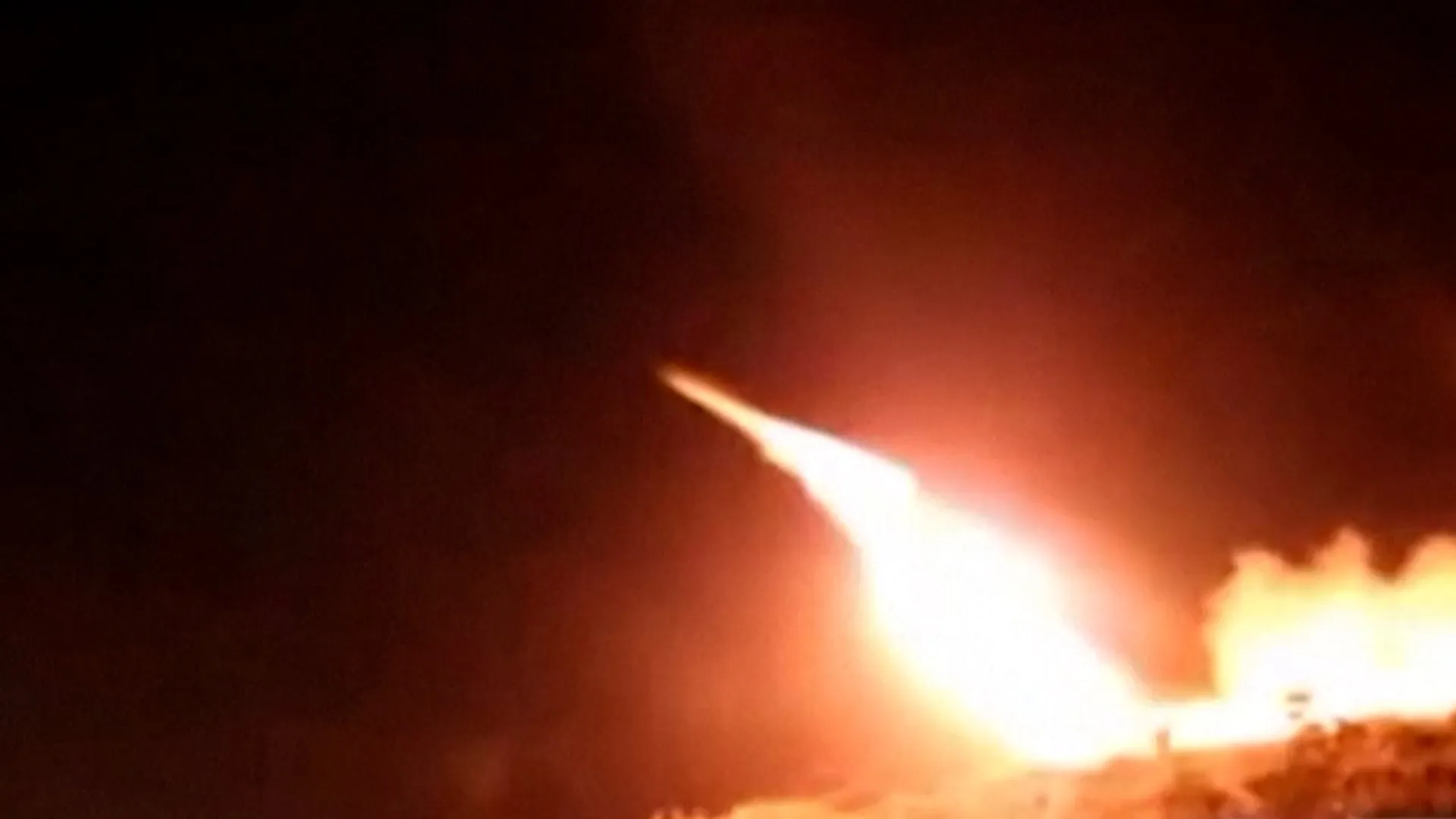
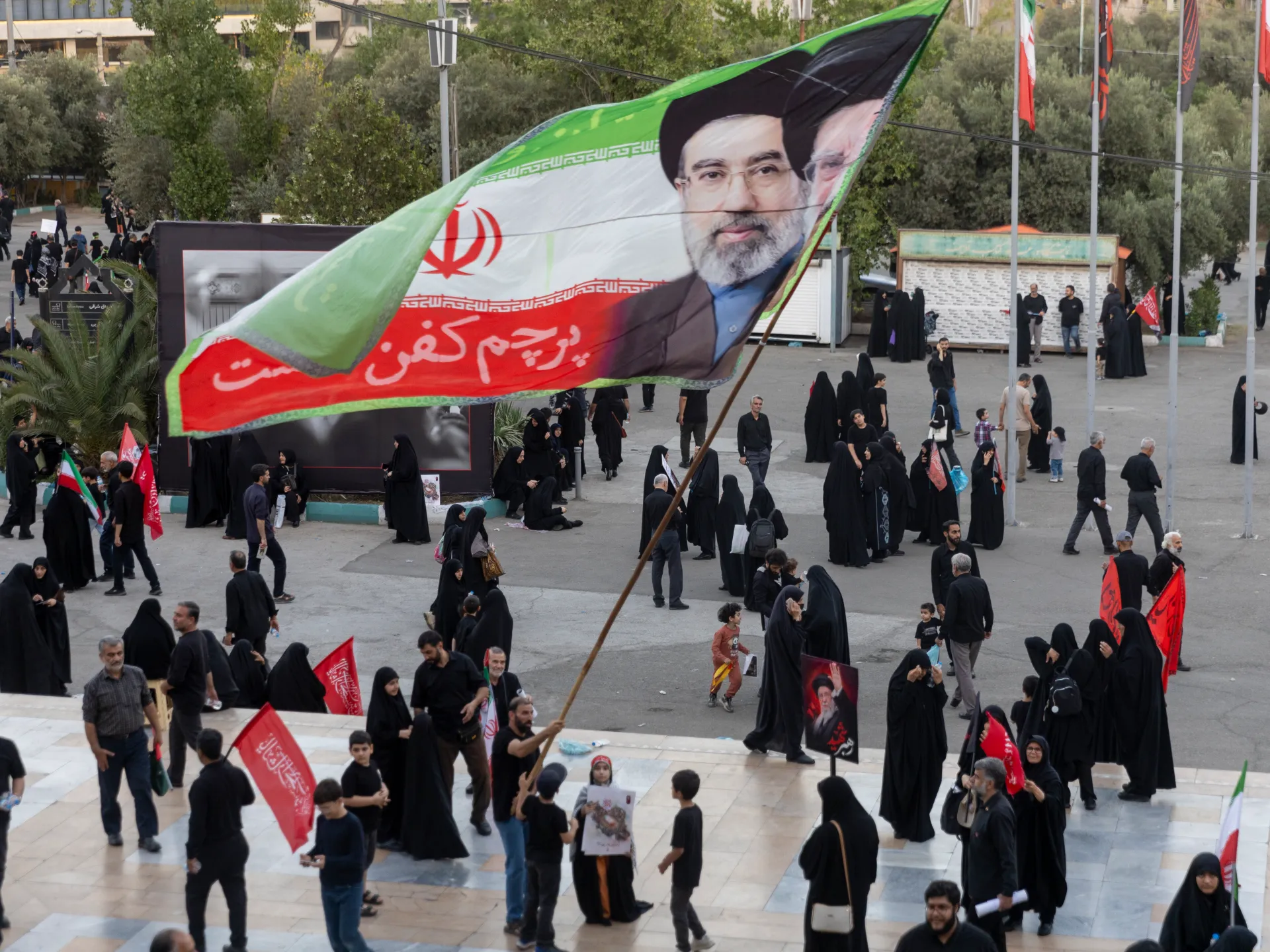
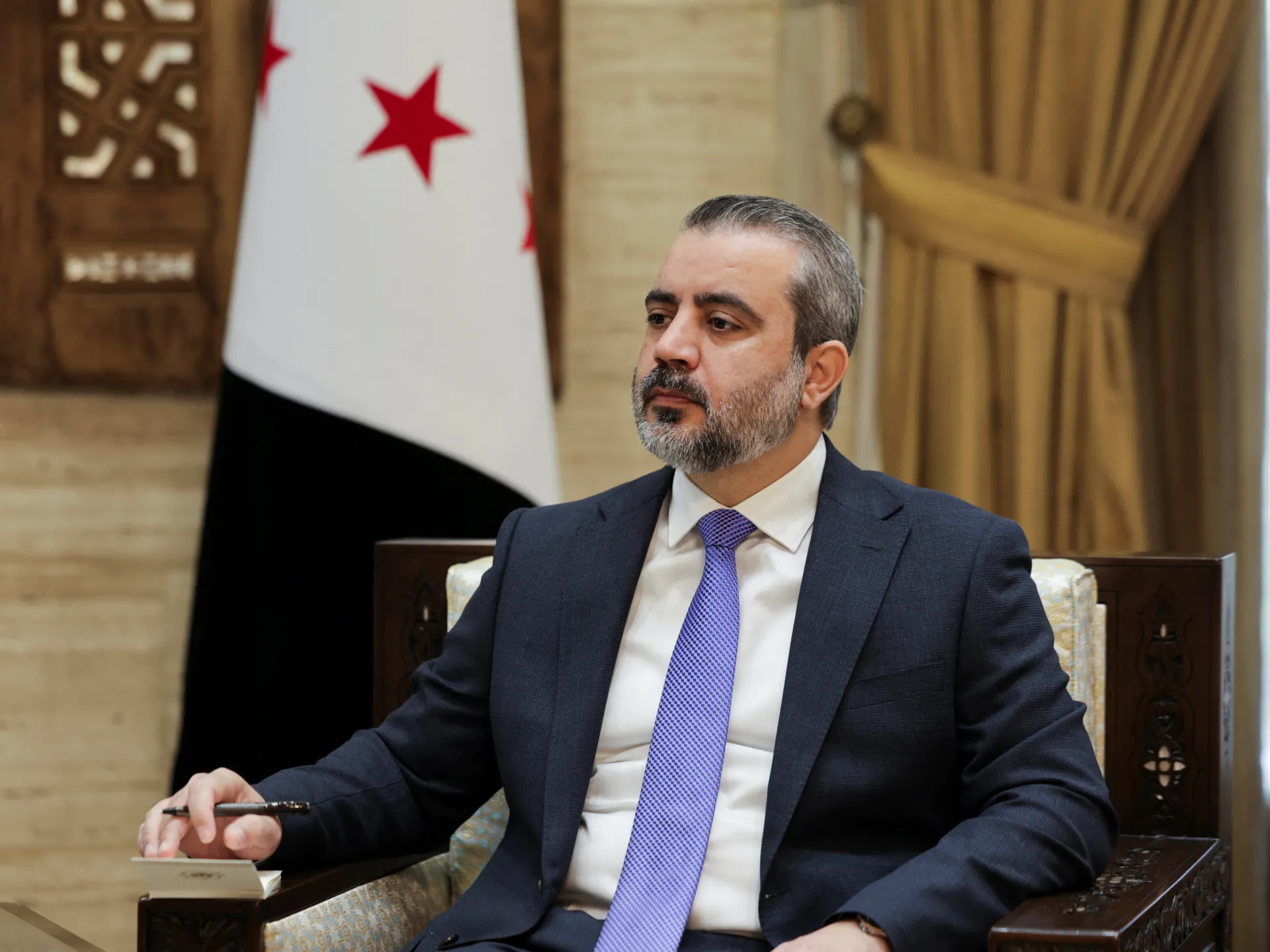
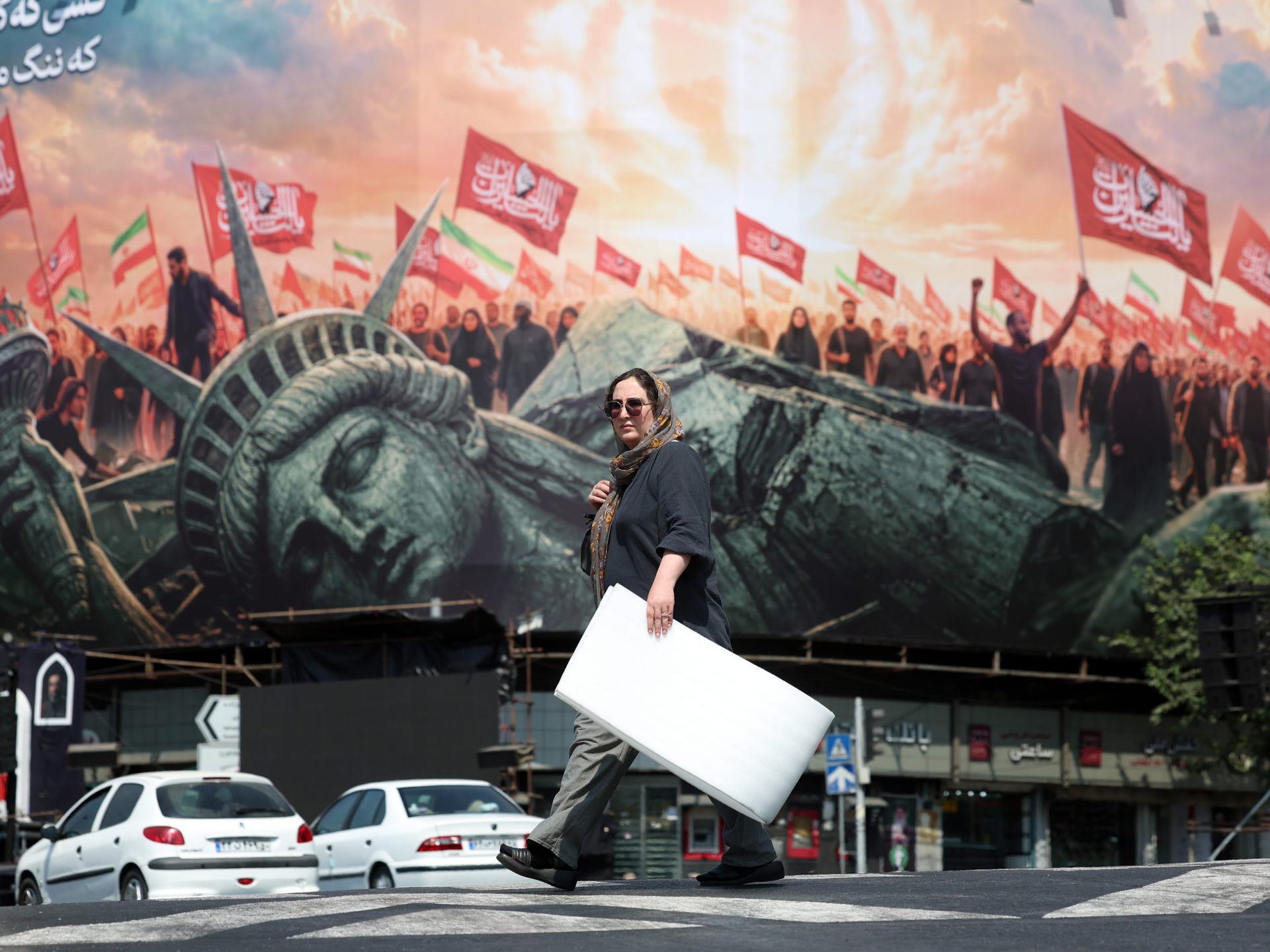
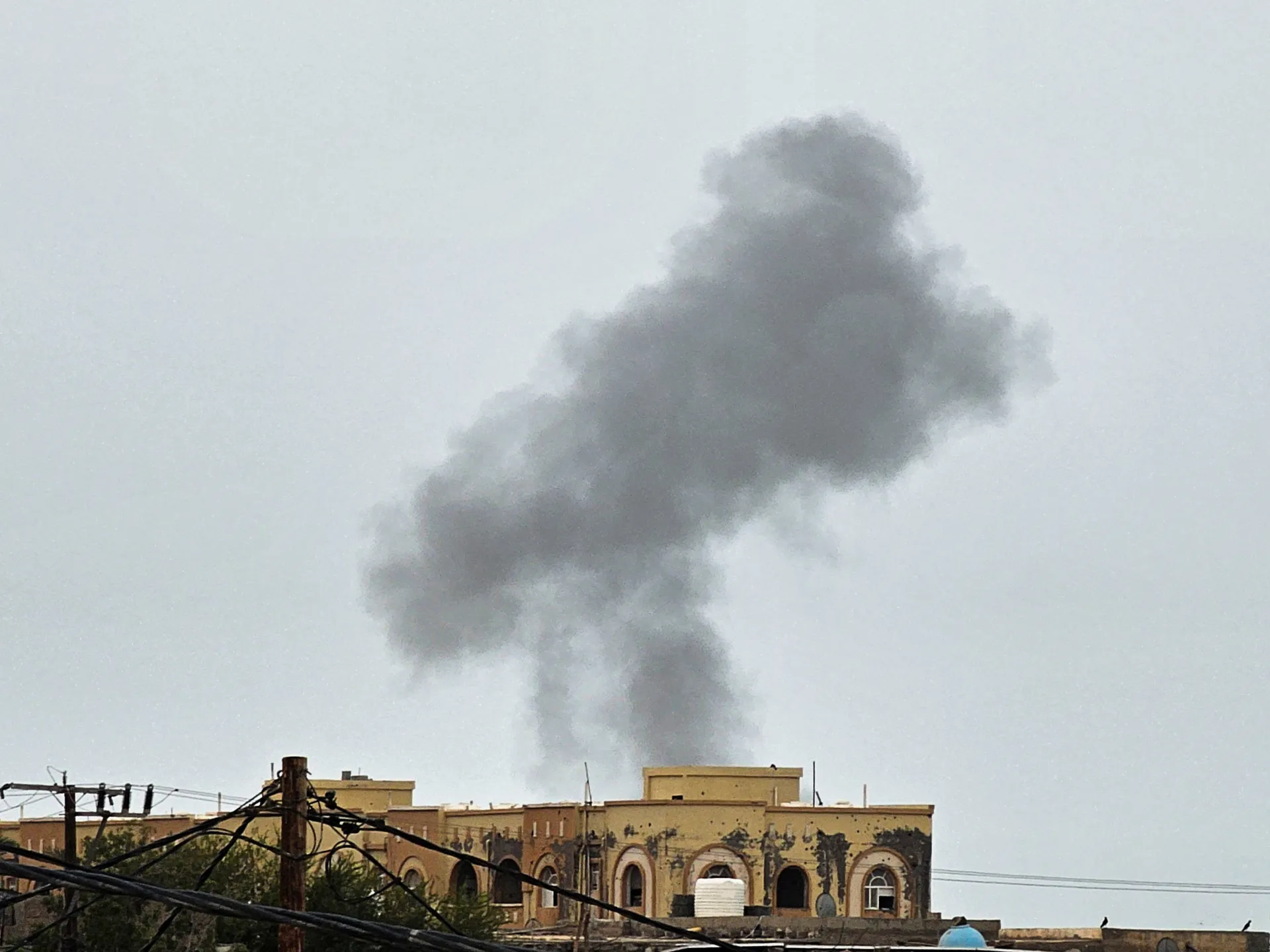
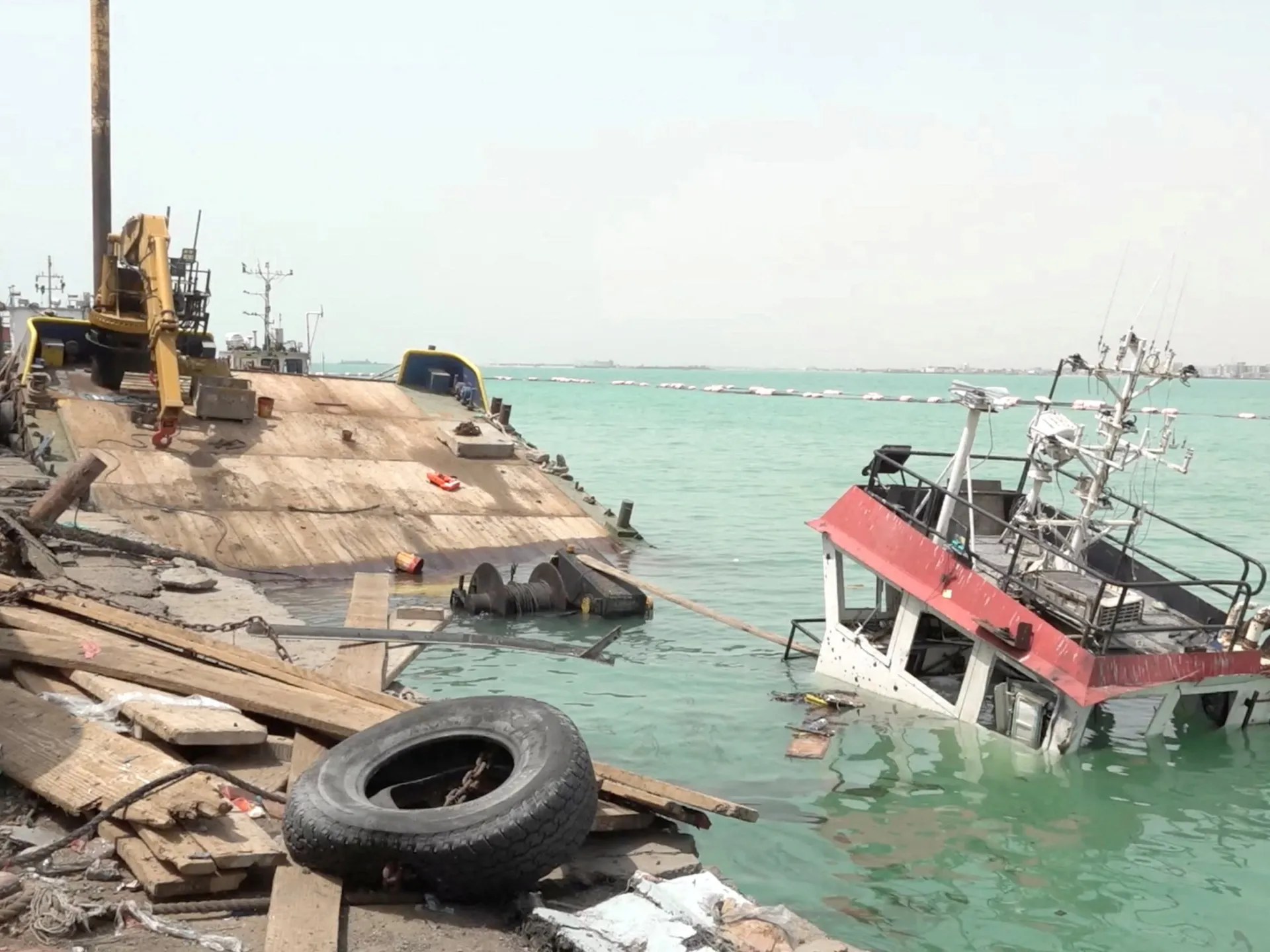
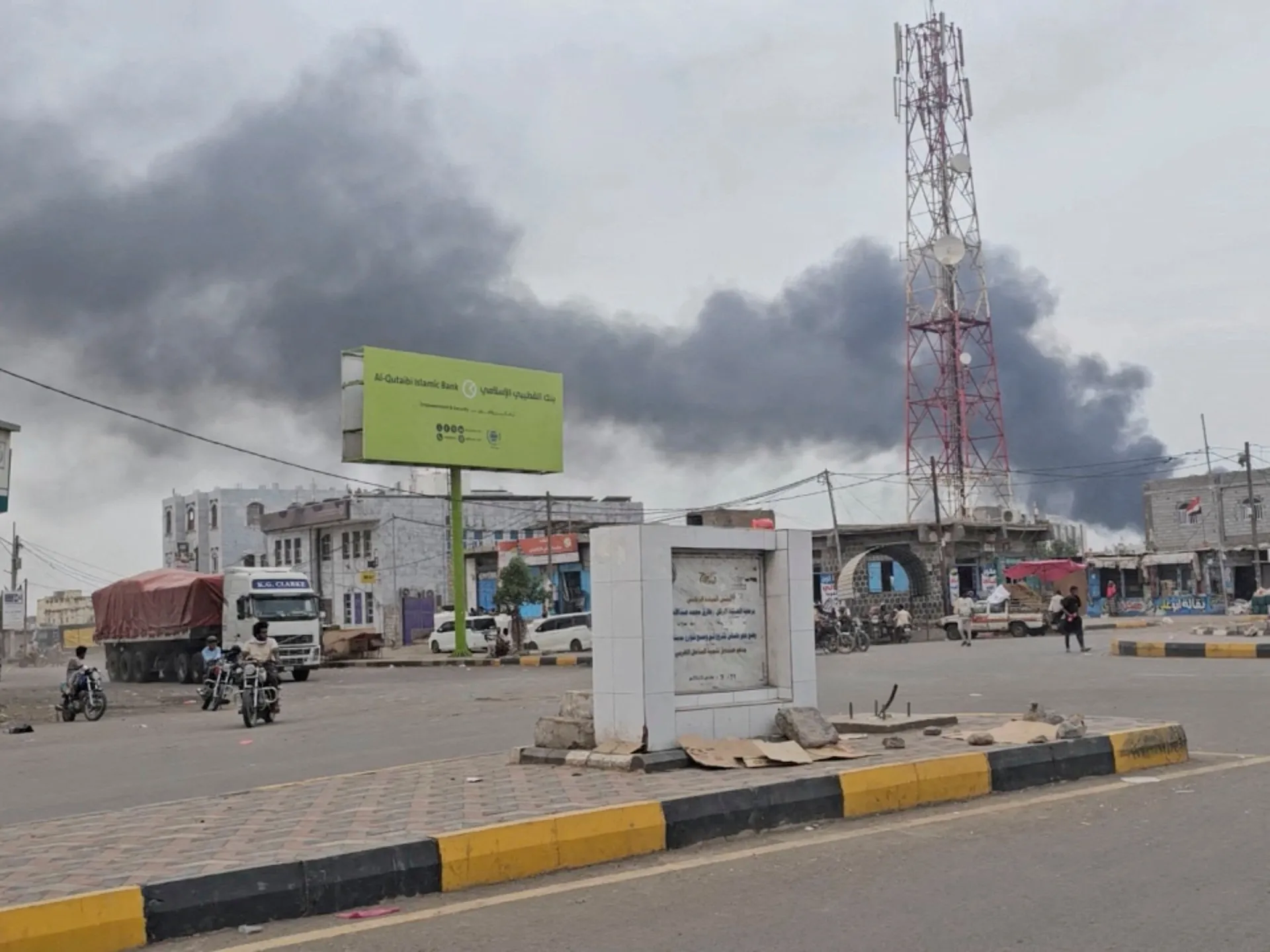
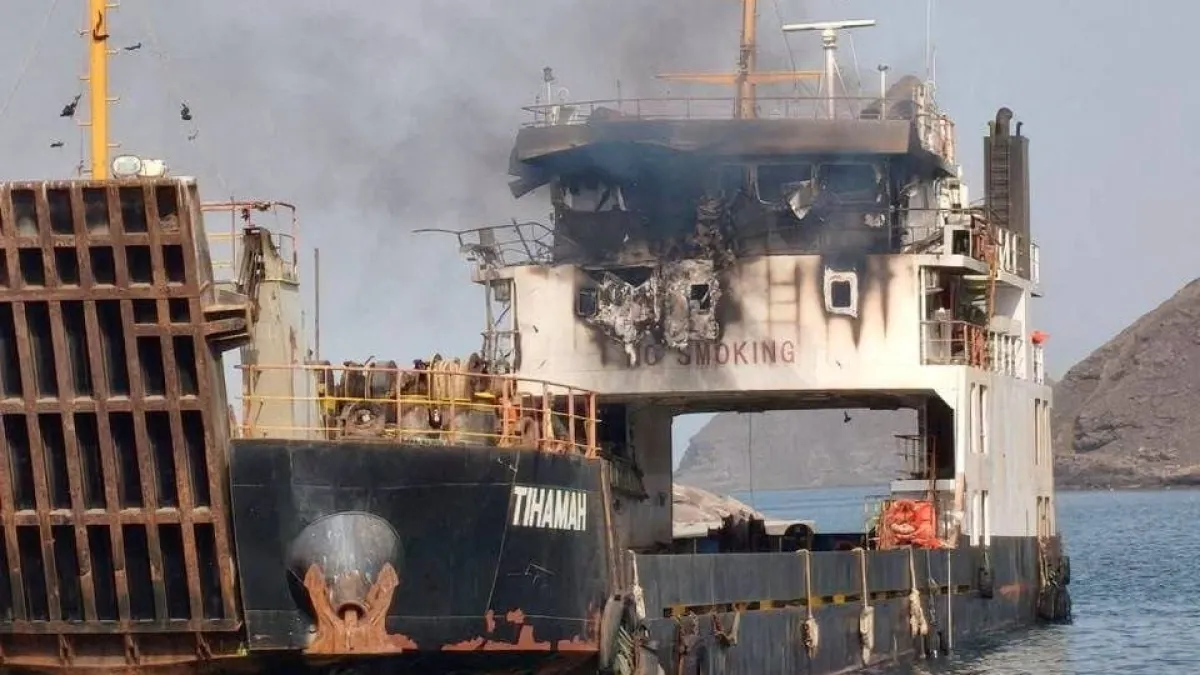
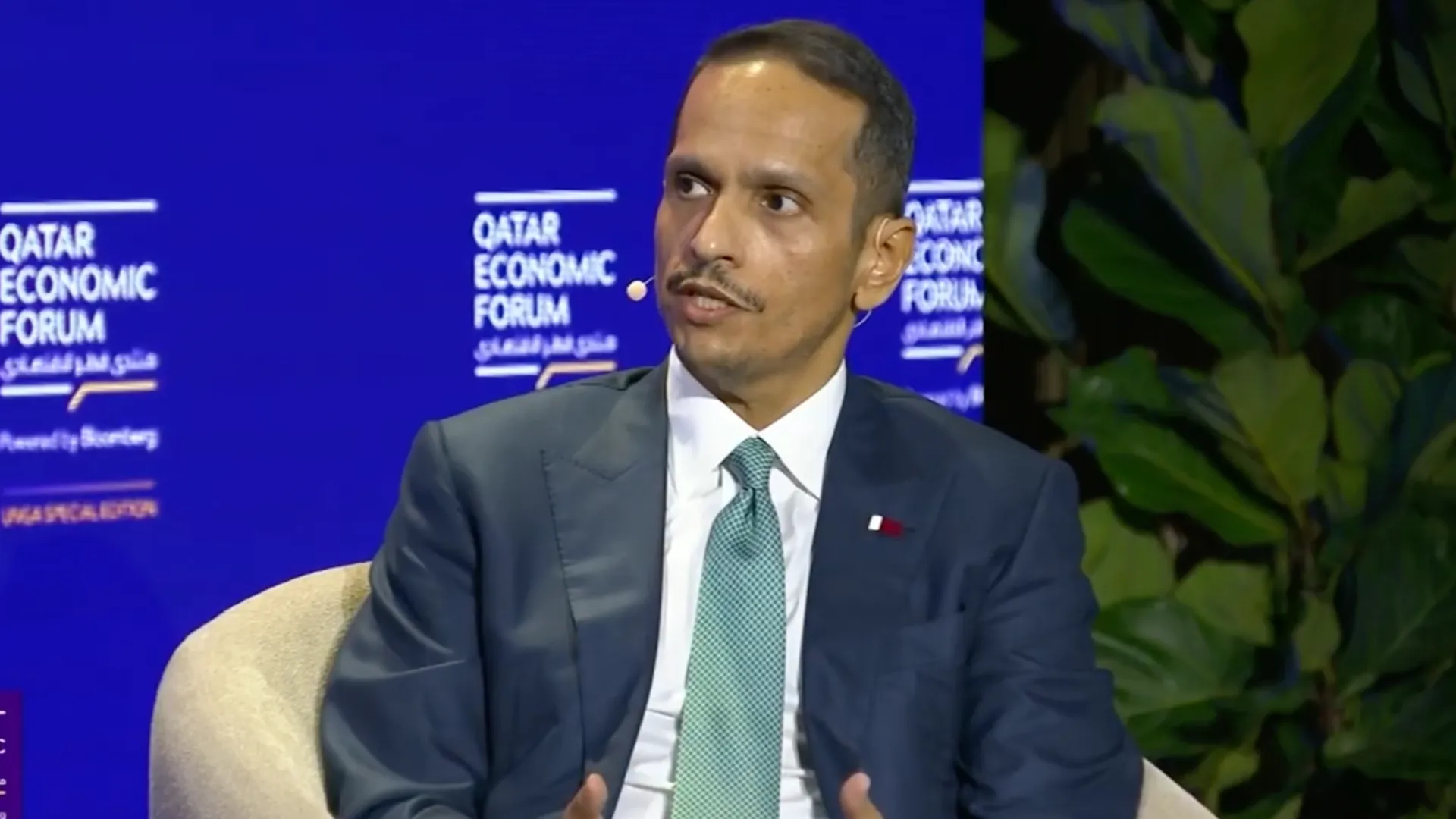
Qatar’s Prime Minister, Sheikh Mohammed bin Abdulrahman Al Thani, recently emphasized that the Gulf region faces a permanent transformation. Speaking at the Qatar Economic Forum in New York, the Prime Minister insisted that stability will remain elusive unless a formal security framework is established to ensure mutual non-aggression among regional neighbors, specifically including Iran. This appeal for a collaborative security architecture stands in stark contrast to the growing sentiment within other Gulf capitals, where reports suggest a shift toward more direct, potentially retaliatory action against Iranian targets following a series of strikes attributed to Houthi rebels in Riyadh.
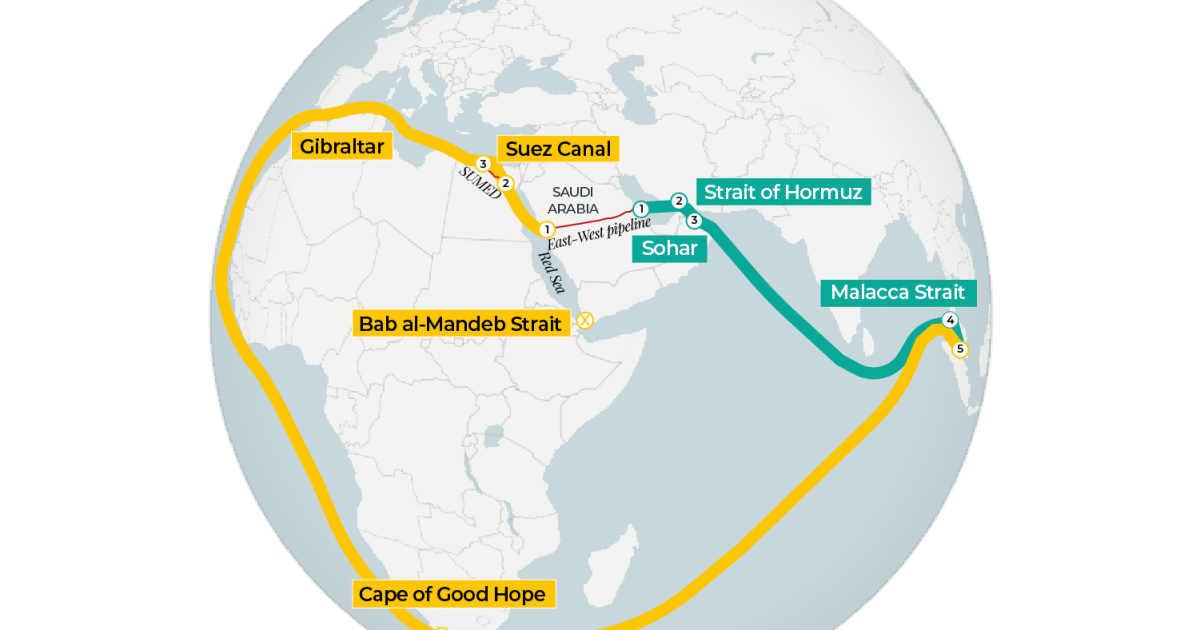
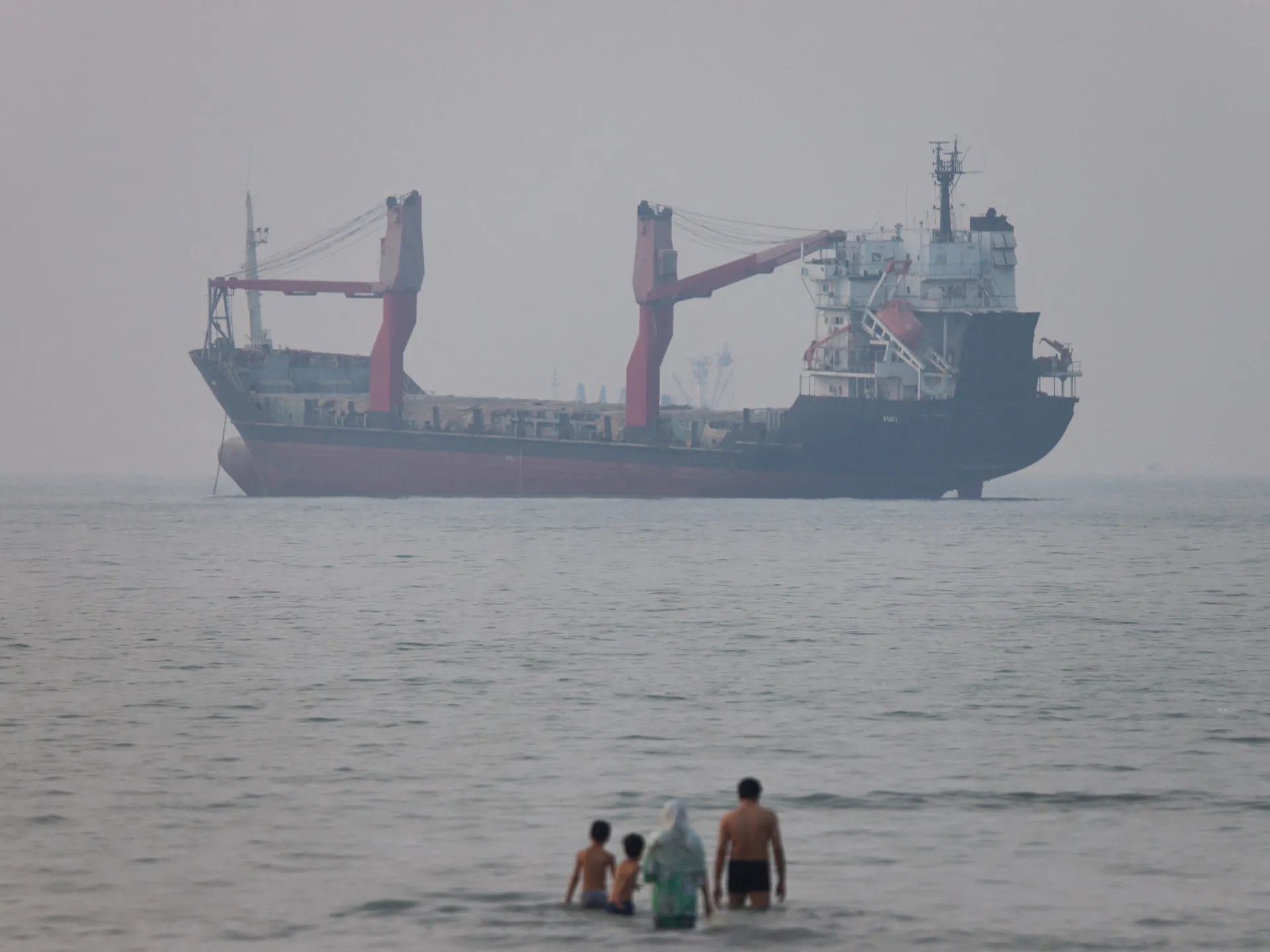
The urgency of these diplomatic overtures underscores a shift in how regional powers view their long-term survival. For decades, the Gulf security paradigm relied heavily on external guarantees, primarily from the United States. However, the current instability—characterized onal order—suggests that regional actors are beginning to weigh the benefits of localized security agreements against the risks of being tethered to larger, volatile global confrontations. If a regional framework fails to materialize, the vacuum is likely to be filled obal energy markets and derail the fragile economic recovery currently sought
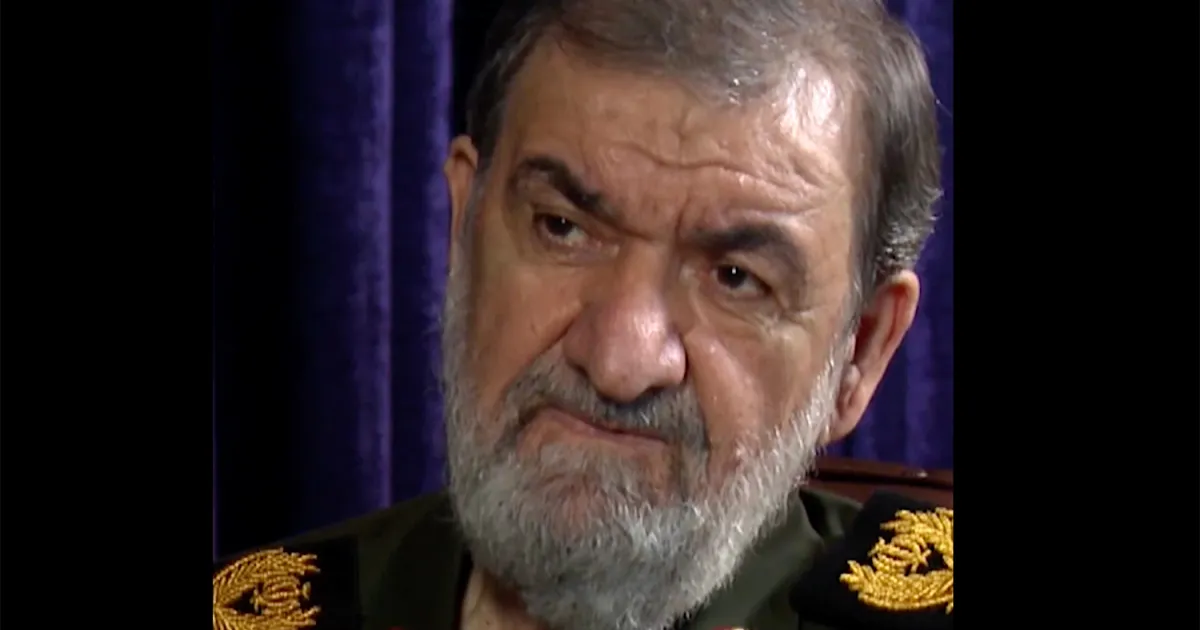
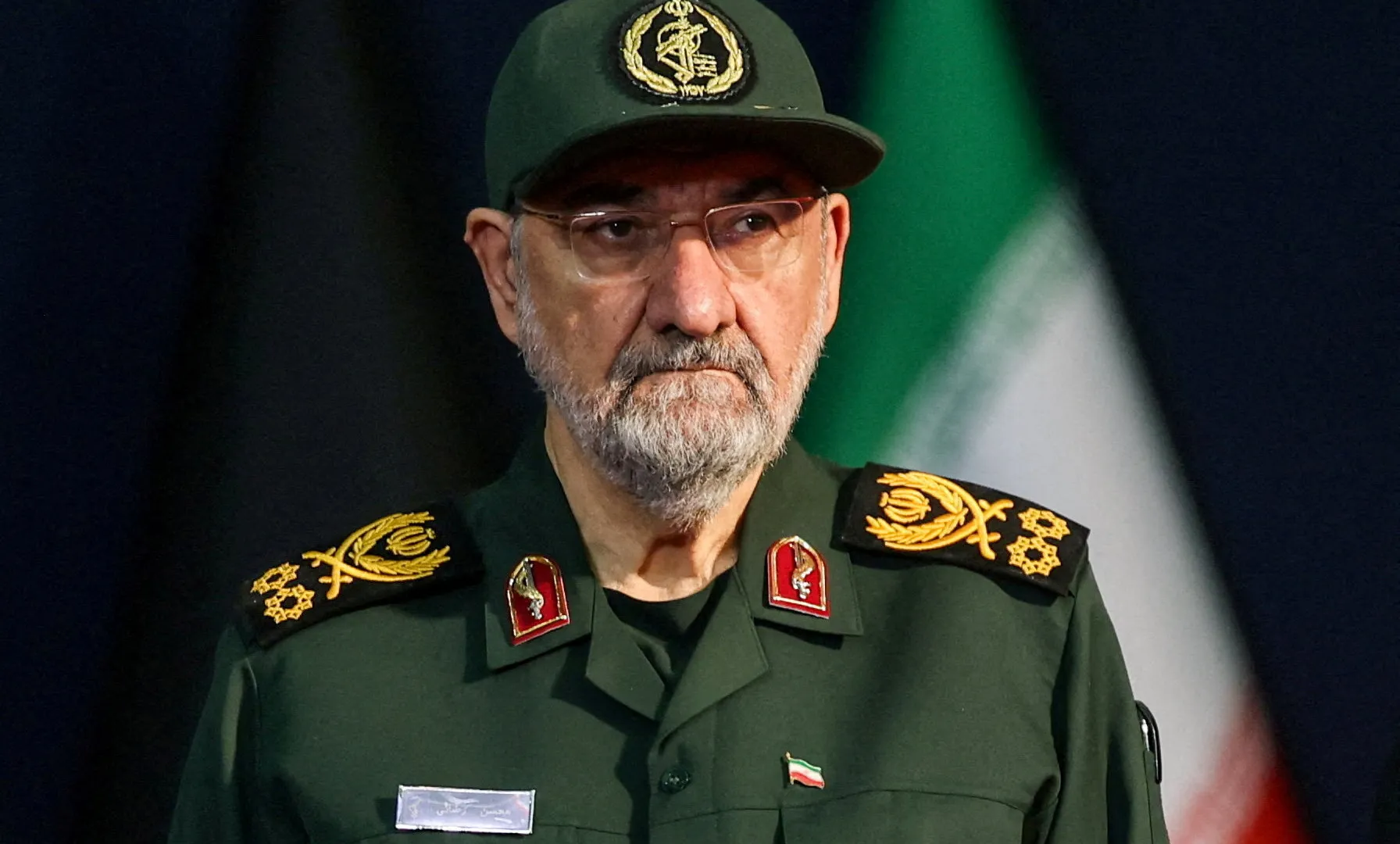
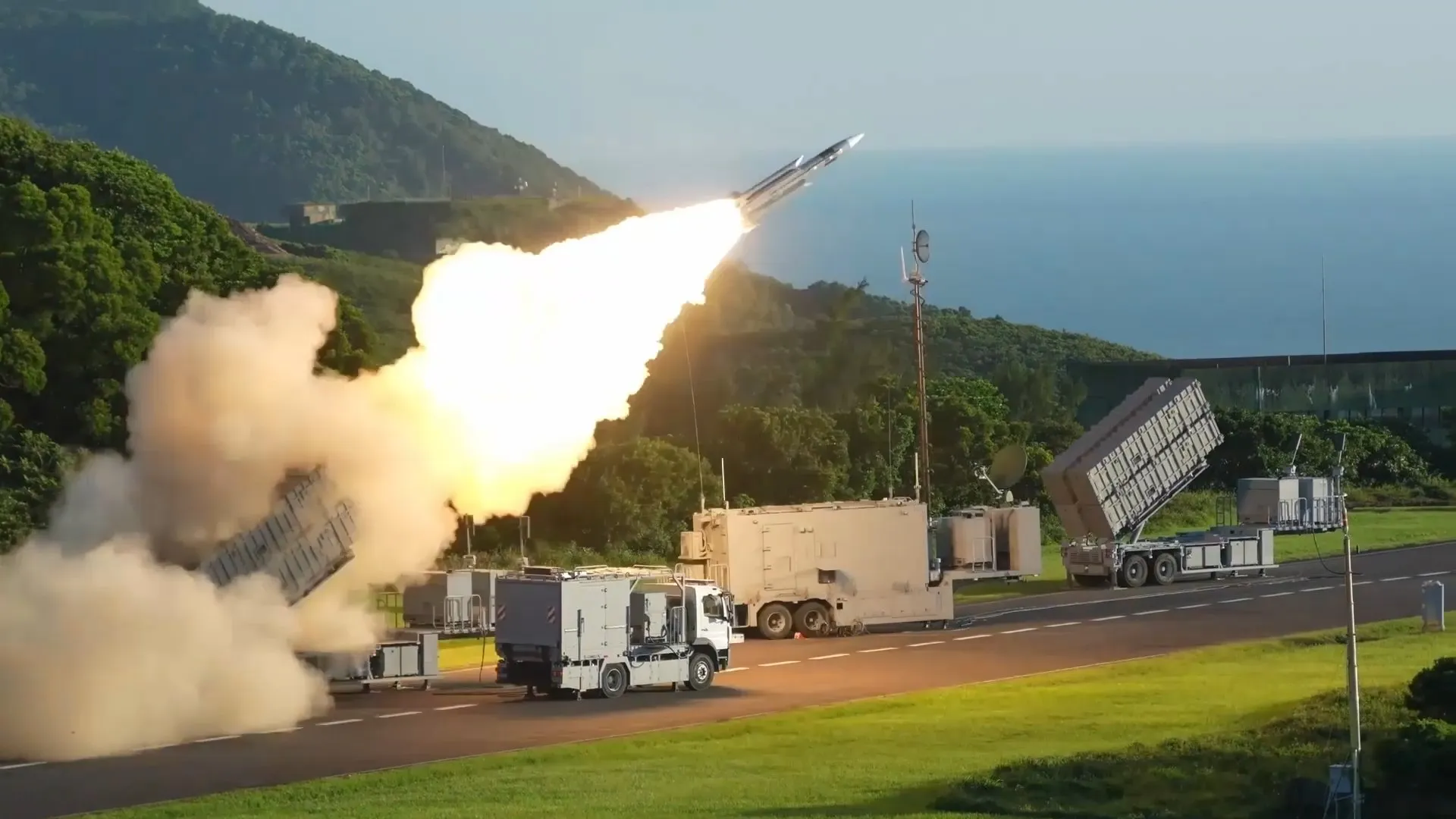
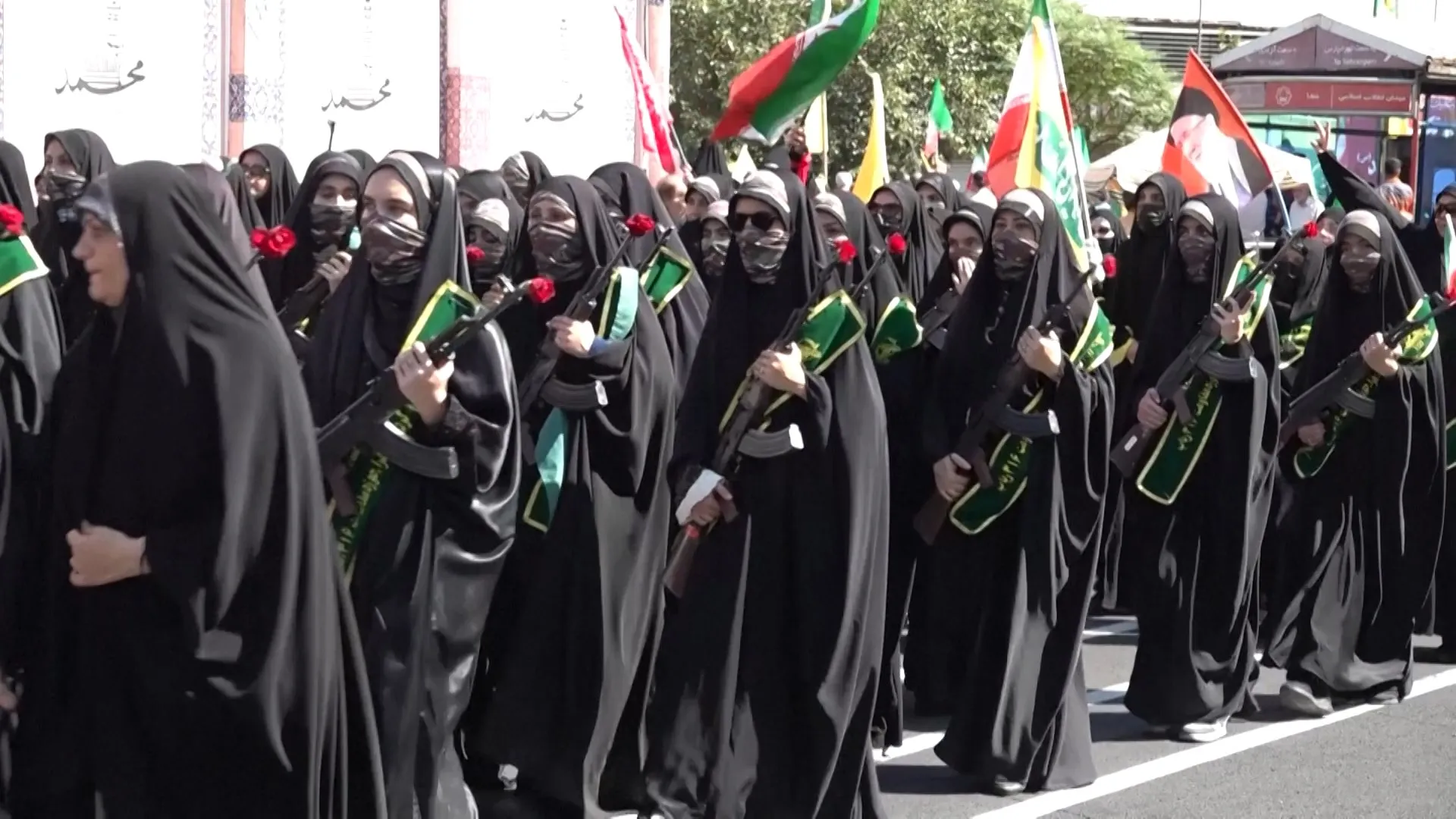
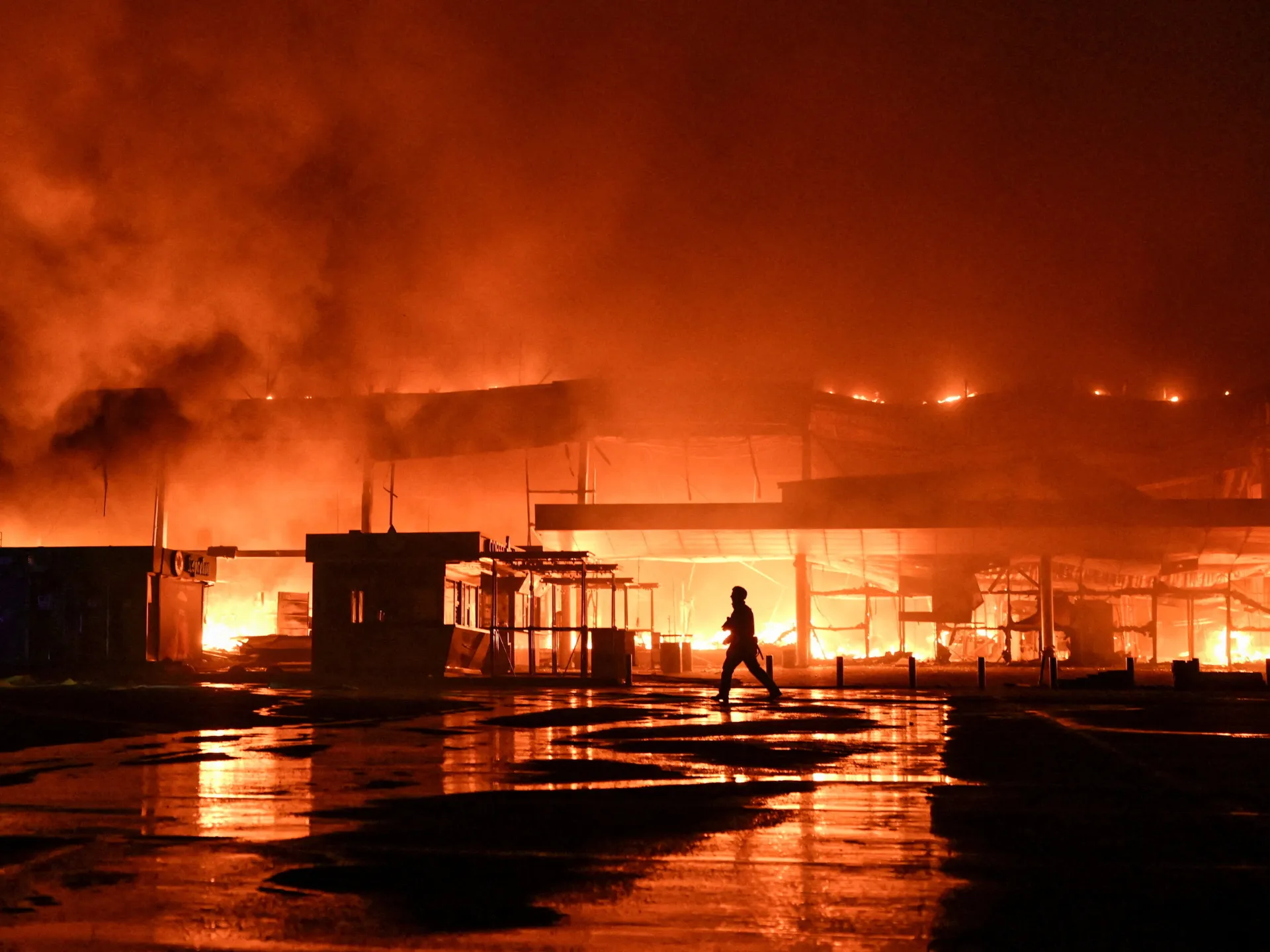
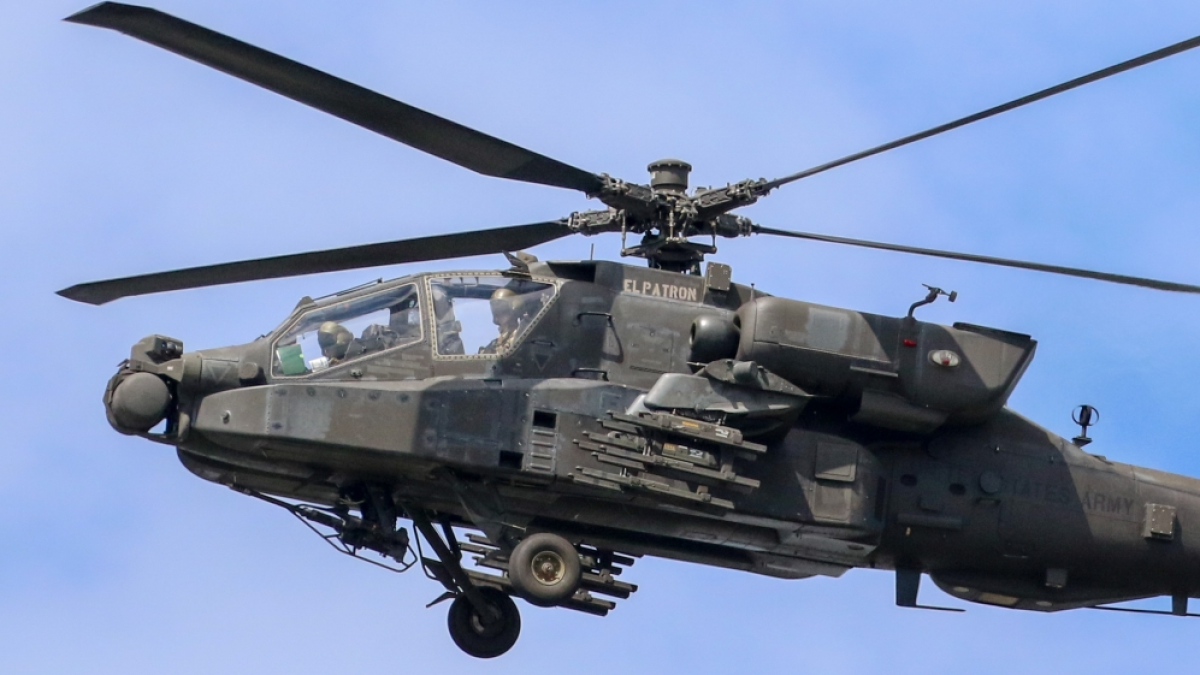
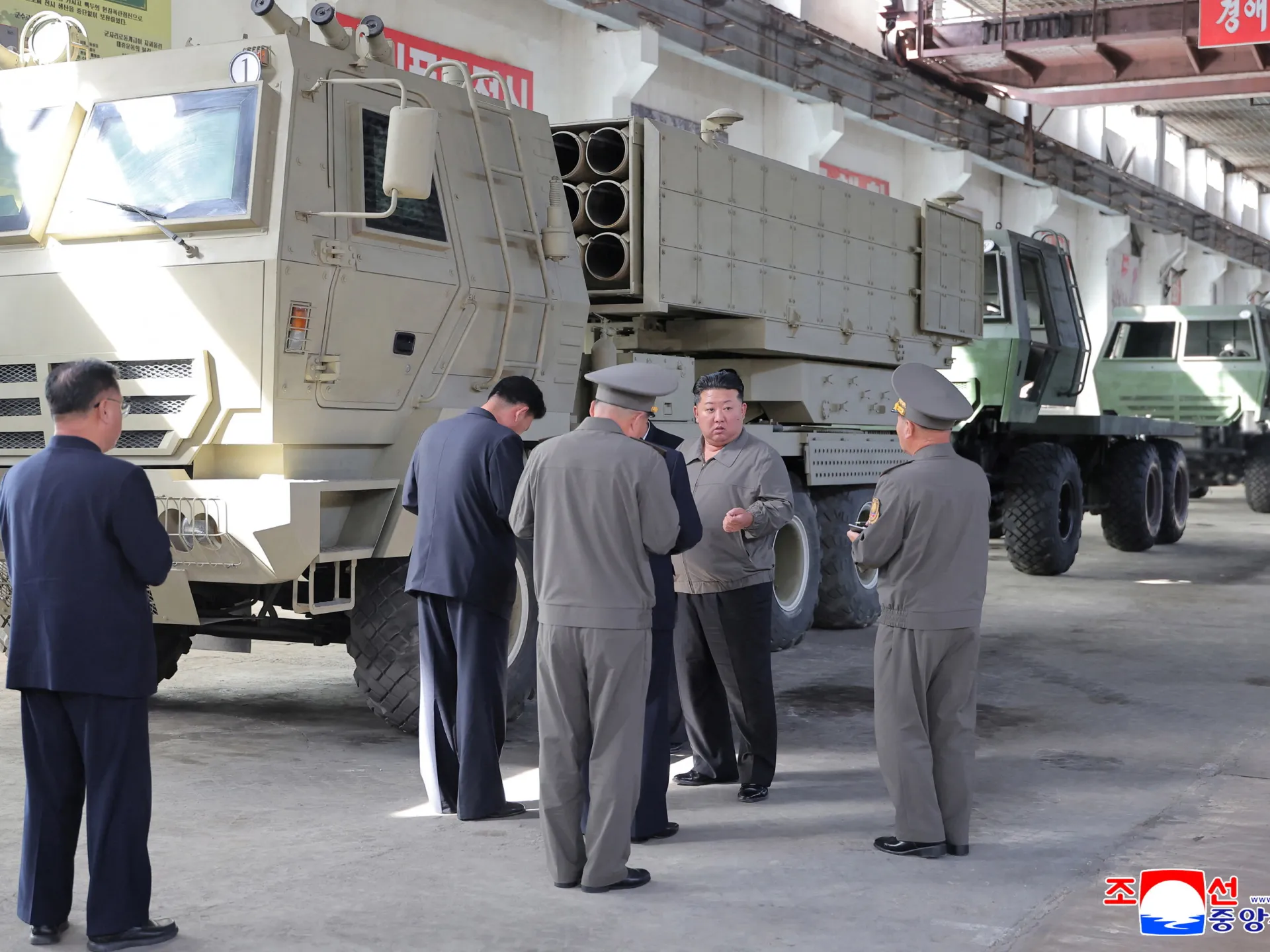
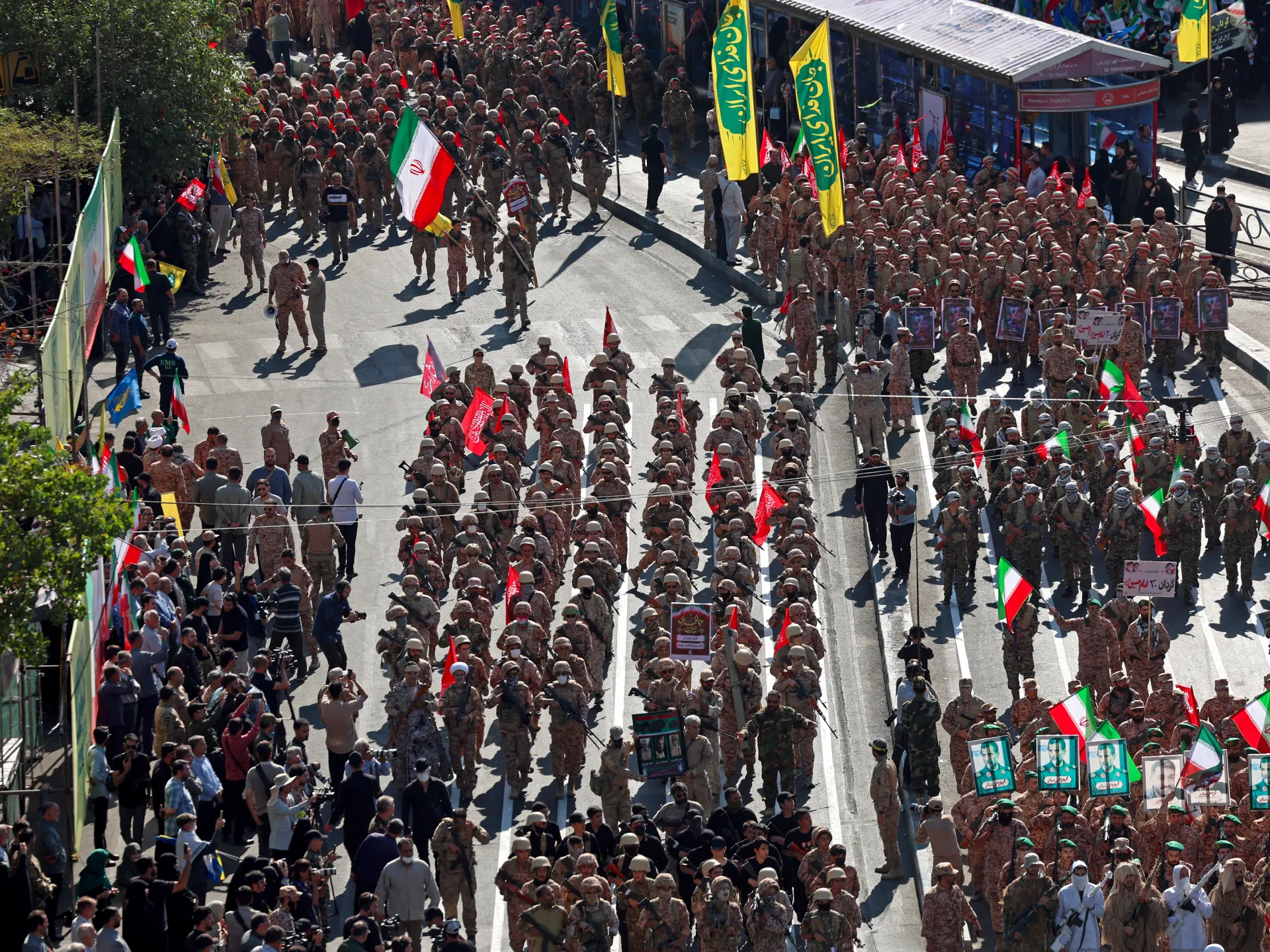
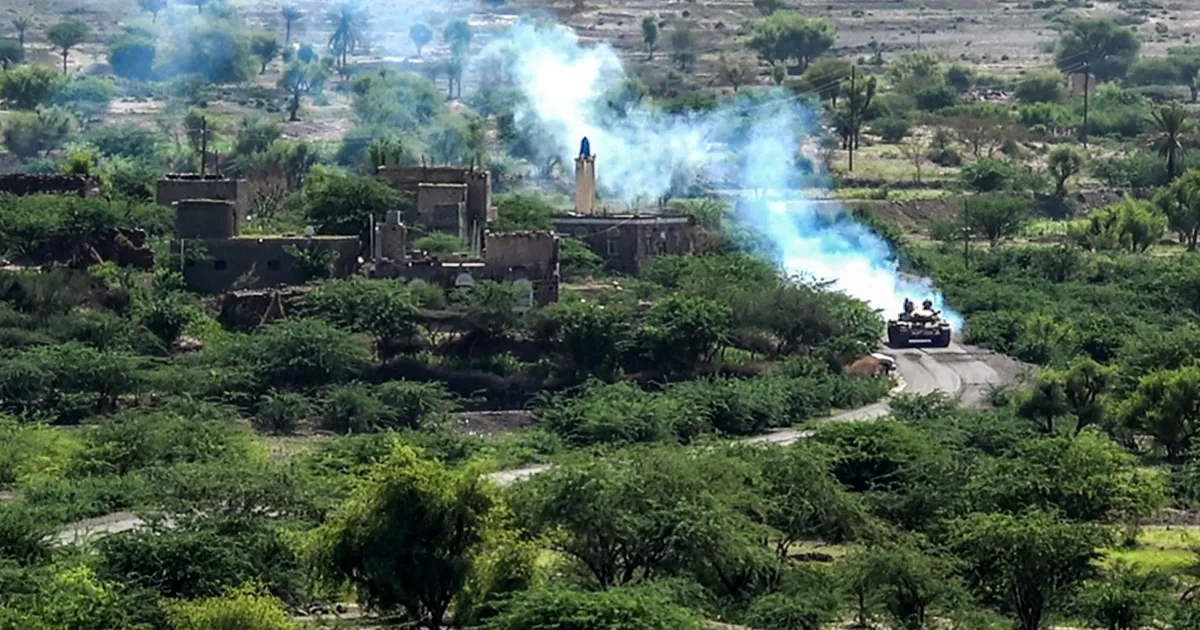
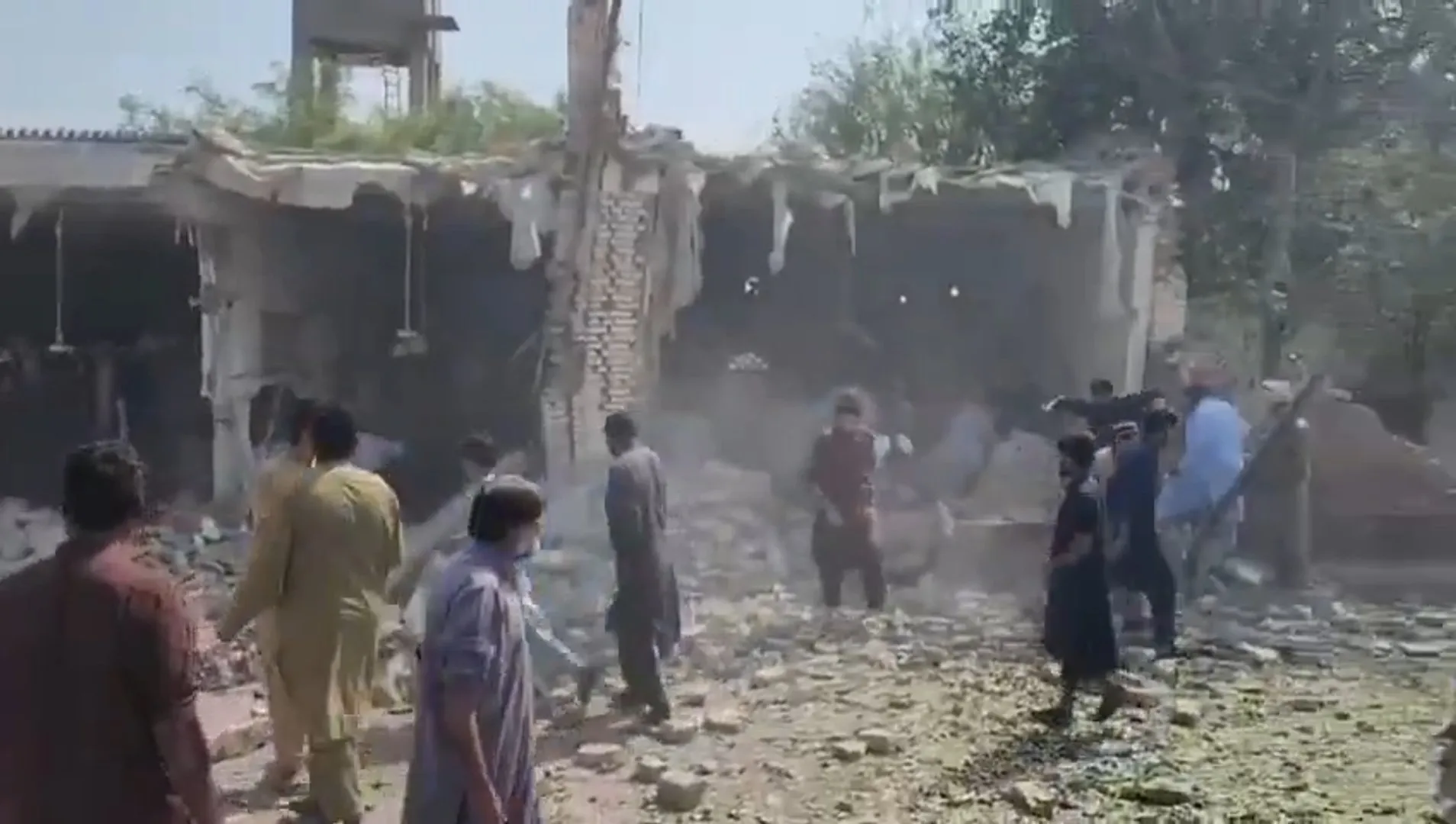
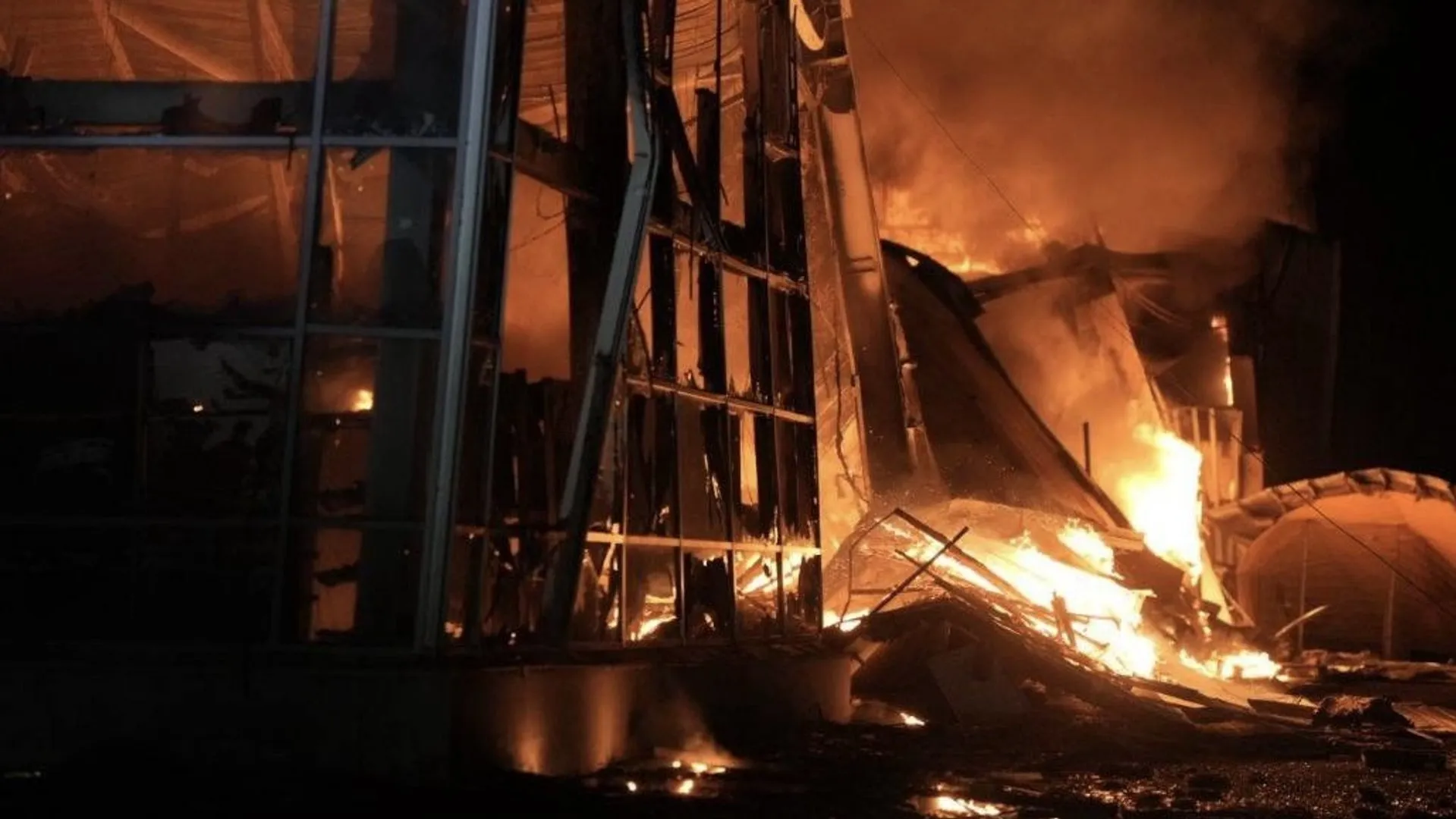
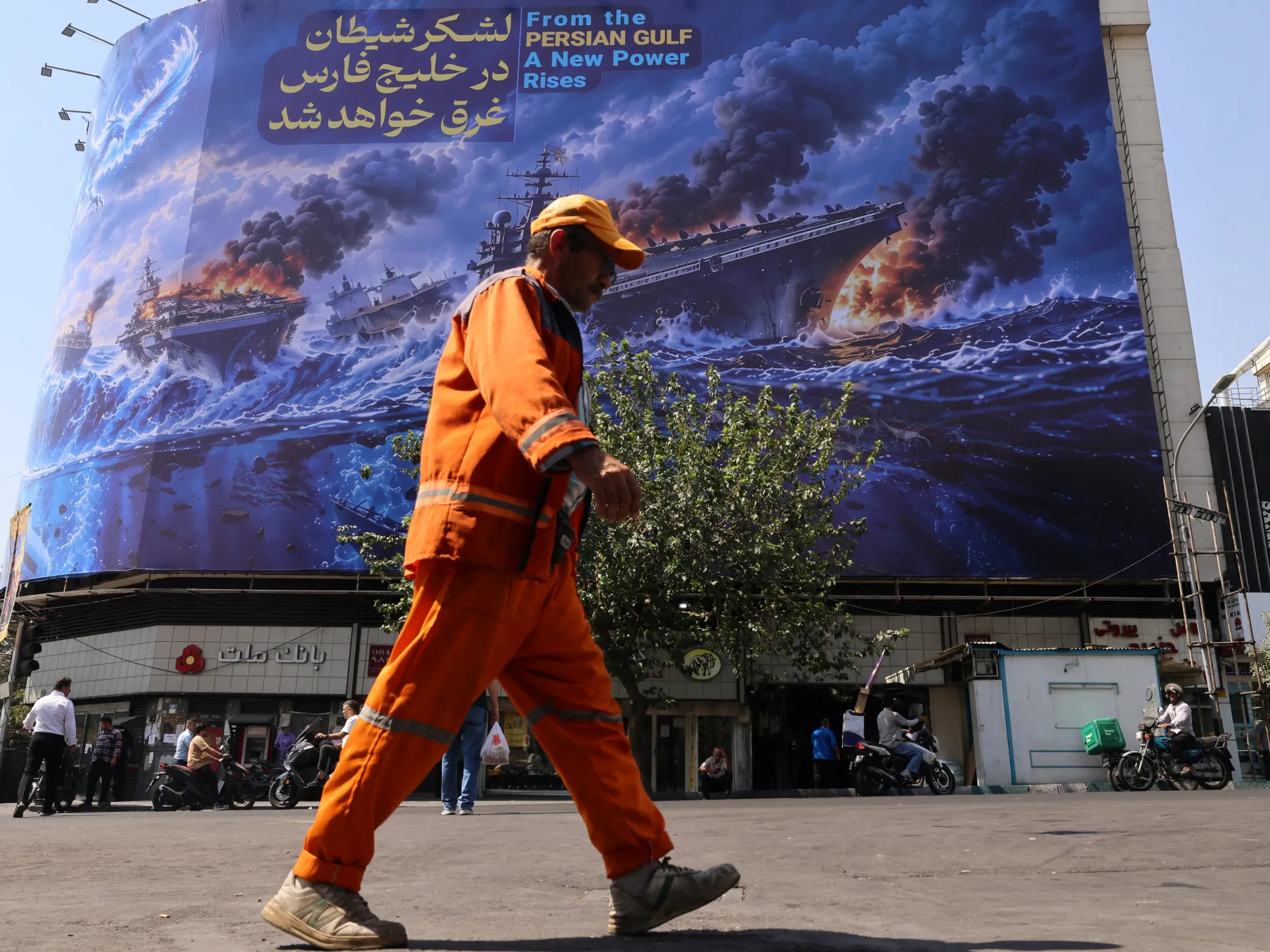
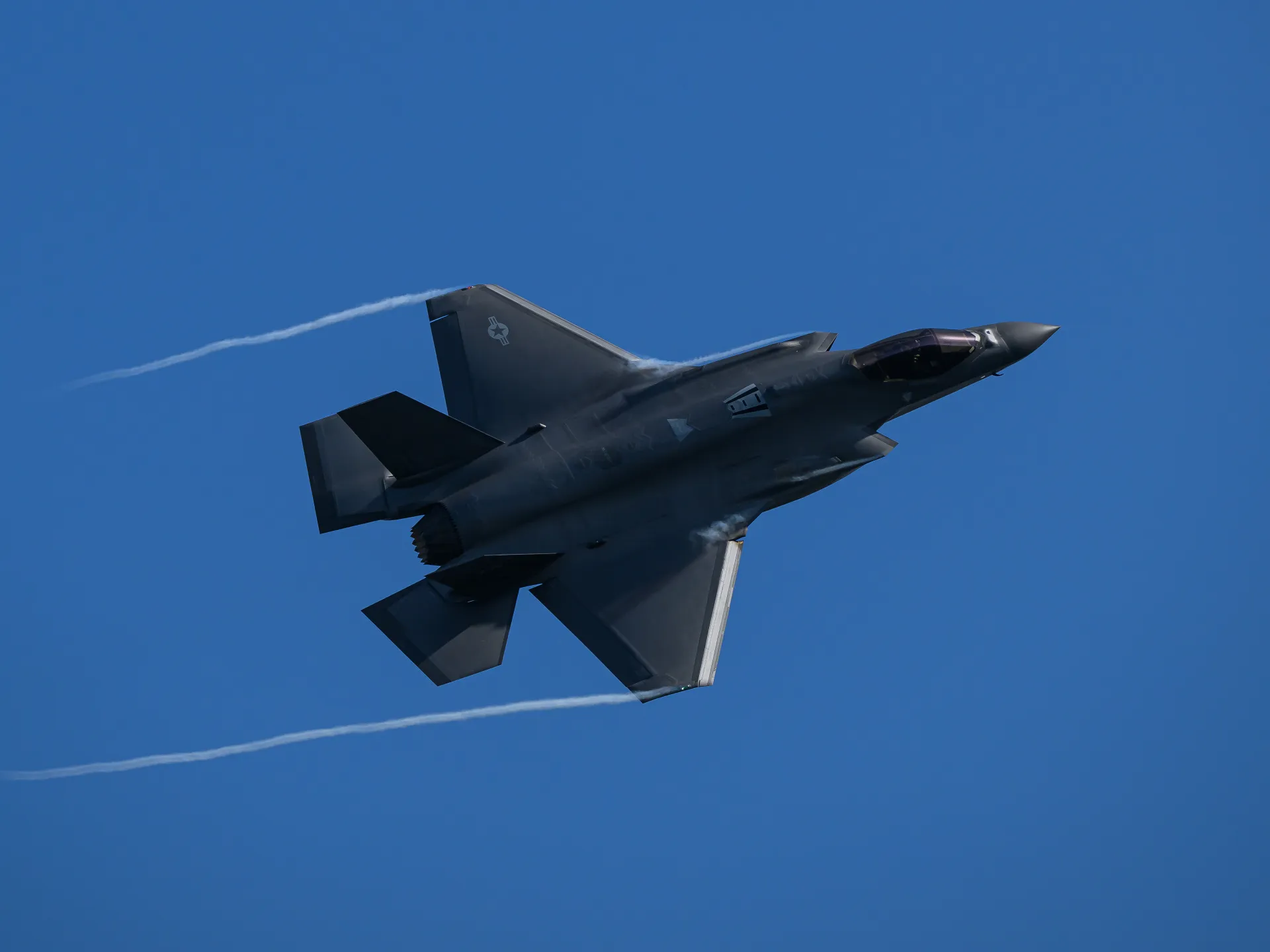
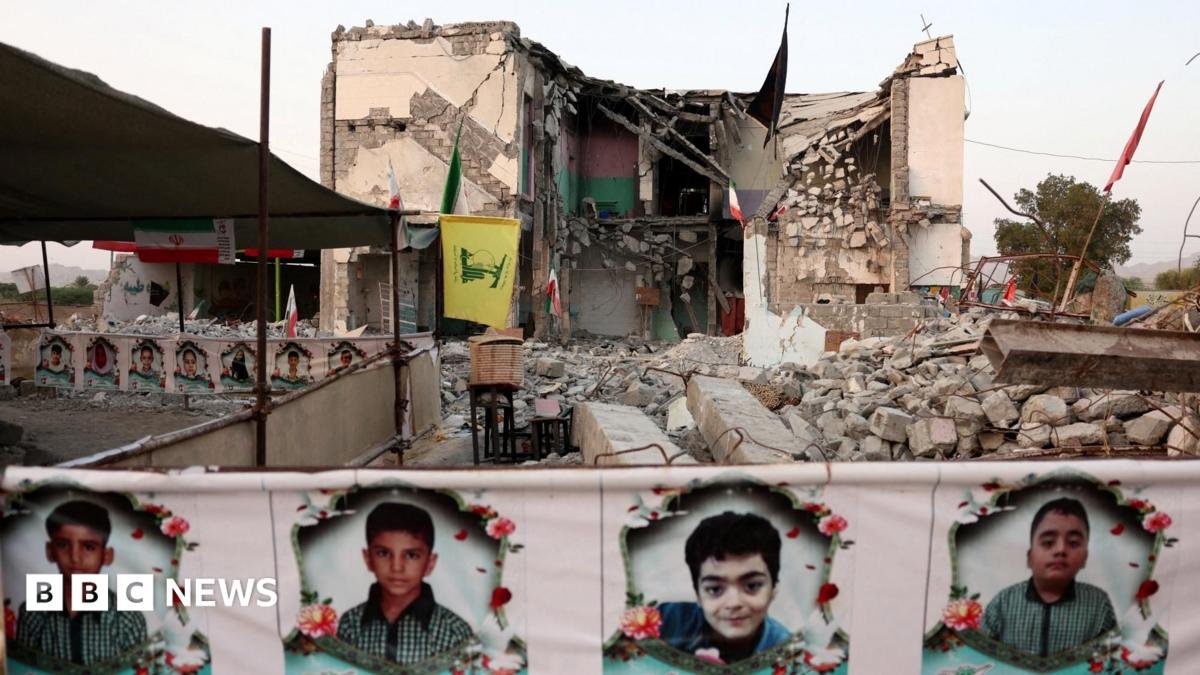
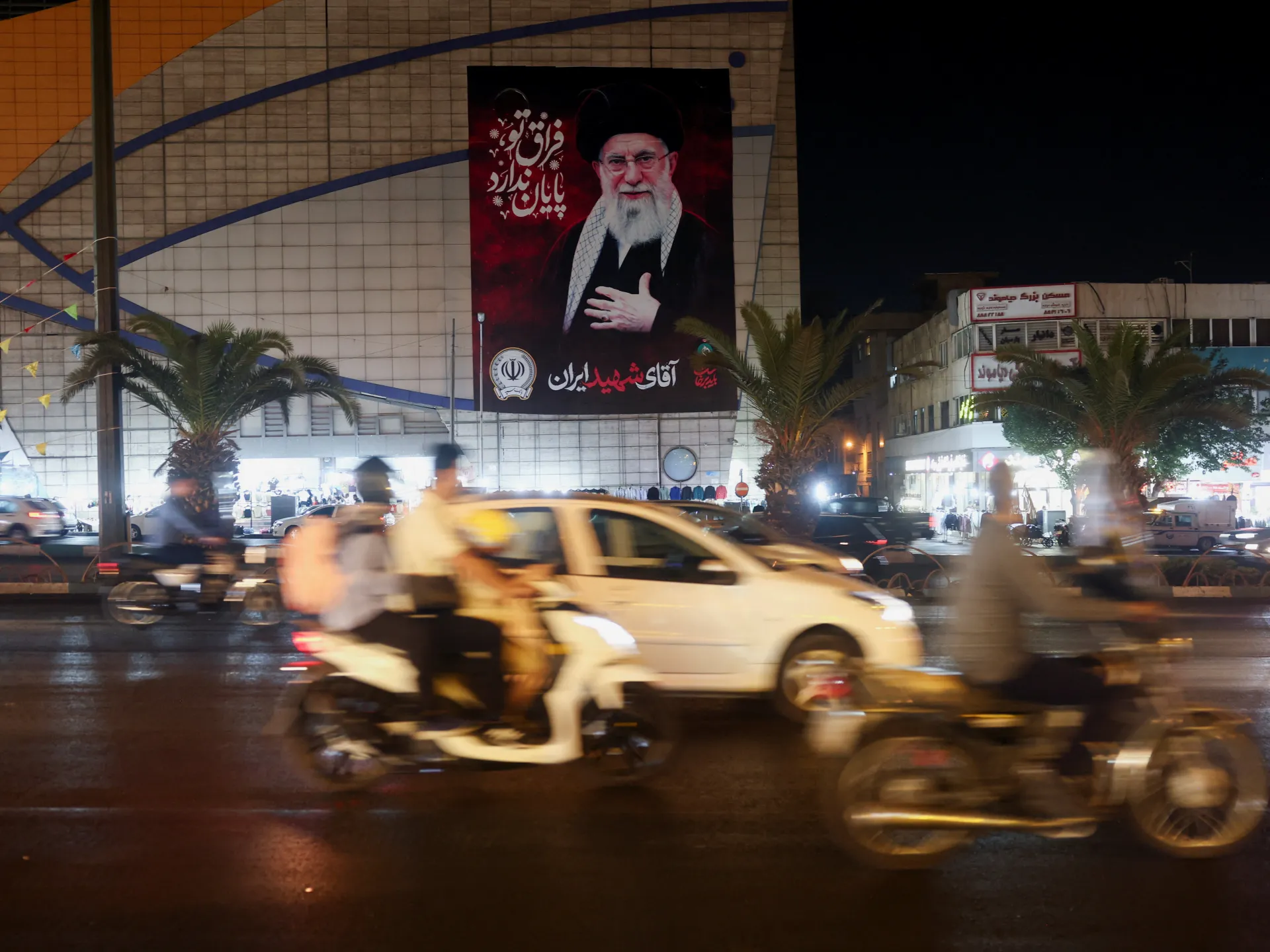
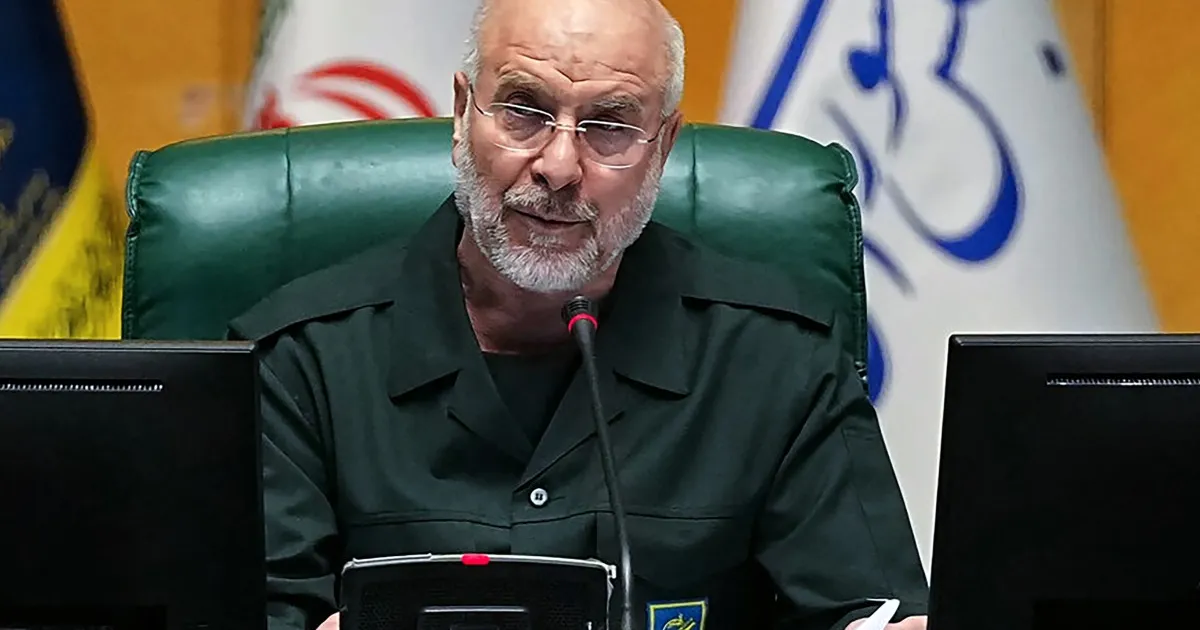
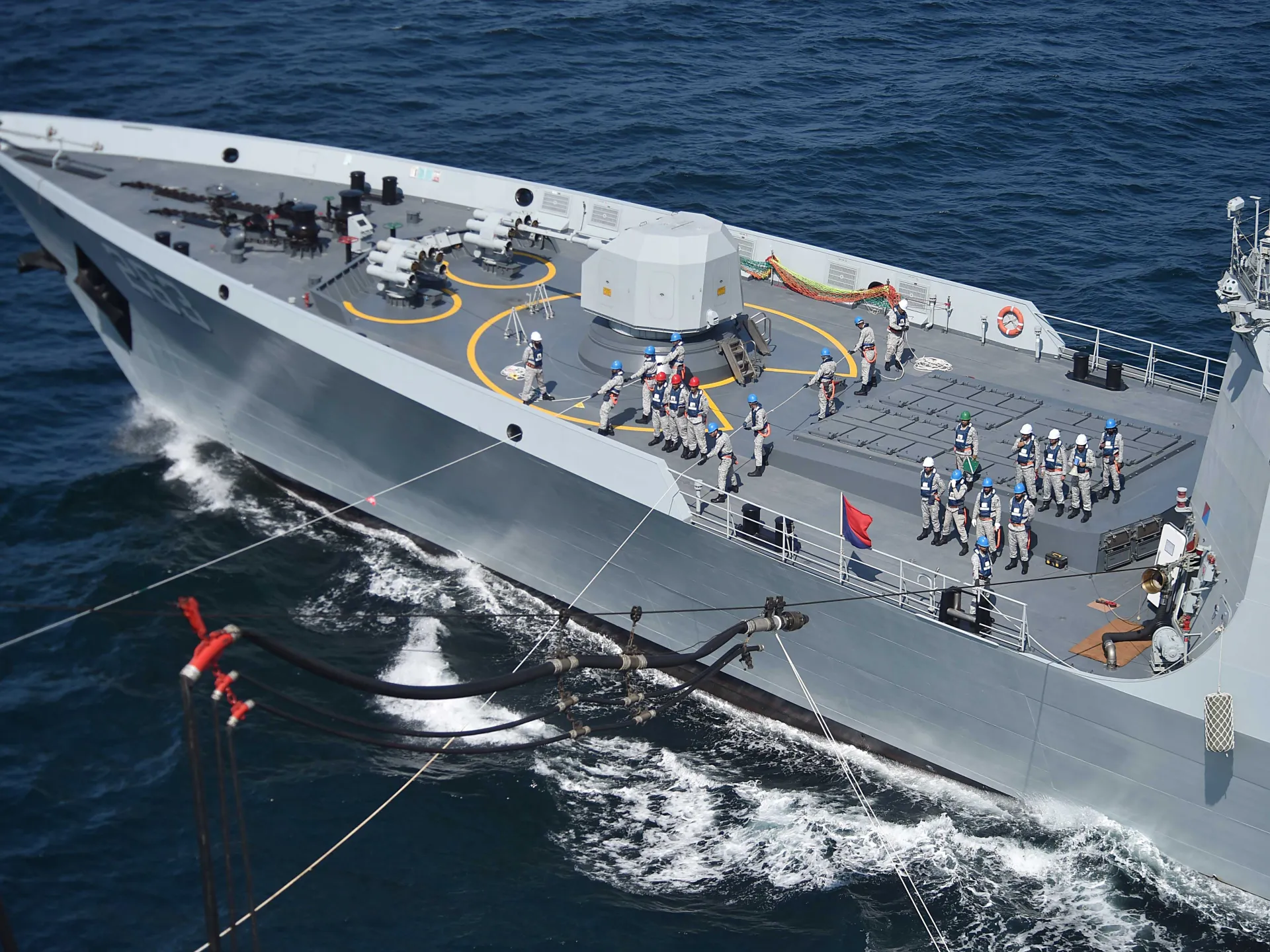
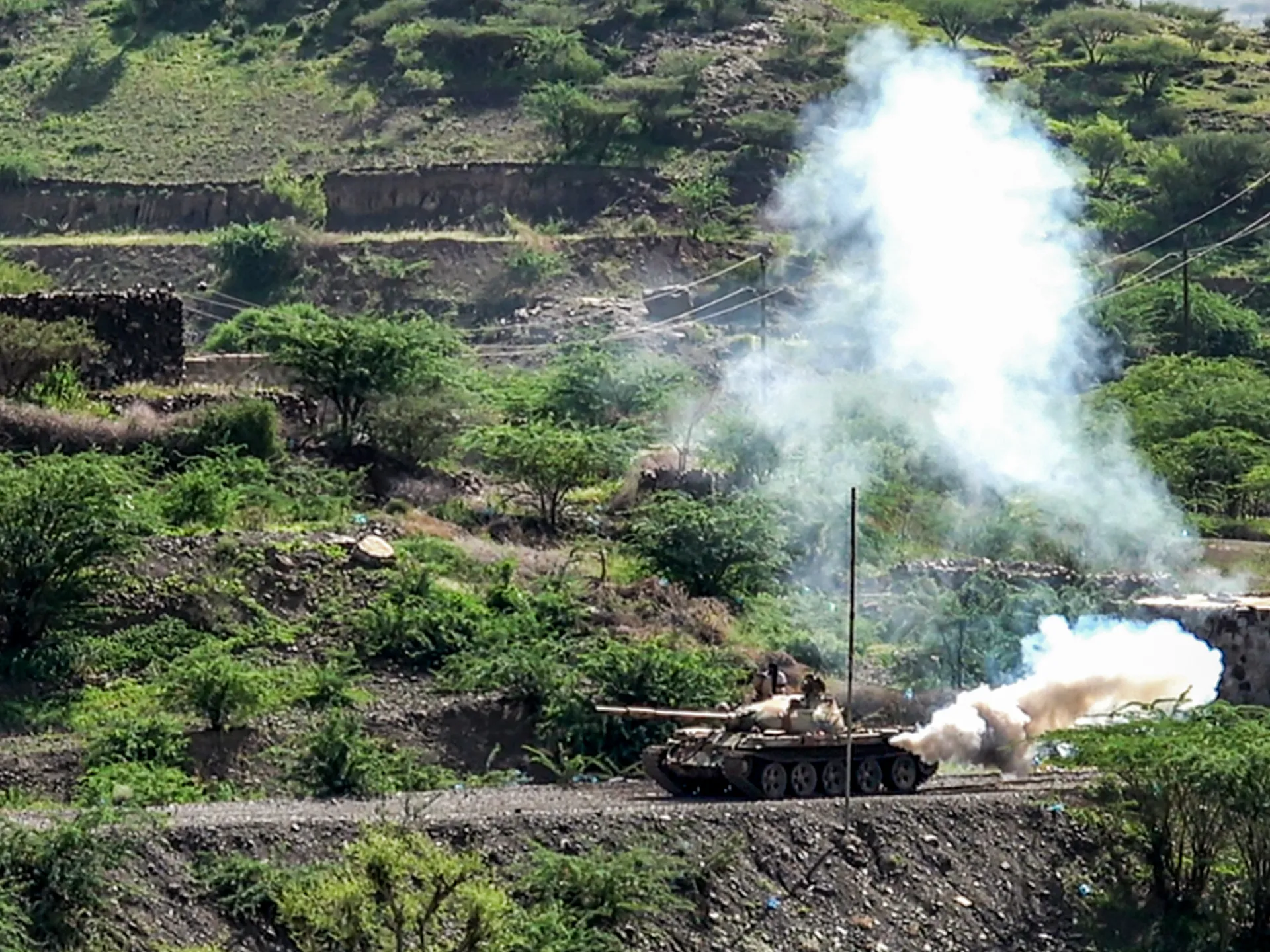
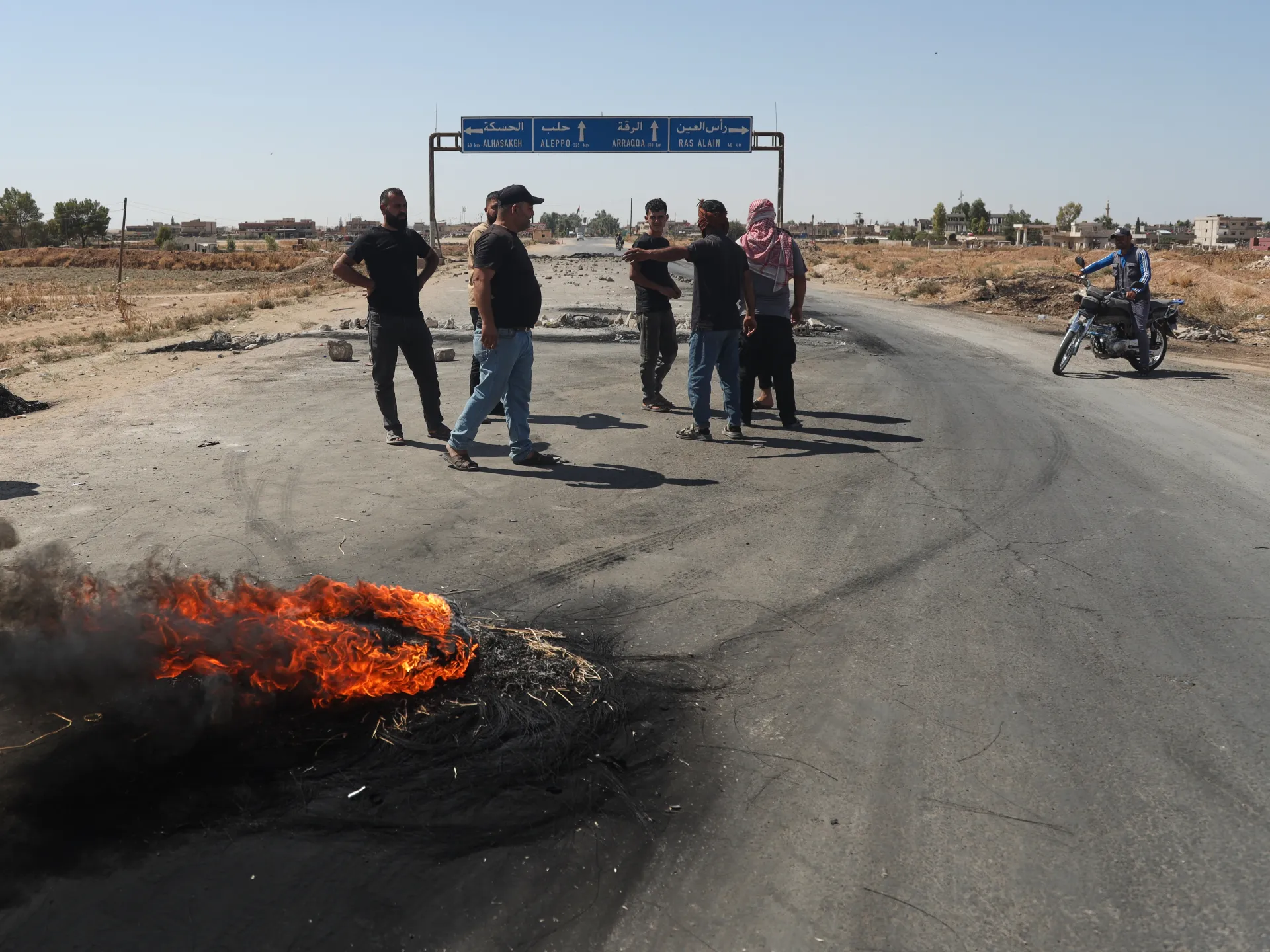
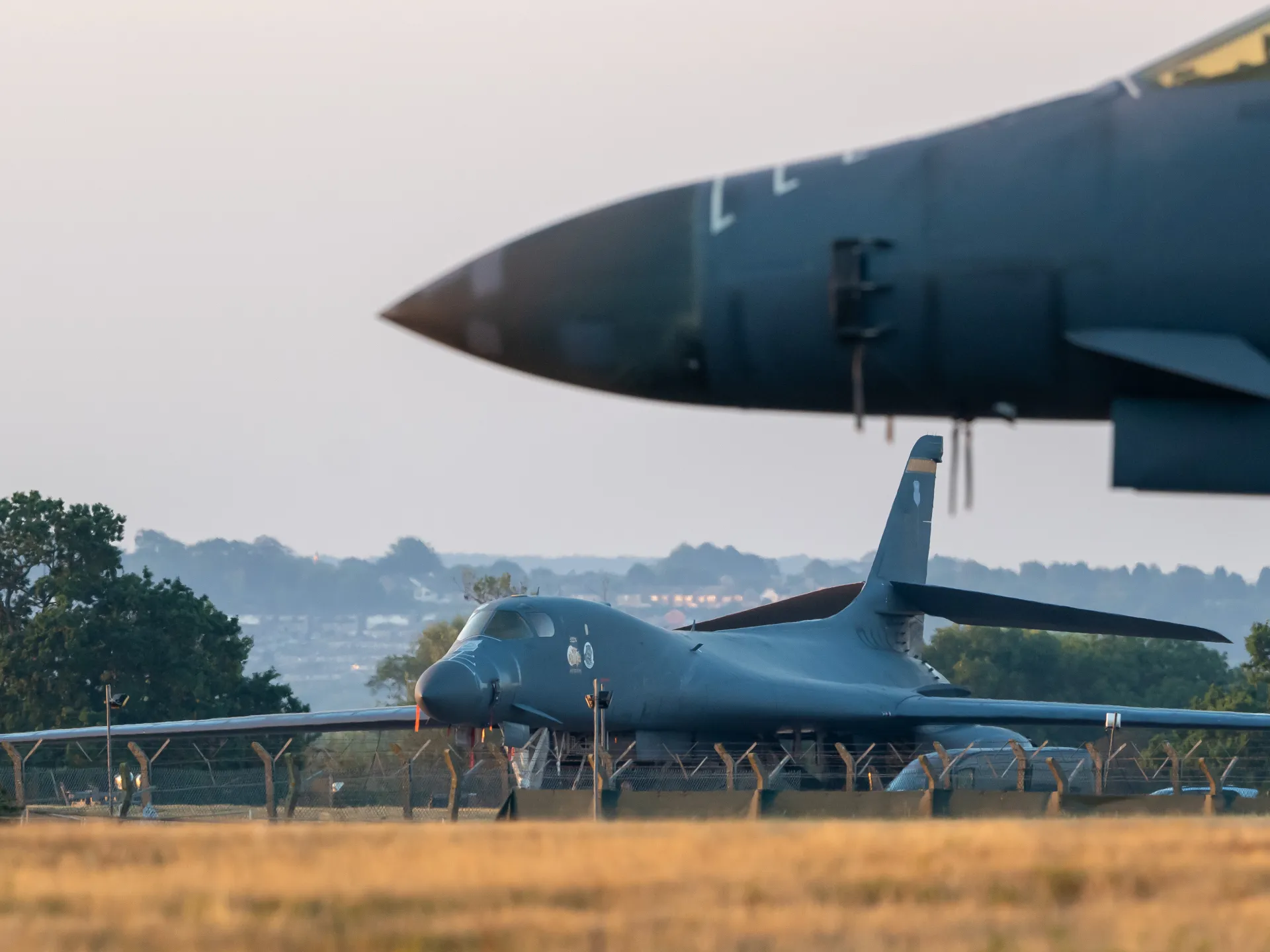
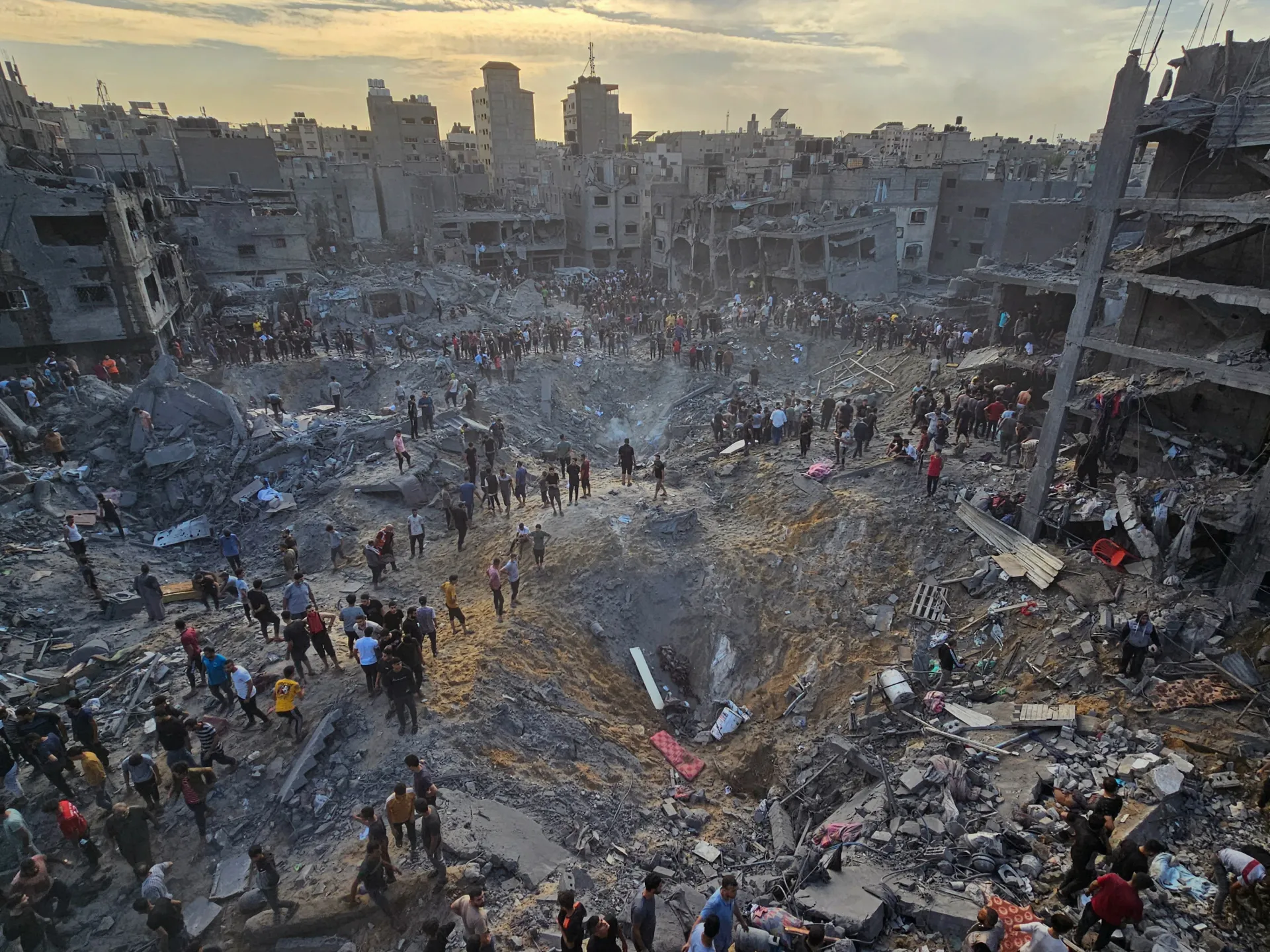
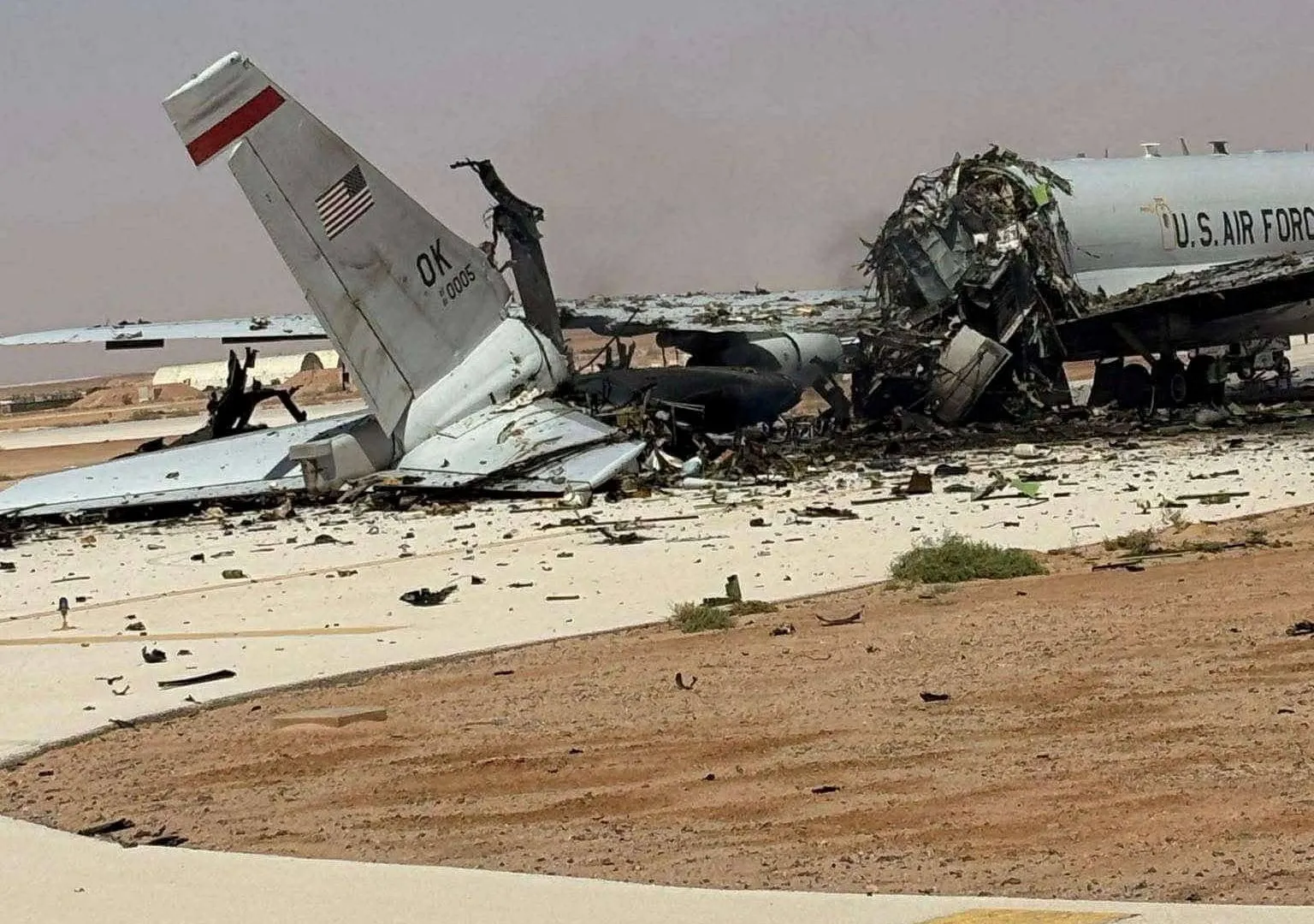
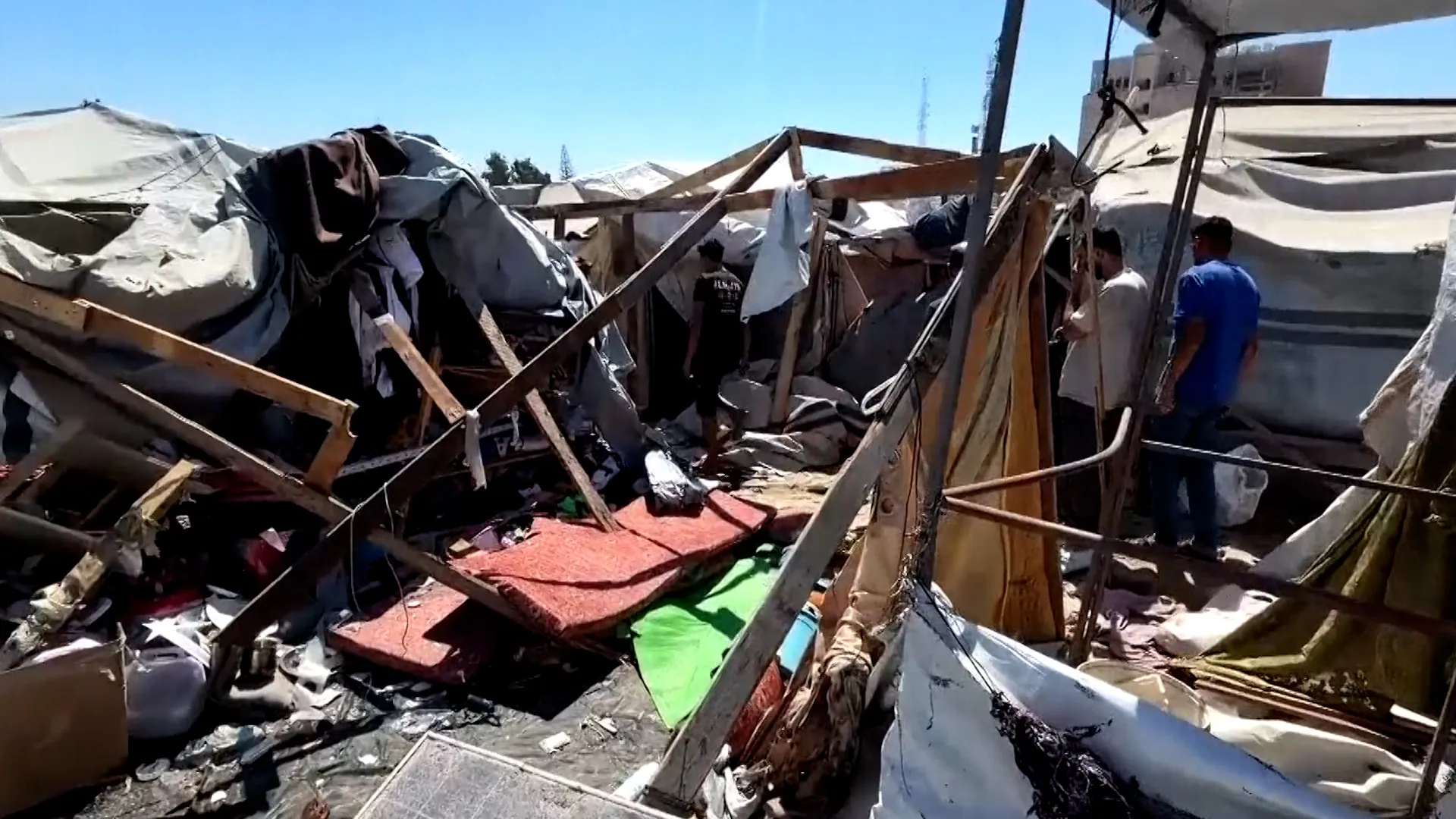
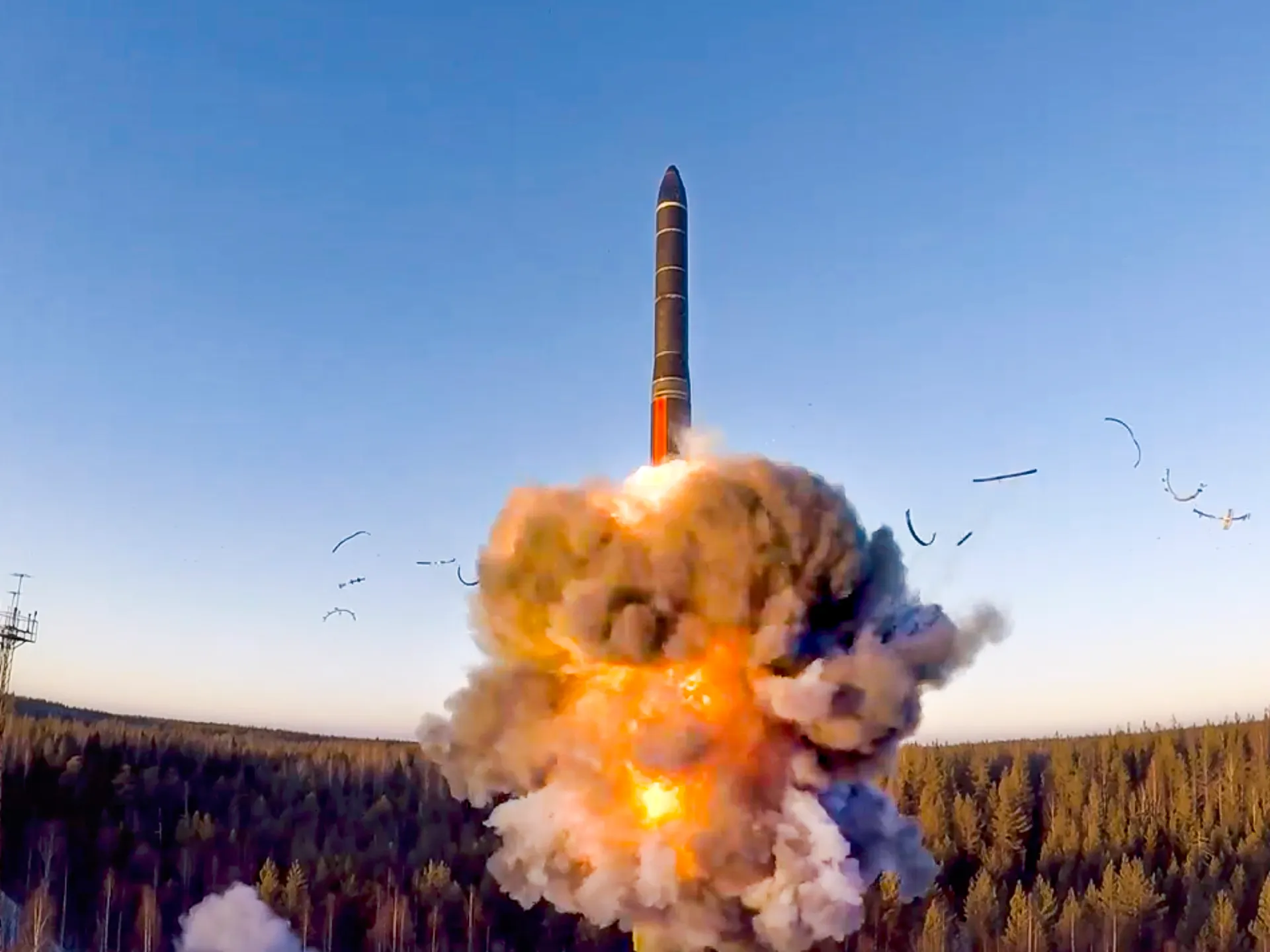
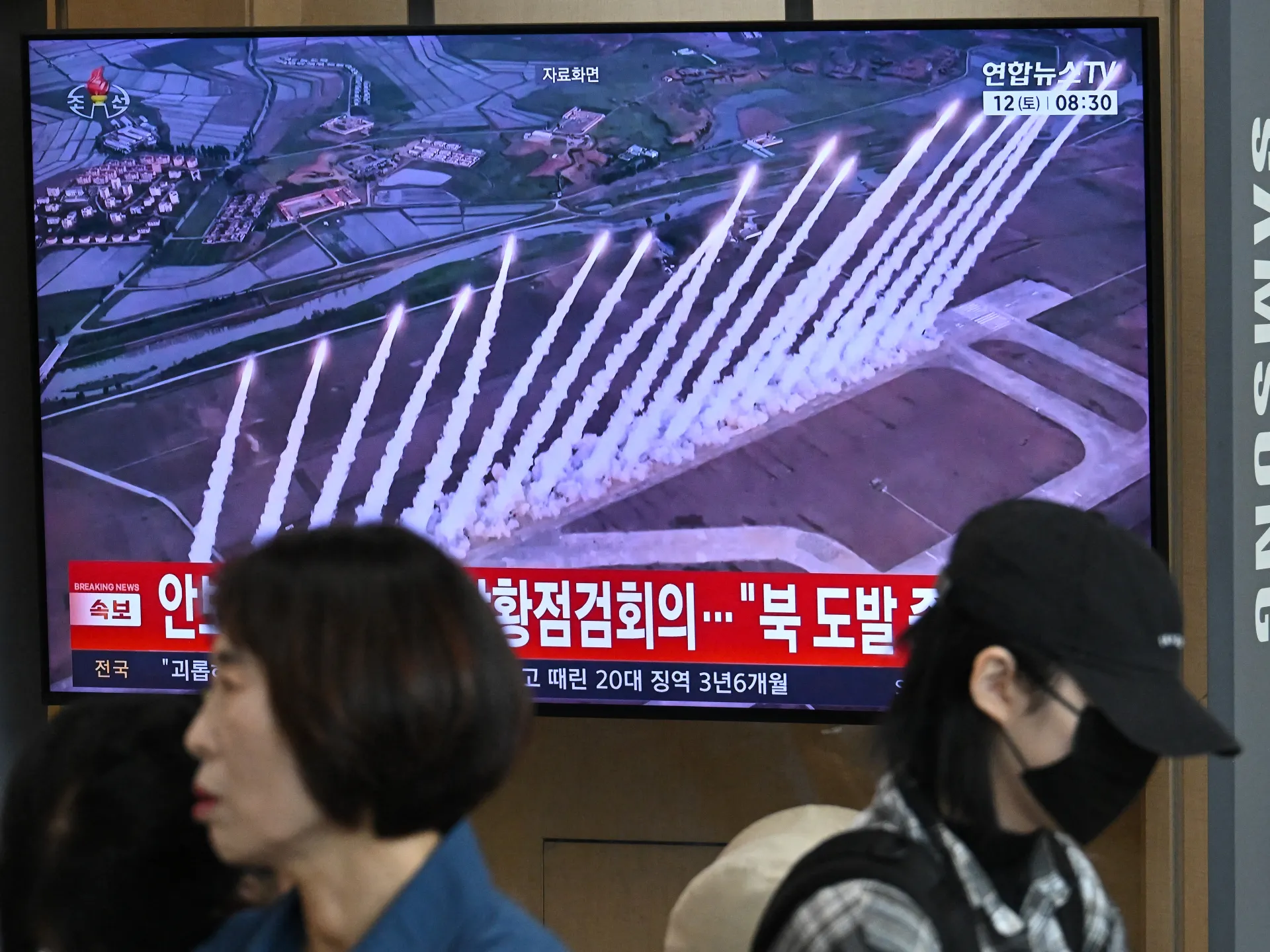
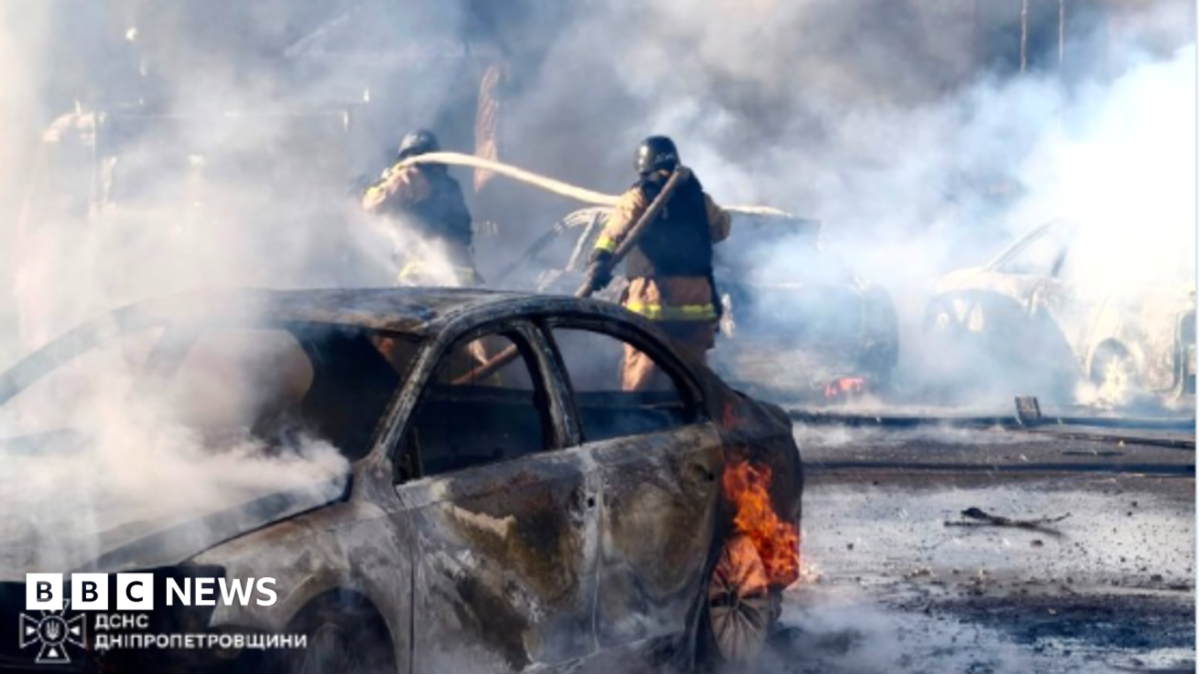
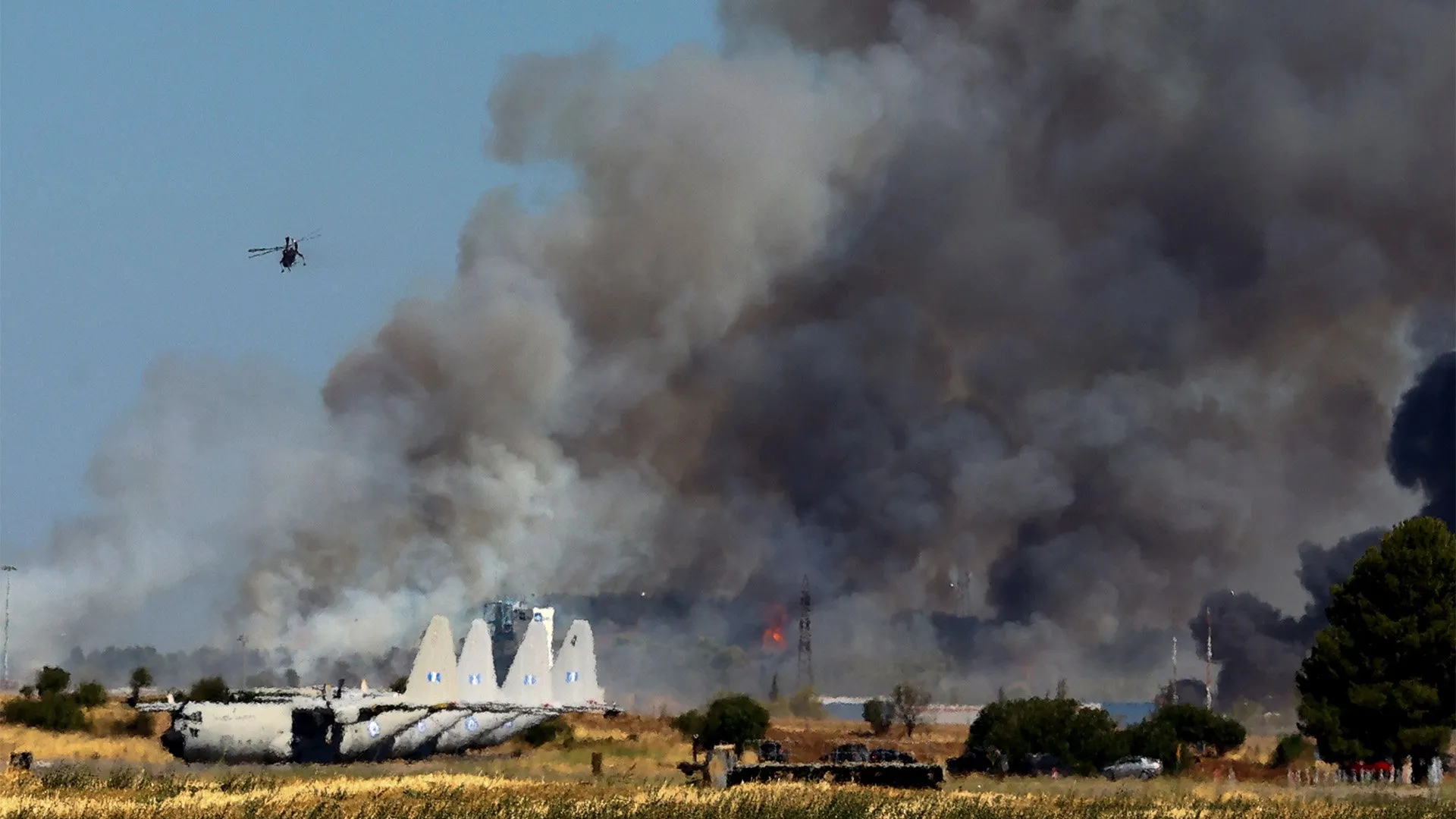
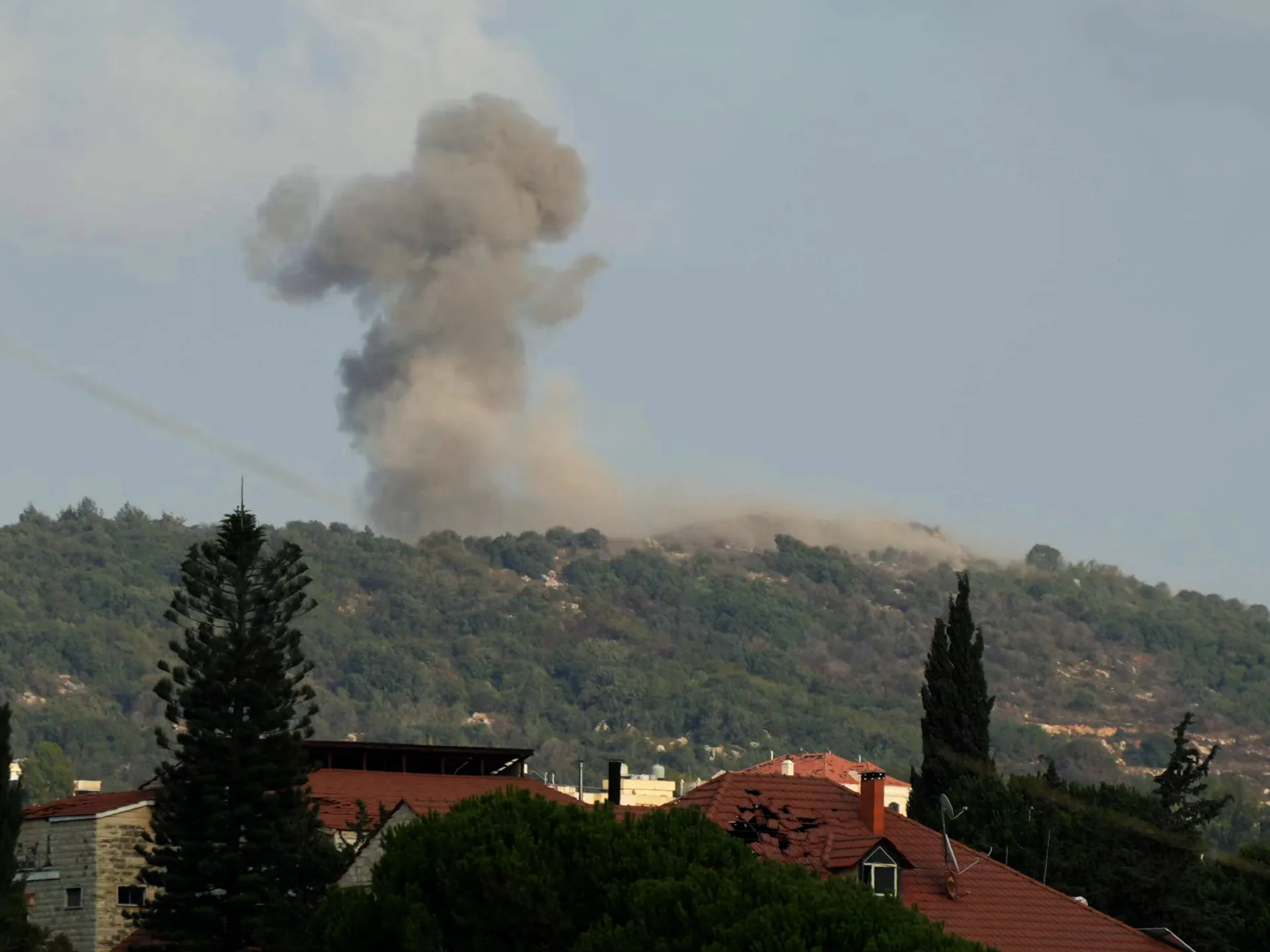
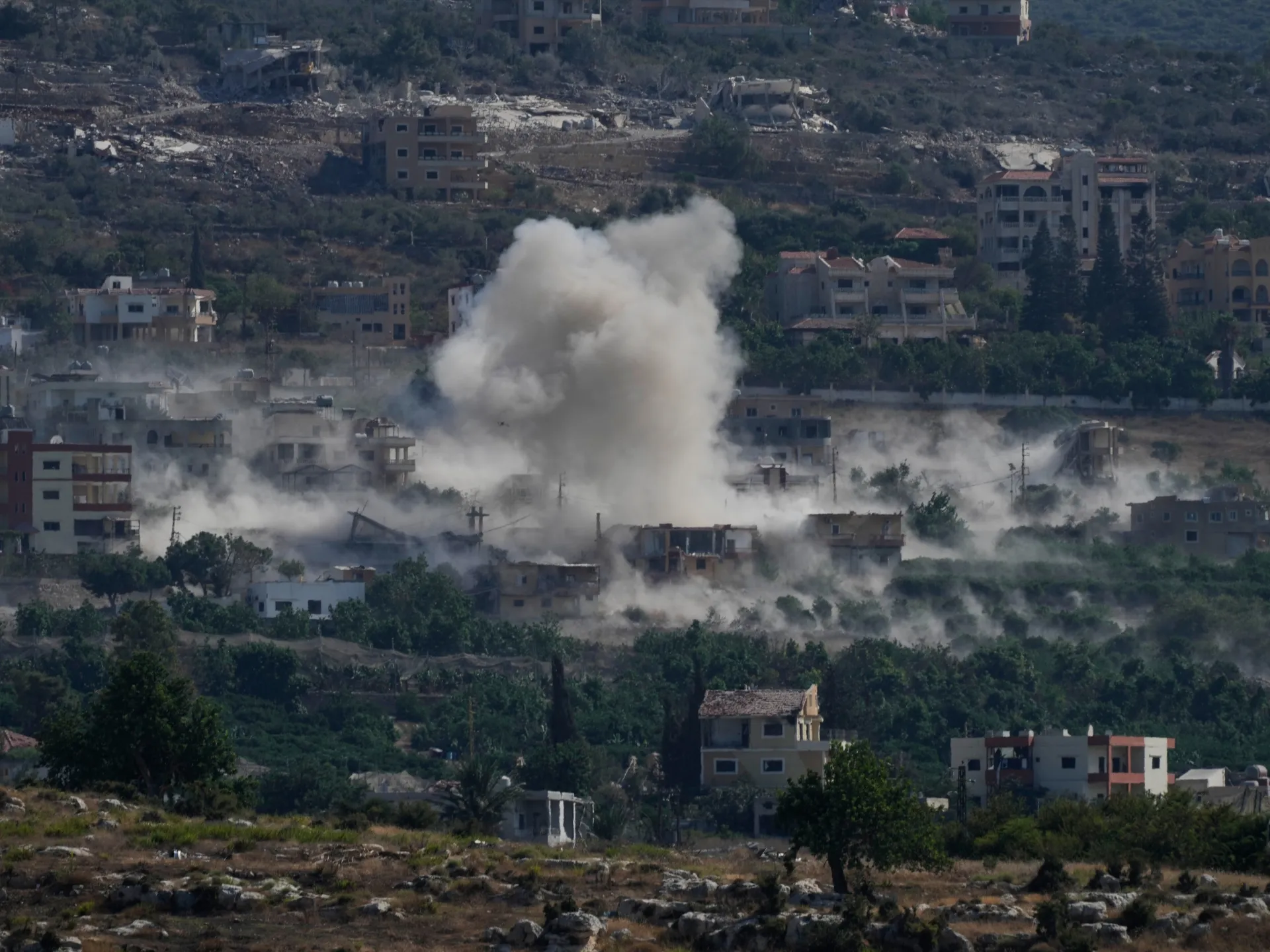
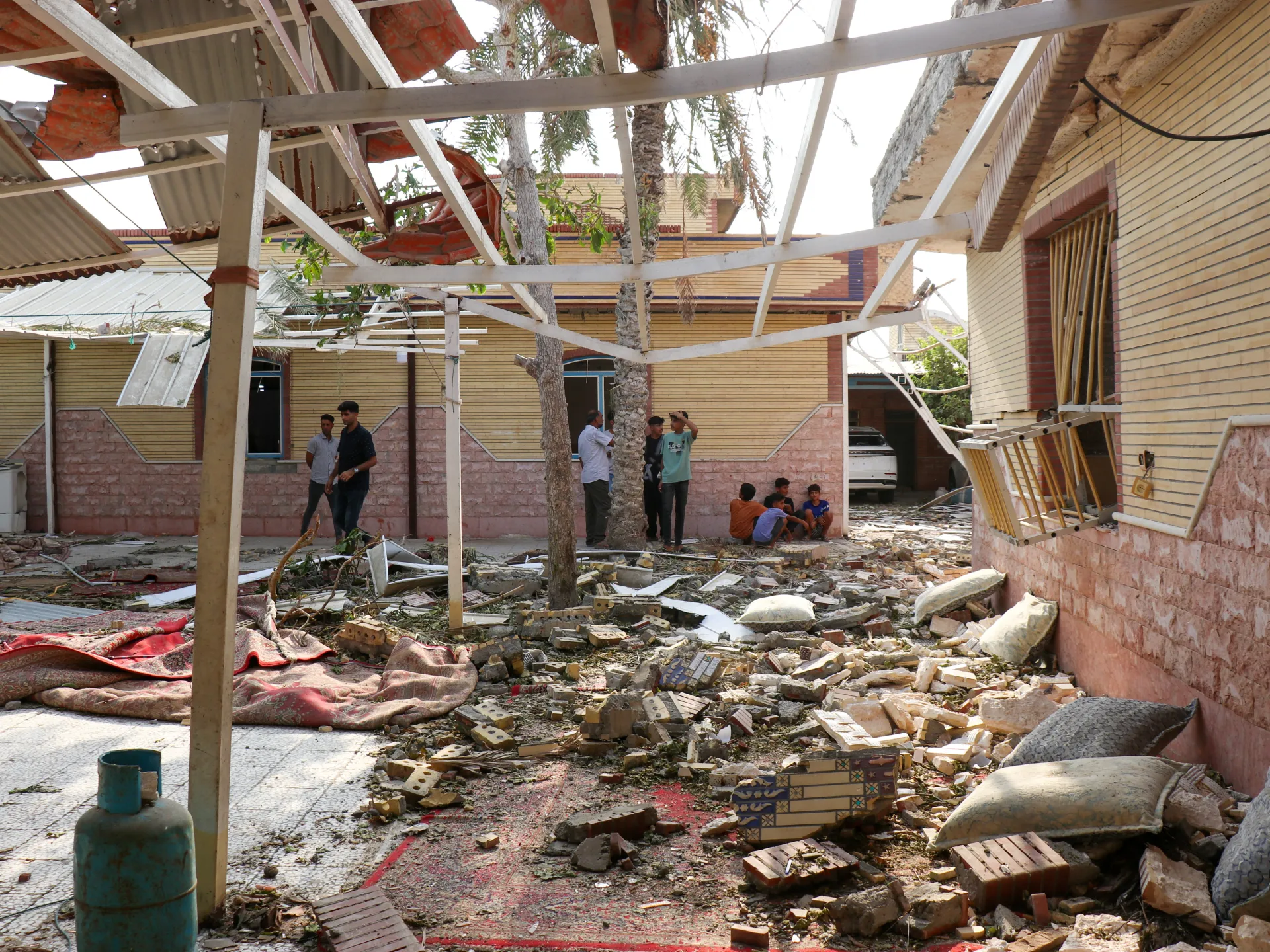
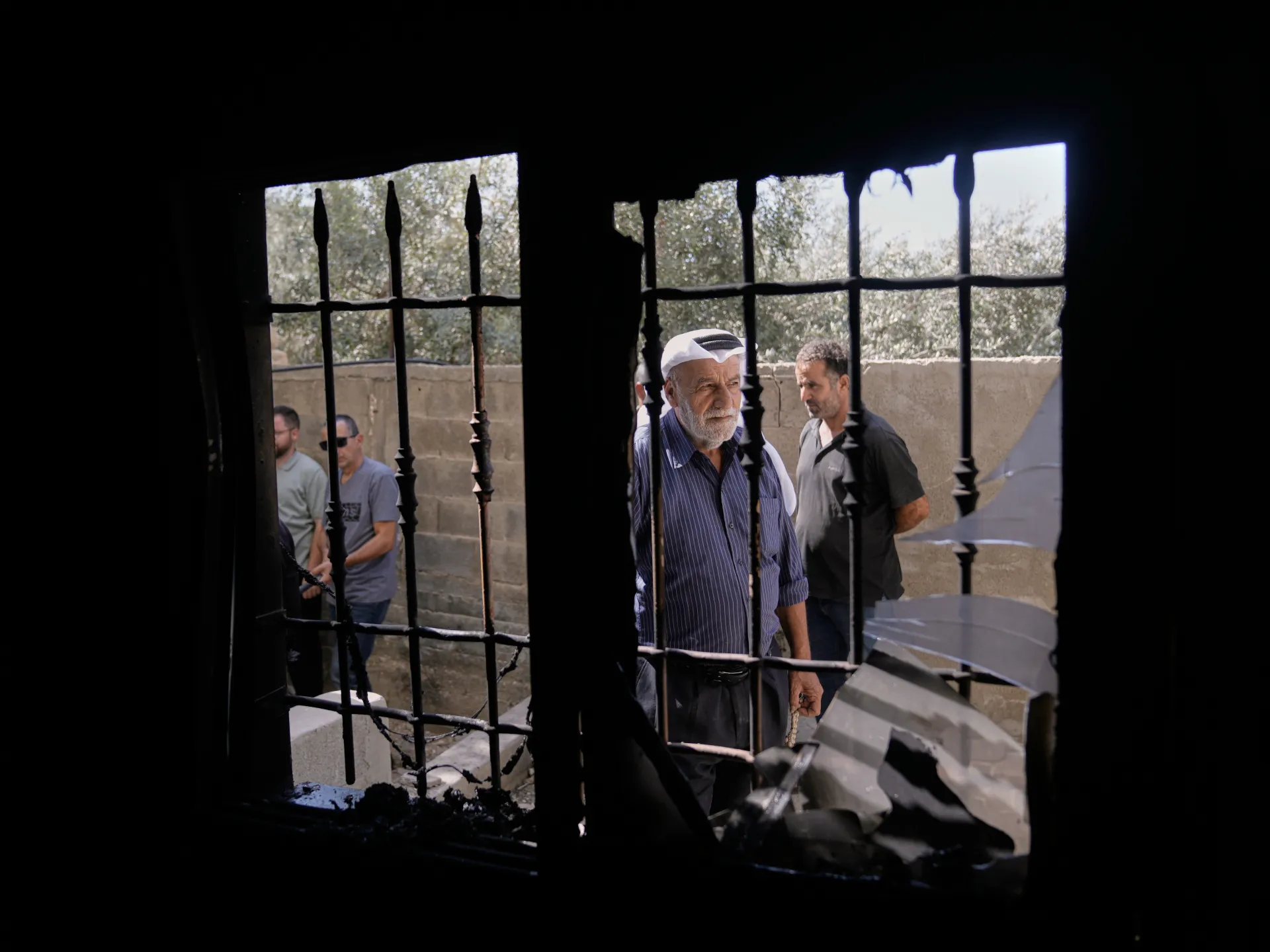
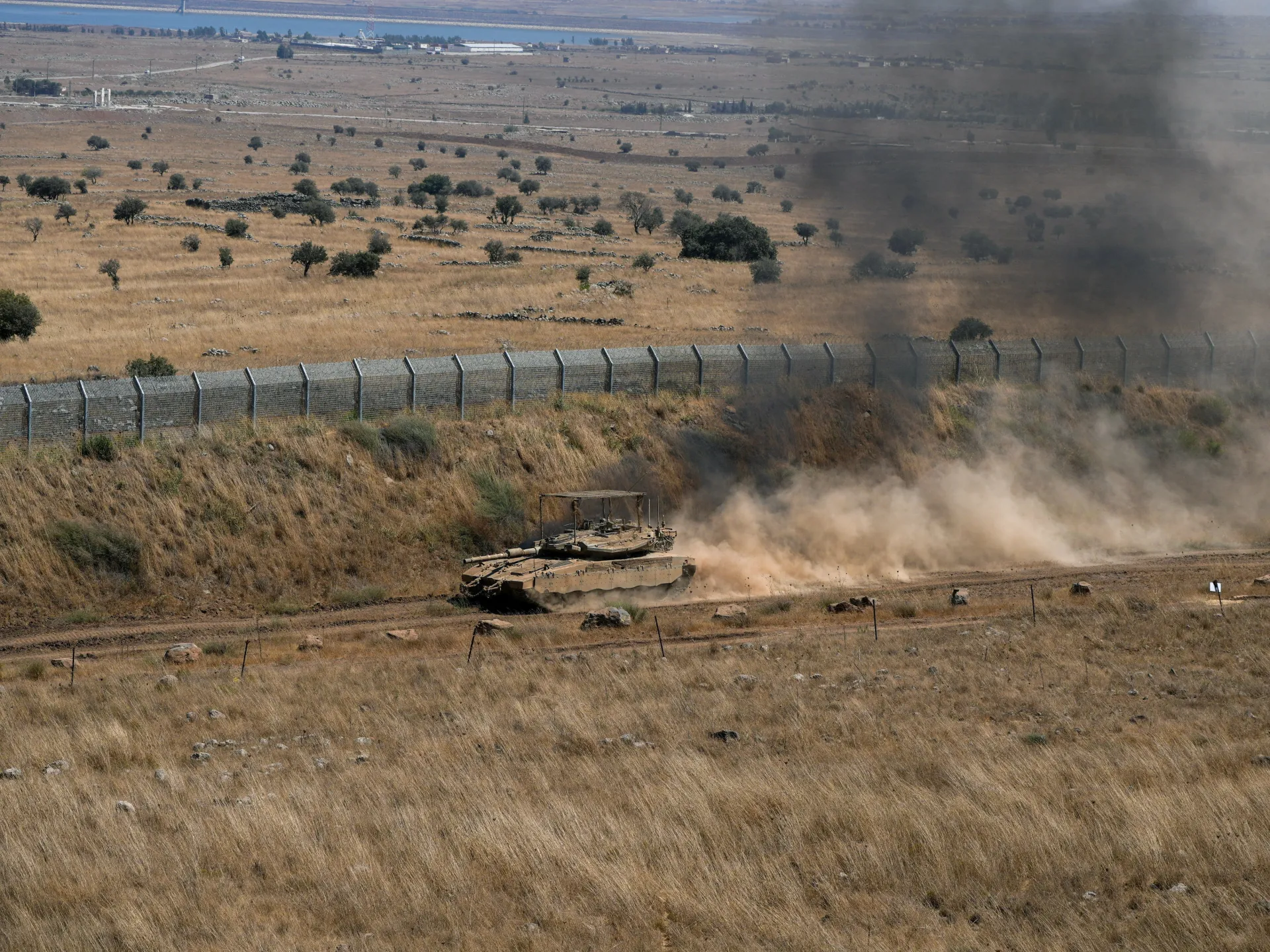
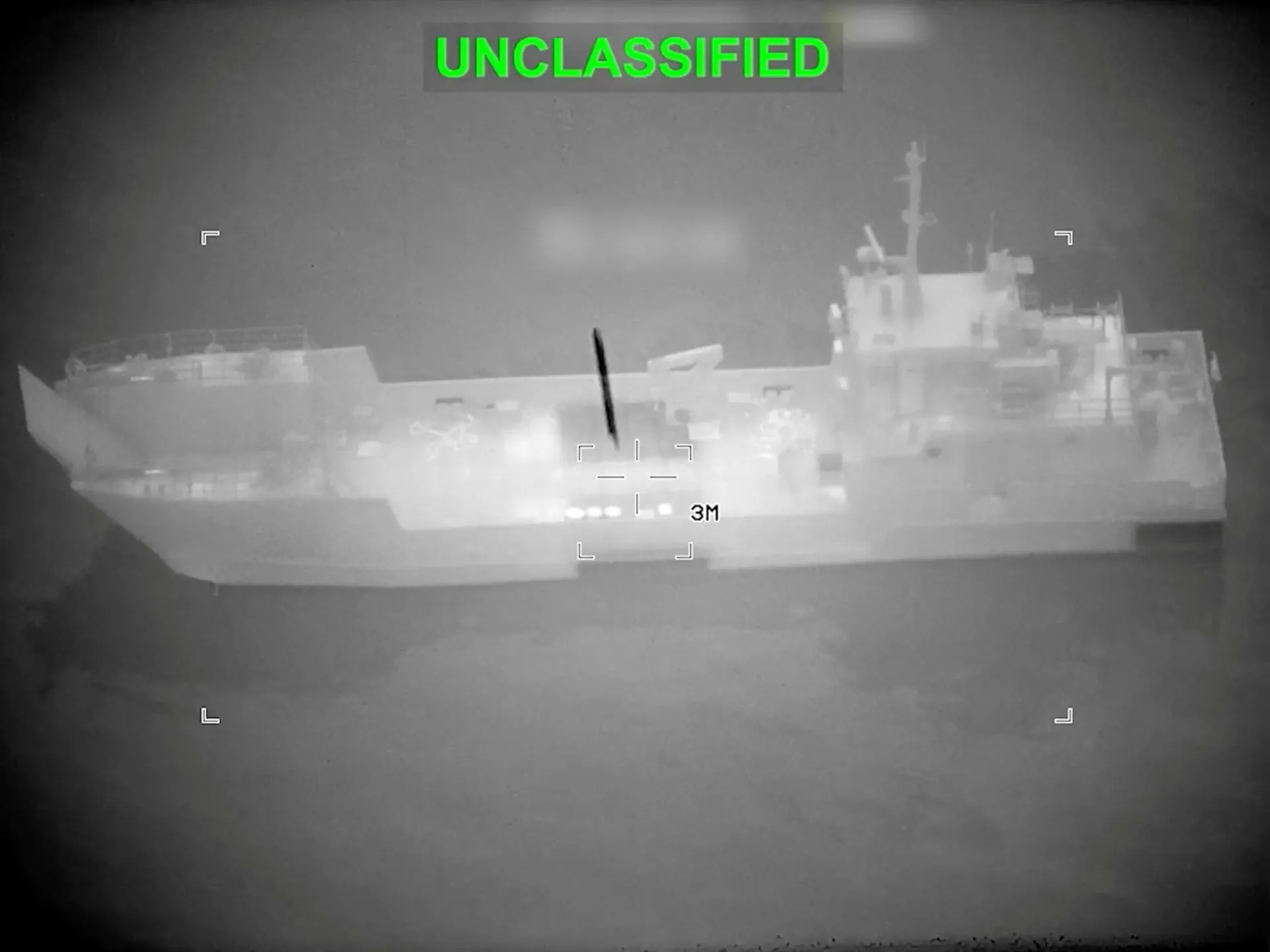
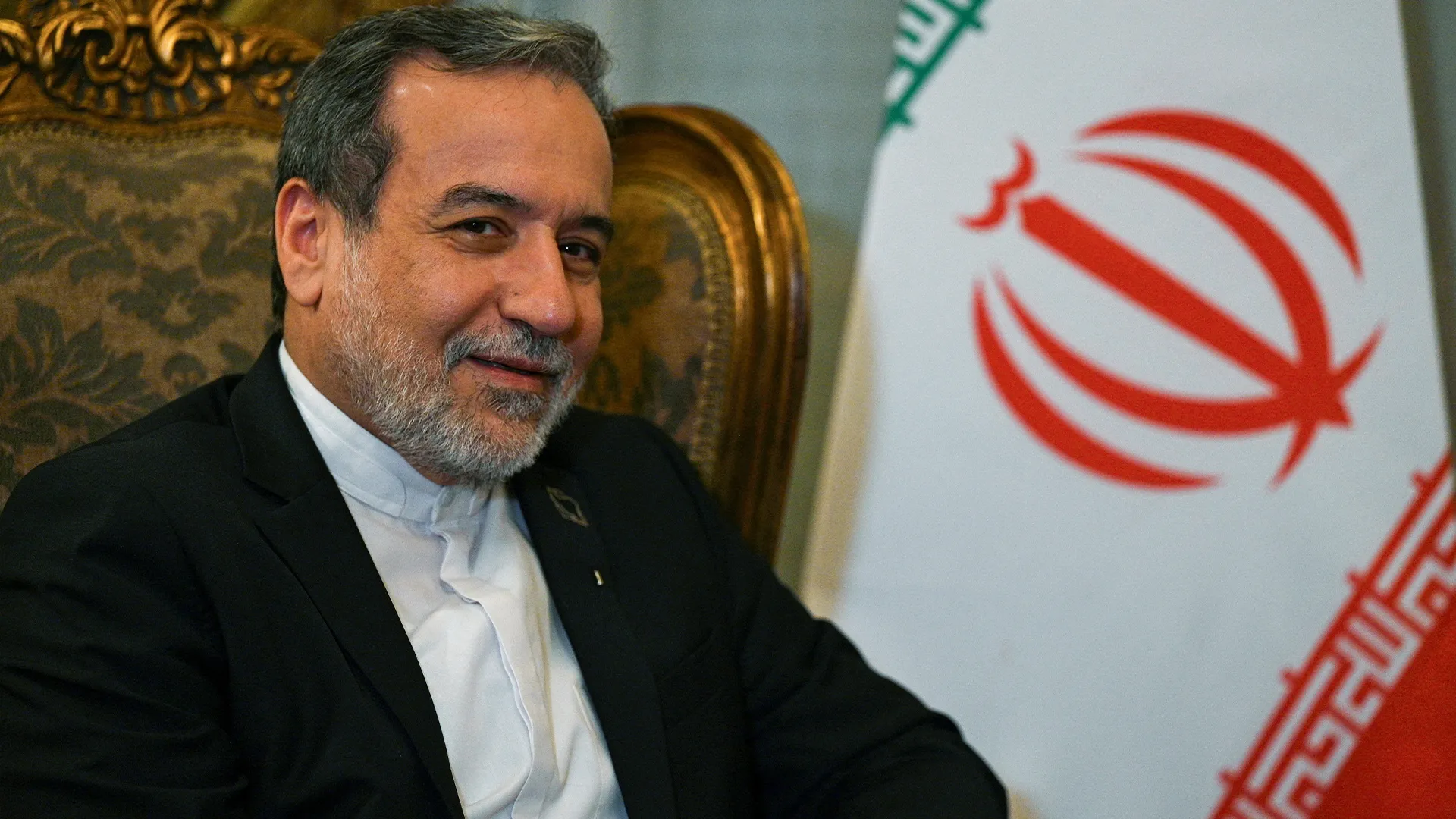
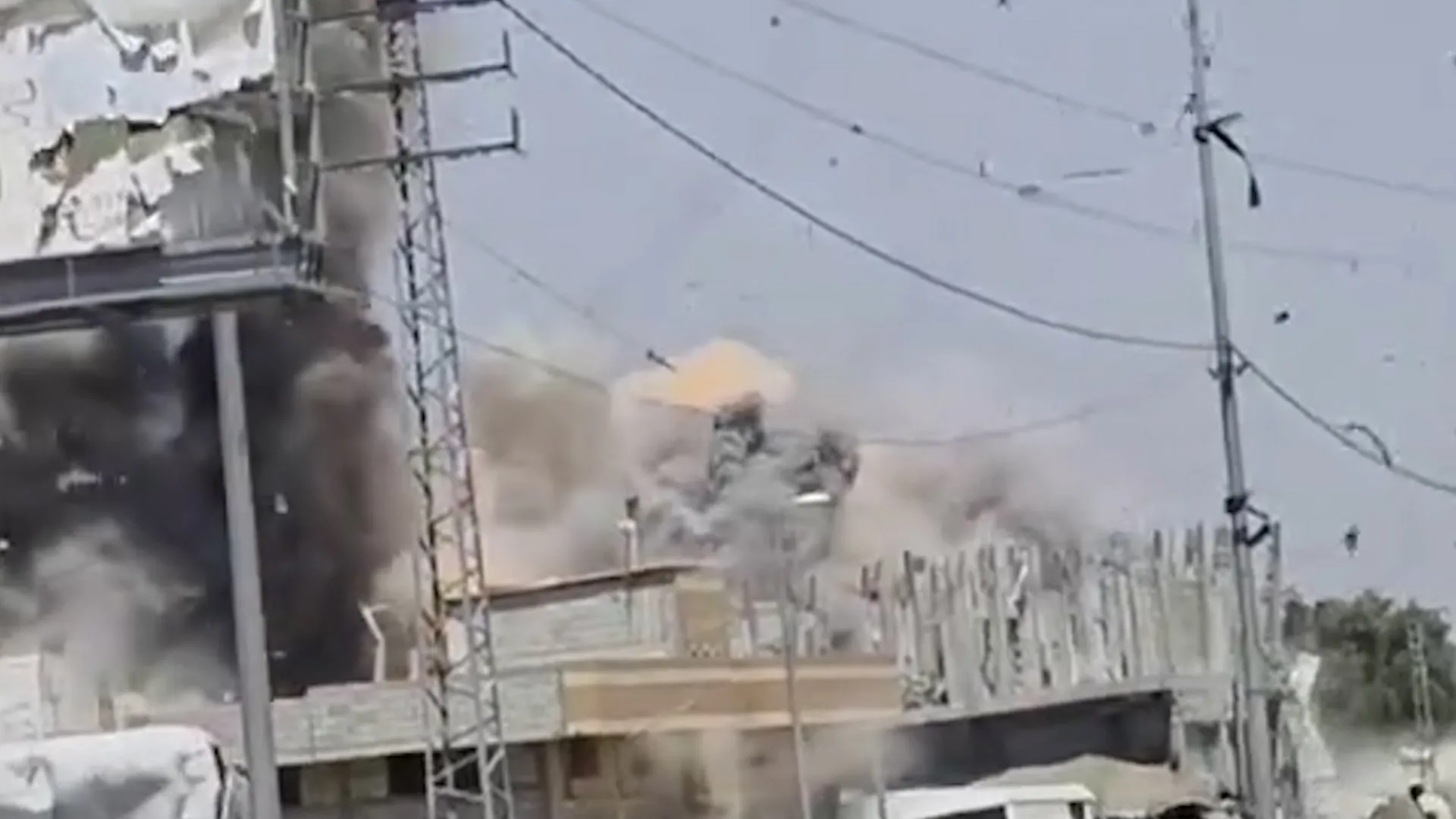
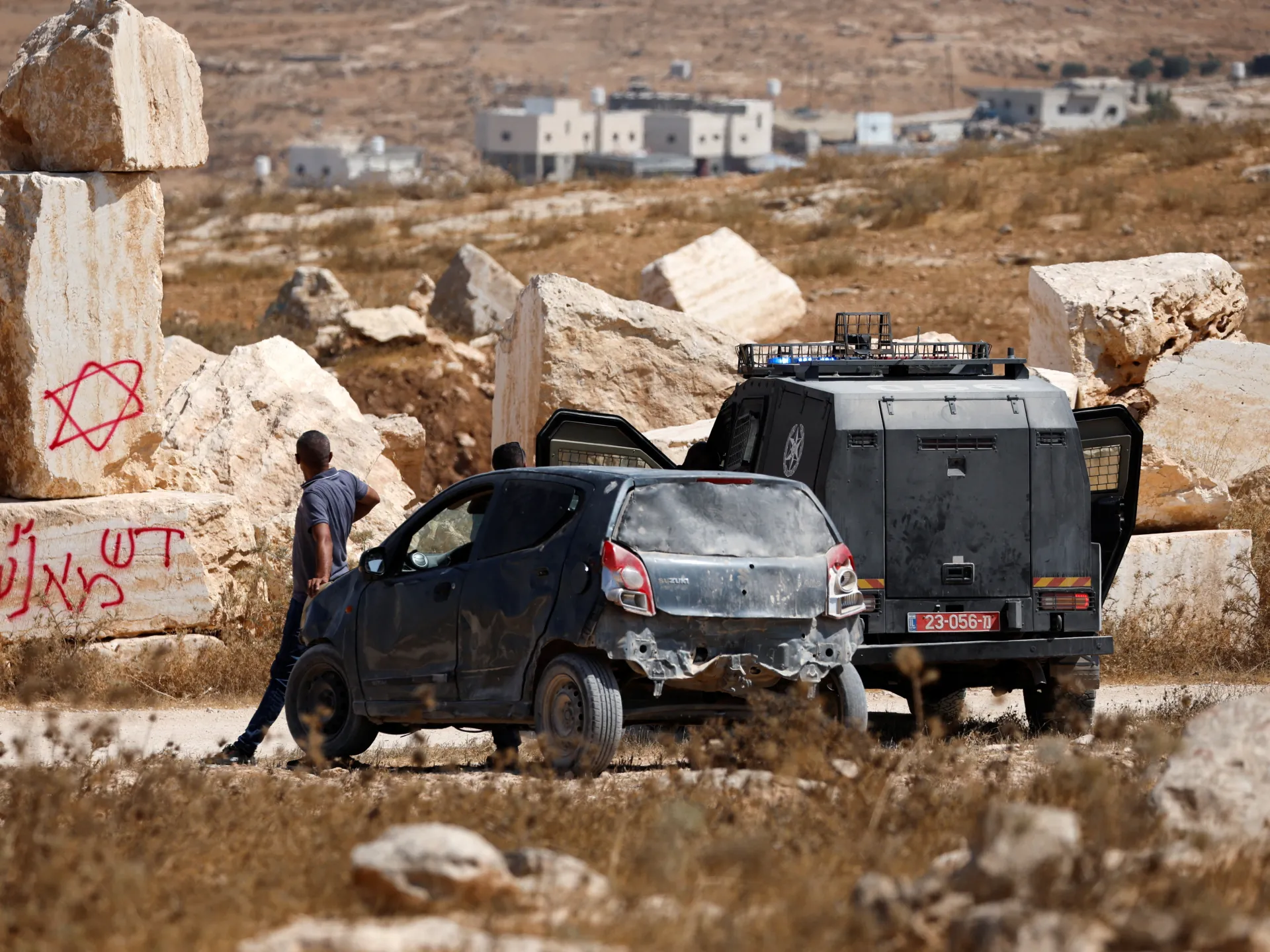
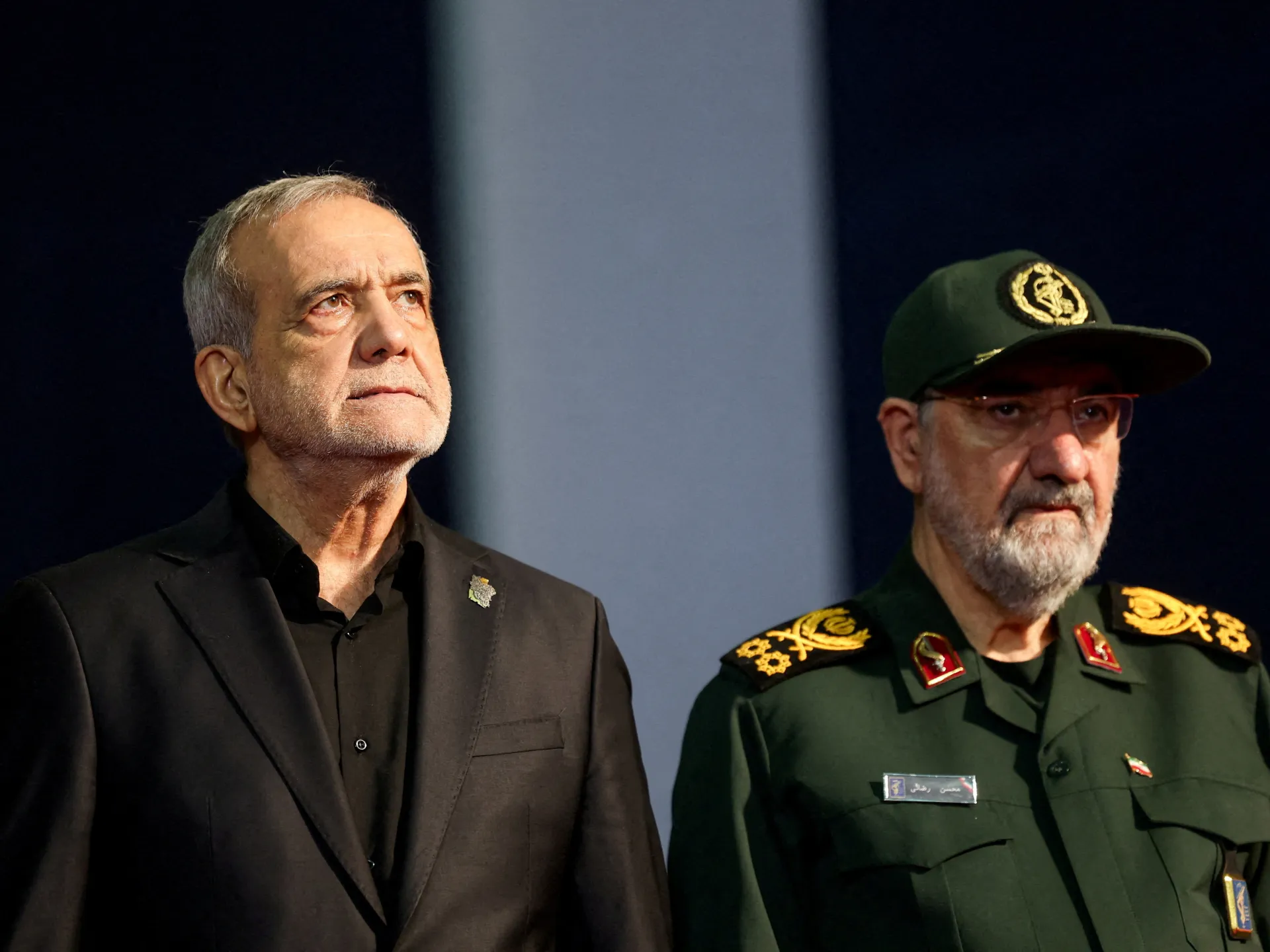
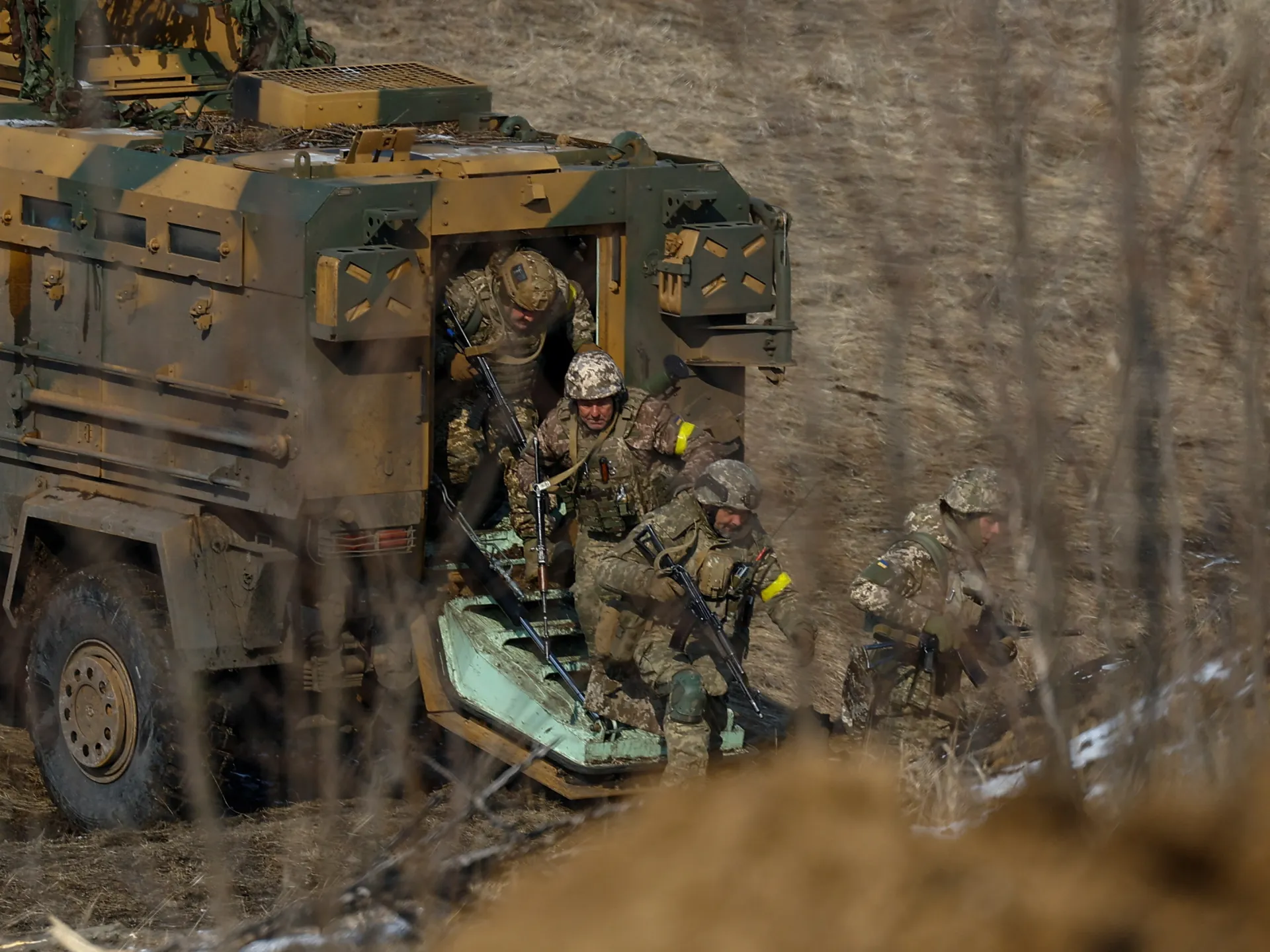
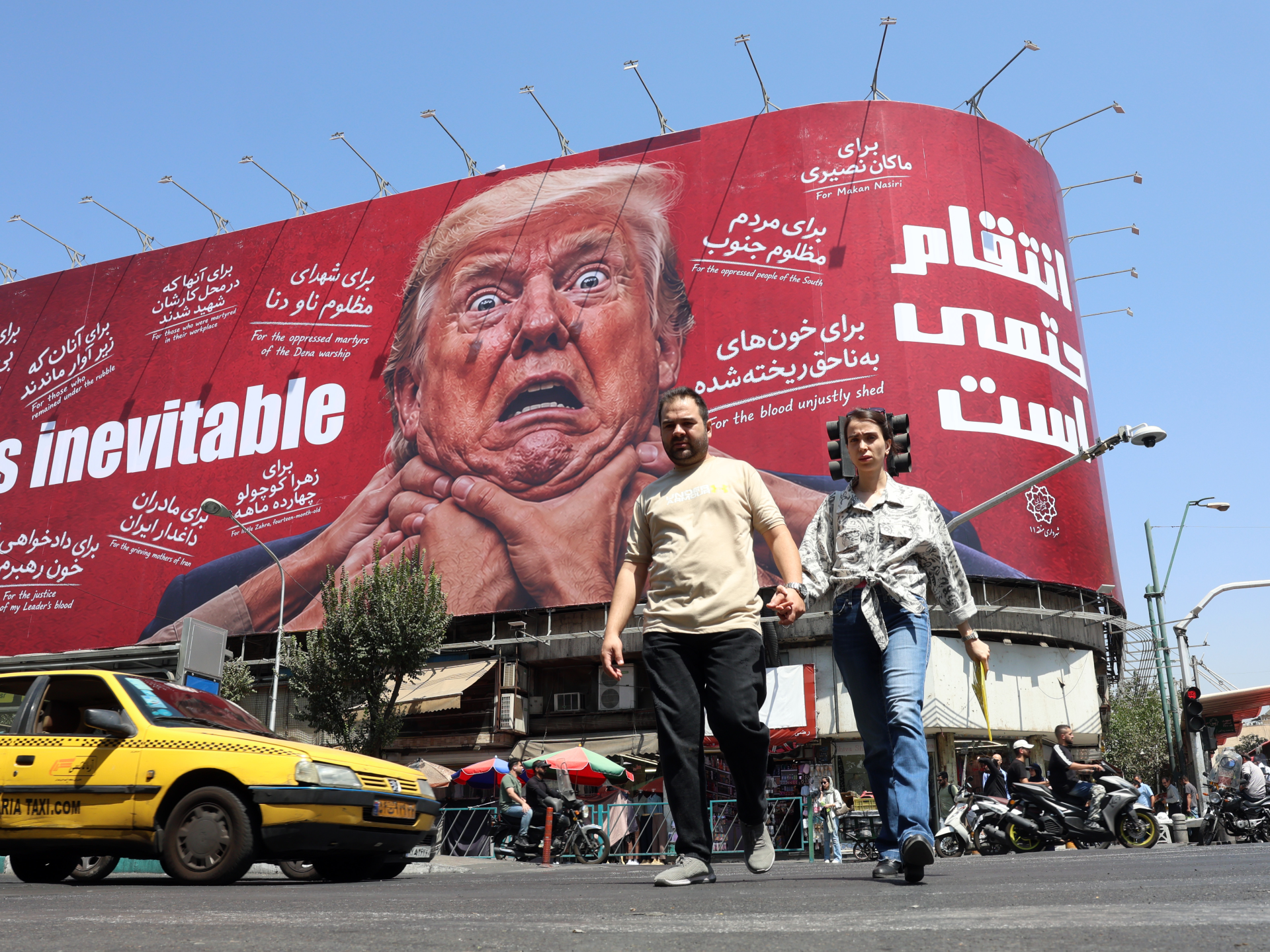
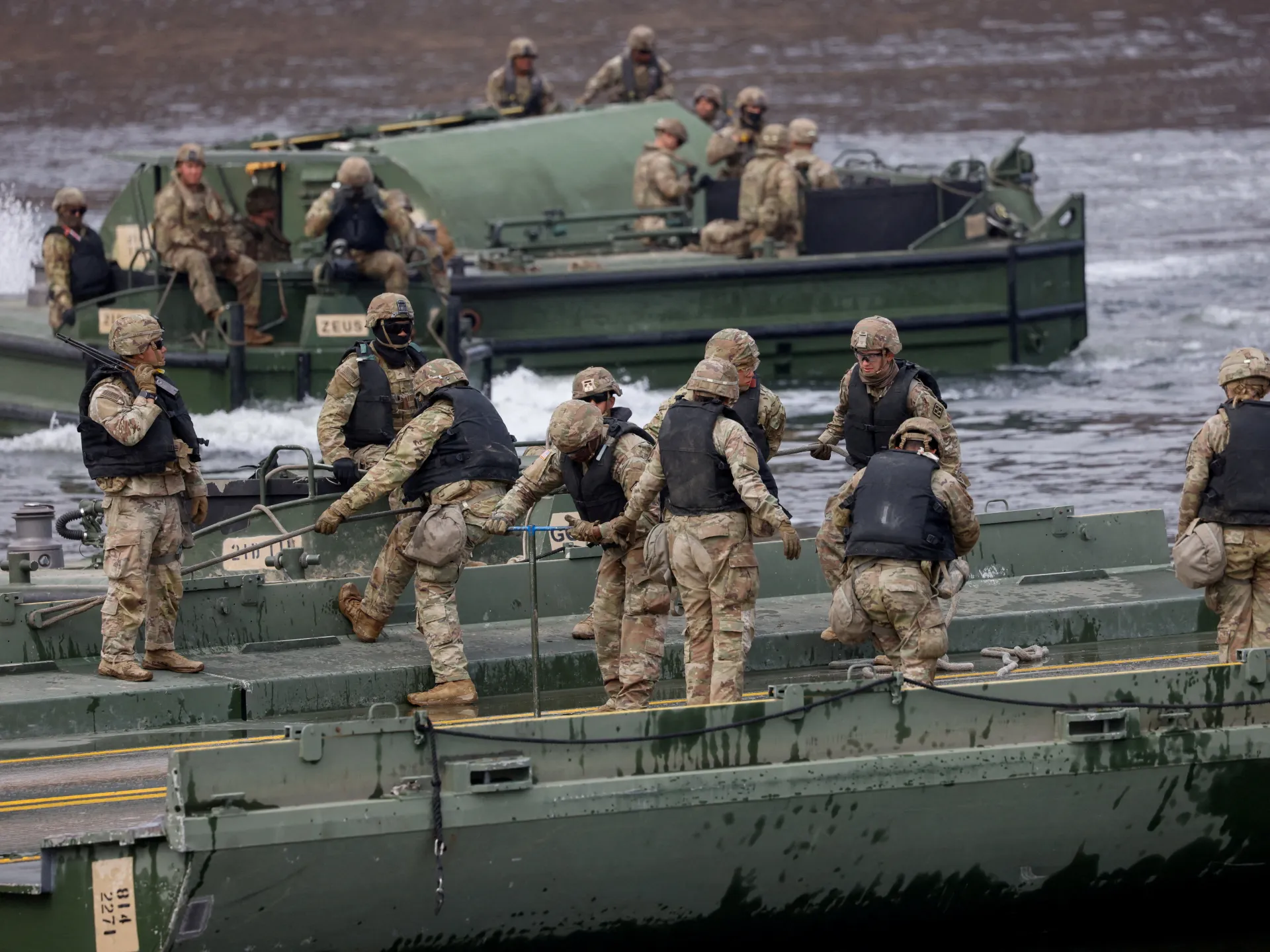
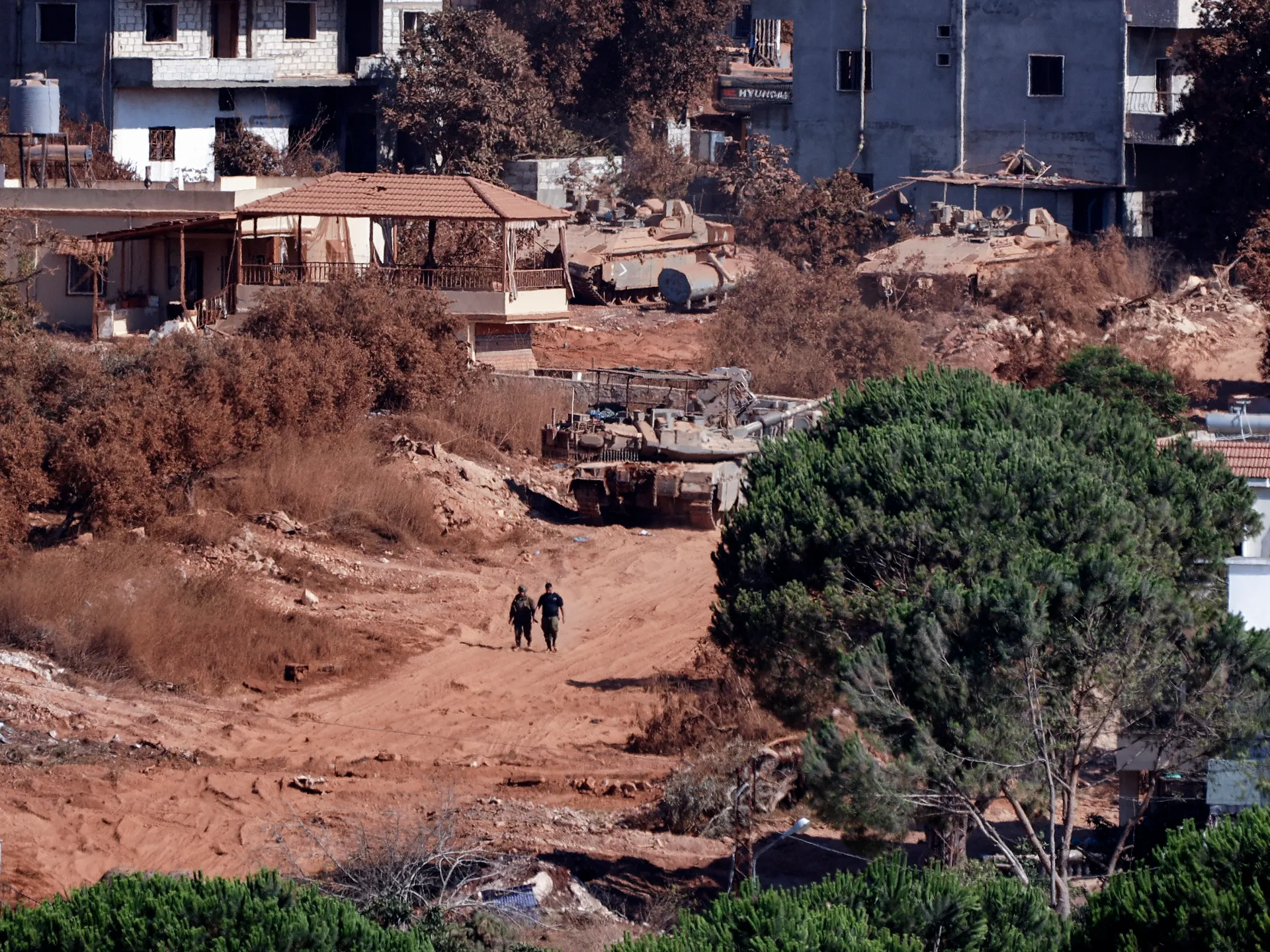
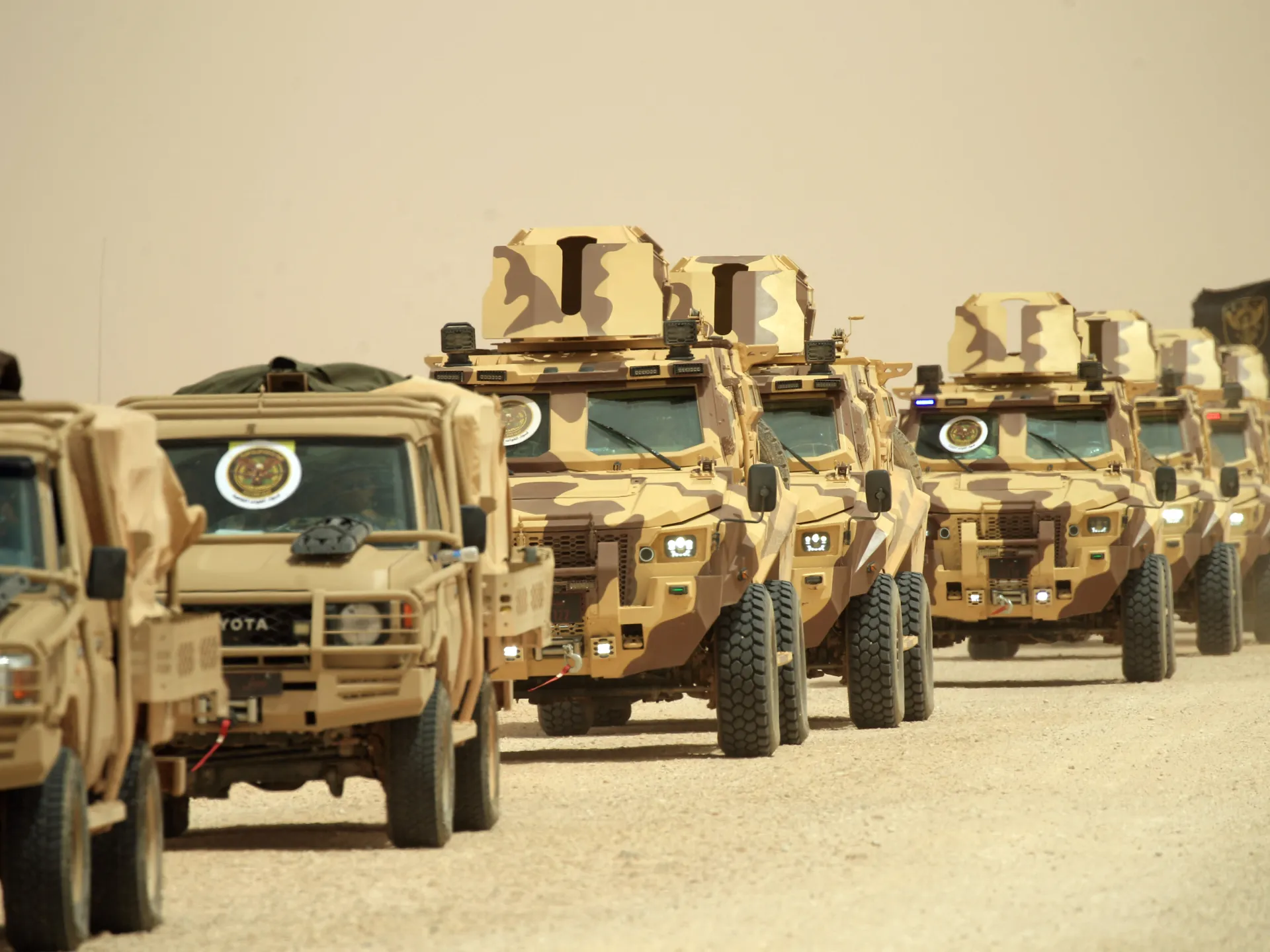
While diplomatic channels remain active, the practical reality on the ground is defined ting systematic violations of existing ceasefires, even as military pressure continues to mount. Iranian officials have expressed concern that the U.S. is preparing to renew a wider bombing campaign, a move they argue would be an escalation of an already precarious situation.
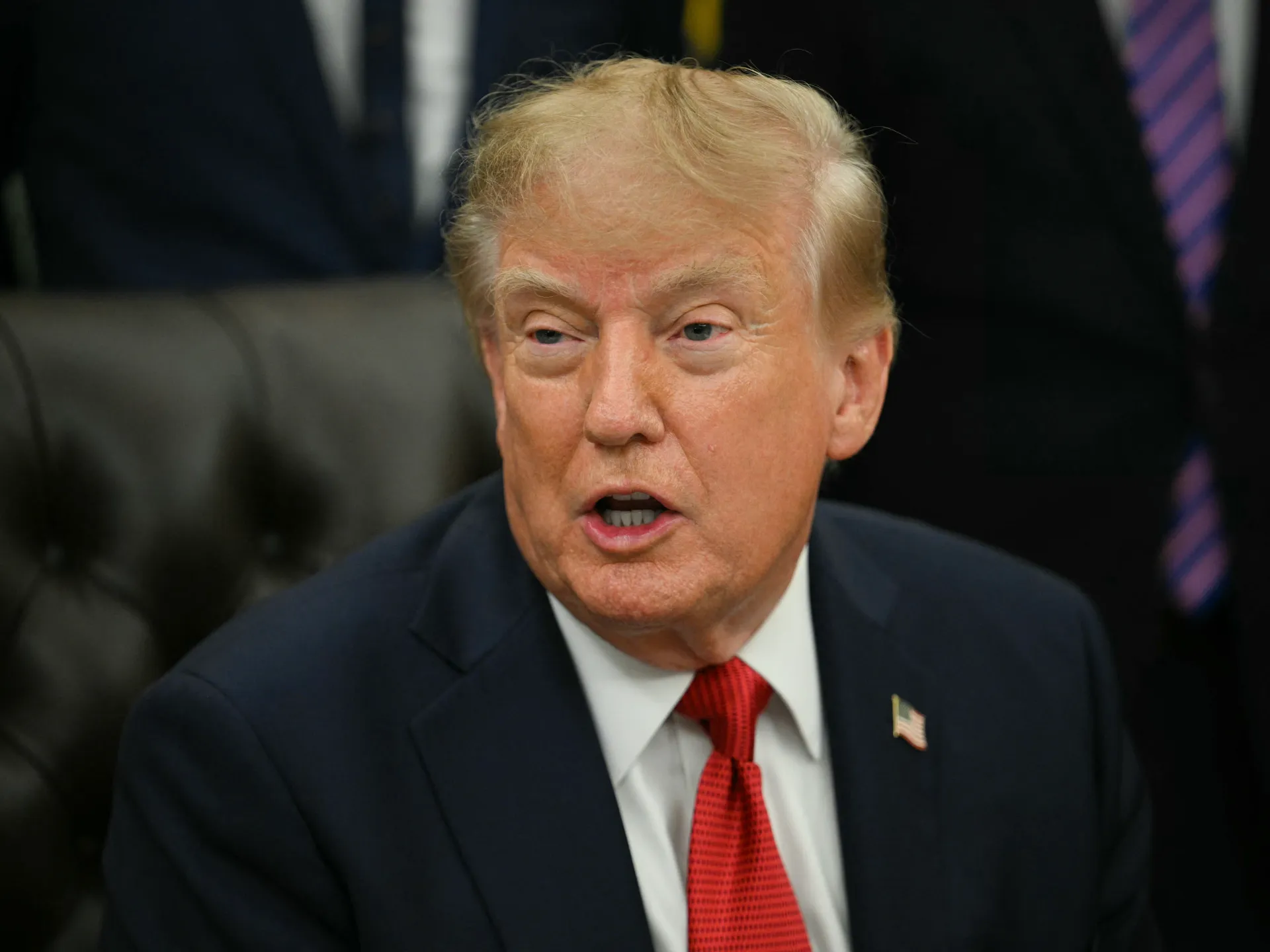
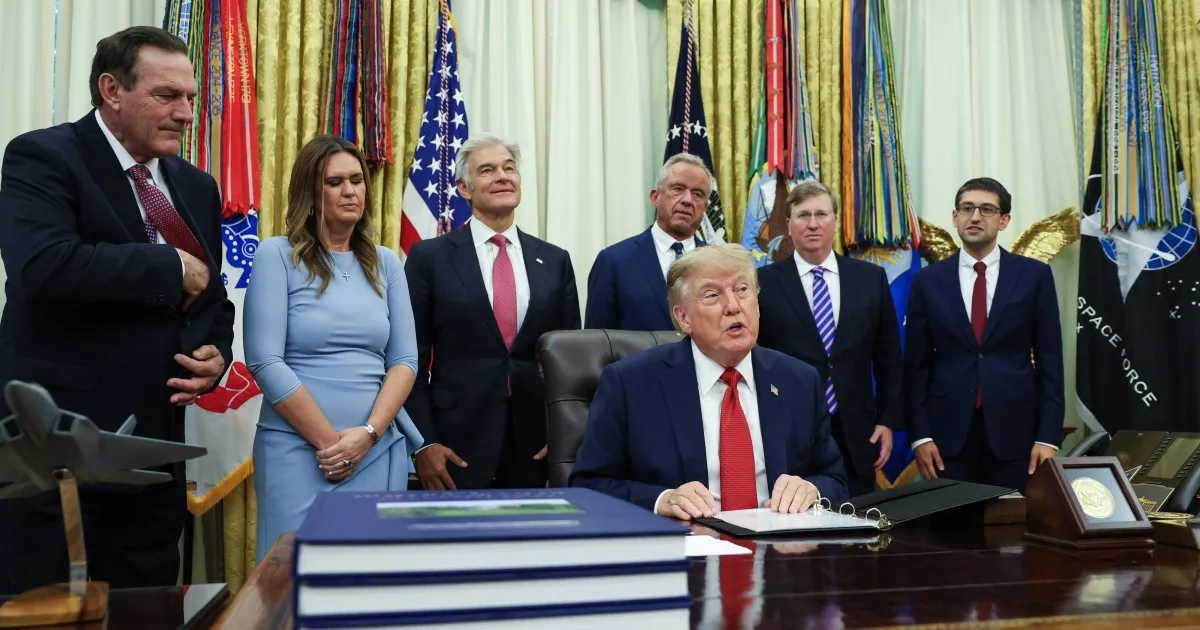
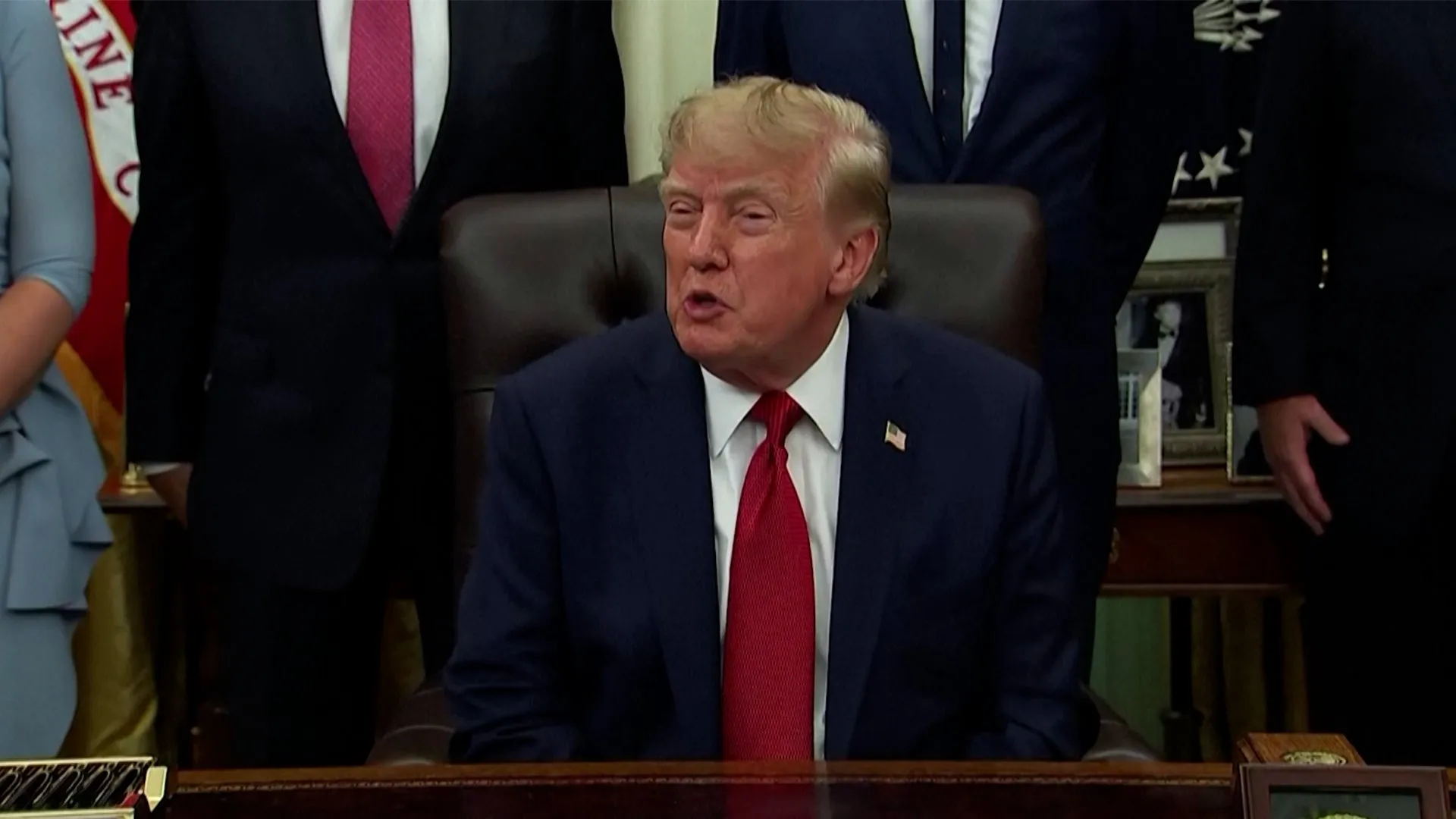
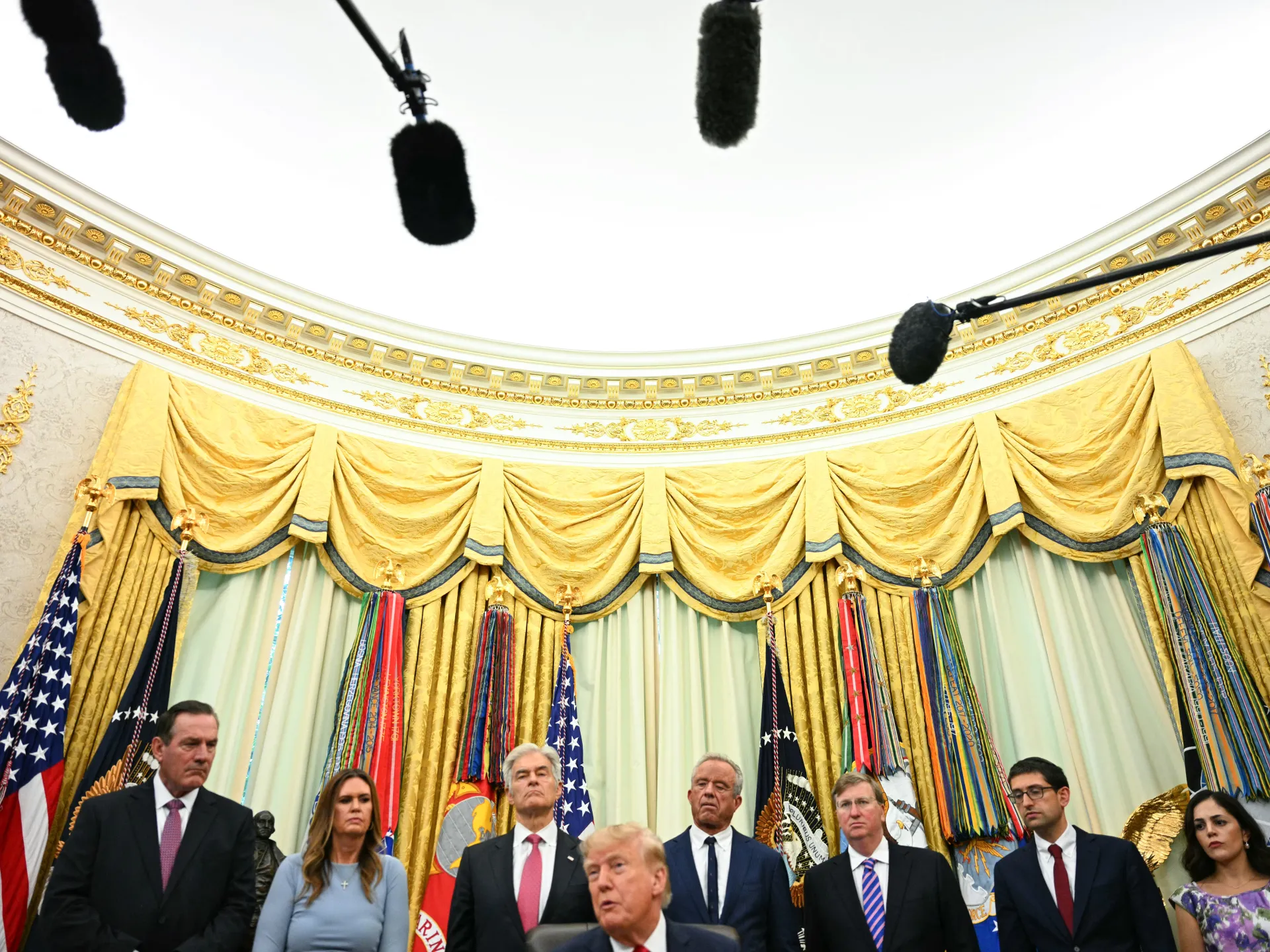
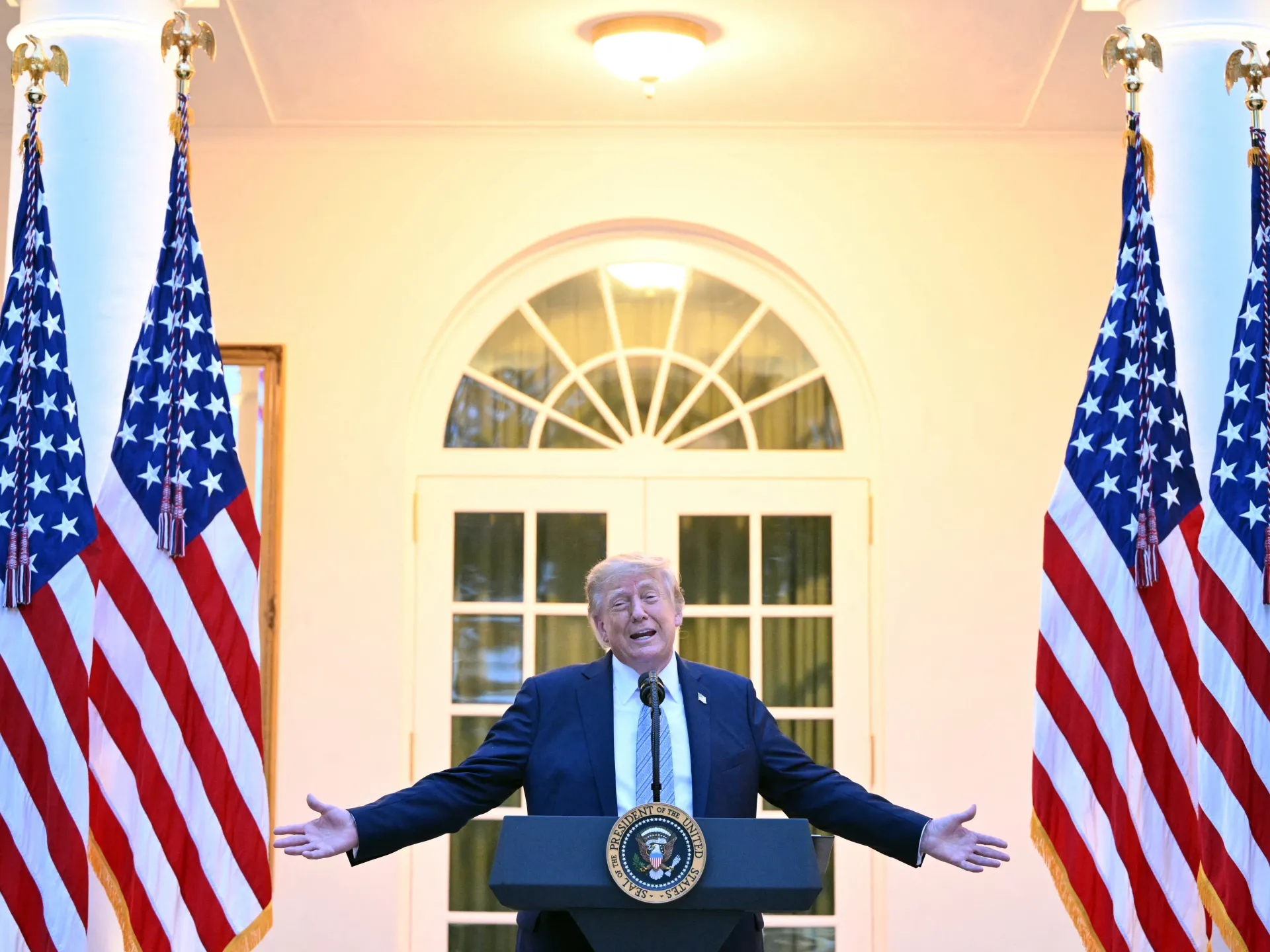
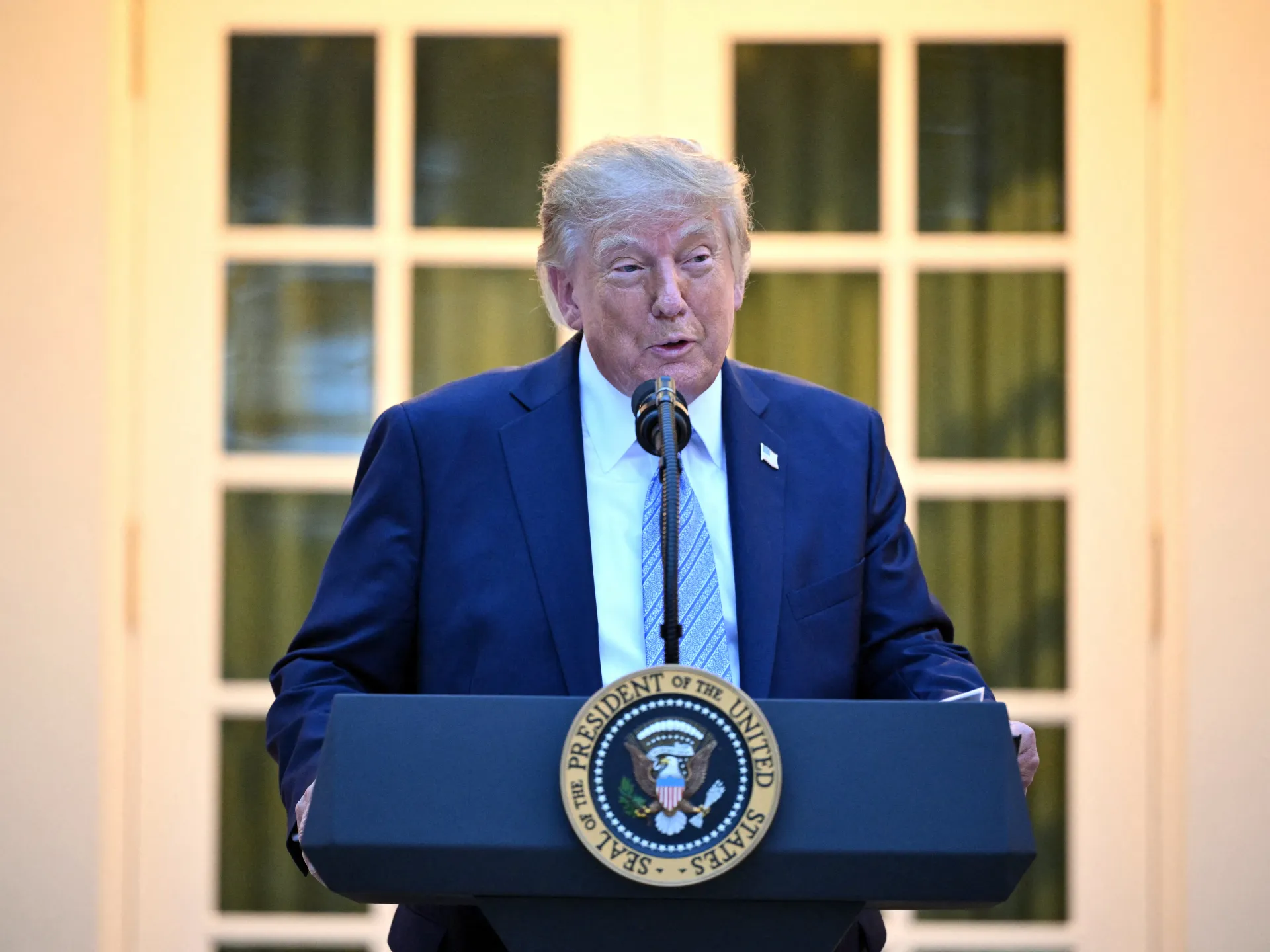
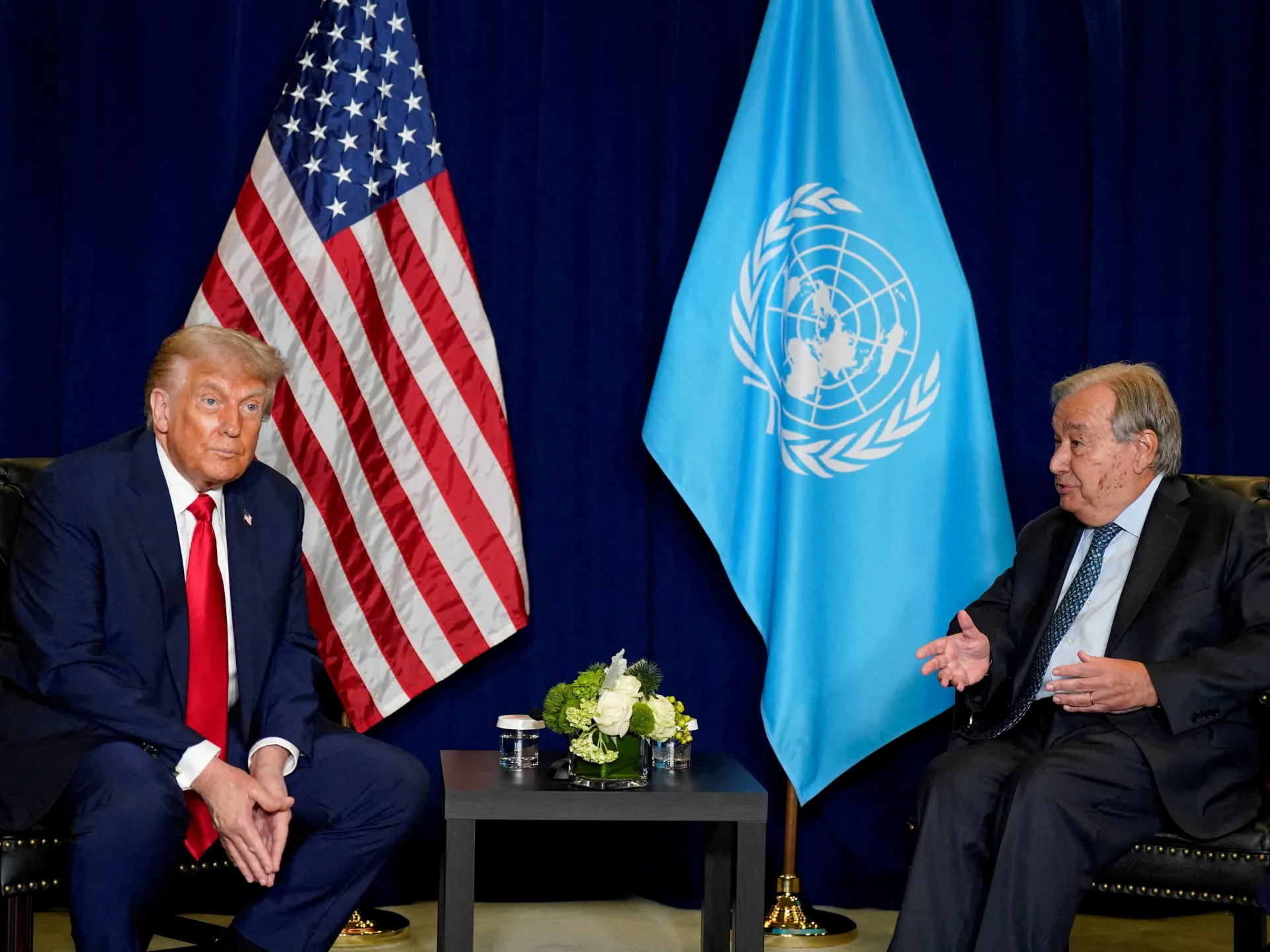
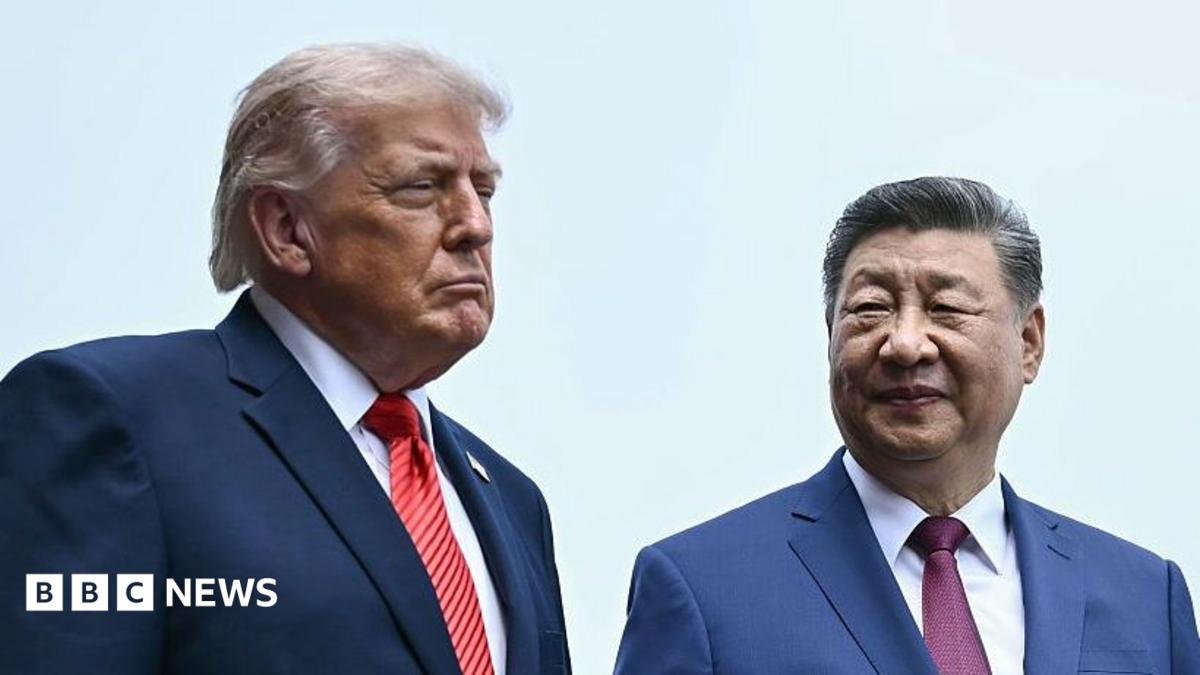
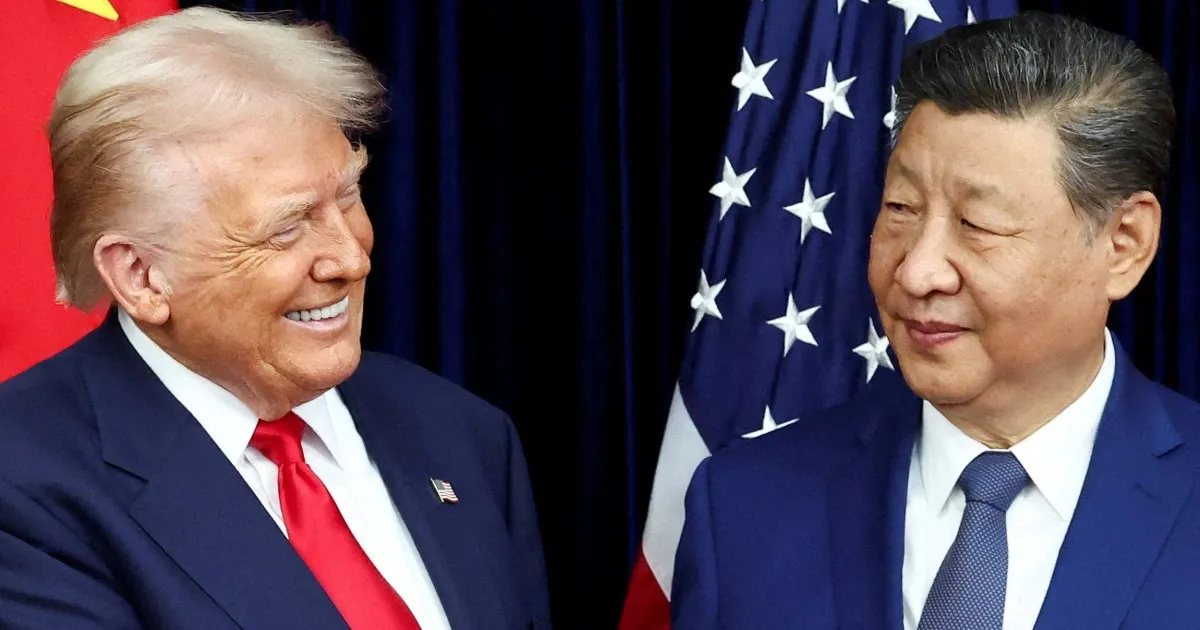
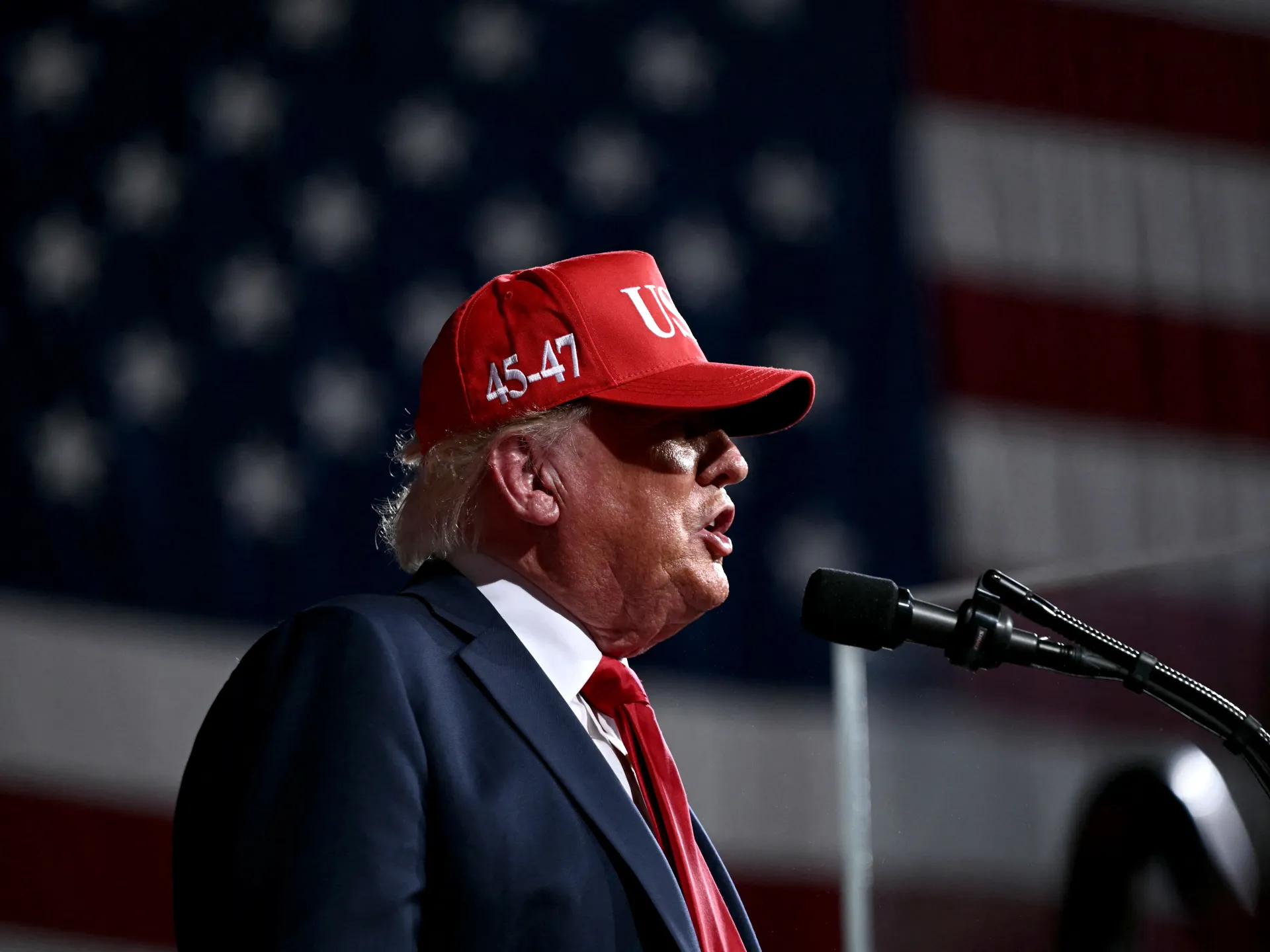
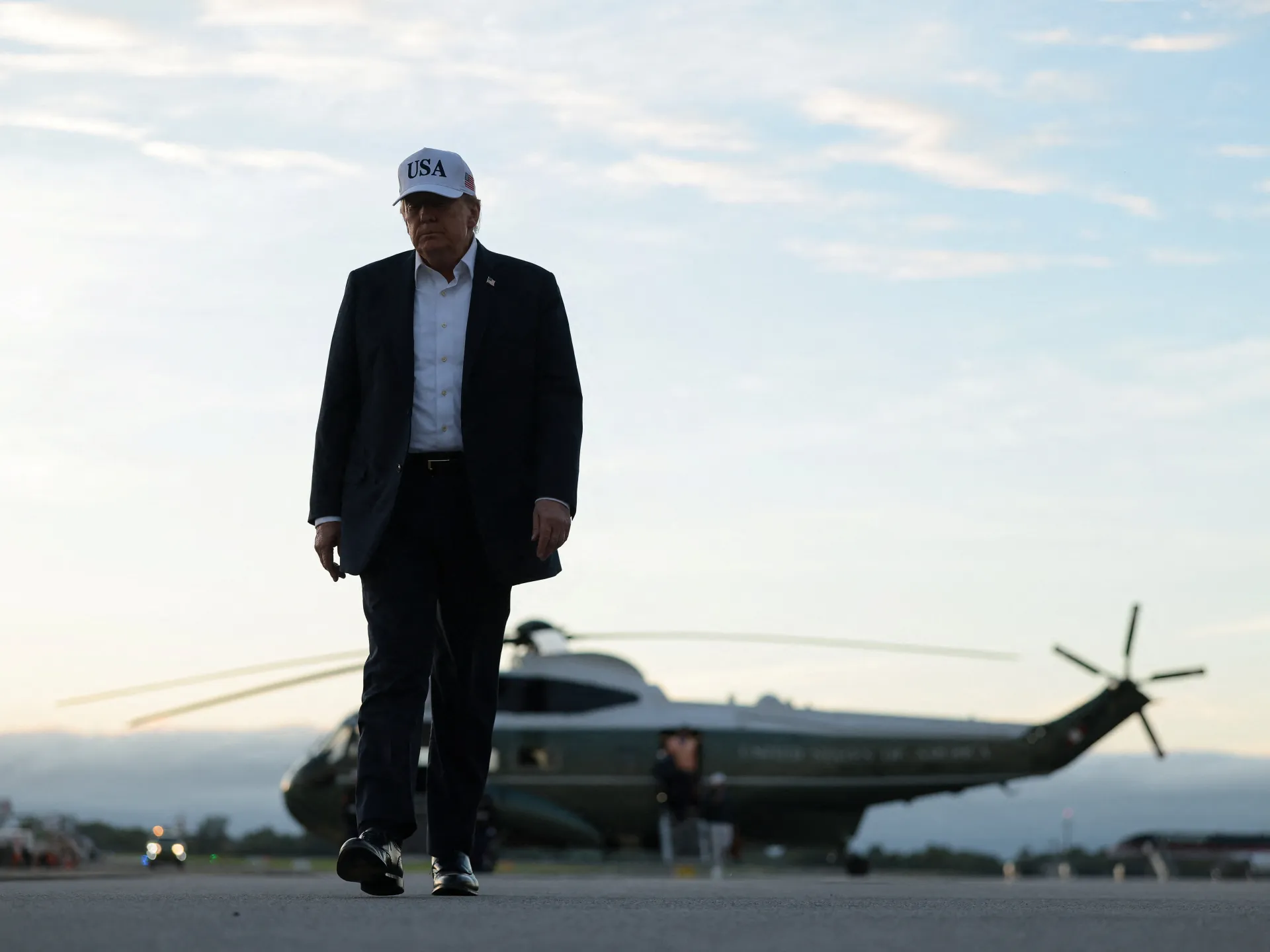
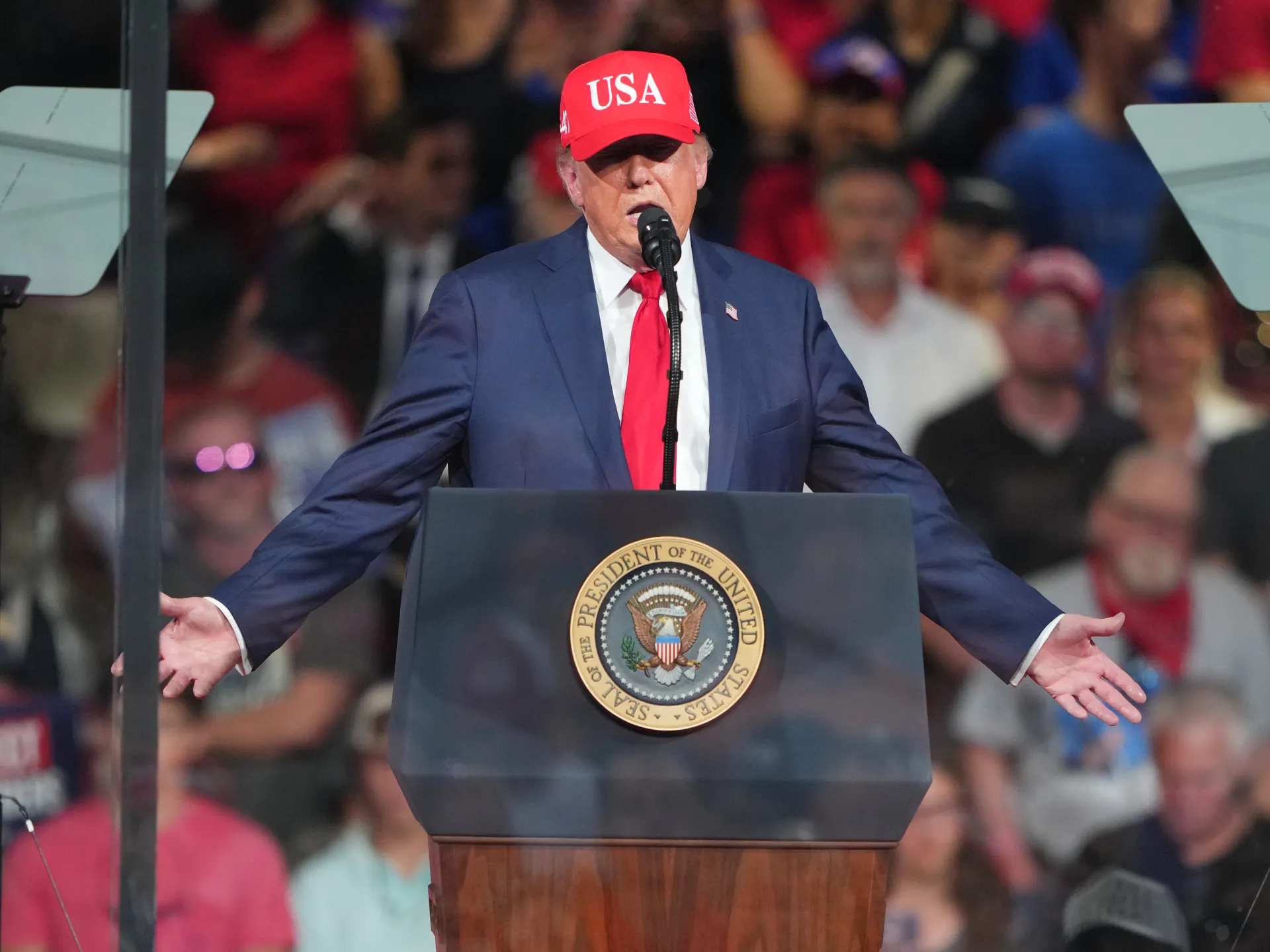
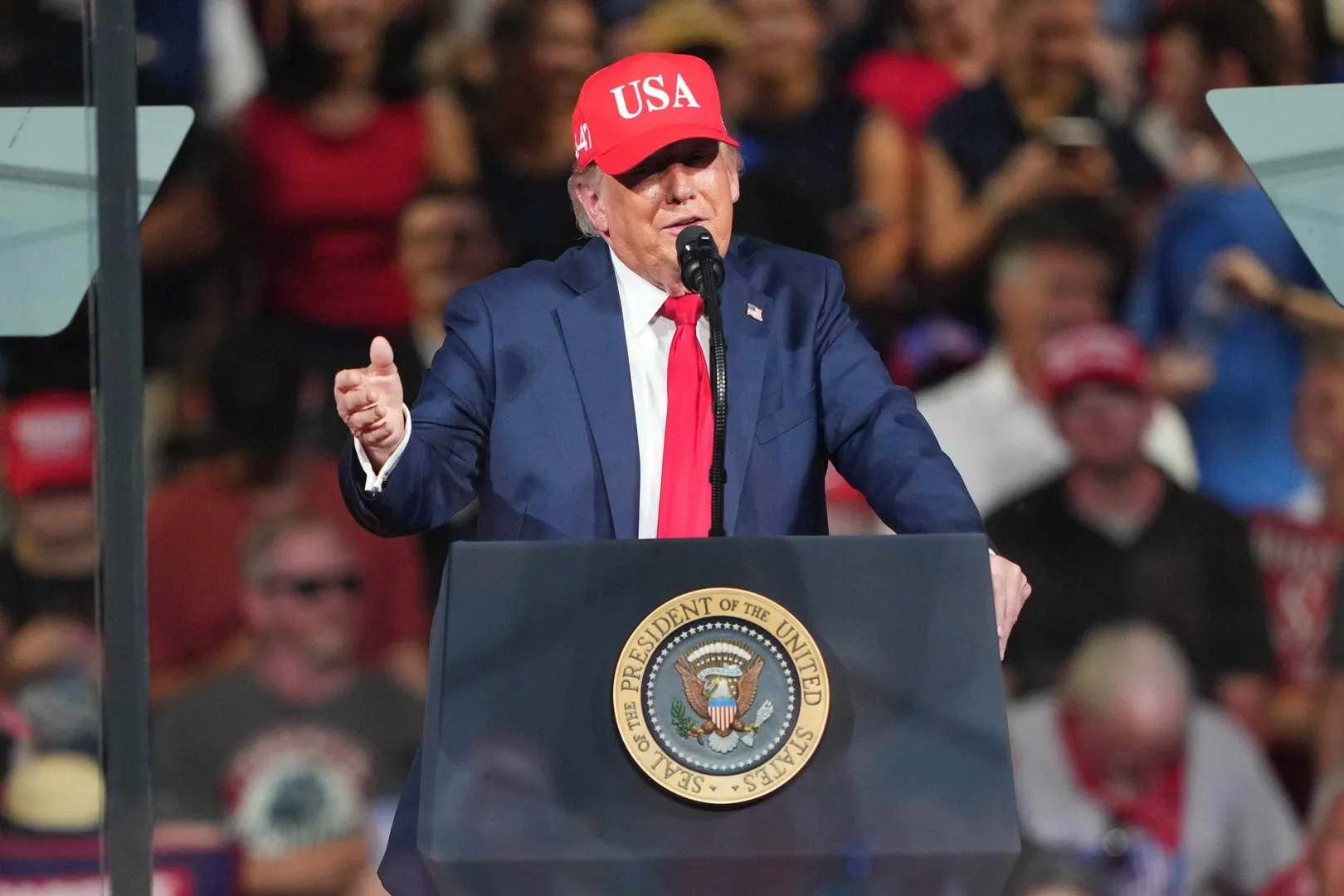
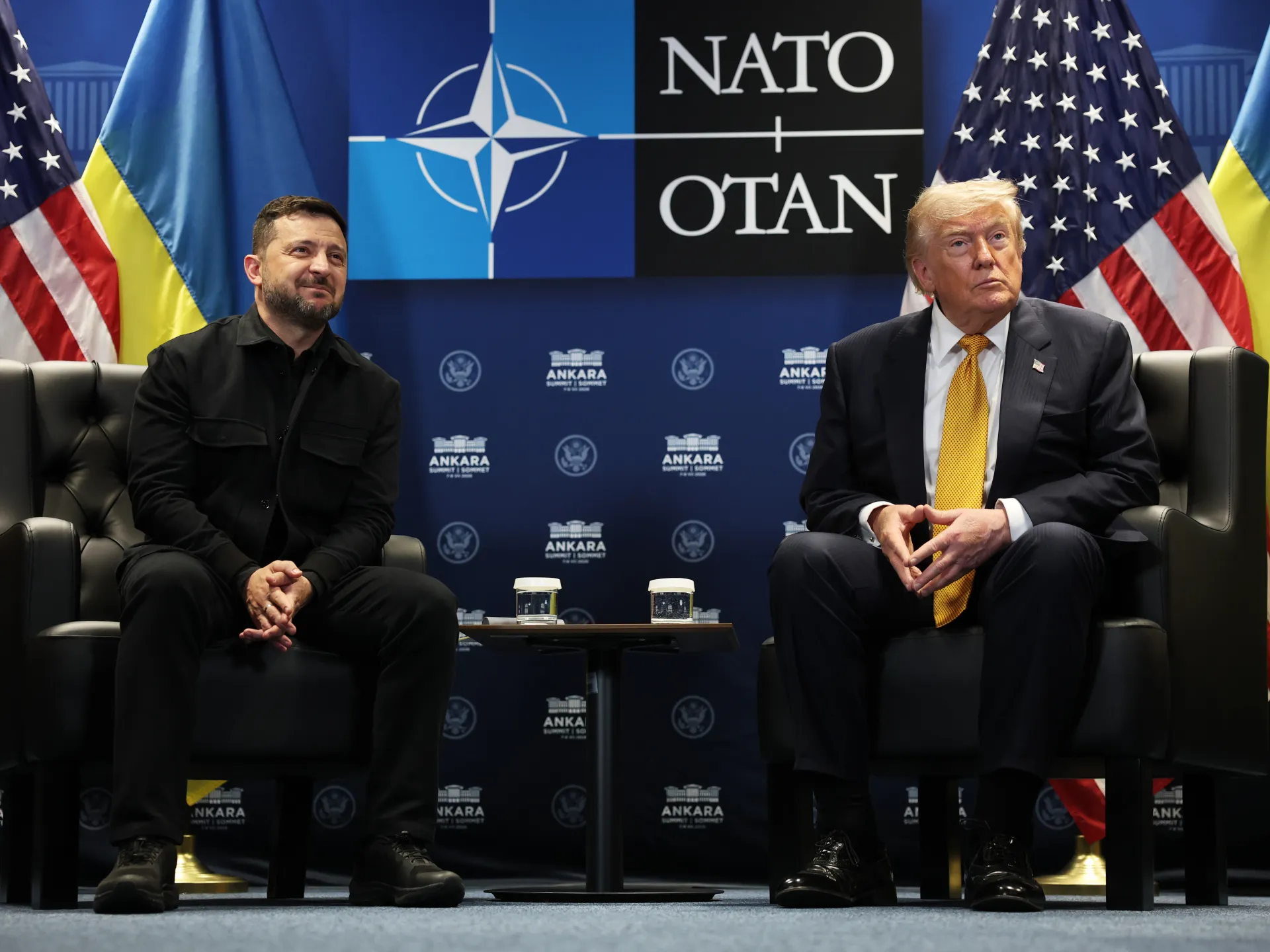
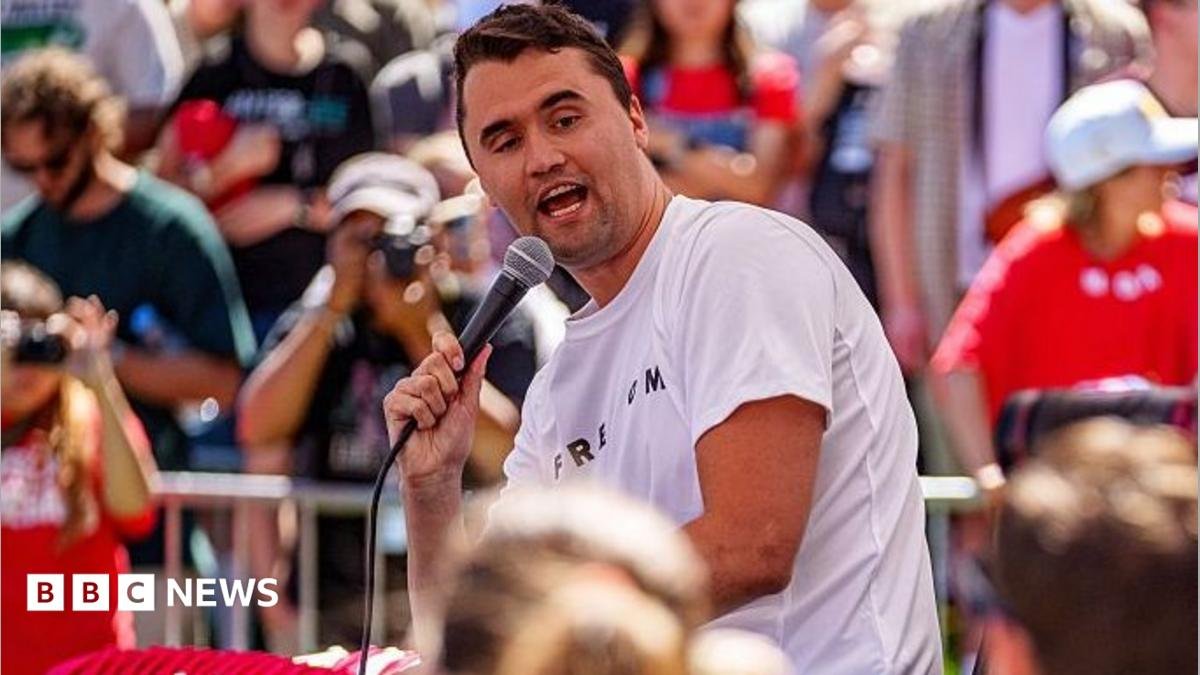
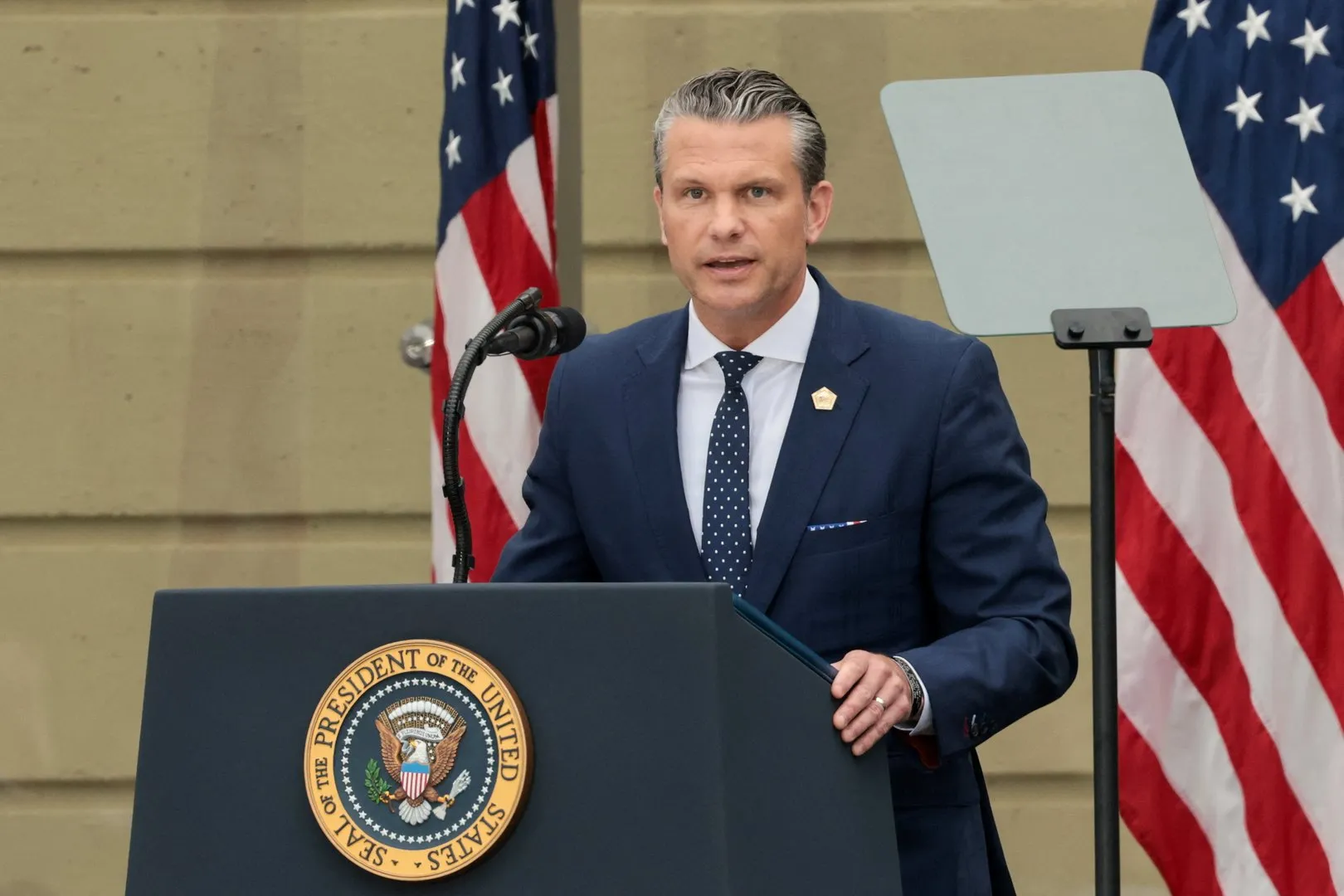
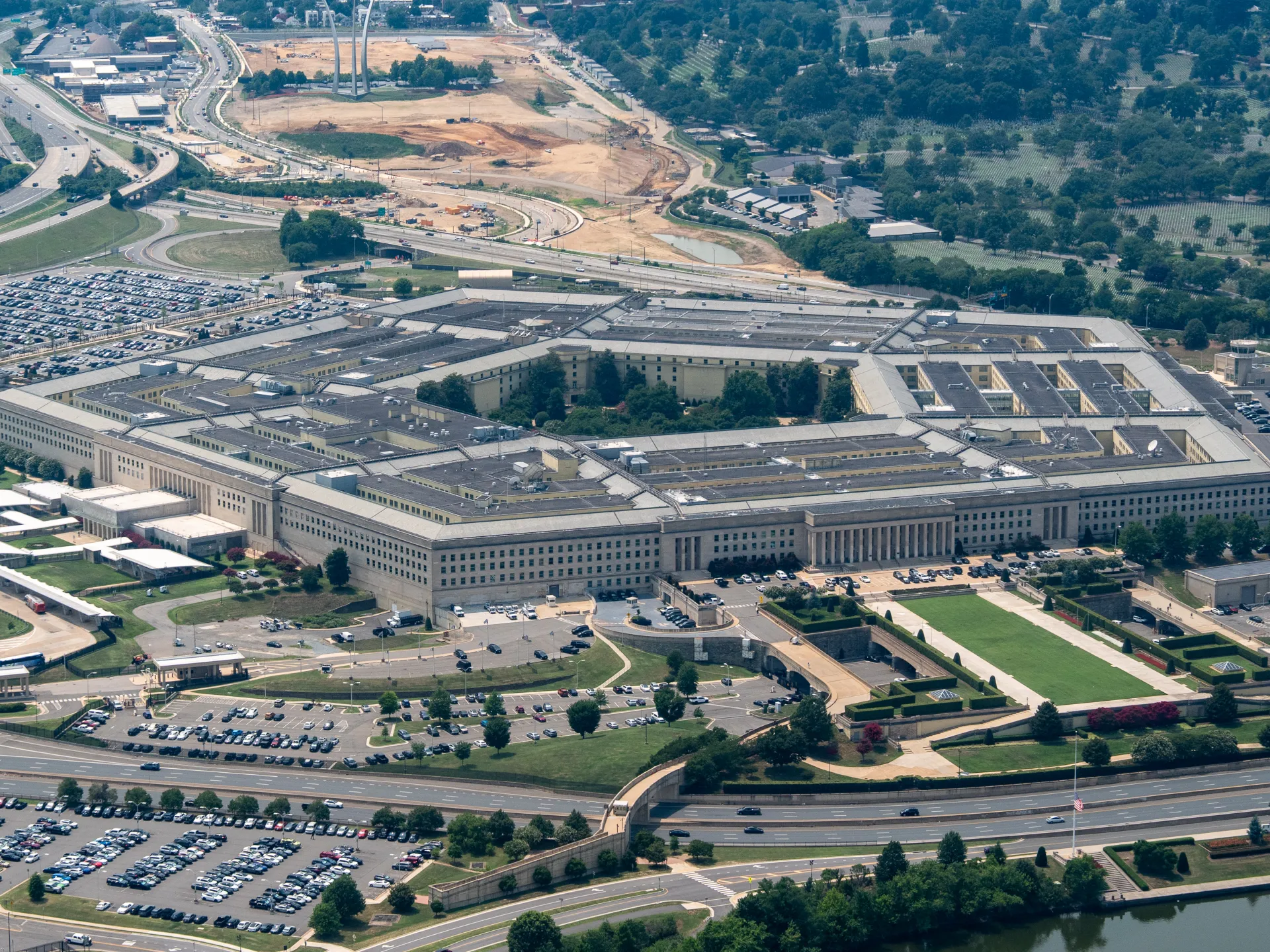
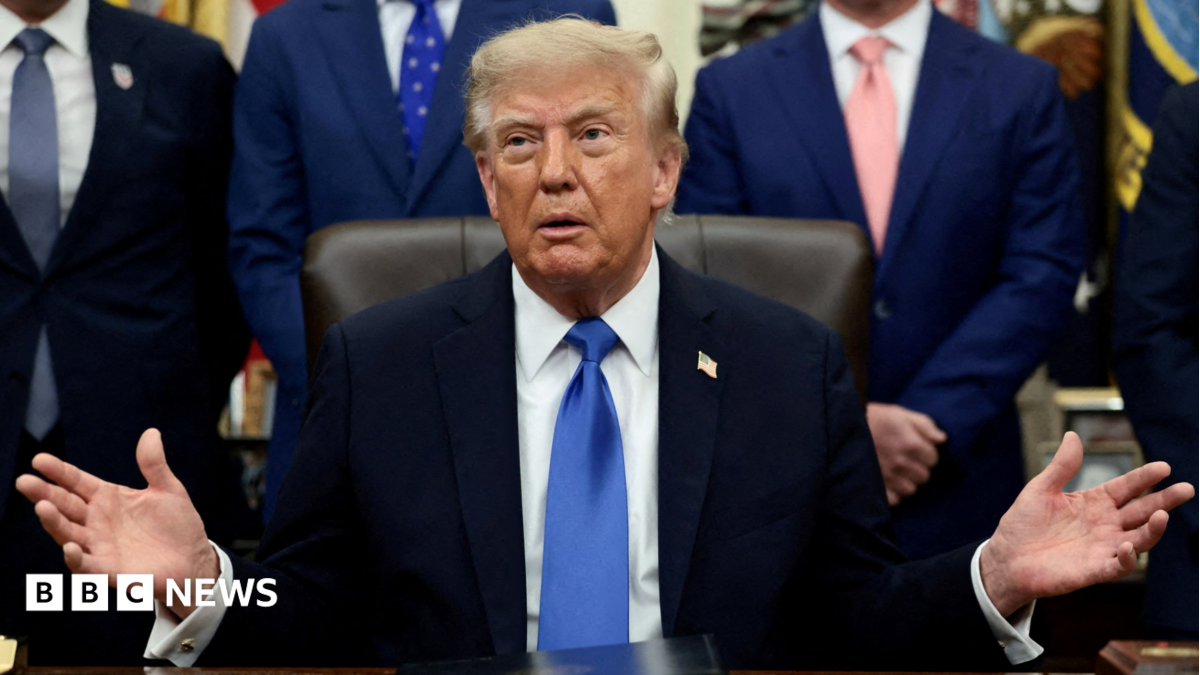
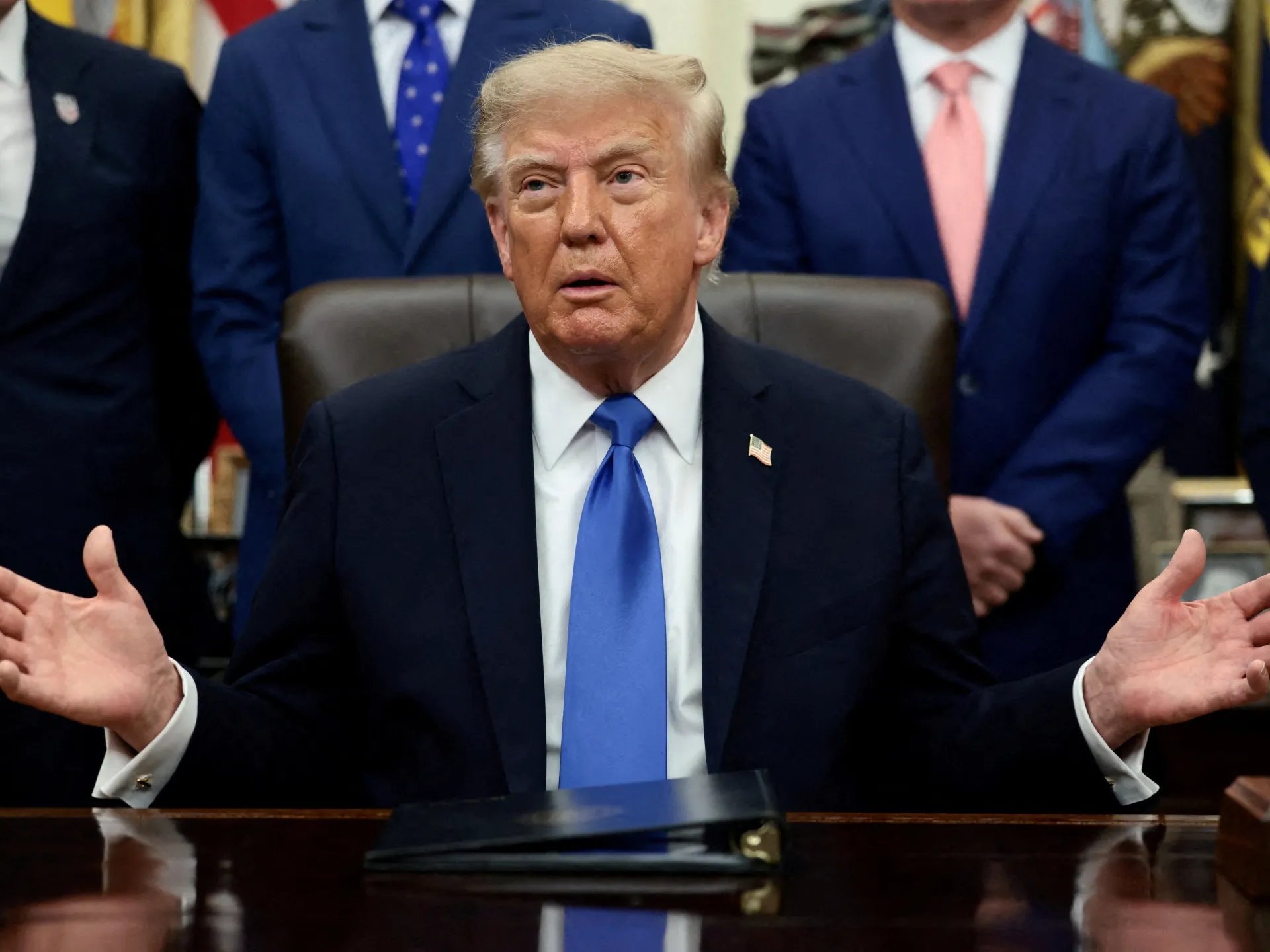
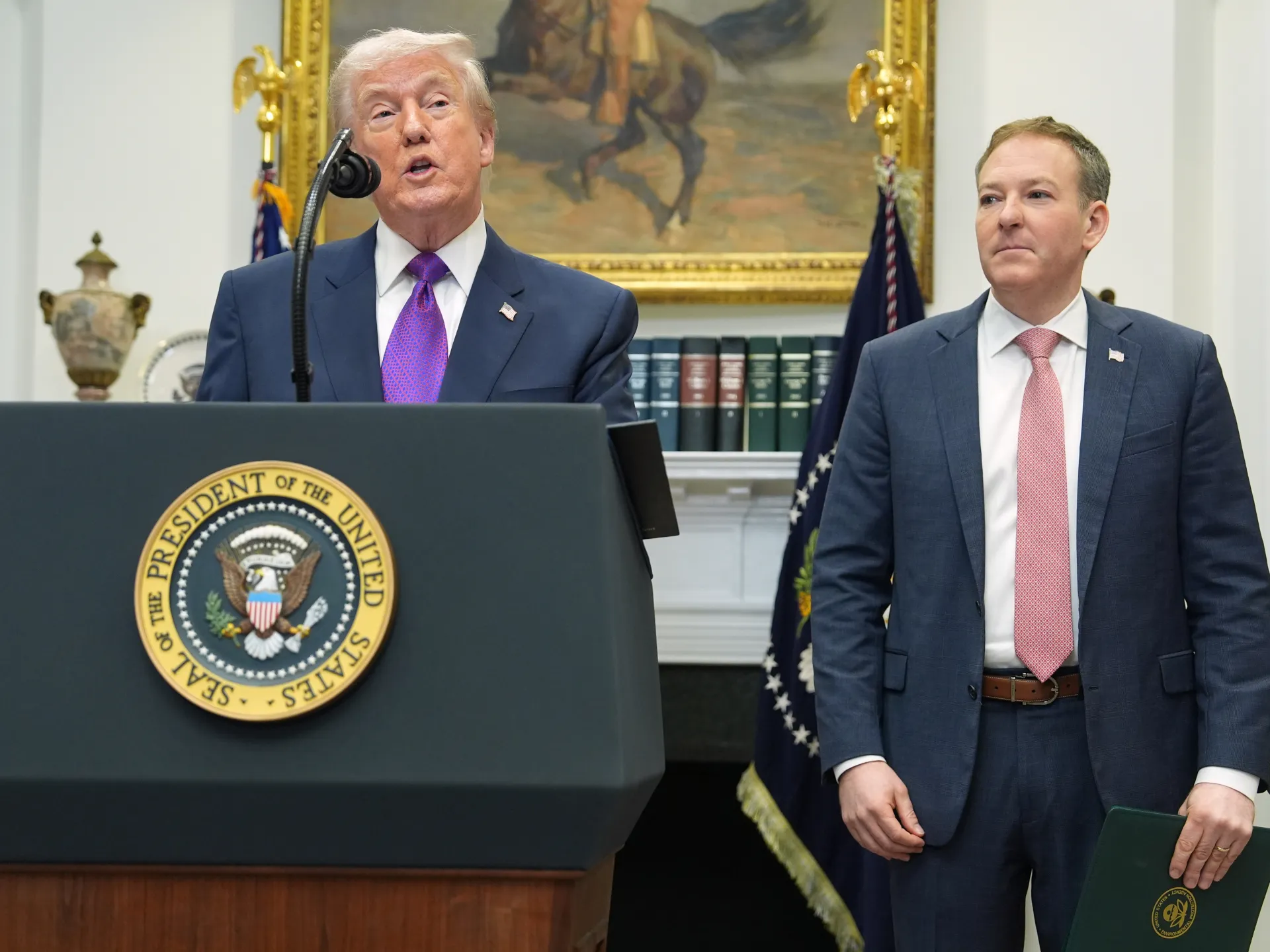
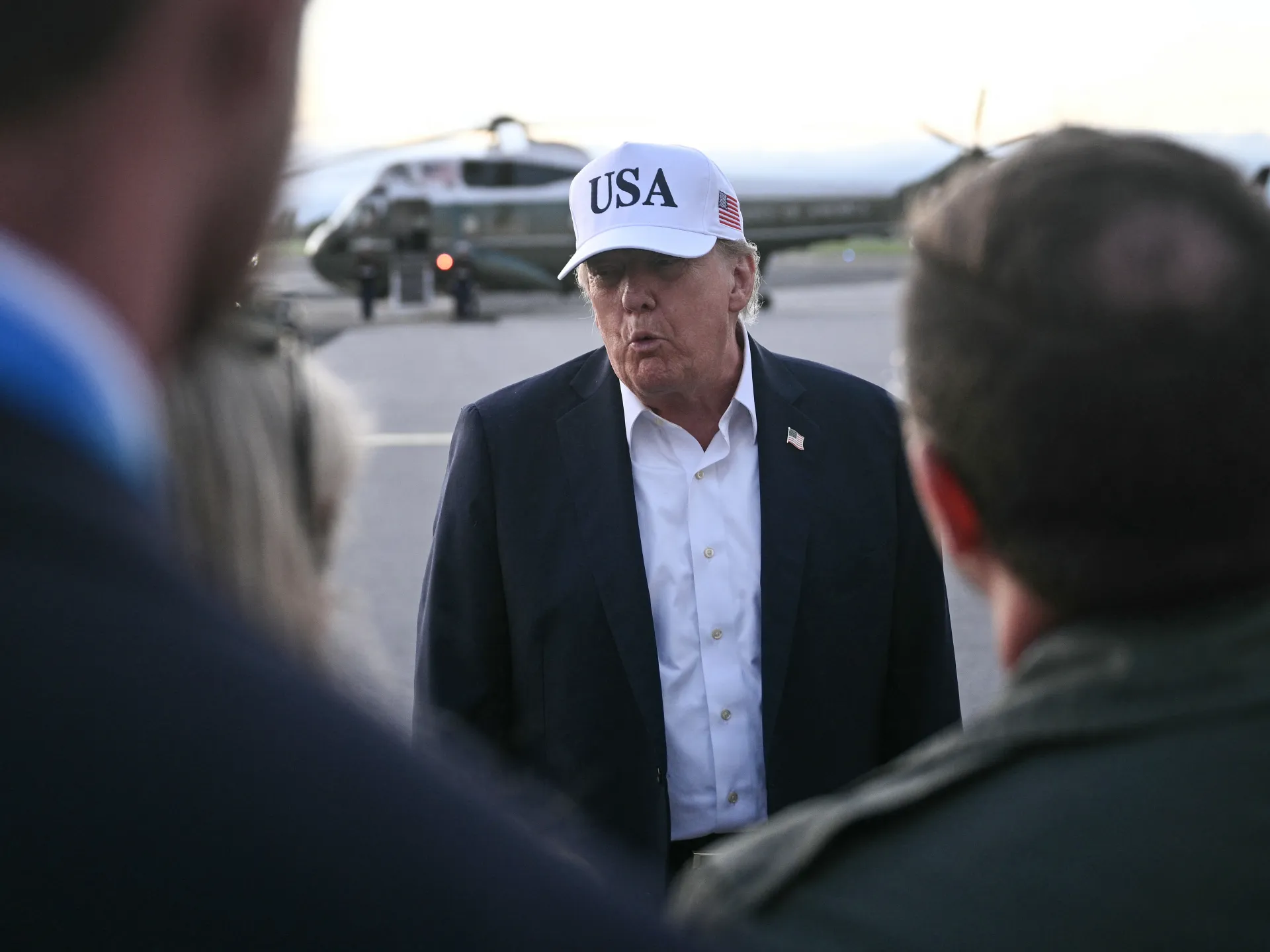
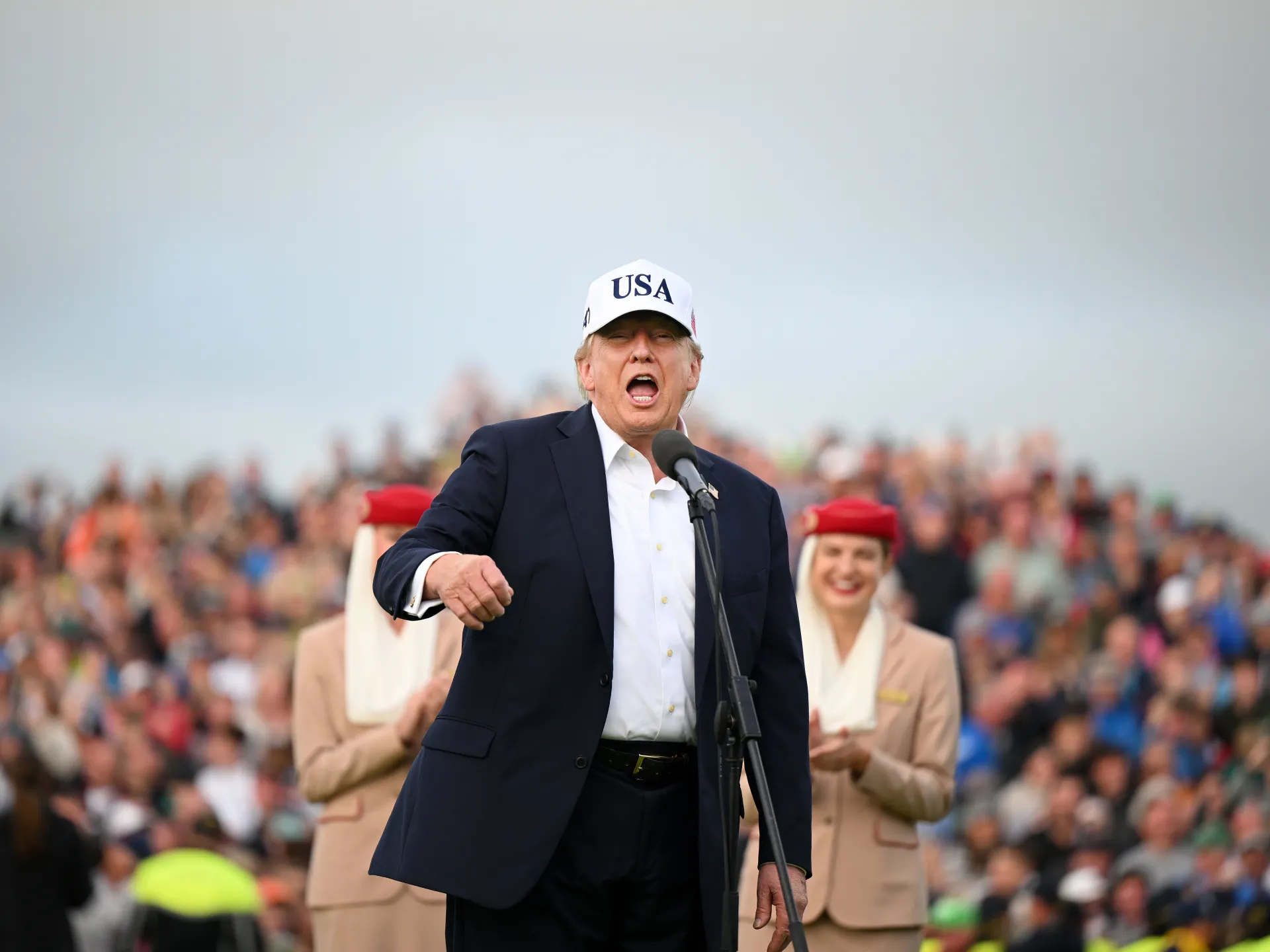
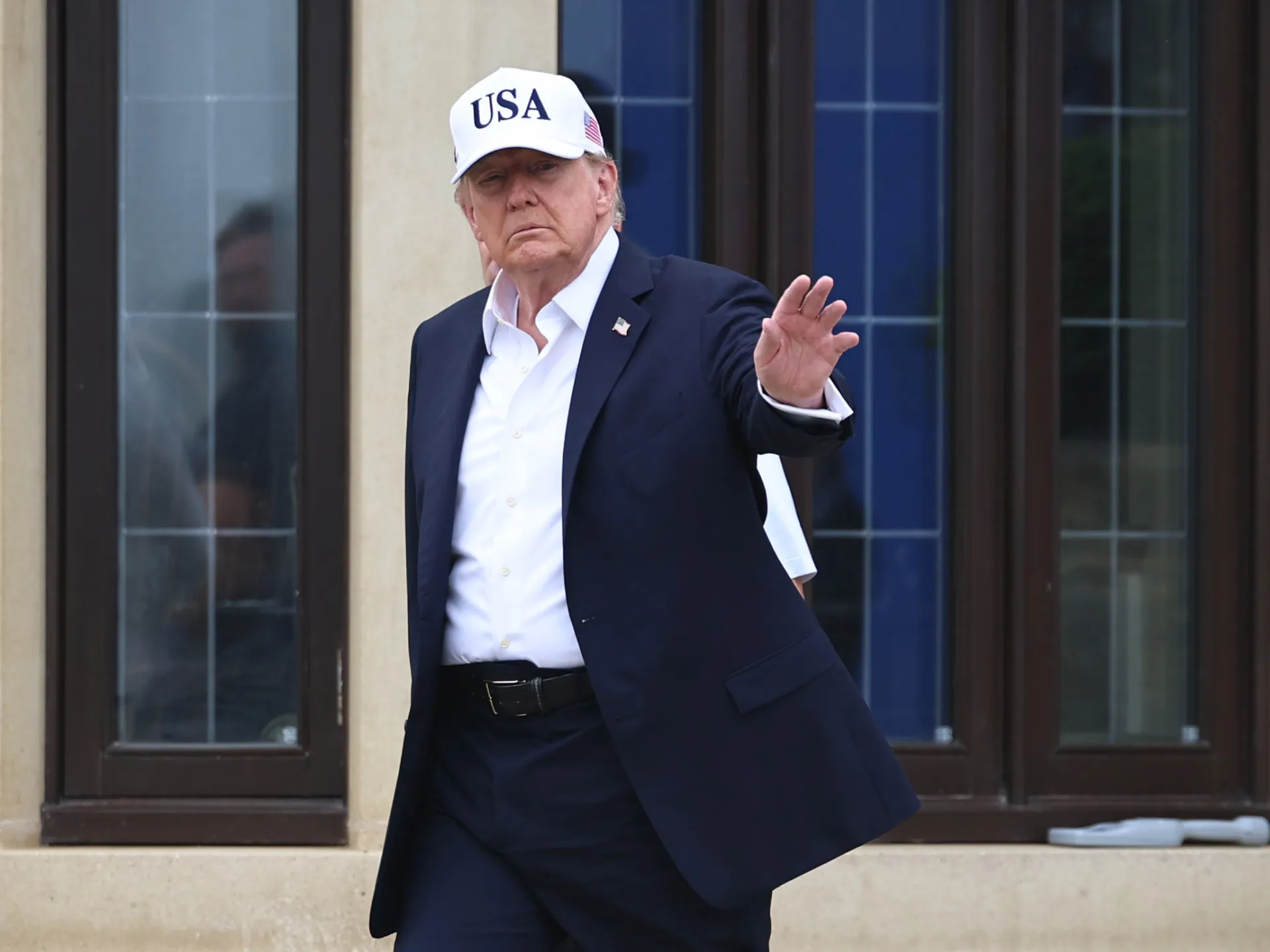
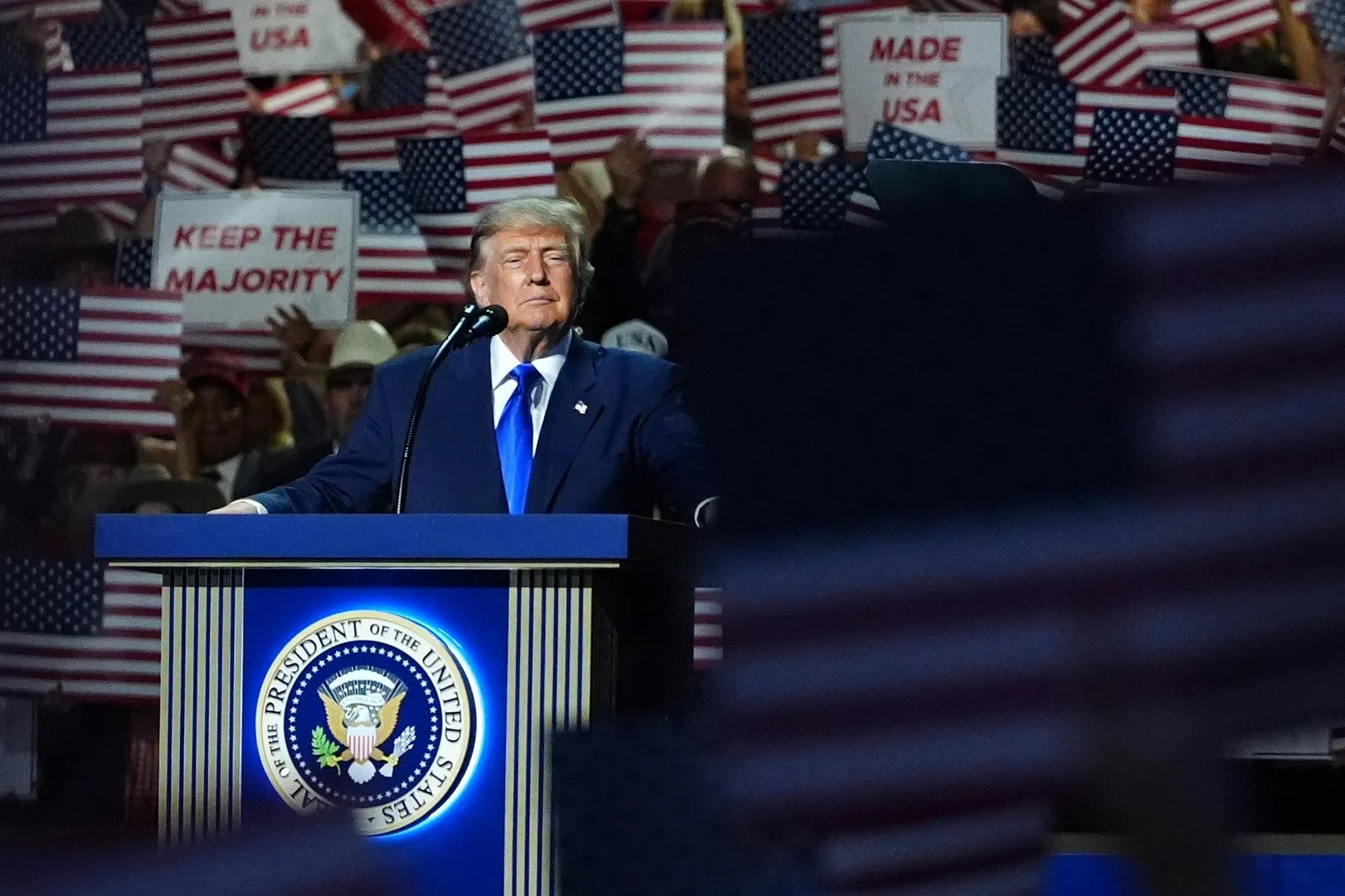
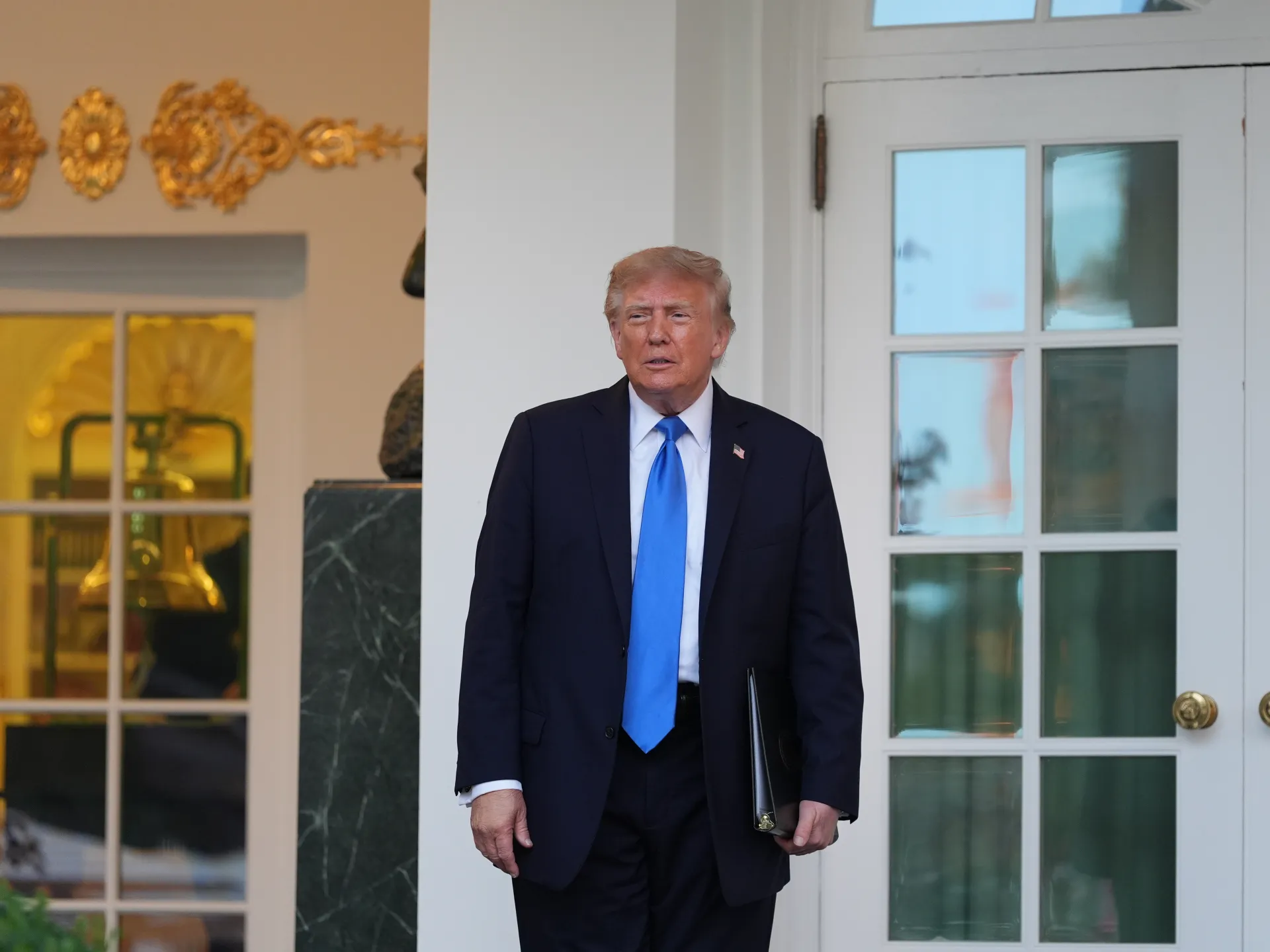
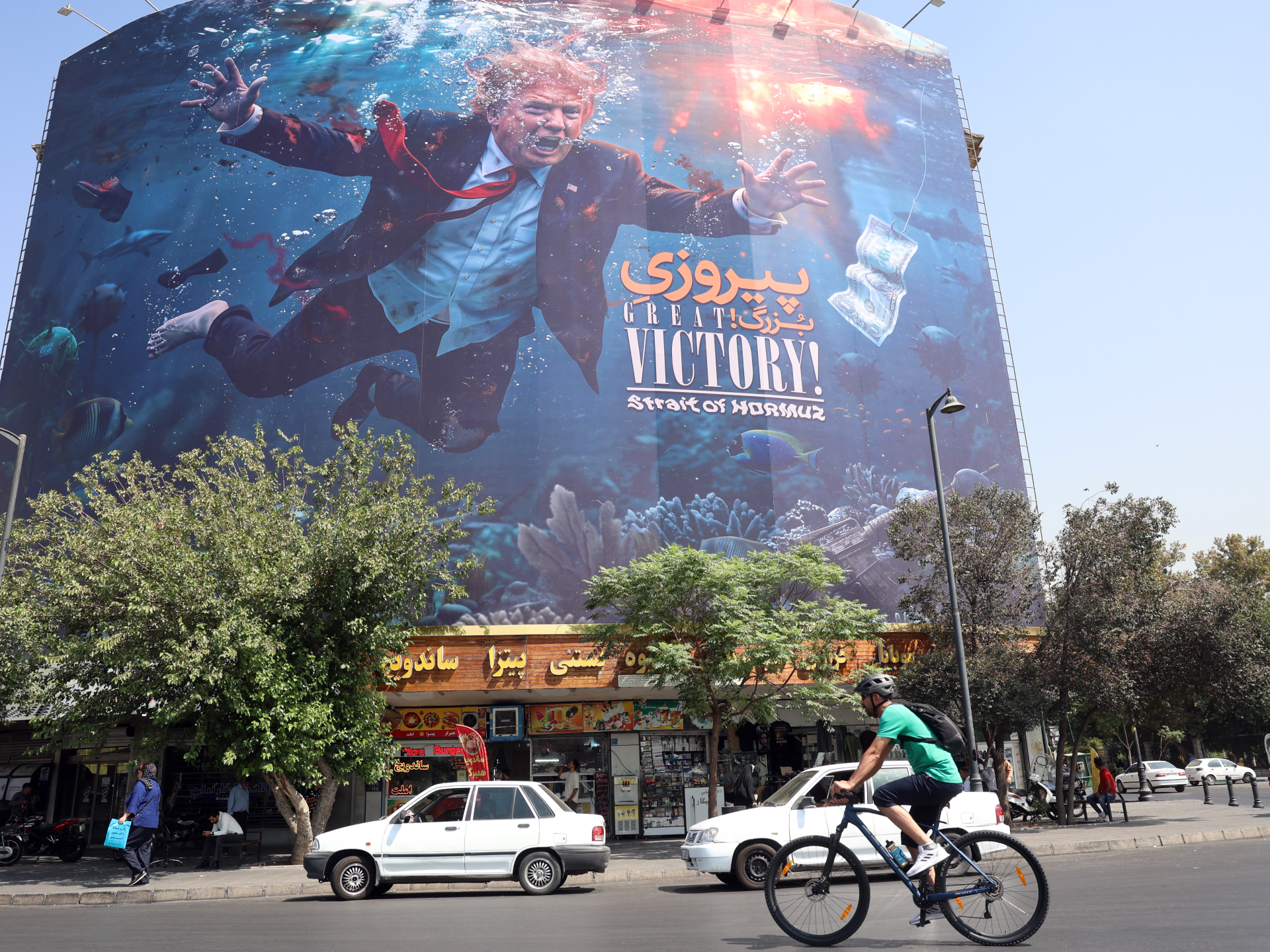
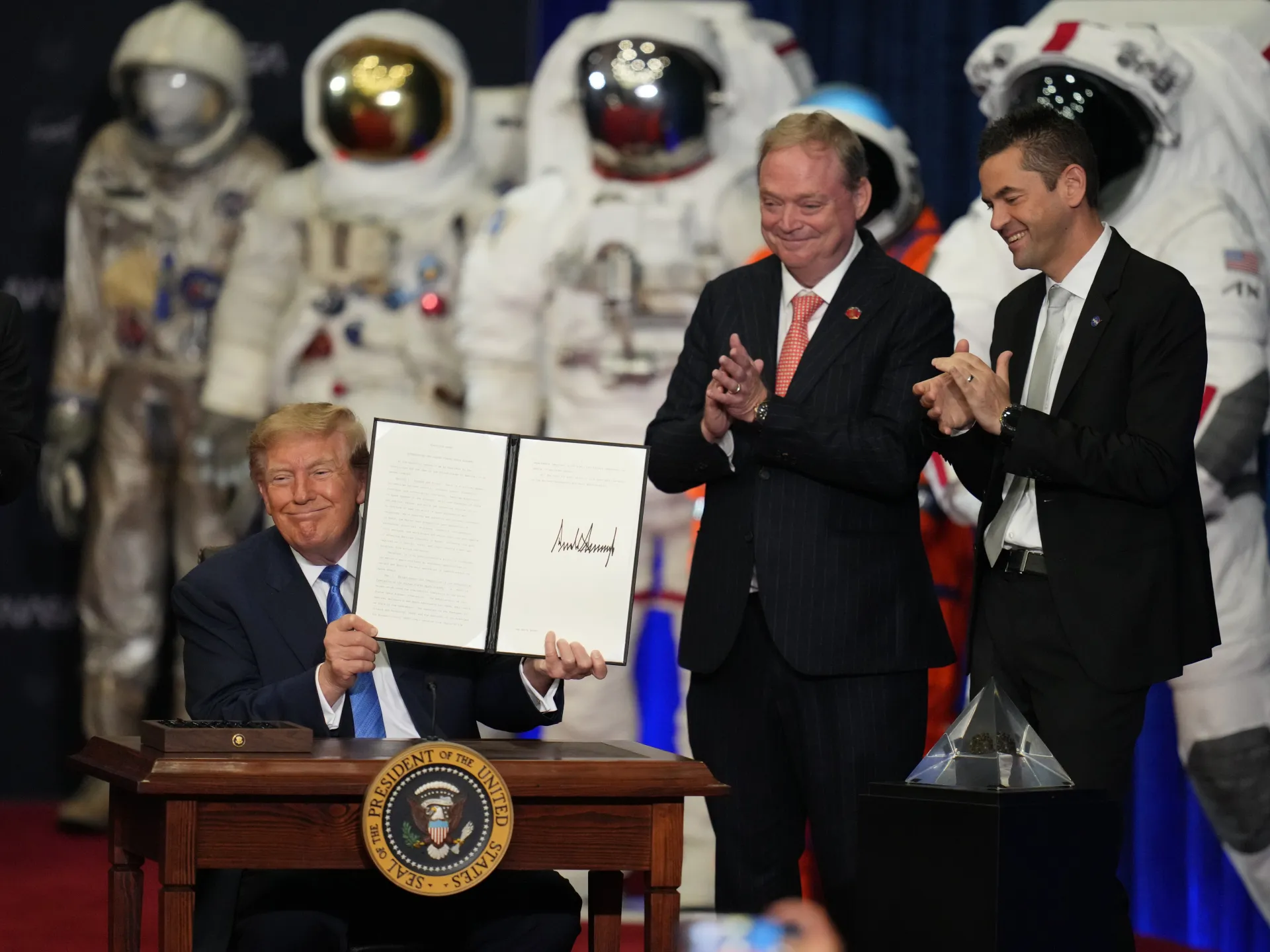
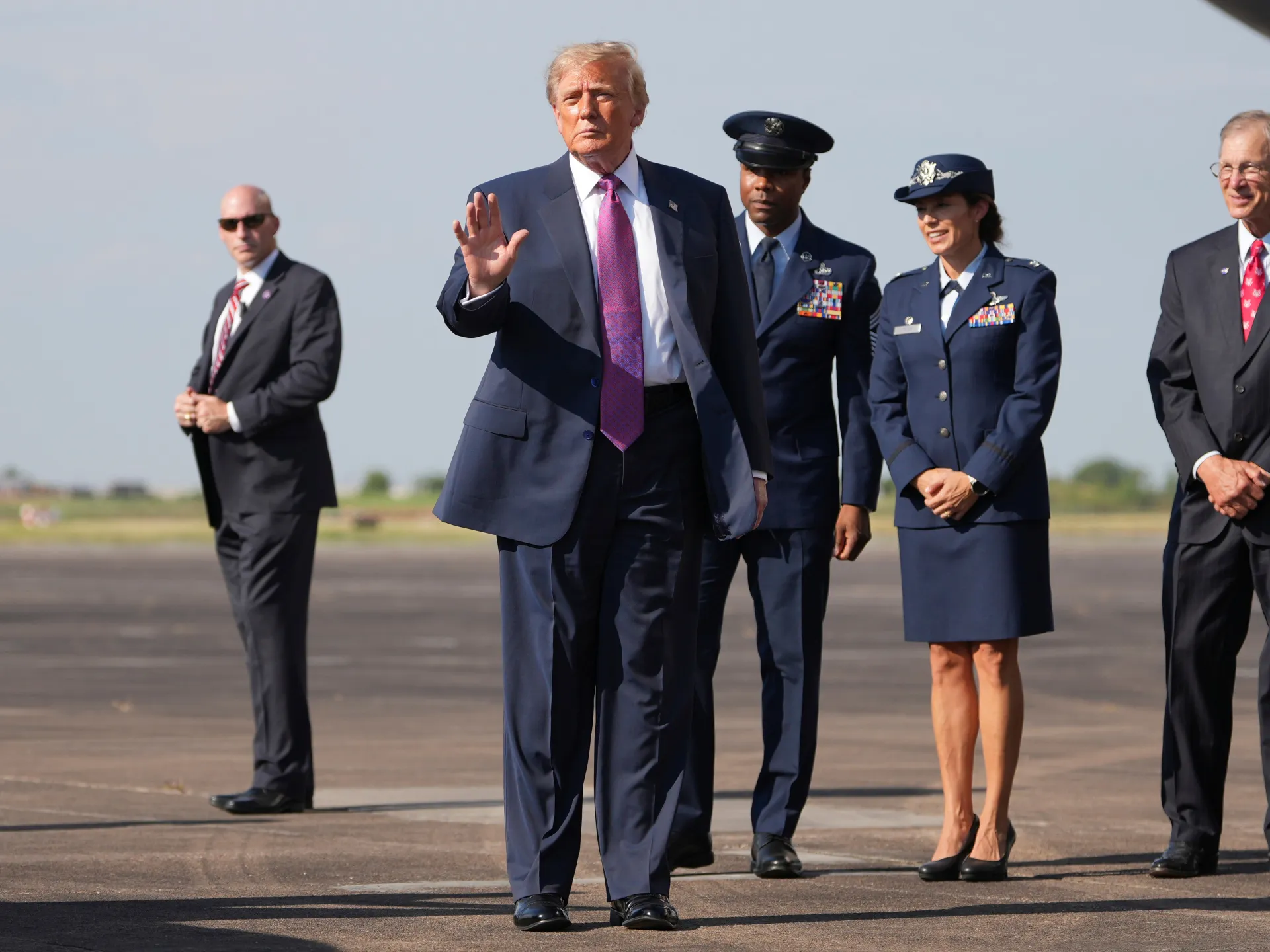
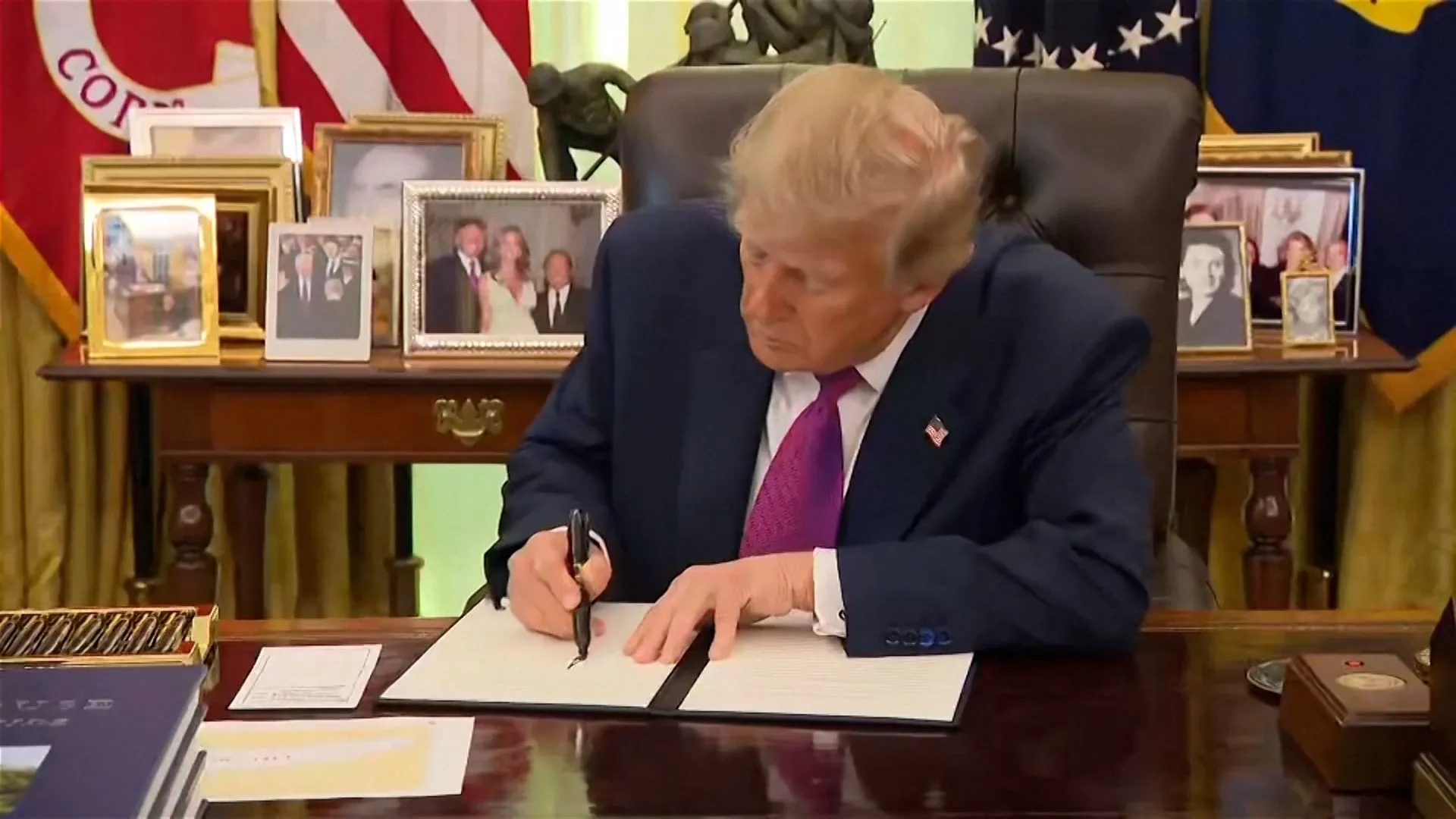
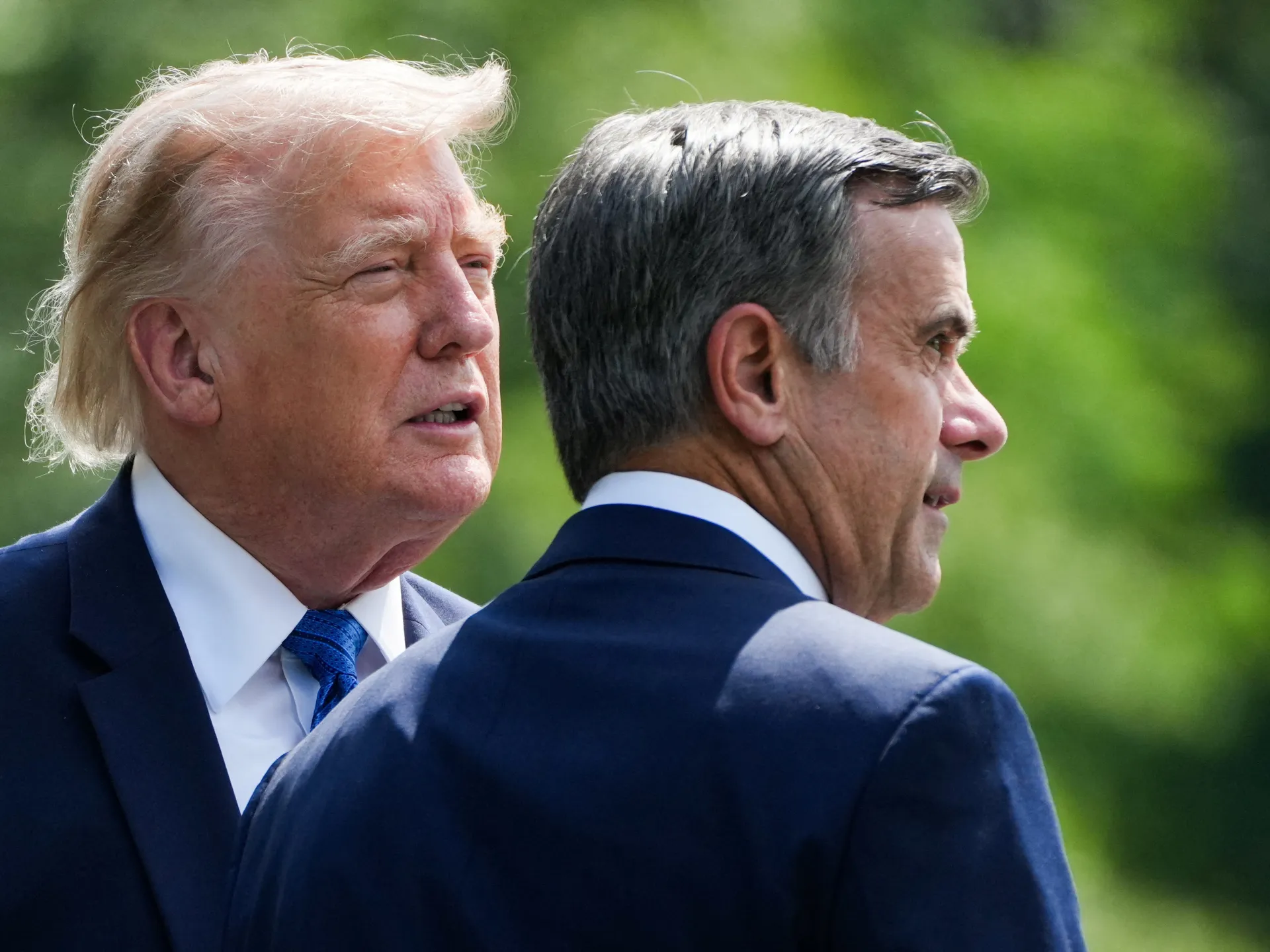
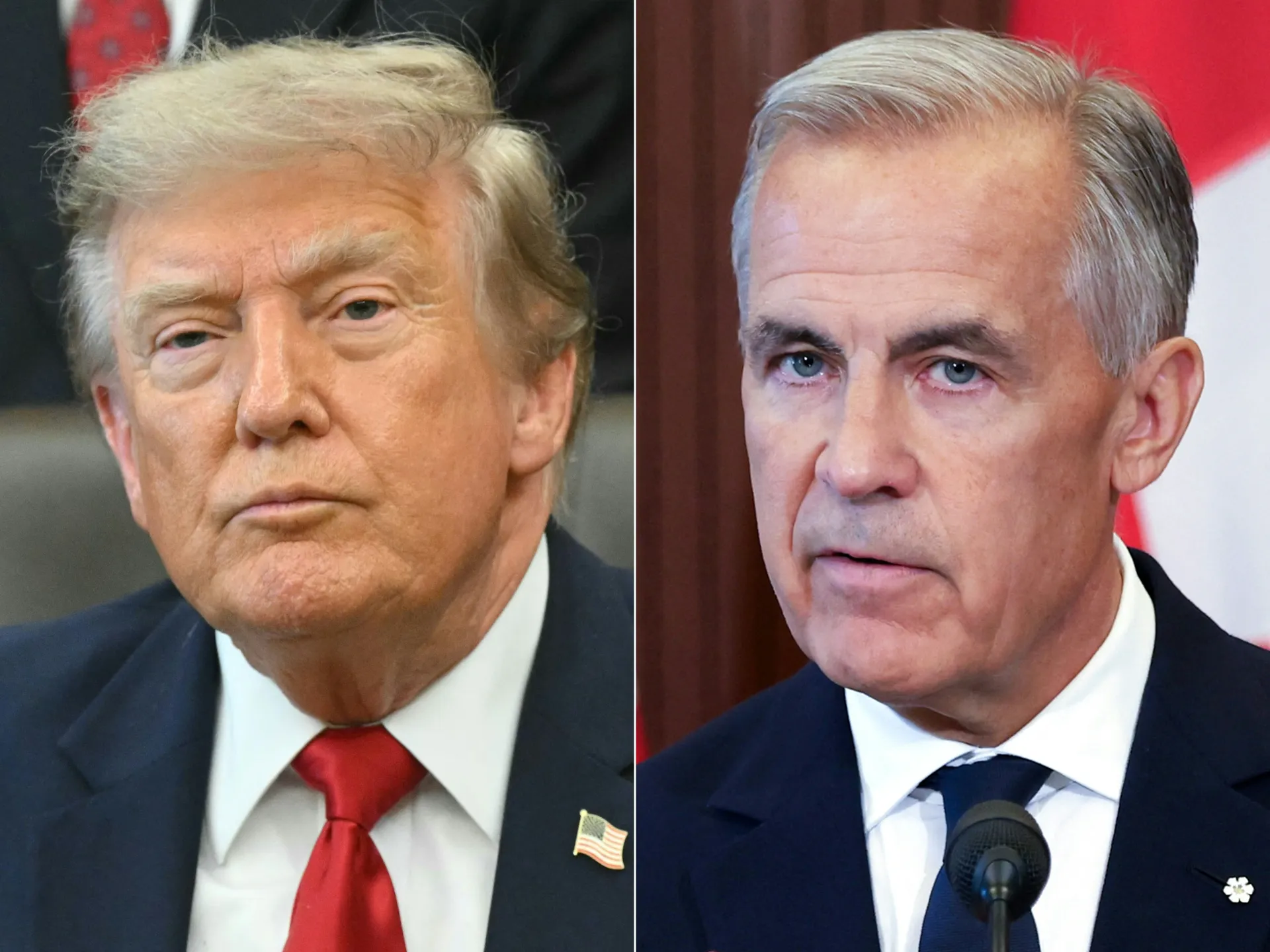
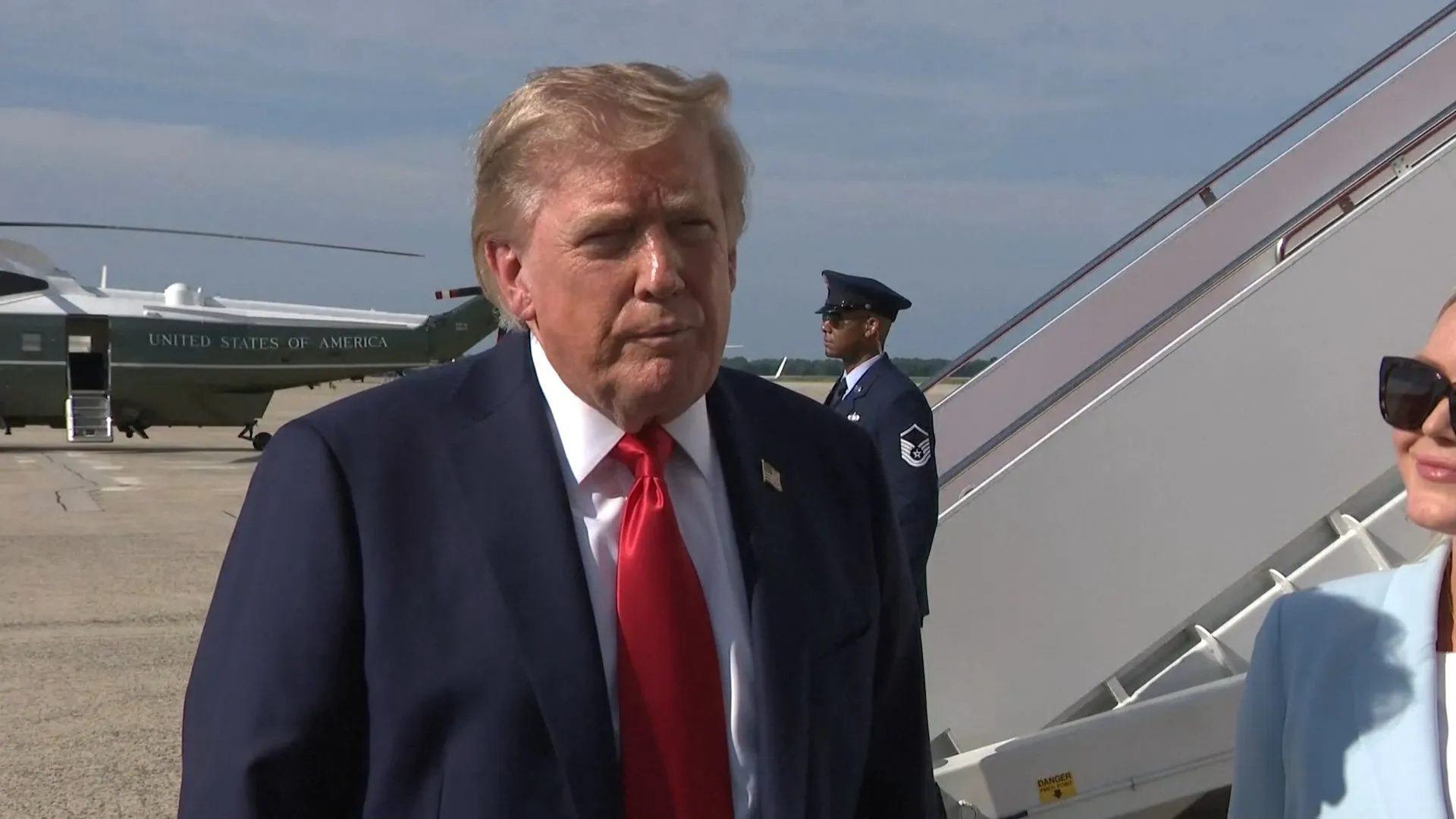
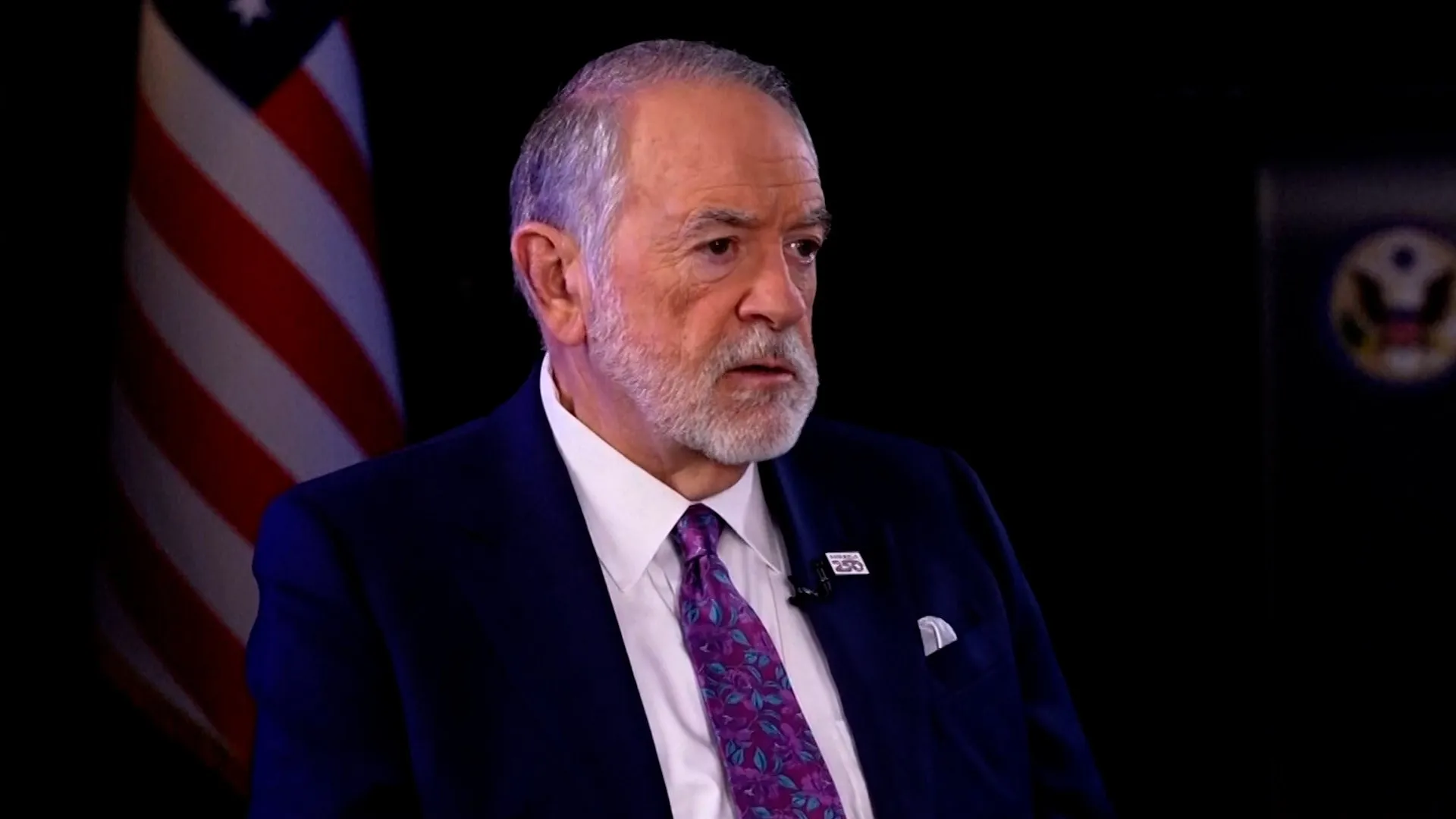
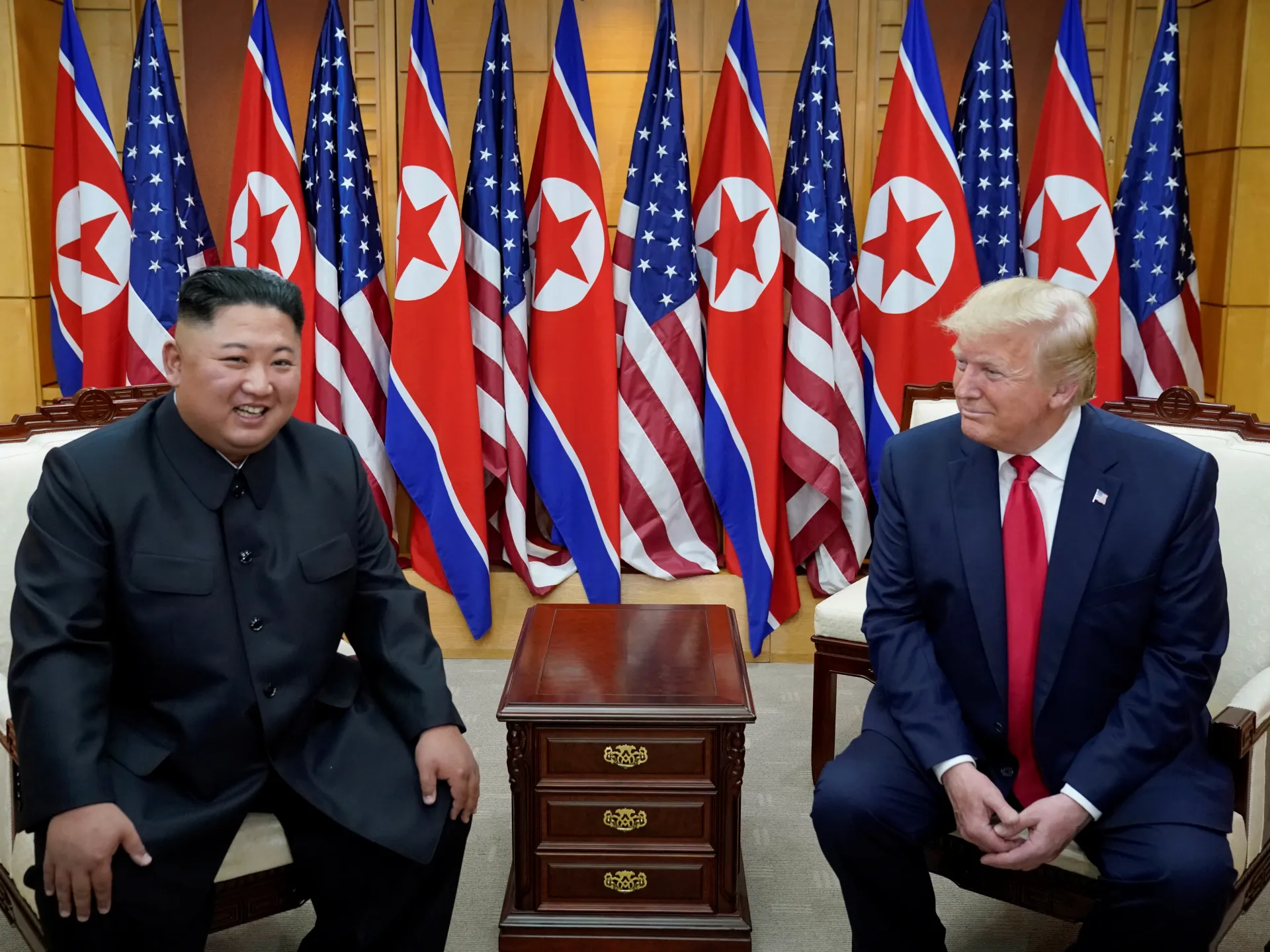
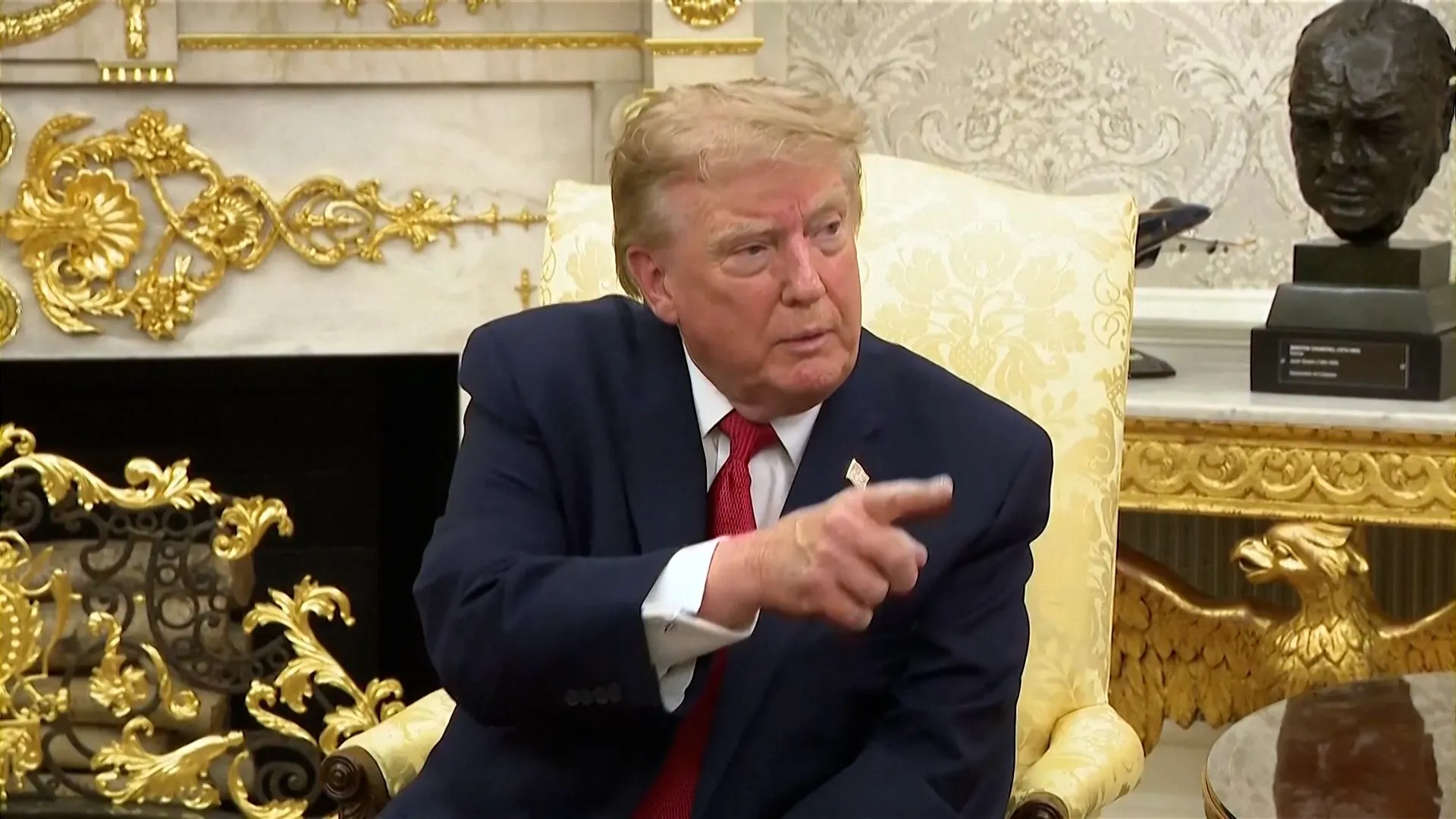
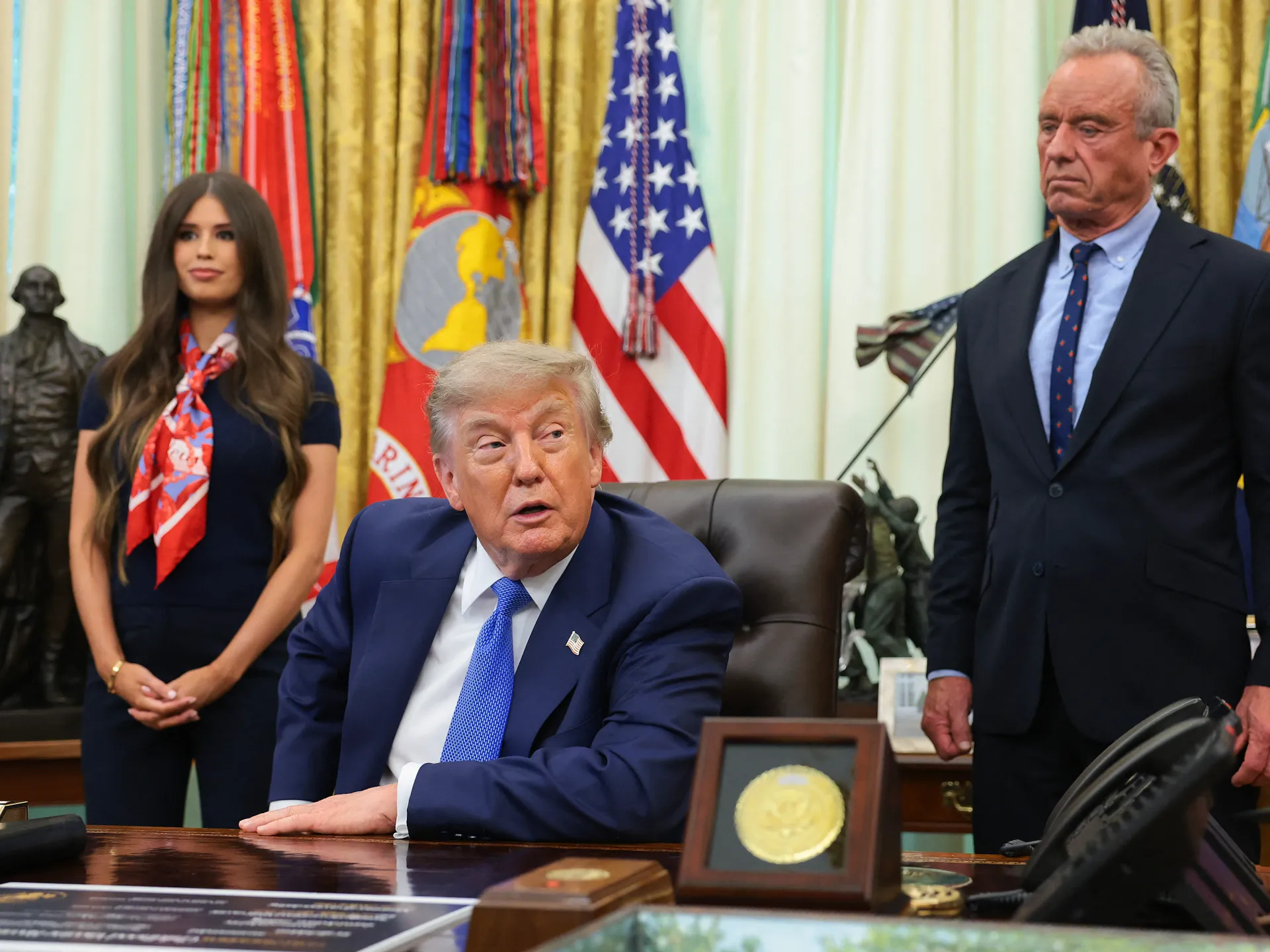
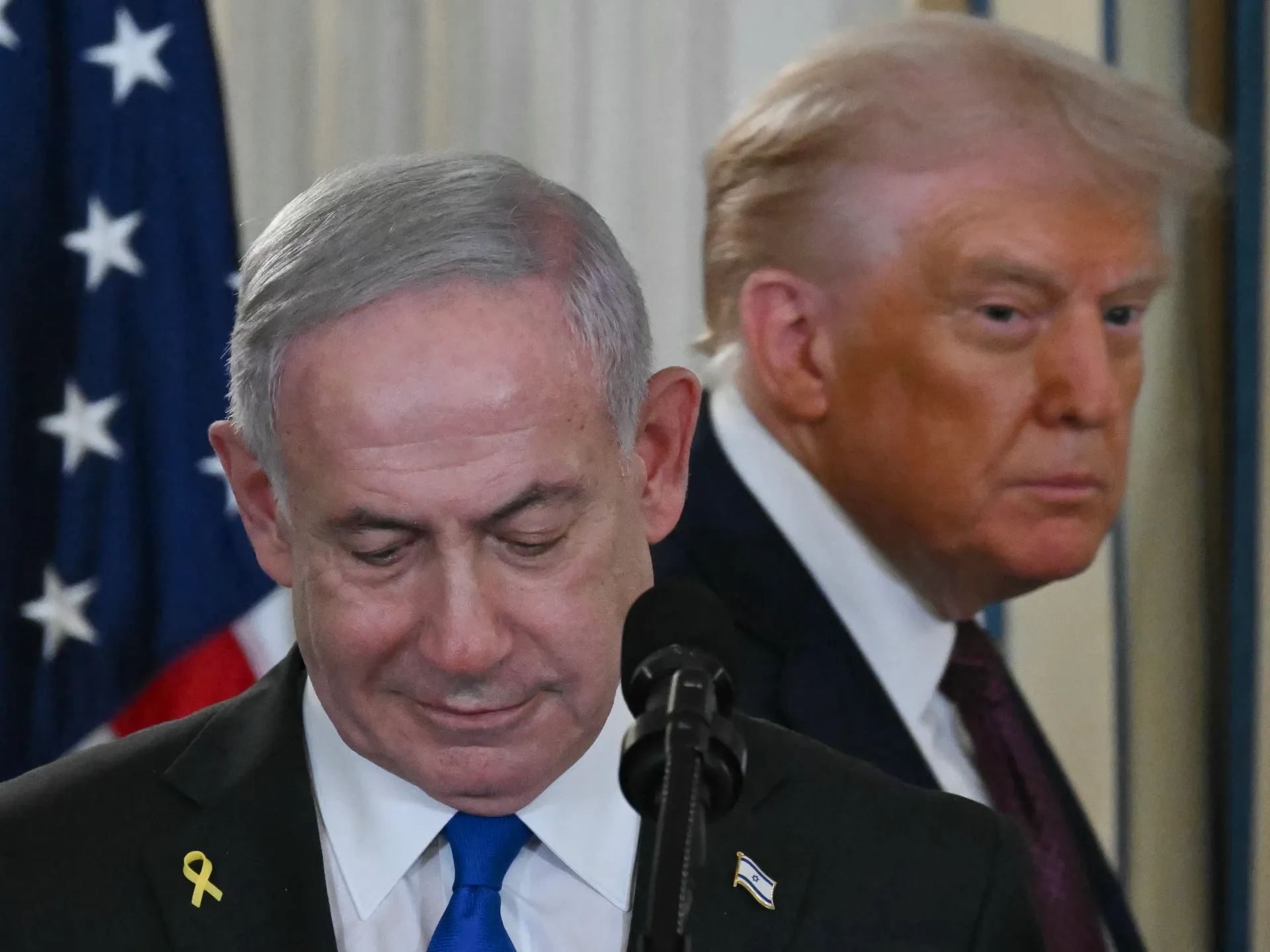
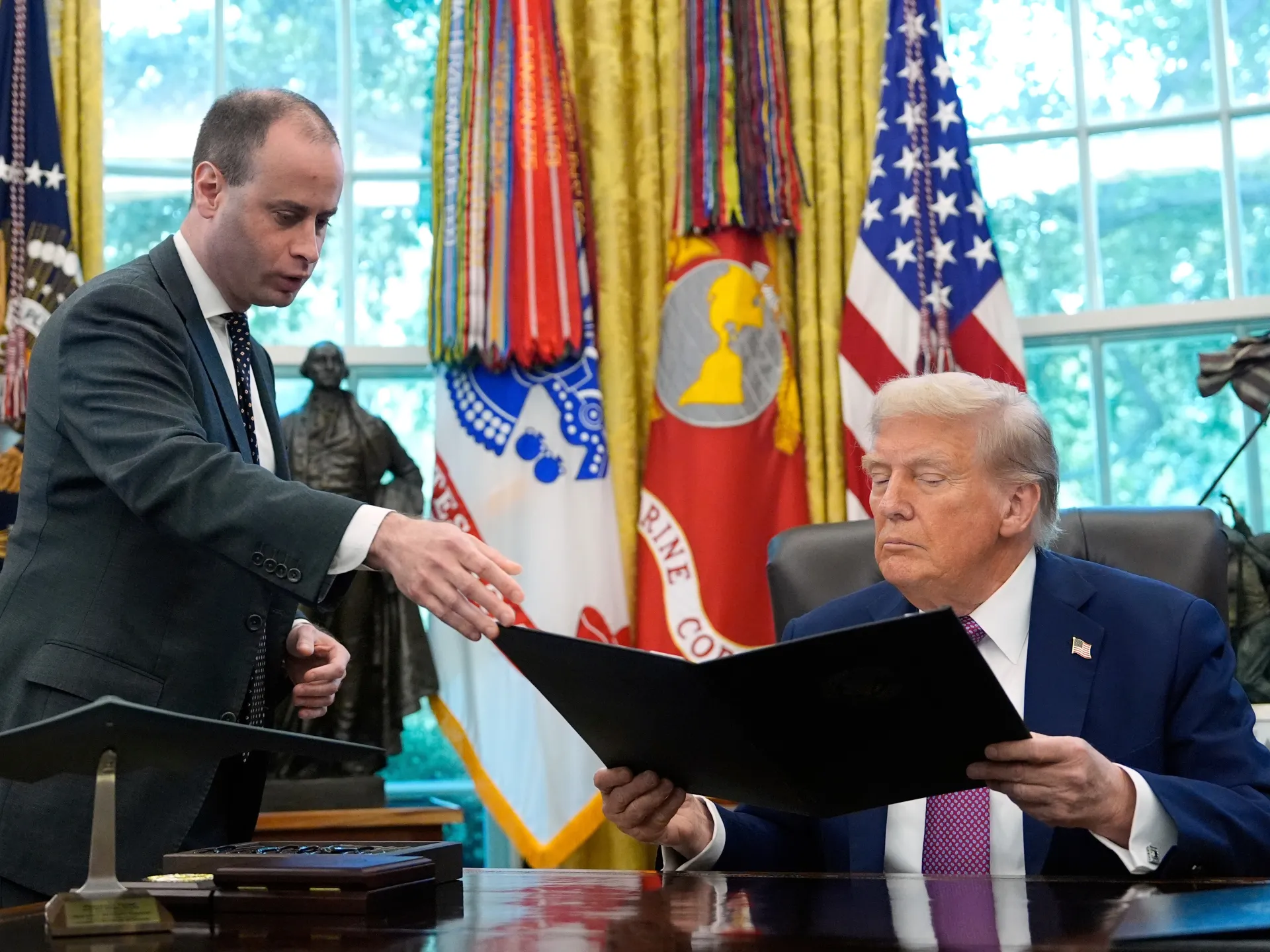
Simultaneously, the rhetoric emanating from Washington has become increasingly hawkish. Reports indicate that former President Donald Trump has suggested extreme measures, including the potential for decisive military action to neutralize Iranian capabilities following the attacks on Riyadh. These conflicting signals—one side calling for a structural peace process while the other contemplates total escalation—have left international observers struggling to identify a coherent path toward de-escalation.
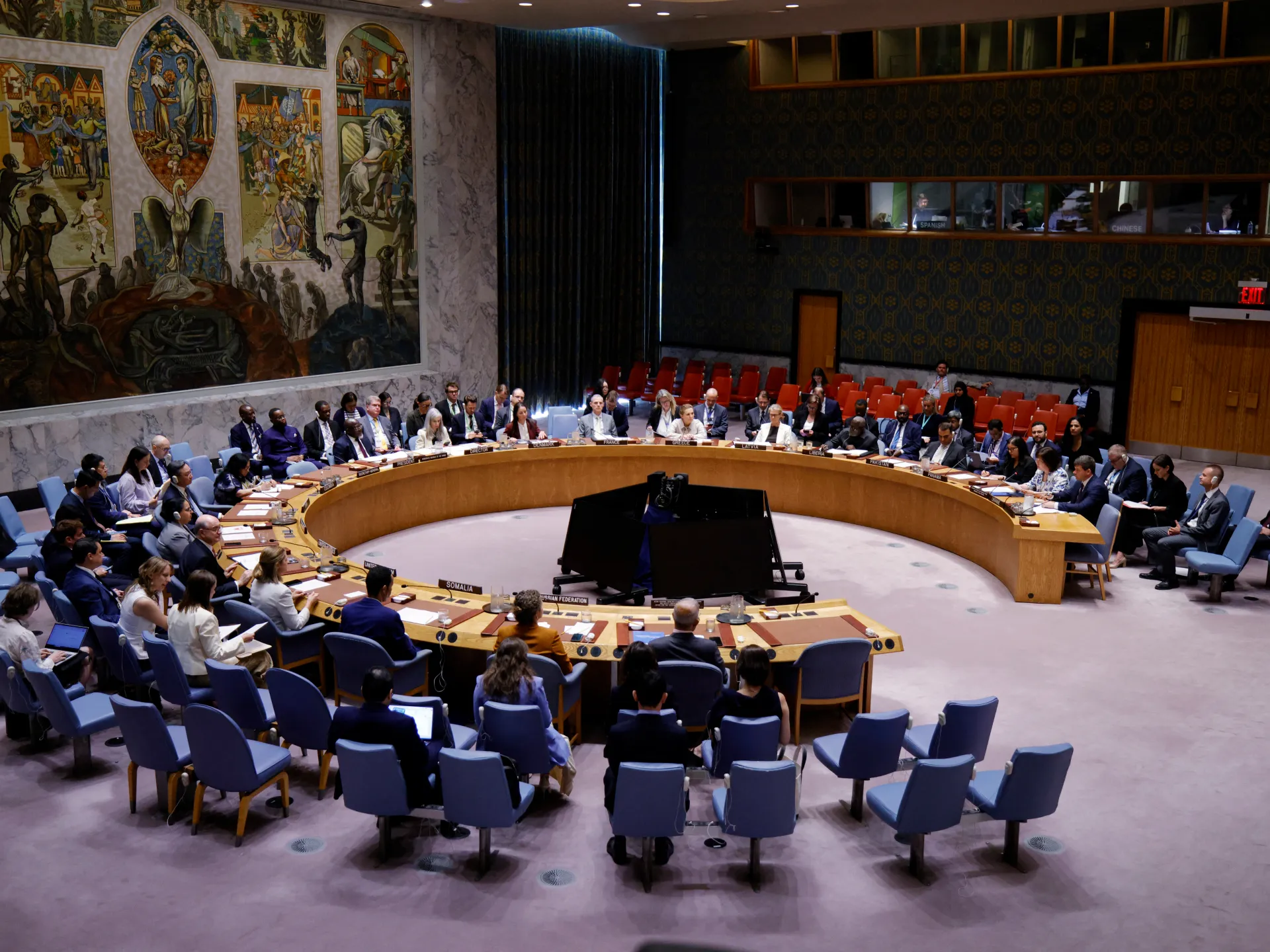
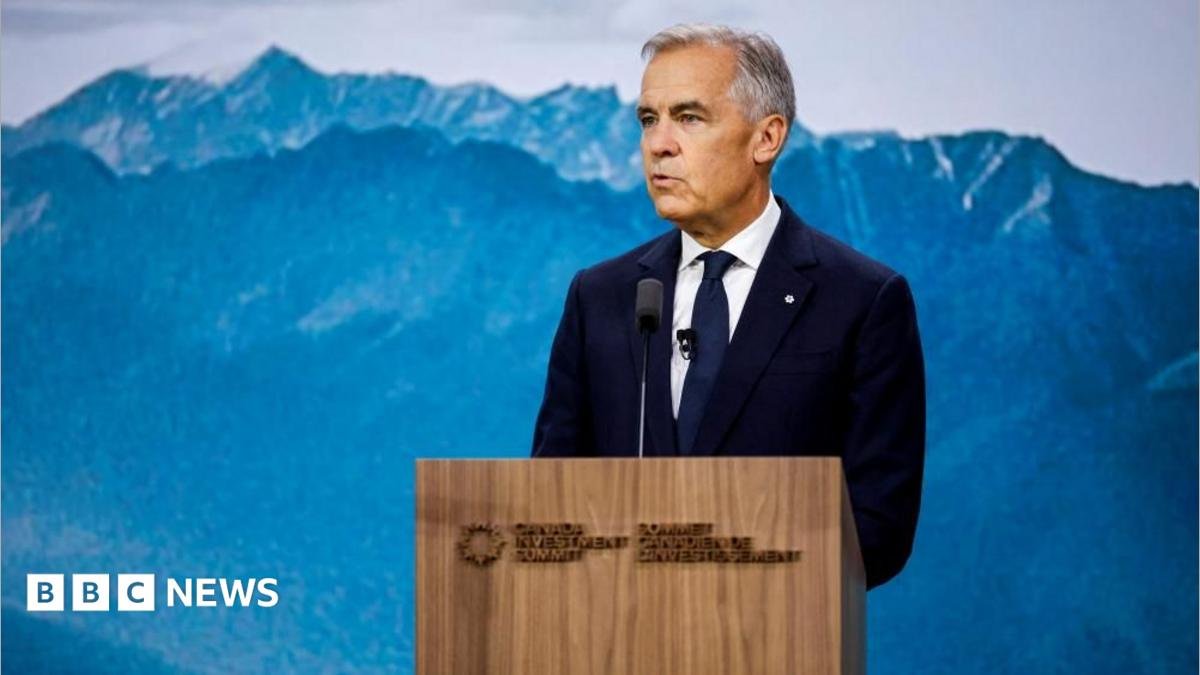
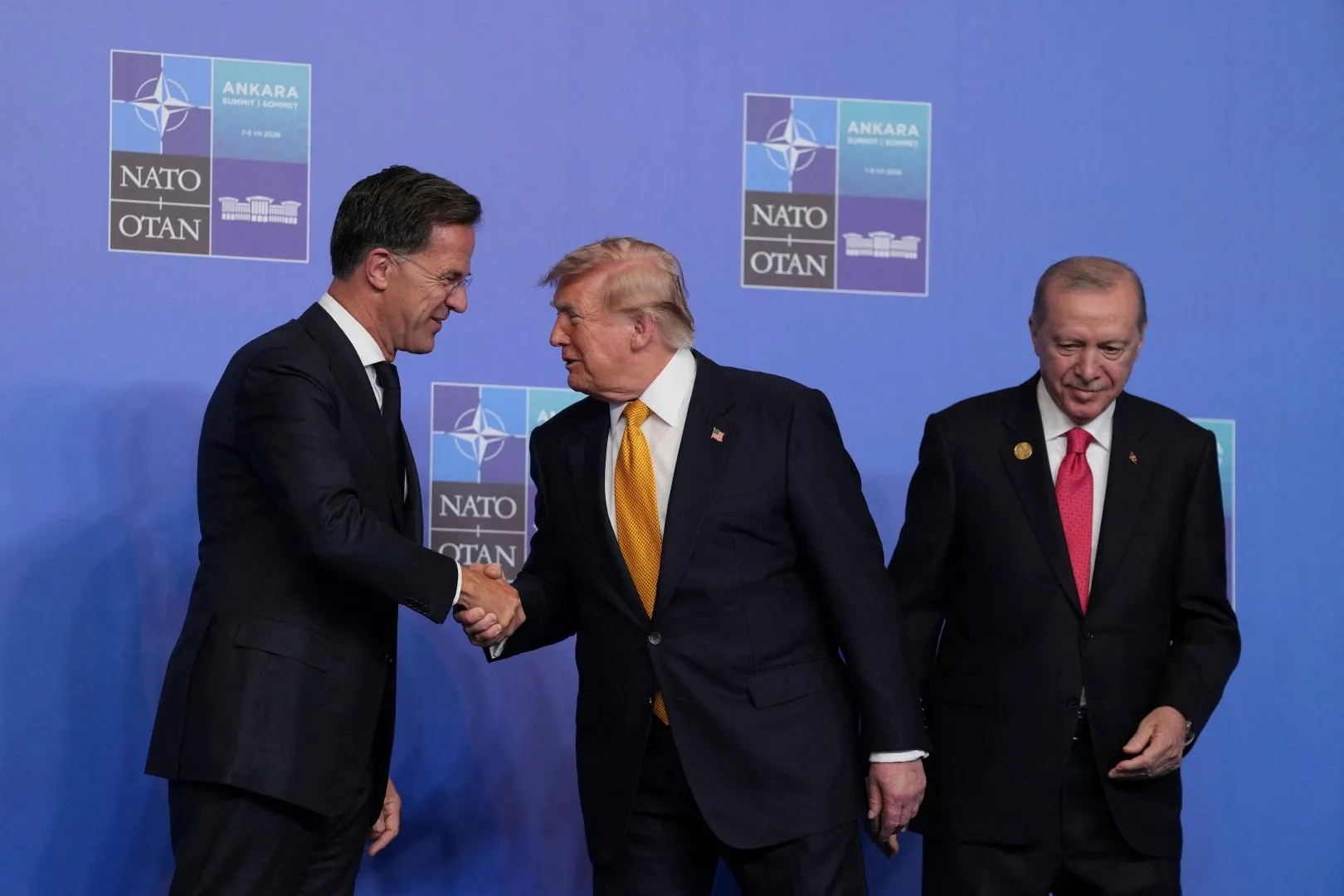
The perception of a failing international order is not limited to the Middle East. Global leaders are increasingly vocal about the inability of existing international institutions to prevent the current slide into conflict. This sentiment has created an environment where individual states are prioritizing unilateral security measures over collective security arrangements. The move epresents a significant departure from previous decades of collective caution, potentially inviting further involvement from international powers currently preoccupied with domestic political cycles and broader geopolitical maneuvering.
The likelihood of a unified Gulf-Iran security pact appears slim in the immediate future, given the current trajectory of regional violence. If the rhetoric from Washington continues to lean toward aggressive military posturing, it is probable that Gulf states will align themselves more closely with U.S. initiatives rather than pursuing the independent security framework proposed ll likely become a central point of contention in the coming months. Unless a neutral third-party mediator can bridge the gap between Tehran’s accusations of U.S. interference and the Gulf states' demands for security guarantees, the region is poised to enter a phase of protracted, low-to-mid-intensity conflict that threatens to further isolate Iran and force a harder, more defensive stance from the remaining regional powers.