A building collapse in Gaza City leaves 21 dead, highlighting an urgent infrastructure crisis, while students attempt to pursue robotics despite limited resources.
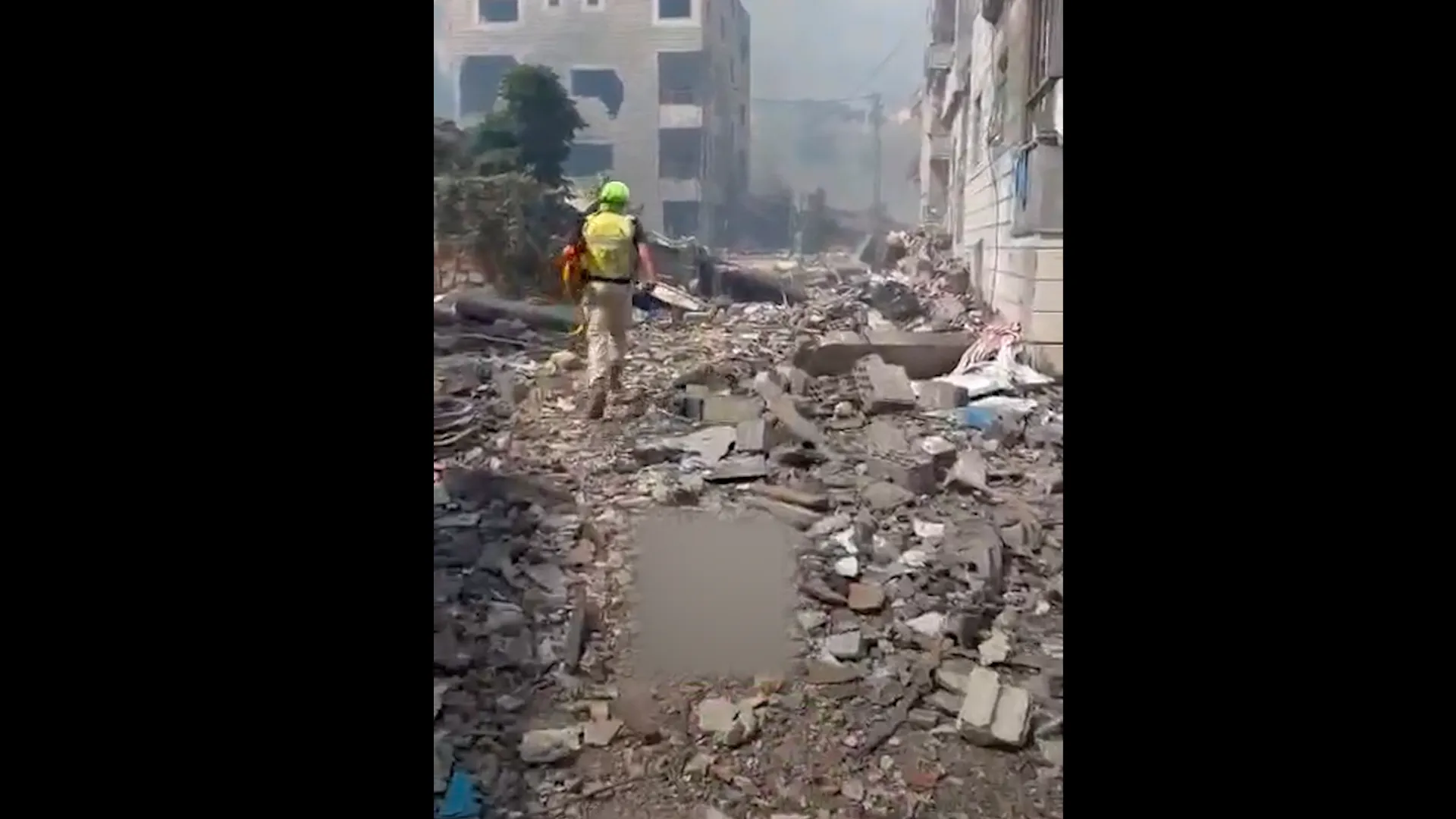
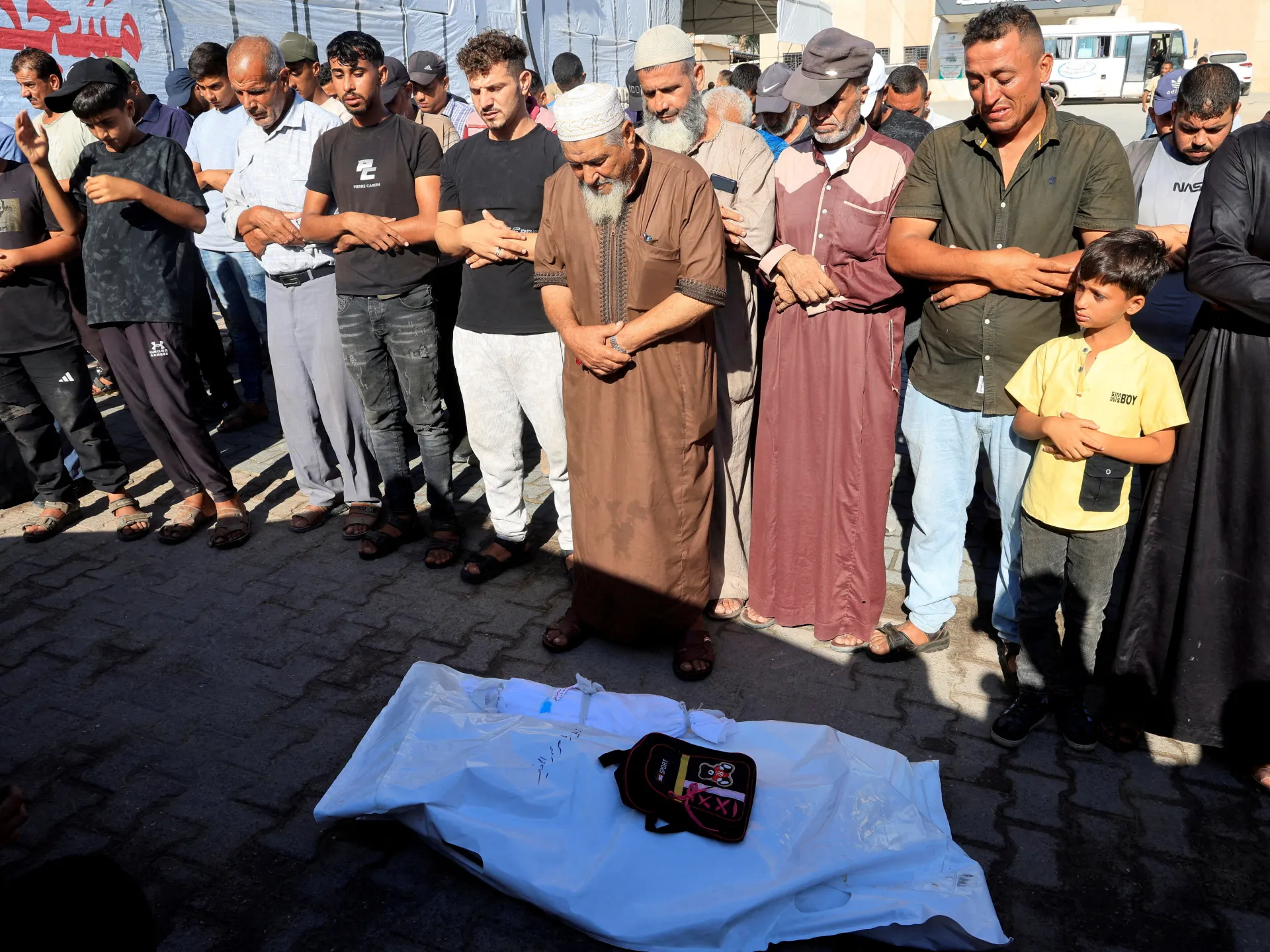
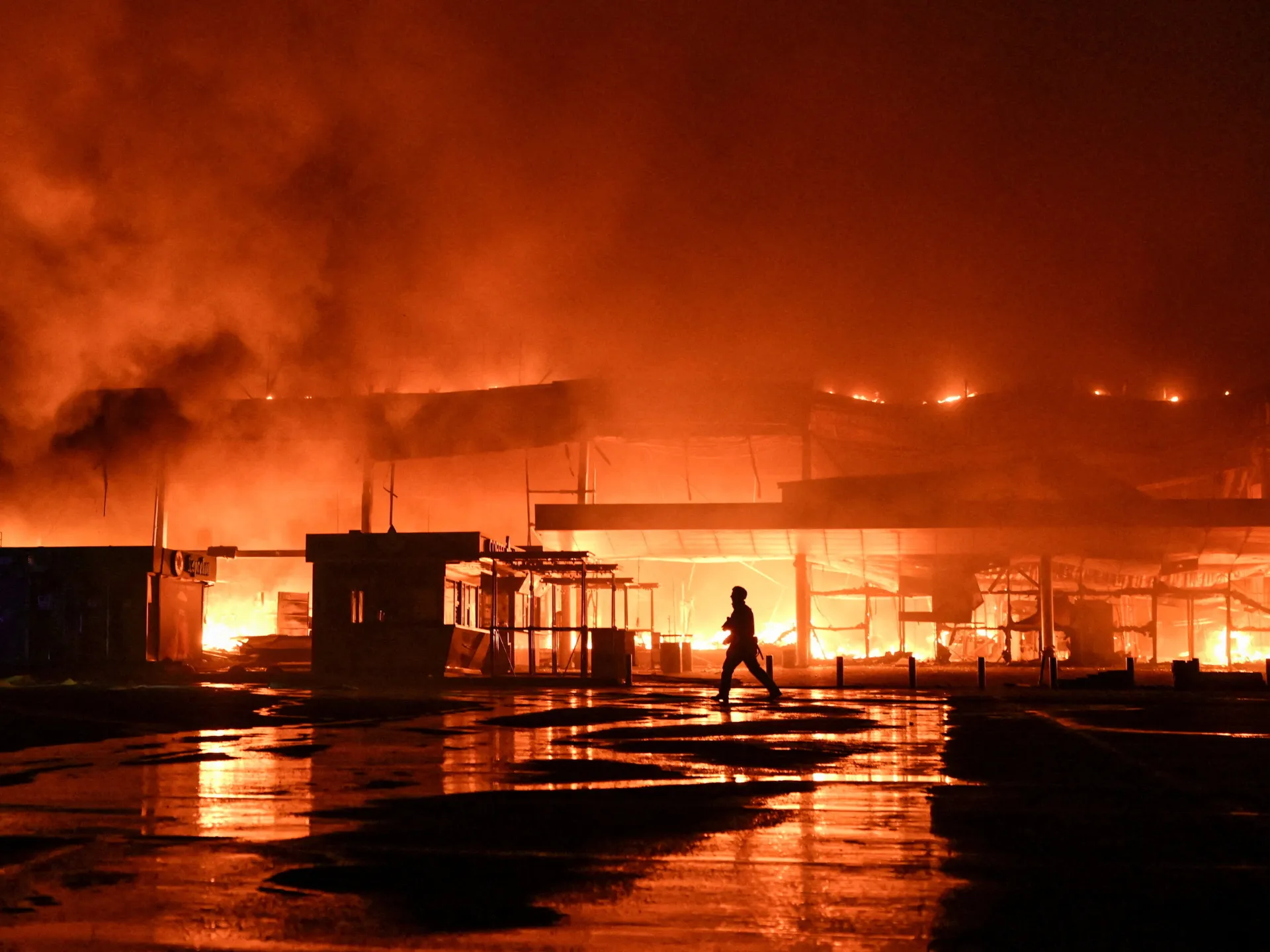
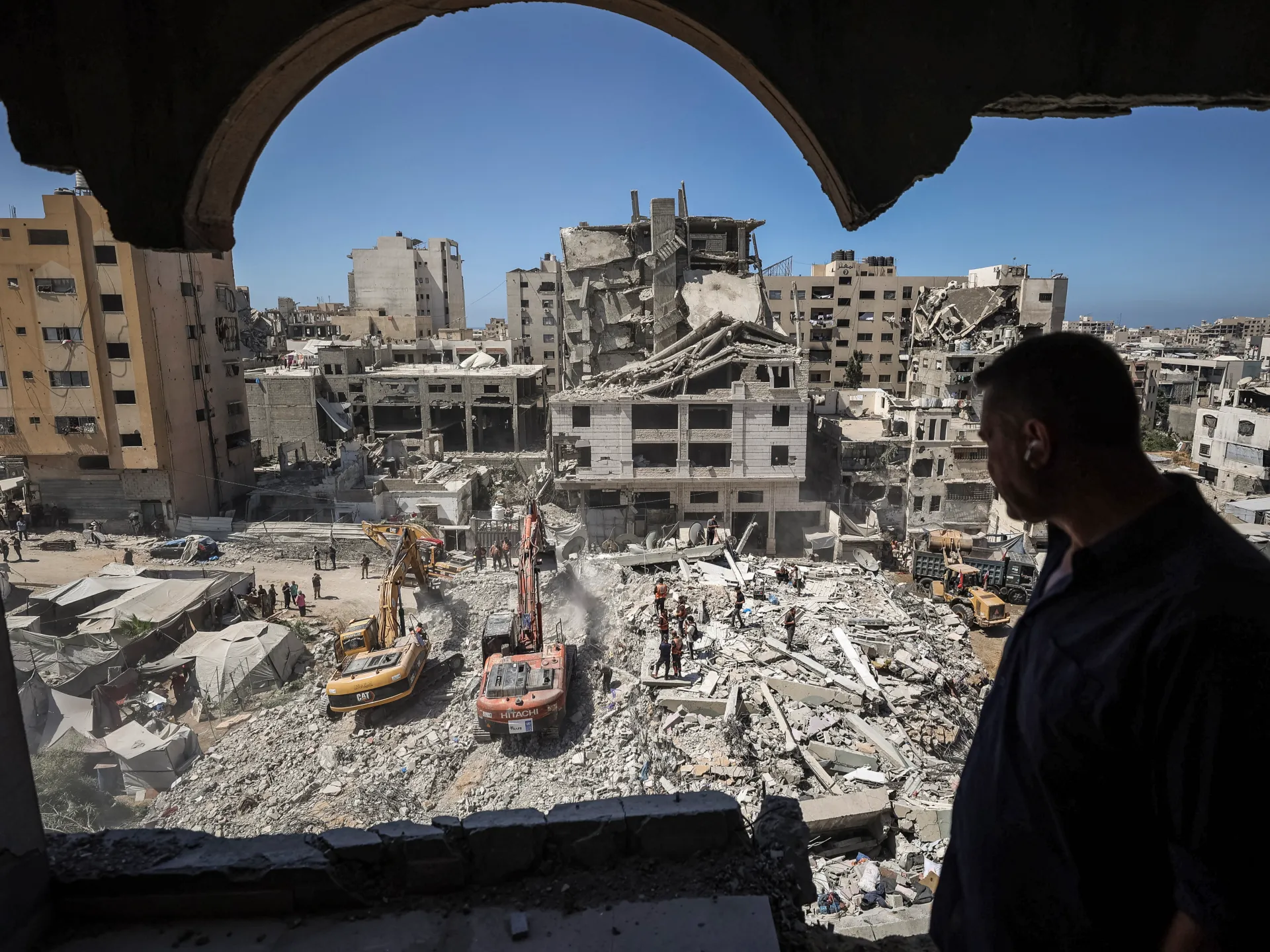
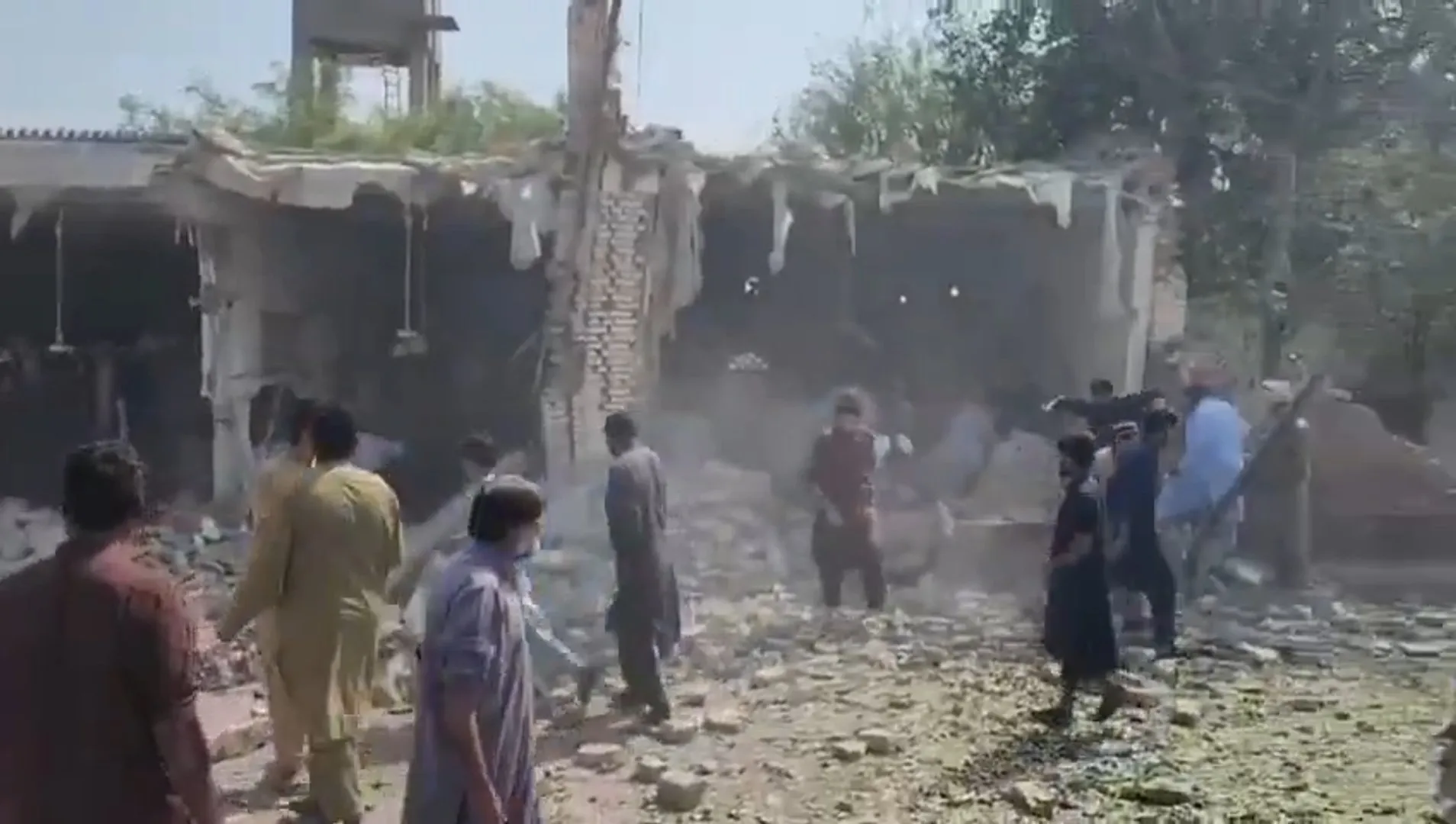
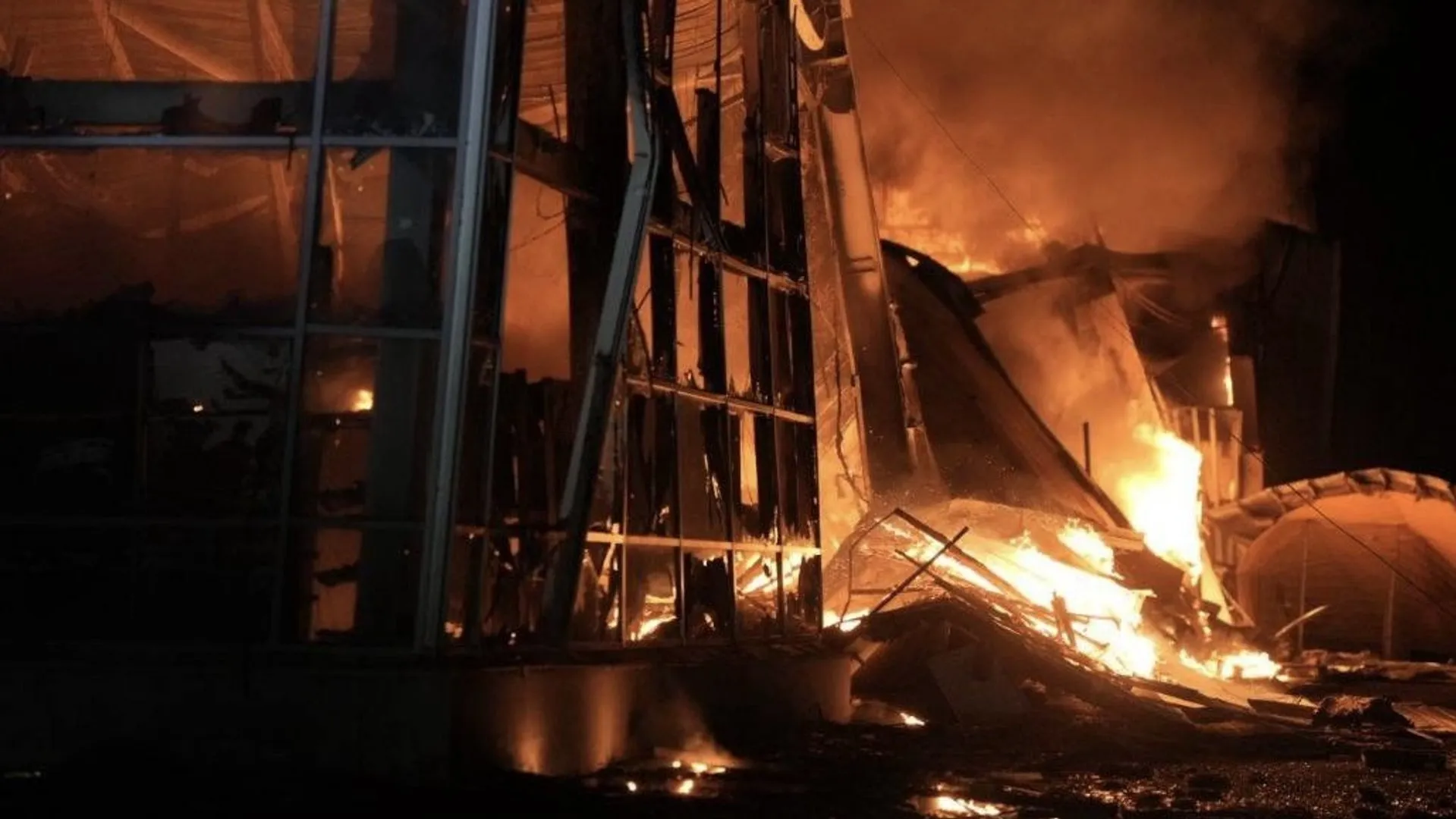
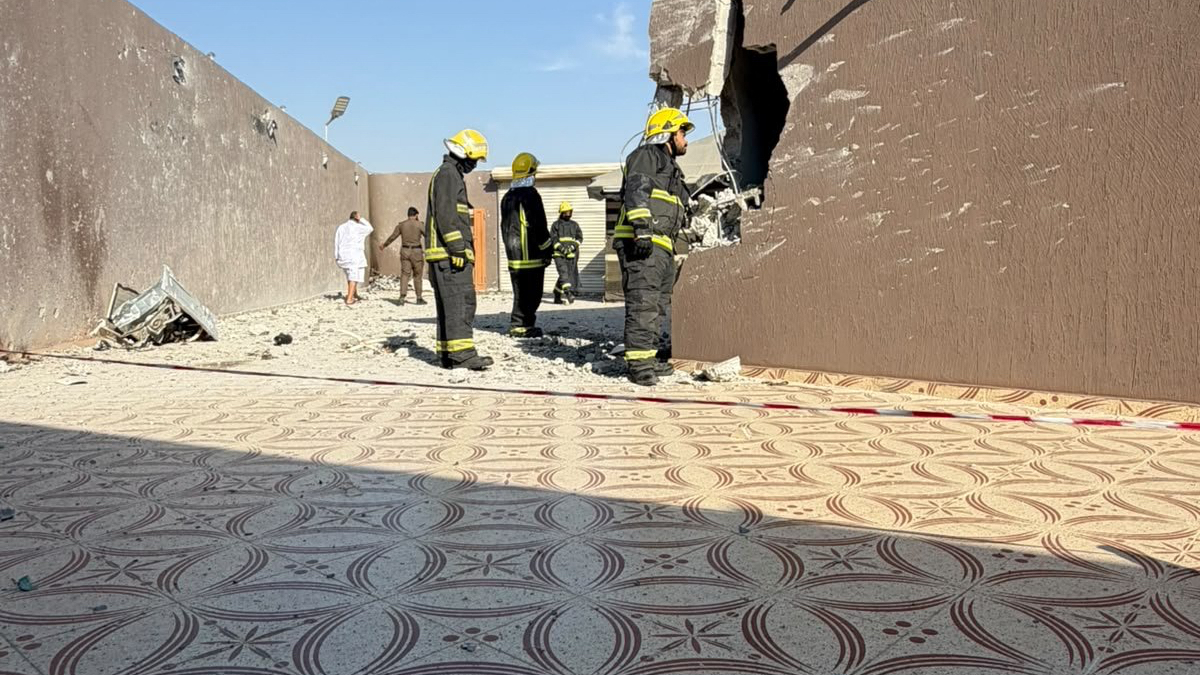
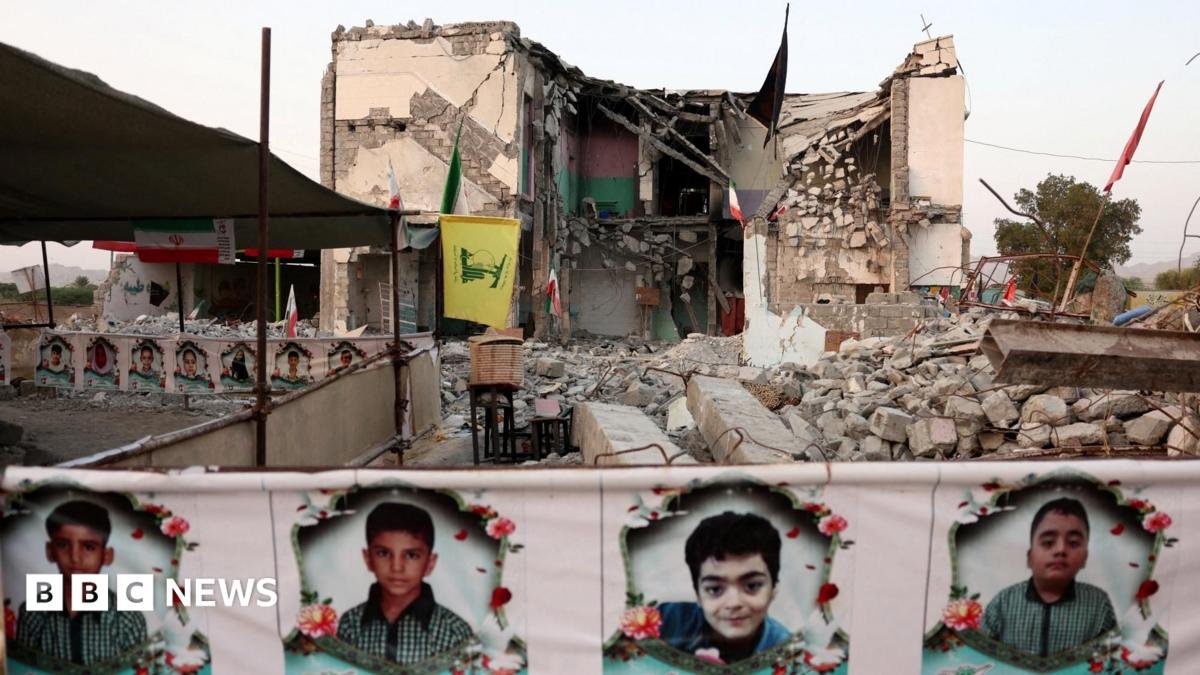
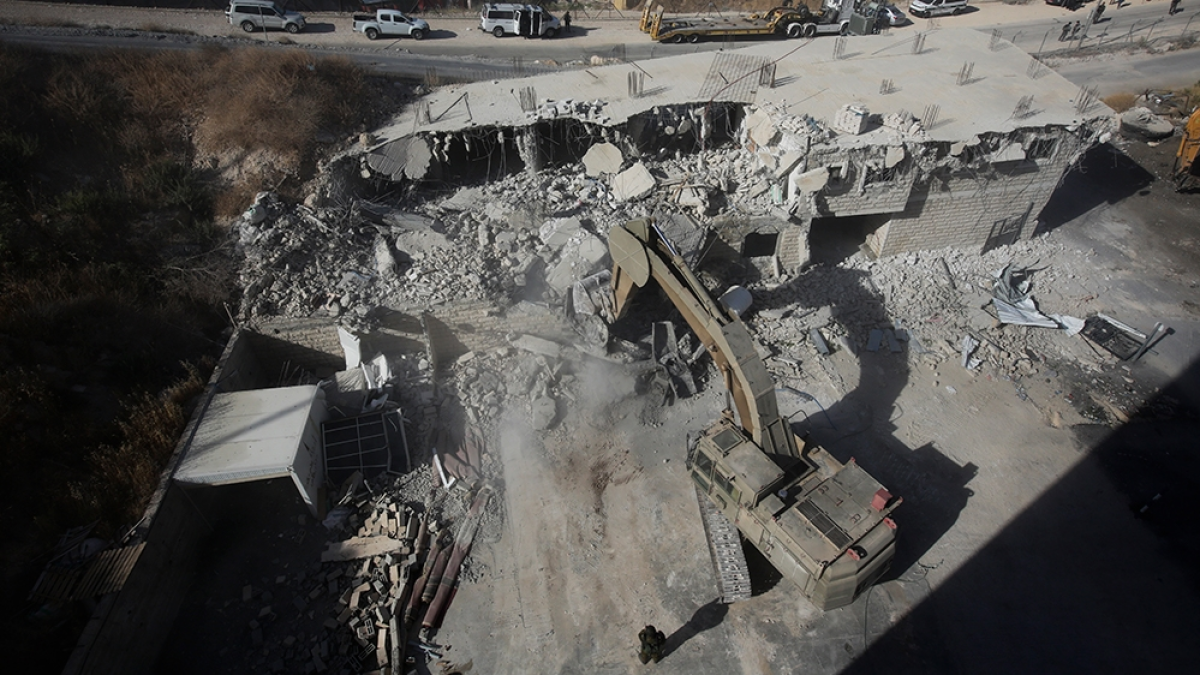
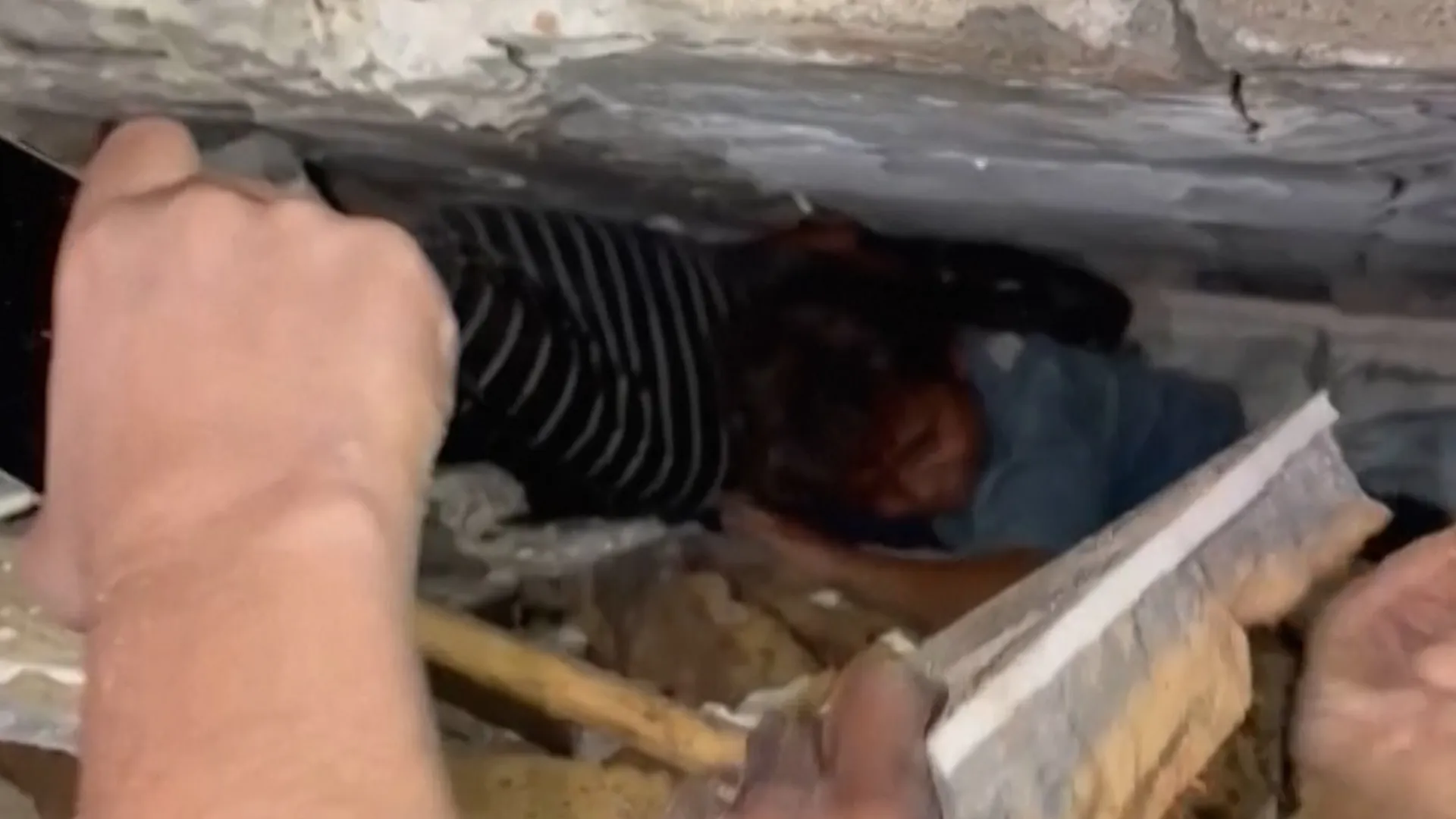
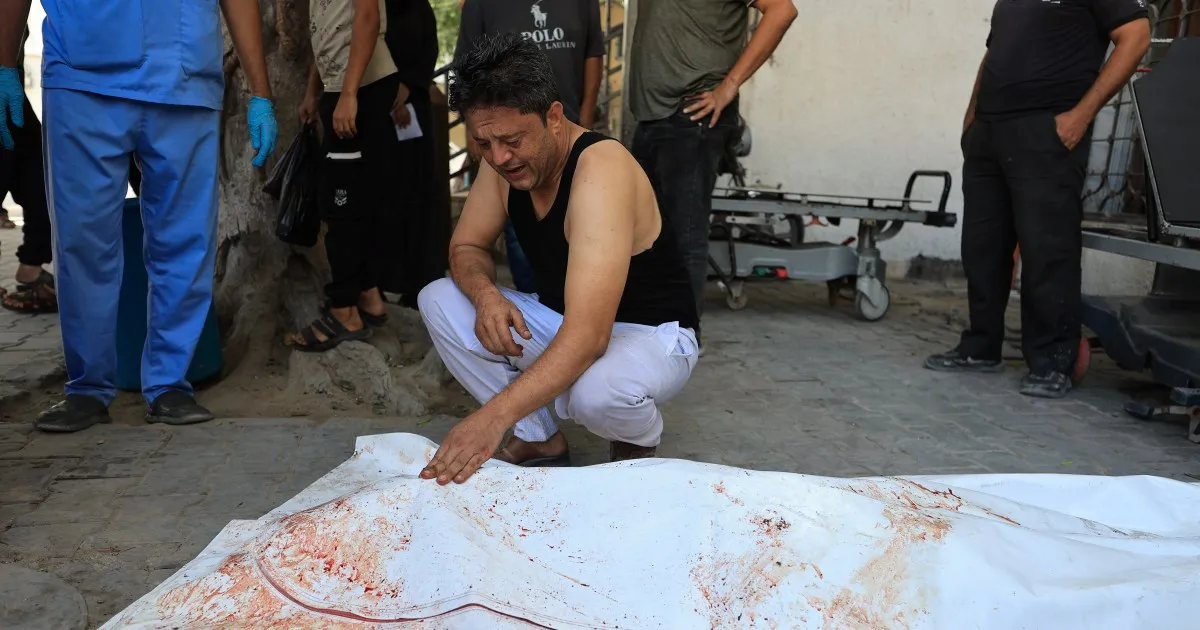
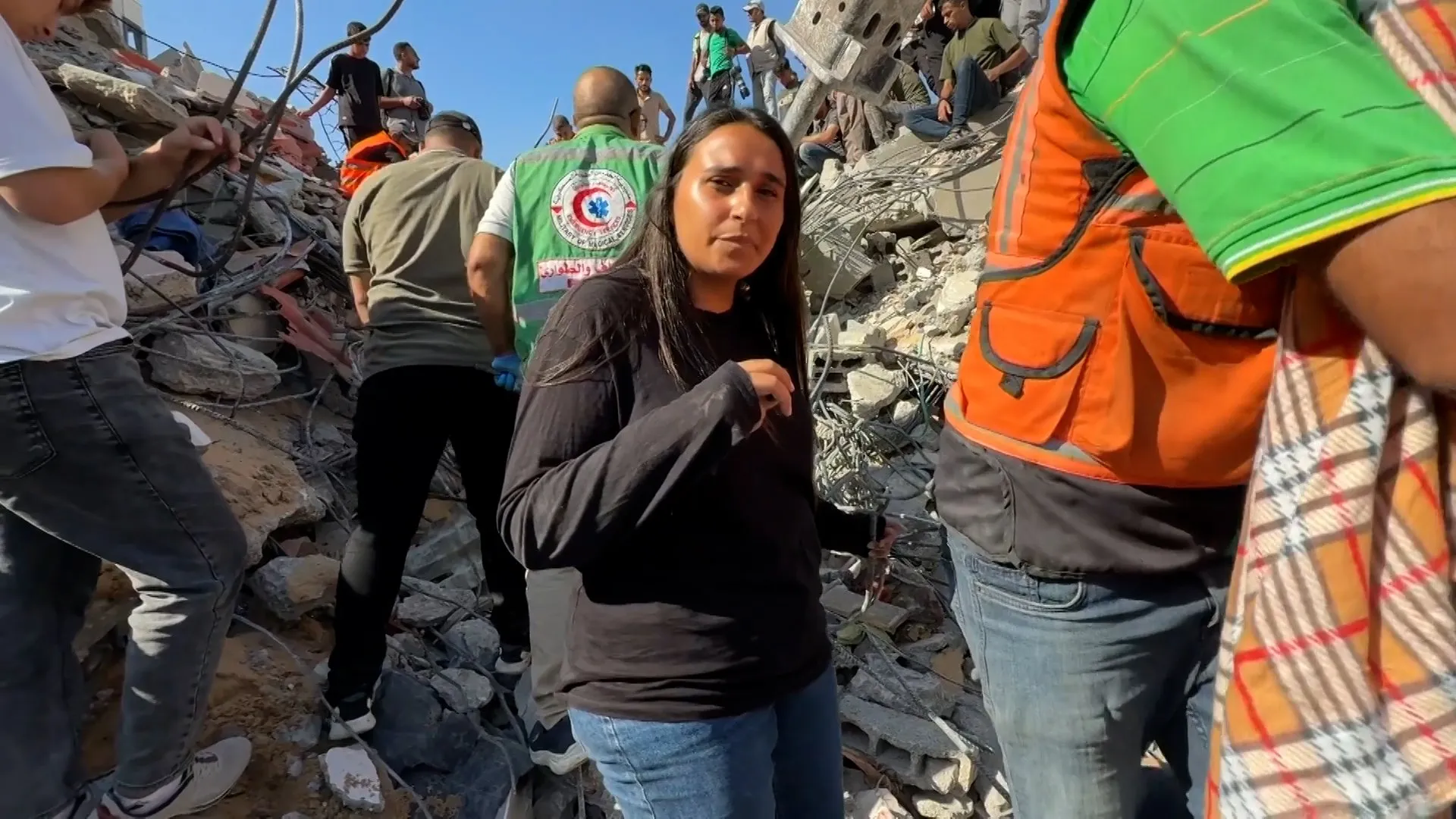
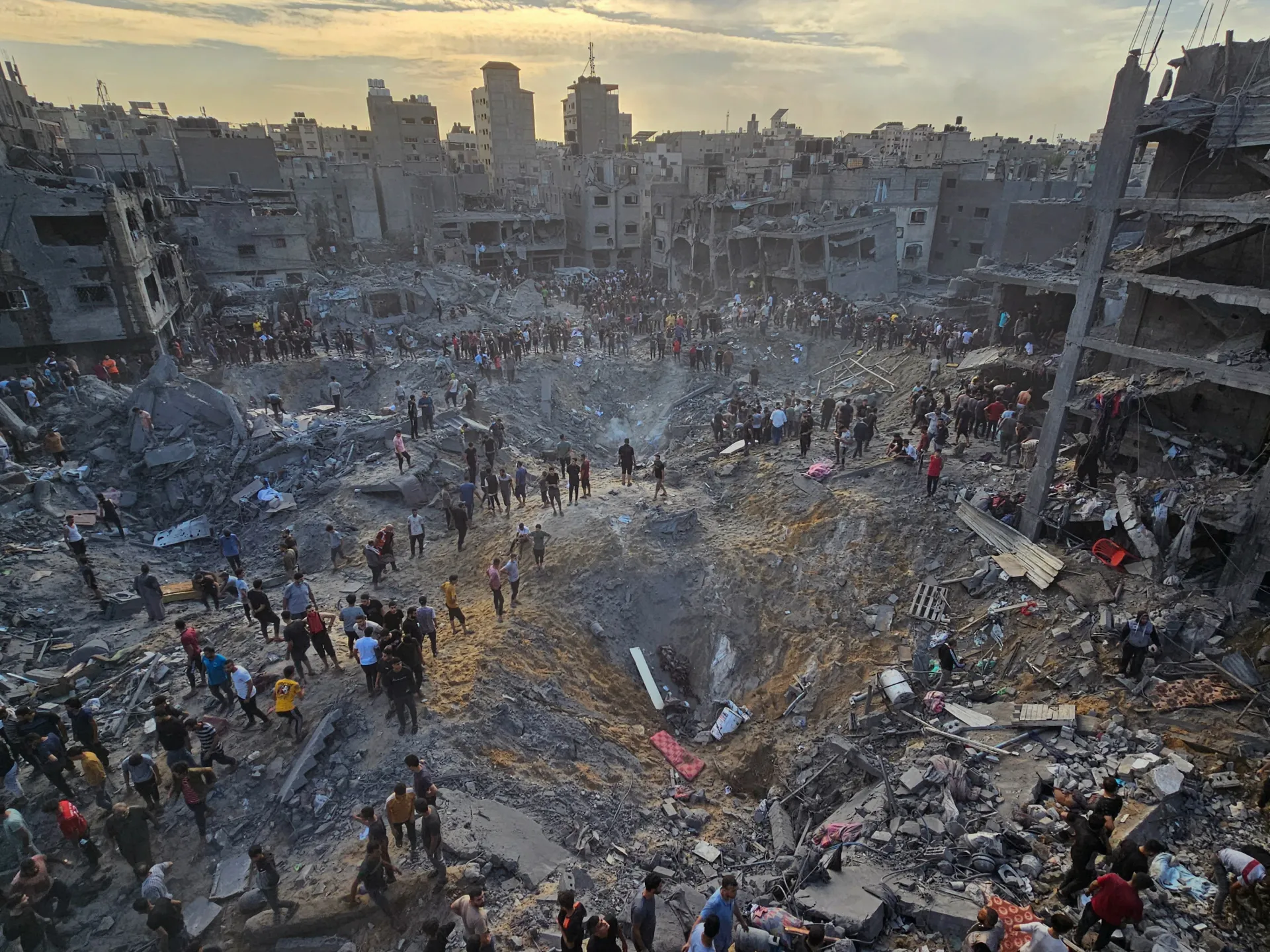
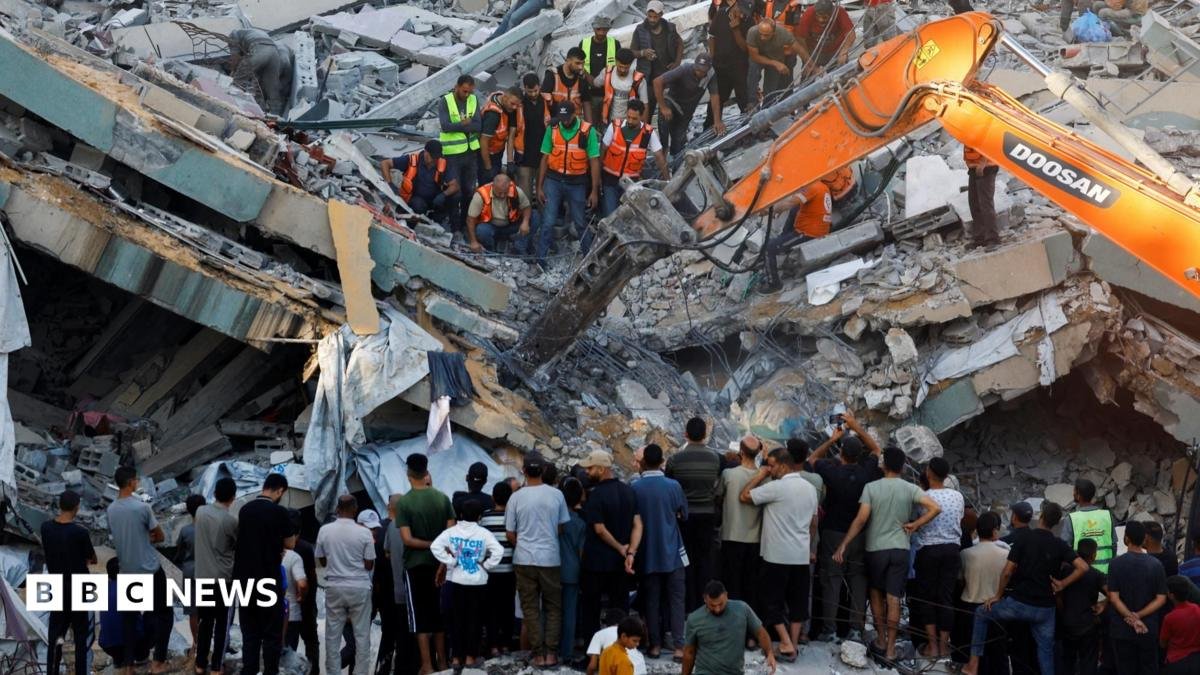
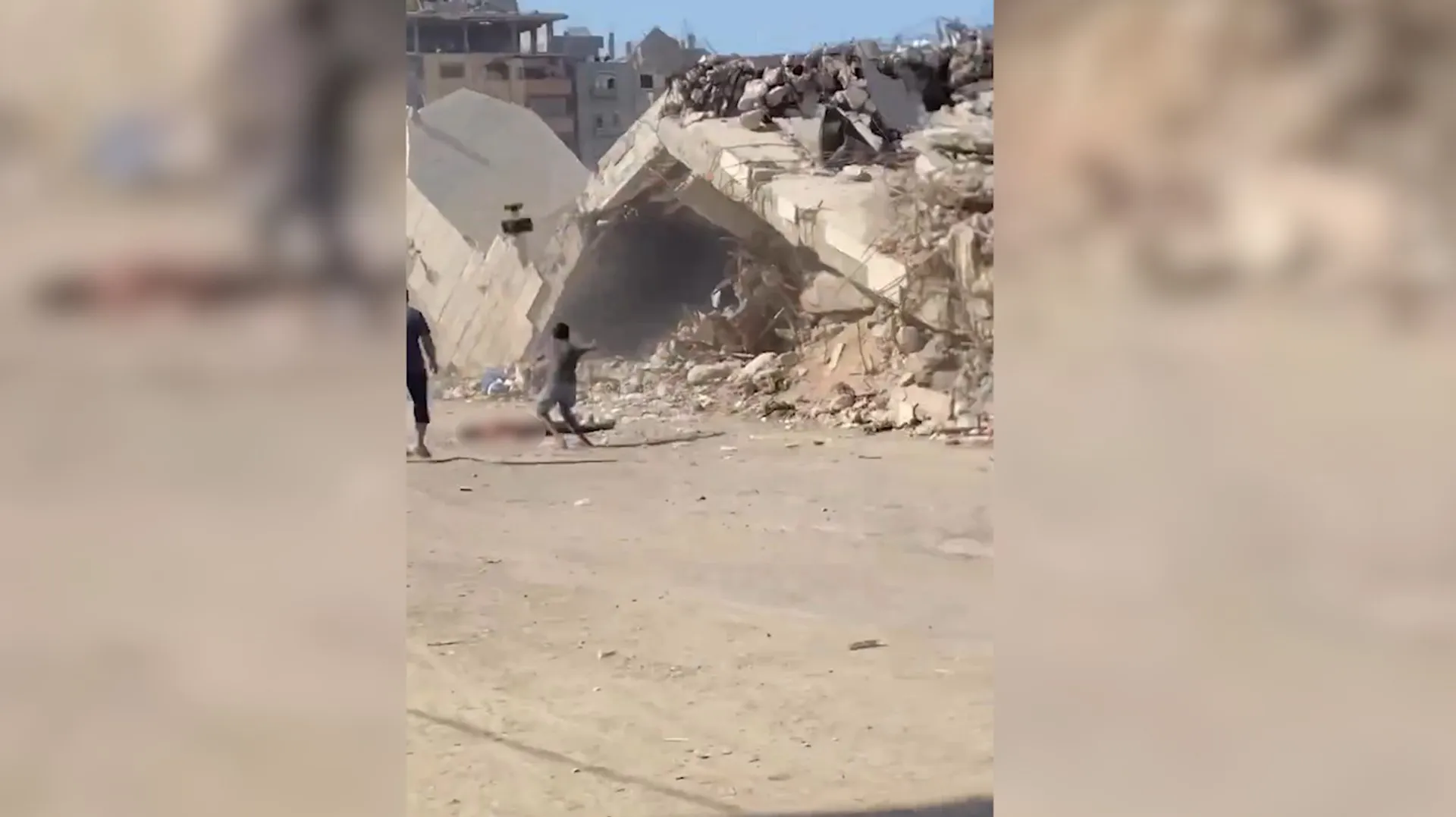
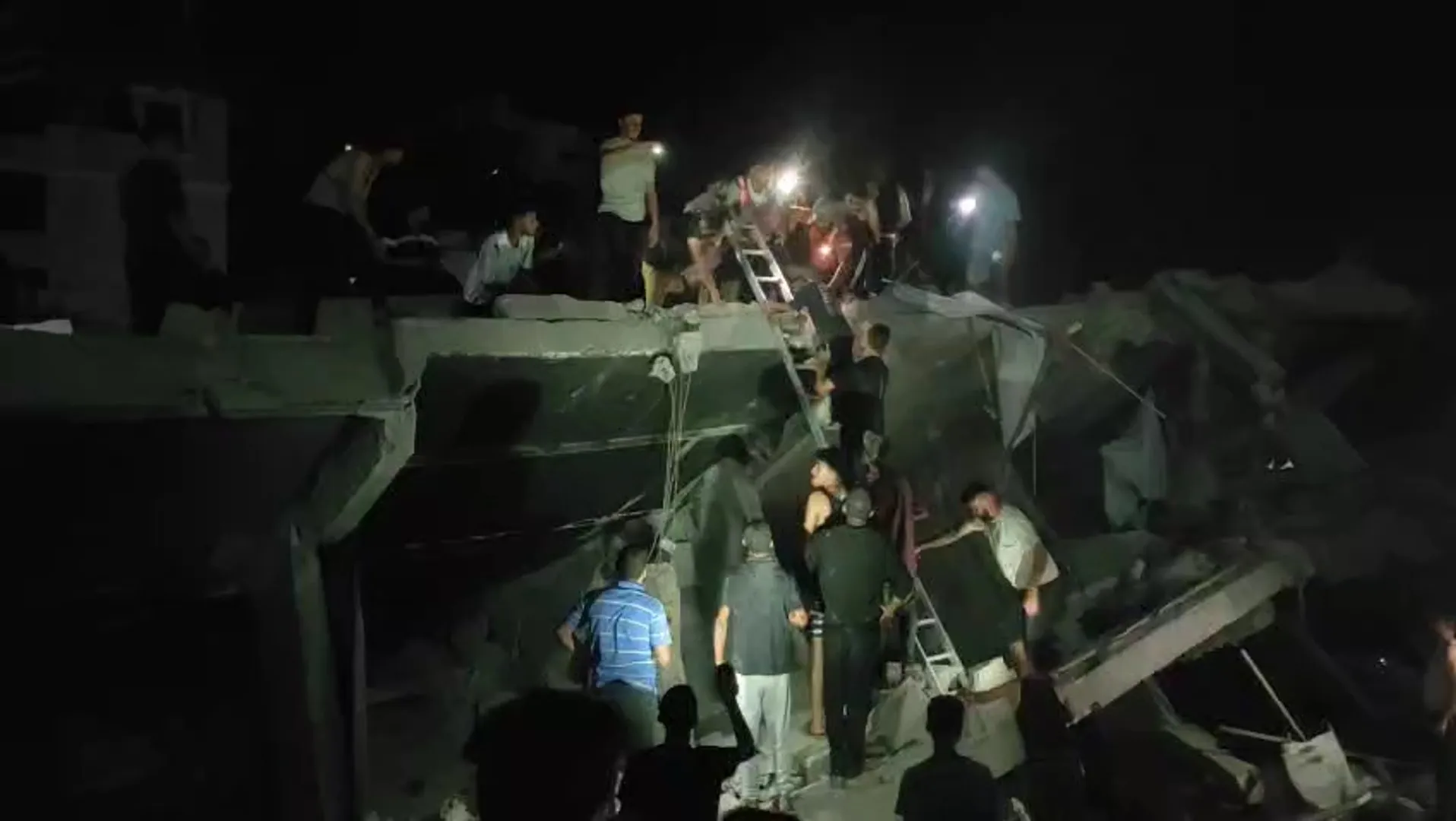
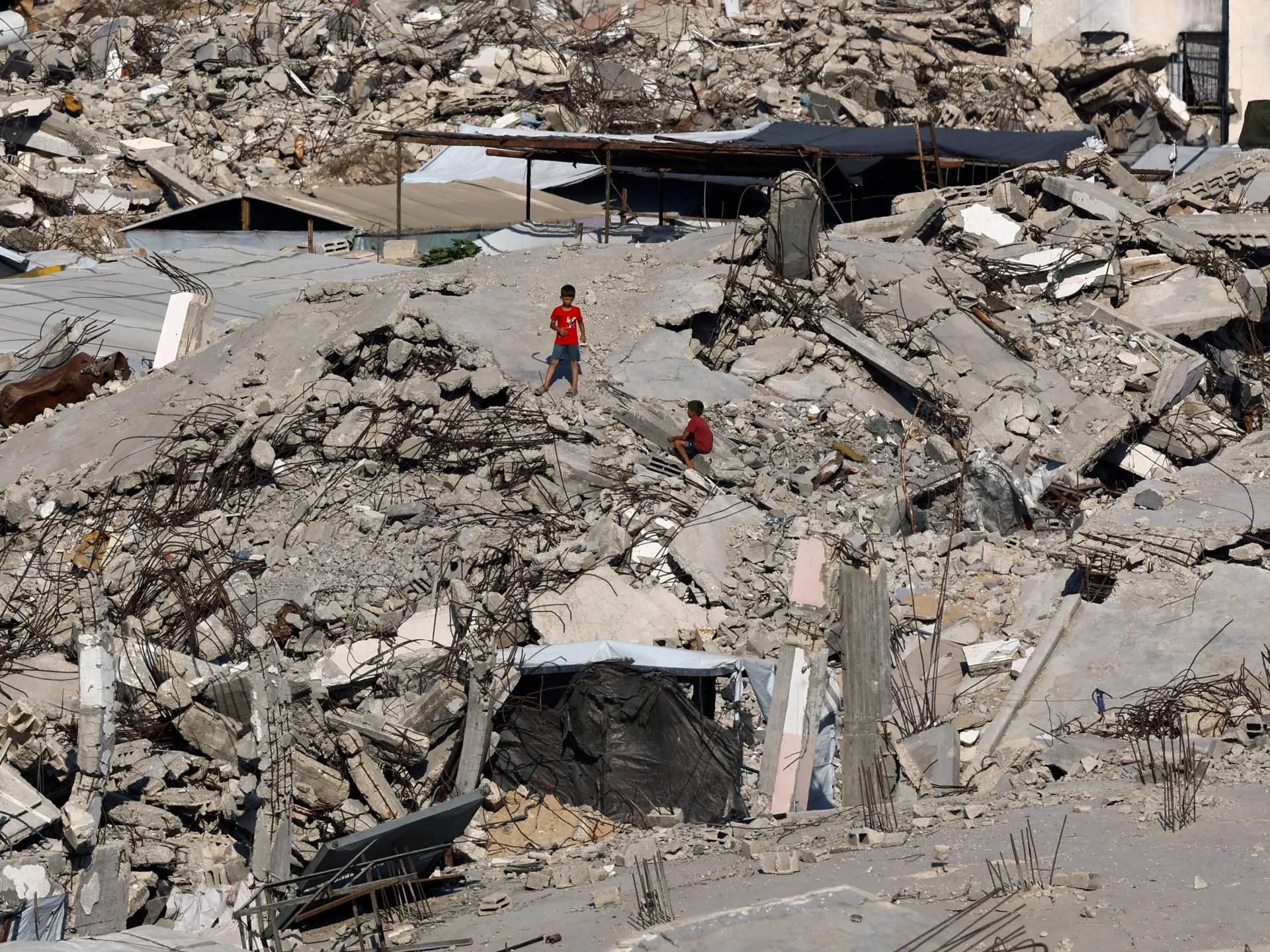
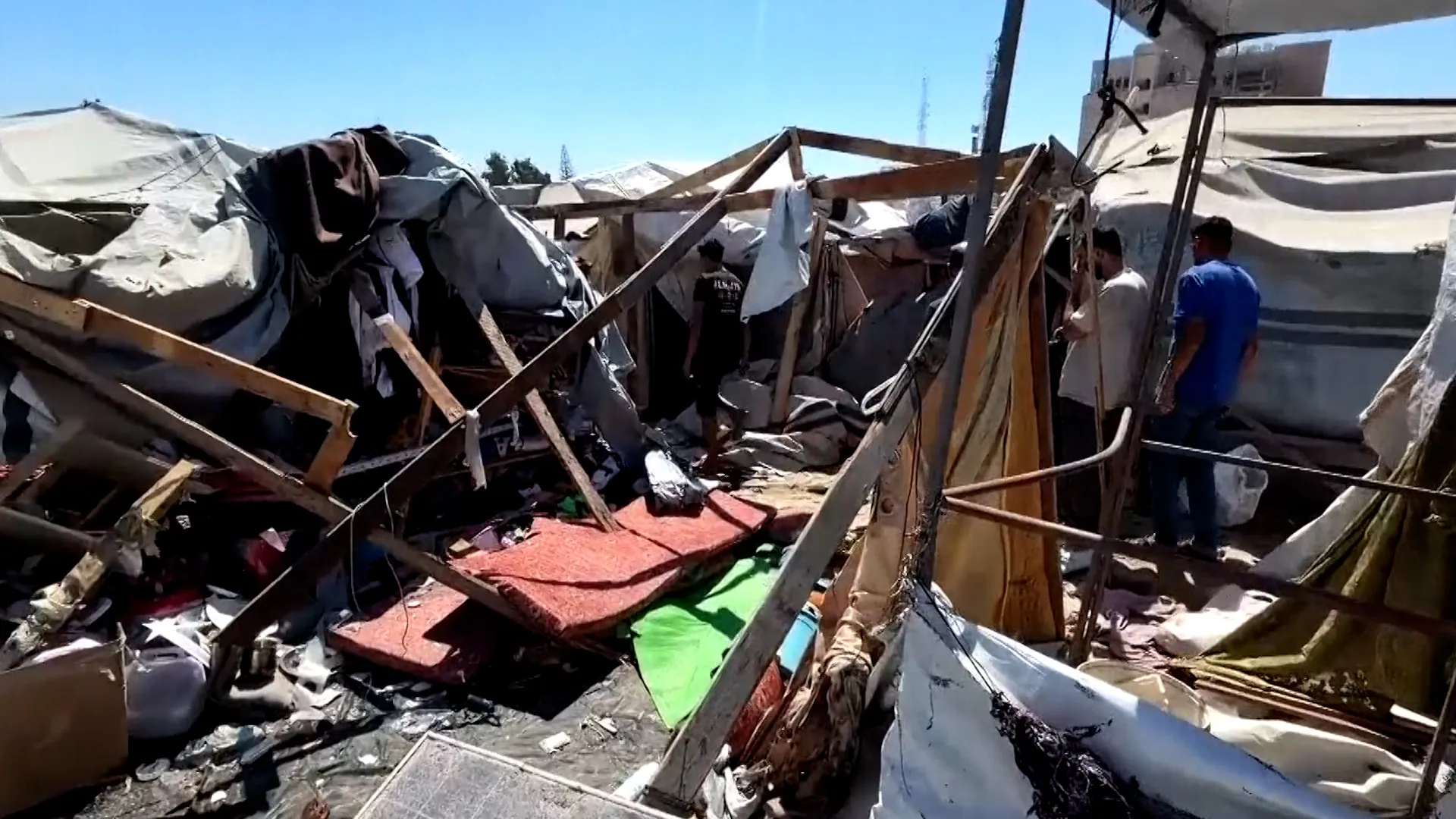
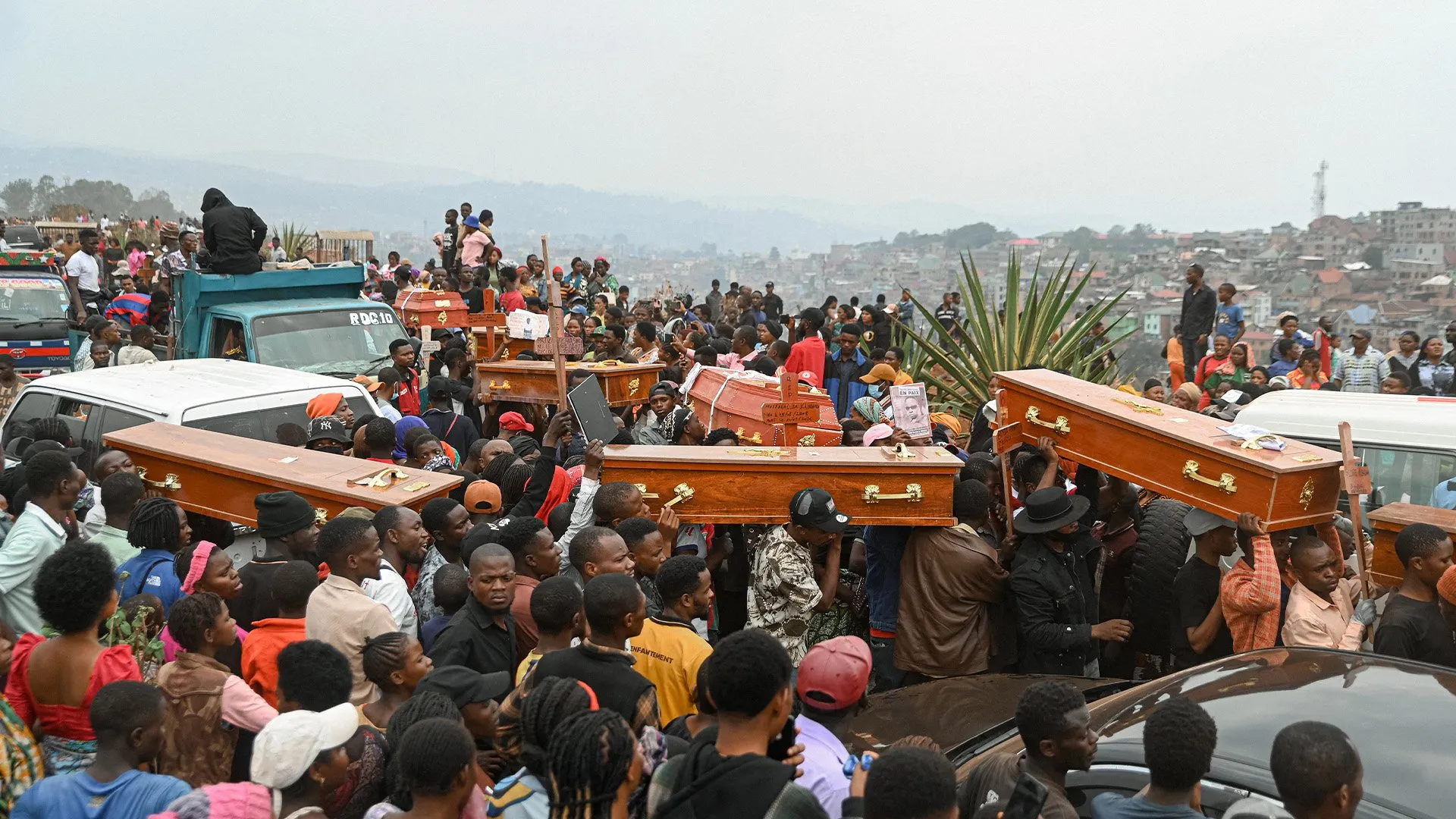
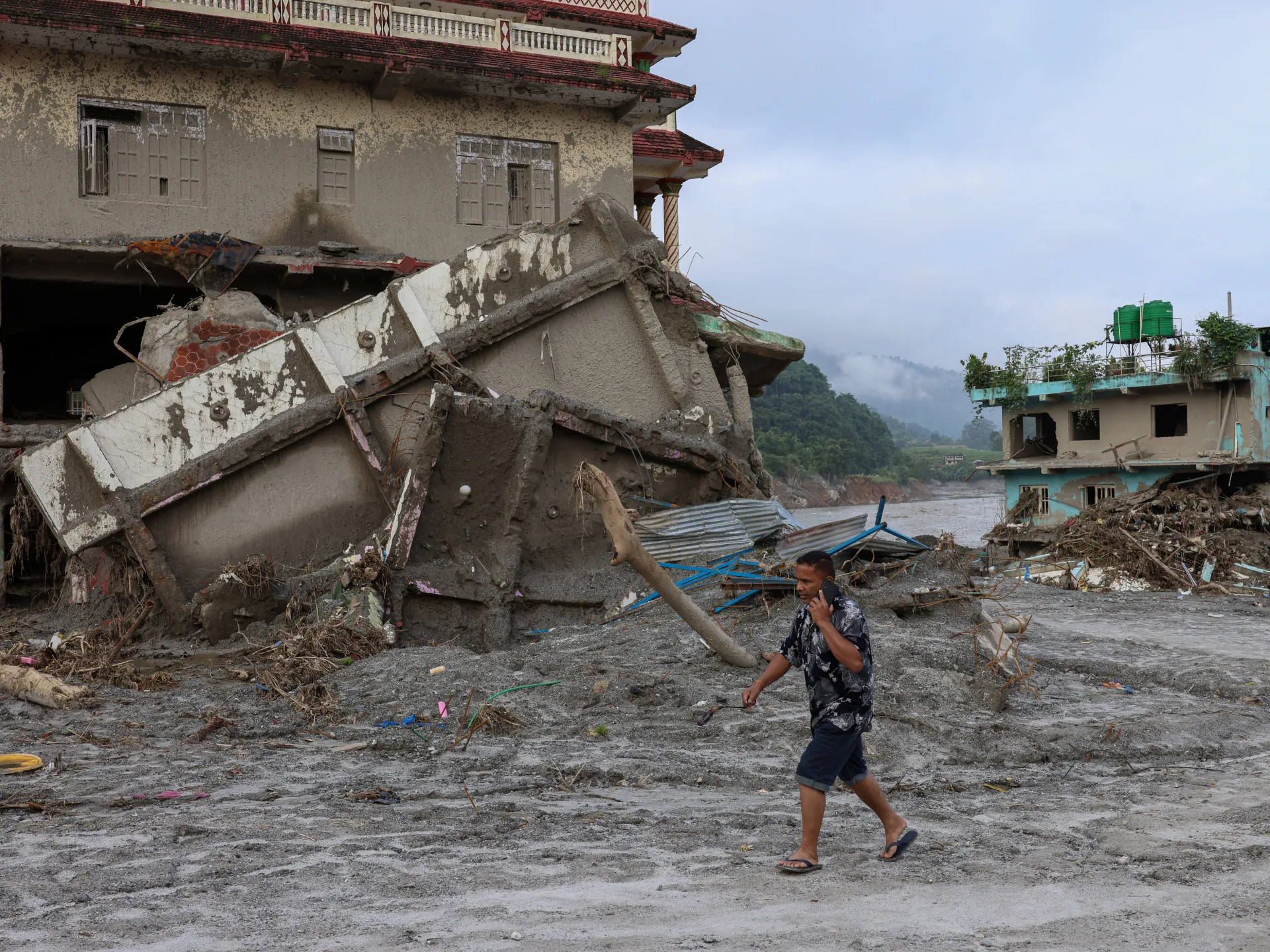
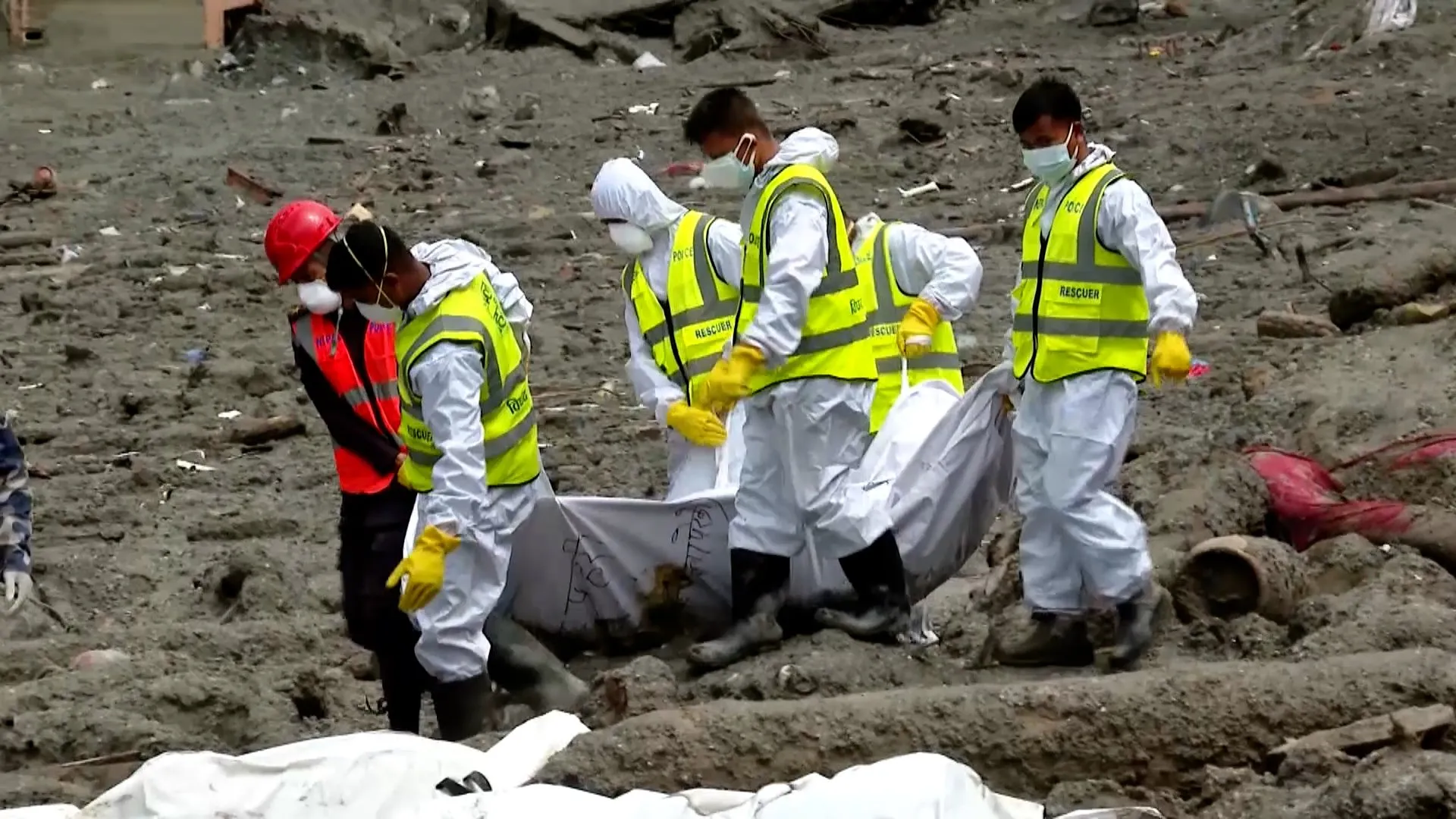
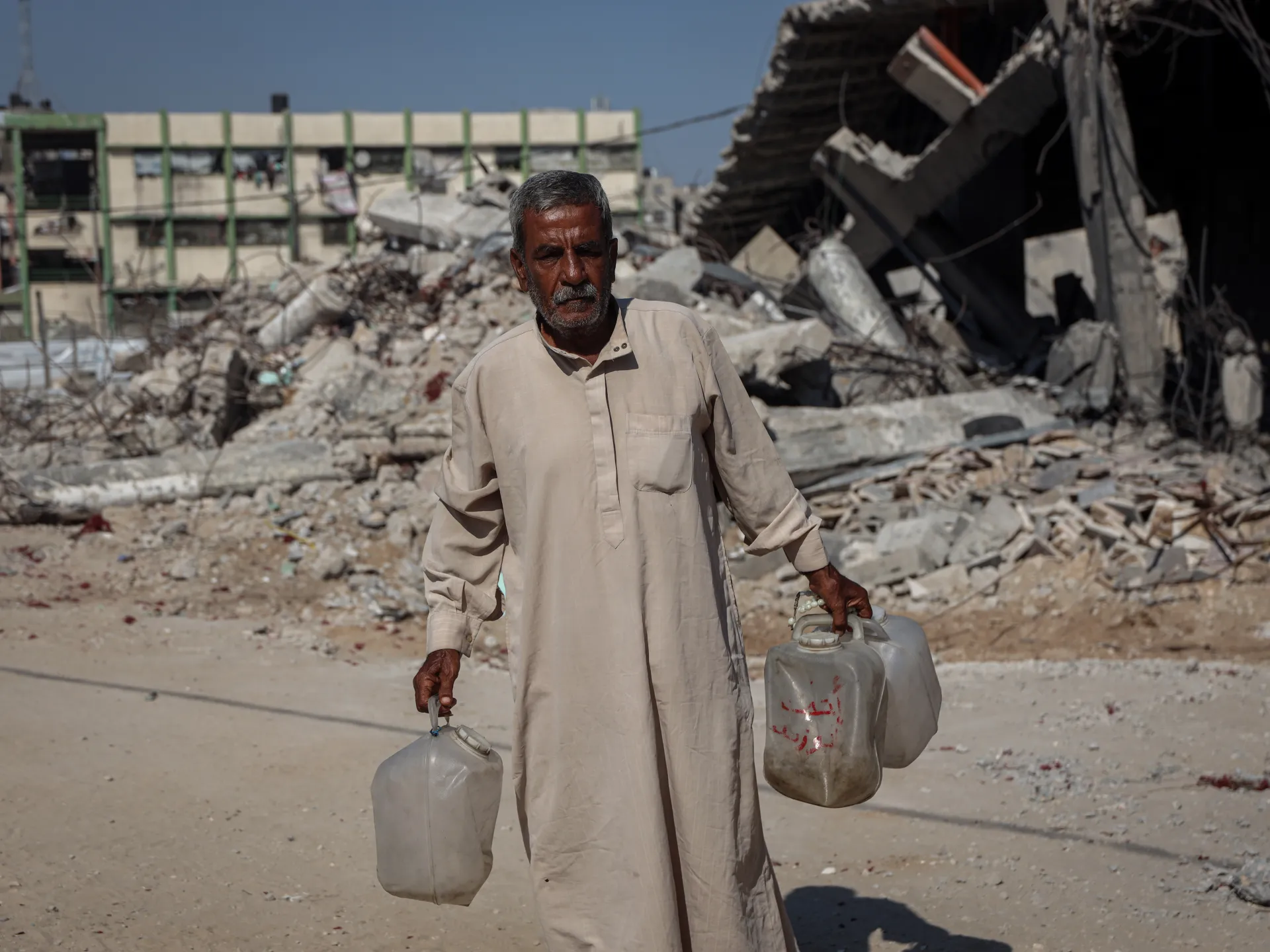
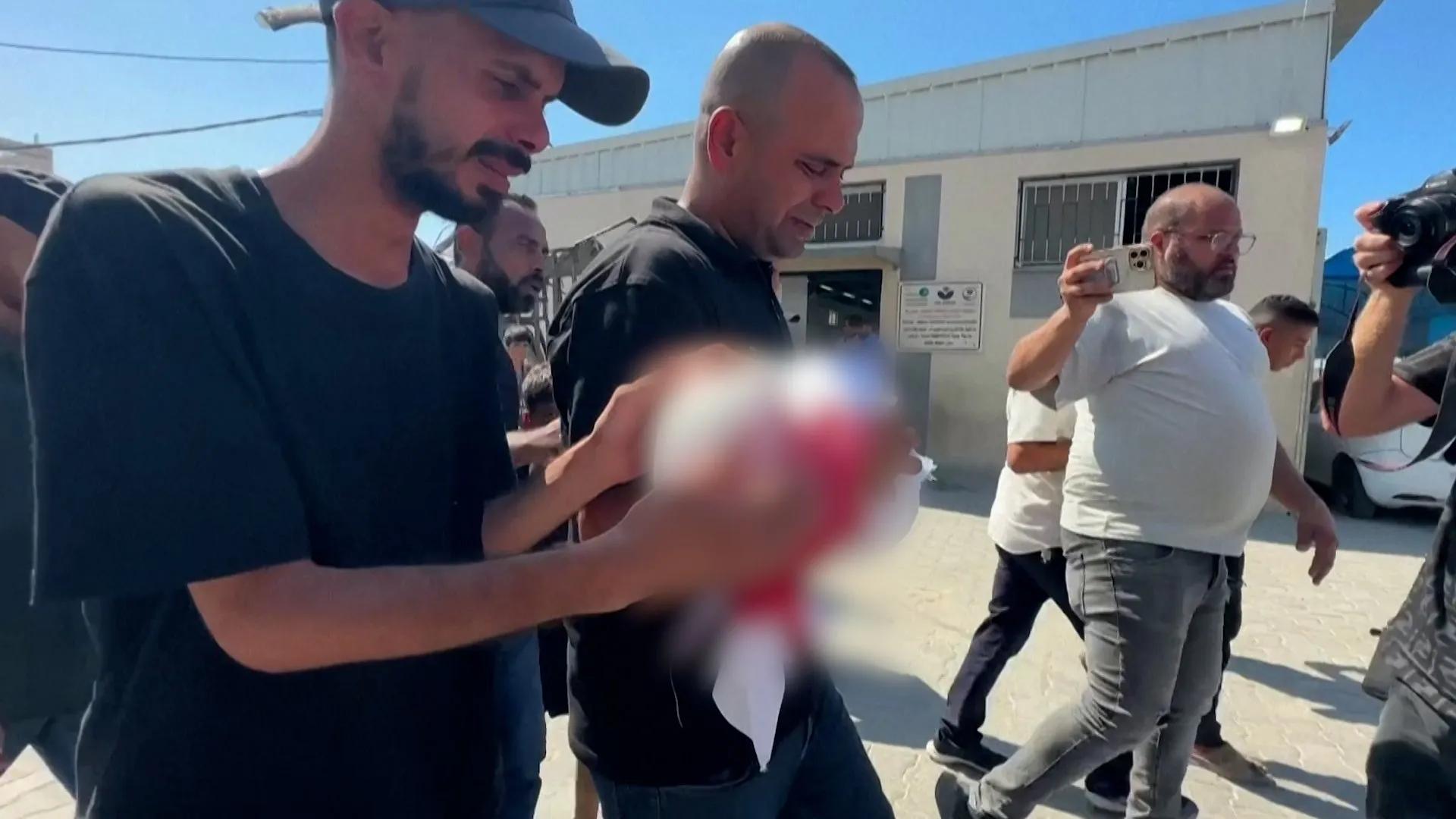
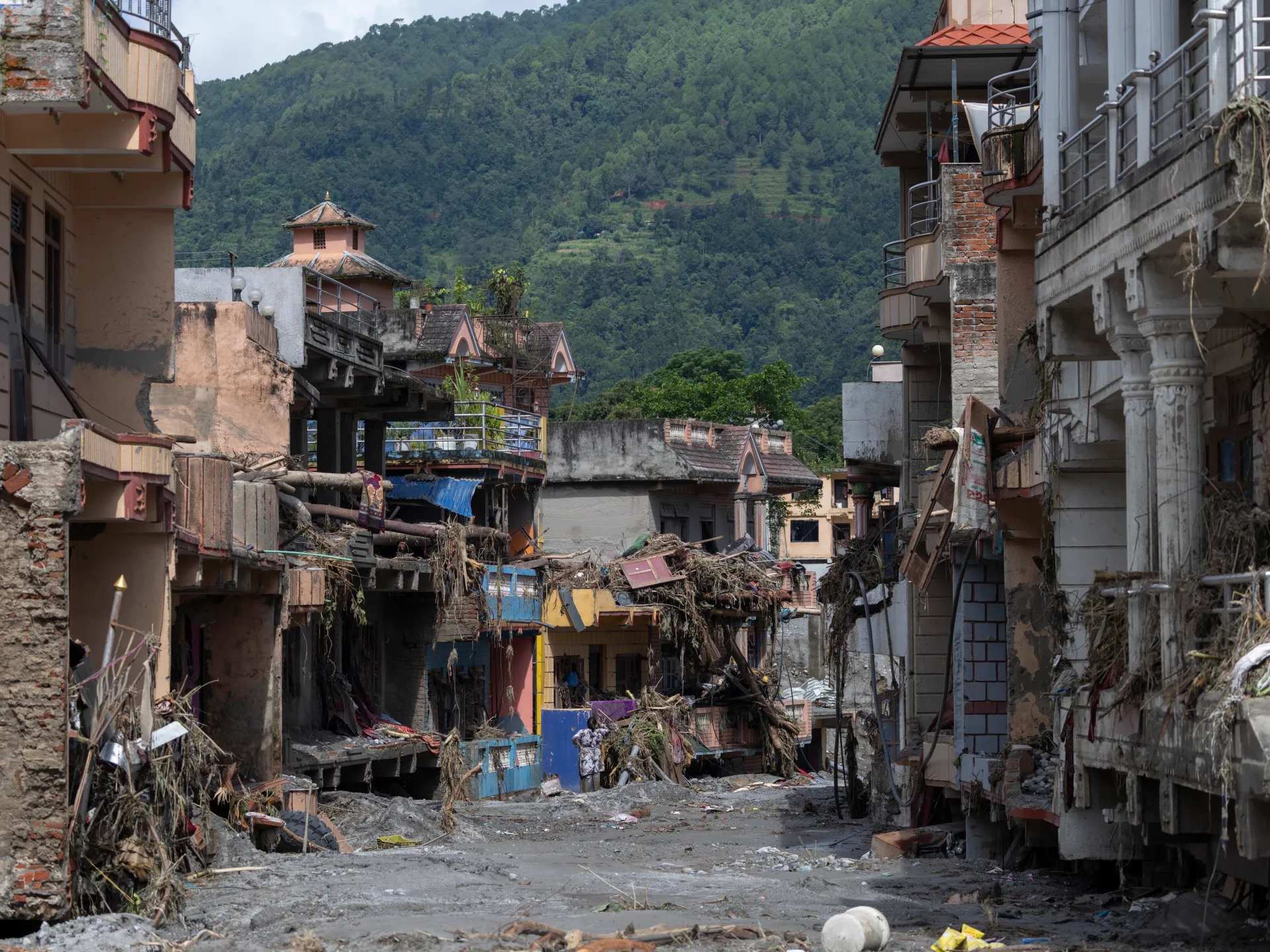
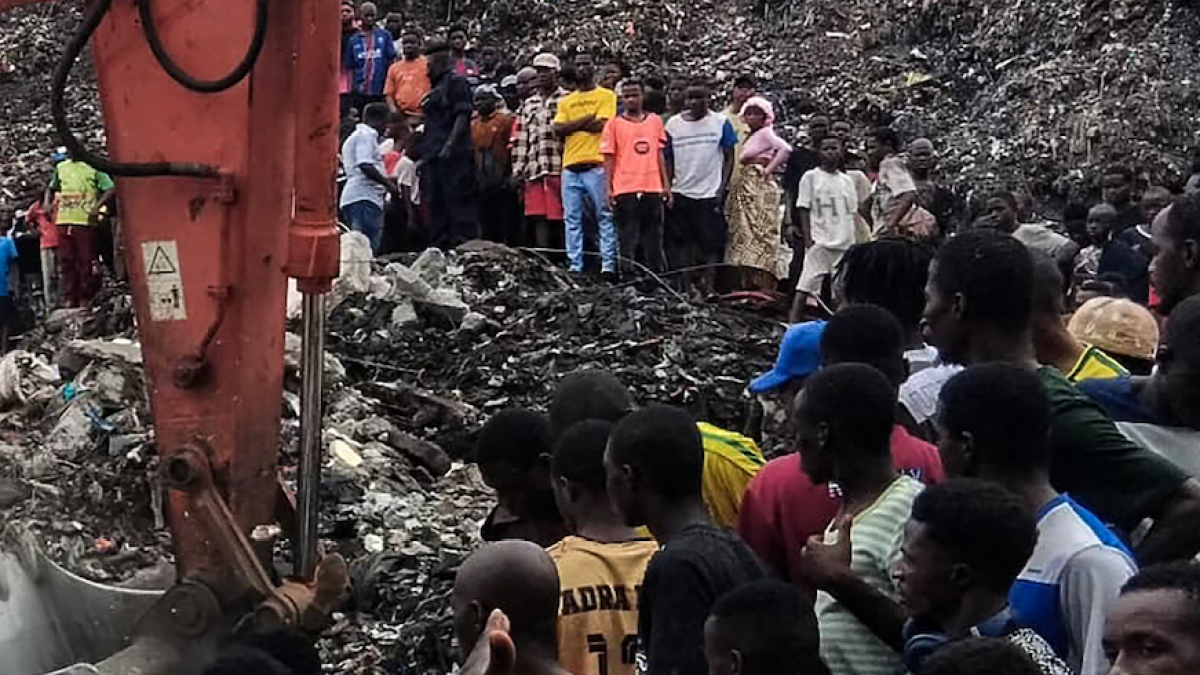
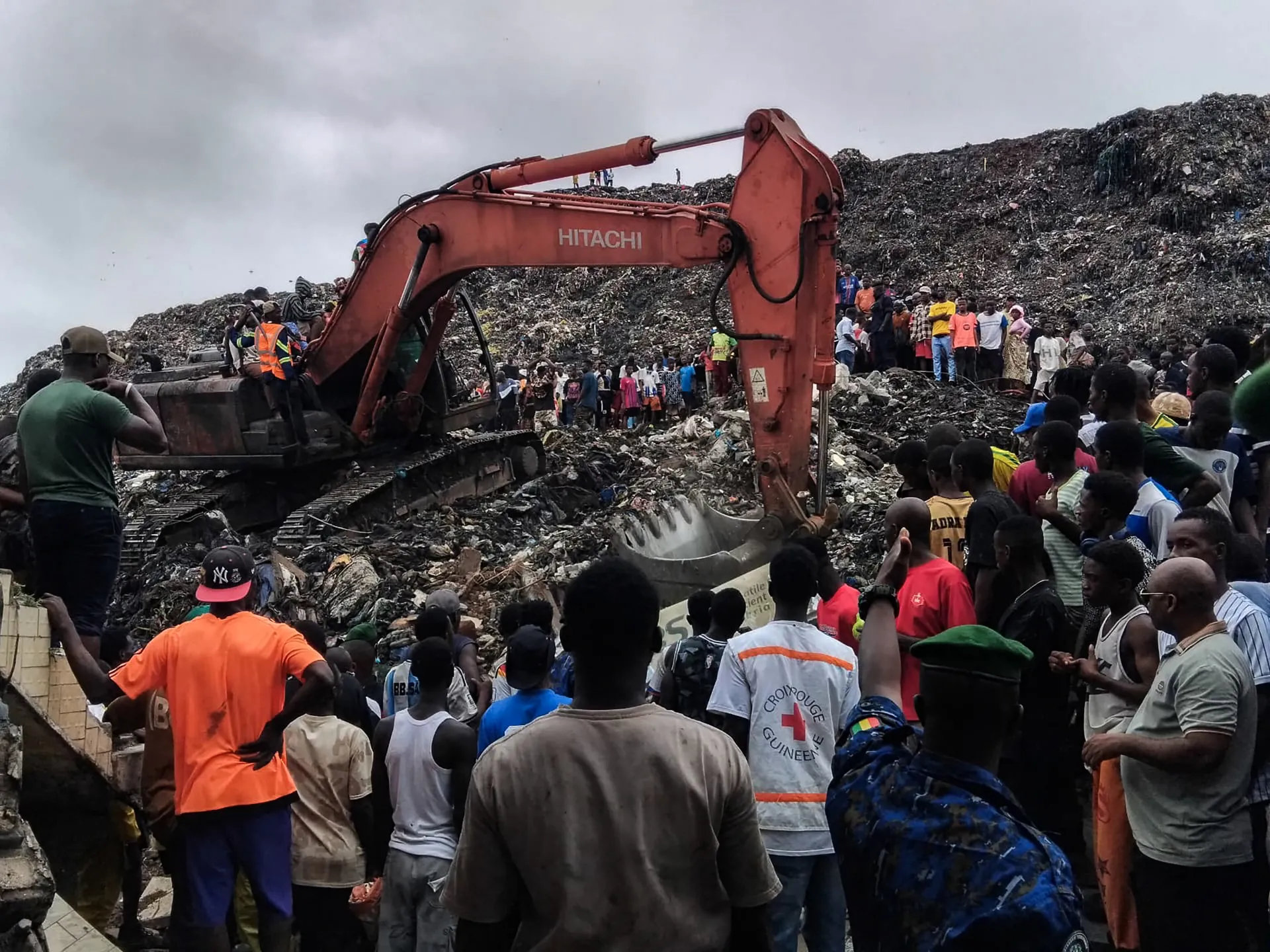
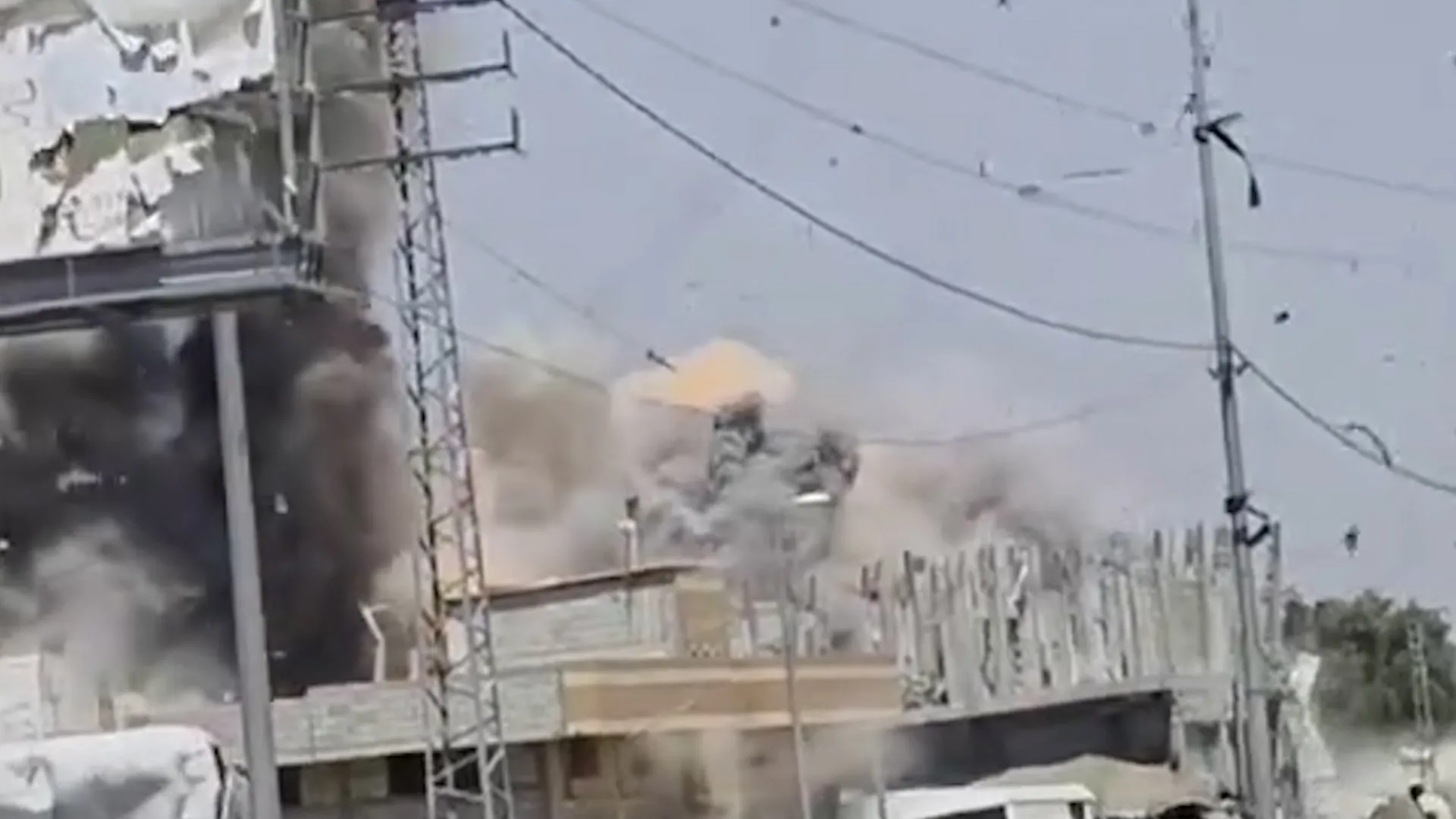
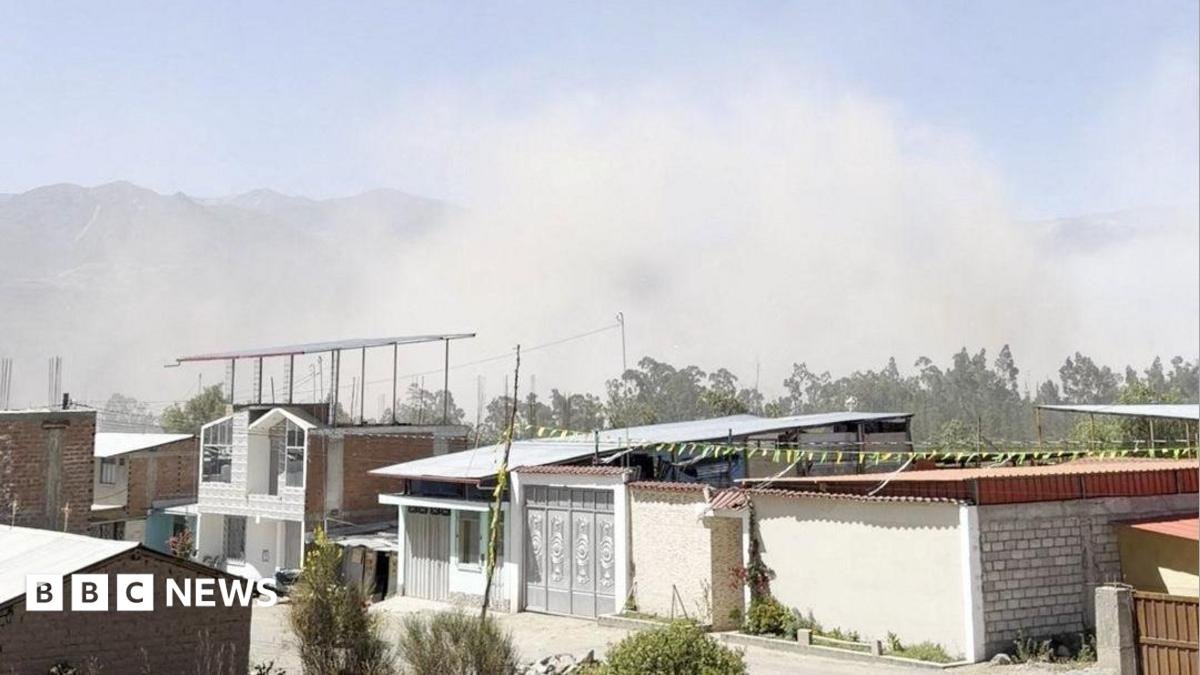
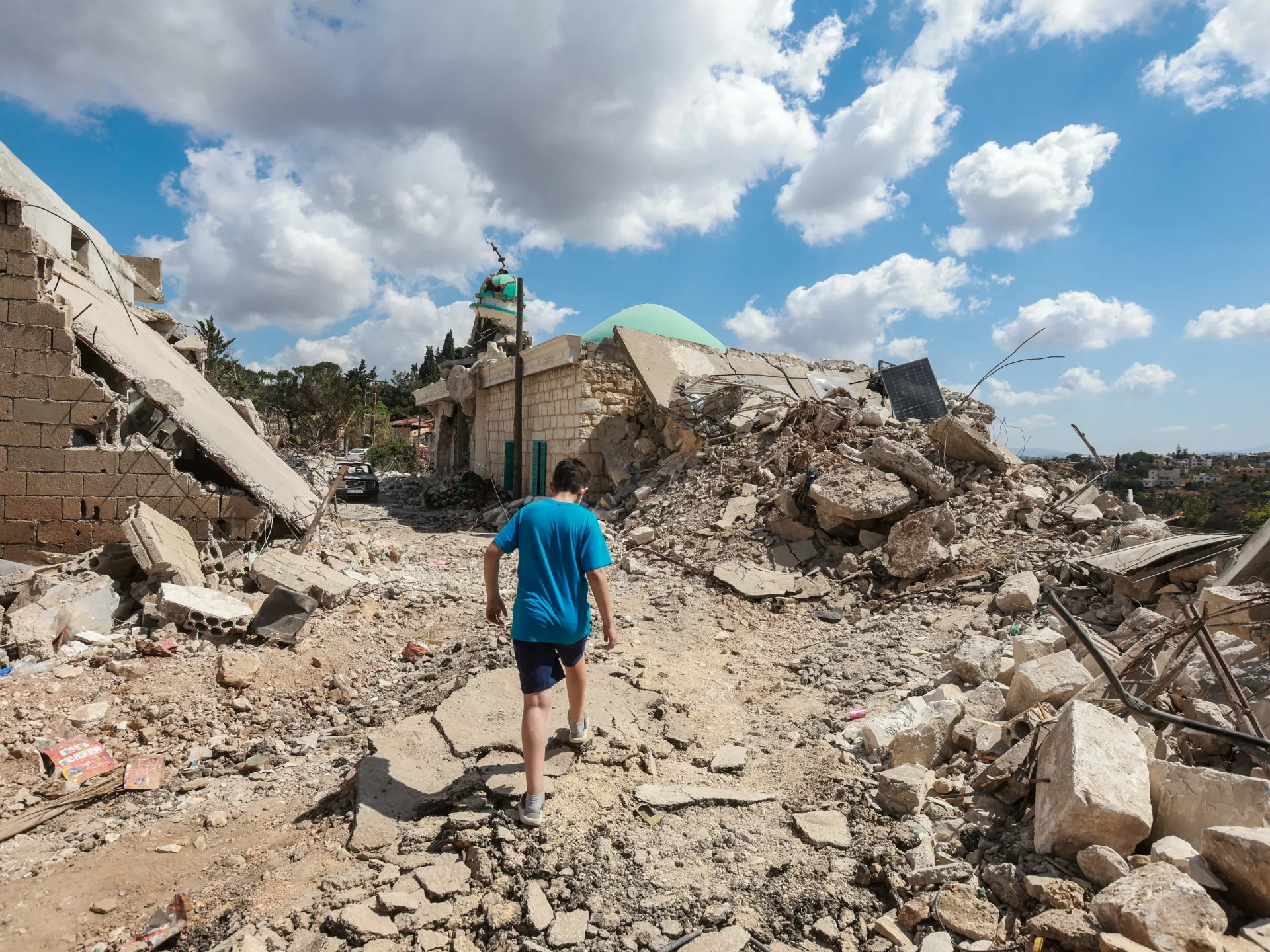
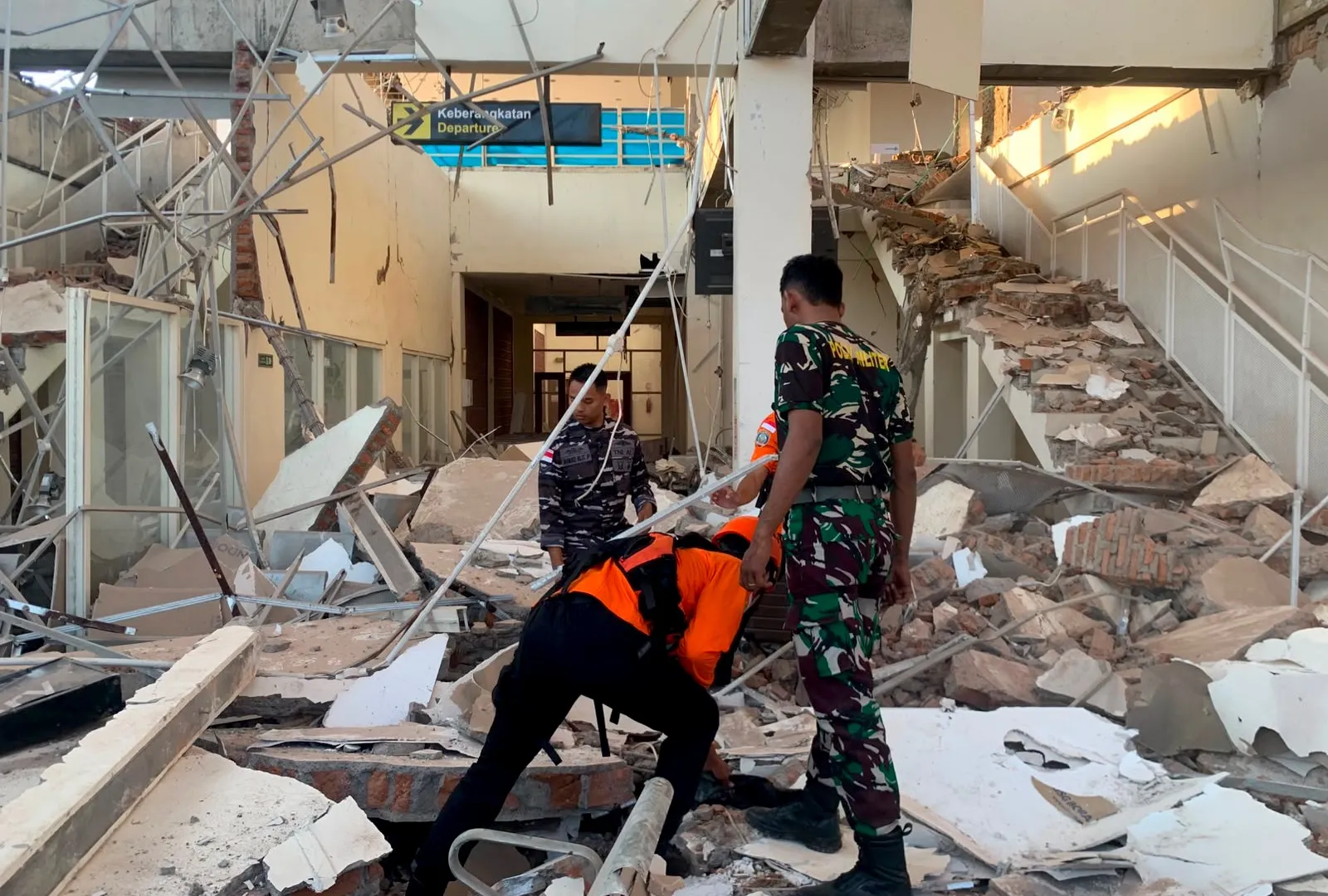
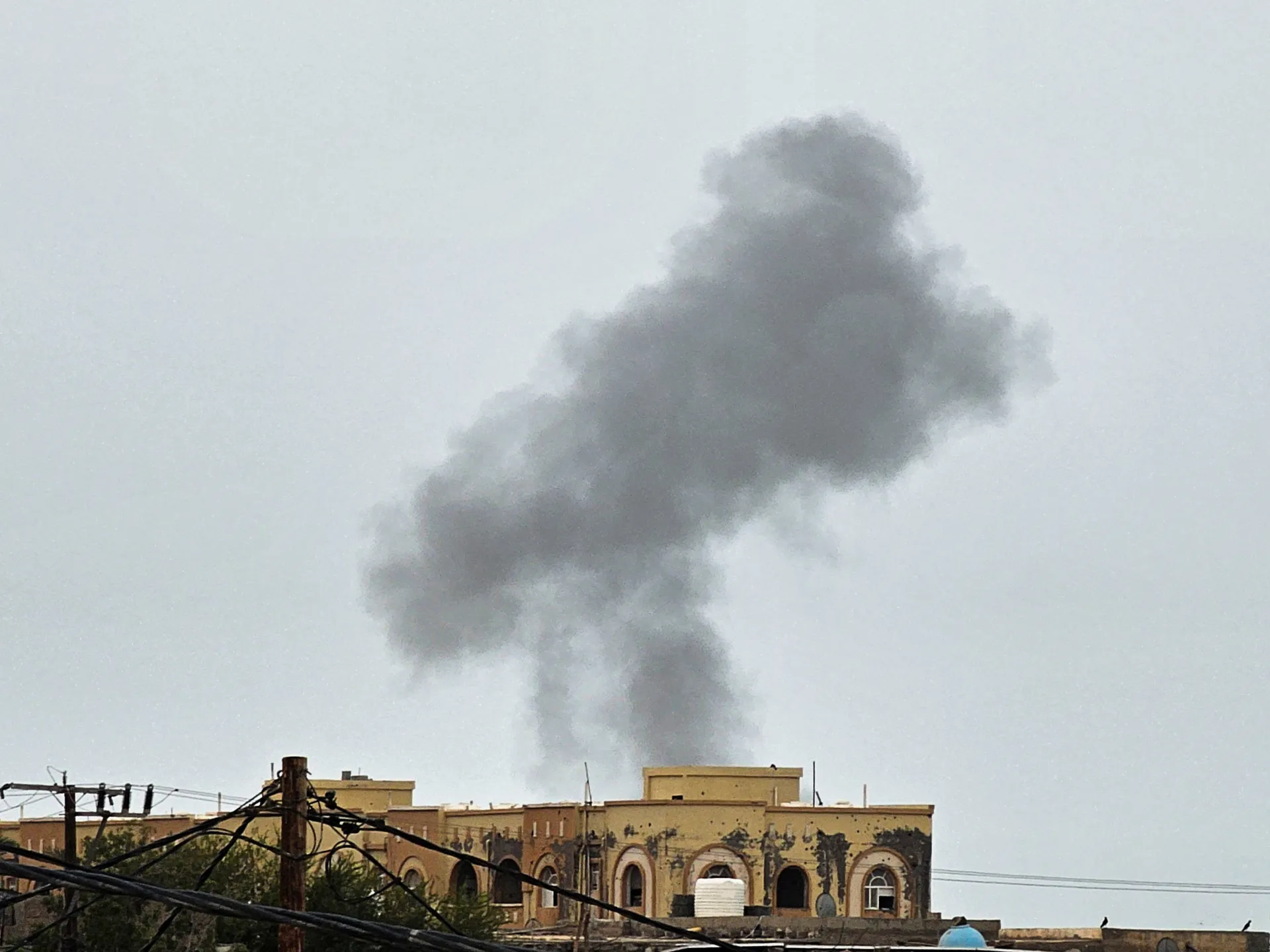
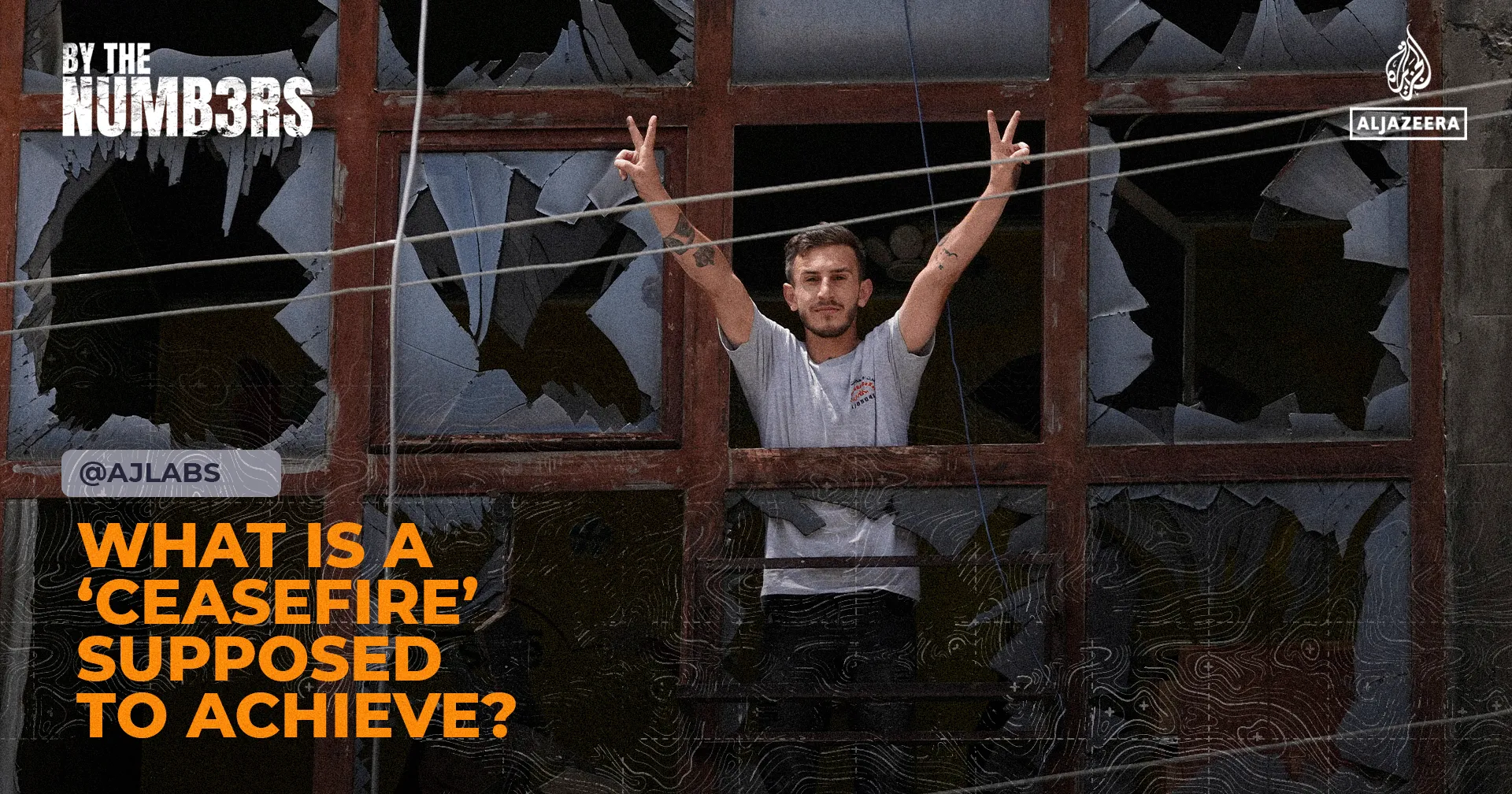
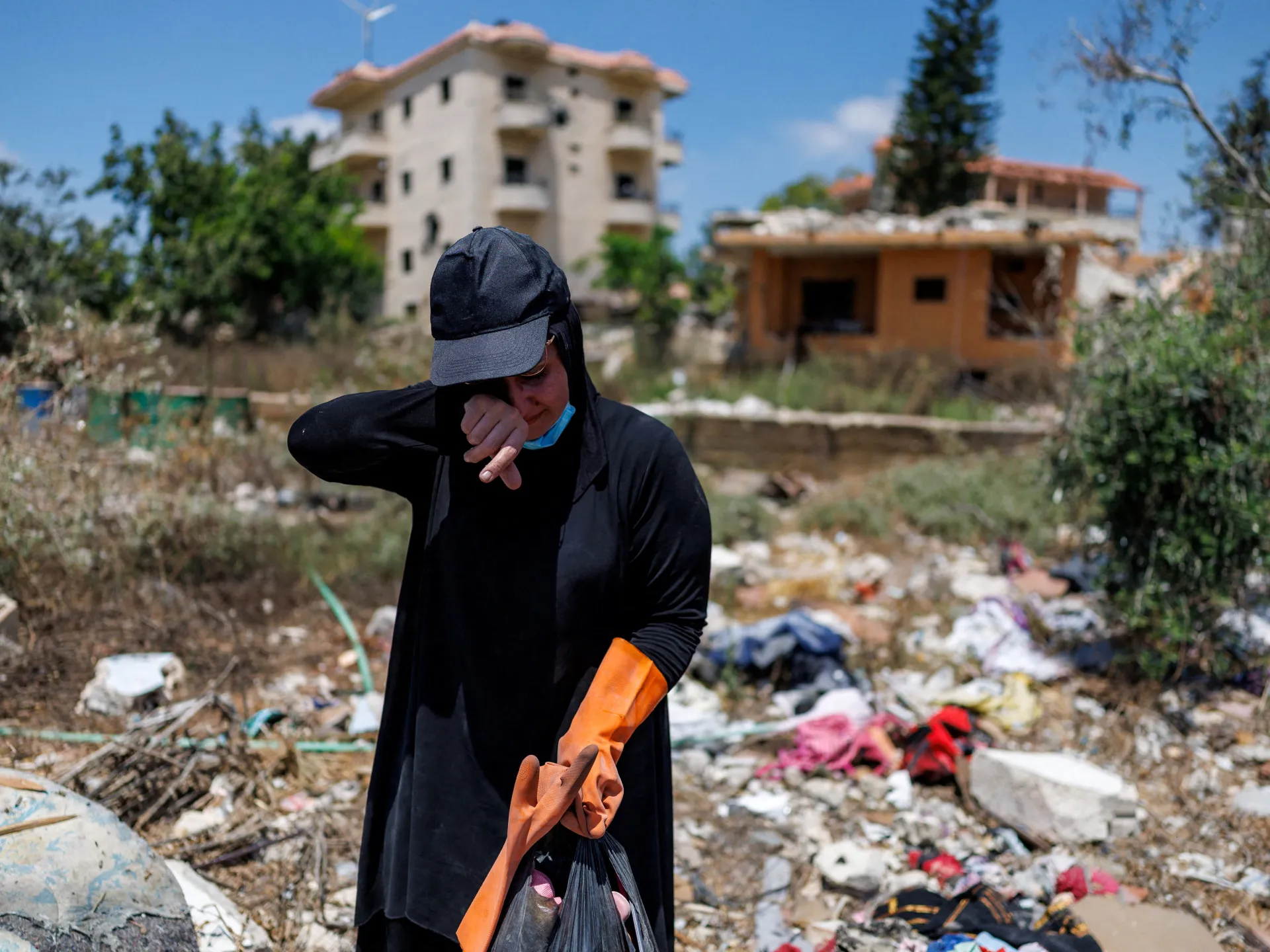
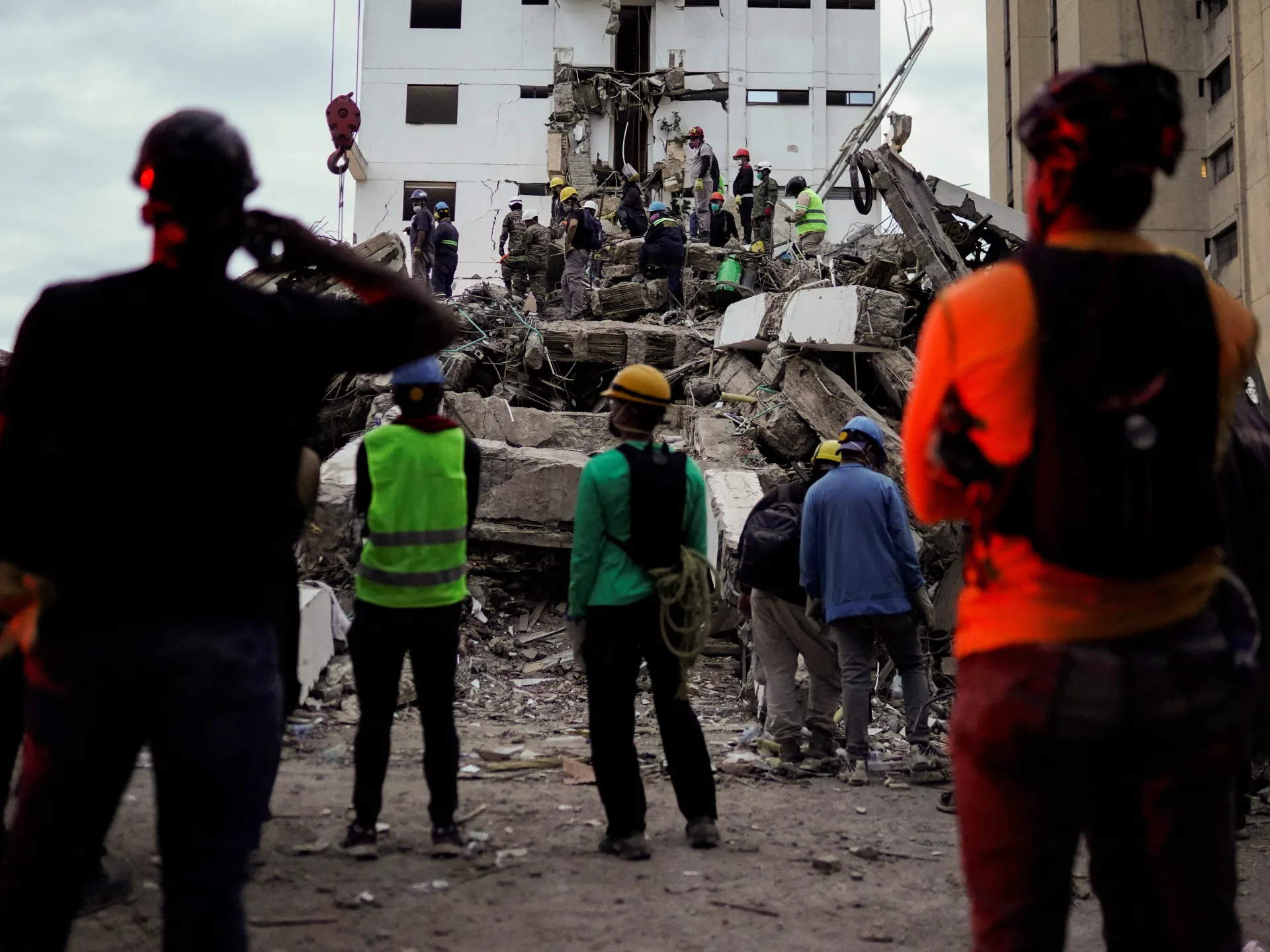
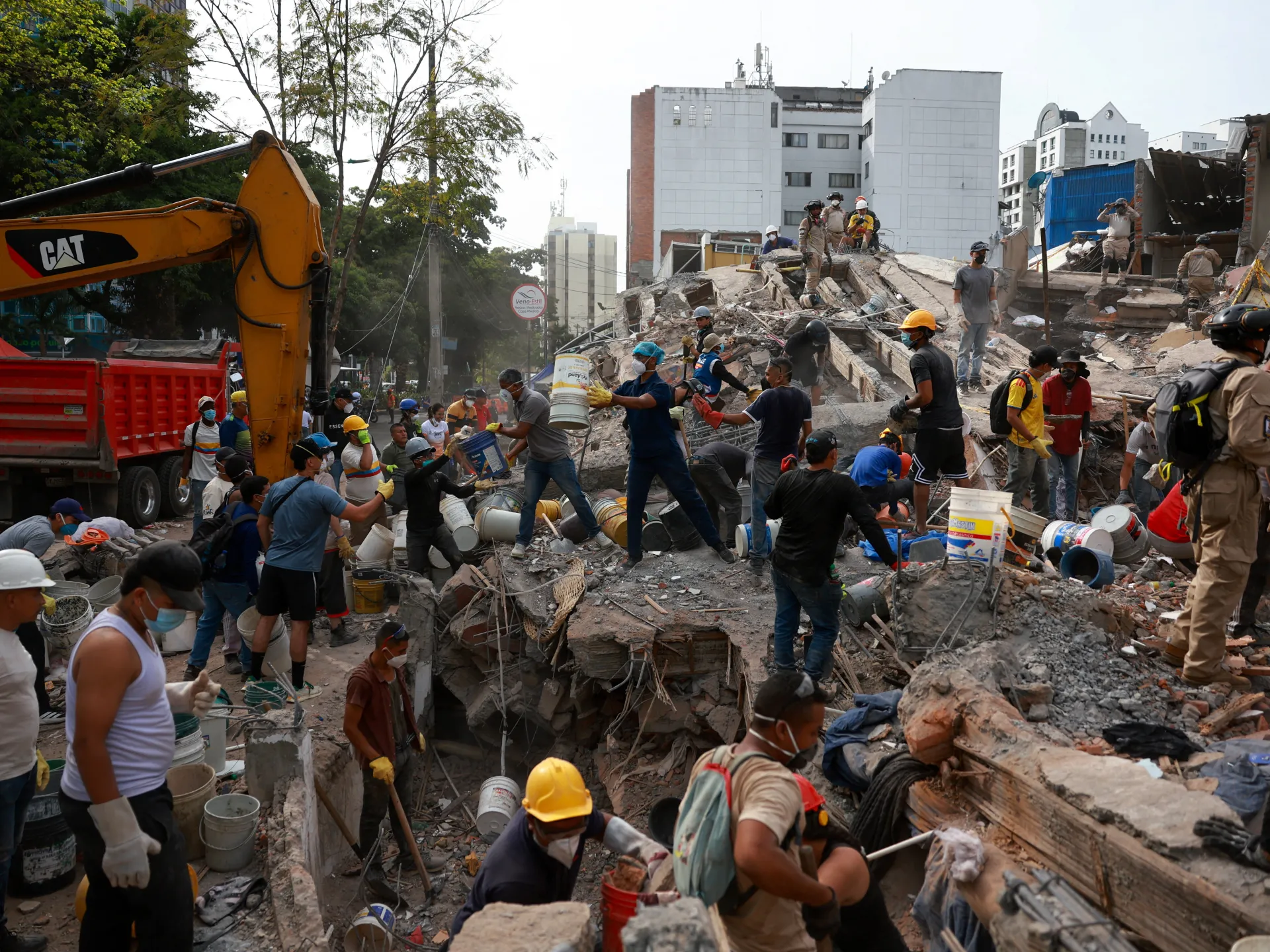
In the ruins of Gaza City’s Tal al-Hawa neighborhood, the precarious nature of life for displaced families turned into a catastrophe earlier this week when a six-storey building, compromised ft at least 21 dead—including eight children—serves as a grim indicator of the broader systemic collapse facing the territory, where the lines between residential survival and technological innovation are being stretched to the breaking point
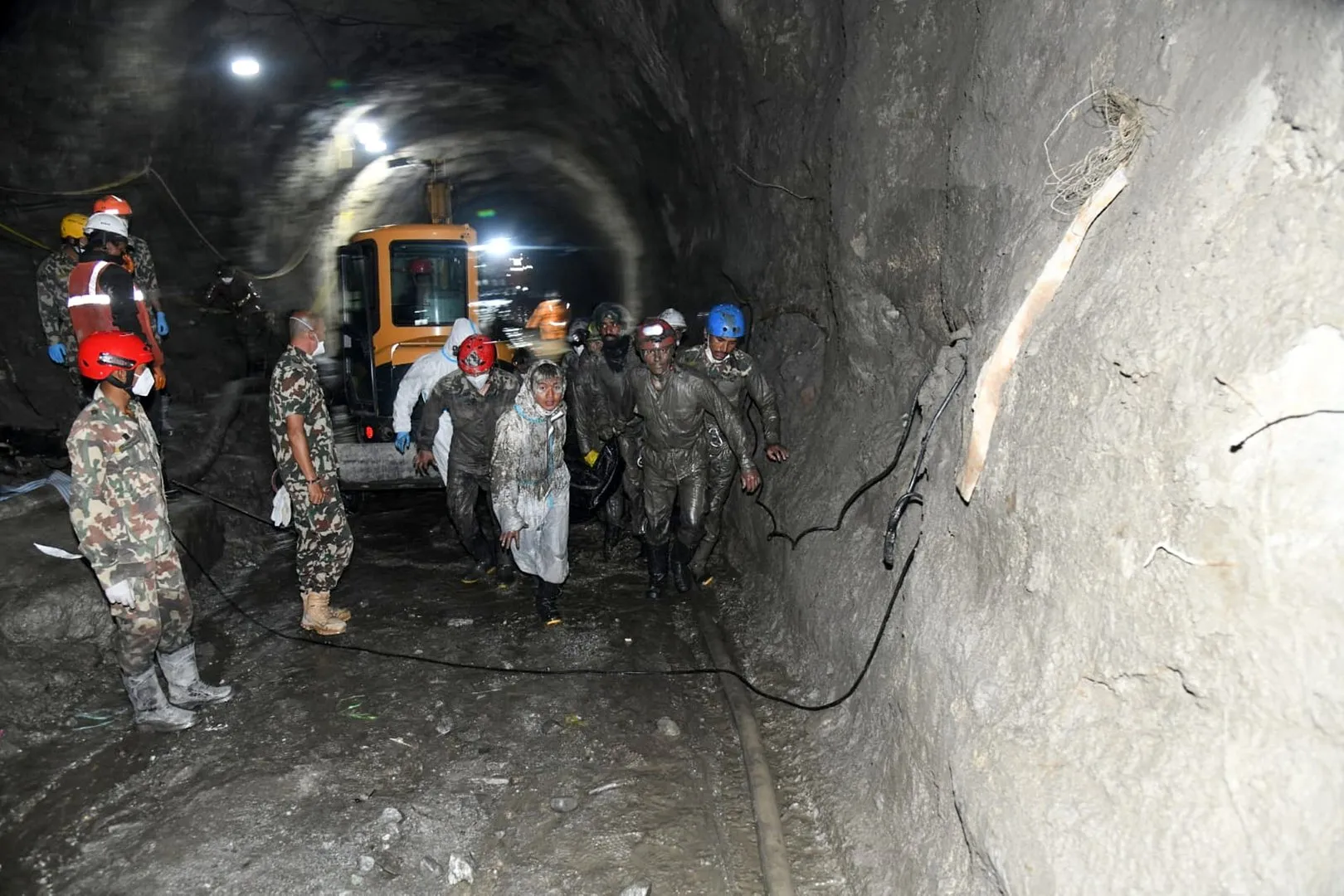
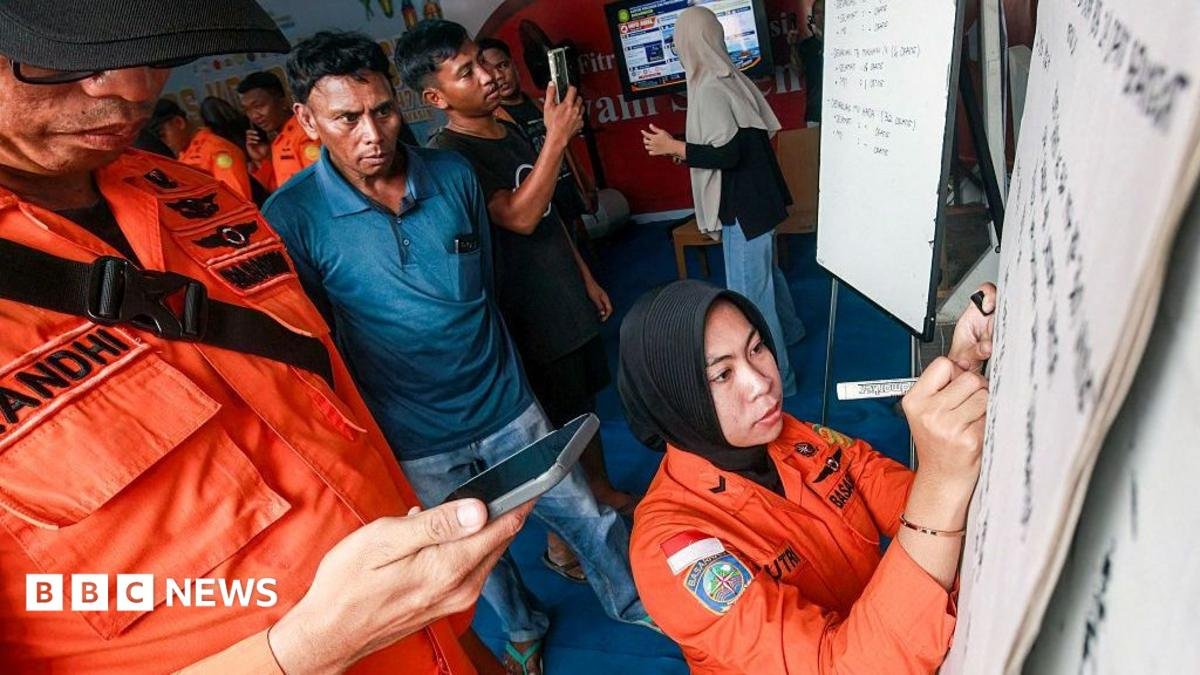
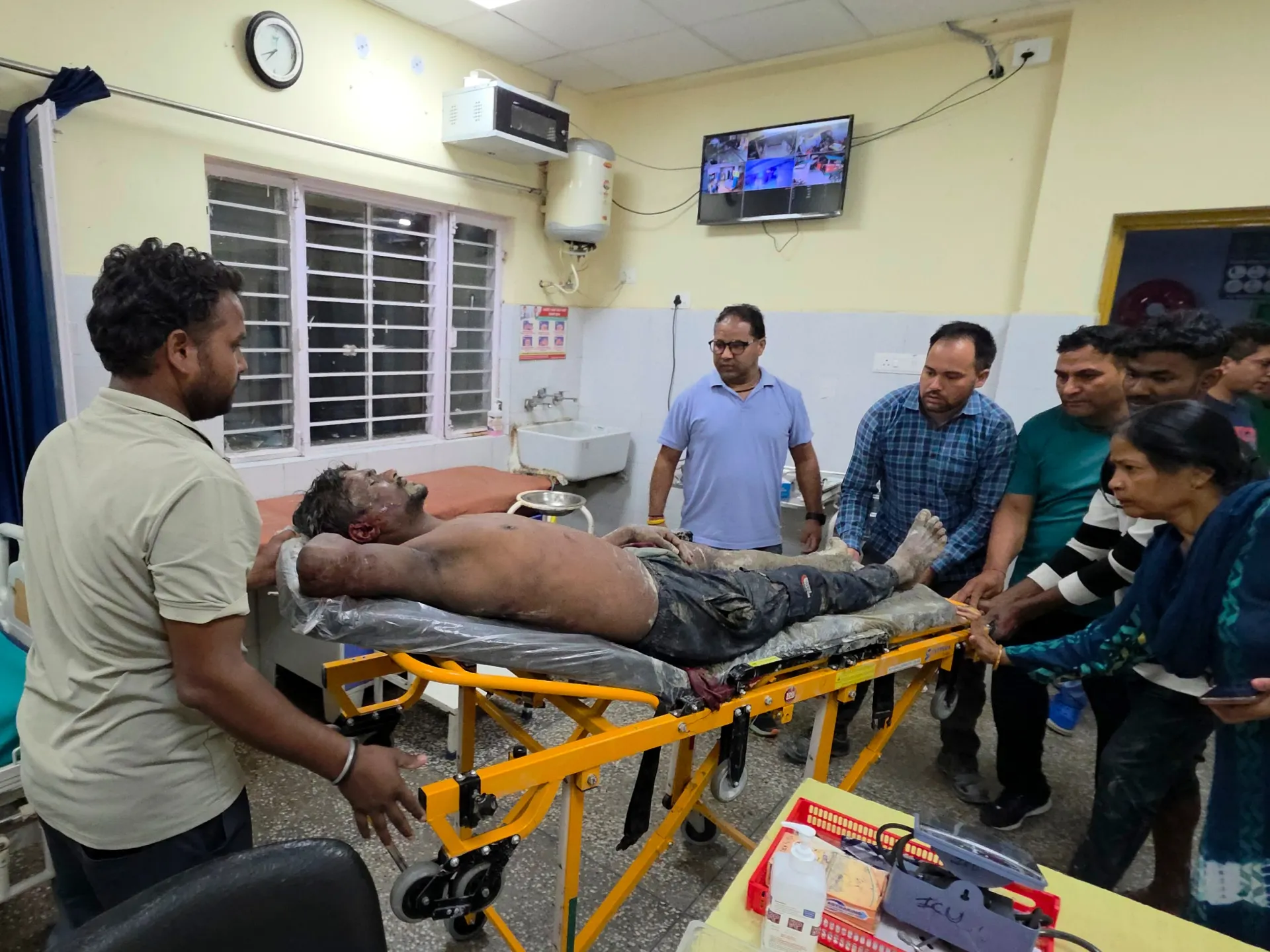
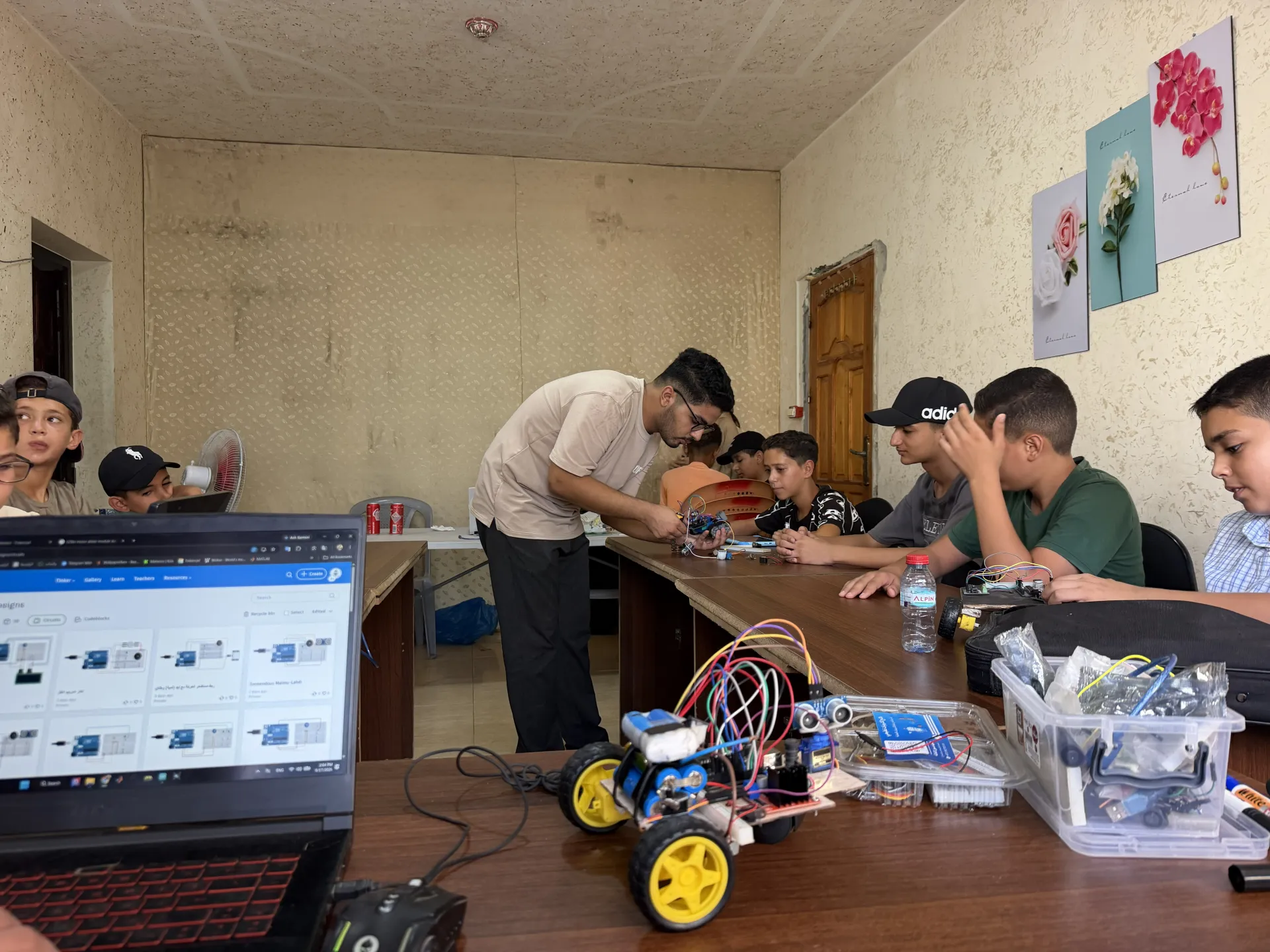
While families are forced into unstable, war-damaged structures due to an acute housing shortage, a younger generation is simultaneously attempting to bypass the limitations of their environment through grassroots engineering. In Deir el-Balah, students are gathering to study robotics and early warning systems, even as rescuers just miles away struggle to clear rubble with their bare hands, hindered s or aided in their aftermath.
The convergence of these events highlights a dual-track tragedy in Gaza: the immediate, mortal danger posed llapse of the Tal al-Hawa building underscores the urgency of the housing crisis, as displaced residents are pushed into buildings that have been structurally compromised for over a year. Meanwhile, the struggle of students to learn robotics using limited circuit boards and basic sensors illustrates a desperate attempt to maintain a future trajectory in a territory where traditional educational infrastructure has been decimated. This juxtaposition reveals a society where the pursuit of scientific advancement is tethered to a daily struggle for physical survival, creating an environment where even modest technological progress is hindered
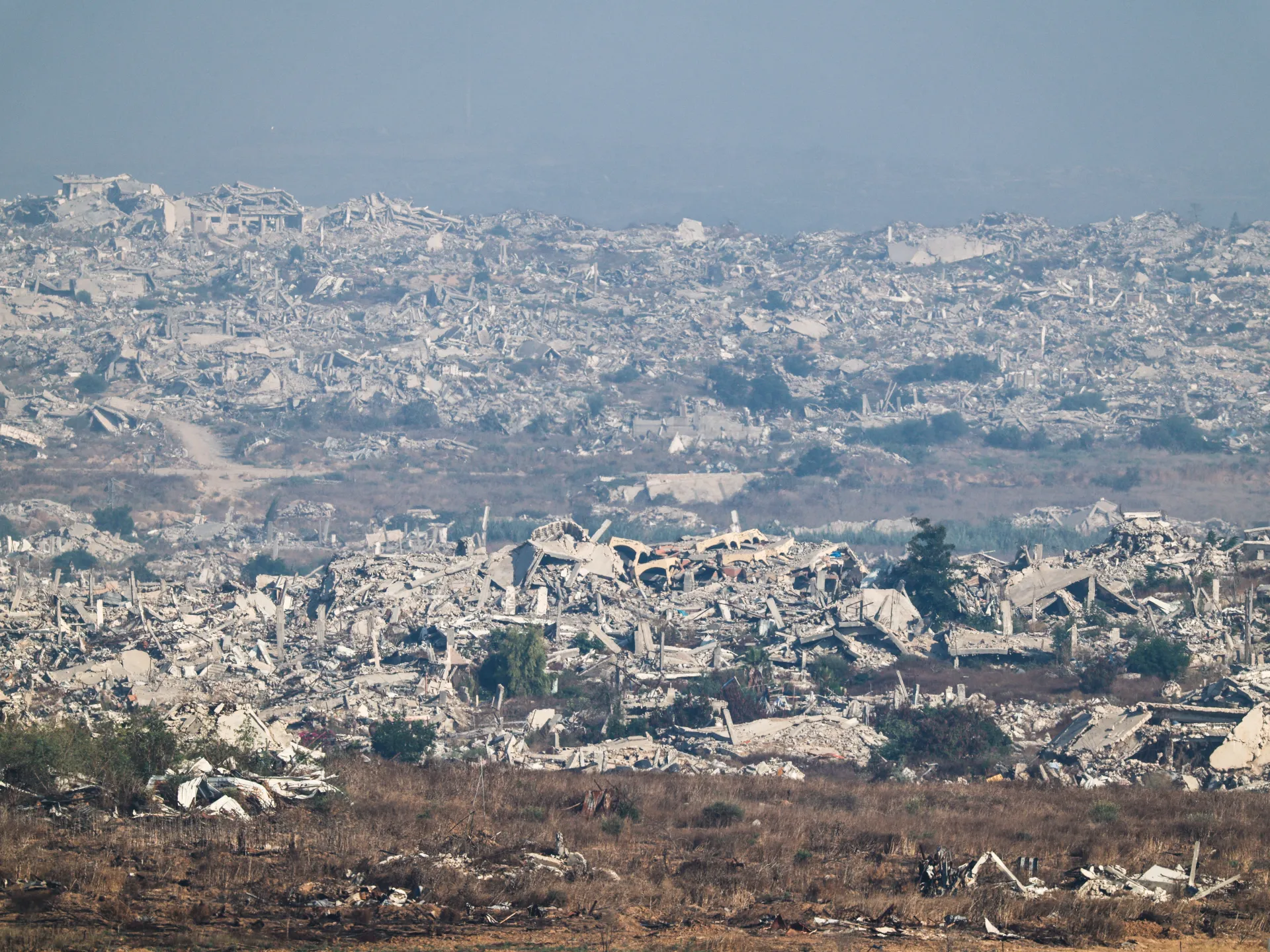
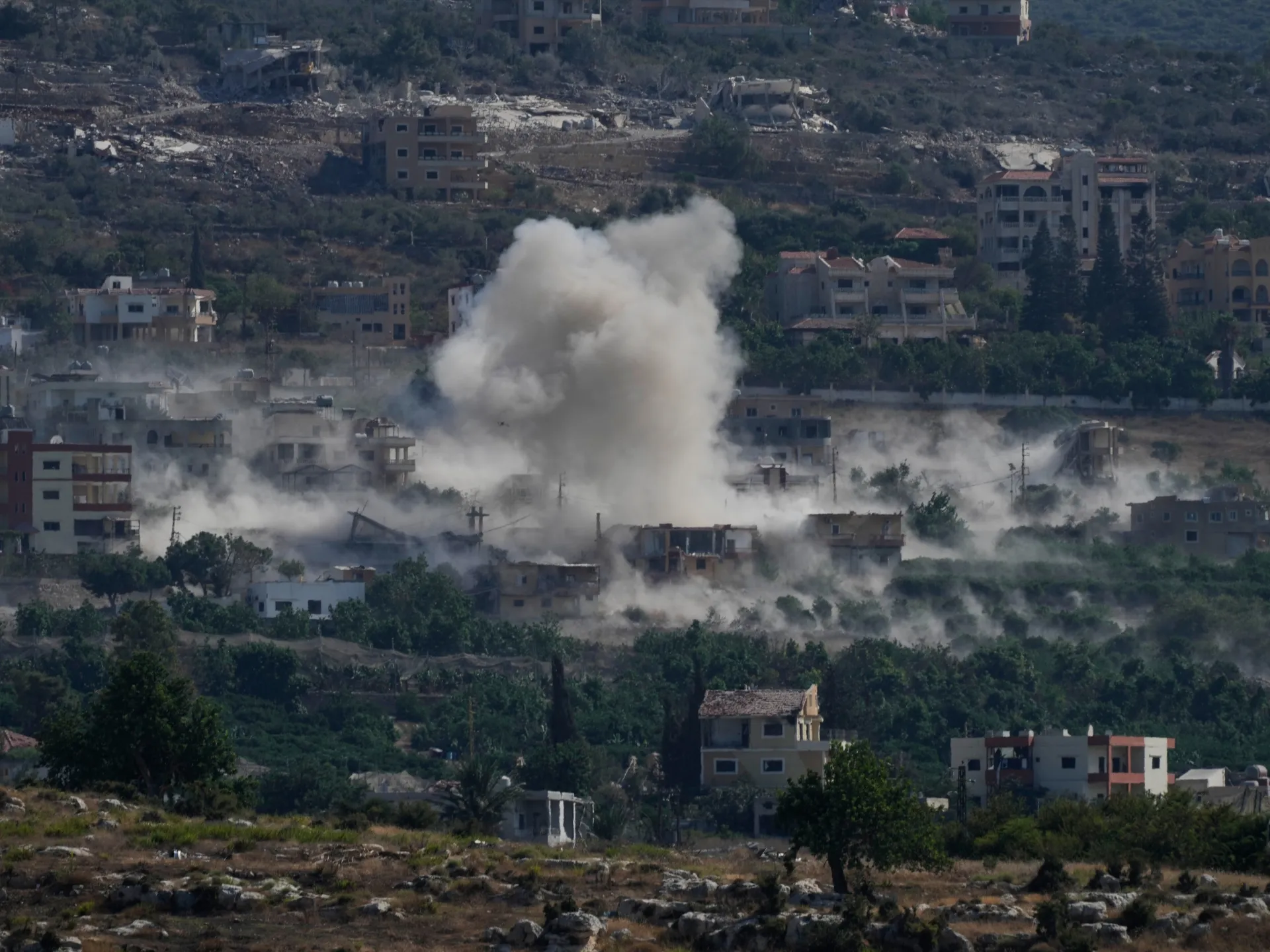
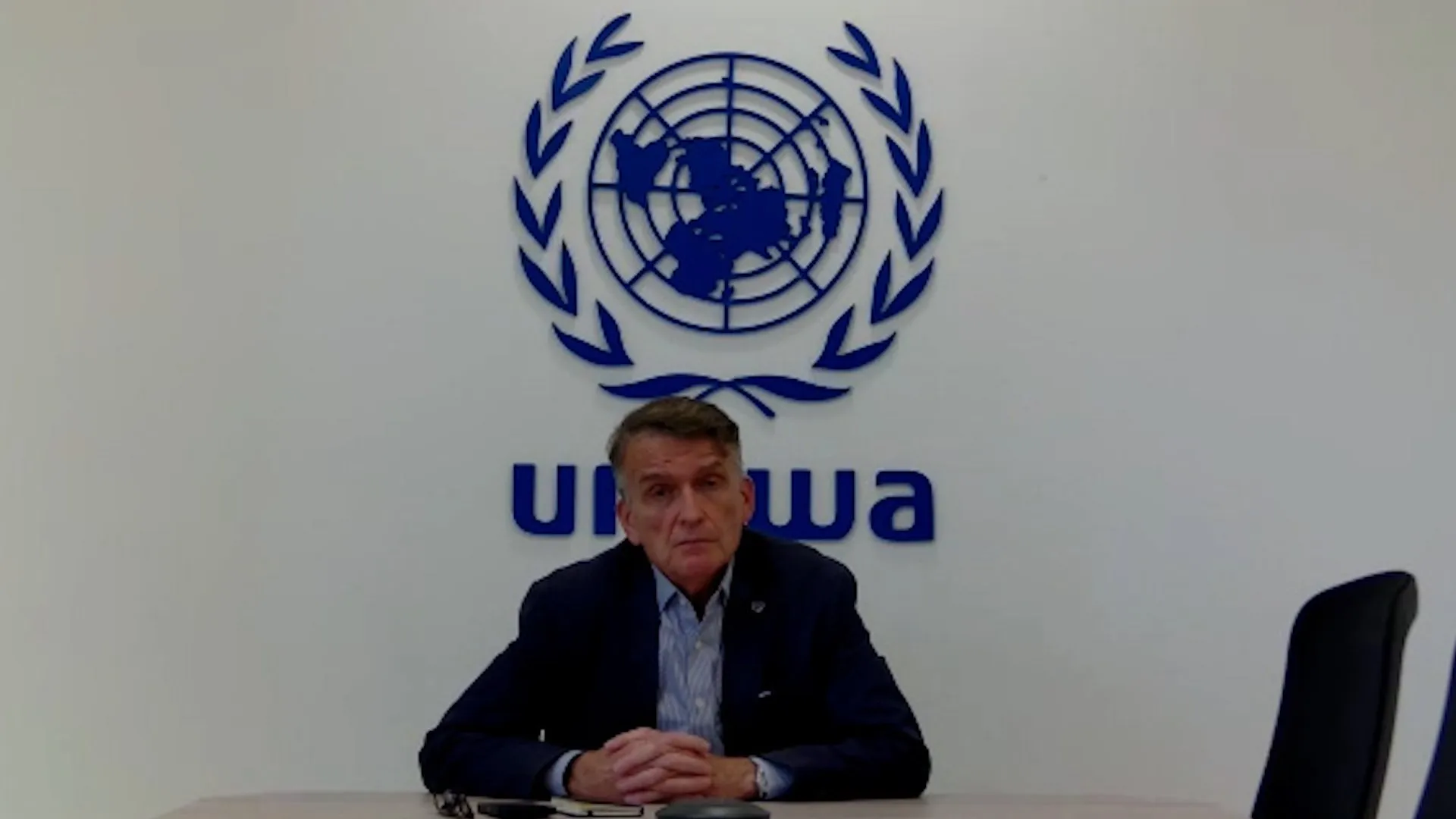
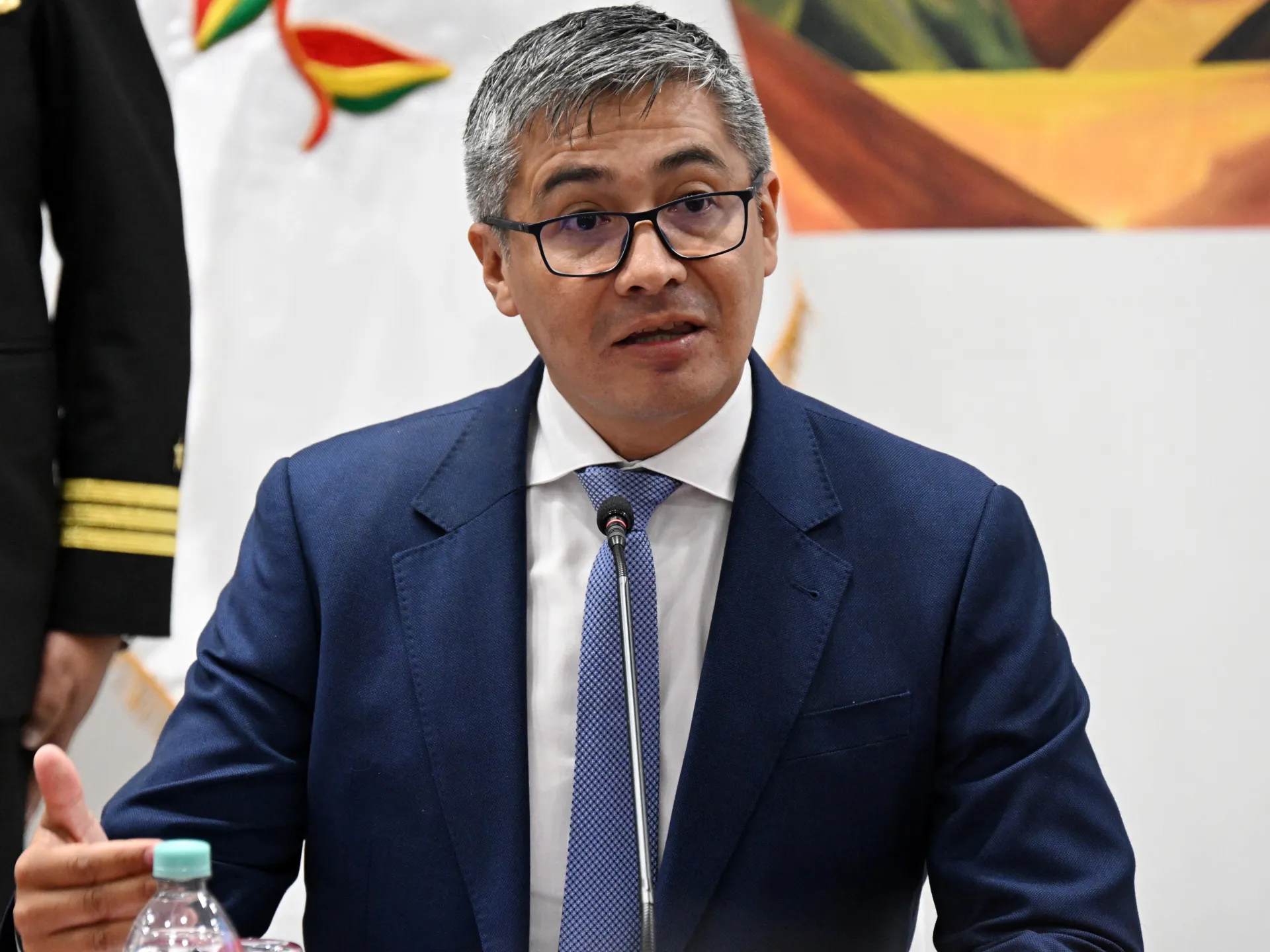
The collapse in Tal al-Hawa has drawn sharp criticism from humanitarian officials regarding the lack of equipment necessary to mitigate such risks. Alessandro Mrakic, head of the UNDP Gaza office, noted that the disaster response was severely hampered ly restricted or unavailable. Mrakic warned that this incident is likely a harbinger of future disasters, as approximately 400 other war-damaged buildings across the territory remain at imminent risk of collapse, particularly as winter weather conditions threaten to further weaken already precarious foundations.
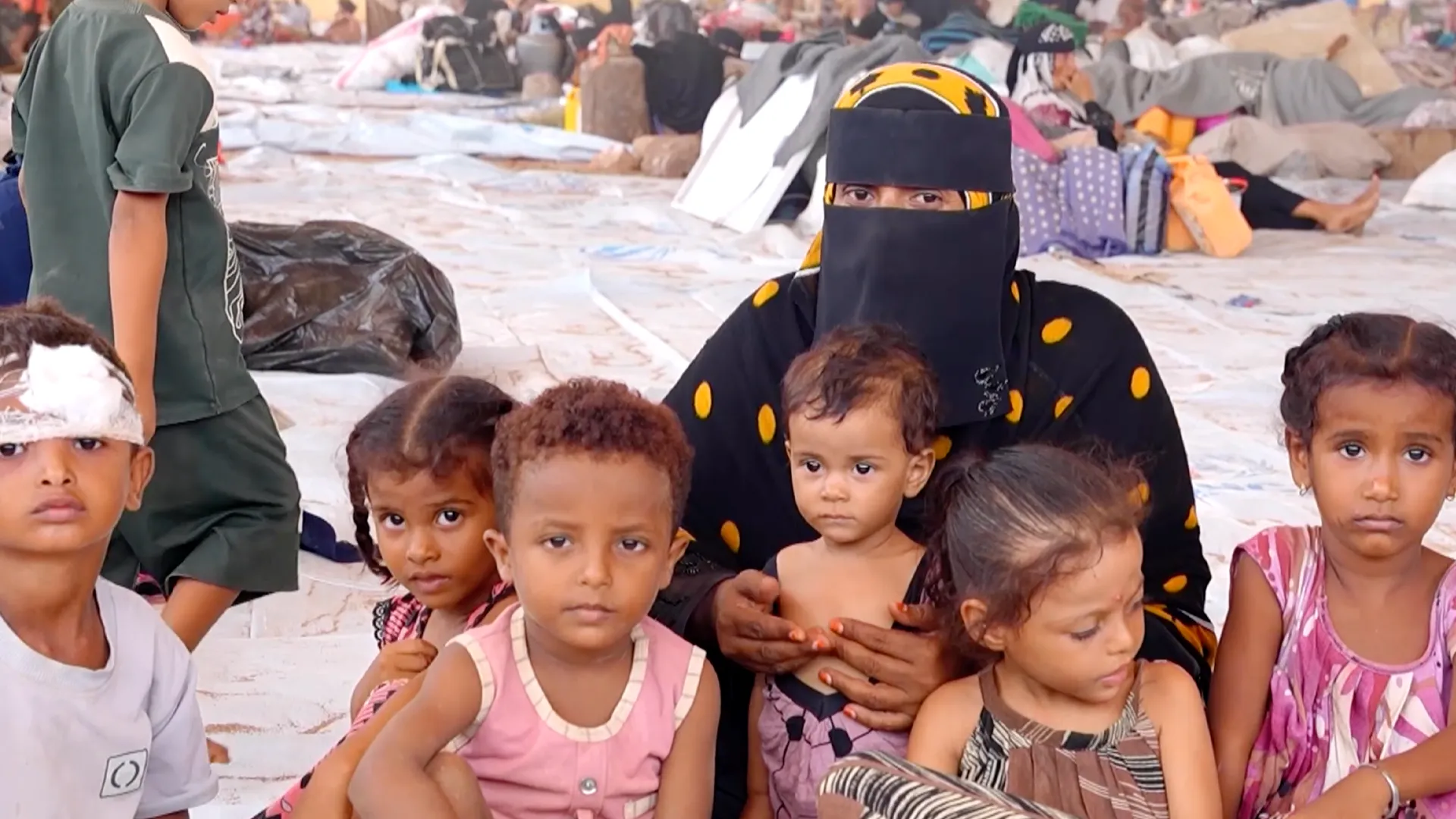
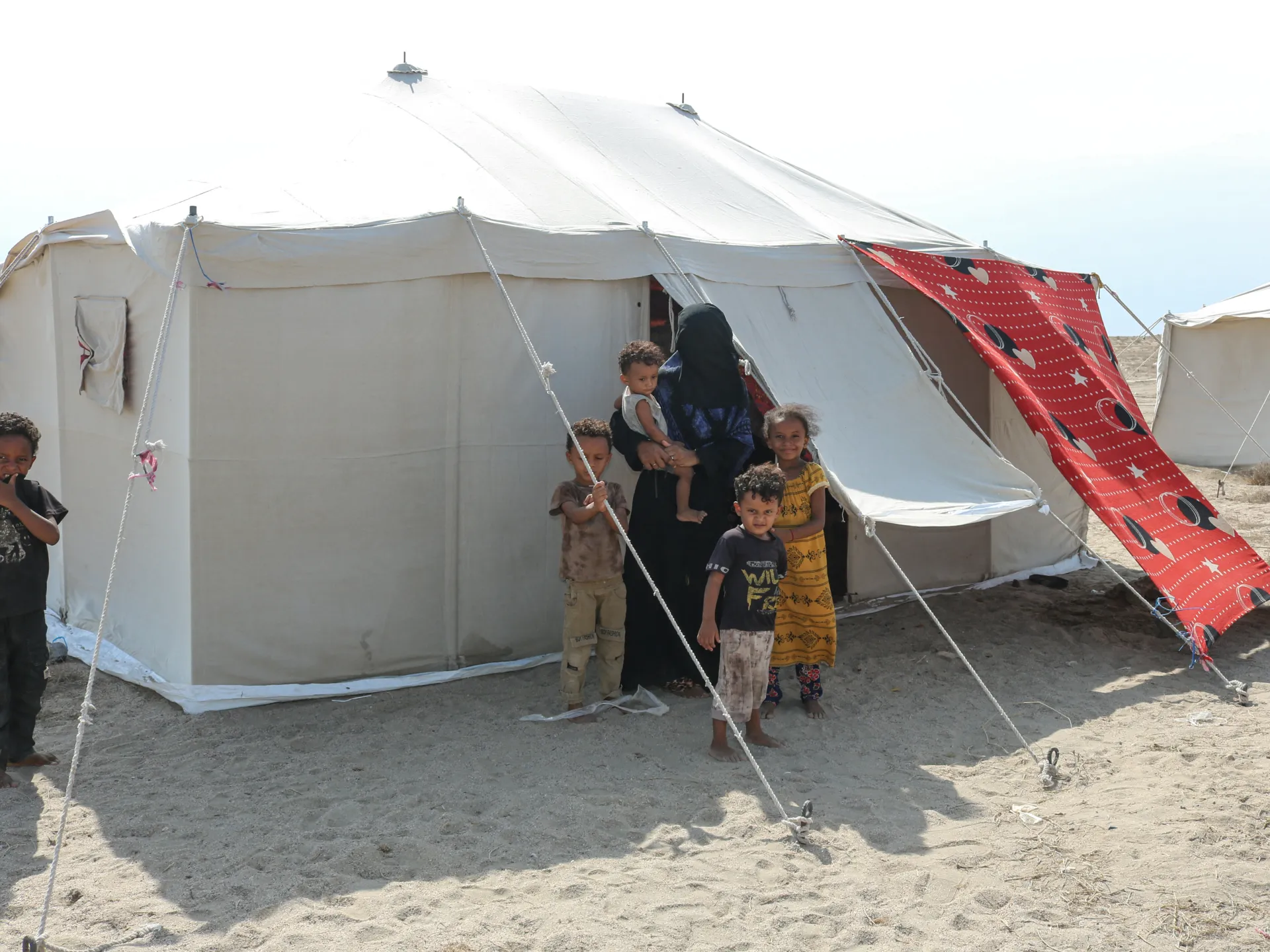
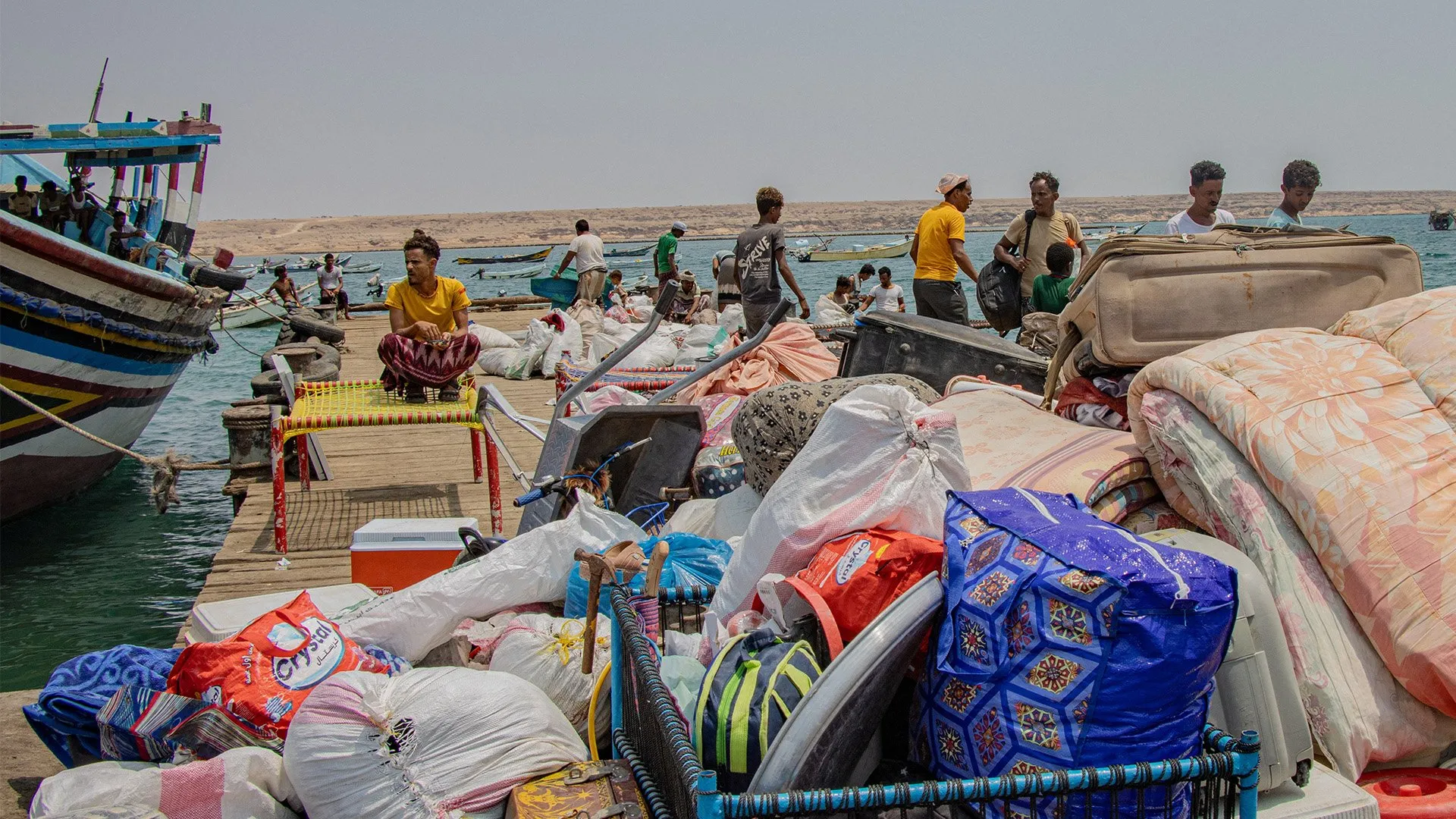
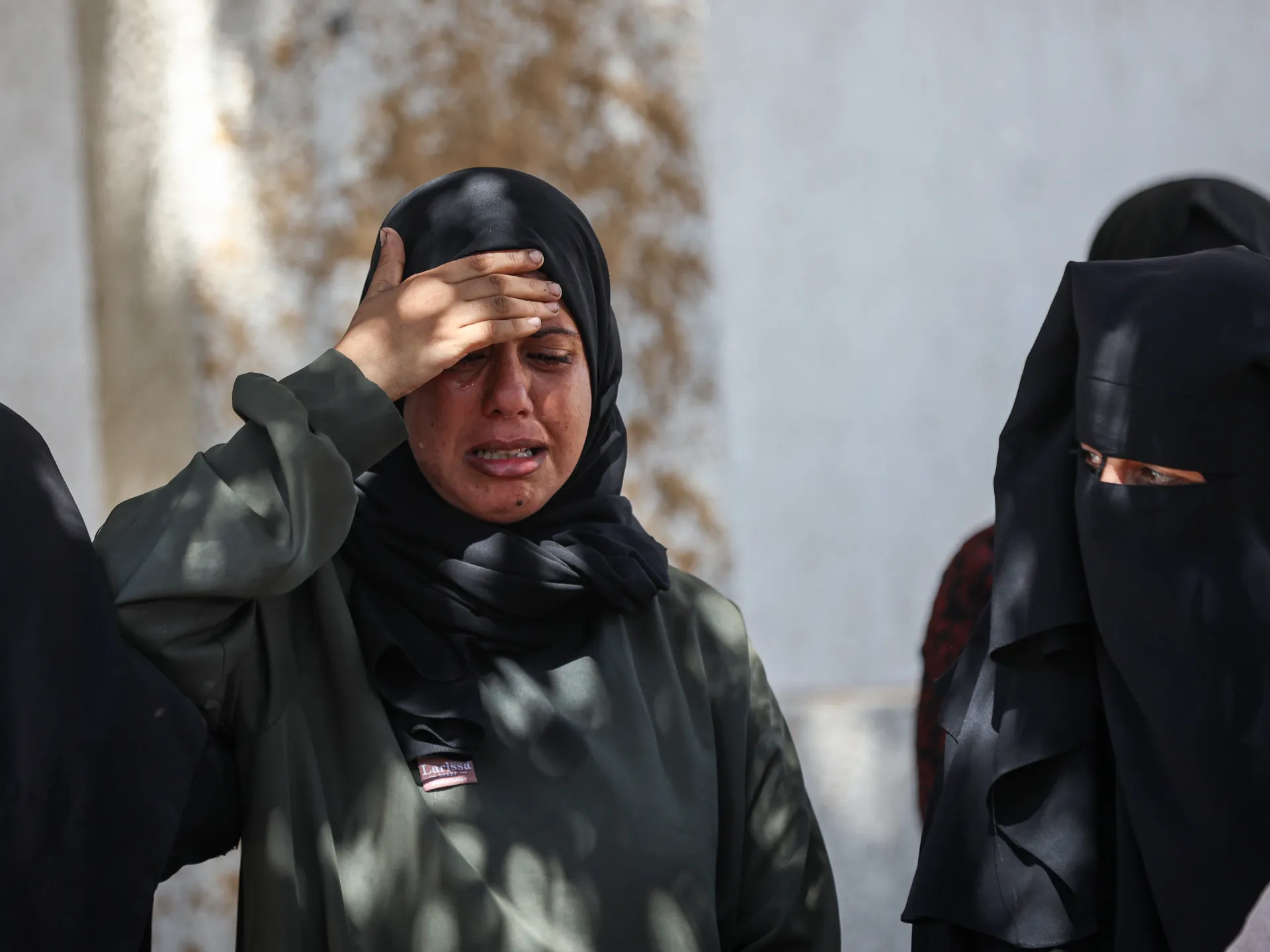
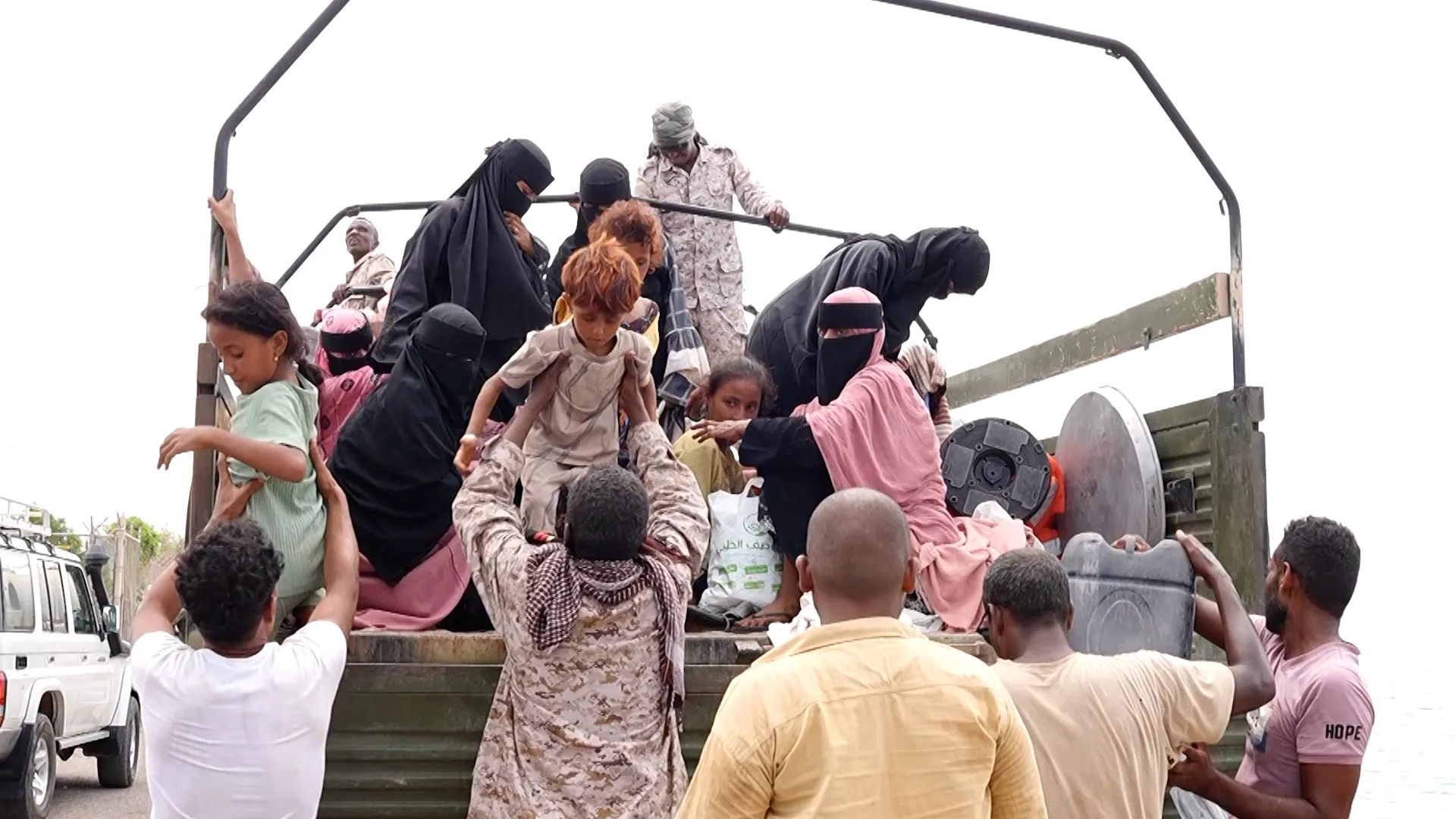
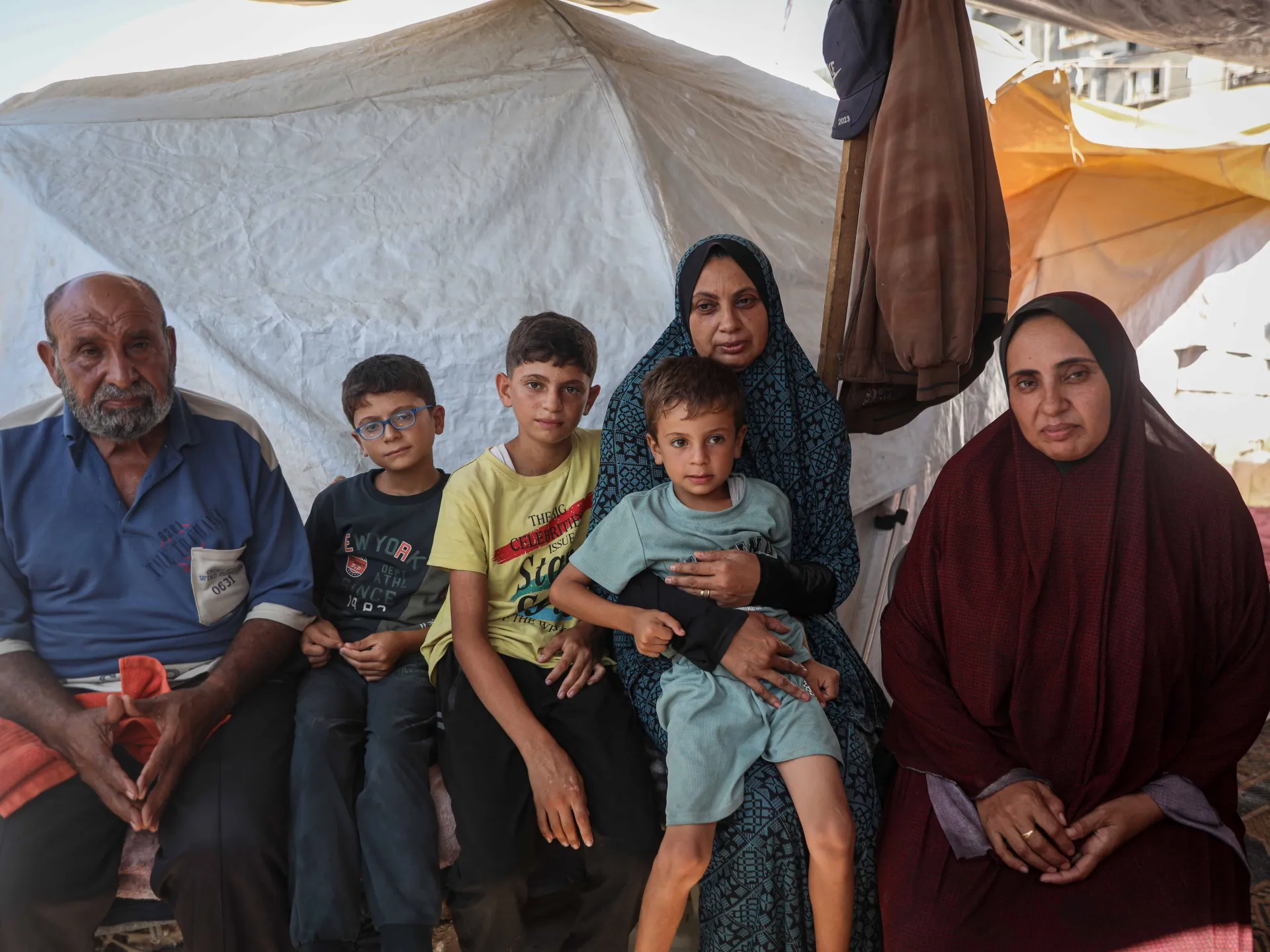
For the residents, the decision to inhabit such structures was never a choice but a final resort. Witnesses described the building as having been in a state of visible decline for months, with stones falling regularly before the final, rapid collapse that occurred in the early hours of Wednesday. Families, unable to secure tents or alternative housing, were reportedly aware of the danger but had exhausted all other options.
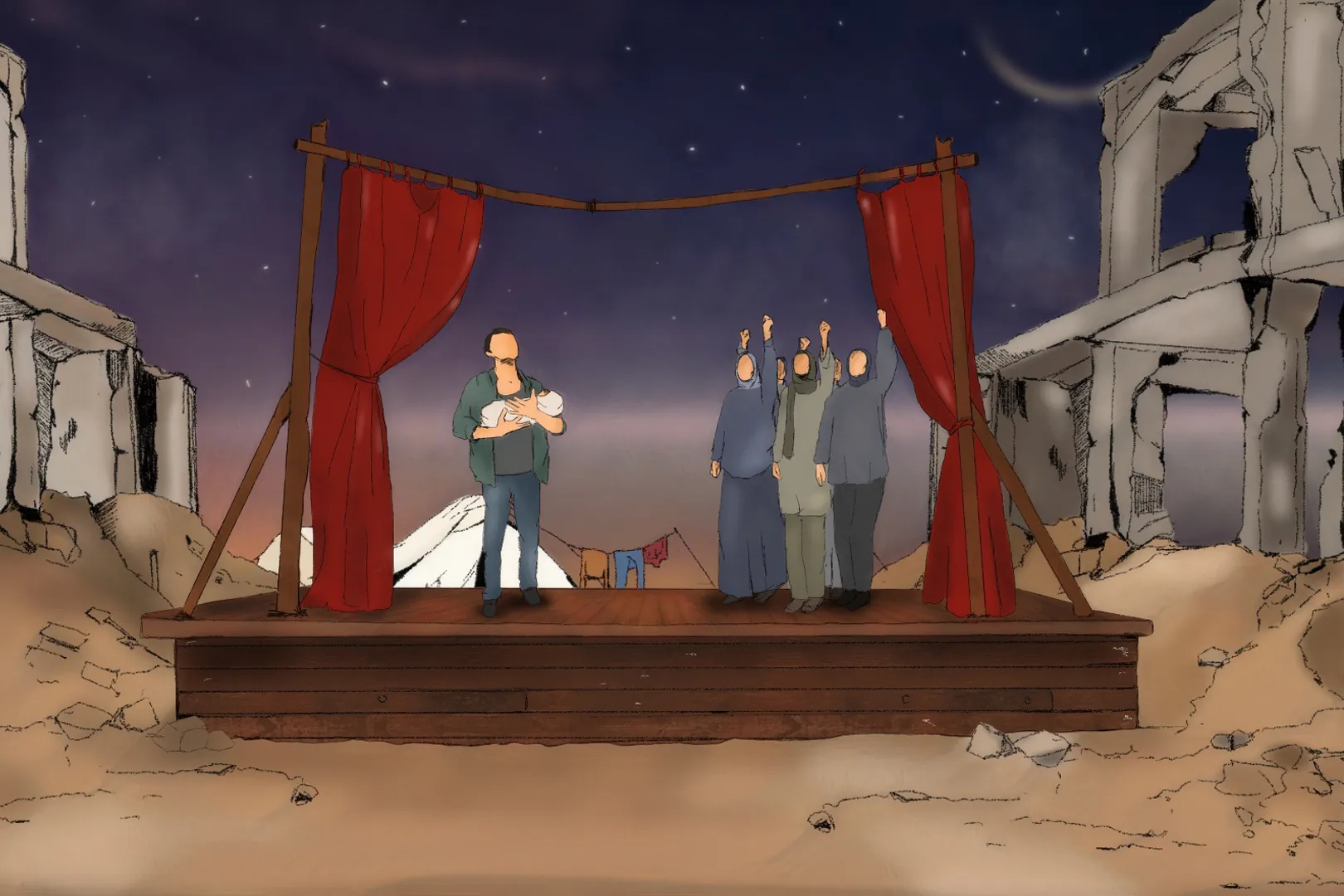
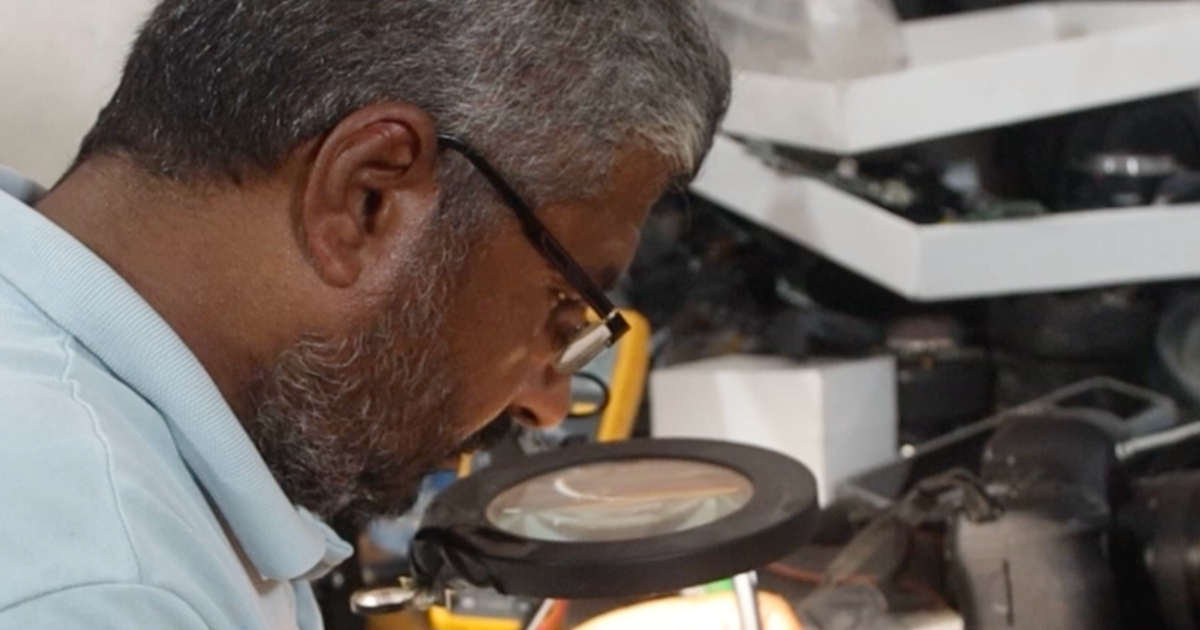
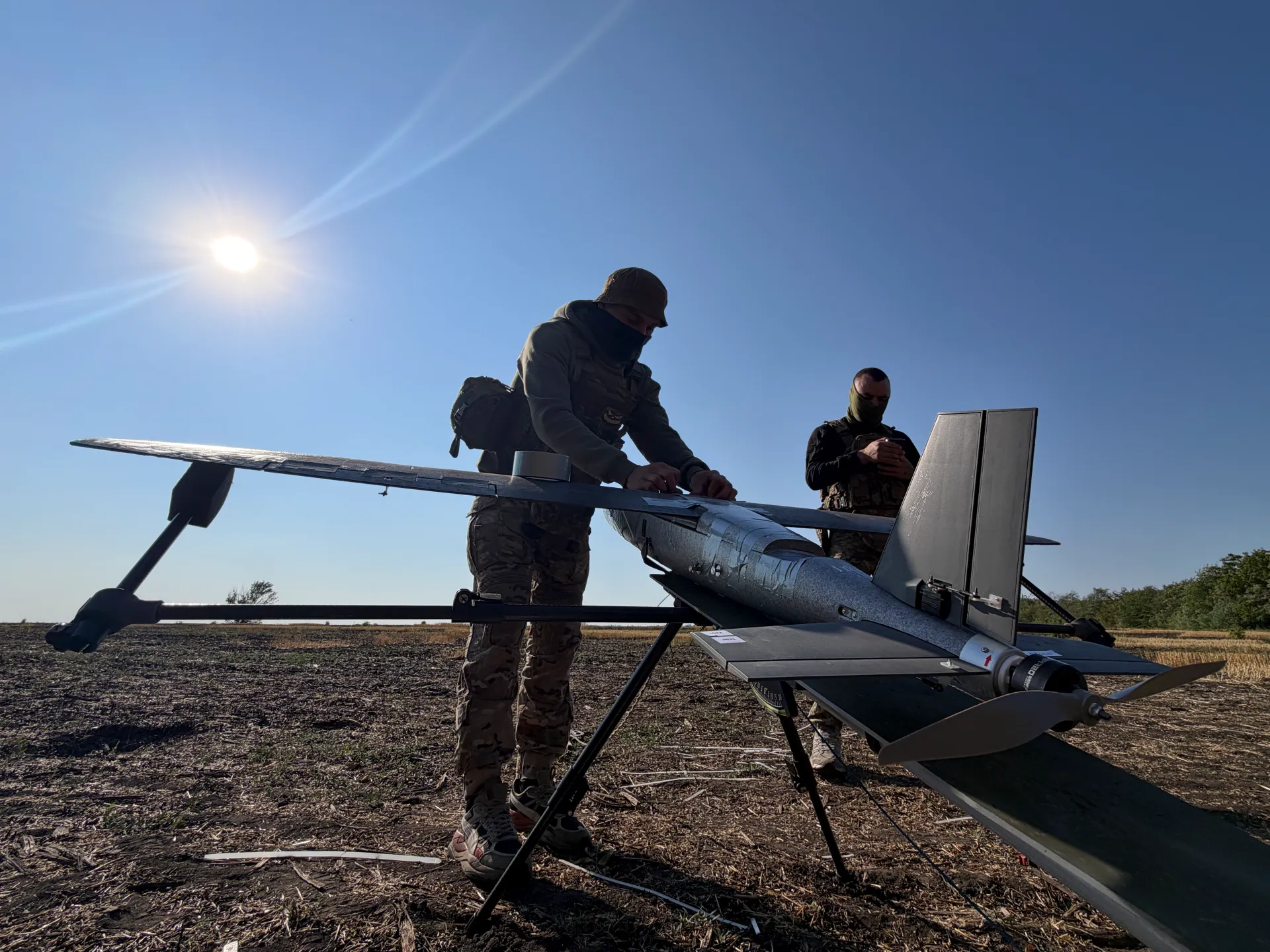
In stark contrast to the destruction, a project known as "The Next Gen" in Deir el-Balah is attempting to foster technical skills among Gaza's youth. Students like 16-year-old Hamza al-Atrash are utilizing basic Arduino controllers to build alarm systems and robotic components. According to project trainers, the goal is to develop early warning sensors that could eventually assist in disaster recovery, such as detecting gas leaks or helping rescue teams navigate unstable rubble.
However, the project faces constant interruptions. Frequent electricity outages and a scarcity of electronic components make consistent training nearly impossible. Despite these hurdles, participants maintain that their work is essential for their community’s future. The initiative reflects a broader desire to keep pace with global technological advancements, even as the physical environment in which these students live continues to be defined
The immediate outlook for Gaza's urban safety remains dire as the winter season approaches. With humanitarian agencies signaling that hundreds of buildings are on the verge of collapse, the risk of further fatalities is high. Without a significant influx of heavy machinery, fuel, and specialized equipment, rescue operations will likely continue to be slow and inefficient, relying heavily on manual labor. Furthermore, the divide between the urgent need for structural stabilization and the aspirations of Gaza’s tech-focused youth will likely continue to widen unless consistent humanitarian access for both reconstruction materials and educational technology is established.