A sharp rise in sugar prices is forcing many Indian families to scale back on traditional festive celebrations as the cost of sweets becomes increasingly unaffordable.
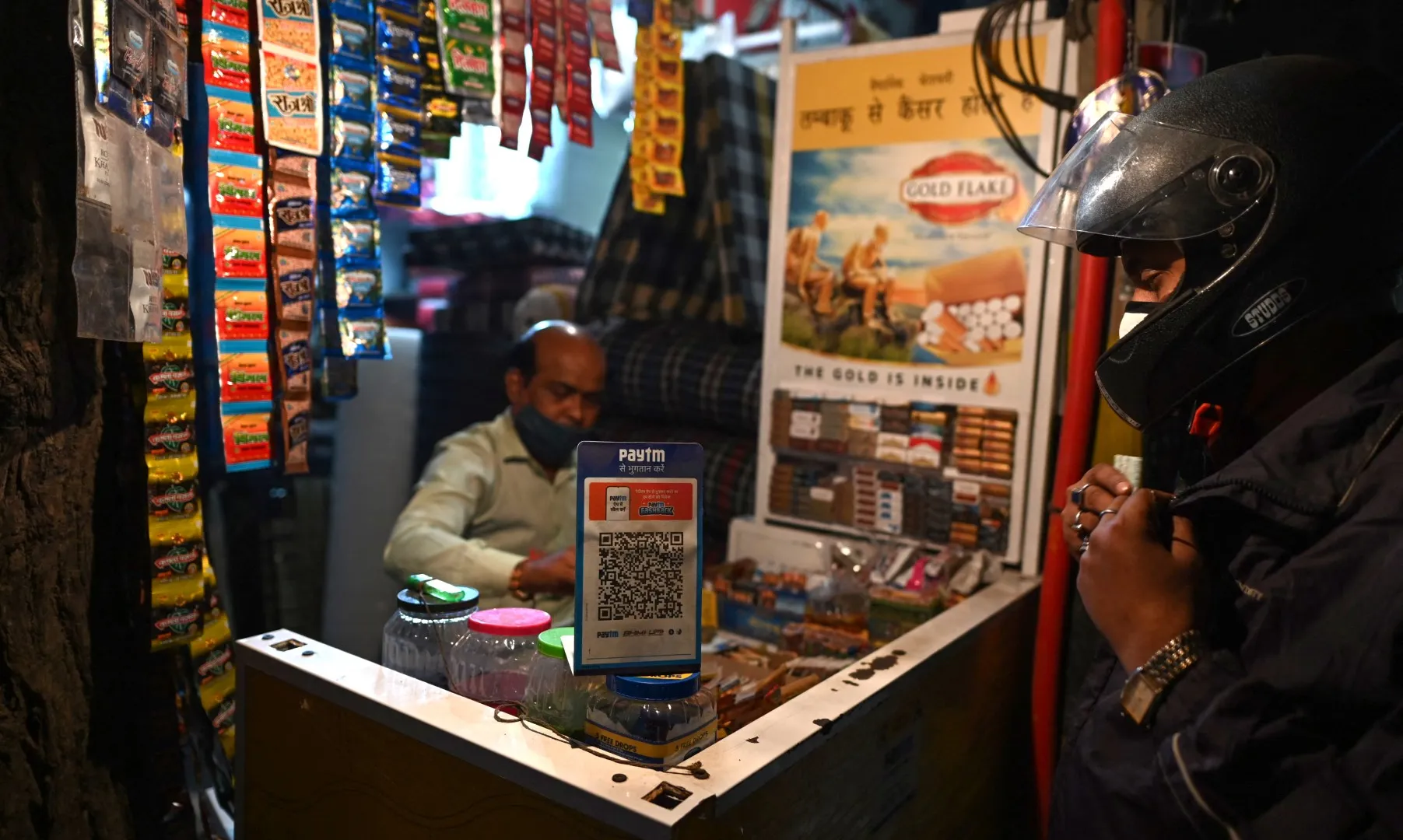
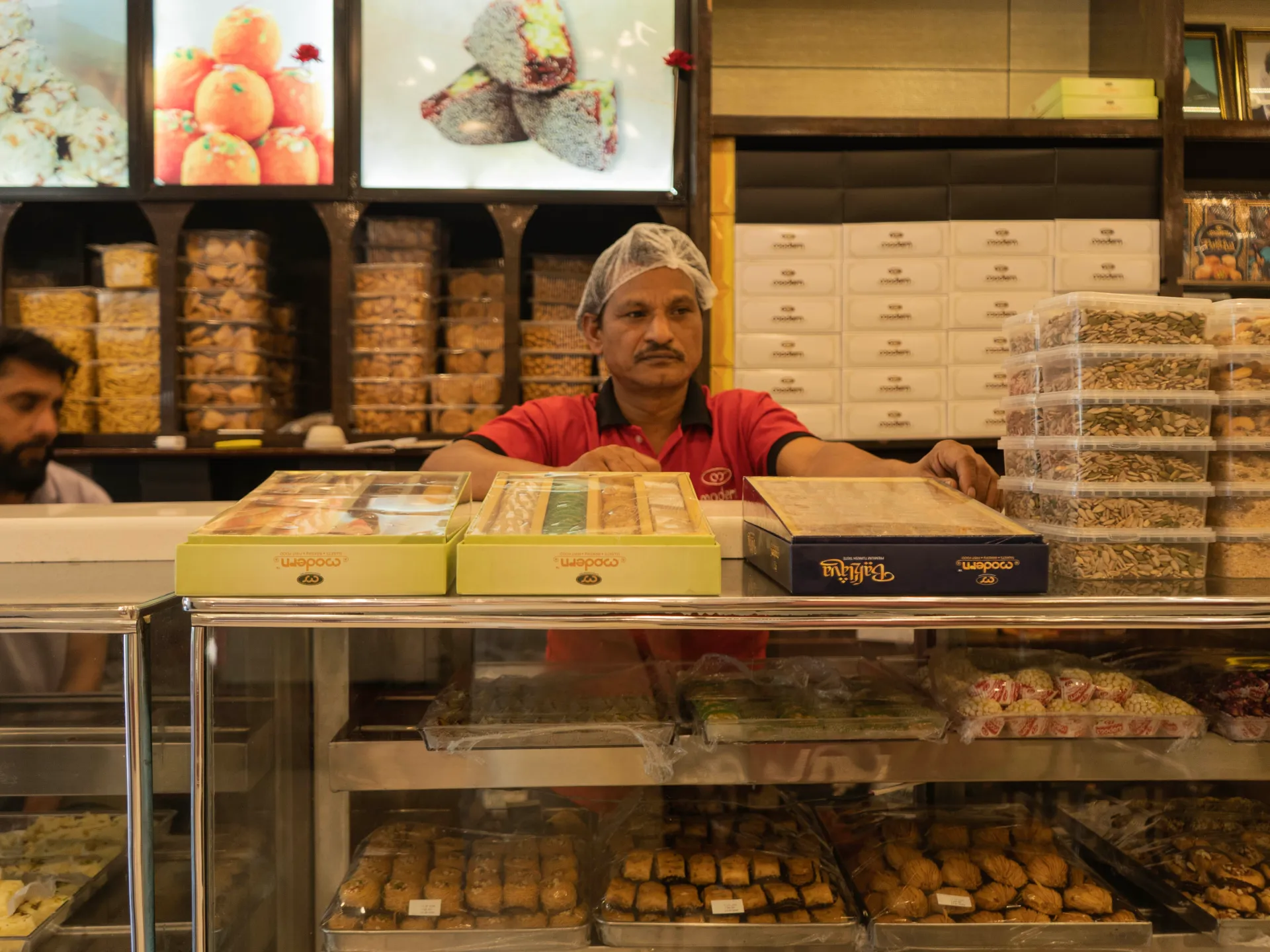
As India approaches its peak festive season, which includes major celebrations like Diwali, Durga Puja, and Dussehra, a significant surge in sugar prices is casting a shadow over the country's traditional sweets market. For millions of citizens, these festivals are defined r, with retail sugar prices climbing to as high as 75 rupees per kilogram compared to 40 rupees just a year prior, families are being forced to reevaluate their holiday spending.
For low-income workers, the impact is particularly acute. Many individuals who travel long distances to return home for the holidays are now making difficult financial sacrifices to ensure they can still afford to bring sweets to their families. Some are cutting back on essential purchases like clothing and toys, while others are altering their daily routines—such as walking to work instead of using public transport—to offset the rising costs of celebratory goods. The sweets sector in India represents a massive $1.1 billion industry, with peak festive sales typically accounting for over 40 percent of annual revenue, making this inflation a significant concern for both consumers and the broader economy.
India, the world's second-largest sugar producer, is grappling with an unexpected supply deficit. Government data indicates that production for the 2025-2026 season is expected to reach 30.6 million tonnes, an 11 percent decline from earlier projections of 34.3 million tonnes. Officials have largely attributed this reduction to the impact of the El Nino weather pattern, which led to lower rainfall, and a decline in overall sugarcane cultivation areas.
Beyond climate-related challenges, there have been accusations of market manipulation. The government has pointed to instances of hoarding, where traders allegedly stored extra supplies as the effects of the weather patterns became clear, effectively tightening supply to drive up profits. While the government maintains that the situation is being managed, the reality on the ground reflects a complex intersection of environmental pressures and market volatility that has left the supply chain strained during one of the most critical times of the year.
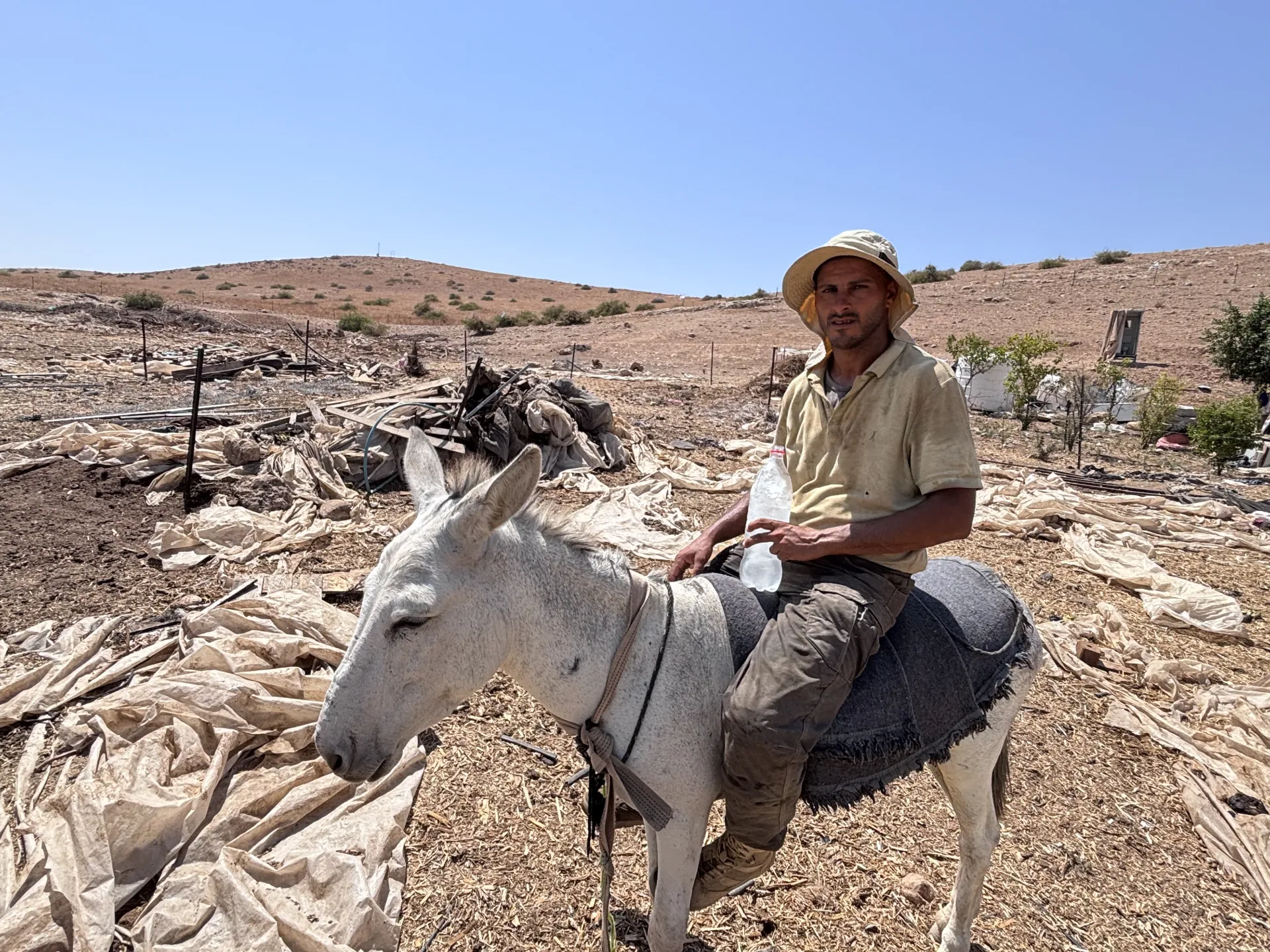
Sugarcane farmers argue that the narrative of production decline is rooted in deeper structural issues. Many cultivators are shifting away from sugarcane due to diminishing financial returns. Farmers report that the cost of production, including labor, irrigation, and fertilizers, often outpaces the revenue generated from their crops. Furthermore, the rising cost of fuel and electricity—exacerbated ngly expensive, further squeezing already thin profit margins.
Agricultural experts also highlight biological and soil-related hurdles. In states like Uttar Pradesh, farmers remain heavily reliant on specific, older varieties of sugarcane that have become increasingly susceptible to diseases such as red rot fungus and persistent pest attacks. The continuous use of chemicals and intensive farming methods have led to soil degradation and severe pressure on groundwater resources. Without access to modern seeds, improved technology, and timely payments from sugar mills, many small-scale farmers find it increasingly difficult to justify the continued cultivation of the crop.
In an effort to stabilize the market, the government has authorized the duty-free import of one million tonnes of raw sugar through October 2026. This policy is intended to act as a price ceiling, preventing domestic retailers from inflating costs beyond the landed price of imported sugar. Economists note that while this is a strategic move to ease supply pressures, its effectiveness has been limited the imports are primarily raw, necessitating further processing before they can reach the consumer.
As the festival season progresses, the disconnect between supply-side interventions and retail price stability remains evident. For residents across the country, the rising cost of sweets is more than just an economic statistic; it represents a strain on cultural practices that rely on the sharing of food to foster relationships and celebrate communal joy. As long as the price of this essential commodity remains elevated, the financial burden will continue to fall most heavily on those with the least disposable income.