
Belarus has released 25 political prisoners, including several journalists and activists, as part of a negotiated deal involving US sanctions relief.
In a significant development for regional diplomacy, the government of Belarus has released 25 political prisoners, marking a potential shift in the long-strained relationship between Minsk and Western nations. The release, which was confirmed han a year. The individuals, who include human rights activists, lawyers, journalists, and various political figures, were transported to Lithuania following their liberation.
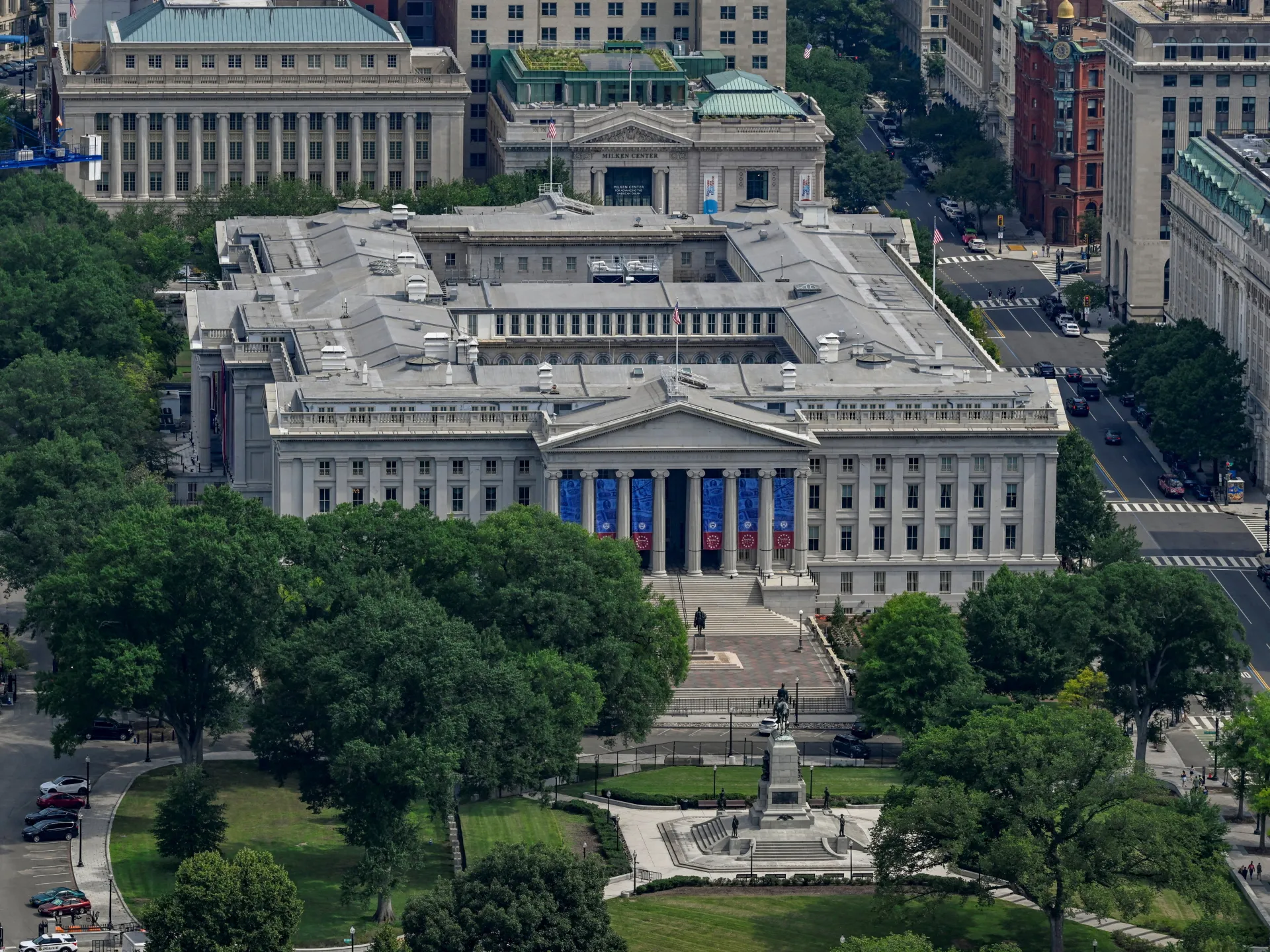
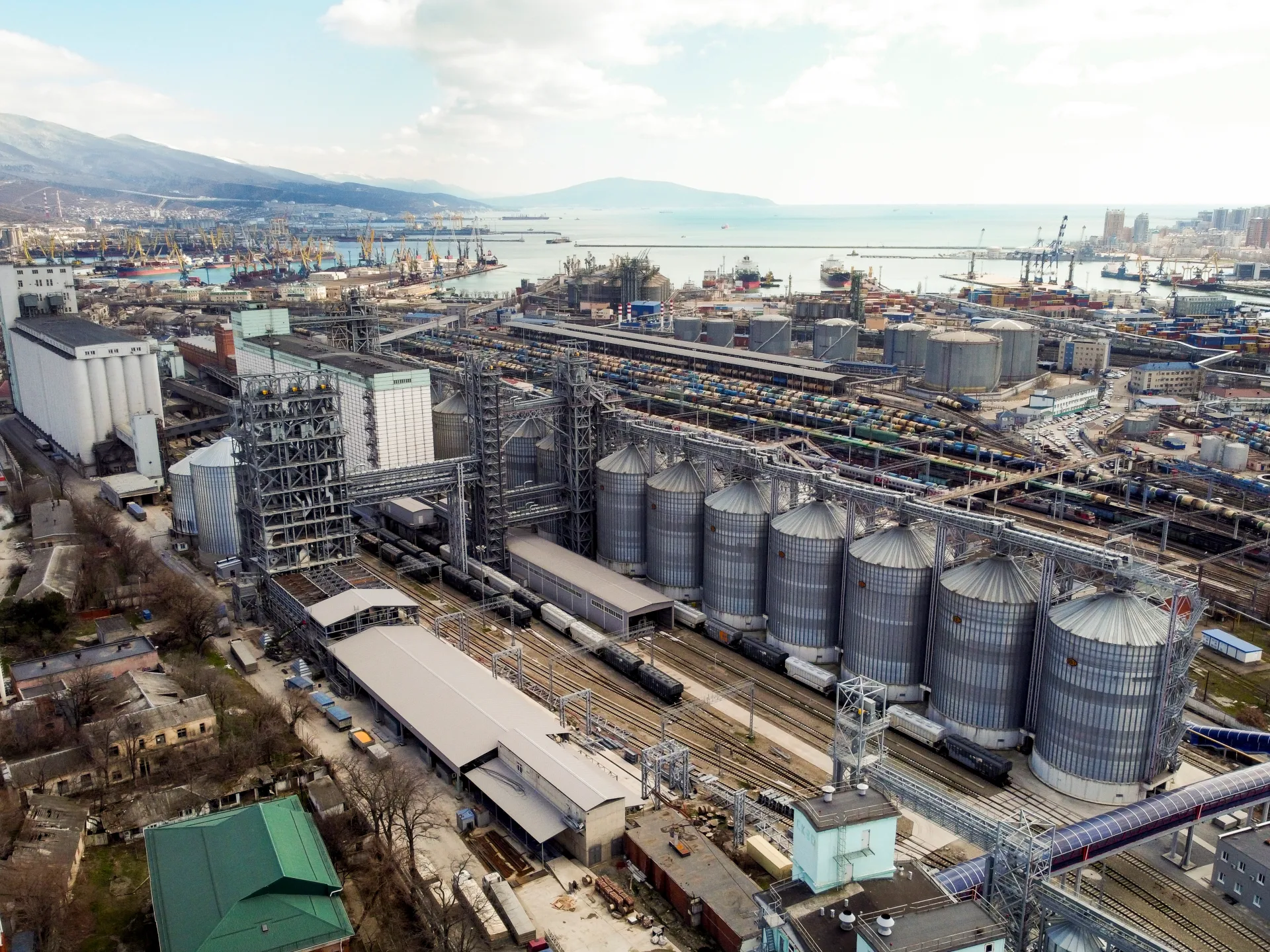
The move is widely viewed as a direct result of a quid-pro-quo arrangement involving the easing of economic pressure. As part of the agreement, the United States has moved to lift sanctions previously imposed on two major Belarusian entities: the paint and industrial coating manufacturer Lakokraska and the state-owned forestry and pulp enterprise Bellesbumprom. This targeted relief, coupled with the promise of unfreezing tens of millions of dollars in Belarusian assets held in US banks, highlights the transactional nature of the current diplomatic outreach.
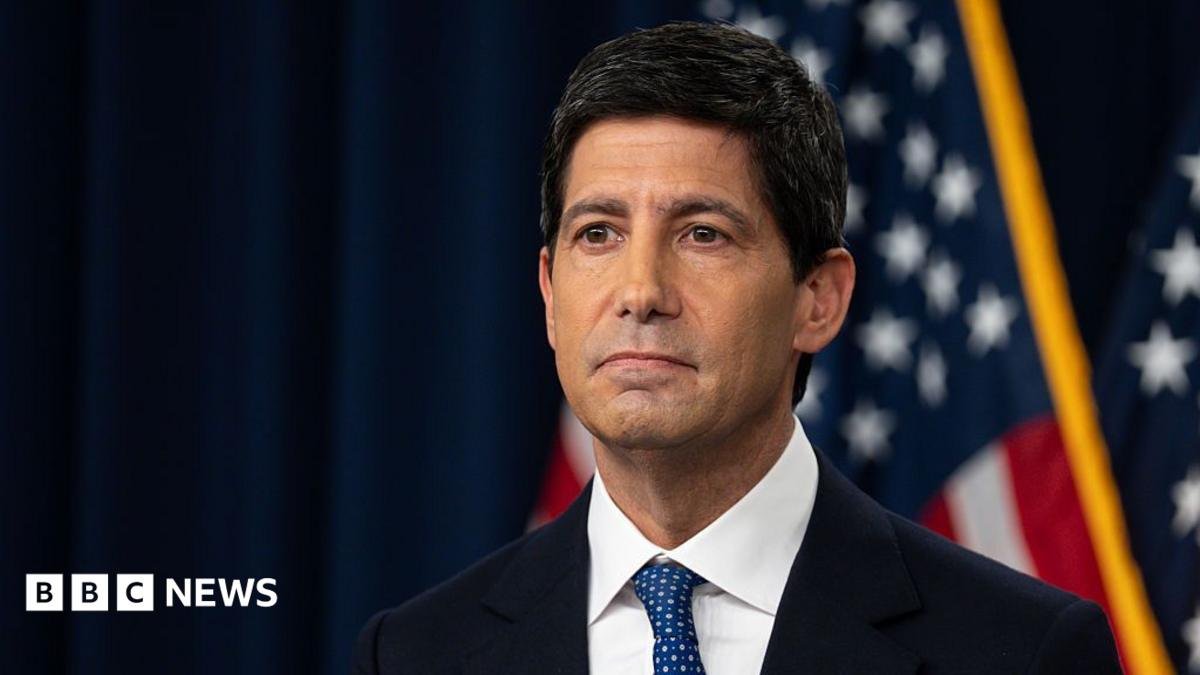
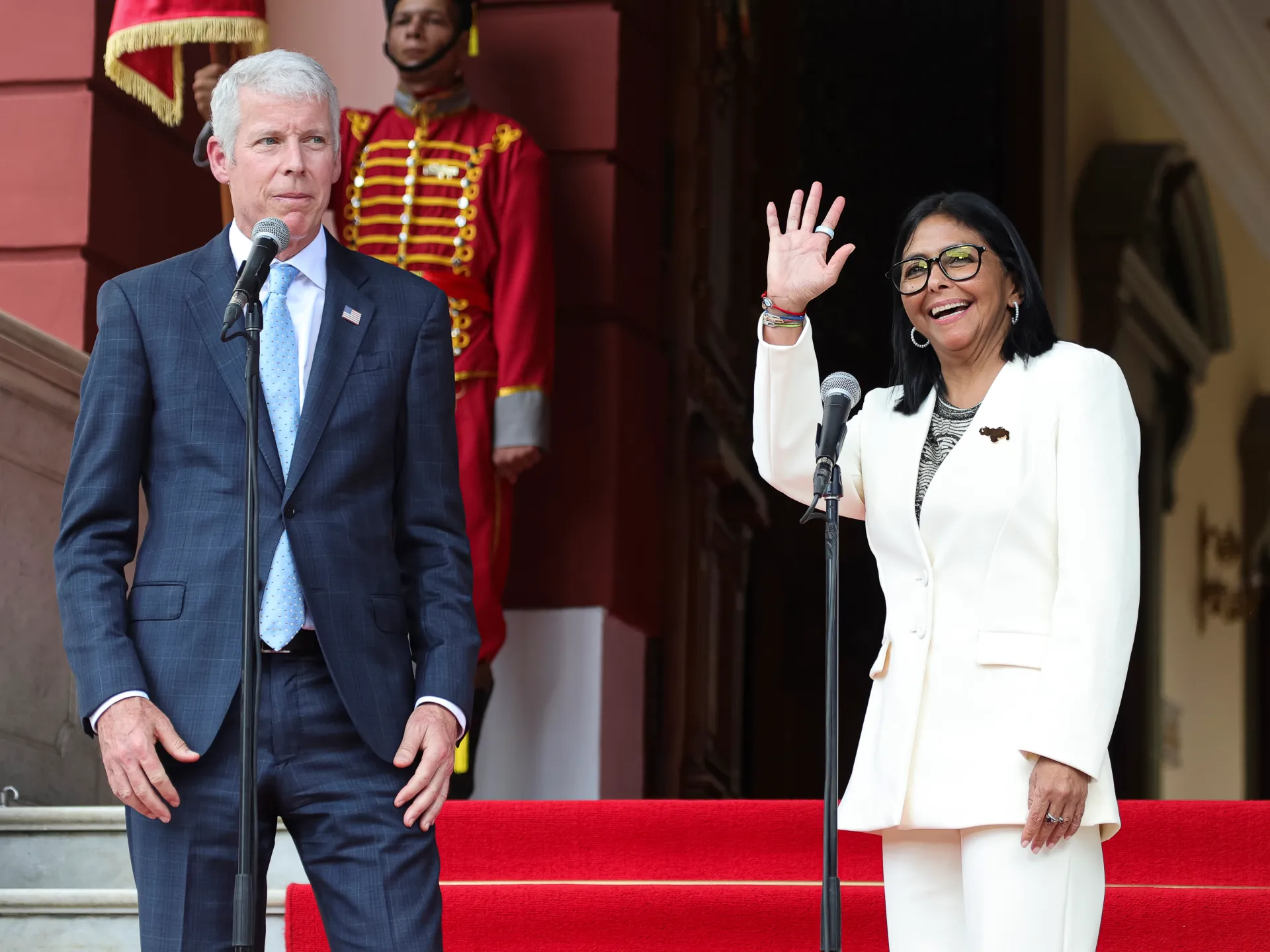
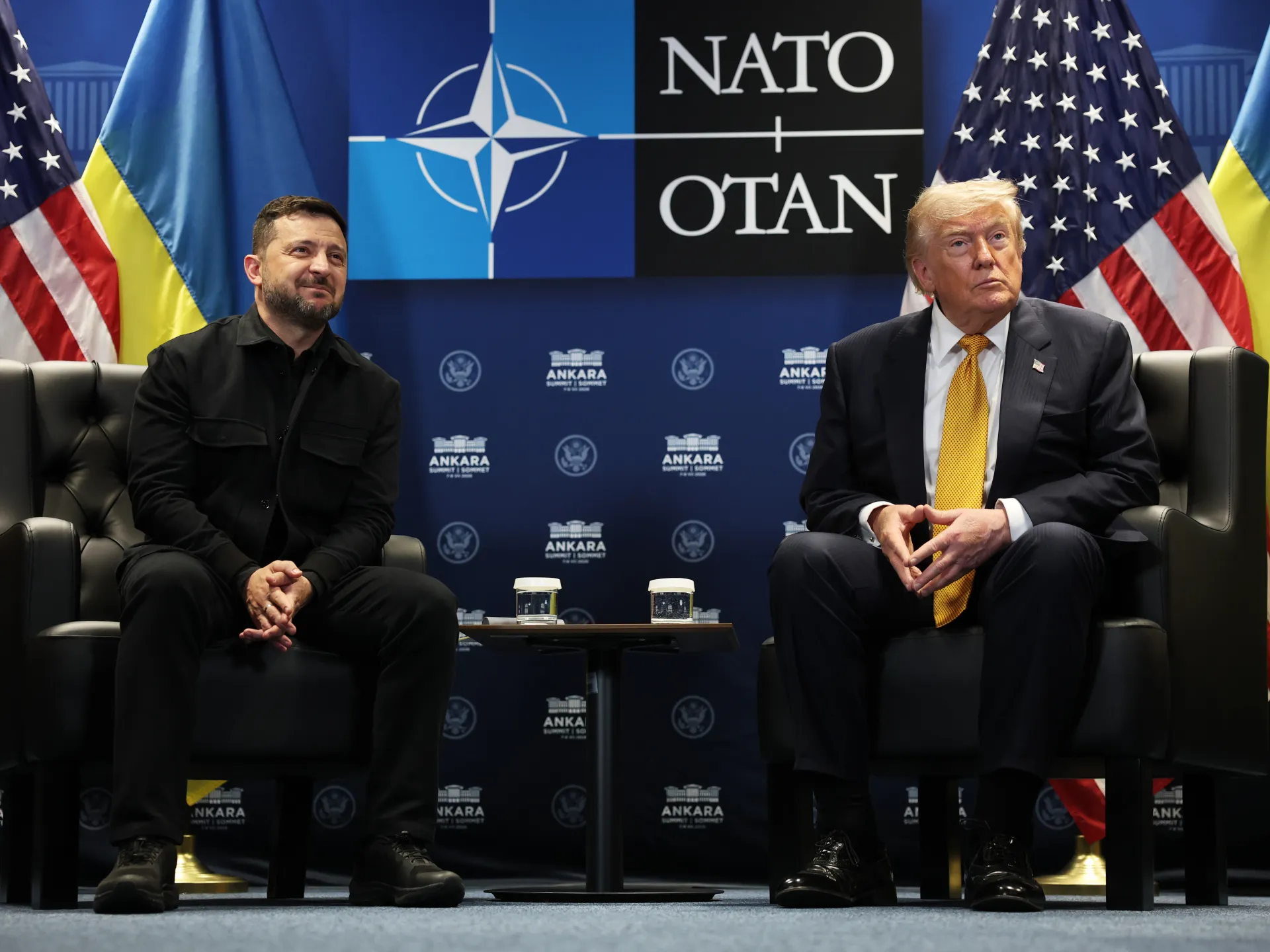
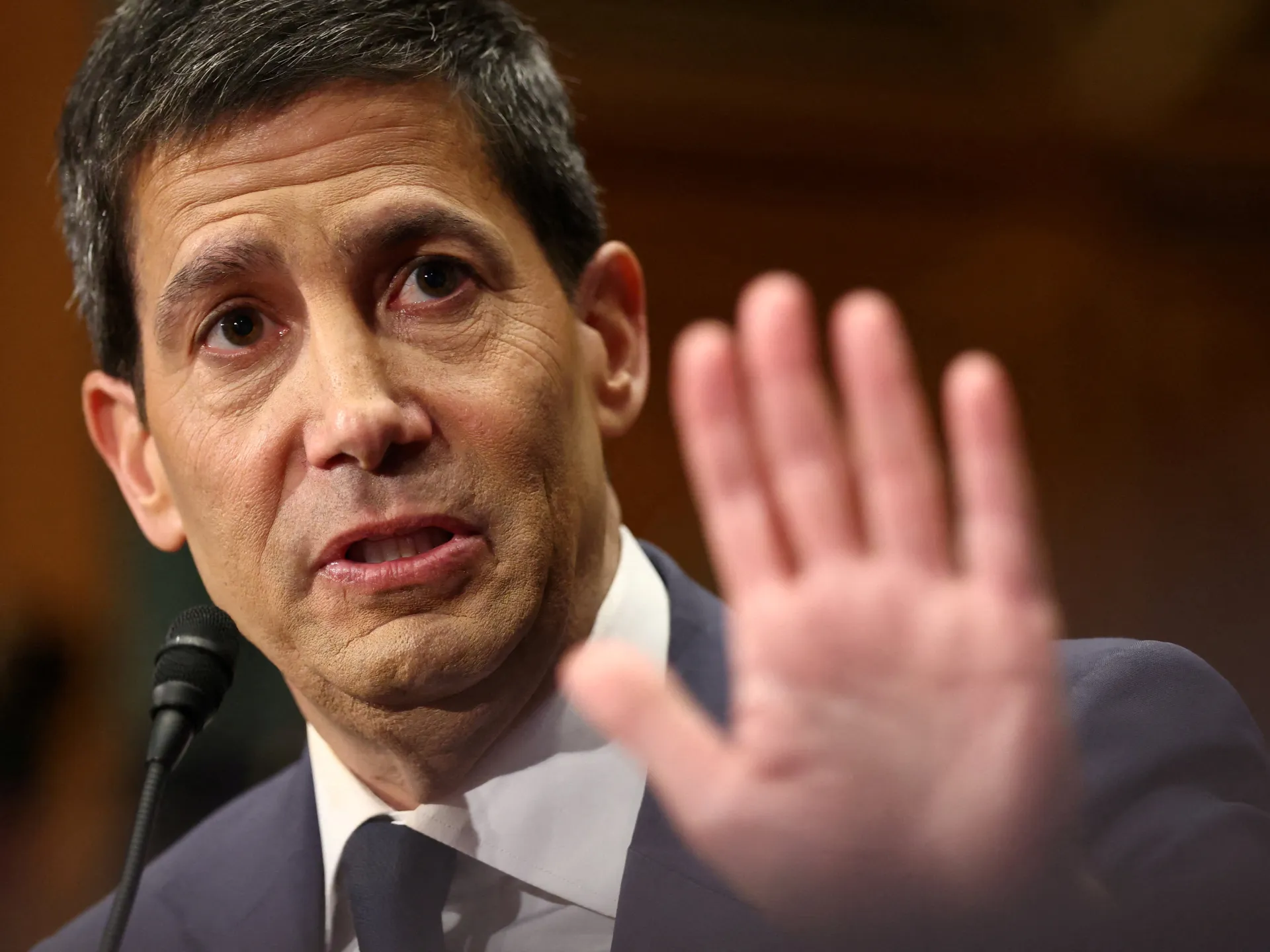
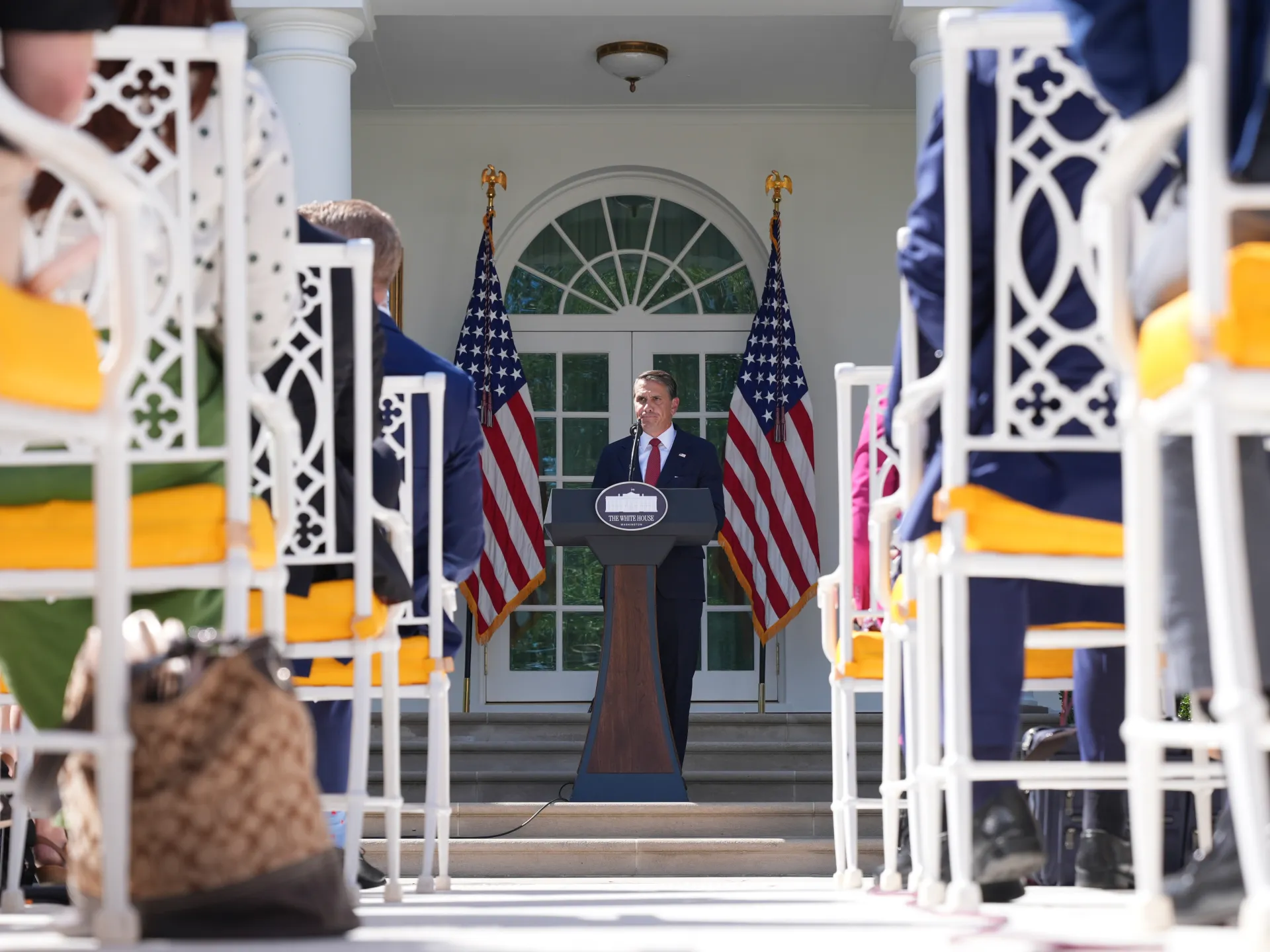
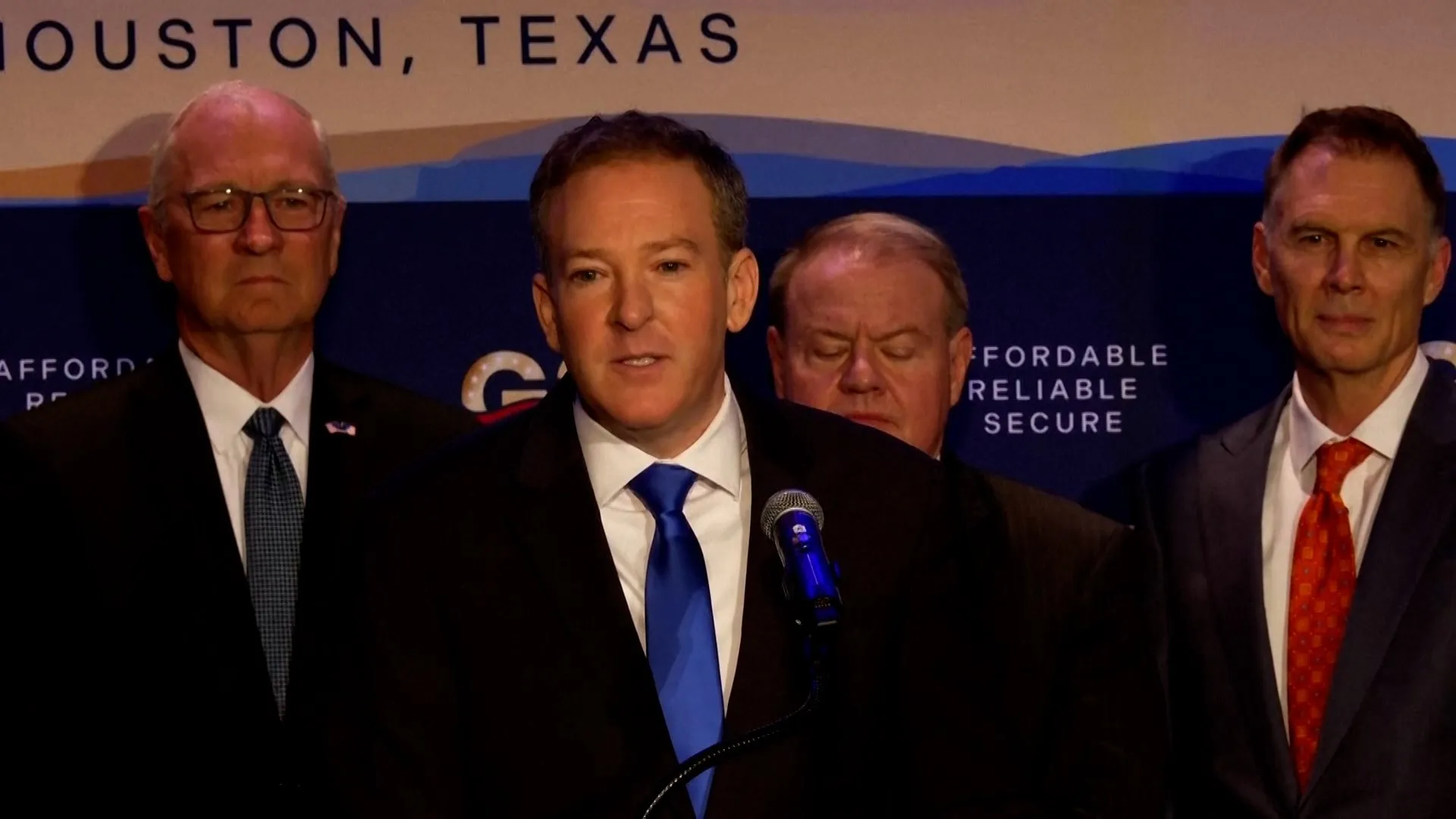
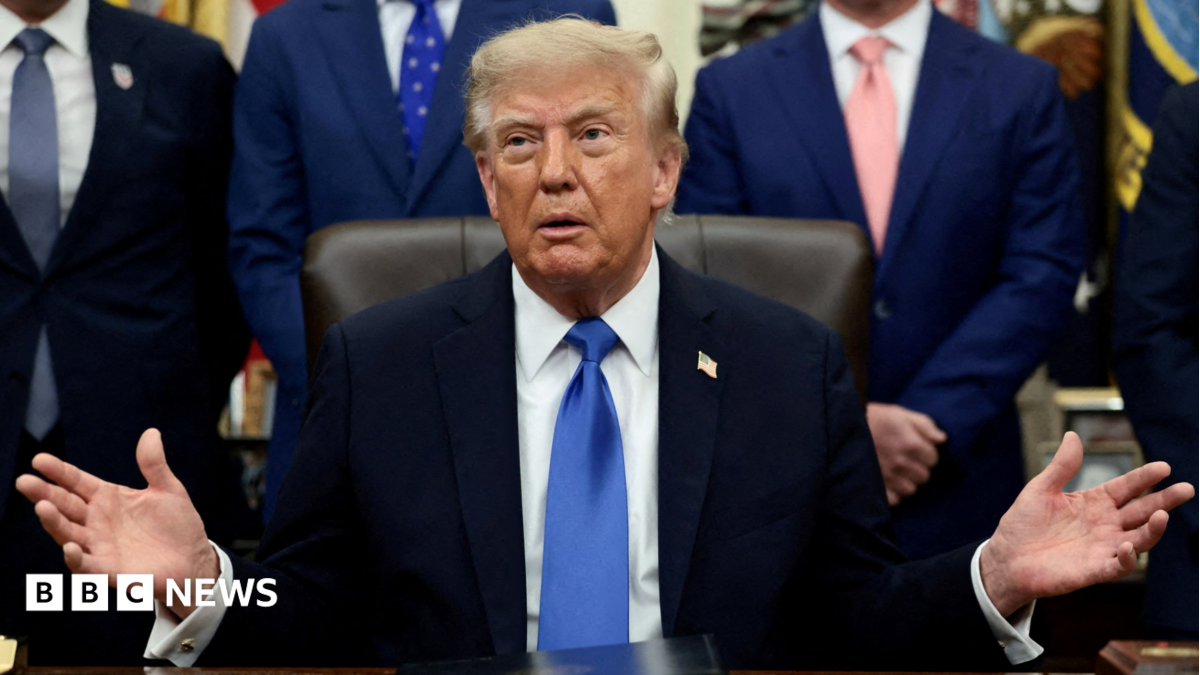
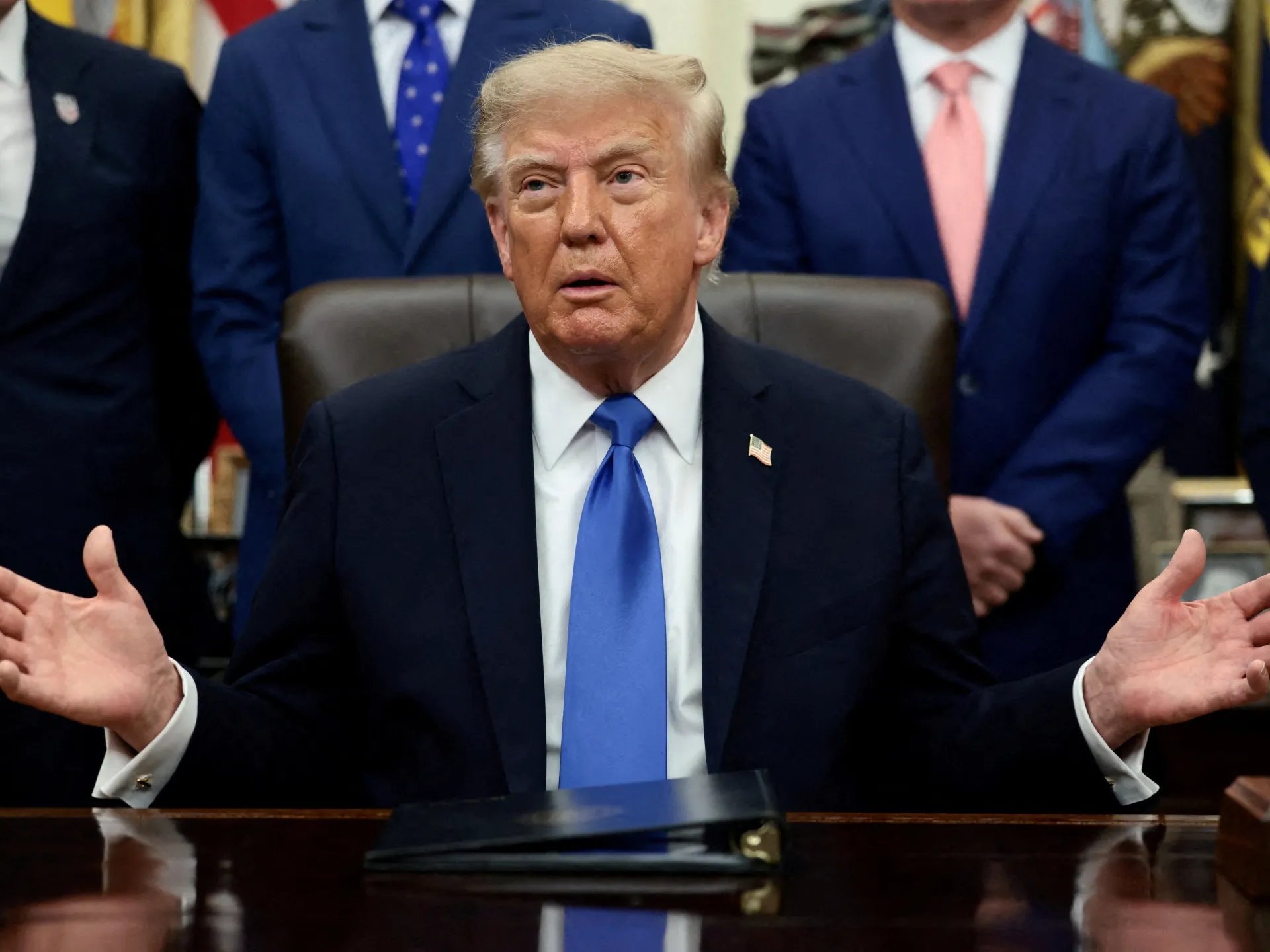
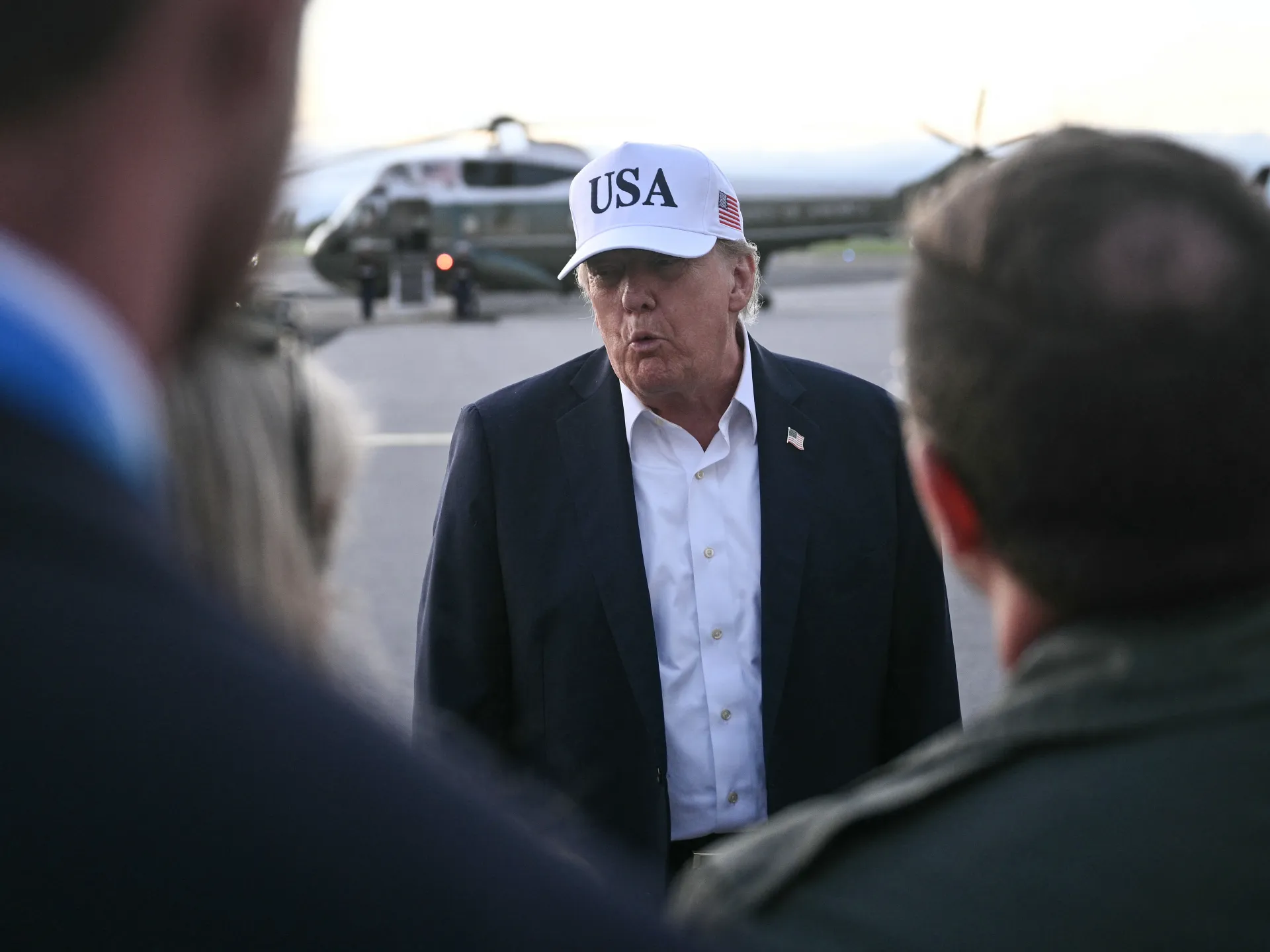
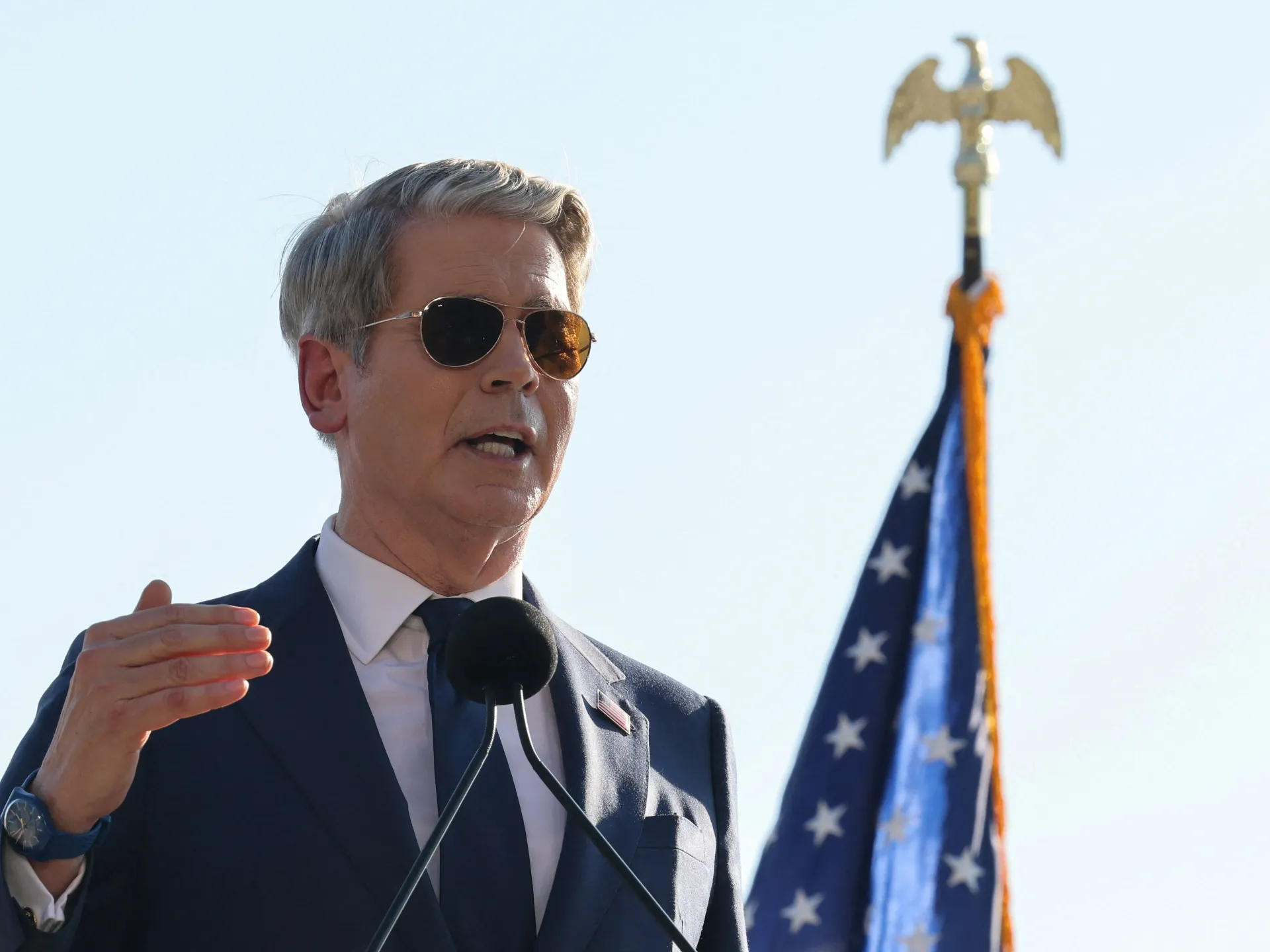
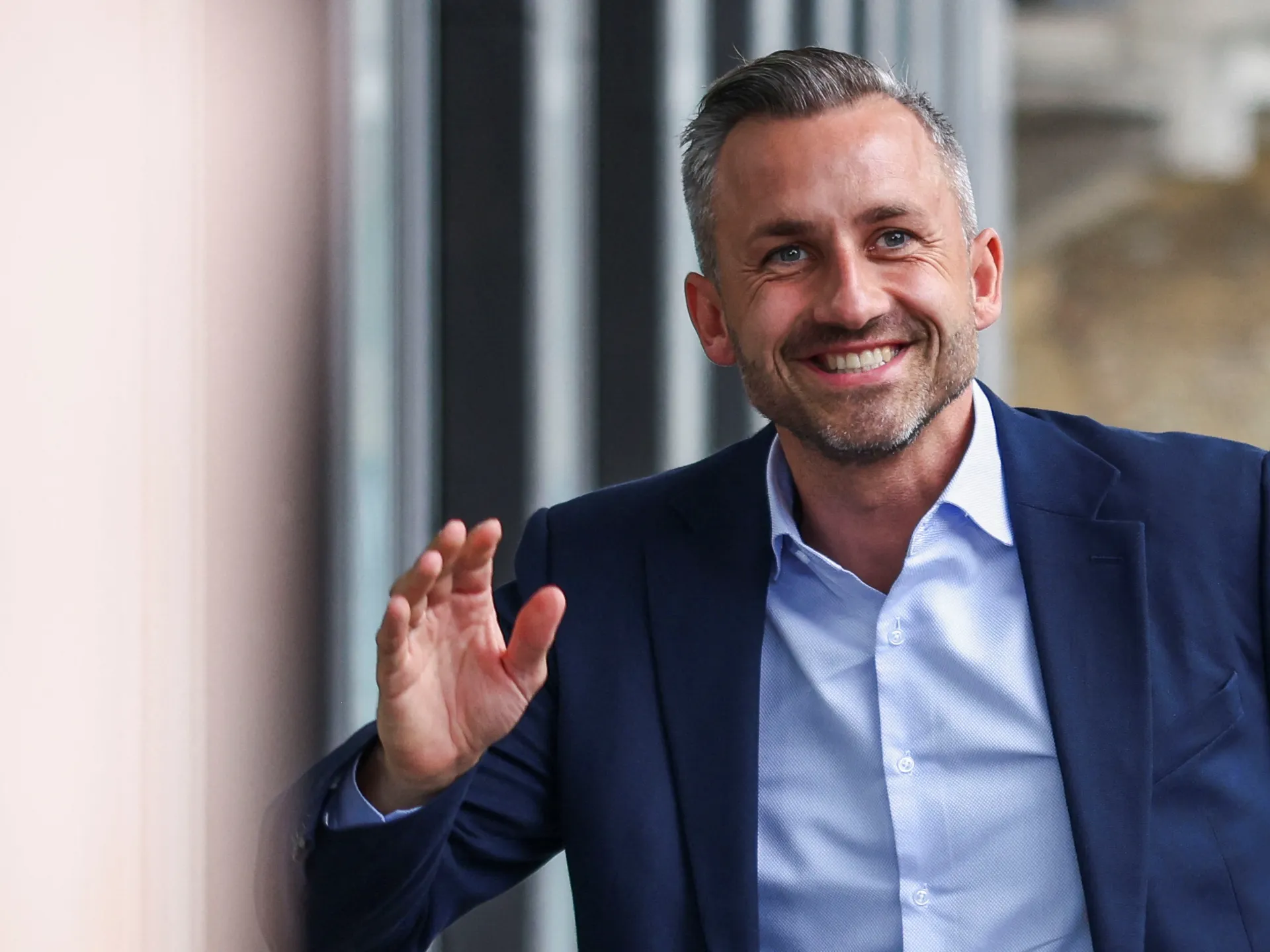
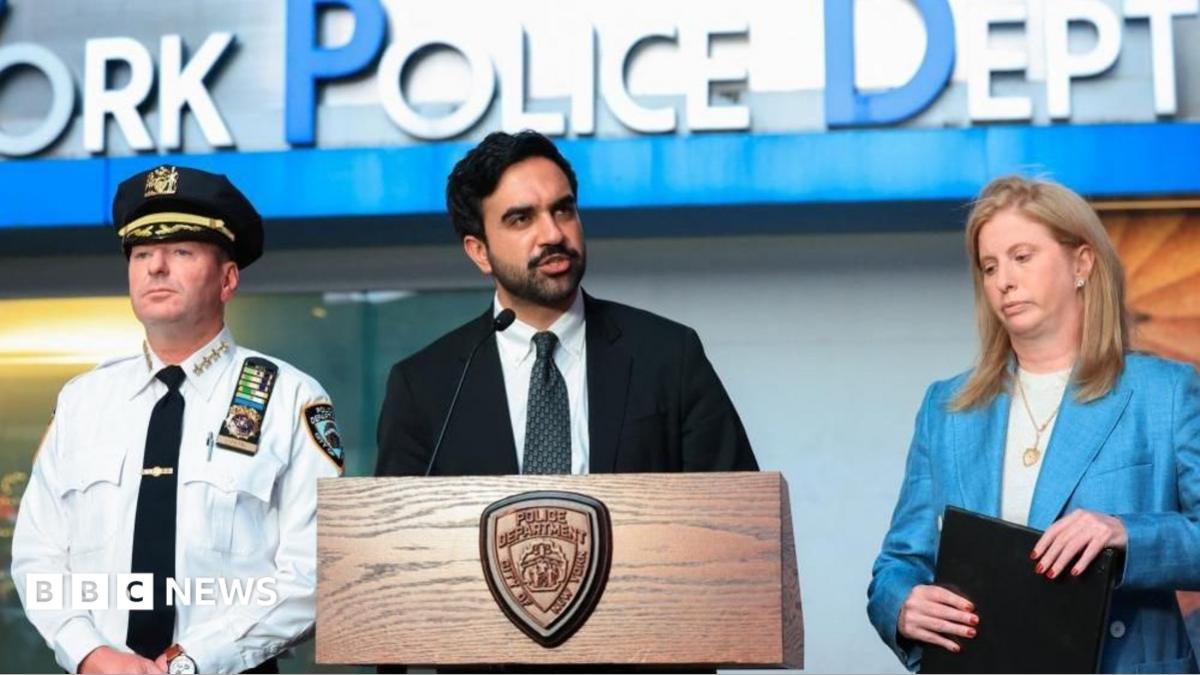
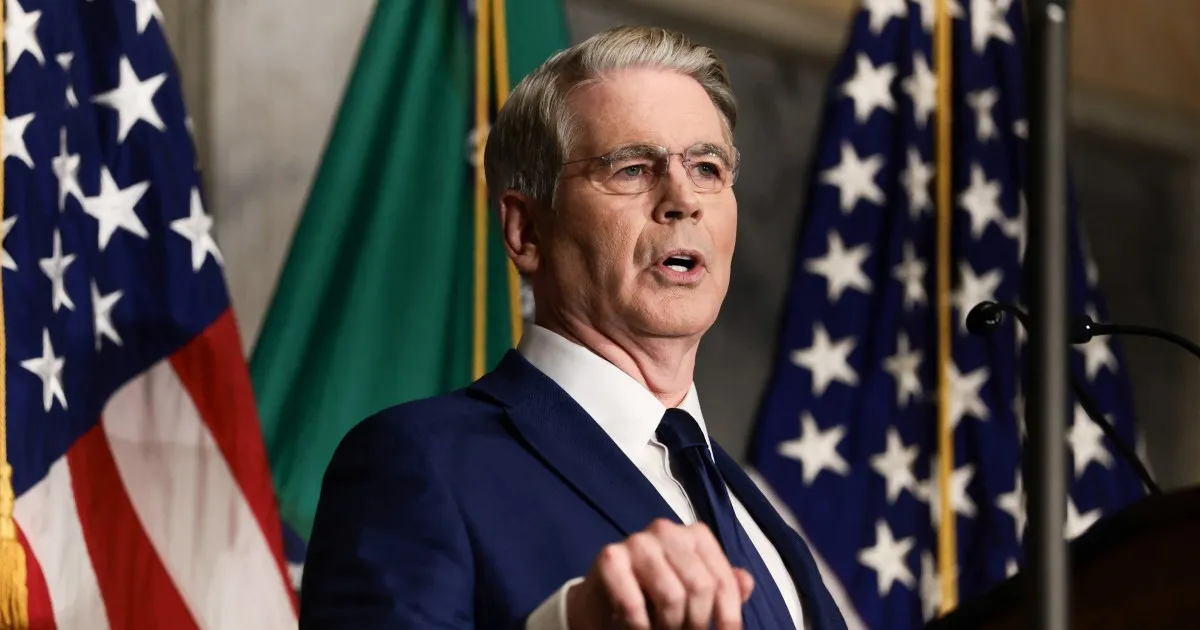
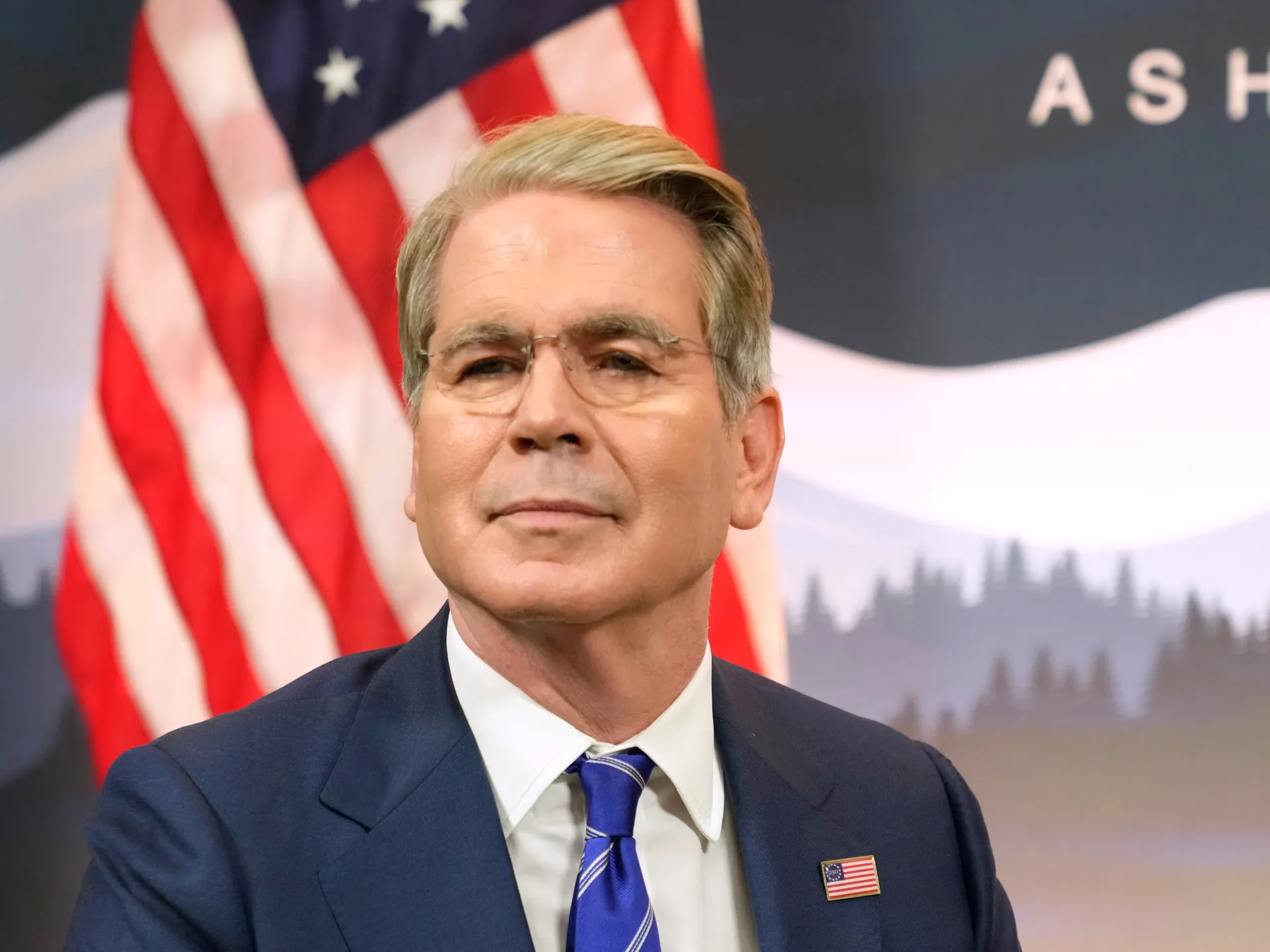
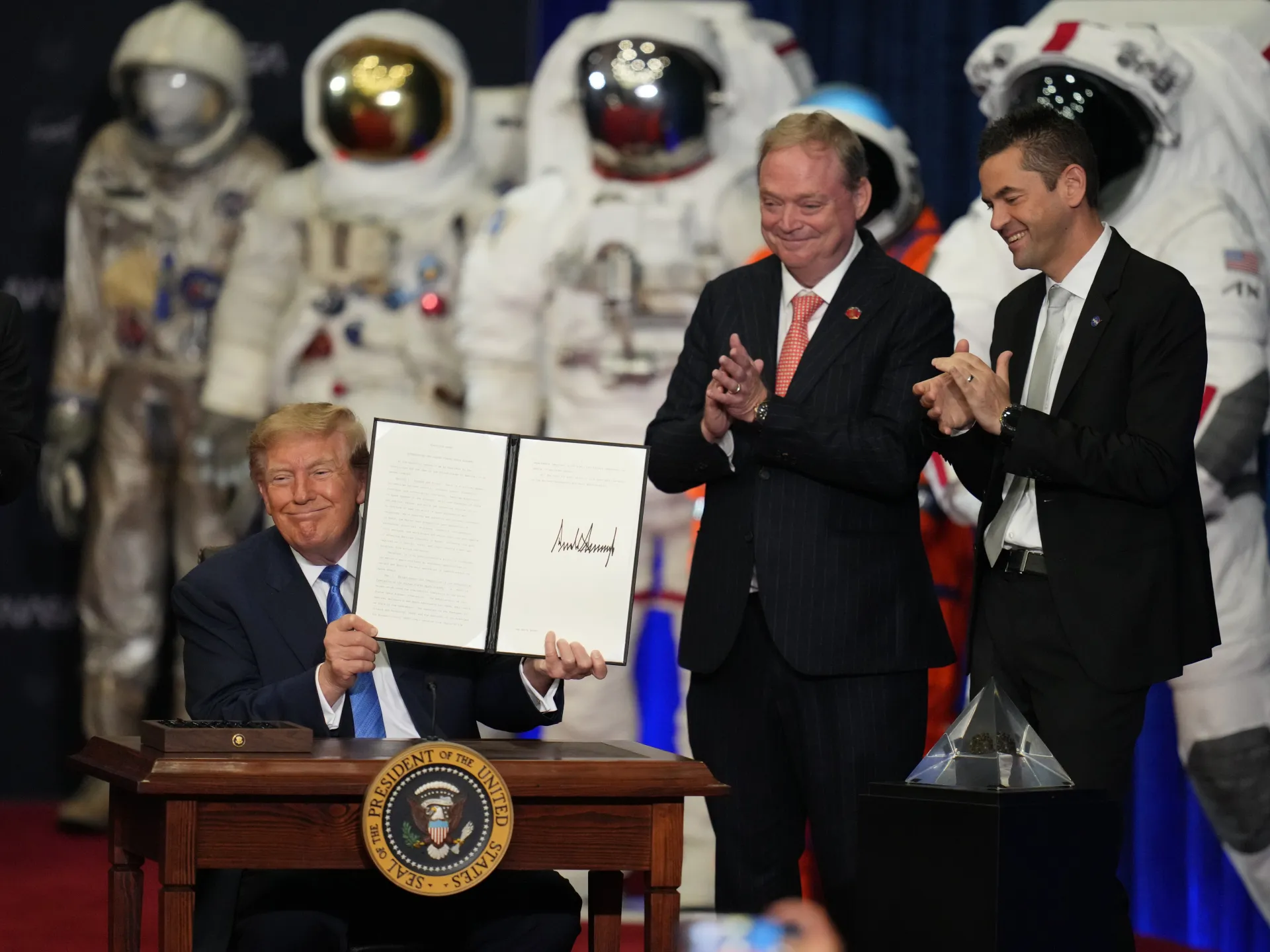
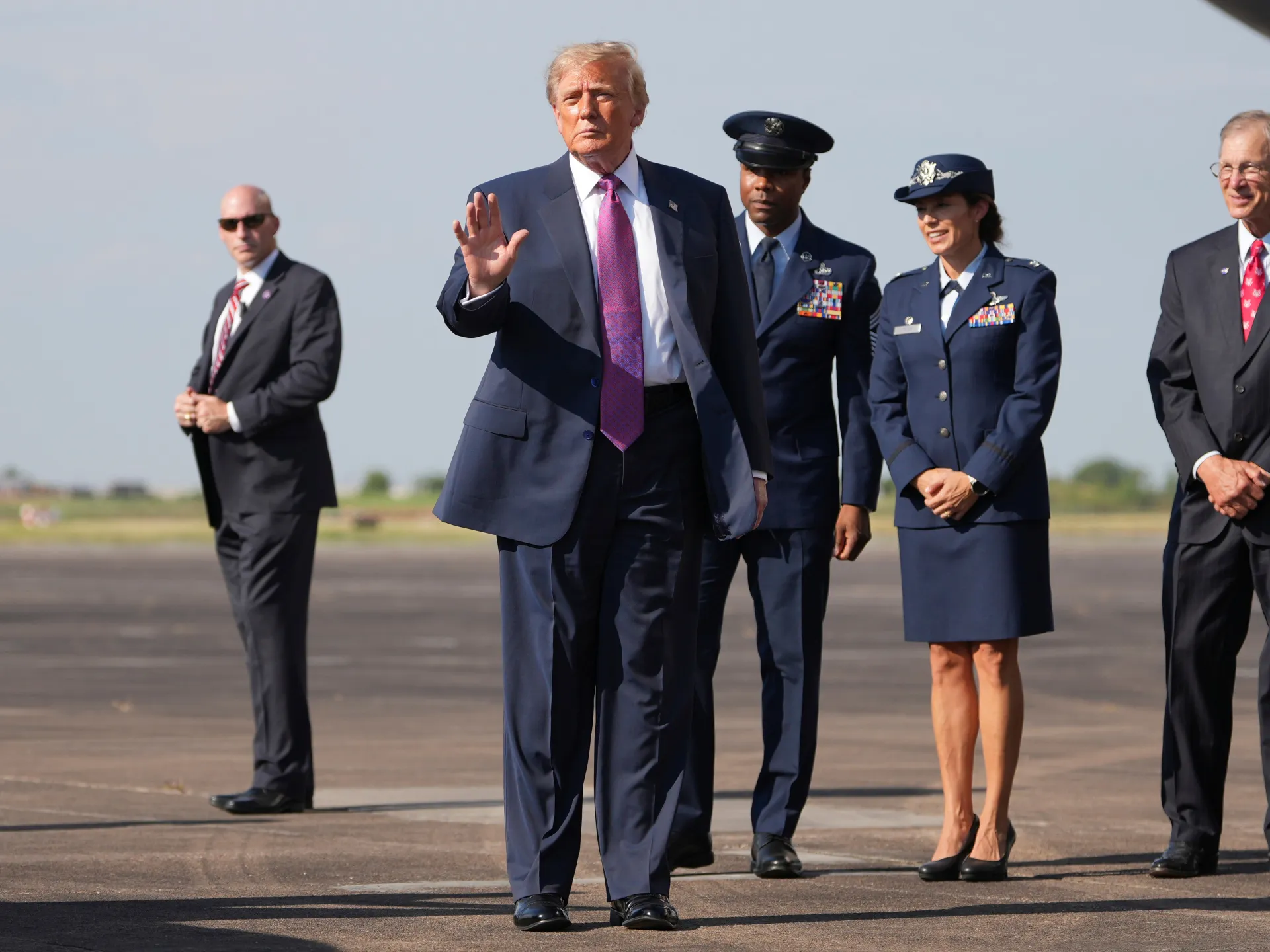
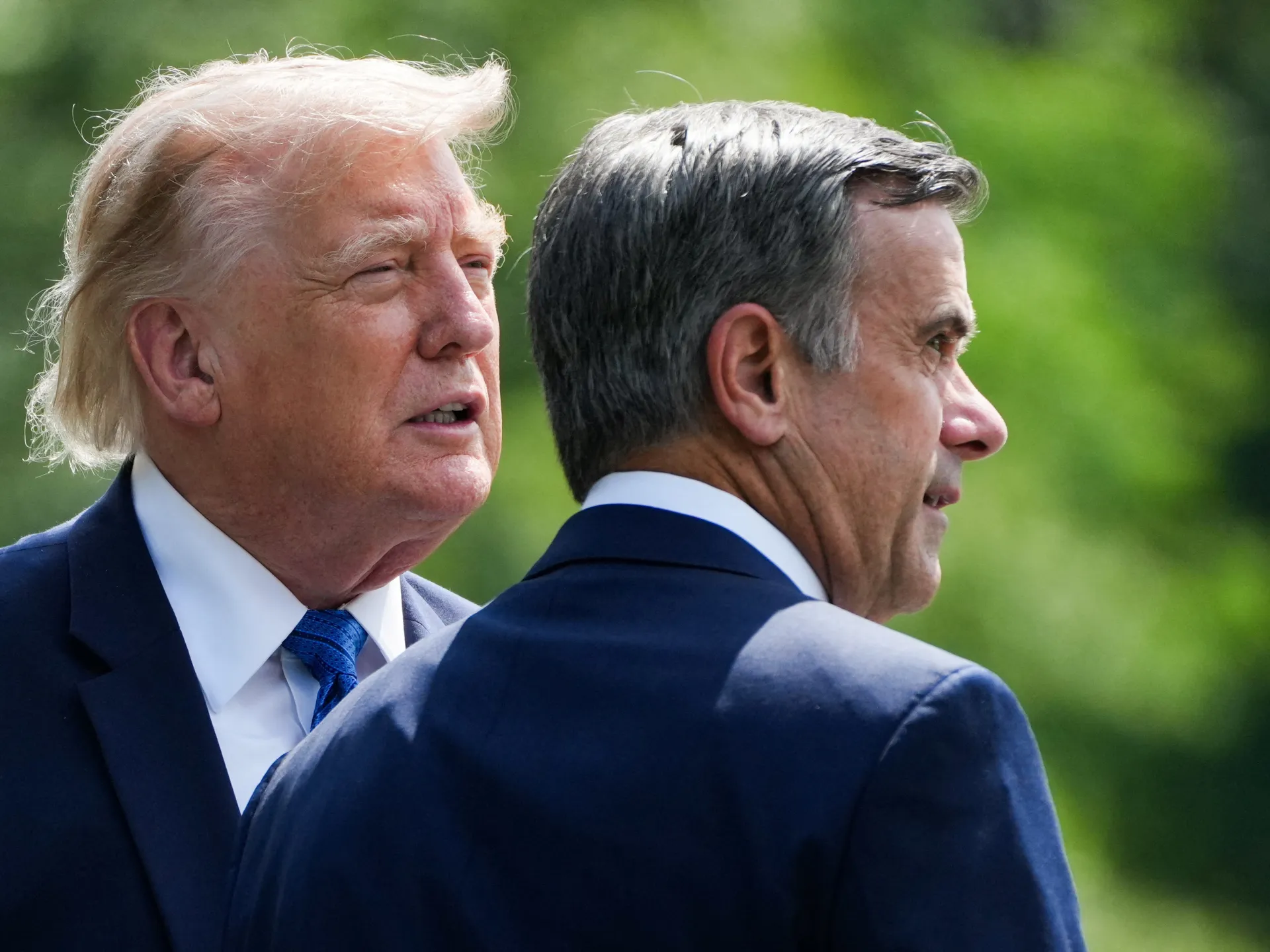
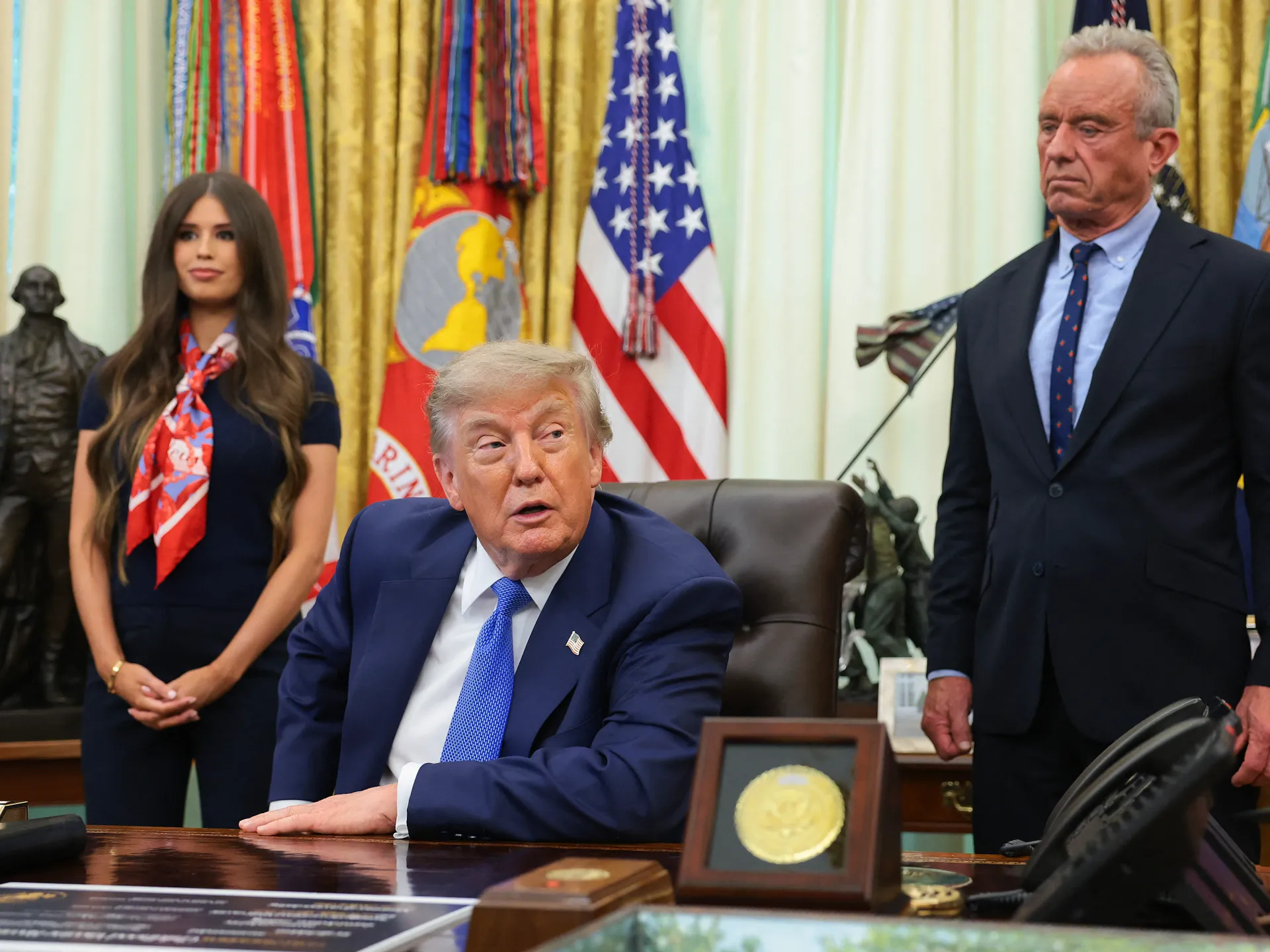
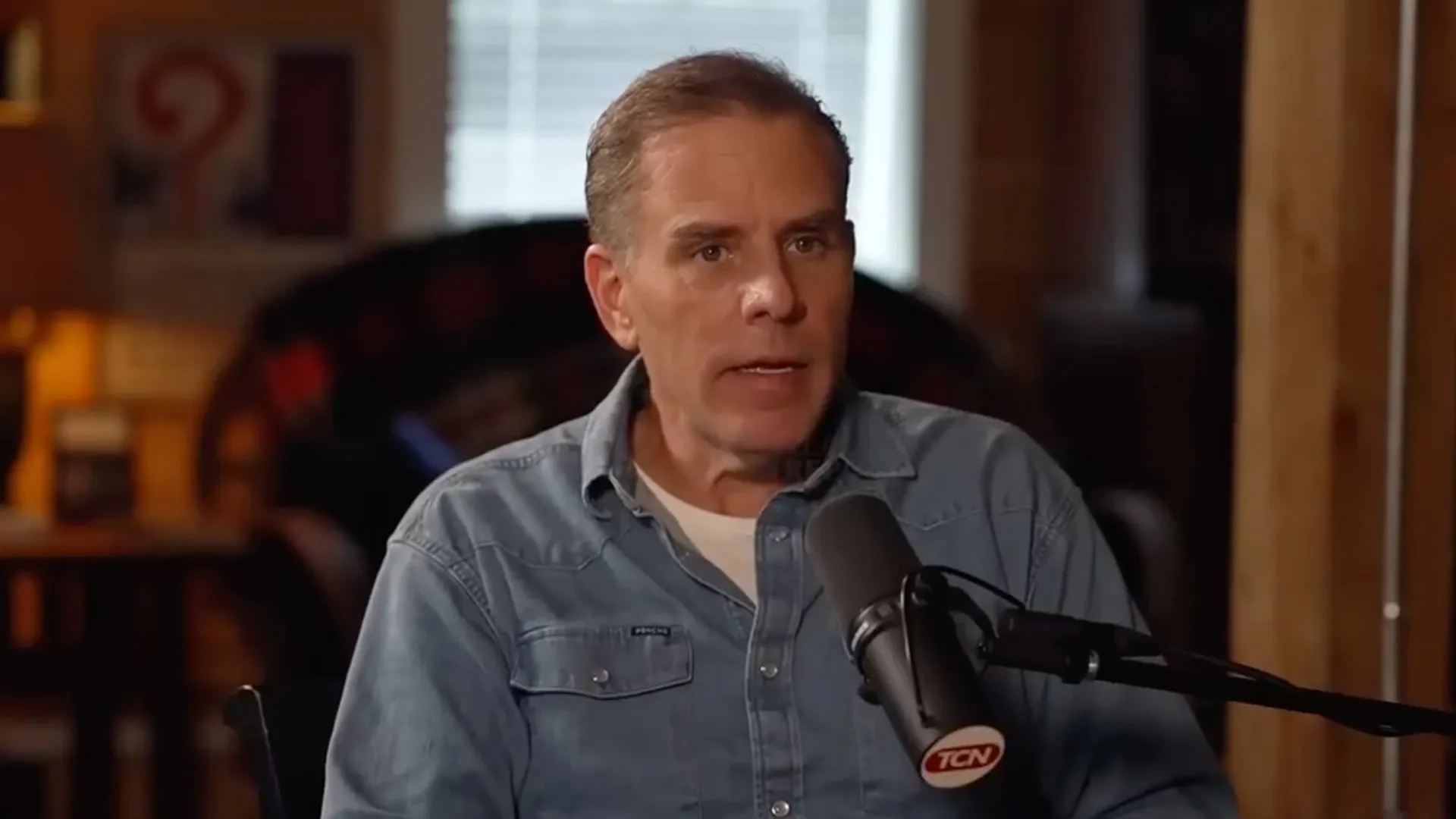
John Coale, representing the administration, described the releases as a positive outcome of direct diplomatic engagement. During a press briefing in Vilnius, Coale expressed optimism regarding future negotiations, suggesting that he expects to return to Minsk within the month to continue talks that could lead to the freedom of hundreds more detainees. The envoy credited the current presidential administration for its commitment to achieving results through direct communication with the Belarusian leadership.
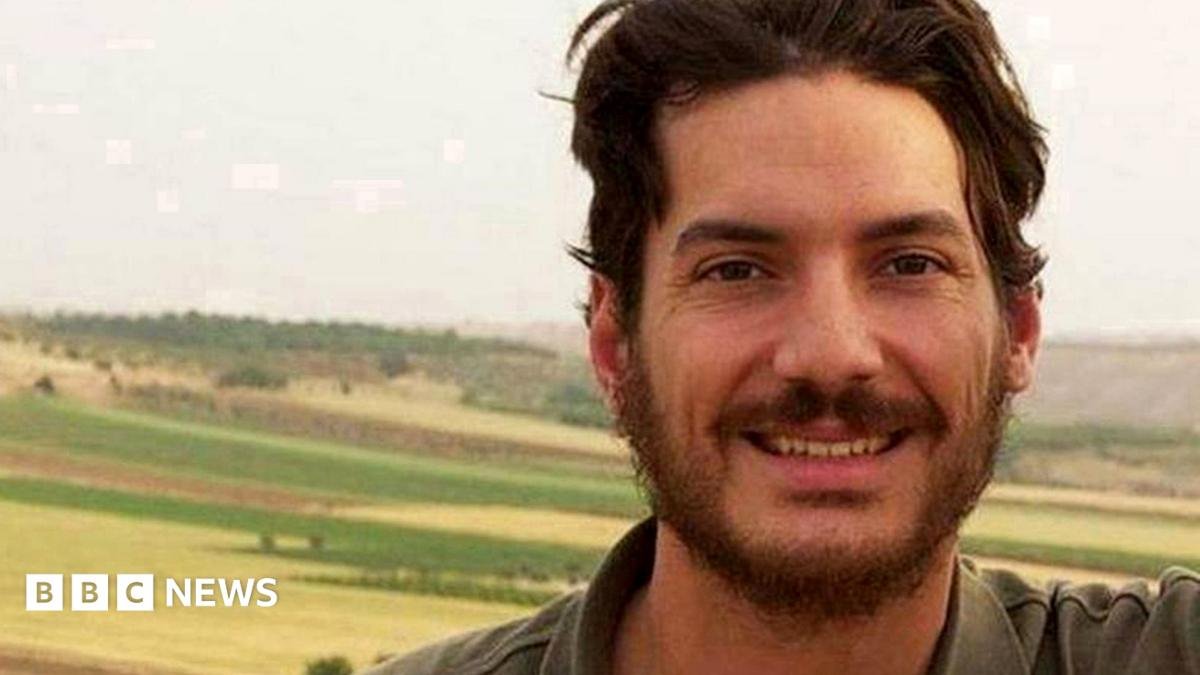
Among those recently freed is the prominent journalist Andrei Alyaksandrau, who had been serving a 14-year prison sentence. Alyaksandrau was initially detained in 2021 on charges related to the financing of protest activities, a case that drew international condemnation from press freedom advocates. His partner, Iryna Zlobina, who had been sentenced to nine years, was also part of the cohort released and deported to Lithuania.
In comments provided to the human rights watchdog Viasna, Alyaksandrau described the physical and emotional toll of his incarceration, noting that he had lost significant body weight during his time behind bars. He expressed relief that his nearly six-year ordeal had reached an end, though he noted the personal tragedy of being separated from his wife for several years during their imprisonment. His case reflects the broader experience of many in Belarus who have faced severe penalties for dissent.
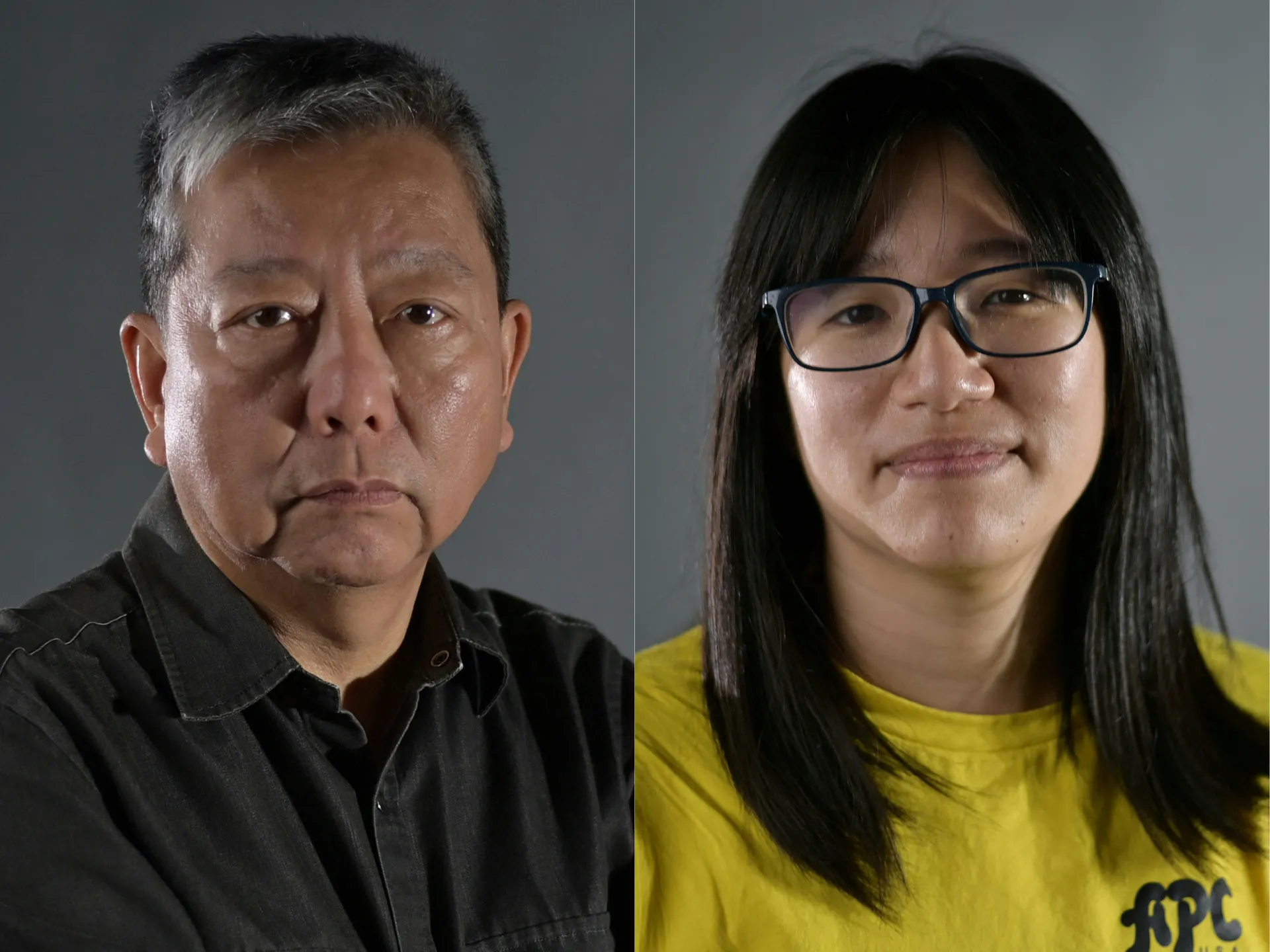
Other journalists released in the exchange include Dzmitry Navazhylau, Kiryl Pazniak, and Liudmila Chekina. Their release has been met with praise from international organizations such as Reporters Without Borders, which continues to monitor the state of media freedom in the country. However, the release of these individuals is tempered often held under conditions that international human rights observers have described as appalling.
While the United States and various international bodies have welcomed the release as a necessary step, there is a clear consensus that the mission is far from complete. European Union officials have emphasized that over 800 individuals remain arbitrarily detained within the country. The EU has issued a call for the immediate and unconditional release of all remaining political prisoners, noting that the current action, while positive, does not address the underlying systemic issues regarding civil liberties in the region.
Svetlana Tsikhanouskaya, the leader of the Belarusian political opposition currently living in exile, expressed cautious support for the families of those released. She acknowledged the immense effort required to secure these departures, yet she warned that the Belarusian government, led ons entirely. She emphasized that every individual release is the result of a difficult, protracted struggle against a regime that has long been isolated from the international community due to its domestic policies and its alignment with Russia.
As the international community watches these developments, the focus remains on whether this initial release represents a genuine pivot in Belarusian policy or merely a tactical maneuver to mitigate the impact of economic sanctions. With the US envoy planning further visits to Minsk, the coming weeks will likely determine whether the momentum toward releasing political prisoners can be sustained or if the current diplomatic window will close without further concessions from the Belarusian authorities.