
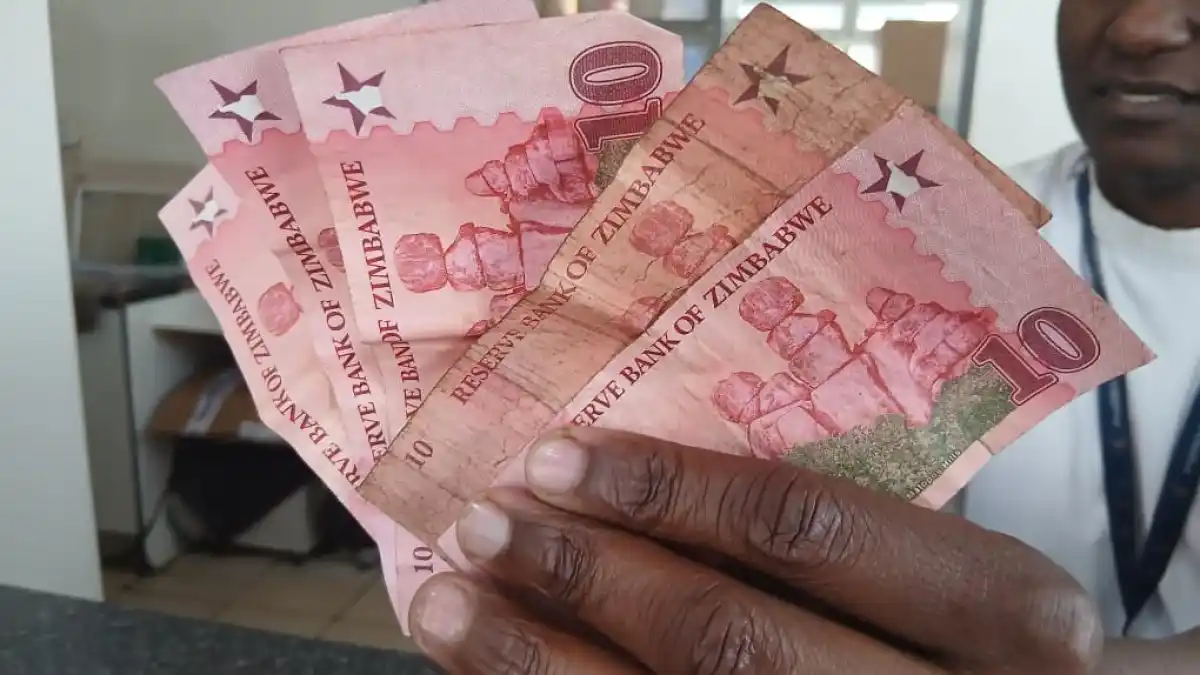
Zimbabwe is working to gain public trust for its new gold-backed currency. Citizens remain cautious due to the country's history of economic instability.
Zimbabwe officials want citizens to use the local ZiG currency. They hope this move reduces dependence on the US dollar. However, many people remain hesitant to trust this new money.
The government launched the Zimbabwe Gold, or ZiG, in April 2024. The Reserve Bank of Zimbabwe backs it with gold and foreign reserves. They want to restore faith in the national economy.
Next, the country faces a difficult history with money. Many citizens lost their life savings during past periods of hyperinflation. These bad memories make people fear holding local currency again.
Also, Zimbabwe used a multicurrency system after 2009. The US dollar became the main way for people to store value. Newer attempts to bring back a local currency often failed.
For example, teacher Charles Mbwandarikwa remembers losing his pension. He now exchanges his ZiG salary for dollars as fast as he can. He does not trust the local money to keep its value.
Meanwhile, the central bank tries to boost credibility. They released new, secure banknotes recently. They also report that inflation remains relatively low at 3.7 percent.
However, low inflation does not equal public trust. Economist Cornelius Dube says the current demand for the ZiG remains very low. Businesses also struggle to accept the currency from customers.
As a result, retailers report very few sales in ZiG. Most shoppers prefer the stability of the US dollar. This creates a cycle that is hard for the government to break.
Finally, the bank shifted its goals for the future. They now favor a slow, market-led move away from the dollar. They want people to choose the ZiG for taxes and daily needs.
Still, experts say that official rules cannot force trust. True change requires long-term economic stability. Citizens must believe their savings are safe before they will fully embrace the currency.