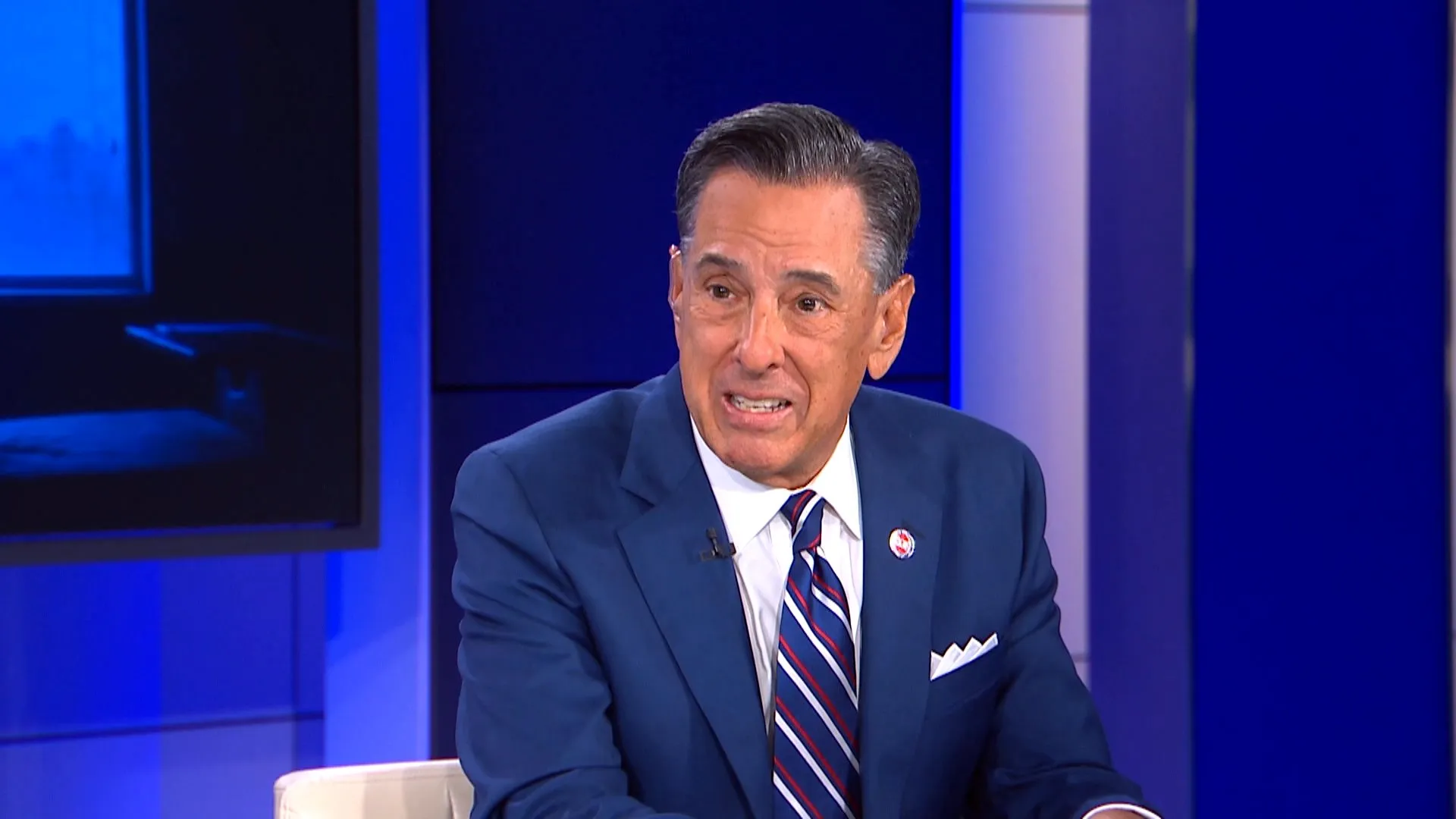
Despite massive investments in cancer research, the U.S. healthcare system faces significant structural hurdles that could prevent even a potential cure from reaching the public.
The United States has long positioned itself as a global leader in medical innovation, consistently directing billions of dollars into oncology research. This massive capital infusion has led to groundbreaking scientific discoveries, mapping the human genome and identifying specific genetic mutations that fuel malignant cell growth. Despite these advancements, cancer remains a leading cause of death across the nation, creating a stark contrast between laboratory successes and real-world health outcomes.
Critics argue that the disconnect lies in the focus of the current medical model. While laboratory research advances rapidly, the infrastructure responsible for translating these breakthroughs into patient care remains stagnant. The financial burden of funding the research pipeline is immense, but without a corresponding investment in the delivery systems that actually administer care, the potential for a curative breakthrough is significantly diminished.
Even if scientists were to announce a definitive cure for cancer tomorrow, the existing American healthcare framework poses a severe obstacle to widespread implementation. Experts in the field, such as those at the Community Oncology Alliance, suggest that the current system is ill-equipped to handle the logistics of universal treatment. Access to specialized oncology services is frequently dictated essity.
The administrative complexity of the U.S. healthcare system further complicates matters. Patients often find themselves navigating a labyrinth of insurance approvals, high out-of-pocket costs, and provider shortages. These barriers ensure that even the most effective treatments are gated behind financial walls, leaving a significant portion of the population unable to benefit from the latest innovations in immunotherapy, precision medicine, or targeted chemotherapy.
The delivery of cancer care is inherently resource-intensive, requiring multidisciplinary teams, advanced imaging technology, and consistent follow-up protocols. However, the current U.S. model often prioritizes administrative overhead and profit margins over the optimization of patient care pathways. This structural fragmentation means that information often remains siloed, leading to delays in diagnosis and the inefficient use of expensive pharmaceutical treatments.
Furthermore, the concentration of top-tier cancer centers in urban hubs creates significant disparities for rural and underserved populations. Patients living outside these metropolitan corridors must often travel long distances, incurring travel costs and lost wages, which contributes to higher mortality rates. Without a systemic overhaul that prioritizes accessibility and patient-centered care, the promise of new medical discoveries will likely remain out of reach for millions of Americans.
Addressing the limitations of the American healthcare landscape requires more than just scientific funding; it necessitates a fundamental rethink of how medical services are organized and distributed. Policymakers and industry leaders face the difficult task of balancing the high costs of drug development with the urgent need for affordable patient access. The sustainability of future cancer treatments depends on creating a model that treats health equity as a primary objective rather than an afterthought.