
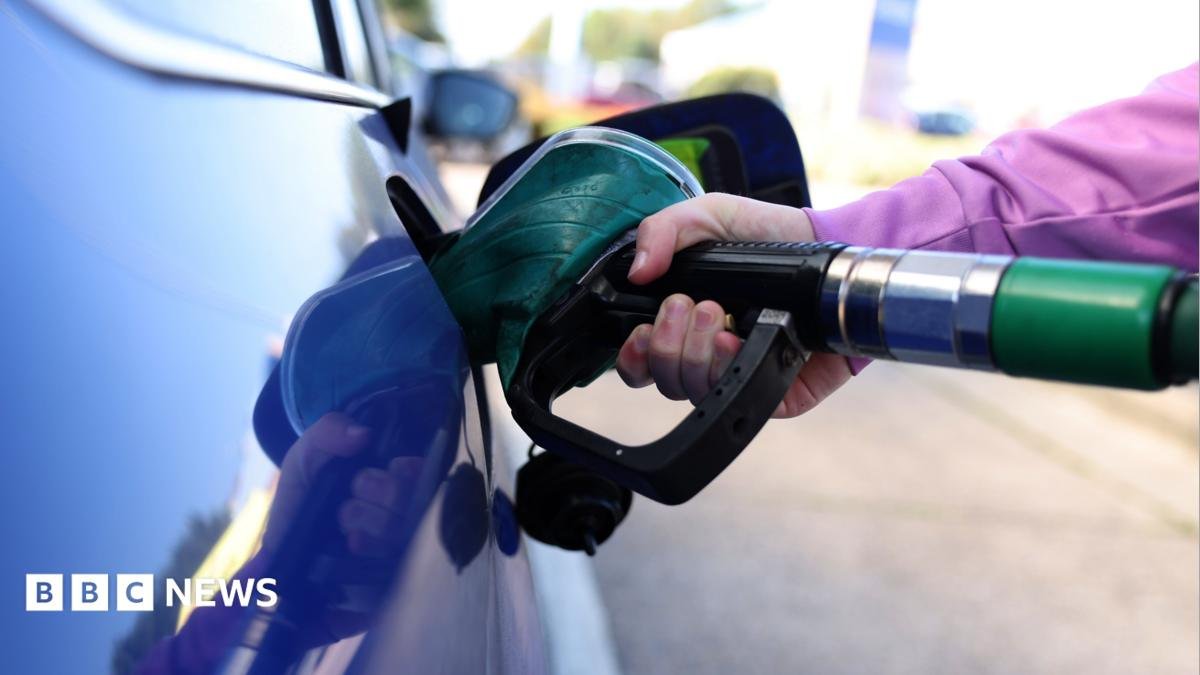
President Trump faces backlash for planning to import Russian diesel to lower fuel costs. Lawmakers argue the deal violates laws against funding Russia's war.
Why this matters
President Trump plans to import Russian diesel to lower fuel prices. This move challenges existing US laws against buying Russian energy. Many leaders worry this deal helps Russia during its war with Ukraine.
Also, this decision creates a conflict between domestic needs and foreign policy. Higher fuel costs hurt American farmers and truckers. However, critics argue that money paid to Russia funds ongoing violence. This situation tests the limits of executive power during global conflicts.
Tensions Rise Over Russian Energy Deal
President Trump announced that Russia agreed to send 300,000 tonnes of diesel. This shipment will go to the global and American markets. Russia also promised 500,000 tonnes in November. Later, they will send one million more tonnes.
Meanwhile, the US Treasury is pausing sanctions on Russian diesel until April 7. This allows the fuel to enter the country legally. However, other Russian assets in US banks remain frozen. The administration says this uses existing legal tools to help lower costs.
Next, a bipartisan group of seven senators voiced strong opposition. They claim the deal breaks laws meant to stop Russian funding. These lawmakers include Susan Collins and Jeanne Shaheen. They want the president to reverse his decision immediately.
Also, Ukrainian President Volodymyr Zelensky criticized the plan. He called the deal a gift to Vladimir Putin. He believes it acts as an investment in the war. The conflict continues to impact global energy prices and supply chains.
Finally, some lawmakers support the move. Representative Thomas Massie suggests ending all sanctions on petroleum products. He believes the free market should dictate energy policy. Others in the party remain silent or express deep doubt.
How we got here
- 2022: Congress bans Russian energy imports to stop funding the war.
- Mid-September 2026: Heavy rains begin causing massive floods across Thailand.
- Late September 2026: A low-pressure system stalls over Thailand, causing intense rainfall.
- October 2026: Floodwaters cover large areas of agricultural land in Thailand.
- October 11, 2026: Kenya celebrates a victory at the Melbourne Marathon.
- October 2026: Trump announces the new deal to import Russian diesel.
- October 2026: Seven senators sign a statement against the diesel agreement.
What happens next
Lawmakers will likely debate the legal standing of this deal. Congress may try to block the suspension of sanctions. This could lead to a major clash between the White House and Capitol Hill.
Also, global energy markets will watch the shipment volume closely. Any delay in Russian supply could affect fuel prices again. The administration must balance these costs against the political pressure from critics.
Then, the world will see if the fuel actually reaches American ports. Much depends on the state of Russian refineries. These facilities face constant threats from Ukrainian drone and missile strikes.
Finally, the outcome will influence midterm election discussions. Voters will weigh lower fuel prices against the concerns over funding the war. Both sides will use this issue to sway public opinion in the coming weeks.