
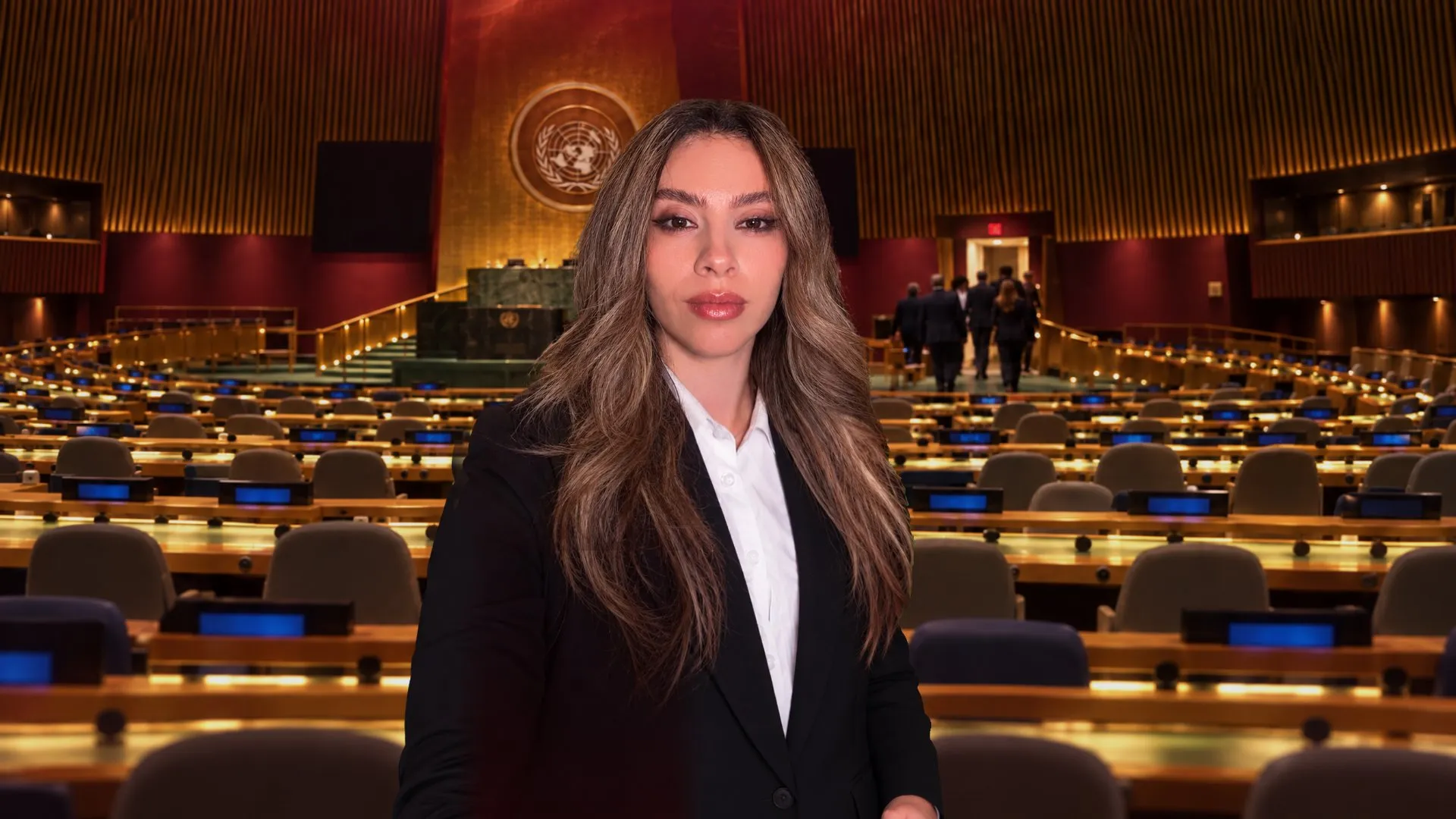
The third day of the UN General Assembly saw organized diplomatic walkouts and urgent humanitarian pleas, highlighting the deepening divisions among global powers.
The third day of the United Nations General Assembly in New York was marked ervention. As heads of state and diplomats gathered for high-level deliberations, the floor of the assembly became a stage for organized protest, with numerous delegations choosing to vacate their seats as Israeli Prime Minister Benjamin Netanyahu began his address.
Beyond the symbolic walkouts, the session served as a platform for nations grappling with the fallout of regional instability. From the humanitarian collapse in Yemen to concerns regarding sovereign integrity in the Gulf, the proceedings underscored the deep-seated divisions currently testing the efficacy of multilateral diplomacy in an increasingly fractured global landscape.
The events of the third day at the General Assembly reflect a growing trend of performative diplomacy, where symbolic gestures—such as mass walkouts—are utilized as a primary tool for signaling political non-recognition or moral opposition. While such actions do not alter the technical legal status of the speakers, they signal a profound erosion of the consensus-based culture traditionally upheld at the United Nations. When the assembly floor is transformed into a space for direct confrontation rather than dialogue, it highlights the increasing difficulty of reconciling competing narratives within a singular international forum.
Furthermore, the prominence of regional pleas for assistance from smaller nations, specifically those navigating civil war or territorial insecurity, suggests that the assembly's agenda is being dictated egic cooperation. The inability of the current diplomatic framework to mitigate these crises effectively is driving a wedge between the institution's stated goals and the reality on the ground for impacted populations.
The atmosphere inside the chamber grew tense as the Israeli delegation prepared to present. The subsequent walkout community's deep polarization regarding ongoing regional conflicts. This act of protest, while not unprecedented, highlighted the intense diplomatic pressure currently placed on Israel's leadership within the UN ecosystem.
Simultaneously, representatives from Yemen utilized their time to issue a solemn plea for global support. The narrative presented structural intervention to stem the tide of a prolonged and destabilizing conflict. The urgency of their request contrasted sharply with the procedural formalities usually expected during such speeches, underscoring the severity of the crisis in the region.
Discussions regarding territorial integrity also dominated the session, with Kuwait specifically voicing strong concerns over threats to its national sovereignty. Kuwaiti officials emphasized that the current climate of regional instability poses existential risks to smaller nations, calling for a reinvigorated commitment to international law and the protection of borders.
These interventions, combined with the earlier diplomatic walkouts, painted a picture of a body struggling to maintain its role as an impartial arbiter. As delegates navigated these competing demands, the third day of the assembly proved to be a challenging test for the organization's ability to maintain order while providing a voice to those feeling increasingly marginalized
Following the events of the third day, it is likely that the remainder of the General Assembly will prioritize closed-door bilateral meetings to smooth over the diplomatic fractures exposed on the plenary floor. We can expect an increase in rhetoric from both sides of the walkout, as delegations attempt to consolidate support among their regional blocs. The humanitarian appeals from nations like Yemen will likely be funneled into secondary committee meetings to determine the feasibility of aid packages, though the political volatility displayed this week suggests that concrete international resolutions will remain difficult to achieve. The coming days will reveal whether these public displays of dissent serve as a catalyst for meaningful policy shifts or if they merely harden existing geopolitical lines, further complicating the assembly's ability to function as a unified body.