
Global energy issues take center stage as conflict threatens infrastructure in Ukraine, while Africa explores its mineral wealth and NASA designs food systems for Mars.
Why this matters
Energy drives human progress across every corner of the planet. It powers our homes, feeds our explorers, and fuels our wars. Understanding these systems reveals how resources shape international power dynamics today. Leaders now struggle to balance vital mineral needs with urgent demands for peace and survival.
Meanwhile, the push for energy security highlights a growing divide. Some nations possess vast natural treasures but still lack basic electricity. Others fight devastating battles over the infrastructure that keeps their societies running. These events prove that energy policy remains the most important tool for global stability.
Energy Conflicts and Resource Realities
Russia recently launched strikes against Ukrainian energy sites. These attacks occurred hours after a proposed truce. President Volodymyr Zelensky said these hits targeted gas stations and power grids. He called these actions a direct response to global peace efforts.
Also, the impact on citizens remains severe. Blackouts now hit cities like Izyum and Kharkiv as a result. Officials in Kyiv reported at least one death after a drone strike. Parts of the country currently face strict electricity rationing to damaged gear.
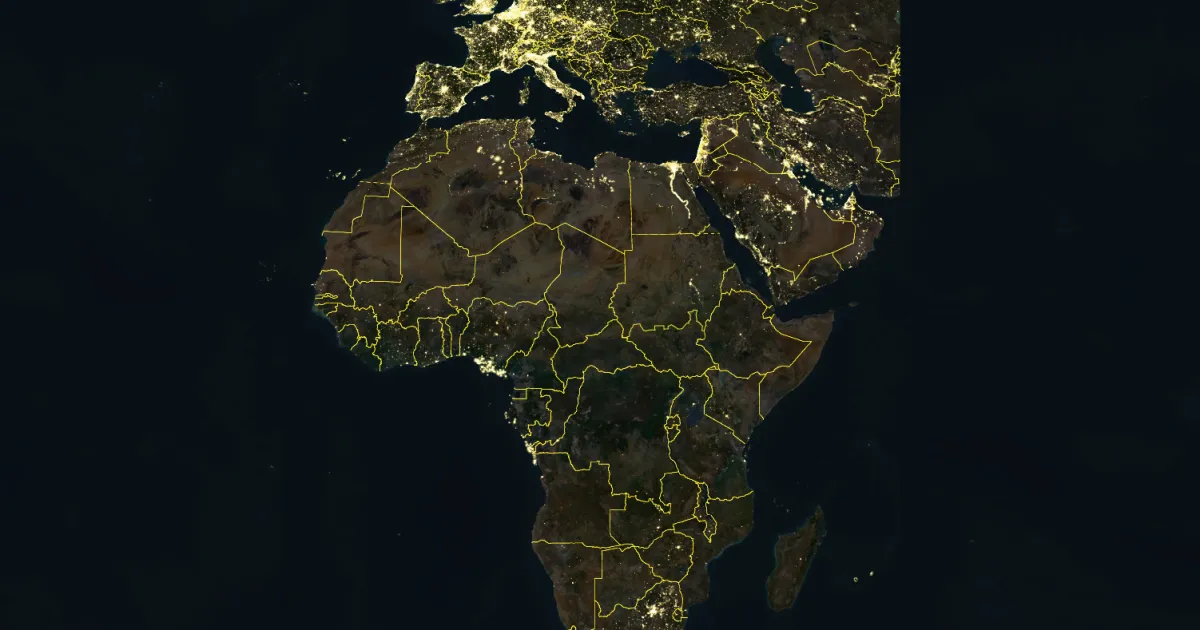
Meanwhile, Africa holds massive potential for the global energy market. The continent owns 125 billion barrels of proven oil reserves. It also supplies most of the world's cobalt and manganese for batteries. These minerals remain essential for the future of electric vehicles.
However, many people still live without reliable power. Experts at African Energy Week discuss how to fix this gap. They focus on turning natural wealth into electricity for local communities. Developing this infrastructure is a major goal for the coming years.
Innovation for Future Frontiers
Beyond Earth, scientists rethink how we sustain life. NASA recently announced winners for its Mars space food challenge. Astronauts cannot rely on pre-packaged meals for long trips to Mars. A one-way journey takes at least nine months of travel time.
Next, teams designed systems for a 15-person crew on the Martian surface. These systems must provide nutritious food for over 500 days. Chinyere Ukeje won the top prize for an adaptive nourishment plan. This ingenuity helps prepare humanity for future exploration beyond our world.
How we got here
- 2021-2024: NASA runs the original Deep Space Food Challenge.
- January 2026: NASA launches the Mars to Table competition.
- September 2026: NASA selects five winning teams for food system designs.
- October 2026: African Energy Week begins in Cape Town.
- October 2026: President Trump announces an energy ceasefire with Russia.
- October 2026: Russia strikes Ukrainian energy facilities despite the truce.
What happens next
The situation in Ukraine remains fragile as both sides exchange fire. Diplomatic efforts will likely face more hurdles in the coming weeks. International observers continue to watch if the energy truce holds or fails. Future talks may depend on the success of these early negotiations.
After that, African nations will move to modernize their energy grids. Investors seek ways to tap into gas reserves in places like Mozambique. This shift could help provide power to the 560 million people currently living without it. Success depends on stable political environments across the region.
Finally, NASA will refine its plans for deep space missions. Winners of the food challenge will help shape future equipment designs. These innovations eventually move from space tests to real-world applications on Earth. Technology often advances fastest when faced with the hardest challenges.