
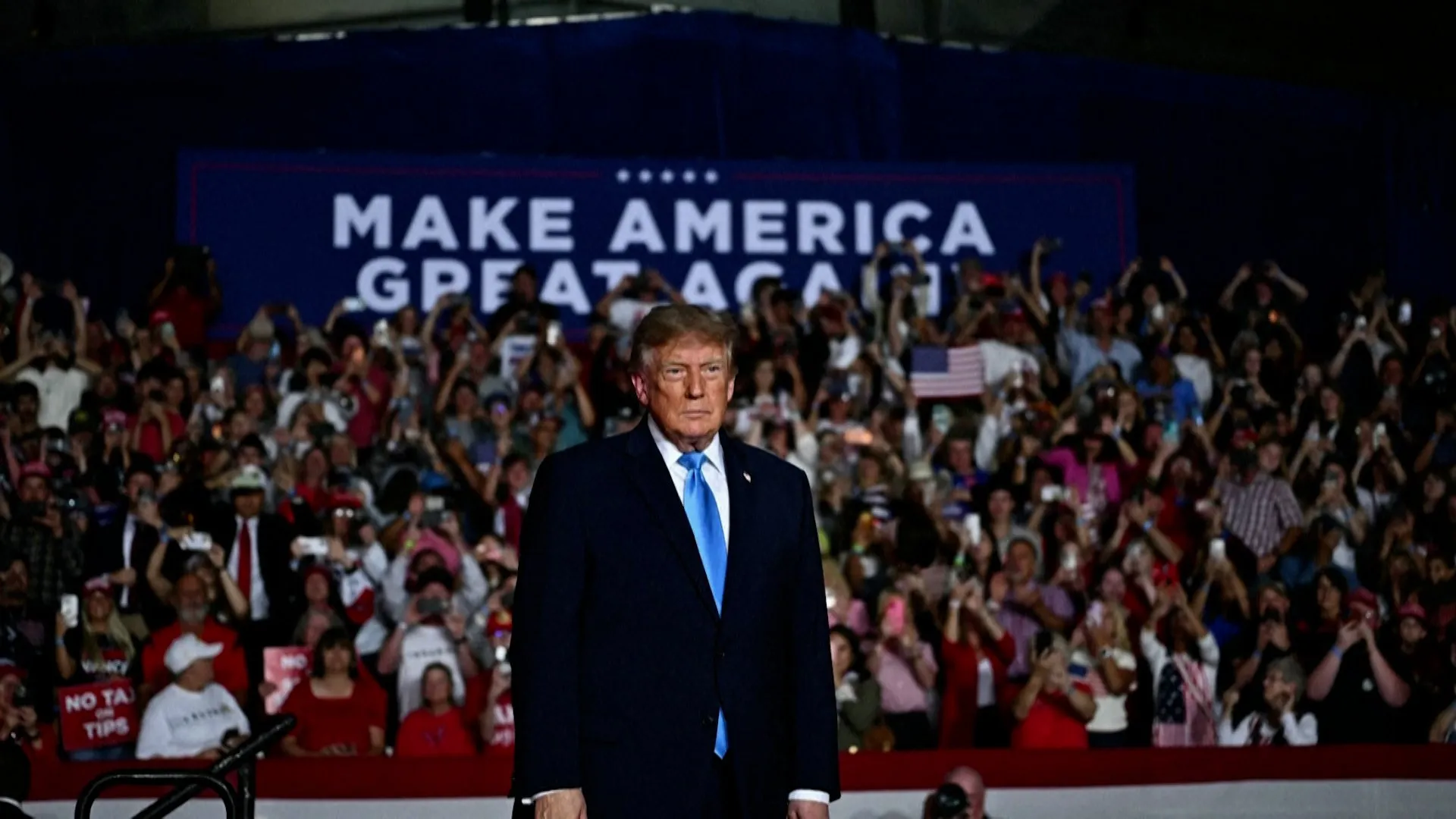
President Trump faces intense scrutiny after joking about military strikes while launching a new taskforce for artificial intelligence.
President Donald Trump recently made controversial remarks at a campaign rally in Nebraska. He joked about letting Iran bomb Los Angeles and San Diego. Many Democratic leaders quickly condemned these statements. They called the president dangerous for making such a claim.
Meanwhile, the White House announced a new team to study artificial intelligence. President Trump named intelligence director Jay Clayton to lead this group. He wants this taskforce to coordinate with companies and religious groups. This move follows ongoing debates about the future of new technology.
Why this matters
These events highlight the current friction in American politics. The president favors fast development for new computer technology. However, many experts worry about the safety of these systems. They want strong laws to keep the public safe from potential harm.
Furthermore, the president's recent jokes raise questions about his rhetoric. Leaders from California expressed deep concerns over his words. They believe such talk creates unnecessary fear among citizens. This split shows the divide between the administration and its critics.
The push for super intelligence
President Trump plans to rename artificial intelligence as "super intelligence." He insists that the United States must lead this field. He believes that winning the technology race is vital for national security. He also ruled out working with China on these projects.
Next, the new taskforce will include several top government officials. Jay Clayton will serve as the head of this team. Andrew Ferguson and Emil Michael will also join the group. They will report directly to the president and his chief of staff.
However, many lawmakers remain unhappy with this approach. Senator Elizabeth Warren argues that committees are not enough. She wants Congress to pass strict laws to regulate tech companies. She believes these rules will better protect the public from risks.
Industry views on safety
Recently, the president and major tech firms signed a voluntary safety document. This agreement is morally binding rather than a law. Tech leaders promised to ensure their tools stay safe for users. They hope this will prevent the need for government intervention.
Also, OpenAI chief Sam Altman spoke about the risks of these programs. He argues that the benefits of the technology outweigh the dangers. He believes the public should have access to these tools. He accepts that some negative outcomes might happen along the way.
How we got here
- September 2026: President Trump first announces plans for an artificial intelligence taskforce.
- Late September 2026: The president and tech executives sign a voluntary safety agreement.
- Early October 2026: President Trump names Jay Clayton to lead the official AI taskforce.
- October 4, 2026: OpenAI CEO Sam Altman defends the need for accessible artificial intelligence.
- October 6, 2026: President Trump faces backlash for comments about Iran during a Nebraska rally.
What happens next
The new taskforce will likely begin its work in the coming weeks. They must find a balance between innovation and safety. Public interest groups will watch their meetings very closely. This could lead to more debates in the halls of Congress.
Finally, the president will likely continue to defend his stance on technology. He will keep pushing for American dominance in the field. Critics will probably continue to demand stricter oversight. Both sides seem far apart on how to handle these powerful tools.