

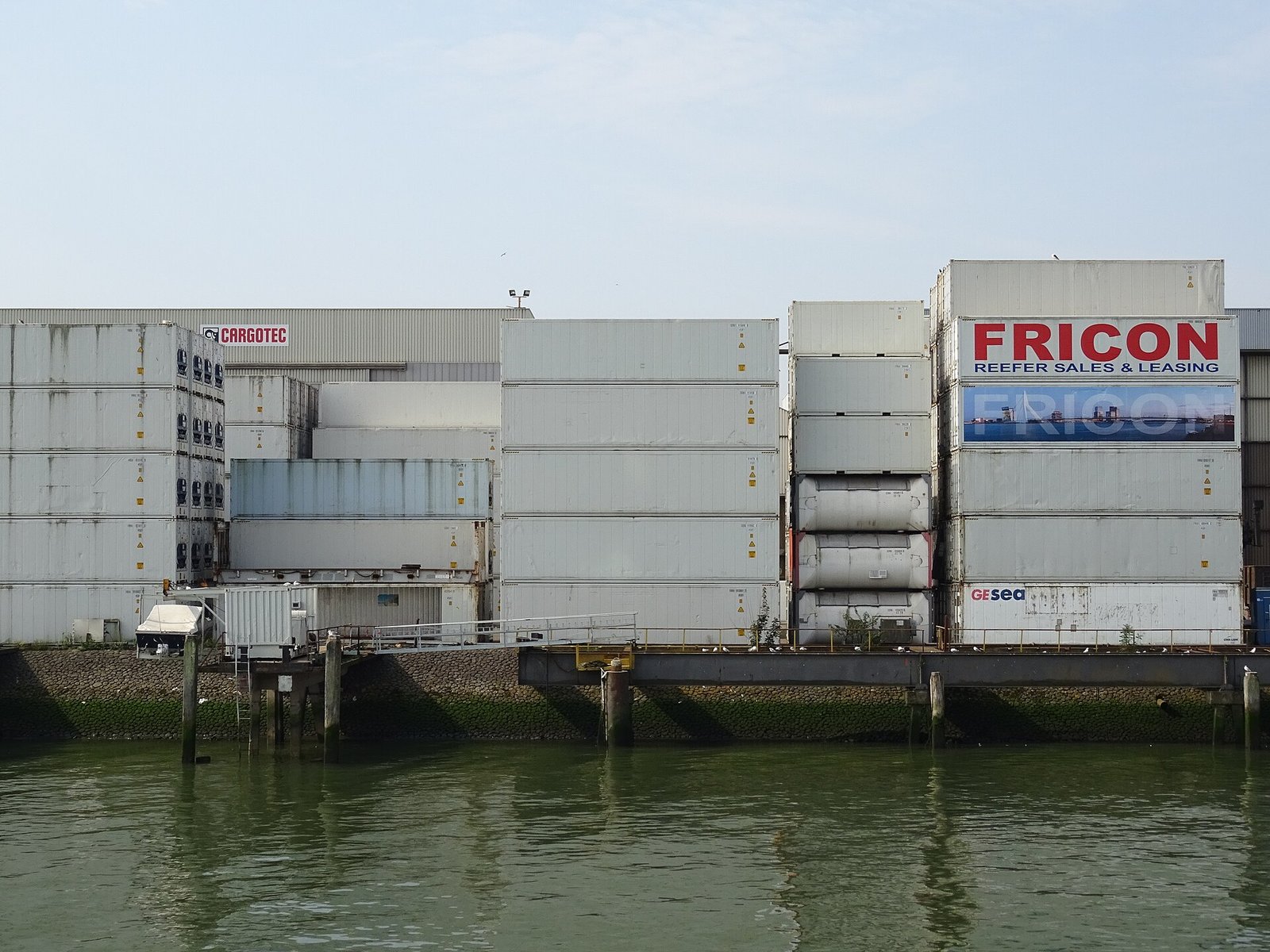
The Trump administration is poised to unveil a new round of tariffs on 16 major trading partners, including China, the European Union, Japan and India, after a months-long investigation into what it calls excess industrial capacity flooding world markets with cheap goods.
Key Points
- Trump new tariffs excess capacity probe — The US Trade Representative is expected to release the findings of its Section 301 investigation as soon as Tuesday or Wednesday, with new import duties on a wide range of goods expected.
- The probe covers 16 trading partners: China, the EU, India, Japan, South Korea, Mexico, Vietnam, Taiwan, Thailand, Malaysia, Indonesia, Switzerland, Norway, Singapore, Bangladesh and Cambodia.
- The new duties would stack on top of tariffs already imposed during Trump’s second term, with rates tailored to each country rather than applied uniformly.
- The White House is expected to honour tariff caps in trade deals already signed, including 15% for the EU, Japan and South Korea and 19% for Malaysia.
- The move follows a Supreme Court ruling in February that struck down Trump’s earlier sweeping reciprocal tariffs as unlawful.
The investigation, opened by the Office of the US Trade Representative (USTR) in March under Section 301 of the Trade Act of 1974, focused on what the administration calls structural excess capacity — production capacity that exceeds domestic and global demand, often sustained by government intervention. The administration has singled out China as the biggest source of the m, saying Chinese overproduction is flooding global markets with steel, aluminium, electric vehicles, appliances, solar products and other goods.
Three people with knowledge of the matter told Reuters on Tuesday that the findings were about to be released, and the Wall Street Journal reported earlier that the results could be unveiled as soon as this week. The USTR and the White House did not immediately respond to queries about the pending announcement. Former trade officials expect a lengthy report with differentiated remedies for each of the 16 partners. Ryan Majerus, a former senior Commerce Department trade official now at King & Spalding, said the administration could propose tariff rates of 15% to 25% on imports from countries deemed to have excess capacity in various sectors.
Rebuilding the tariff programme
The probe is best understood as one half of a legal rebuild of Trump’s tariff programme. After the Supreme Court ruled in February that the sweeping reciprocal tariffs introduced last year were unlawful, the administration launched two investigations simultaneously in March: the excess-capacity probe and a separate probe into weak enforcement of anti-forced-labour laws in 59 countries and the EU. That second investigation has already produced tariffs of 10% to 12.5% on 60 countries, imposed in July over their failure to prevent forced labour. The new duties from the excess-capacity probe would be added on top of those.
The political timing is also significant. The move comes after a heavy defeat for Republicans in the midterm elections, and analysts say the administration is seeking to rebuild tariff barriers before Democrats take control of the House in January. The proposed duties would complicate India’s trade deal with Washington and test agreements already signed with the EU, Japan and South Korea, which cap tariffs at 15%.
What happens next
The USTR is expected to publish its findings and proposed duties this week, after which trading partners will have a window to respond before any duties take effect. China, the EU and India are all expected to protest, and the move risks complicating the fragile US-China trade truce. For American consumers and businesses, the question is how much of the new cost will be passed through in prices — the same question that has followed every tariff round of the past two years. What is clear is that the administration intends to keep tariffs at the centre of its trade policy, whatever the courts or the midterm results said.
For background on the political backdrop, see our report on Democrats Win Largest House Majority Since 1992 as North Carolina Recount Hands Them 258th Seat, and on Burnham Tells MPs ‘Landmark’ EU Deal Could Make Next Decade Much Better as May Says She Is Aghast. More in our Politics section.
Sources: Reuters: Trump administration set to unveil new tariffs after probe on excess factory capacity, sources say; The Hindu: U.S. set to slap tariffs on China, EU and others after probe on excess industrial capacity: report