
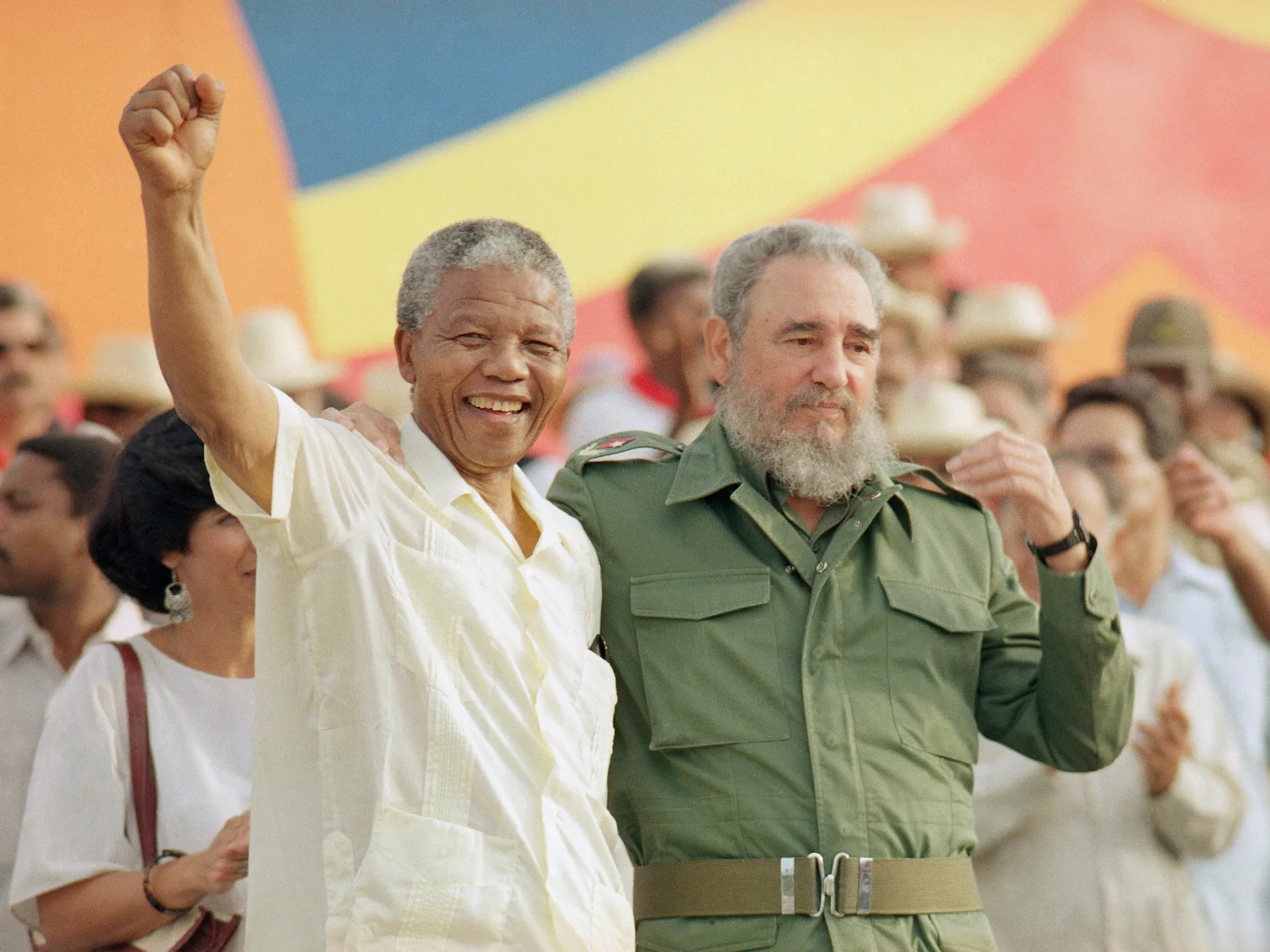
As the Cuban Revolution potentially nears its end, we reflect on its role as a global trickster and a counterweight to American power.
Cuba currently faces renewed pressure from the United States. Recent reports show nearby military activity and persistent calls for Cuban freedom. Many experts believe the revolution may soon reach its final chapter. This moment allows us to reflect on the nation's unique role in global politics.
The Cuban experience resembles the figure of Eshu from Santeria. Eshu acts as a divine messenger and a classic trickster figure. Like a trickster, Cuba frequently challenged powerful nations and revealed uncomfortable truths. It often served as a direct foil to American global influence.
Also, the revolution made waves as early as 1960. Fidel Castro famously stayed at a hotel in Harlem after being refused by other establishments. This move highlighted racial inequality within the United States. It became a powerful moment for the civil rights movement.
Next, Cuba expanded its reach through international programs. The country sent hundreds of thousands of doctors and engineers to developing nations. These efforts earned Cuba deep respect across the Global South. Many countries still view Cuban leaders as heroes of liberation.
Meanwhile, Cuba successfully defied the United States on several fronts. The military famously defeated the Bay of Pigs invasion. They also fought alongside forces in Angola to help end apartheid in South Africa. These actions challenged the perceived strength of Western powers.
Still, the revolution faced immense pressure from a long-running economic embargo. Cuba survived despite severe economic crises and isolation. It even achieved significant progress in literacy and health outcomes. These feats highlight the nation's persistent and unconventional spirit.
However, the government also committed significant human rights abuses. Authorities restricted free speech and suppressed public protests. These actions reveal a darker side to the revolution's legacy. In this way, the state often mirrored the authoritarian traits it claimed to oppose.
Finally, the world faces an uncertain future without this historic foil. If the revolution collapses, global power structures may change significantly. We must ask what happens when there are no more challengers to dominant empires. The world might lose a vital, though flawed, voice for change.