
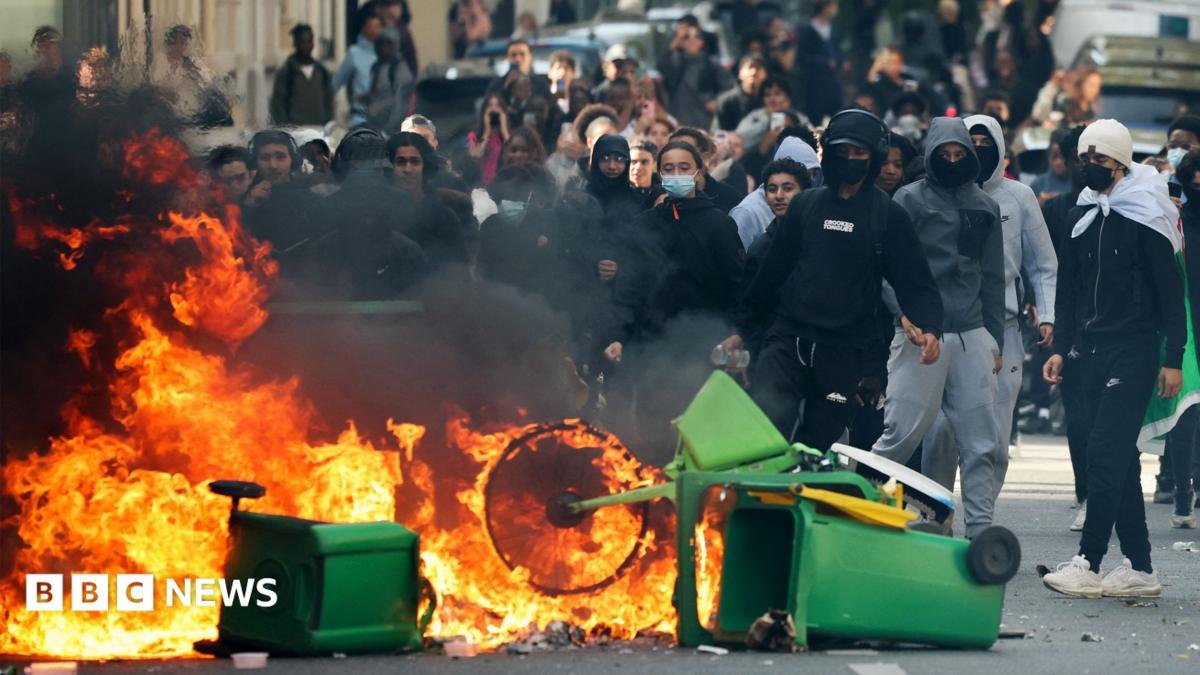
Students across France prepare for a major day of action following a week of violent school protests and thousands of arrests.
French students plan a major day of action across the country. They want more money for schools. This follows a full week of intense demonstrations.
Students blocked hundreds of schools during these events. Thousands of people faced arrest as the conflict grew. Serious injuries occurred during clashes with police.
Meanwhile, the government announced new promises to fix school problems. Officials said they want to see visible changes soon. However, student leaders claim these promises offer nothing concrete. They continue to call for more support.
Why this matters
The protests represent a major challenge for the French government. Education leaders worry about the safety of young people. Many parents feel anxious about the school environment.
Also, this unrest reflects deep issues in the public school system. Students complain about overcrowded rooms and bad building conditions. They also want more teachers to help them learn.
Finally, these events show a growing divide between youth and leaders. Experts compare the mood to the famous unrest of 1968. That year changed the way many people viewed student power.
The current state of conflict
The situation remains dangerous for everyone on the streets. One student lost a hand during a fight in the city of Lens. Another student suffered a head injury from a tear gas grenade.
Also, property damage is a major concern for the government. Officials report that 24 schools suffered fire or damage. People also burned rubbish bins in the streets near Paris.
Then, the government took a firm stance against the violence. Prime Minister Sébastien Lecornu promised help for students and staff. Still, he vowed to show no mercy to those causing destruction.
Rising tensions on the ground
Next, unions are joining the call for more protests. The teachers' union SNES-FSU urged members to march on Tuesday. They want to show solidarity with the students.
Meanwhile, police numbers remain high to maintain order. Thousands of arrests occurred over the last several days. Both sides remain locked in a tense political stalemate.
How we got here
- September 2026: Demonstrations begin in Paris over school conditions.
- Last week: Protests spread across France, leading to widespread blockades.
- Last week: Police report more than 5,000 arrests during the initial waves.
- Monday: A student suffers a severe injury to his hand in Lens.
- Monday: The Education Minister reports partial or total closures of 500 schools.
- Sunday: The Prime Minister announces new measures to address student demands.
What happens next
As a result, Tuesday will be a critical day for the movement. Observers expect massive turnouts in cities across the nation. Police will likely use heavy force to prevent more violence.
After that, the government faces pressure to offer real solutions. Simple promises may not satisfy the frustrated student groups. The outcome will depend on whether both sides can agree to talk.
Still, the risk of more serious injuries remains very high. If the unrest continues, schools may close for even longer periods. The nation watches closely to see if order returns to the classroom.