
Severe flooding strikes Spain as Australia updates its national immigration laws. Both developments impact global movement and safety.
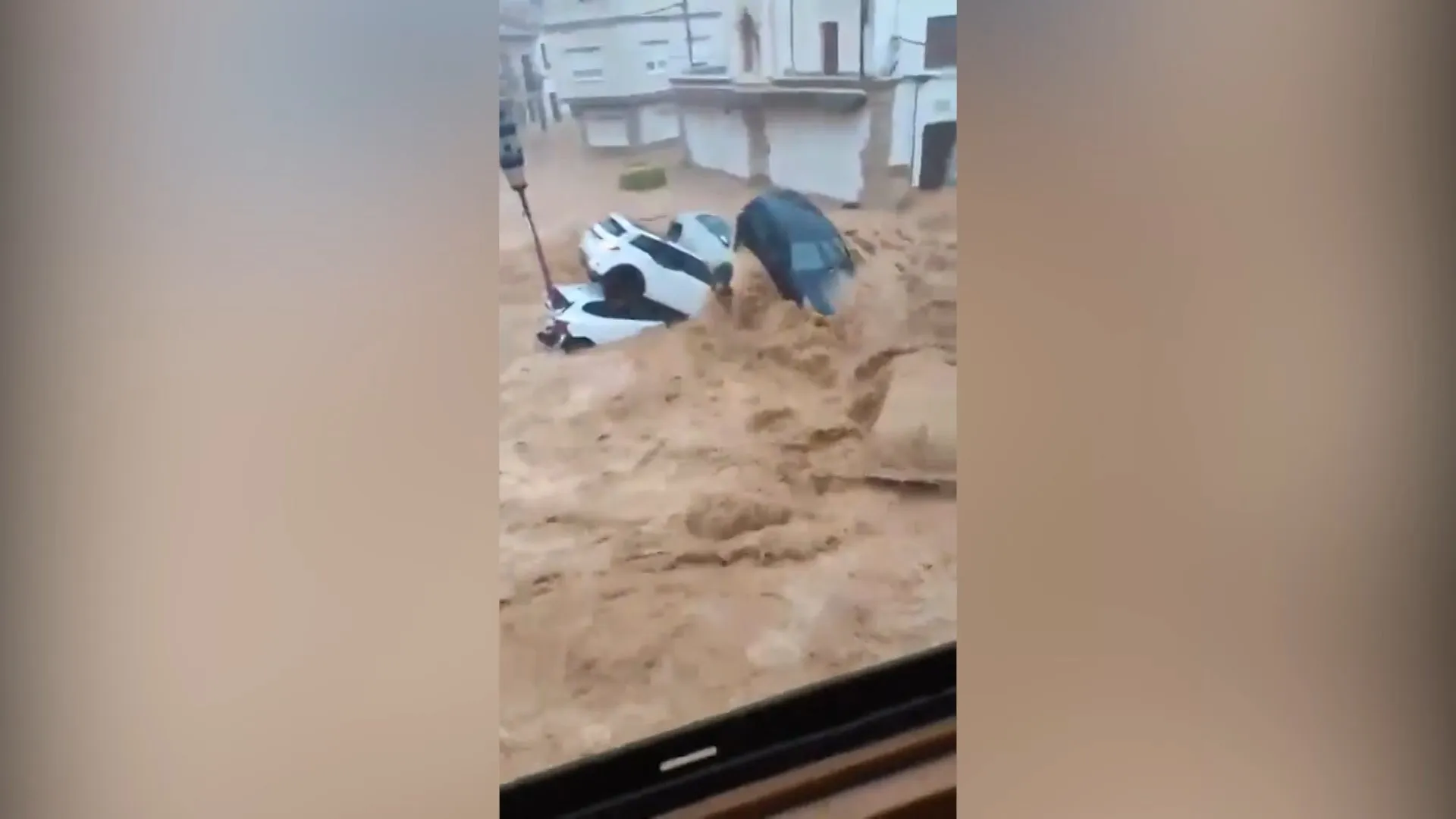
Heavy rain recently triggered dangerous floods in parts of Spain. Water quickly moved through the streets of Madrigueras. It carried away cars and destroyed property.
A 102-year-old woman sadly died during the event. Rescuers saved about 90 other people from the rising waters. Reports from Sky News also mention a missing girl in the region.
Meanwhile, Australia is changing its immigration policies. Officials want to lower the number of people moving to the country. They aim to hit specific population targets by 2028.
Why this matters
These events show how climate and policy shape our world. Severe weather creates sudden, life-altering emergencies. Governments also use strict rules to manage their borders.
Both situations force citizens to adapt quickly. Whether through rescue efforts or new legal hurdles, stability remains a challenge. Understanding these shifts helps us prepare for a changing global landscape.
Spain battles extreme weather
The floods in Spain occurred after a massive amount of rain. Most of this rain fell in just two and a half hours. The storm caused significant damage to local homes.
Also, authorities in Spain and Portugal are working to assess the danger. Teams continue to search for missing residents. The suddenness of the rain caught many people off guard.
Australia adjusts immigration laws
Australia plans to reduce its net overseas migration. Home Affairs Minister Tony Burke announced these new, stricter rules. The government wants to reach a target of 225,000 new residents by 2028.
Next, the country will limit international student visas. Students cannot bring family members as easily as before. The government hopes this will stop what they call visa hopping.
Still, some groups will keep their current rights. PhD students and people from specific Pacific nations get exemptions. British citizens also remain unaffected due to a trade agreement.
Finally, working holiday visas face a new ballot system. This limits the number of backpackers who can stay for extra years. These workers remain vital to Australia's farming industry.
How we got here
- September 2023: NASA’s rover finds volcanic rock inside Mars’ Jezero Crater.
- September 2026: Australia announces new migration rules to curb population growth.
- October 2026: Intense rain causes deadly flash flooding in south-central Spain.
What happens next
Spanish officials will likely focus on recovery efforts. They must rebuild infrastructure damaged by the floodwaters. Experts will study the storm to improve future warning systems.
After that, Australia will implement its new visa ballot system. The government will monitor migration data closely. They will adjust these rules if population goals remain unmet.
Finally, scientists will continue to study Martian rocks. Data from the Perseverance rover helps us understand water history. These findings change our view of the solar system.